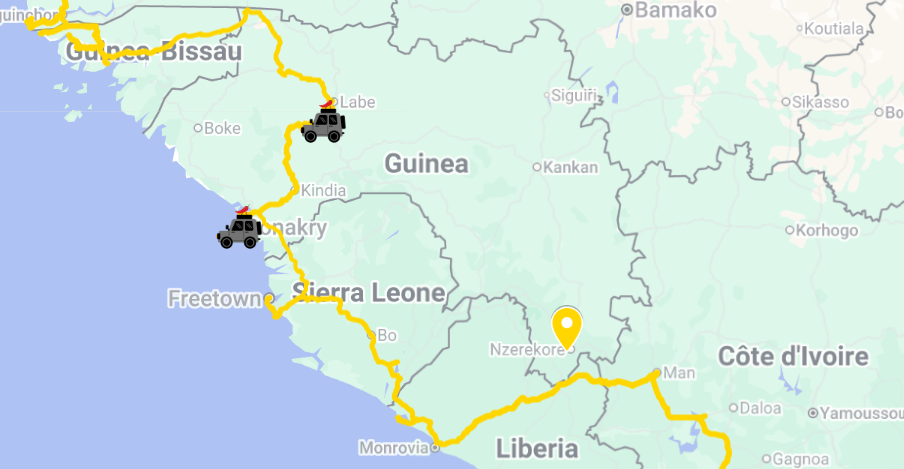
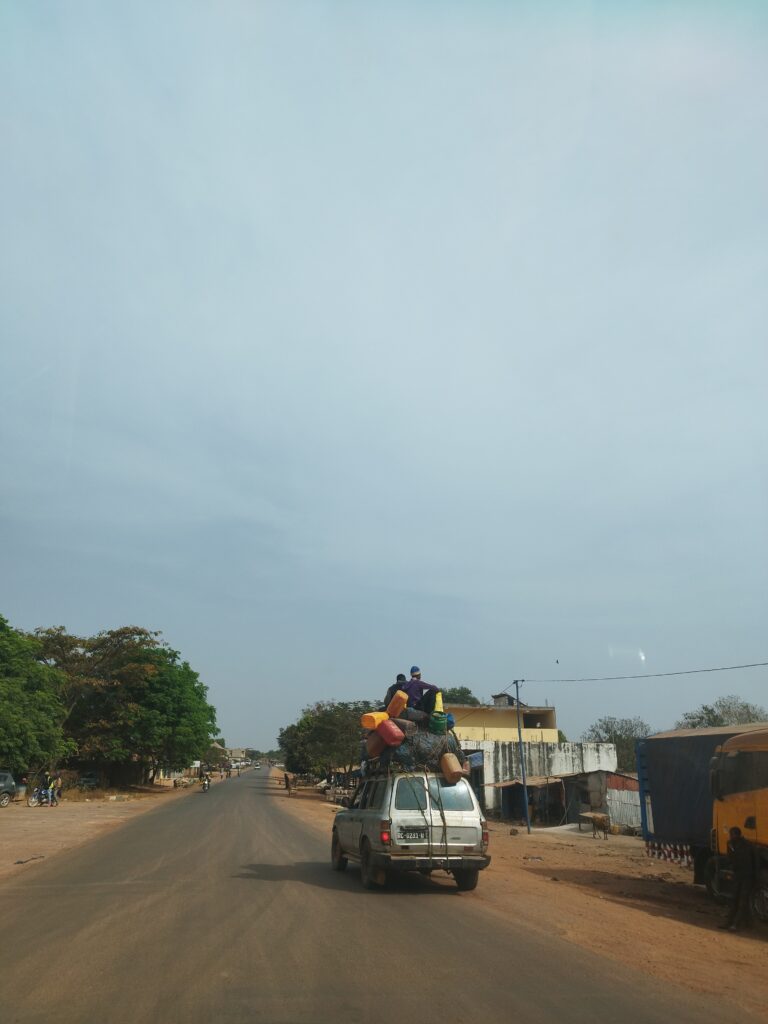
We spent ten days in Guinea: five in the northern Fouta Djallon region and five in the capital, Conakry. Guinea is one of the most challenging countries to travel in Africa—roads are riddled with potholes, progress is slowed by heavily overloaded trucks, and accommodation is often disproportionately expensive for the quality offered. Despite all this, we left with very positive impressions, having discovered an exceptionally diverse country with coastlines, waterfalls, mountainous landscapes, and a bustling metropolis whose unique atmosphere comes from the fact that life unfolds almost entirely on the streets and the people are remarkably friendly.
What shoul you know about the country?
Summary
Guinea (Guinea–Conakry) is located in West Africa along the Atlantic coast; it covers an area of about 245,000 km² and has a population of approximately 14–15 million. The country is ethnically highly diverse, home to more than twenty ethnic groups, the largest being the Fula (Peul/Fulani), Malinké, Susu, and Kissi. Historically, the region lay within the cultural and economic sphere of influence of major West African empires—most notably the Mali Empire—while the Fouta Djallon highlands became an important Islamic religious and political center from the 18th century onward.
At the end of the 19th century, Guinea came under French colonial rule and was administered as part of French West Africa. The colonial period was characterized primarily by a system focused on resource extraction and the consolidation of central authority, offering little support for the development of local societies. Guinea gained independence in 1958, after rejecting continued ties with France in a referendum; under its first president, Ahmed Sékou Touré, the country quickly became a centralized, authoritarian state marked by political repression and economic isolation.
In the decades following independence, Guinea’s political history has been shaped by military takeovers, unstable governance, and contested elections. Although the country possesses some of the world’s largest bauxite reserves, as well as significant deposits of iron ore and gold, this natural wealth has only marginally improved living standards, and much of the country’s infrastructure remains underdeveloped.
More than 30 languages are spoken in Guinea, mainly belonging to the Mande, Atlantic, and Mel language families. French is the official language, but in everyday life local languages dominate, especially Pular (Fula), Malinké, and Susu, which also function as regional lingua francas.
Around 85–90% of the population is Muslim (predominantly Sunni), while Christians make up roughly 5–10%, and the remainder follow traditional African religious practices. Religion is an integral part of daily life, often closely intertwined with local customs and community structures. Guinea has one of the strongest musical traditions in West Africa, where music forms part of collective memory and social order: the griot tradition and percussion music—especially the djembe—remain vibrant and actively practiced. Due to the limited presence of state institutions, social organization in many areas still relies heavily on family networks, religious leaders, traditional authorities, and living cultural traditions.
Climate
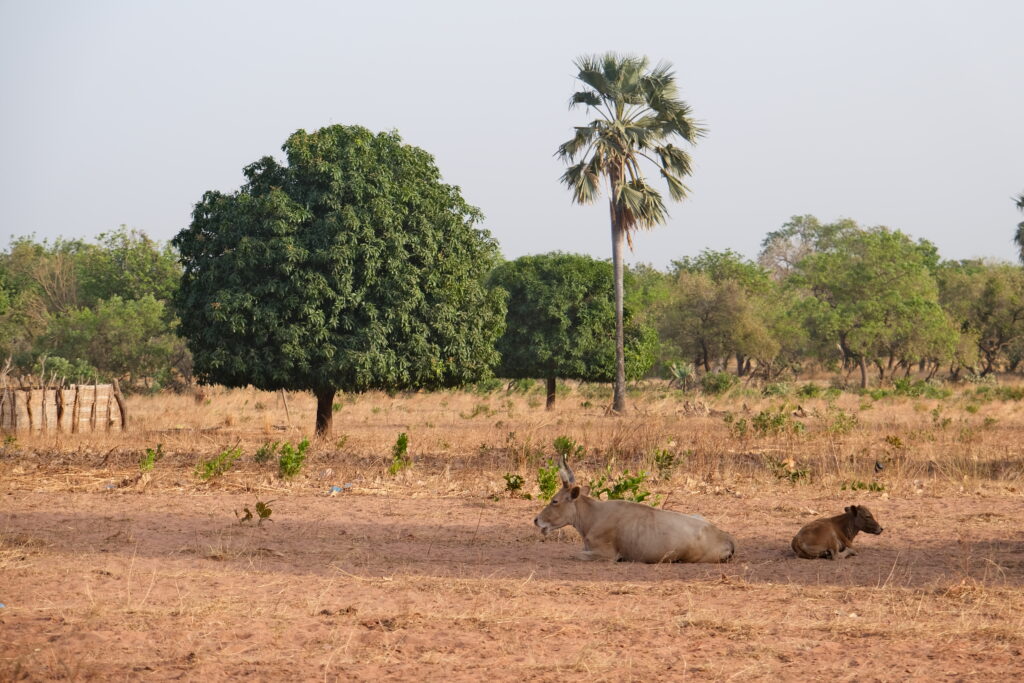
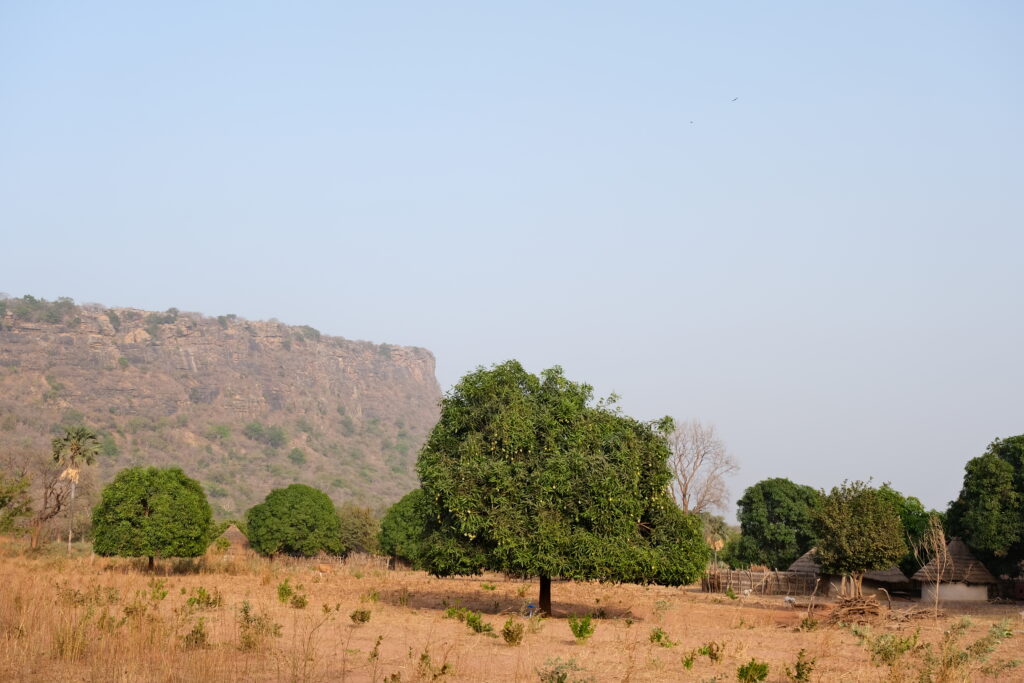
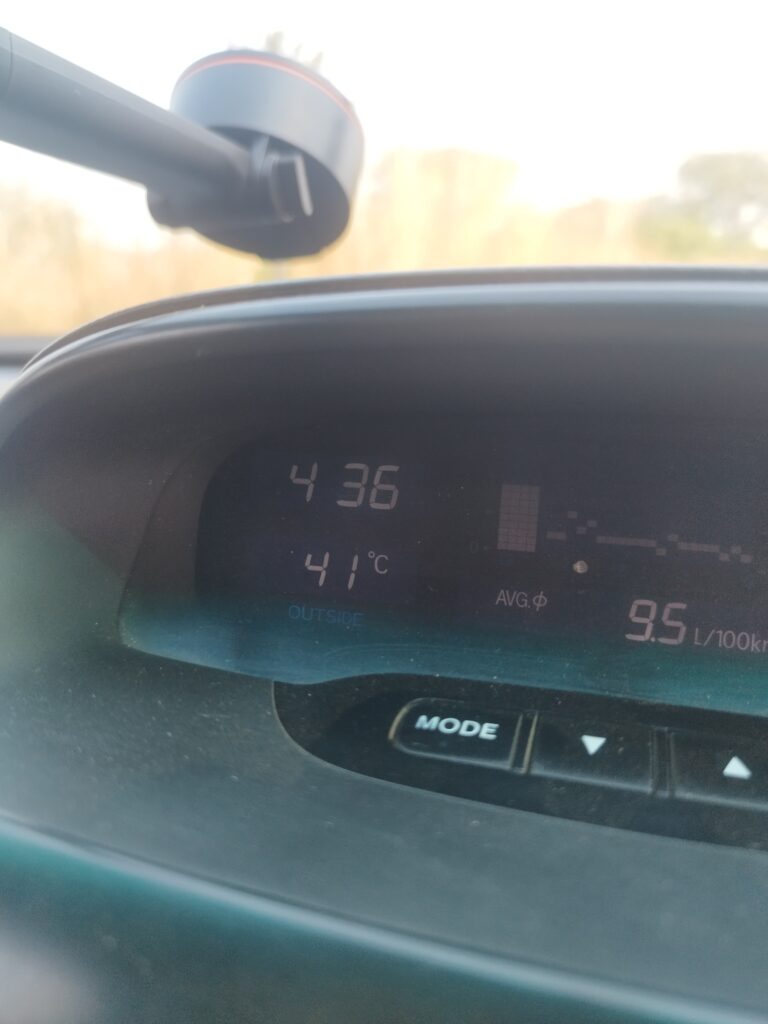
Guinea has a tropical climate, with a dry season lasting from November to April, followed by a rainy season from May to October that brings abundant rainfall, especially along the coast and in the highlands. It can be extremely hot even in the mountains—when we were there in February, temperatures easily rose above 40°C.
Clothing
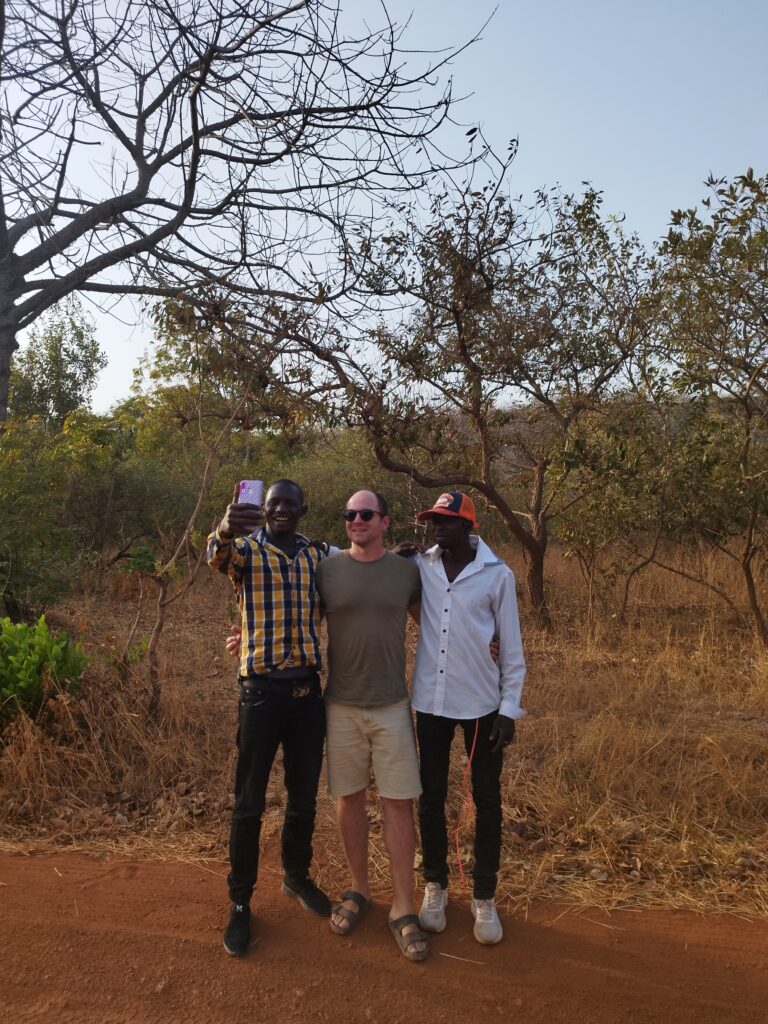
The majority of the population in Guinea is Muslim, and people tend to dress more conservatively, so outside of hiking I wore long trousers and long-sleeved tops.
Food
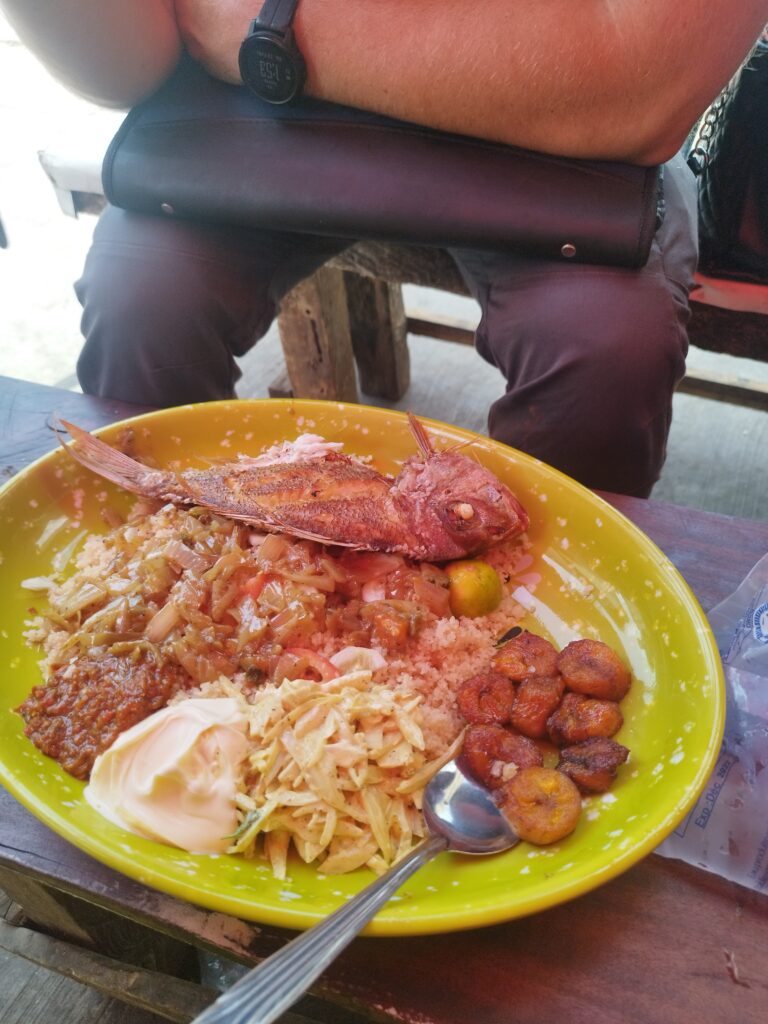
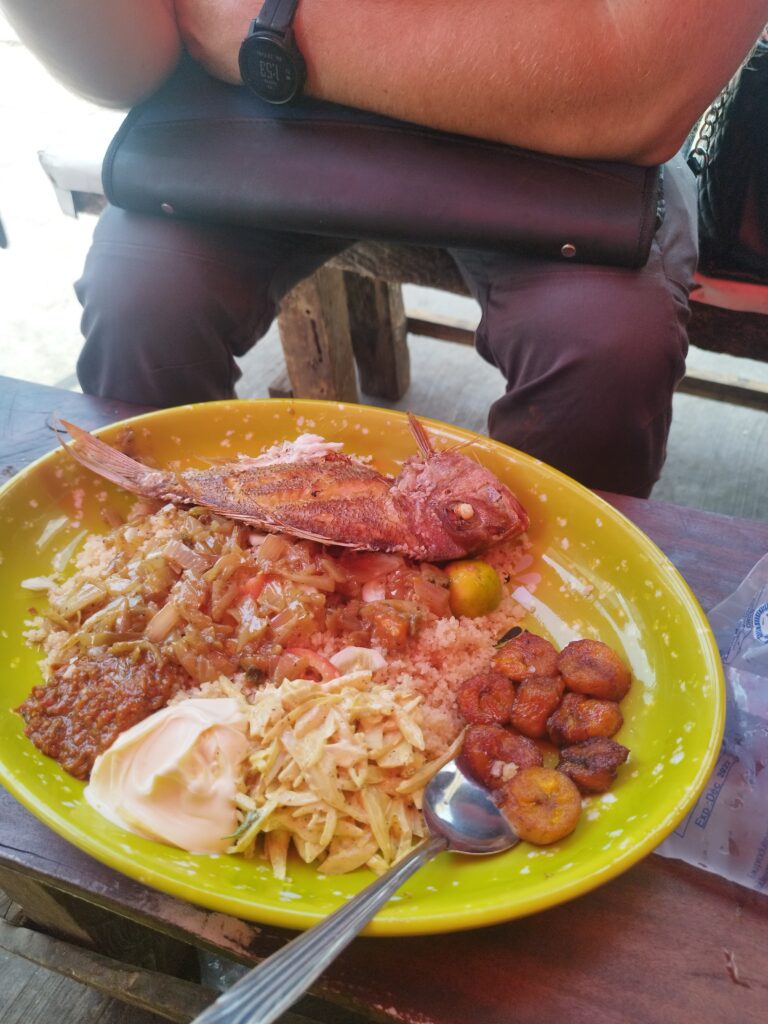
Guinean cuisine is based on rice, cassava, yam, and plantain, most often served with peanut, palm-oil, or tomato-based sauces. Along the coast and rivers, fish is the most common protein, while in inland areas chicken and goat are more typical, although we also had a very tasty beef broth. In addition to rice, fonio is widely eaten, especially in the Fouta Djallon region; this tiny-grained ancient cereal is often referred to as “Guinean rice.” One of the most characteristic dishes is cassava leaf sauce, usually served with fish or meat and rice or fonio. Guinean food is rich in palm oil and boldly seasoned: chili is used generously, and particularly in Fouta Djallon a numbing spice similar to Sichuan pepper—grains of Selim—is common, giving dishes a distinctive character.
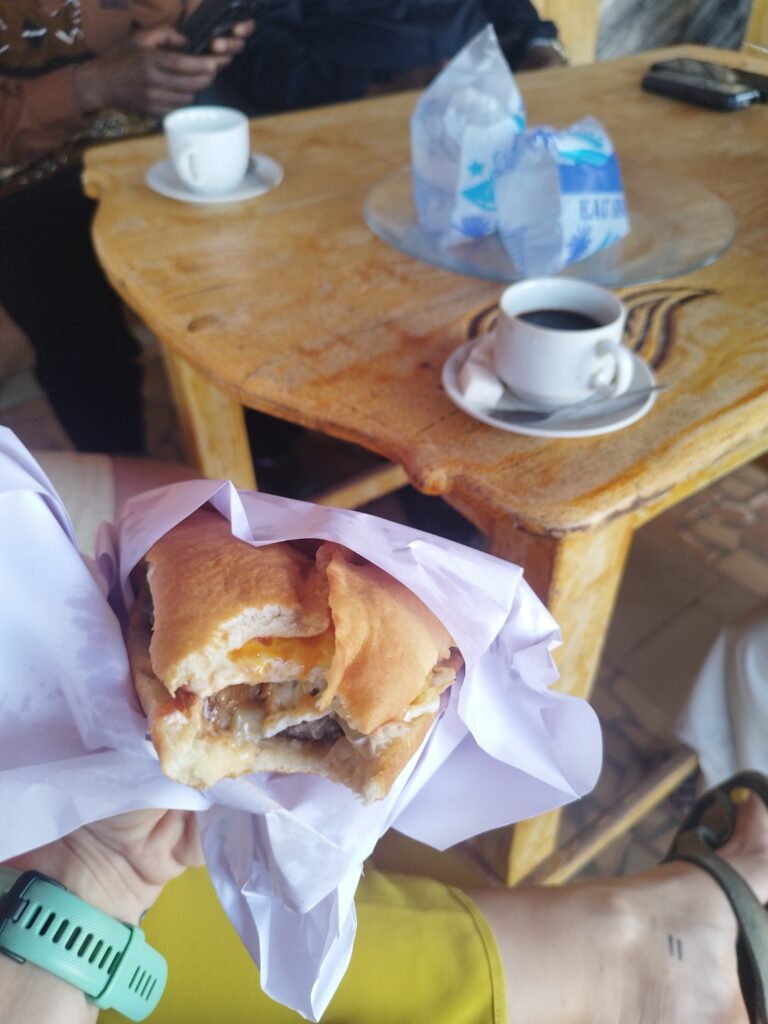
For breakfast, street vendors often sell a mildly fermented porridge made from millet or maize (koko or latchiri), mixed with sugar and condensed milk, and eaten with doughnut-like fritters known as beignets. Baguettes, which are common throughout West Africa, are also typical; in Conakry we tried a delicious version filled with liver and meatballs, but the simple bean-filled one (with a bit of chili and mayonnaise) is also a great choice.
Our stomachs didn’t handle the heavy use of palm oil very well, but fortunately there are plenty of genuinely good fast-food options in the country. One of the most popular is fataya, a triangular, lángos-like fried pastry that can be filled in various ways—our favorite was the steak-and-egg version. Shawarma and hamburgers are also widely available, often with the same filling options as fataya.
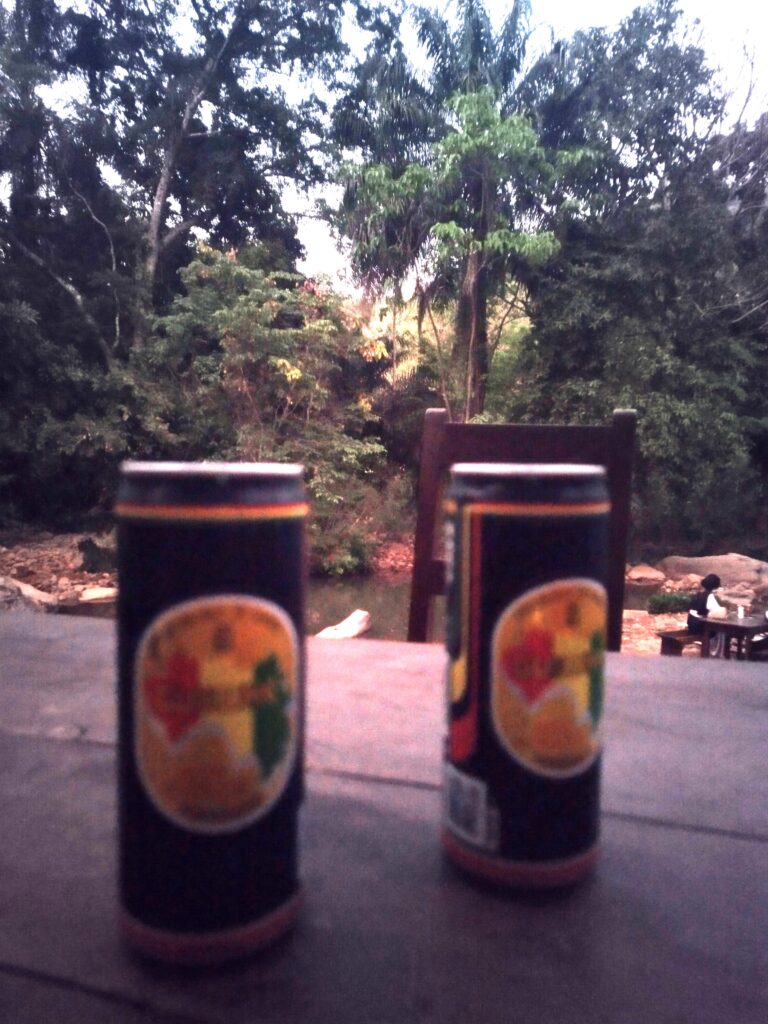
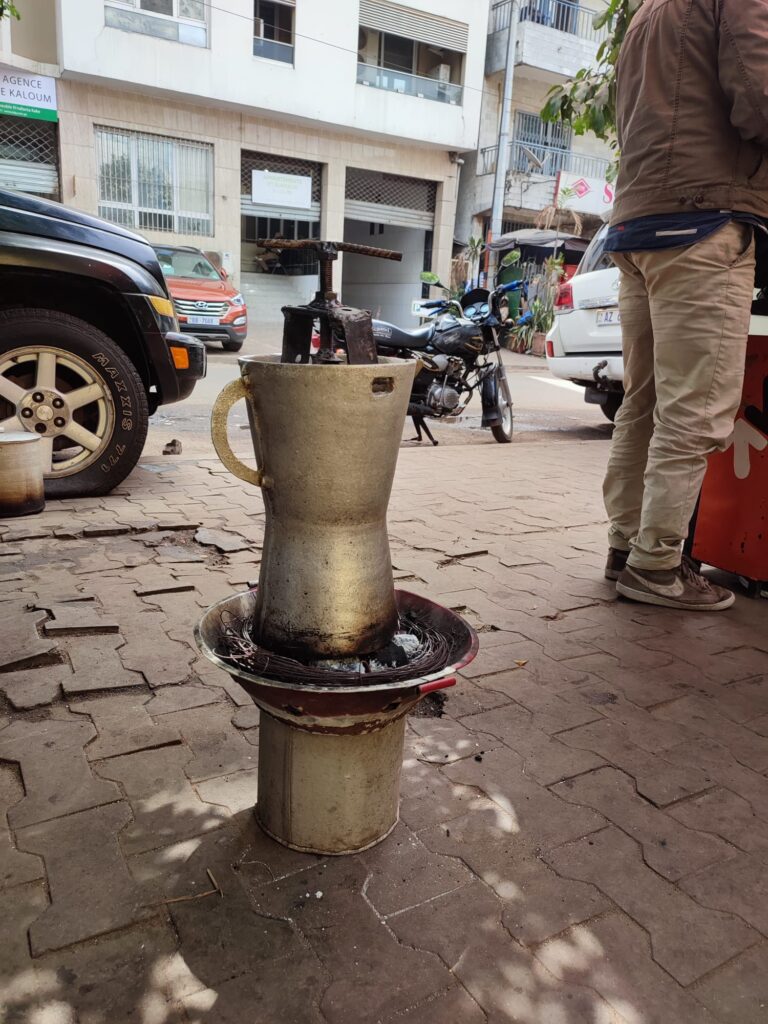
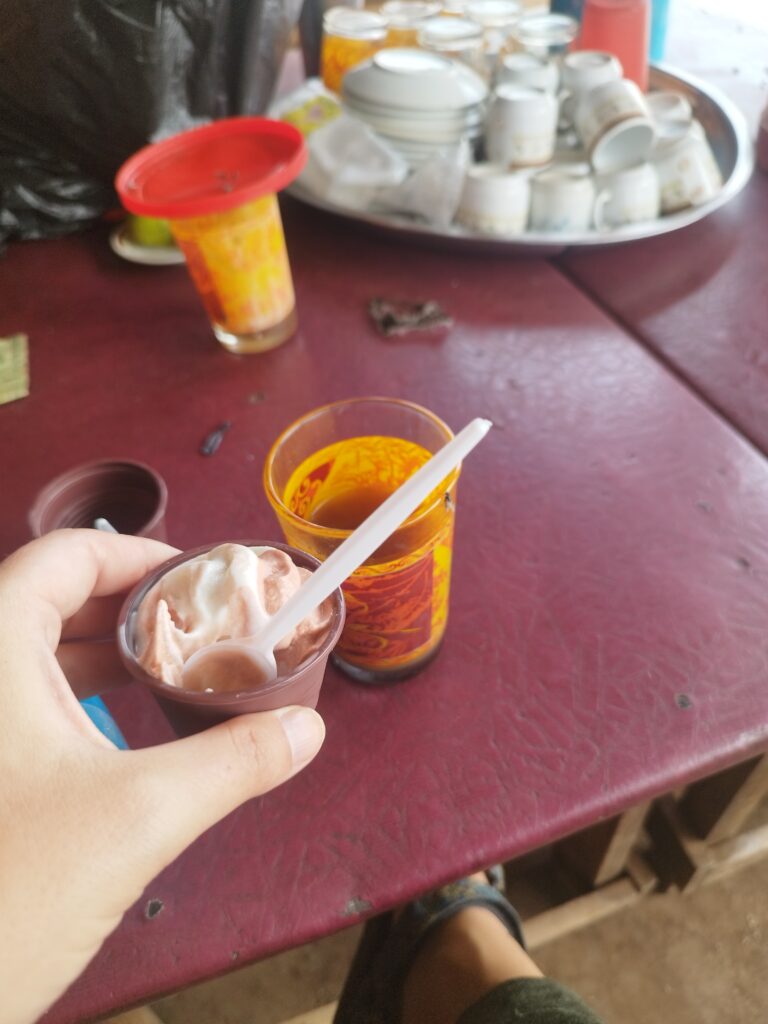
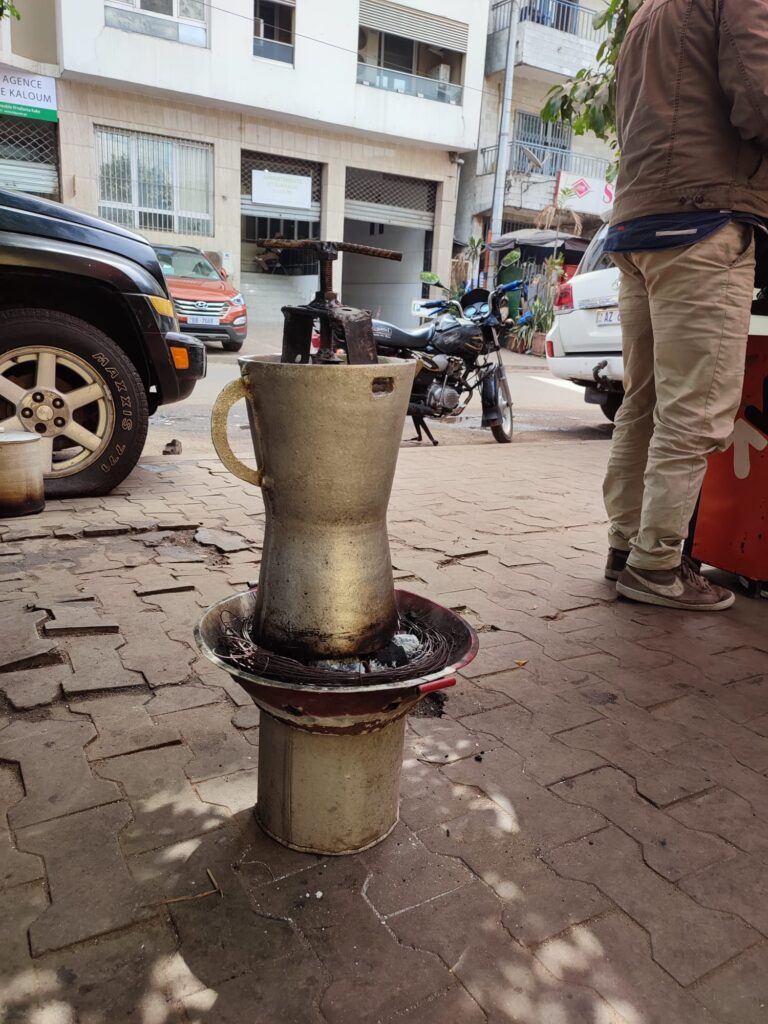
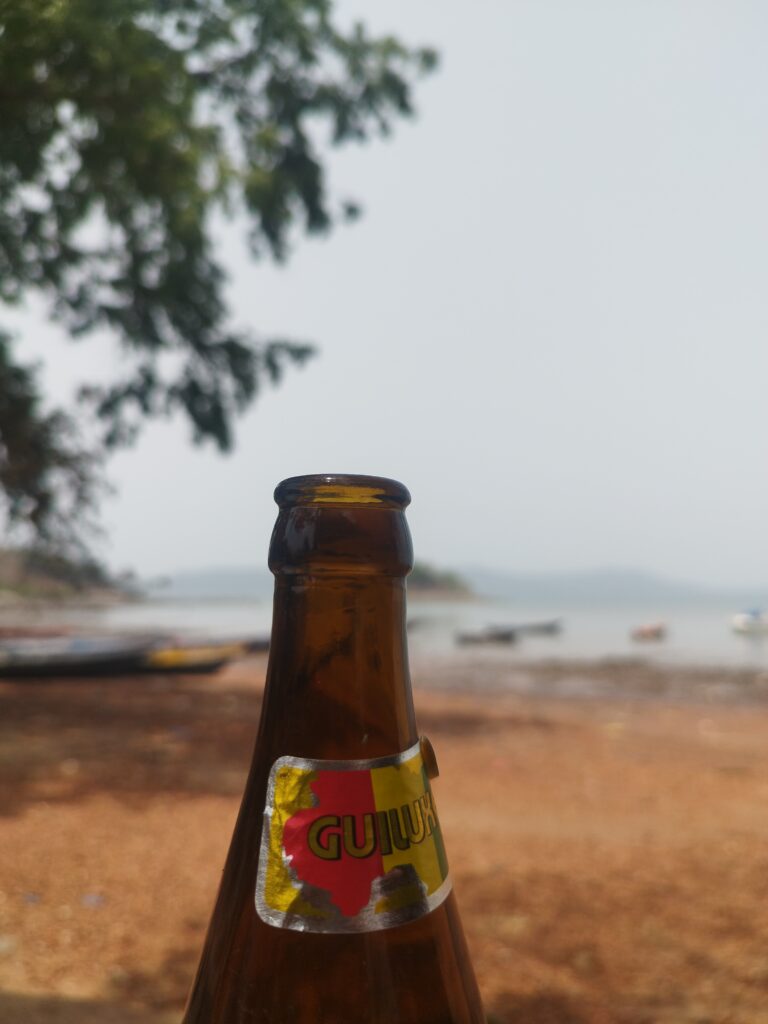
Soft-serve ice cream can be bought for well under 20 Hungarian forints, and our personal favorite was the country’s coffee culture: large moka pots are used to brew coffee right on the street, which is then sold in small cups for around 40 forints. A local version of Touba coffee is also available, though it tastes more like a very strong ginger drink. Although Guinea is a Muslim country, Guinee beer is easy to find around the capital, and palm wine can be obtained from the islands.
Safety
Guinea is not too politically stable country, so protests can occur, and it’s important to stay informed about the current situation. In the north, Koundara was the only town where we didn’t feel especially safe, but driving a bit farther south into the Fouta Djallon region—especially in the villages—the atmosphere felt much calmer. Conakry is a very crowded metropolis, so extra awareness is needed, but during our five days there we didn’t experience any problems.
Roads and Infrastructure
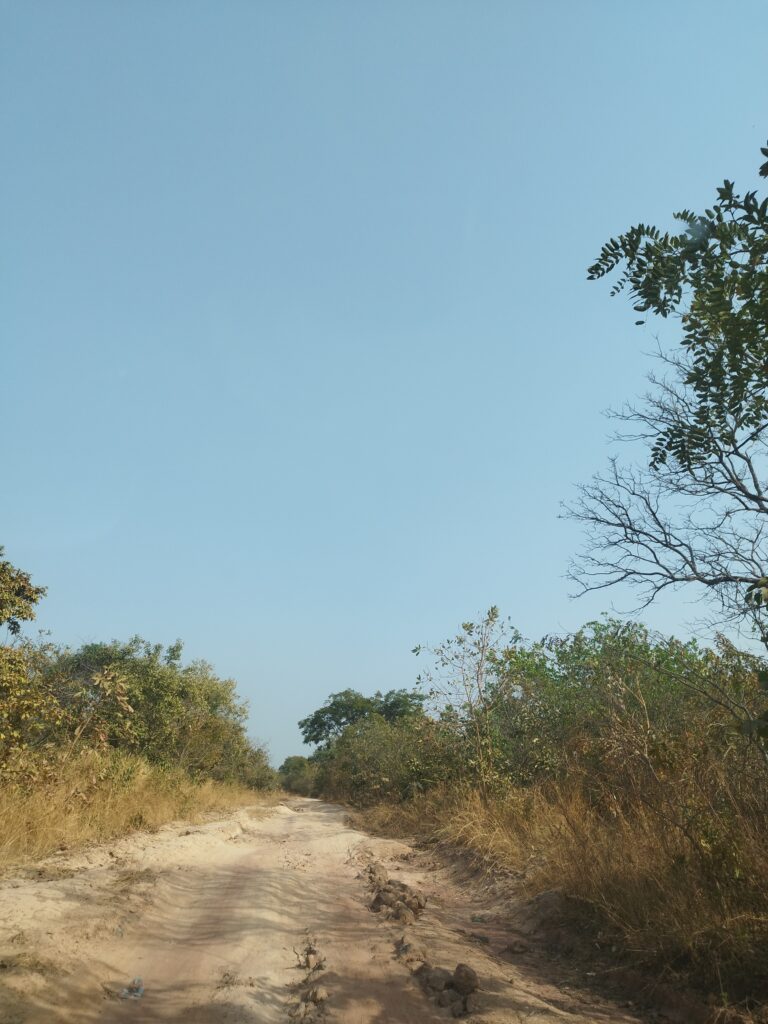
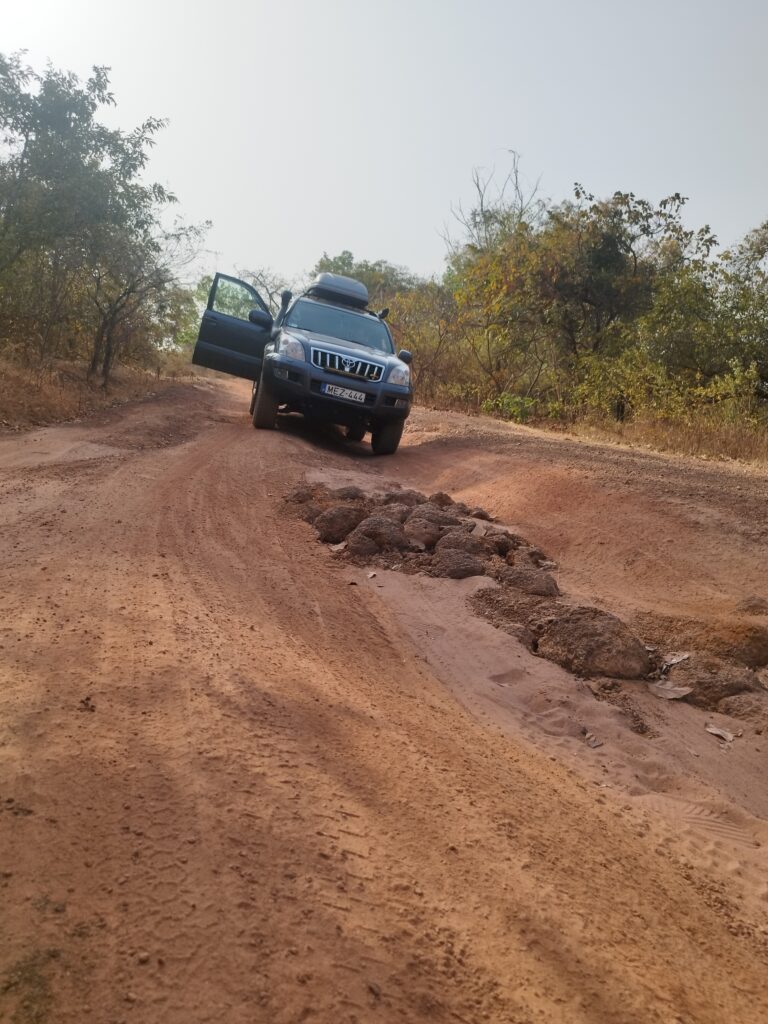
We crossed the border from Guinea-Bissau in the north. Right after the border the road was in very poor condition (though still much better than what we had read about it—with a 4×4 it was easily passable). The main roads are asphalted but full of potholes, and toward Conakry there are huge numbers of heavily overloaded cars and trucks that can only move at a snail’s pace, making driving quite a nerve-racking experience. Someone advised us to take the Pita–Conakry route on dirt roads; it might actually have been a better and faster option than the asphalt, as we couldn’t complete the journey in a single day.
It’s also important to point out that there is virtually no tourist infrastructure in Guinea, and accommodation generally offers very poor value for money. In Koundara and Pita we managed to stay within our budget, but there were an unbelievable number of cockroaches everywhere (and in Koundara there wasn’t even a more expensive option to avoid them). In Conakry, the cheapest place we found was USD 42; in the city center this only got us a Catholic guesthouse in terrible condition, and they didn’t even serve breakfast after 9 a.m. We eventually left and, for the same price, found a nice room with a very kind host farther outside the city, where we felt comfortable—but those five days definitely didn’t help keep our daily costs down. In Conakry we didn’t see any cheaper options at all; camping is possible at Mori’s place, but by then we were really craving a clean room.
Sights and Experiences – Where we’ve been and what’s been left out
Conackry
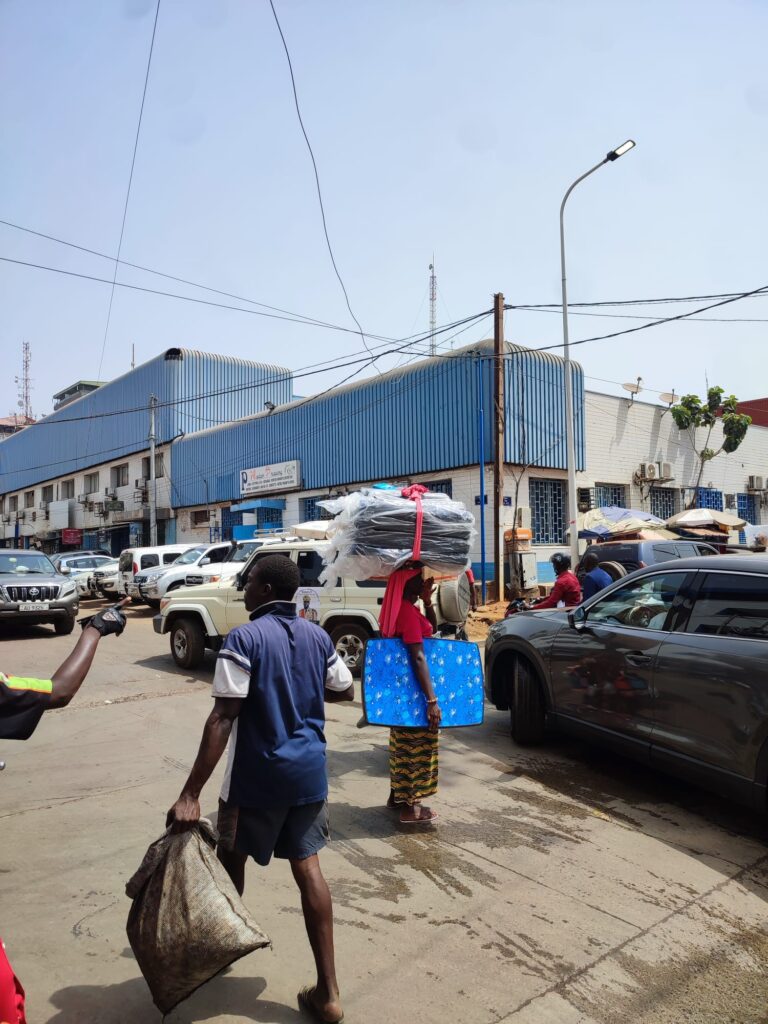
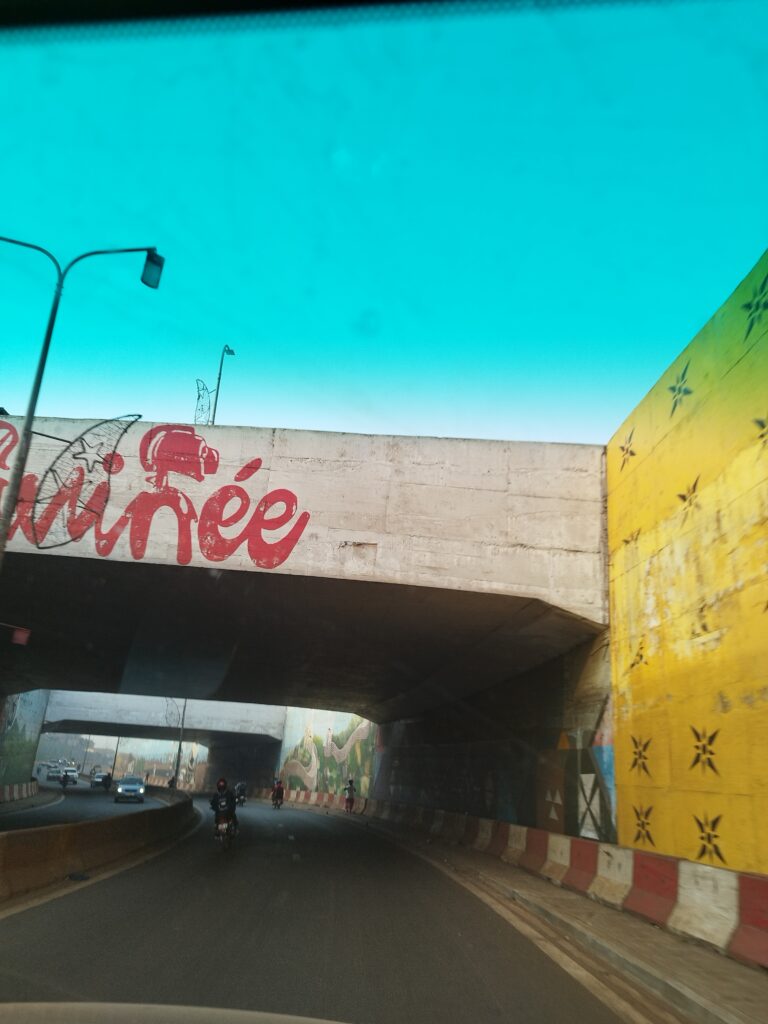
Conakry is the capital and largest city of Guinea (around 2 million inhabitants, though it feels like many more). Similar to Dakar in Senegal, the city is located on a peninsula and also includes a group of small islands (Îles de Los). Because of this geography, traffic is chaotic: it took us four hours to get from a small town outside the city to the downtown area at the tip of the peninsula (we even had a minor collision with another car, but the police officer just waved us on, telling us not to hold up traffic).
Travelers often don’t like the city because it’s extremely crowded and hectic, but we spent five days there and really grew fond of it. The downtown area has a very distinctive atmosphere: this is where the business district and embassies are located, yet real life happens on the streets. Office workers sip strong black coffee brewed in large moka pots, women fry fish served with salads and fried plantains, and we even managed to get our hair cut at a street barbershop. Some people sit around in small bars—it feels as if beneath the modern city there is an entirely different one living its own life.
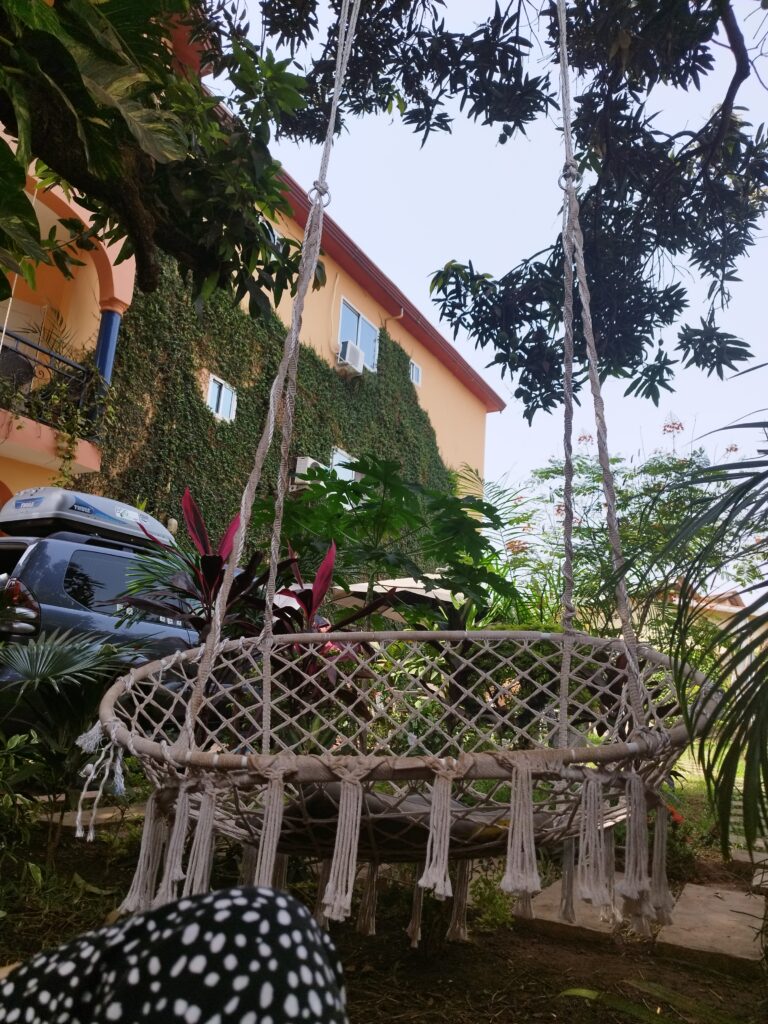
In the end, we stayed in a more outlying neighborhood with a very kind host, Mori, who welcomed us with palm wine and organized programs for his guests (who were all genuinely great travelers, giving the place a very homey feel). One evening, for example, we went into the city for a live music concert. The downside—true for Guinea in general—is that accommodation is very expensive, and we had no chance of staying within our budget, but fortunately we ate very well on the streets and in fast-food spots.
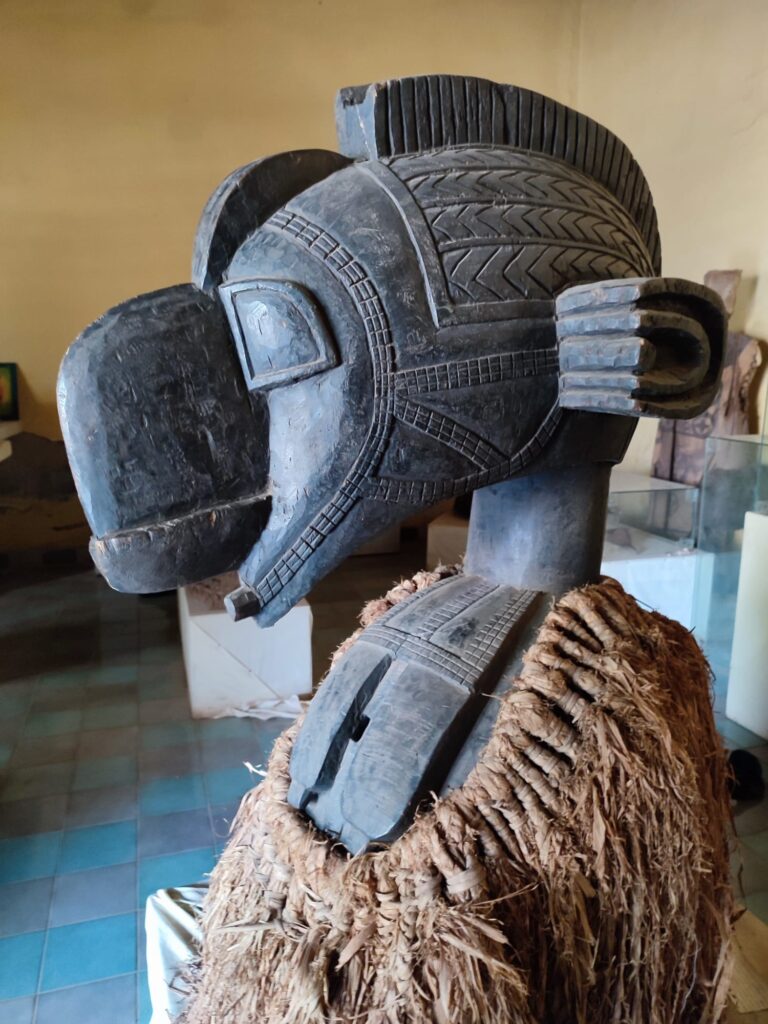
Getting around by car is basically impossible, so we switched to tuk-tuks and motorbike taxis and enjoyed watching the city’s rhythm—from densely packed markets to more spacious residential neighborhoods. Most people speak only French. For instance, we visited the national museum, which was closed due to renovations, but they still showed us around and explained things in French; we only managed to understand a few details, such as how many regions the country has and who Nimba, the goddess of fertility, is. Guinea—and Conakry in particular—is not a beginner-friendly African destination and certainly not for everyone, but for those who can appreciate a vibrant, lively metropolis full of life, we definitely recommend it.
Îles de Los
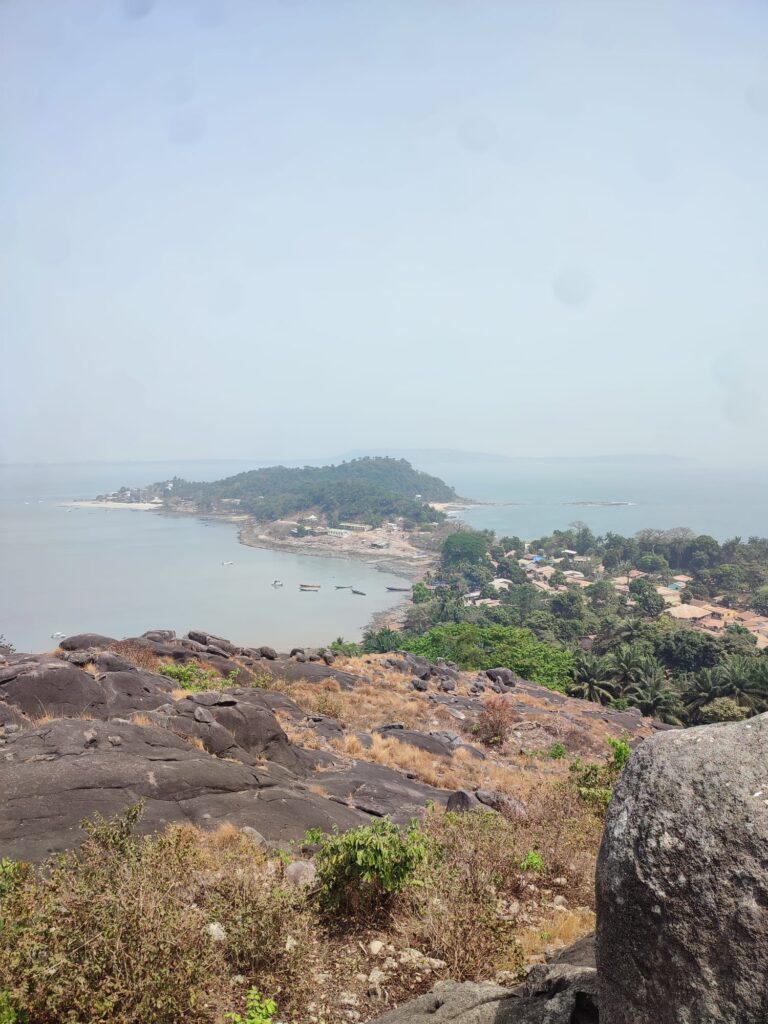
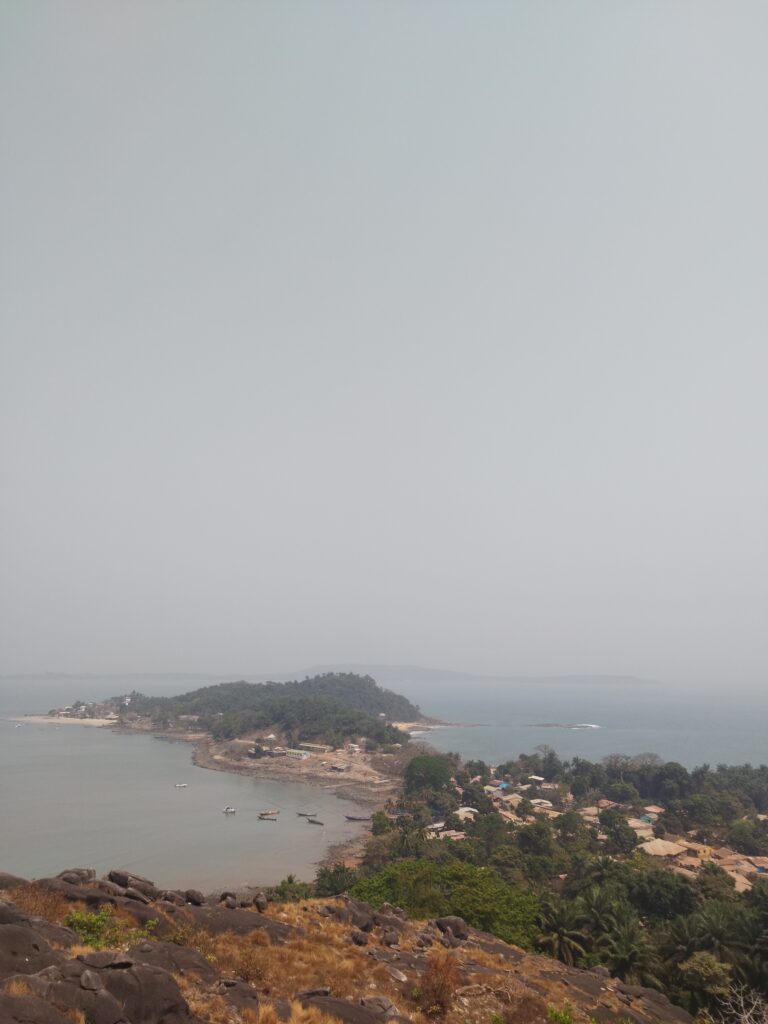
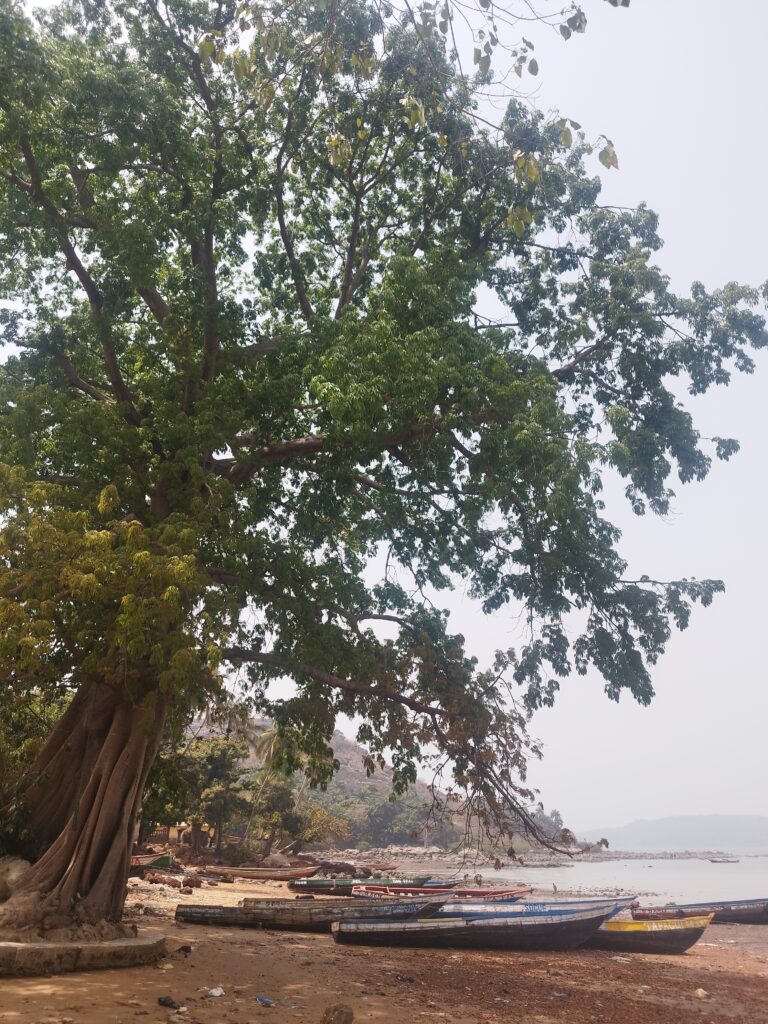
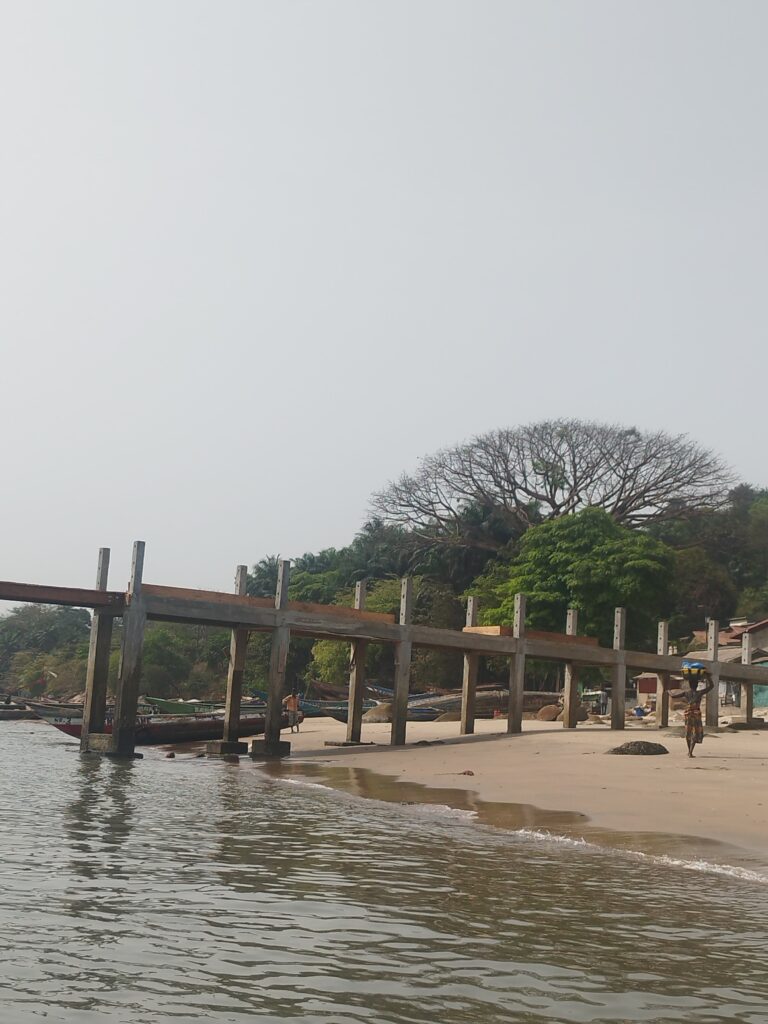
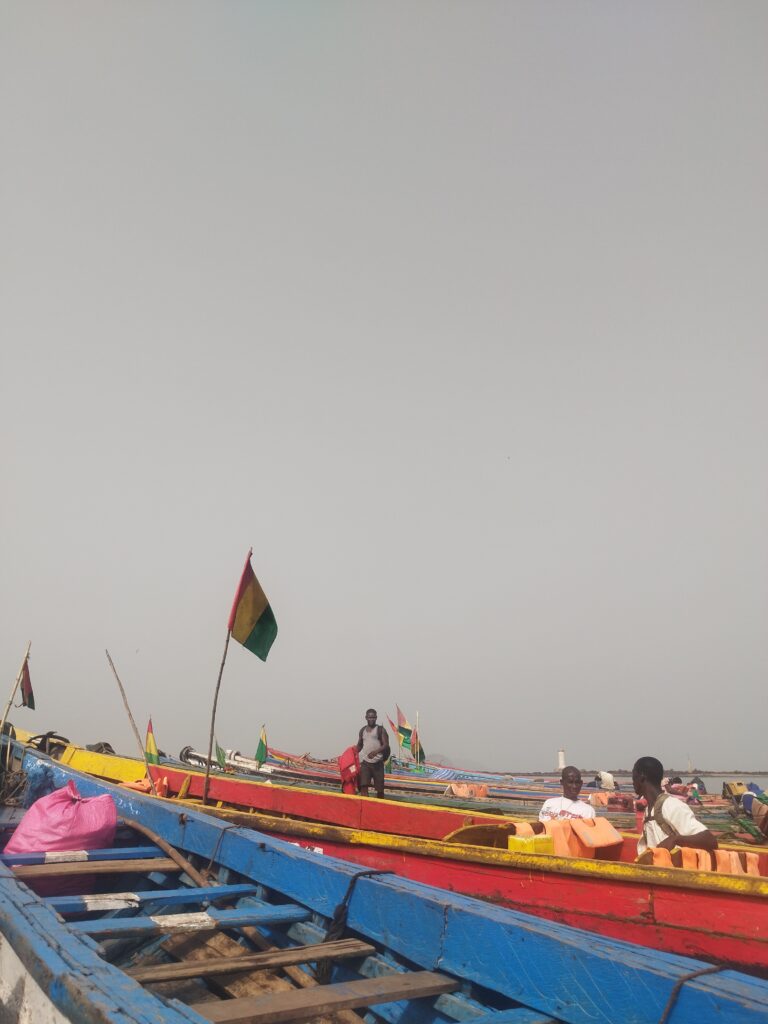
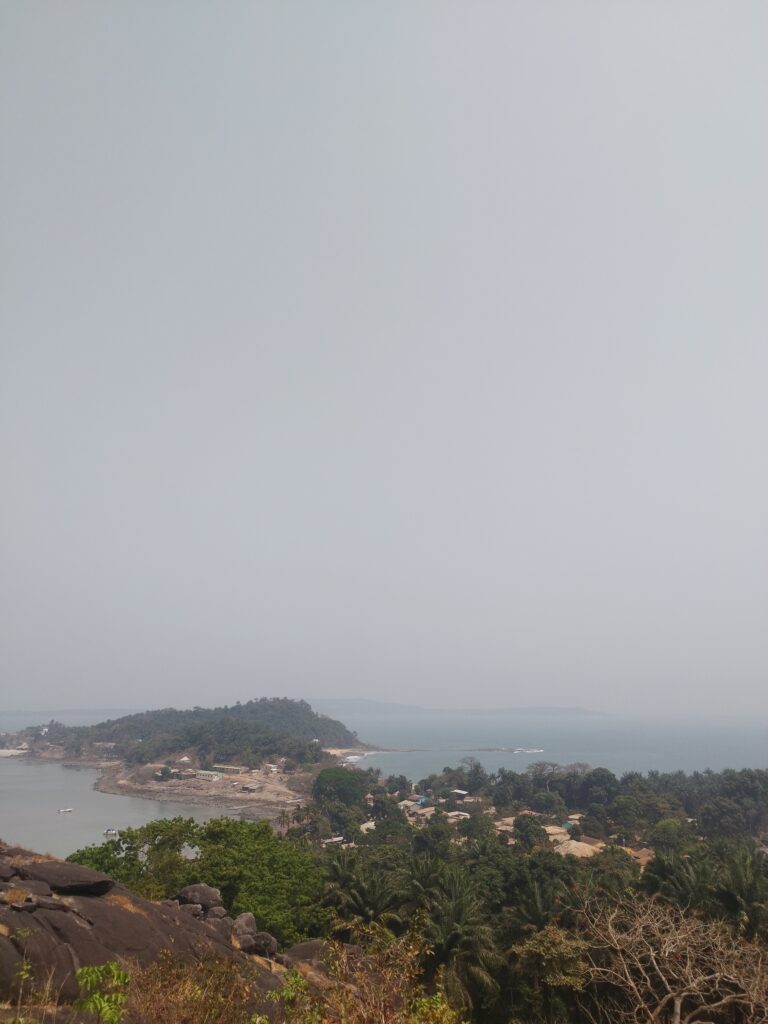
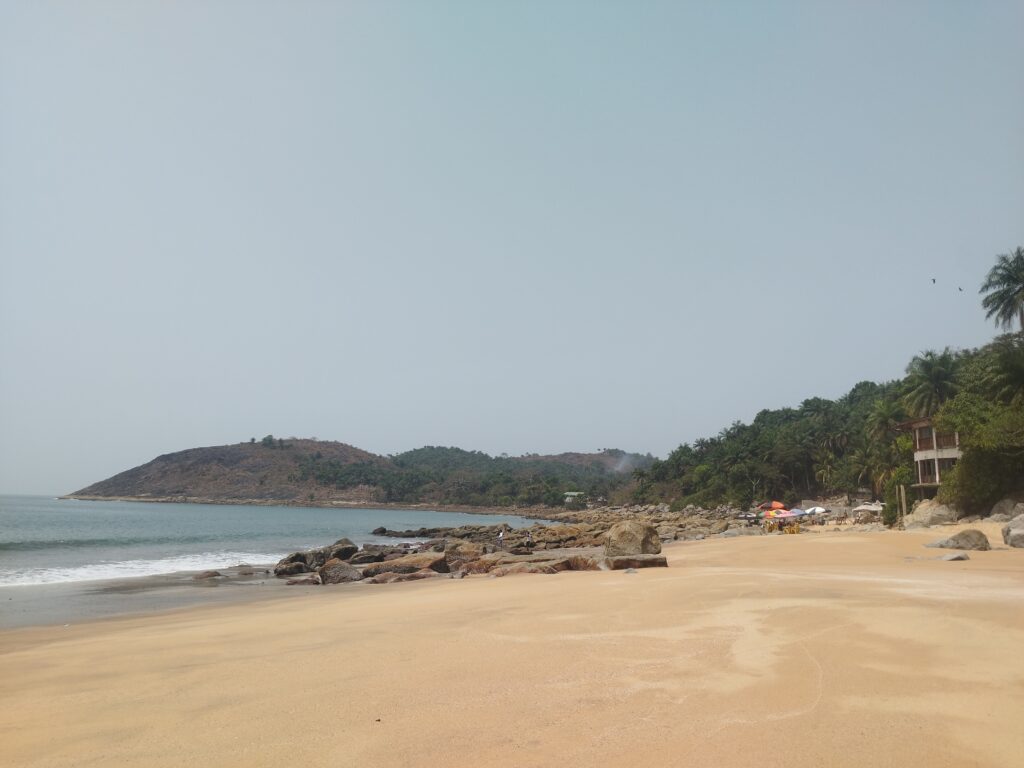
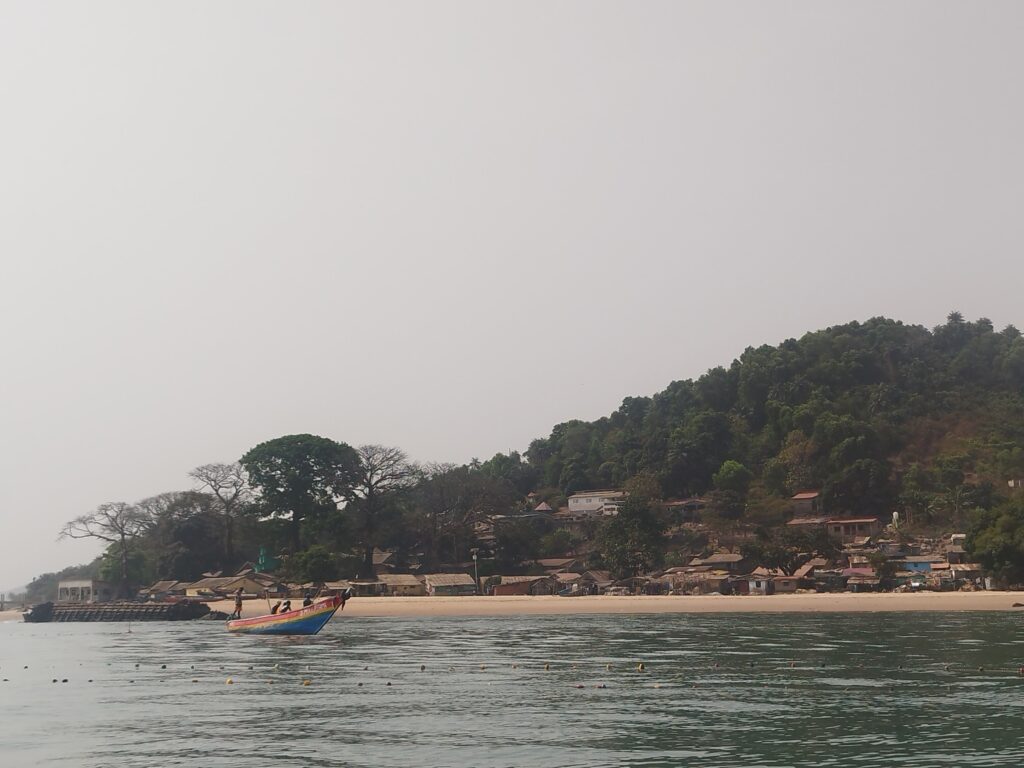
A group of eight islands lies just off the coast of Conakry, three of which are larger and inhabited: Tamara, Kassa, and Roume. We eventually made it to Roume Island simply because that was where a boat happened to be going at the time. Boats depart from Conakry’s fish market, which in itself is an experience to walk through.
Unfortunately, we ran into a problem: the captain said 20,000, but he actually meant 200,000—he didn’t speak English, so there was a big misunderstanding on the other side about how much we were supposed to pay. Bargaining is essential, and a good tactic is to enter the final amount into your phone’s calculator, because boats either wait until they are full or some passengers pay for multiple seats just to leave faster. They thought we had agreed to pay more, while we thought we had negotiated a good price.
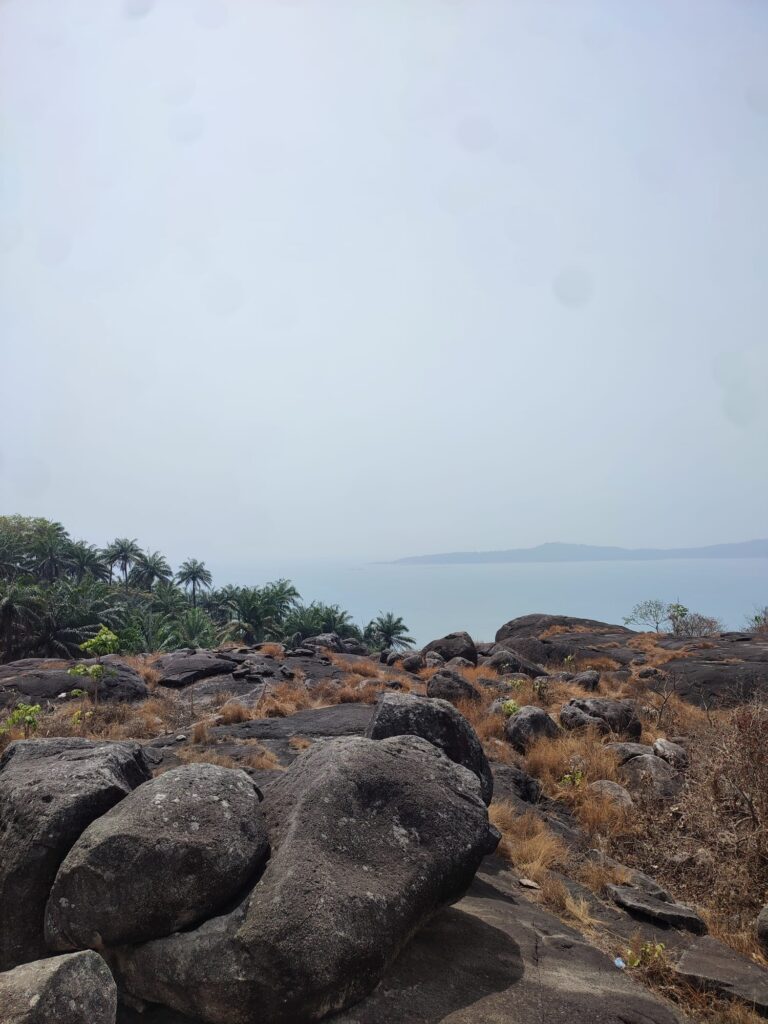
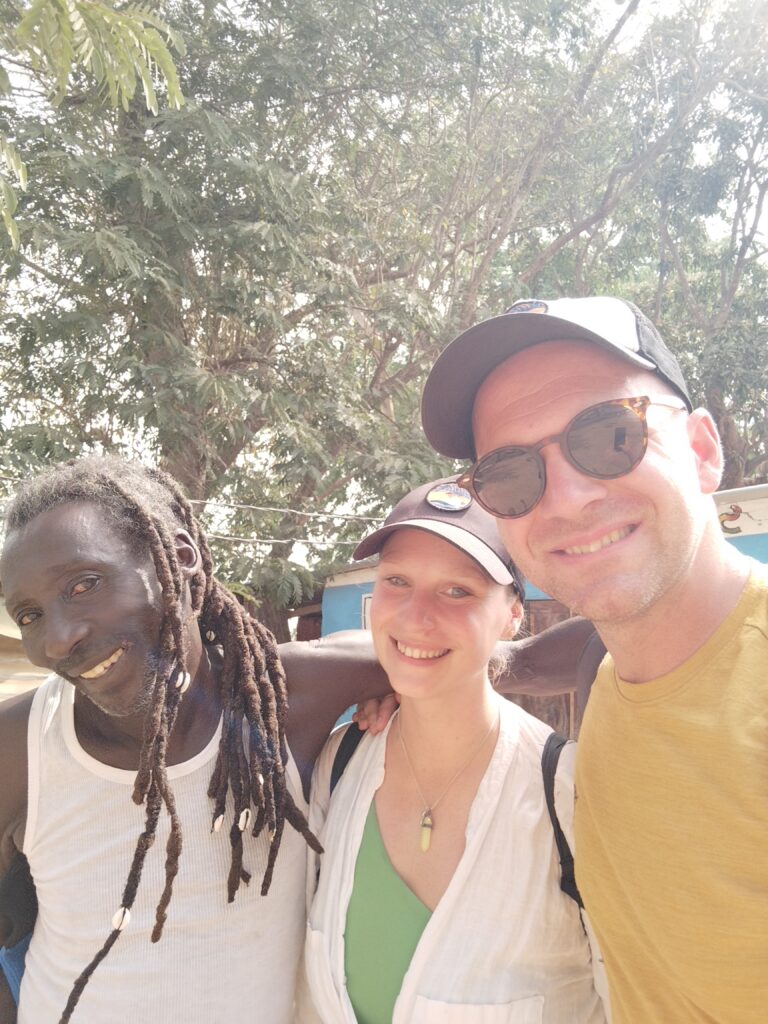
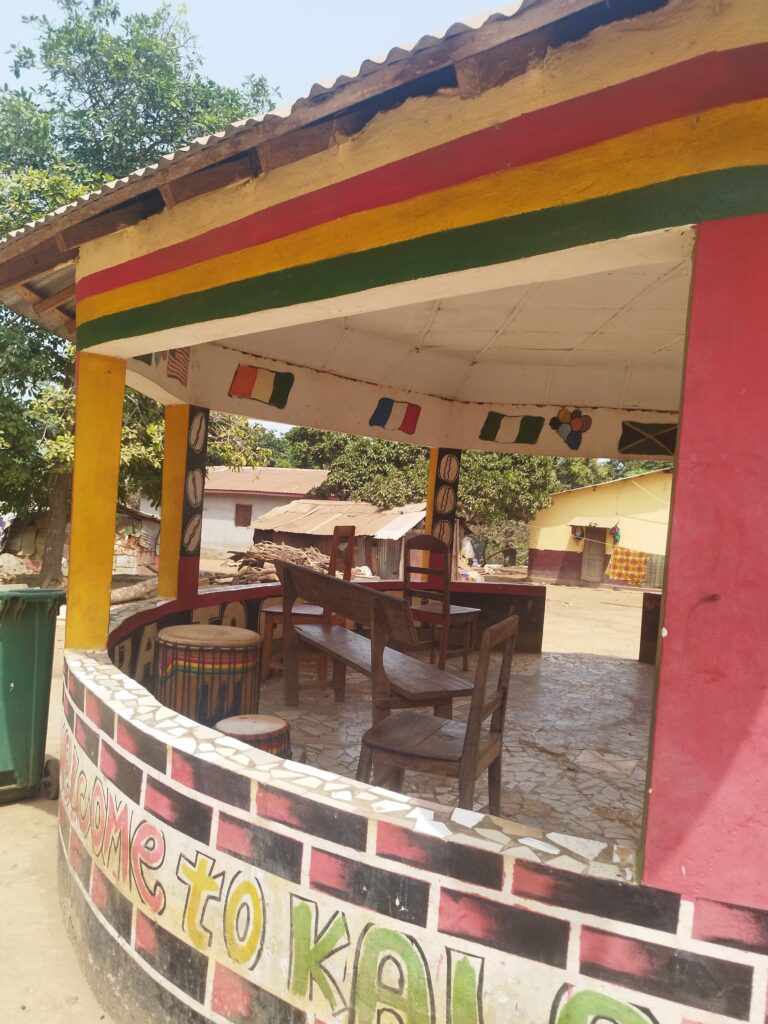
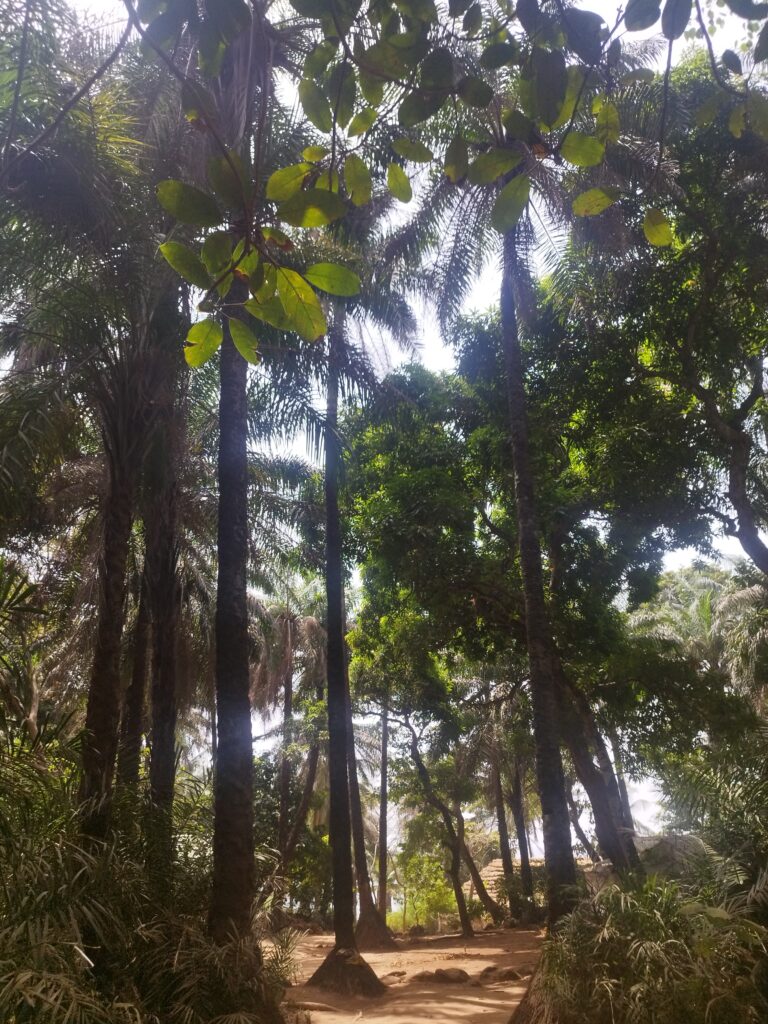
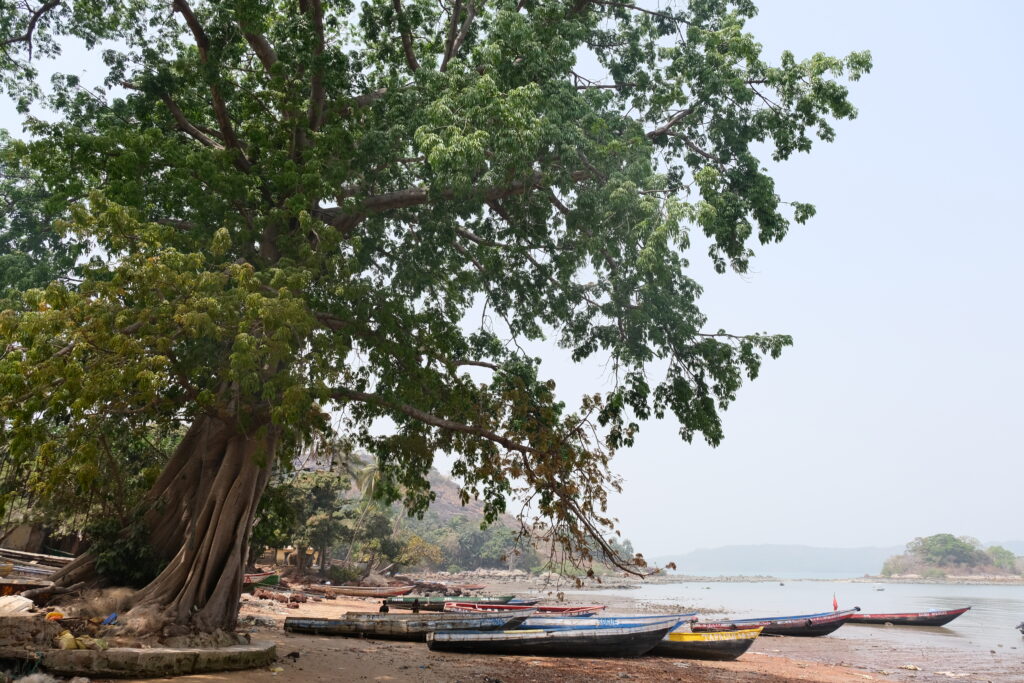
The island itself is beautiful: you can swim at the beach or climb up to a viewpoint, but what we enjoyed most was simply walking around near the fishing harbor, where we met a few friendly, English-speaking Rastafarians. Overall, visiting the islands makes for a great day trip, and we also learned that there are many affordable accommodations that can’t be booked online in advance—so the best strategy is simply to show up and ask around. Boats also run between the islands, making it possible to visit all three, but often the same boat that brings you from Conakry takes you back, so it’s more cost-effective to explore one island at a time.
Fouta Djallon
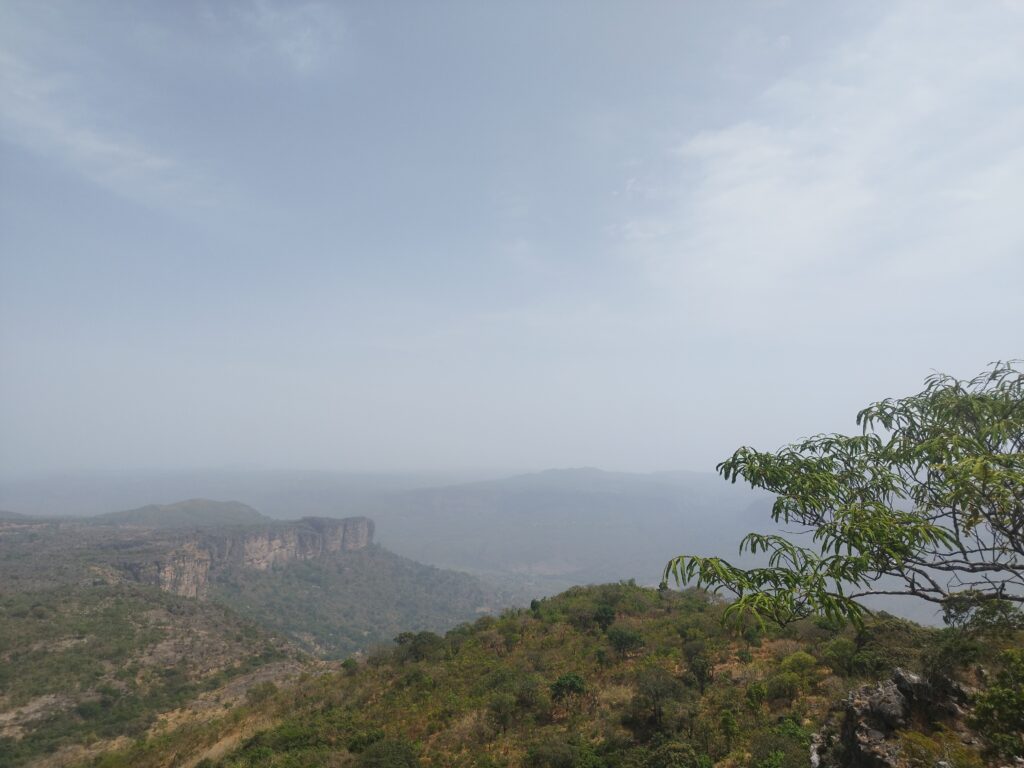
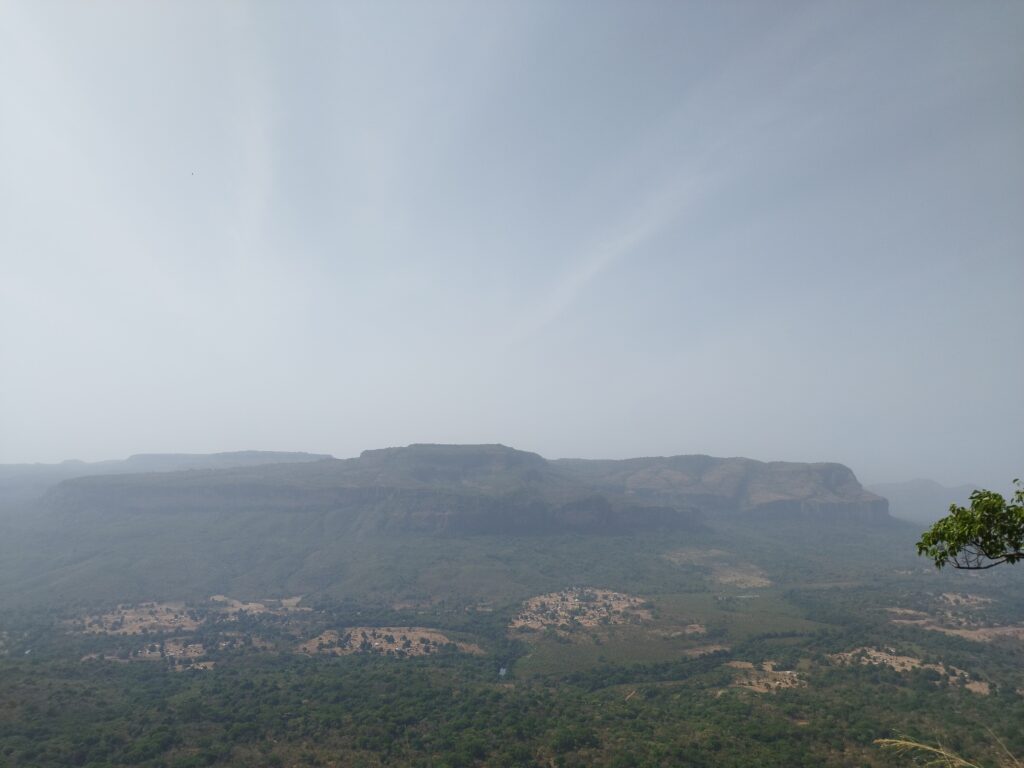
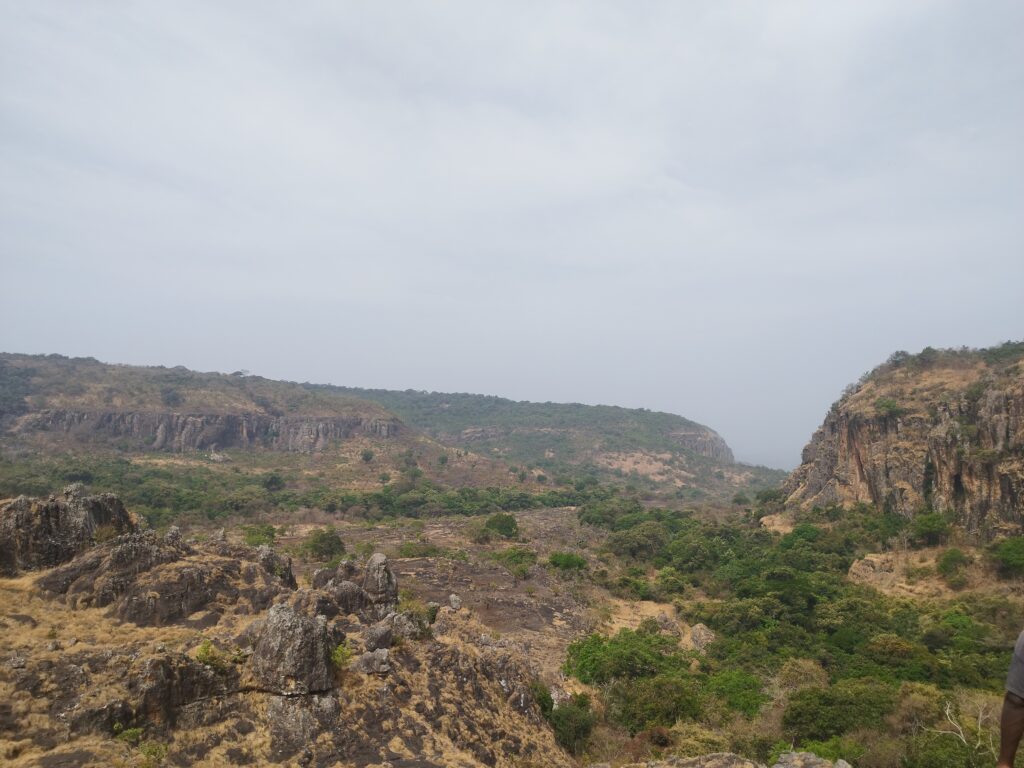
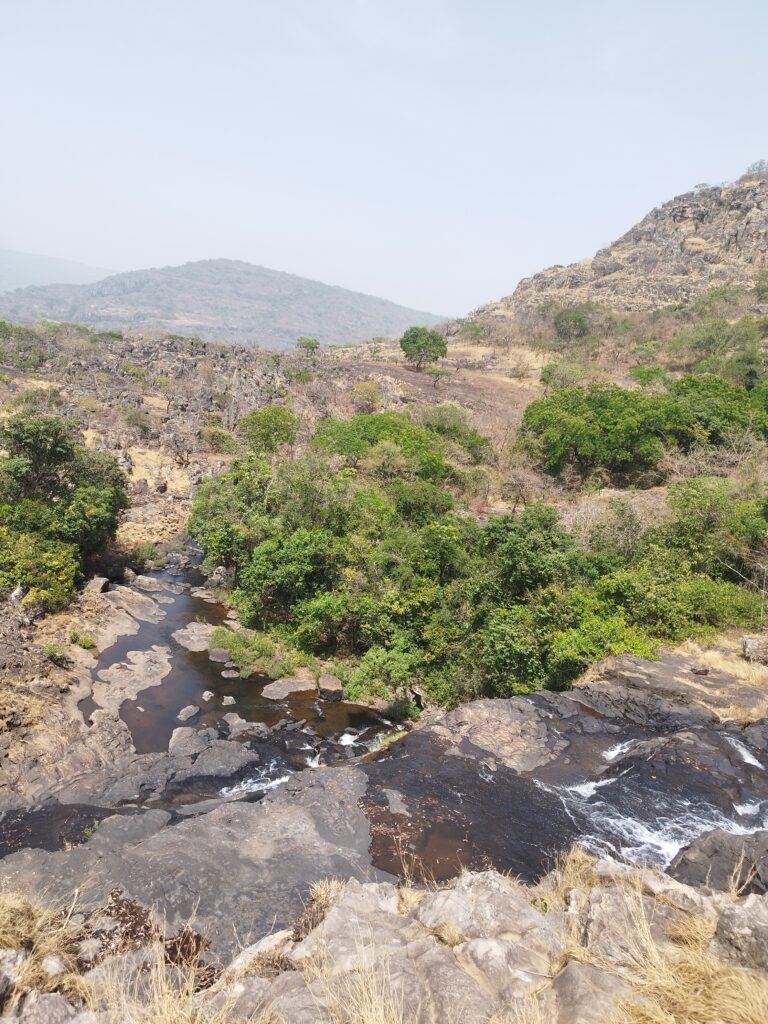
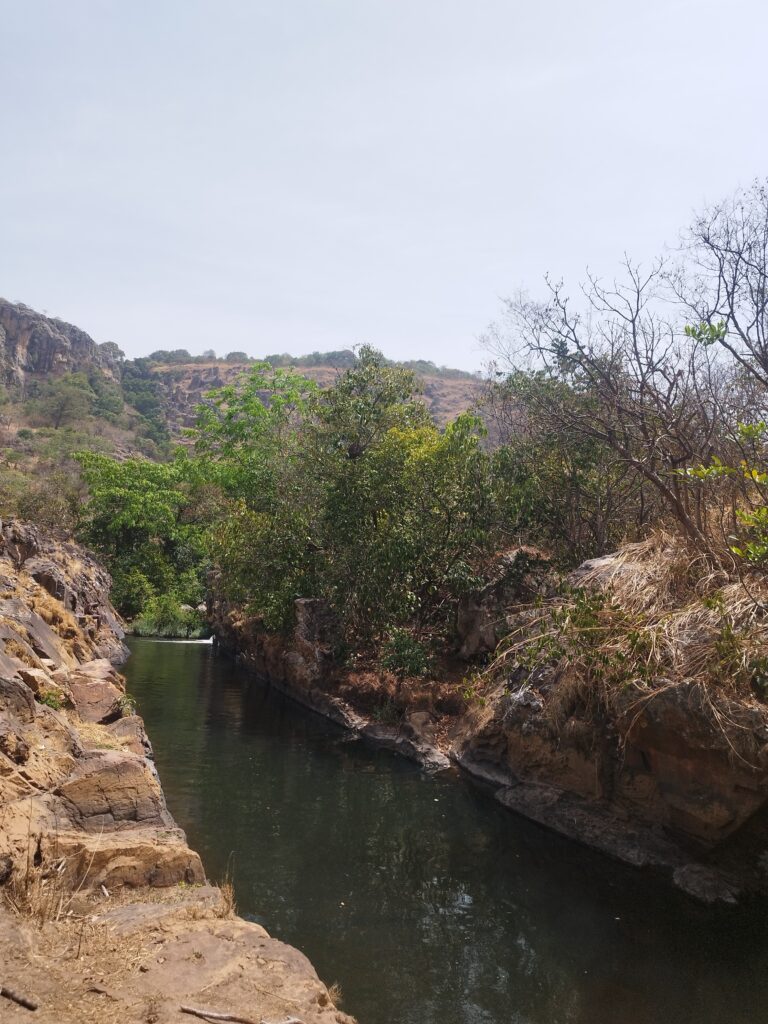
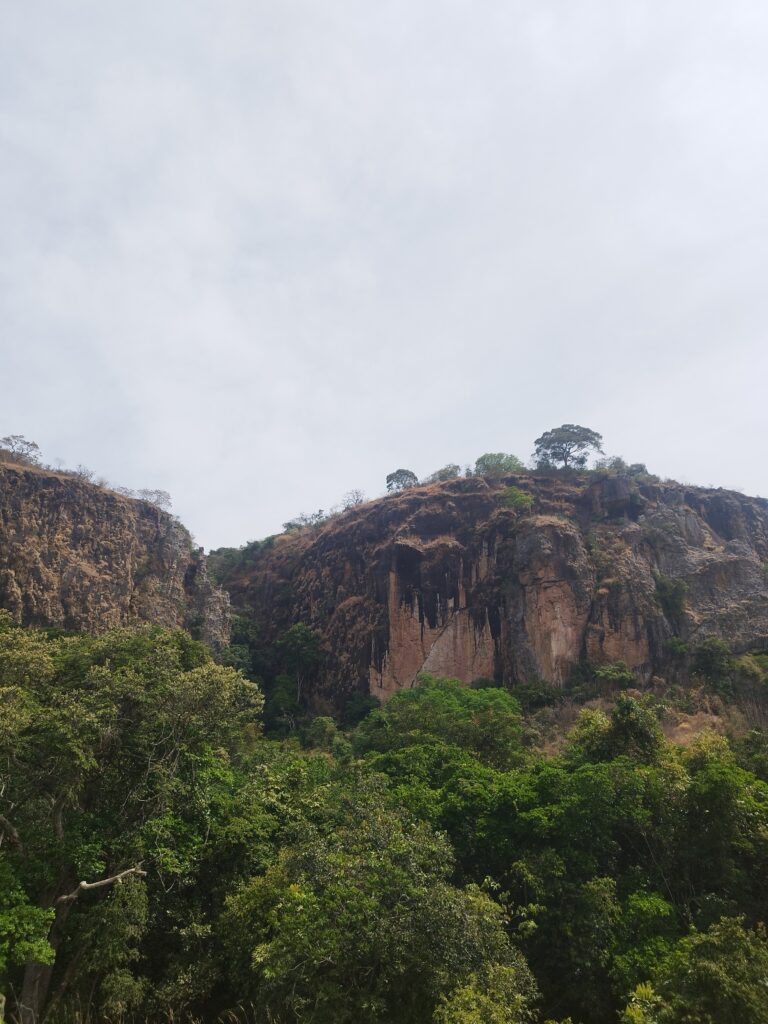
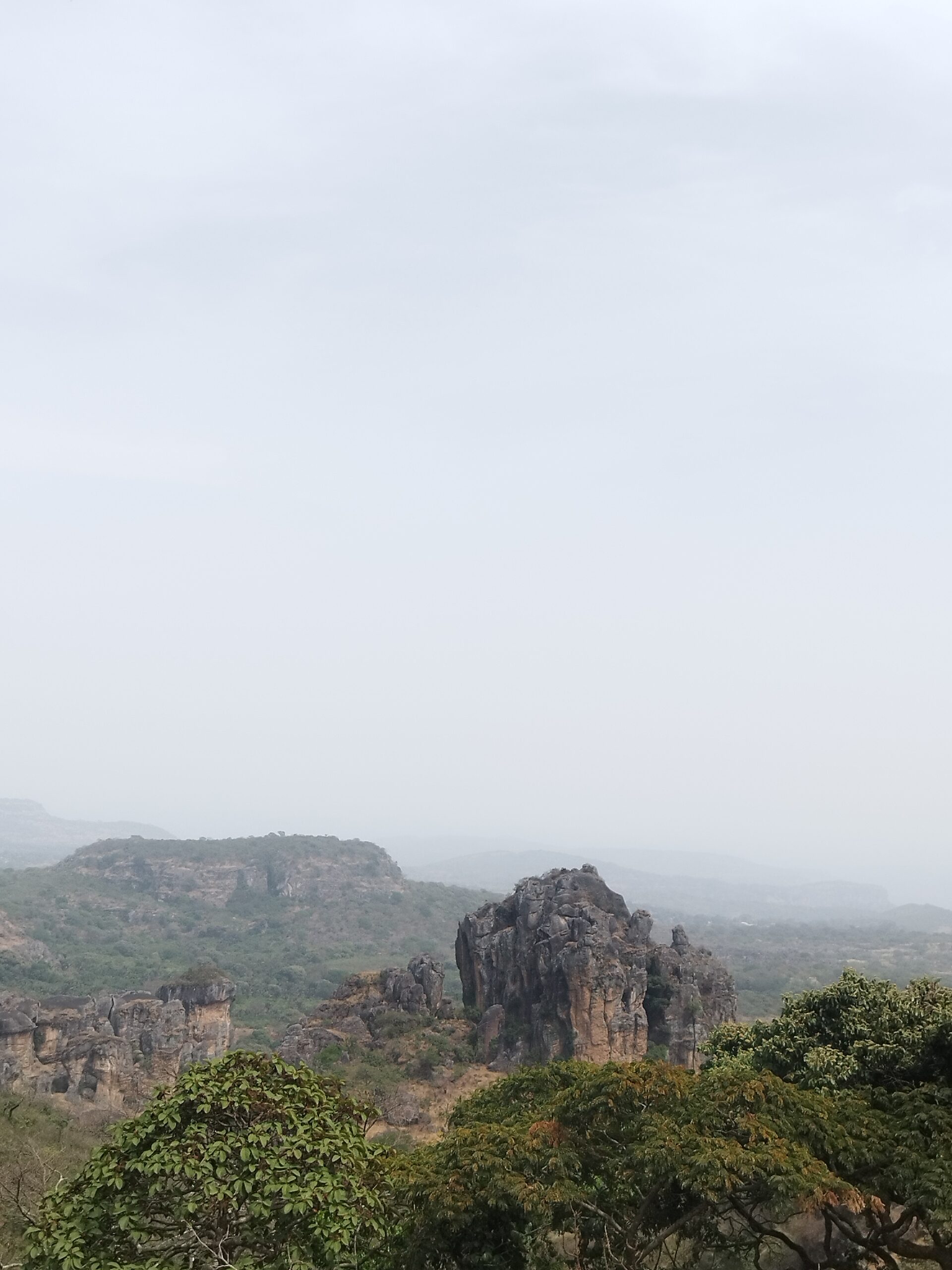
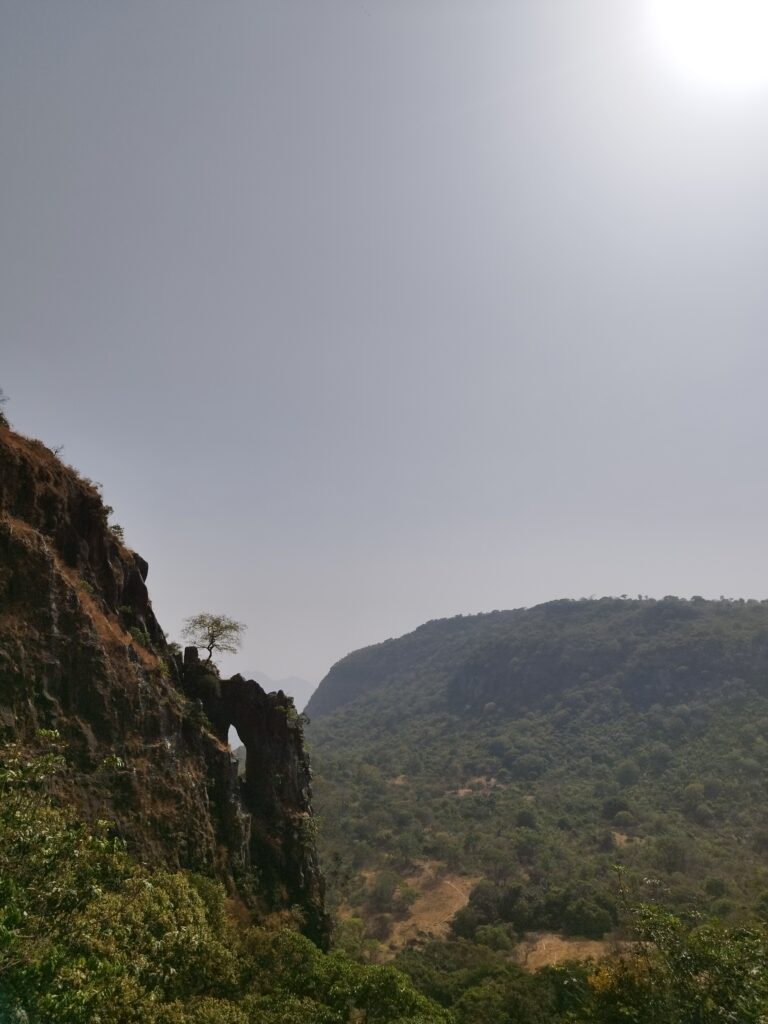
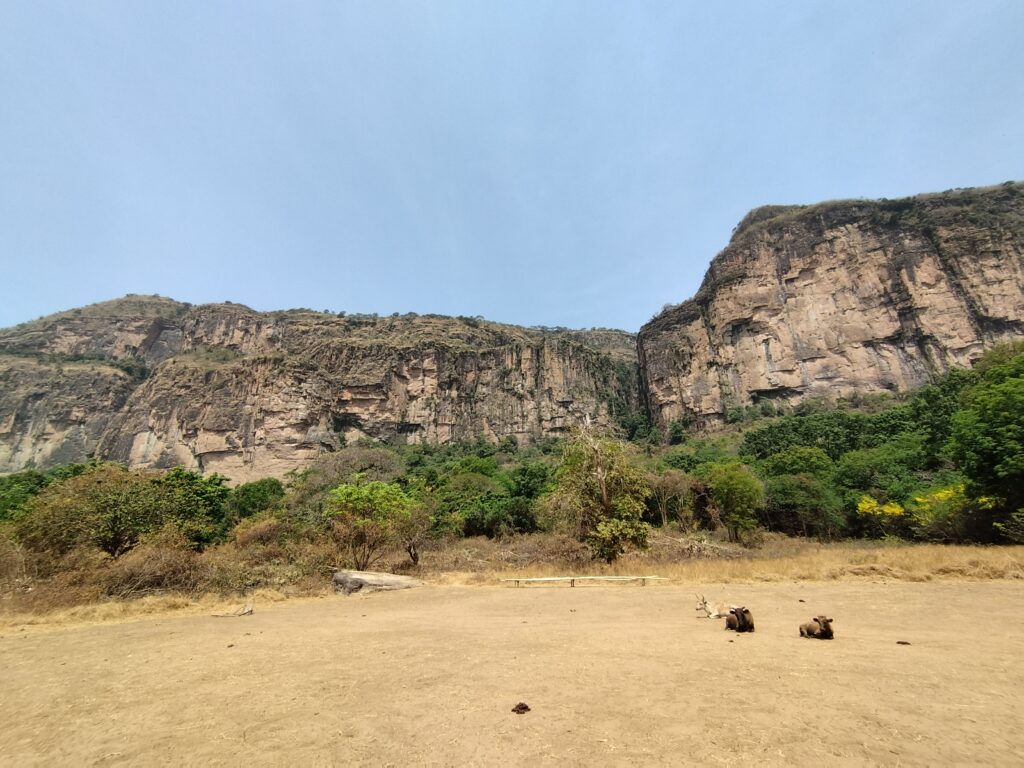
The Fouta Djallon is a mountainous plateau region in northern Guinea, often referred to as the “water tower” of the region, as it is the source of the Niger, Senegal, and Gambia rivers. Mali, Pita, Dalaba, and Labé are the four towns that serve as good starting points for hikes. The area is full of waterfalls, with Dittin, Kambadaga, and Saala being the most popular. The waterfalls can be visited independently, but the hiking routes are more challenging, as they are not developed and therefore cannot be found online.
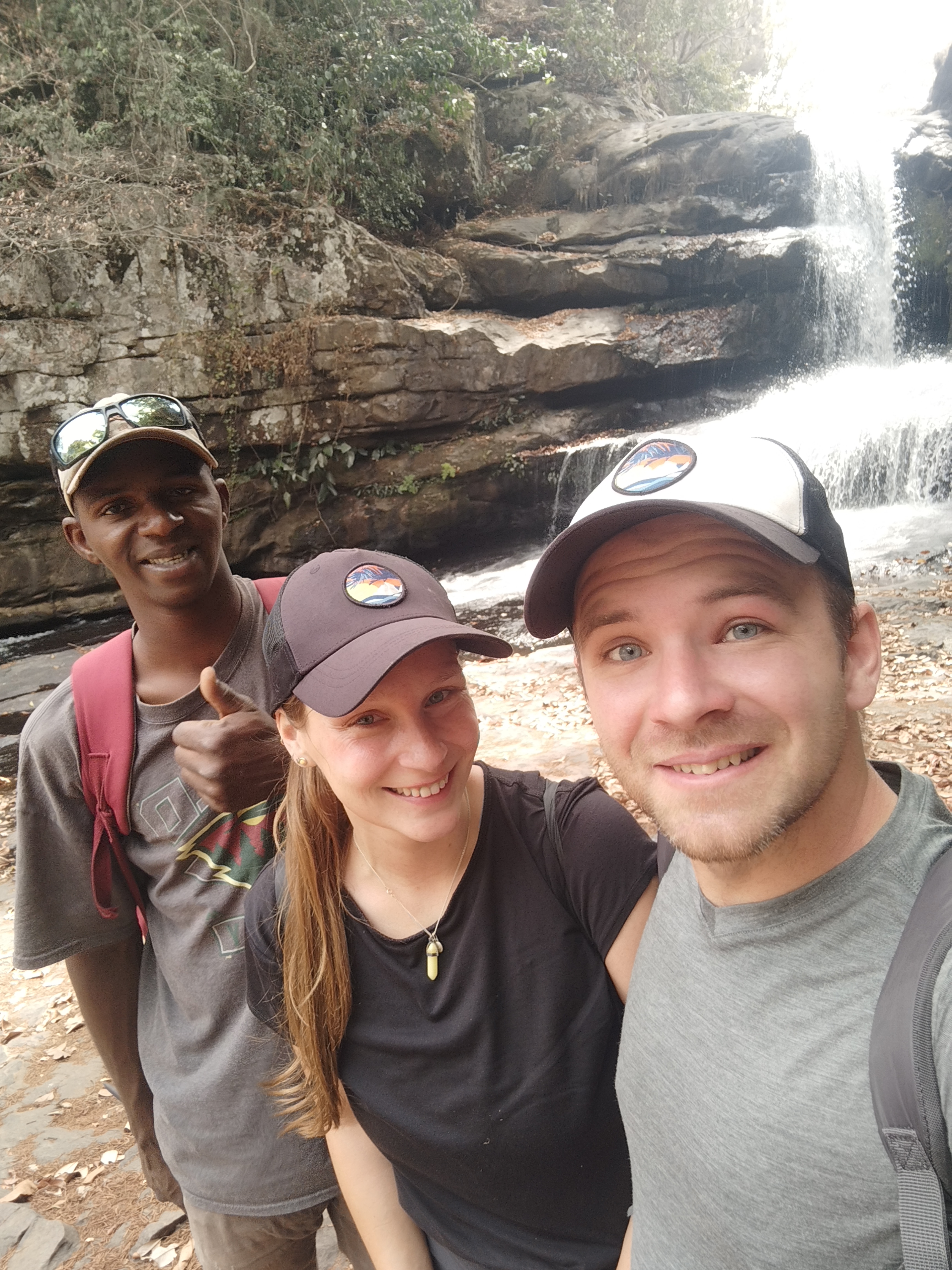
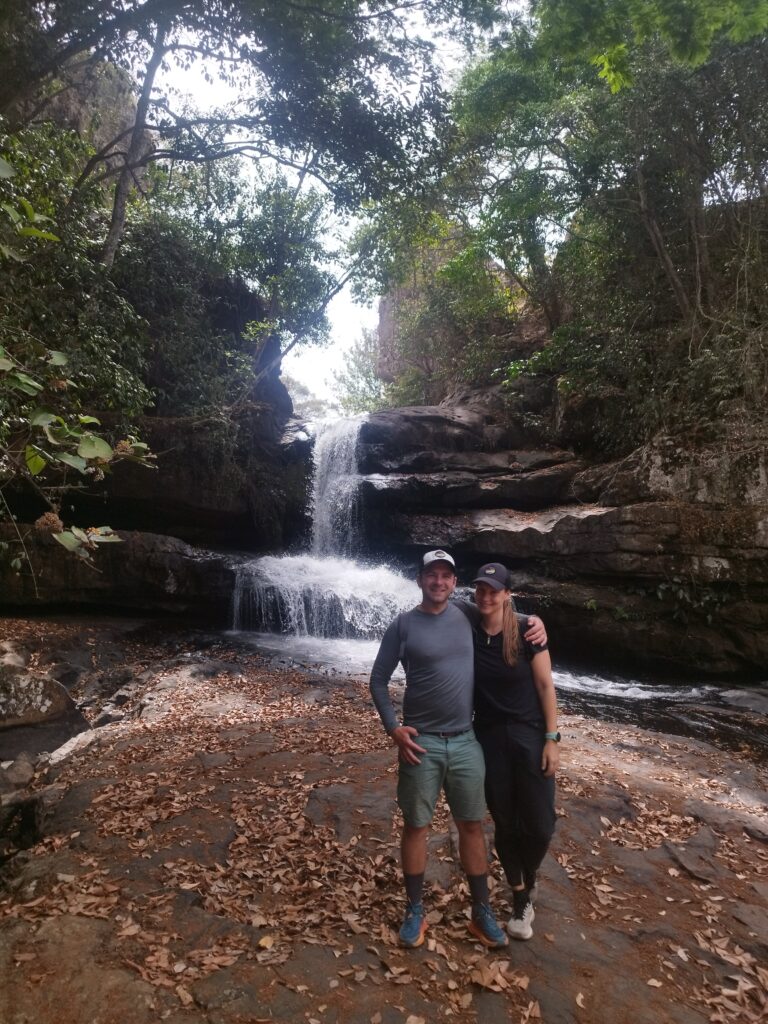
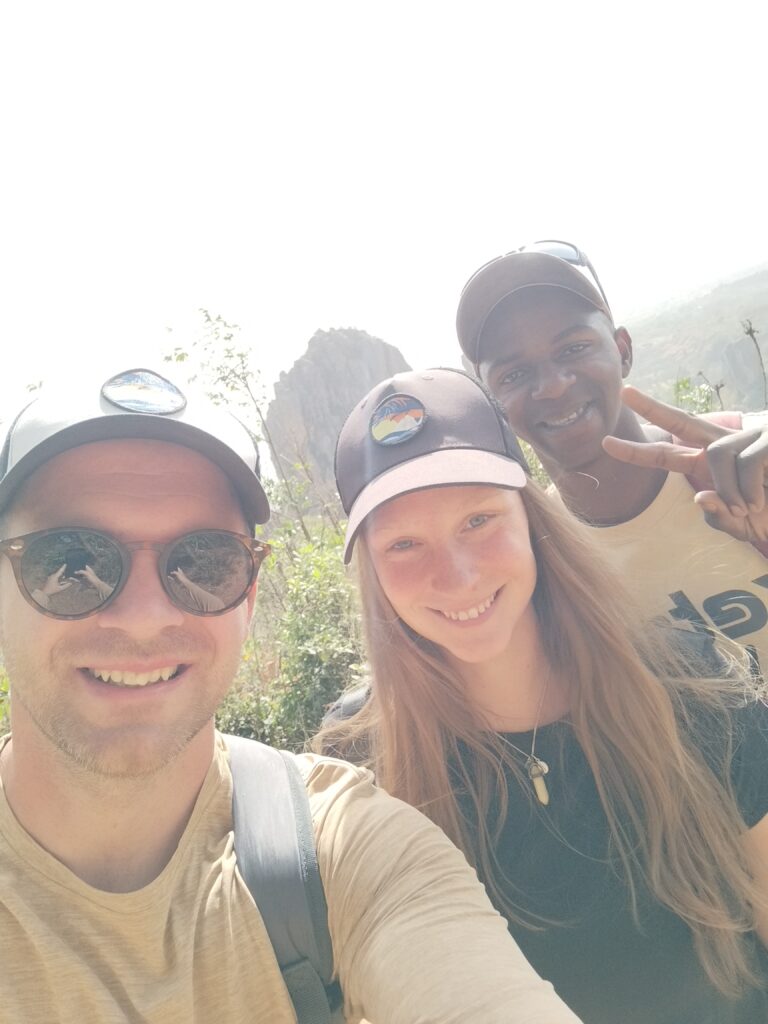
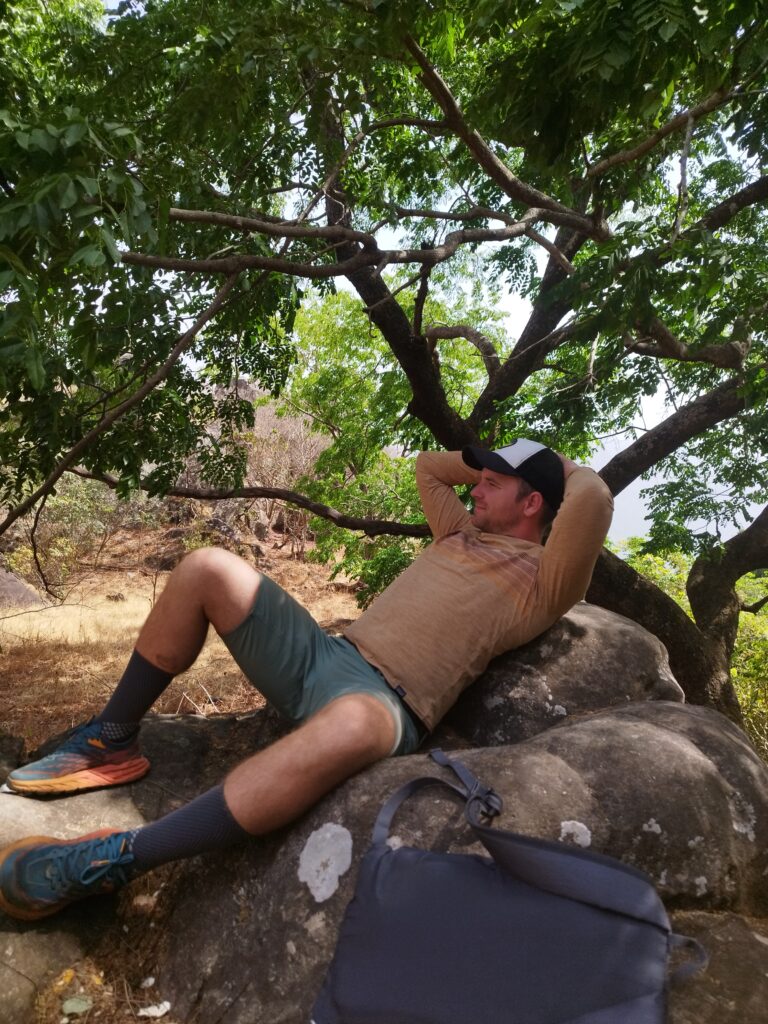
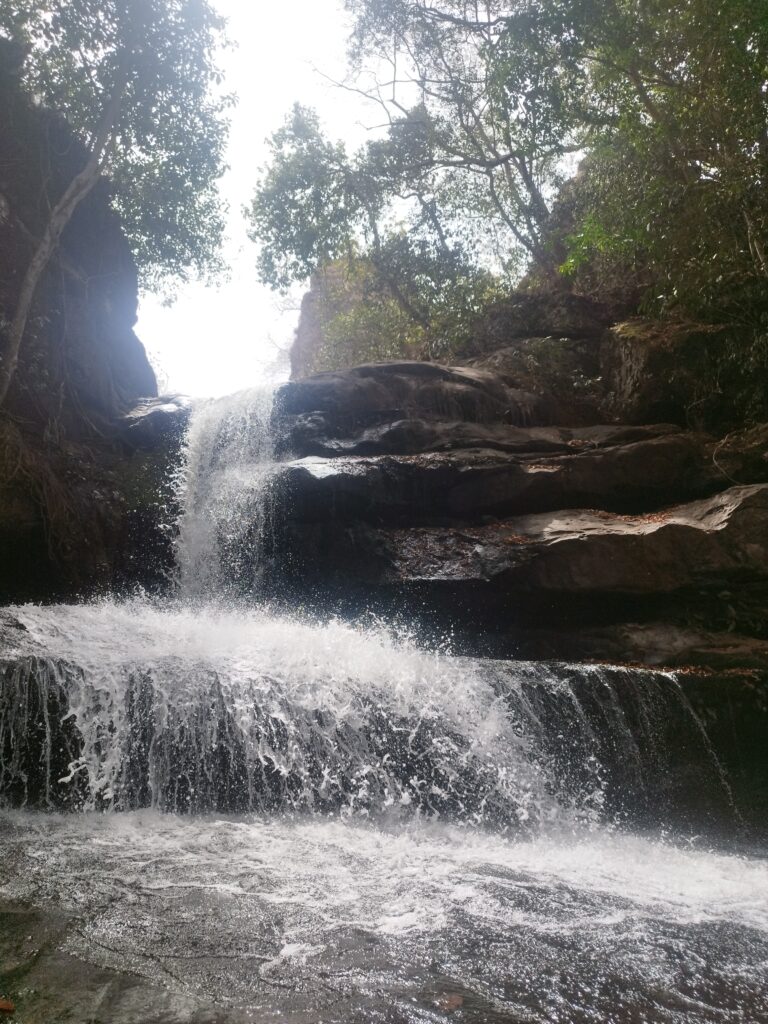
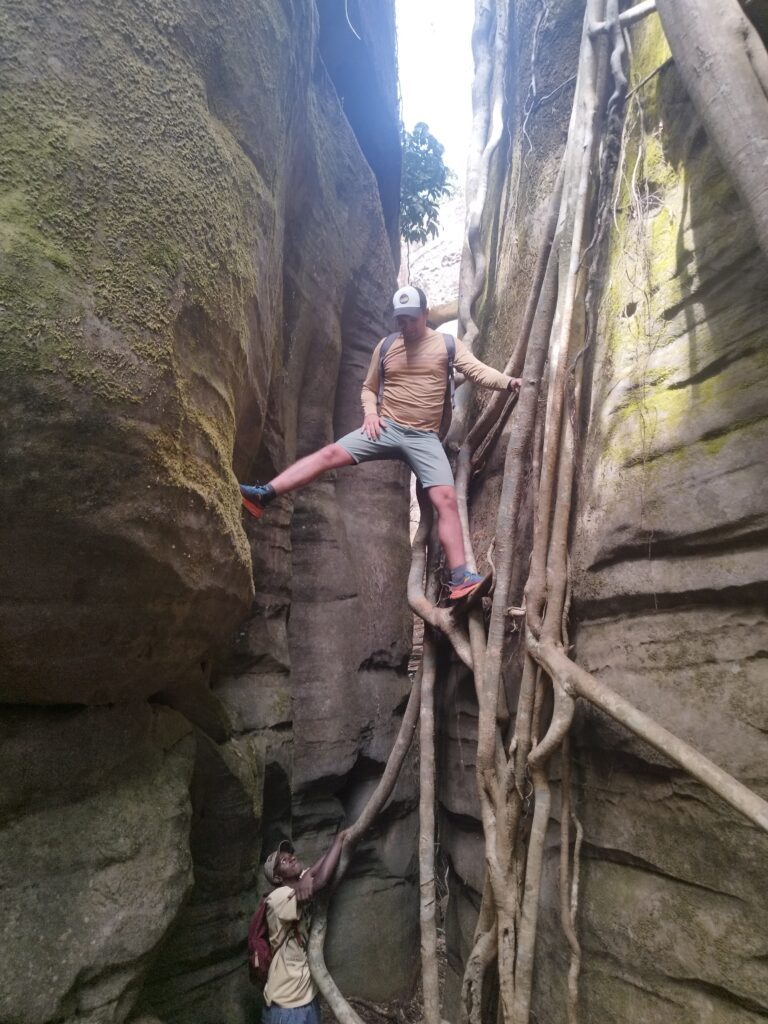
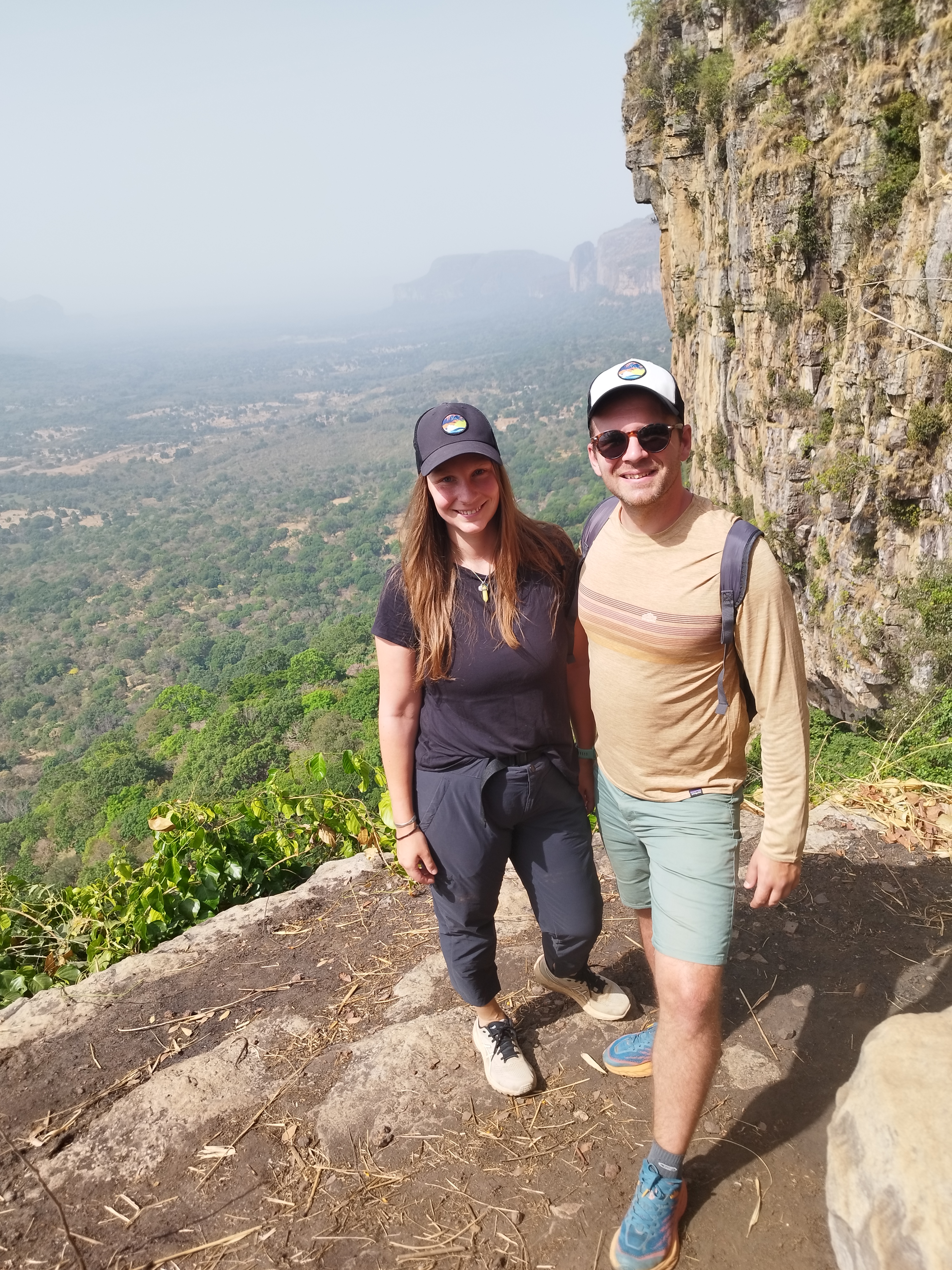
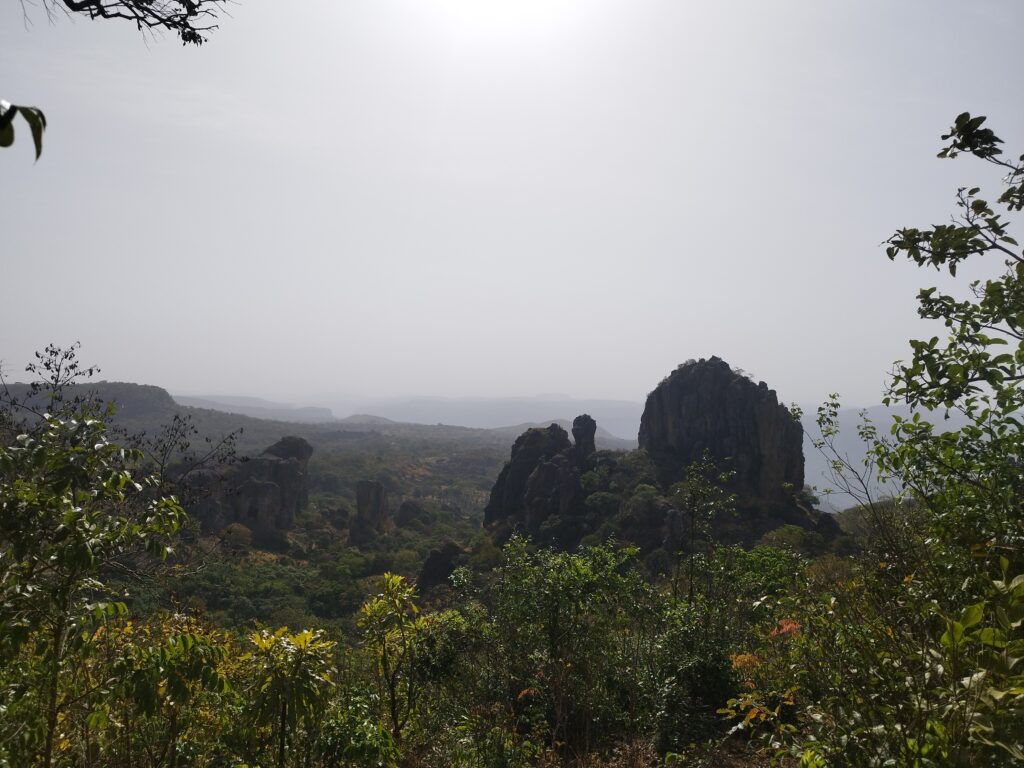
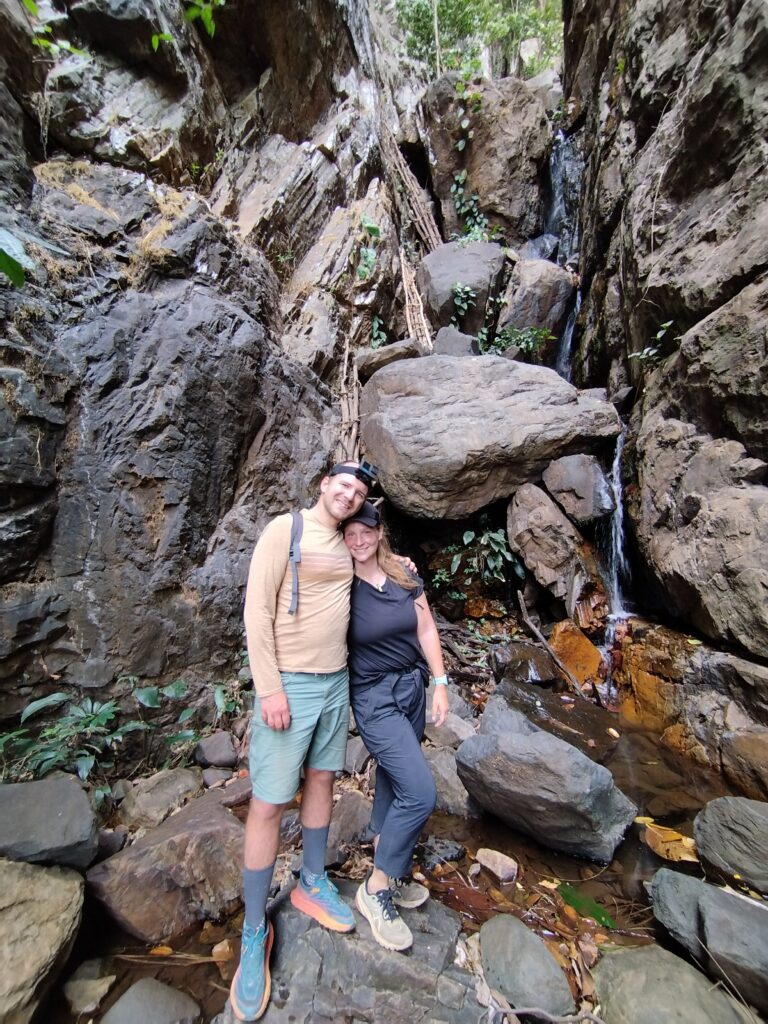
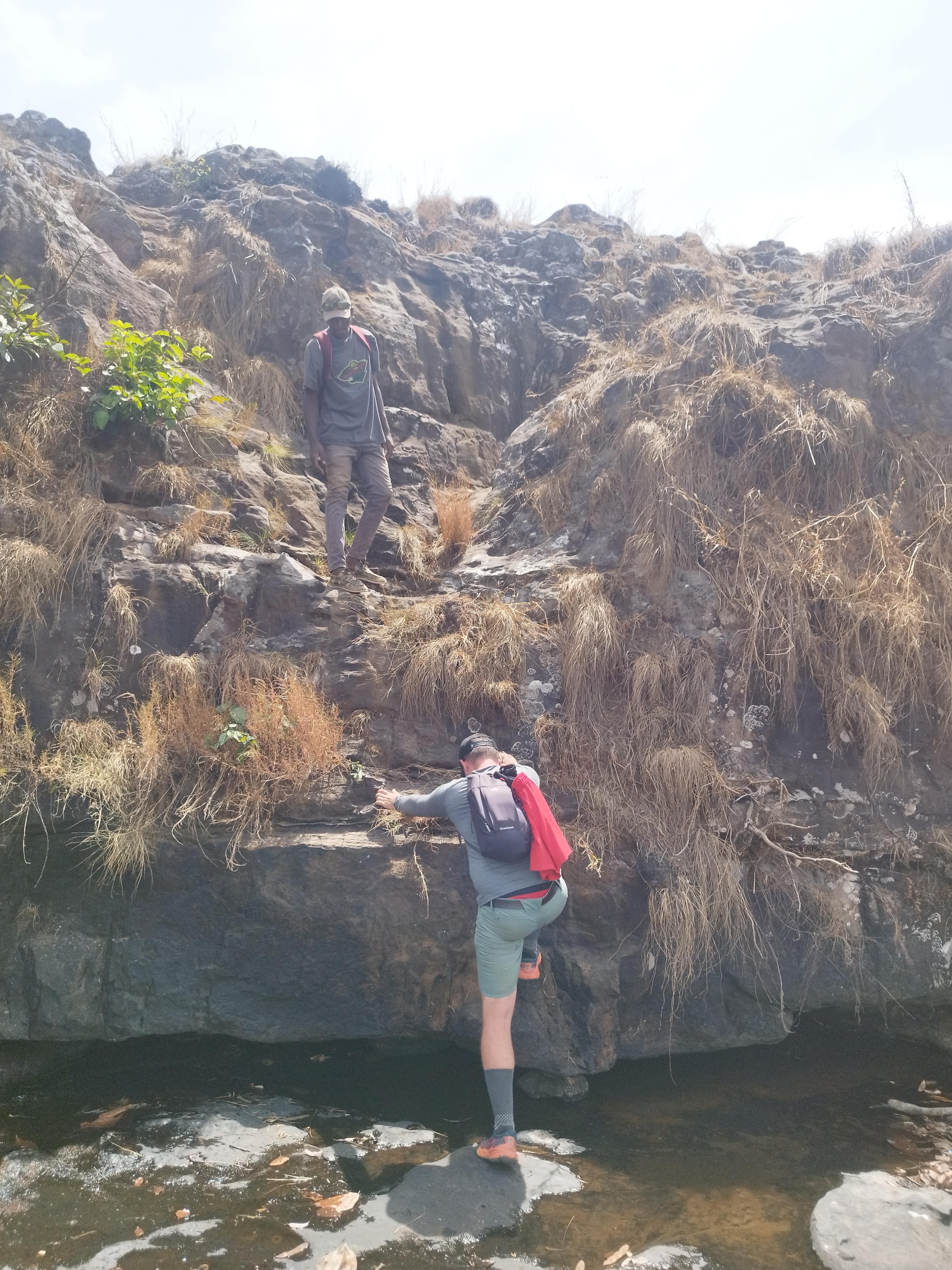
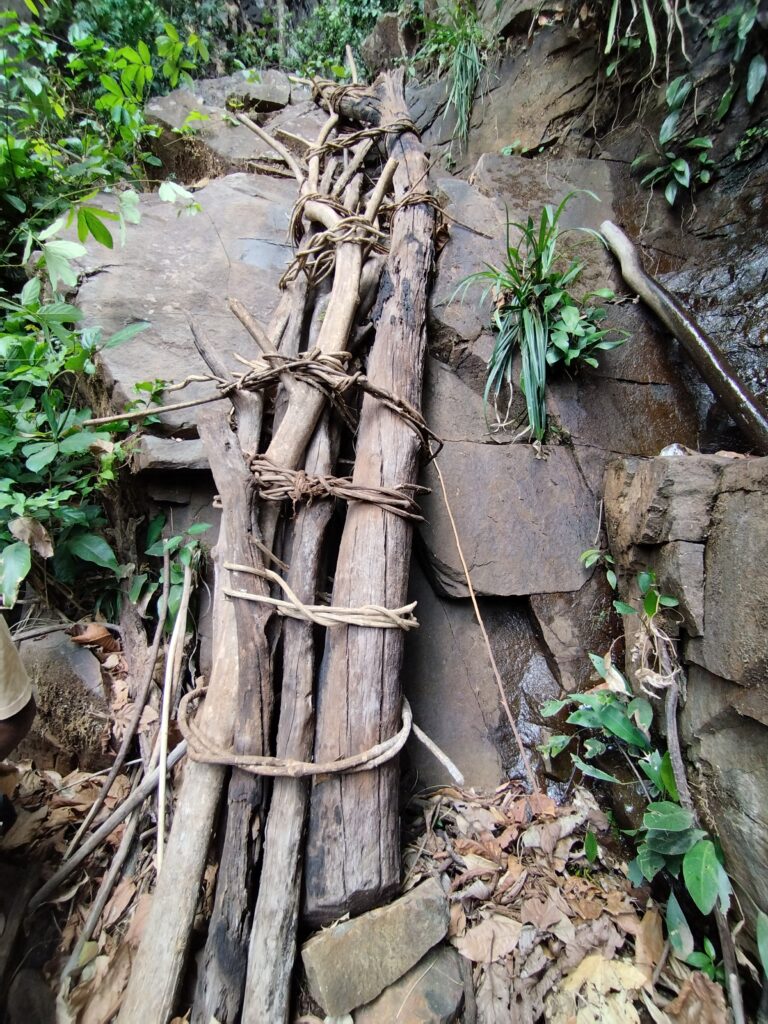
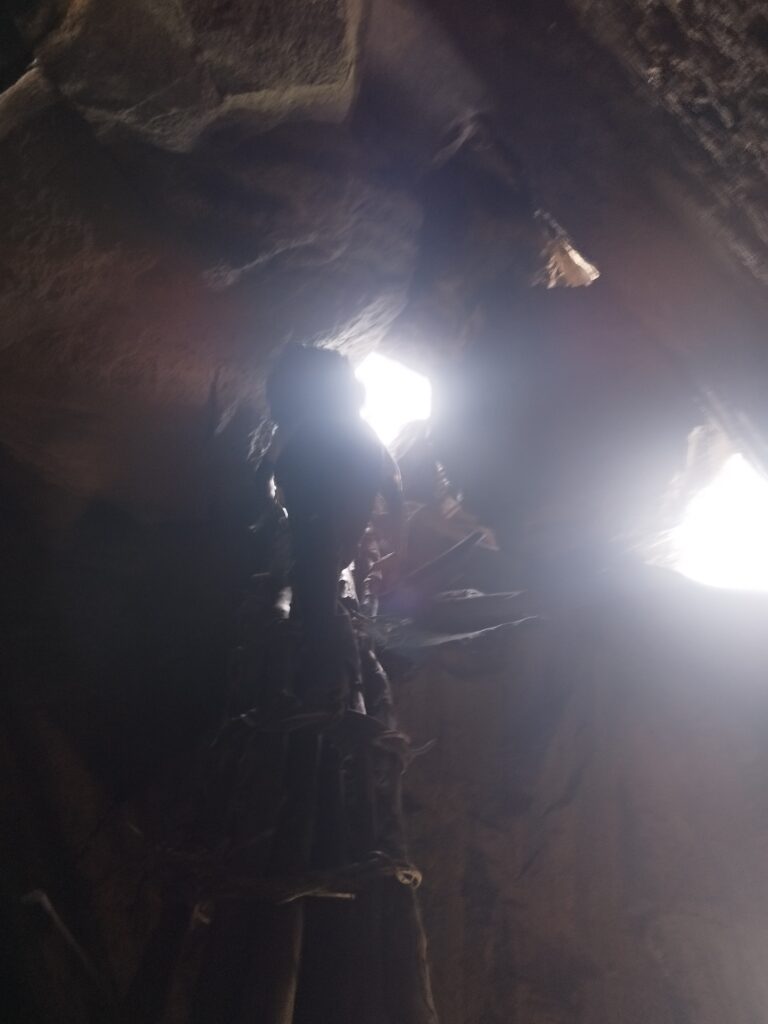
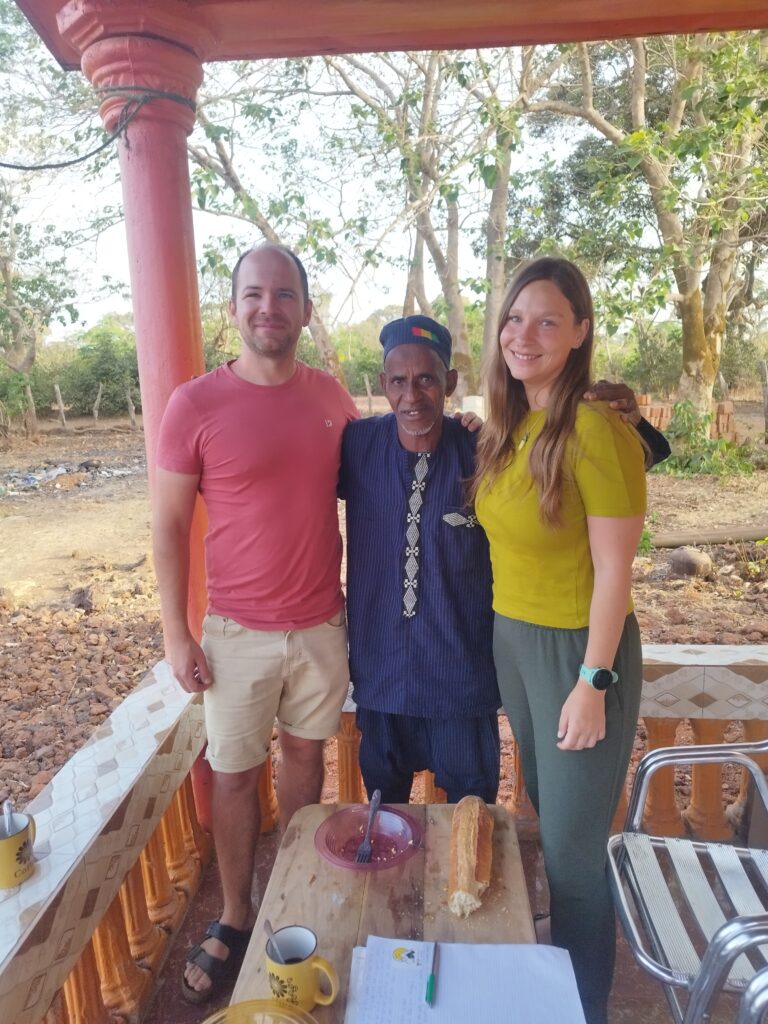
We read about Hassan Bah, who lives in a small village in Doucki and has developed ten very interesting and exciting hiking routes. Over time, he expanded his services, built small lodges, and for USD 50 offers breakfast, lunch, dinner, accommodation, and unlimited hiking. We originally planned to stay with him for just one day, but we fell in love with the place and ended up doing several hikes with his son: the Indiana Jones hike (through the forest, with waterfalls where you can swim and vines to climb), Hyena Rock (with stunning views over the valley), and the Wet and Fun hike (waterfalls and natural pools). We also completed his longest hike, about 25 kilometers, where we descended into the valley and then climbed back up using ladders made by locals—an extremely adrenaline-filled experience.
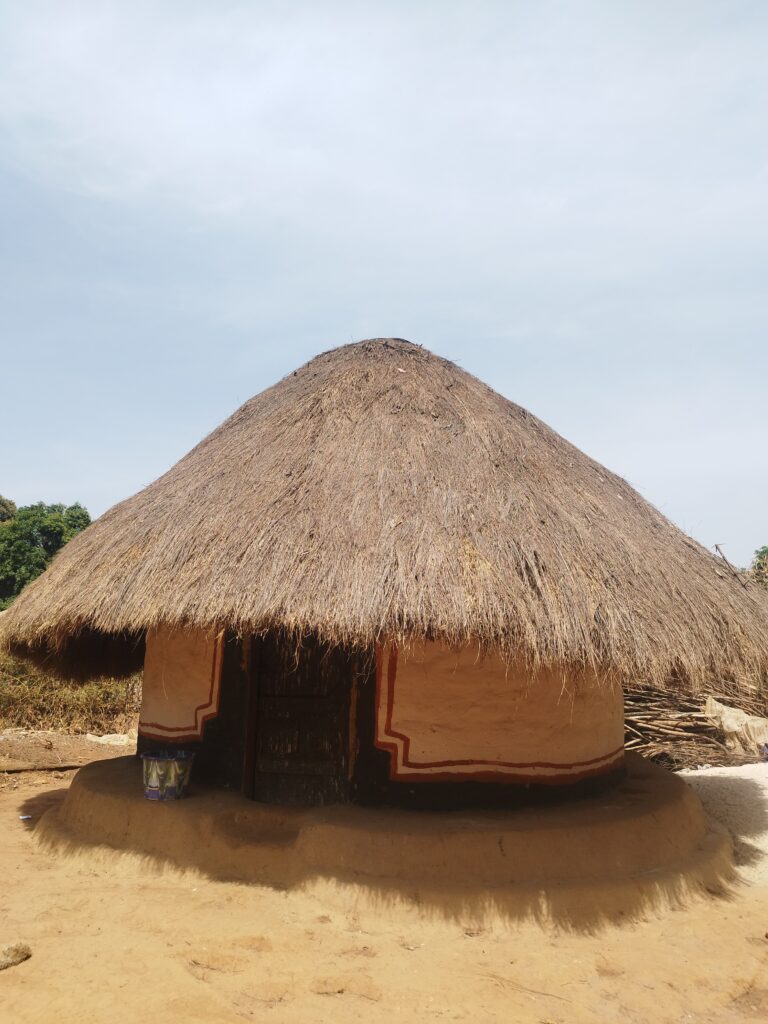
One of the most fascinating sights was meeting locals on their way to the weekly market: we were in hiking boots, while they wore sandals, carried goods on their heads, and had a baby on their backs. We were slipping and sliding, while they simply walked briskly uphill. You could easily spend many days in the region, and several accommodations offer hikes, but we especially recommend Hassan, as he originally created these routes 25 years ago—many of his ideas have since been copied and reused elsewhere. Beyond that, he is an incredibly energetic and kind person, always happy to sit down and share stories, and his positivity is truly inspiring. His son is an excellent guide with extensive knowledge of plants and the surrounding area, his wife cooks delicious Guinean food, and we were treated to unlimited homemade lemongrass tea with honey. During those four days, we truly felt at home.
Ziama Massif
A rainforest near the Liberian and Ivorian borders, home to elephants and chimpanzees. We traveled from Guinea to Sierra Leone, so we had to skip it, but we often heard from Guineans that if you want to see elephants, this is the place to come.
Mount Nimba
Mount Nimba is the highest point in Guinea and part of the UNESCO World Heritage Site, located on the border between Liberia, Côte d’Ivoire, and Guinea. It is a very intriguing, often mist-shrouded mountain, but access from this side is difficult, as a guide and permits are mandatory; the Liberian side is perhaps better developed
Our most memorable stories
Guinea is perhaps one of the most difficult African countries to travel in, but we were very lucky, as twice we stayed in places where we experienced incredible hospitality. Uncle Hassan is probably the most positive person we have ever met; his outlook on life is that all people are equal. At almost 70 years old, he was constantly jumping around and could only get from place to place by running.
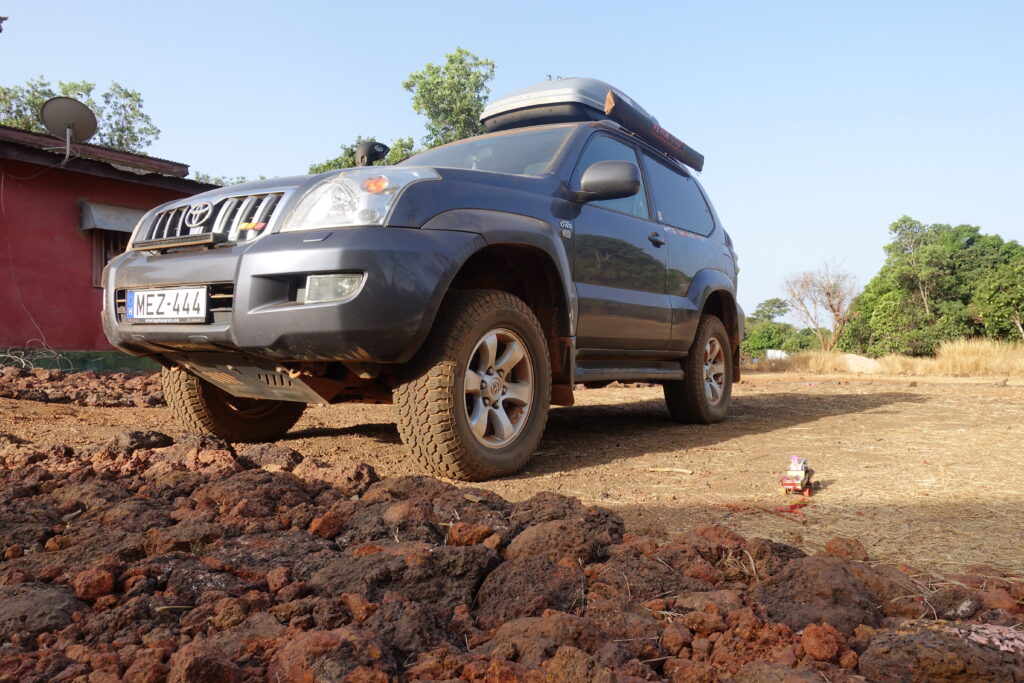
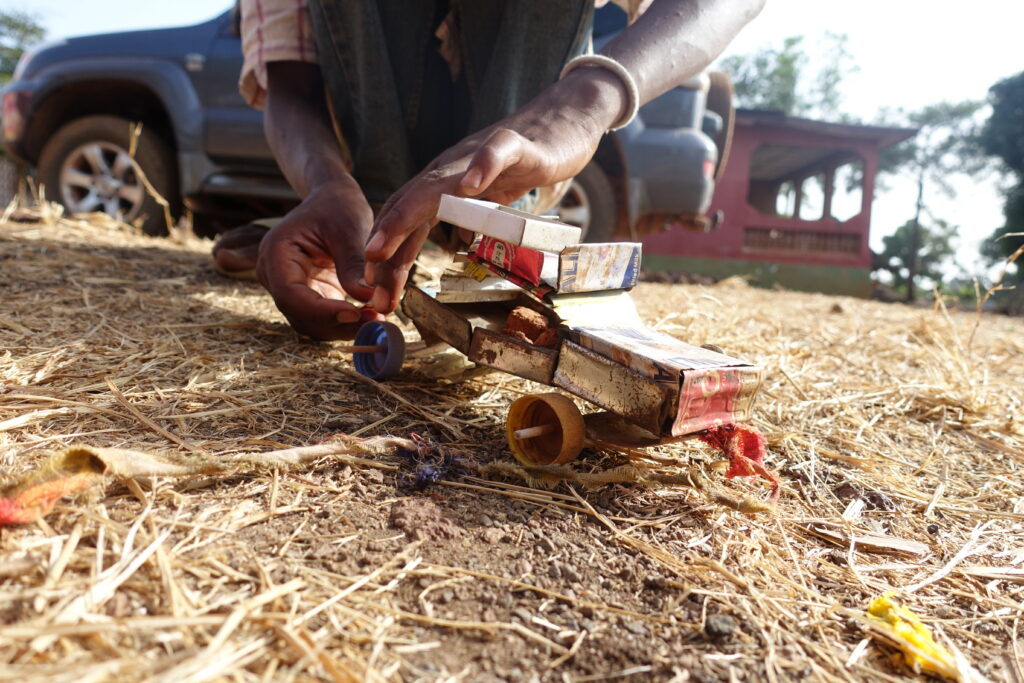
We were going through a bit of a tough period: first in Senegal, and then here as well, already weakened, we caught a virus. Ádám went hiking with a fever, and to make matters worse, a wasp even stung him in the eye. Still, they took wonderfully kind care of us. One evening they cooked meat soup, which tasted exactly like home. You do have to be careful with the chili, though—I accidentally bit into a whole one, thinking it was a tomato, and my mouth burned for half an hour. After that, Uncle Hassan no longer believed me when I said I liked spicy food. We also became friends with his grandchildren, and one morning we woke up to find a little toy car parked next to ours.
Our other host, Mori, in Conakry, made us feel at home from the very first moment—he sat us down and offered us cold palm wine. Many people were camping in his garden. We met a Filipino–Californian couple who travel the world searching for and recording music; an 80-year-old French woman who rides a motorcycle alone across West Africa; two New Zealand motorcyclists, one of whom travels extremely cheaply and usually helps out with odd jobs at accommodations; and a lovely young Senegalese–French couple. It was great to spend several days with the same people, exchanging experiences and stories. Mori’s hospitality truly brought us together—everyone shared all their food with one another, and we even brought small gifts for each other.