Február 23-28.: The next day our plan was to visit the islands. We didn’t want to go all the way into the city, so instead, we took a tuk-tuk (this was Ádám’s first tuk-tuk ride, and he really enjoyed it) and a motorcycle (which he enjoyed less because there were three of us on one bike, and he was frustrated that he wasn’t the one in control). The tuk-tuks here operate on fixed routes, meaning they travel between two points for a set fare, accommodating up to five passengers plus the driver. From the edge of the city center, we had to take a motorcycle taxi to reach the port.
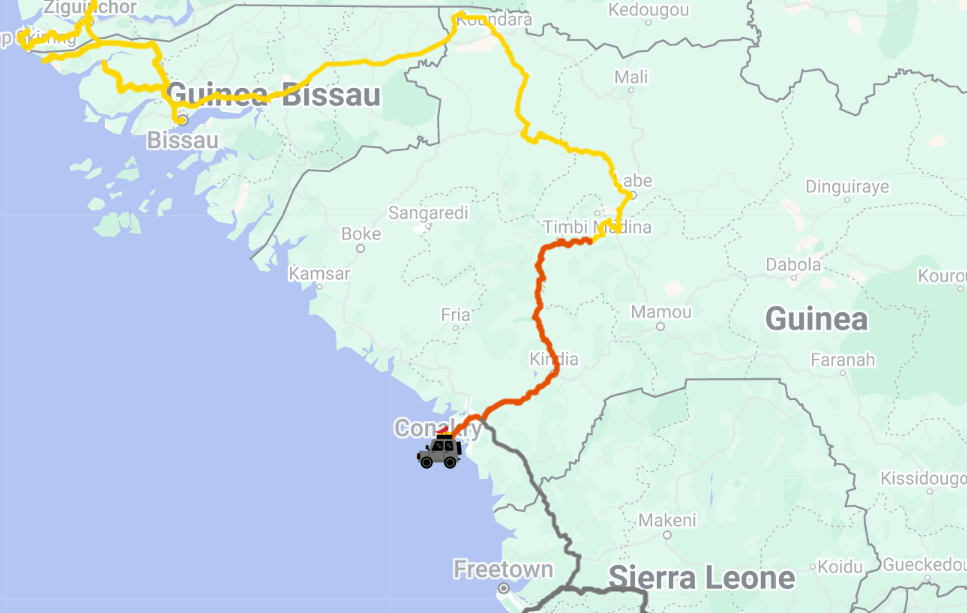
The local port was an intense place since it also serves as a fishing port, meaning we first had to weave through fish and other market vendors. Boats to the islands depart only when they are full, and the fare depends on how well you negotiate. Unfortunately, due to language barriers, we had a misunderstanding here. At a half-full boat, we asked how much it would cost to take us to the farther island (Îles de Los). In English, we were told “25,000” (which is just under €3). We agreed, and the boat set off—only for us to later find out that they actually meant 250,000 (around €30). Essentially, they wanted us to cover the remaining seats to ensure an immediate departure (a common practice among Western travelers who prefer paying extra rather than waiting).
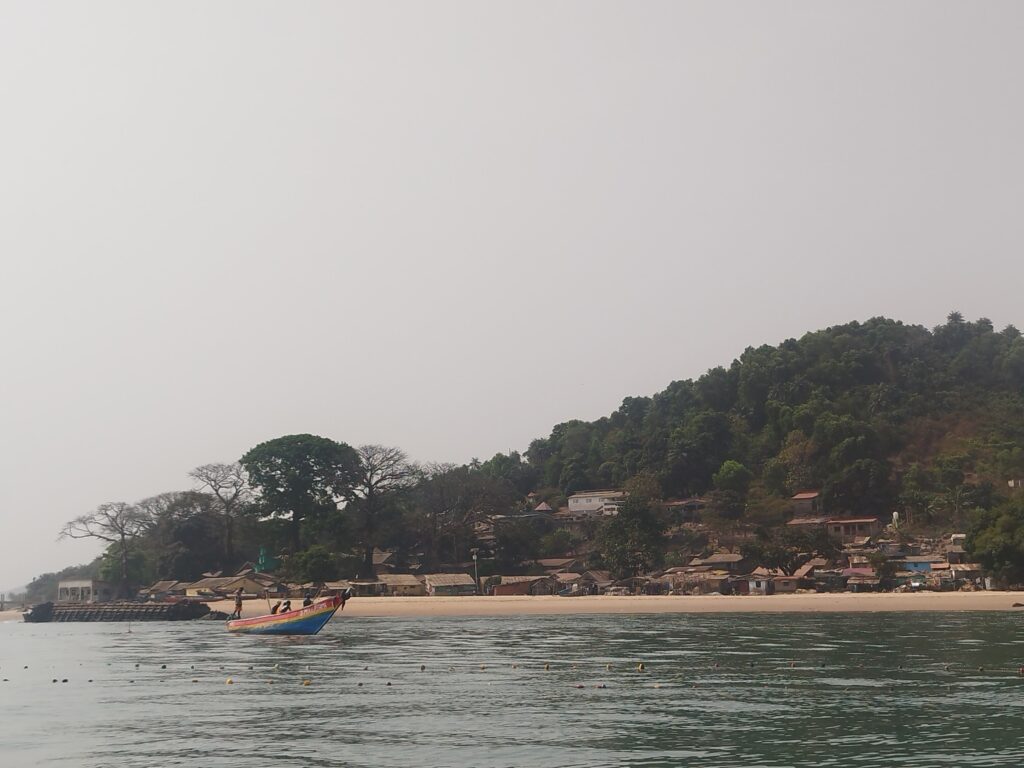
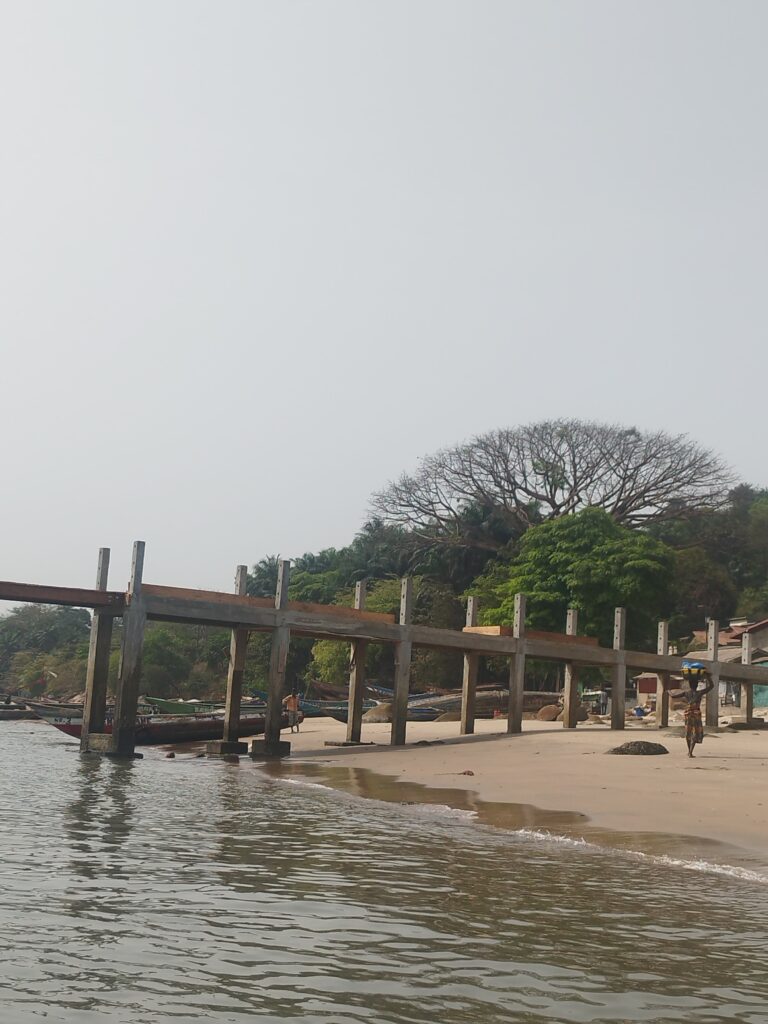
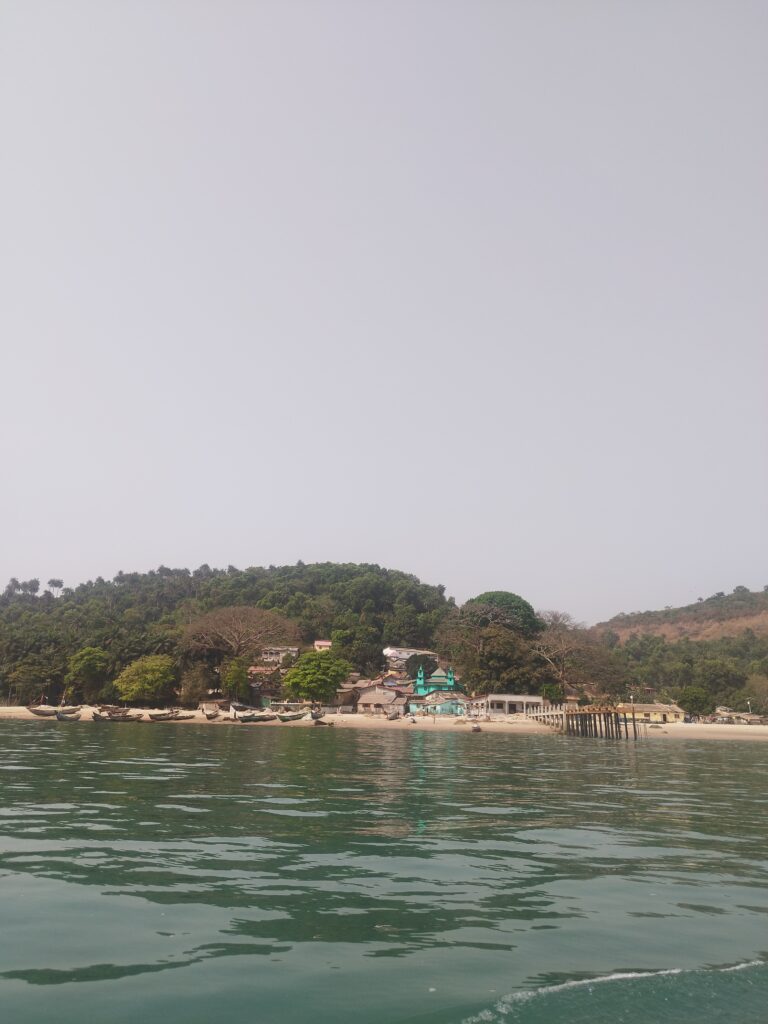
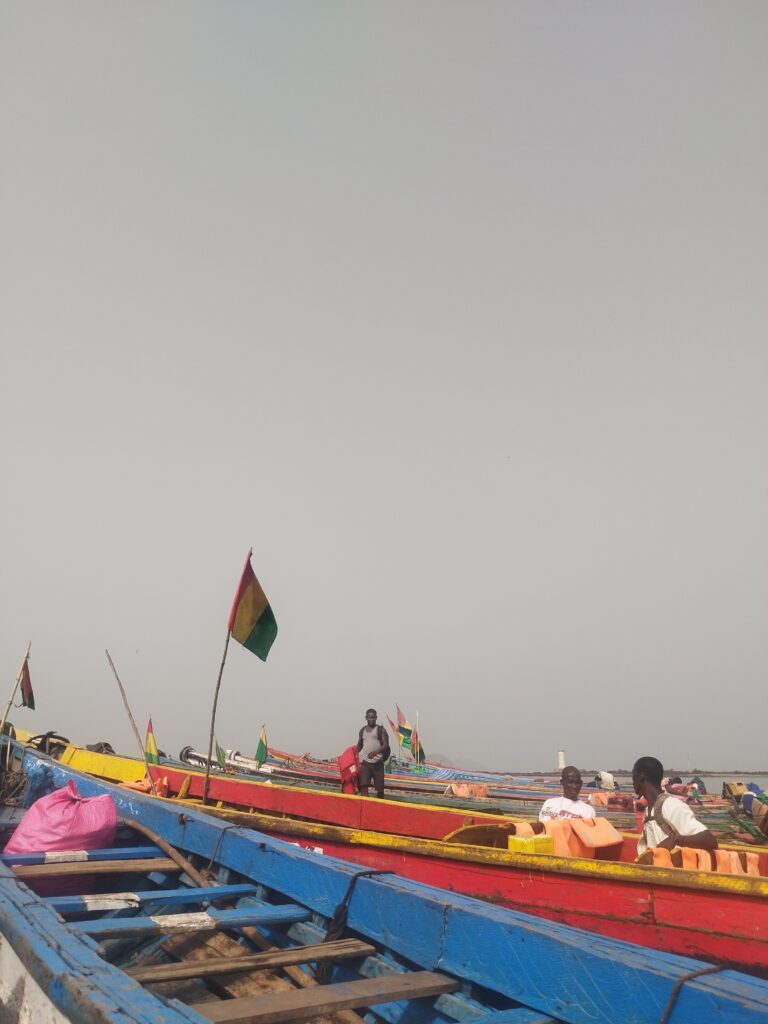
We realized the misunderstanding once we arrived on the island when the captain looked confused as we handed him 25,000 Guinean francs. In the end, we reached a compromise because we felt sorry for the captain, who rents the boat and likely wouldn’t have made enough money that day. We agreed that, for the same amount, they would also take us back to Conakry.
Unfortunately, this ruined our plan to visit another island, so we set off to explore this small one instead. At first, we didn’t like it much because it turned out to be the “luxury” island, where wealthy locals come for picnics since the water here is cleaner and less polluted than the beaches near the port. However, we didn’t want to be near our boat companions, as they had refused to help us earlier and were probably the ones who convinced the captain to charge us for the remaining boat seats.
Some travel days are harder than others, and this was one of those moments when we felt a bit discouraged. We started our walk with a bad taste in our mouths, but our mood quickly lifted thanks to the kind people we met along the way.
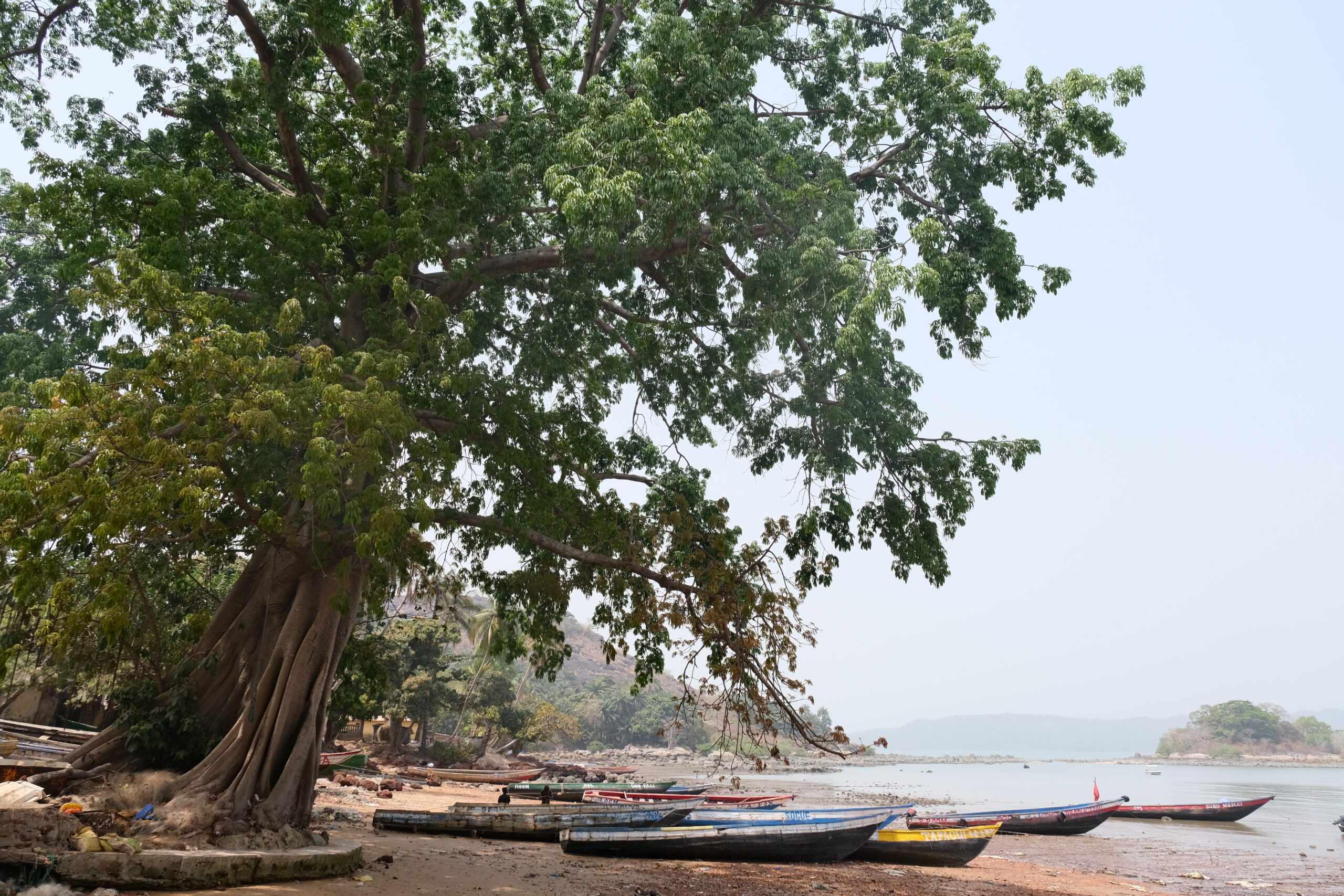
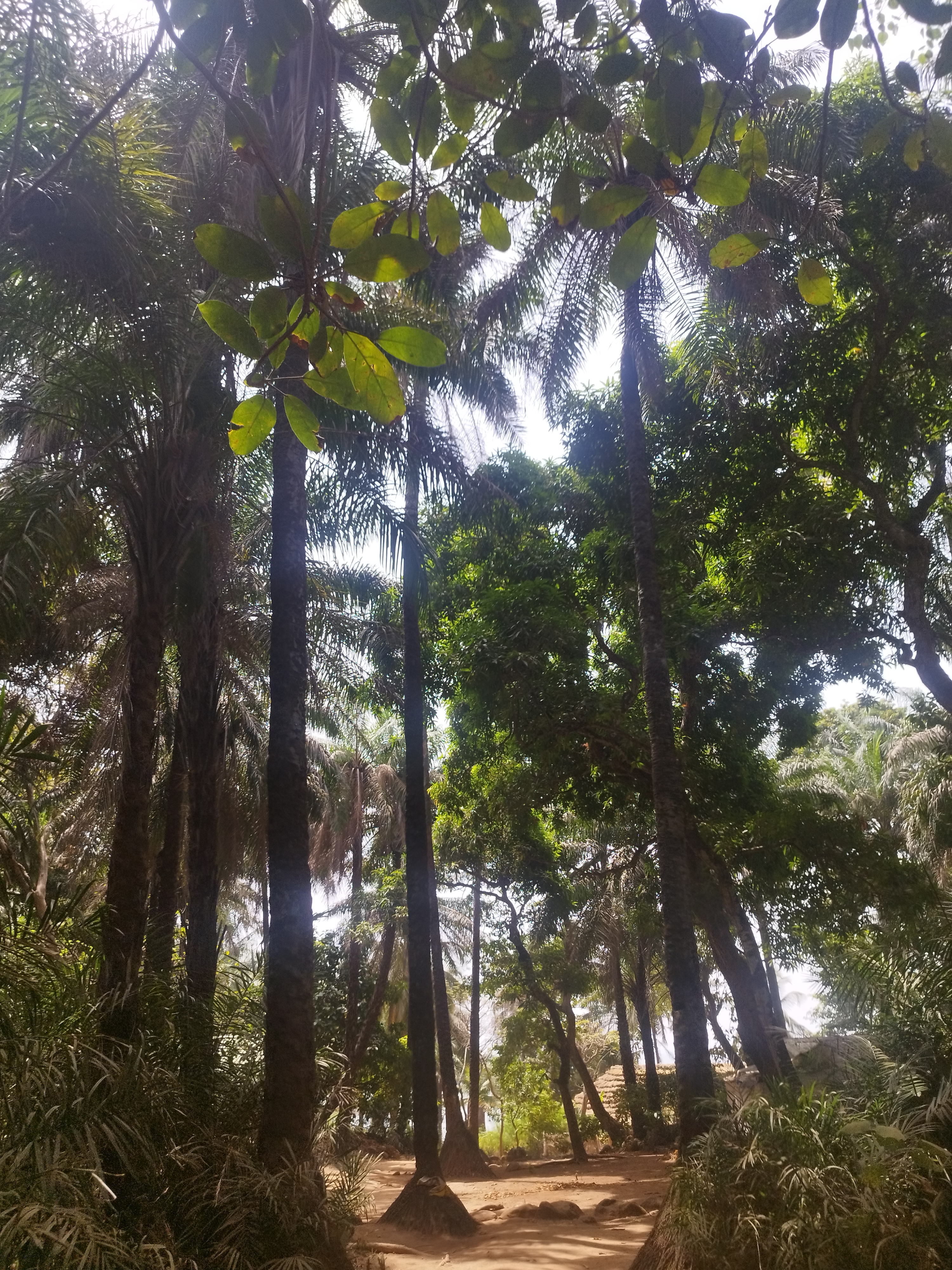
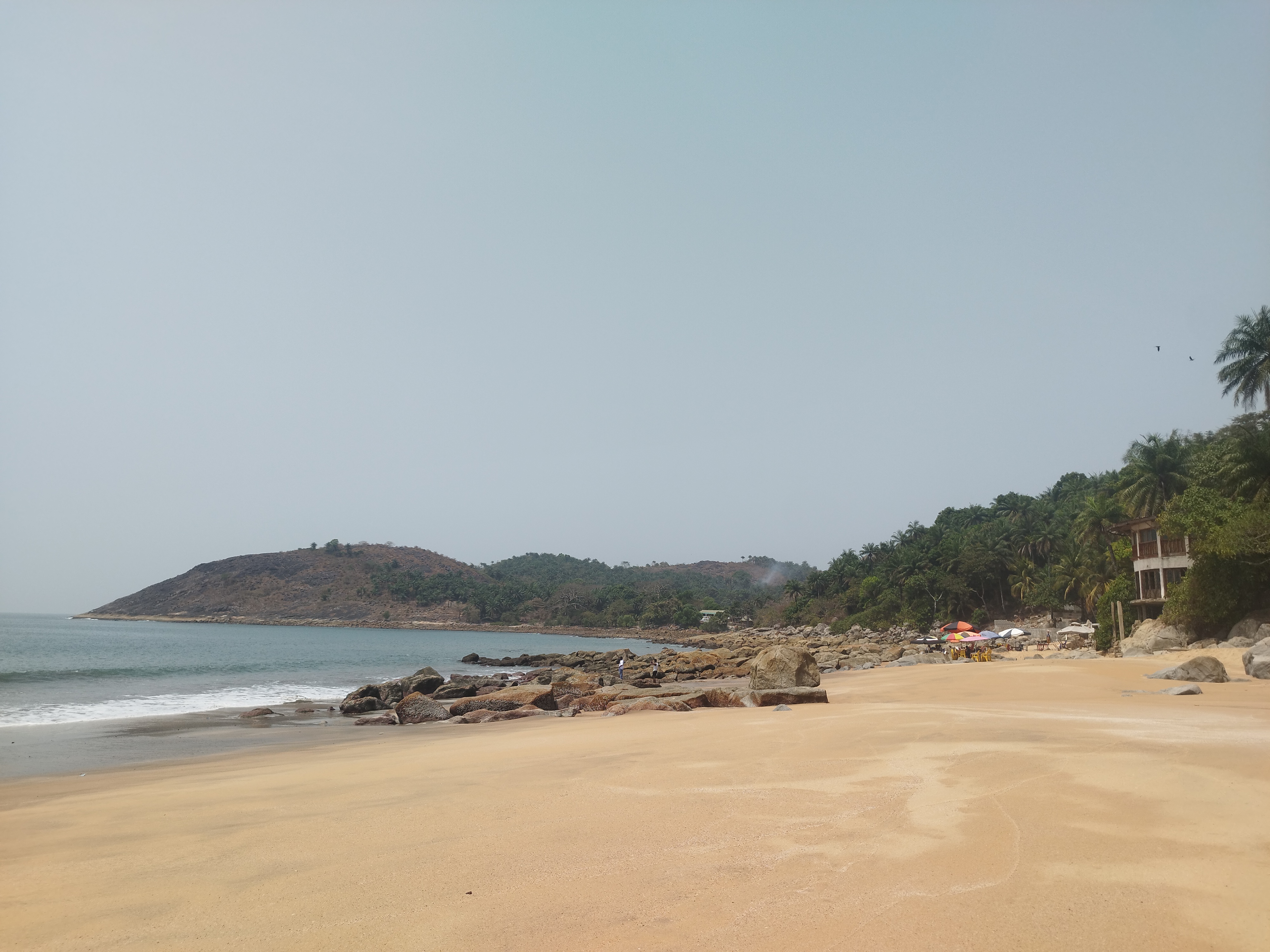
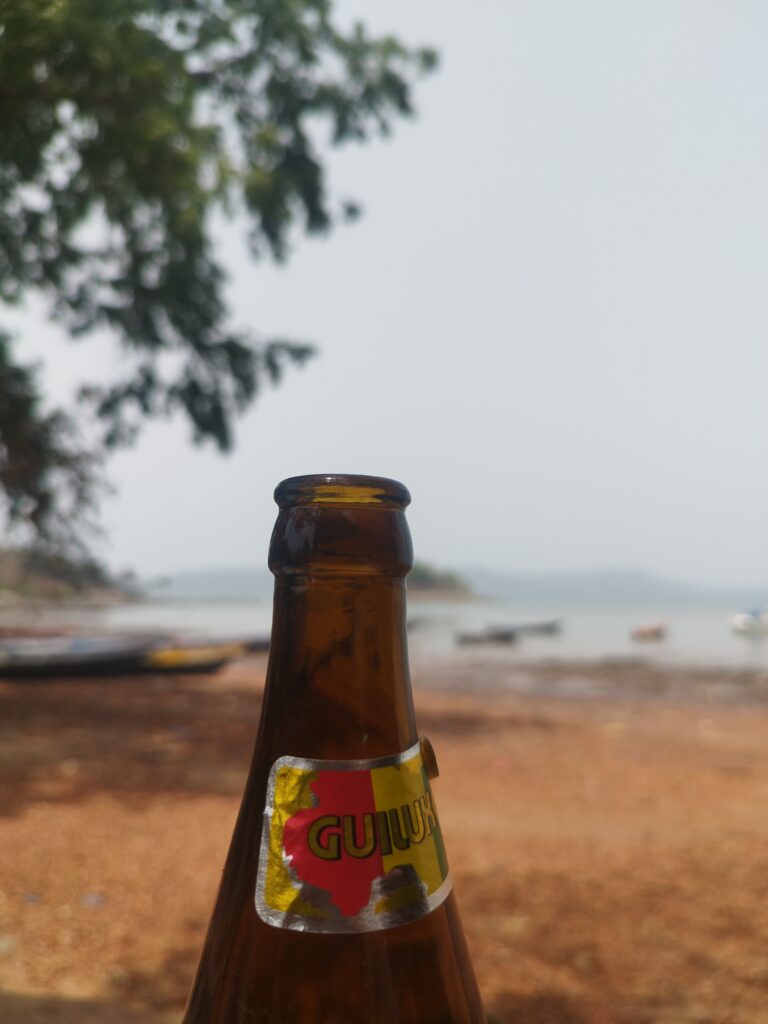
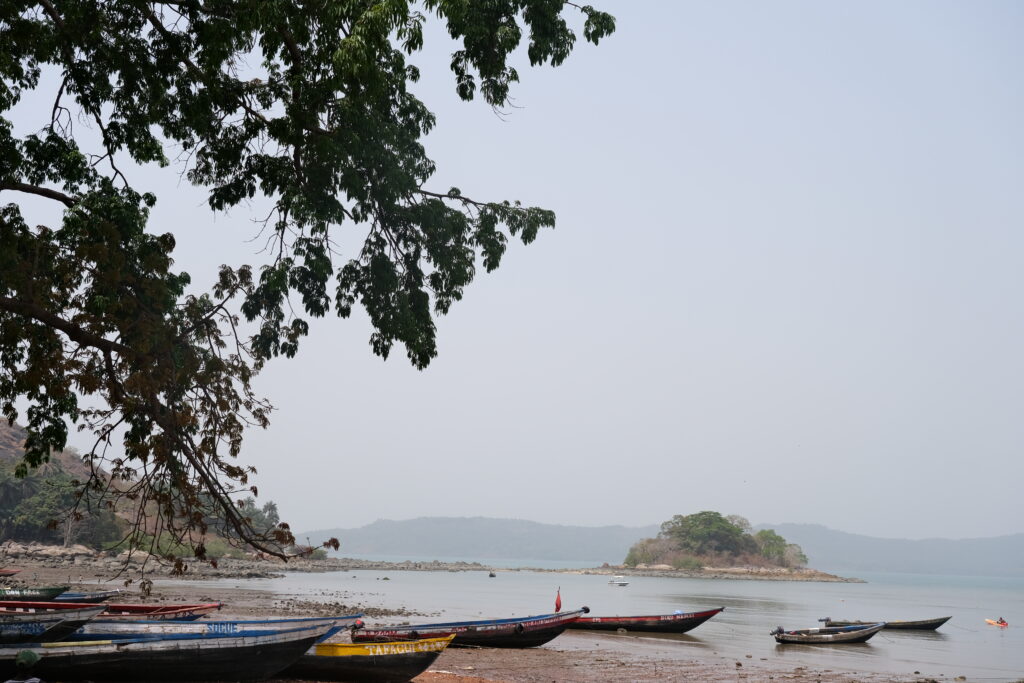
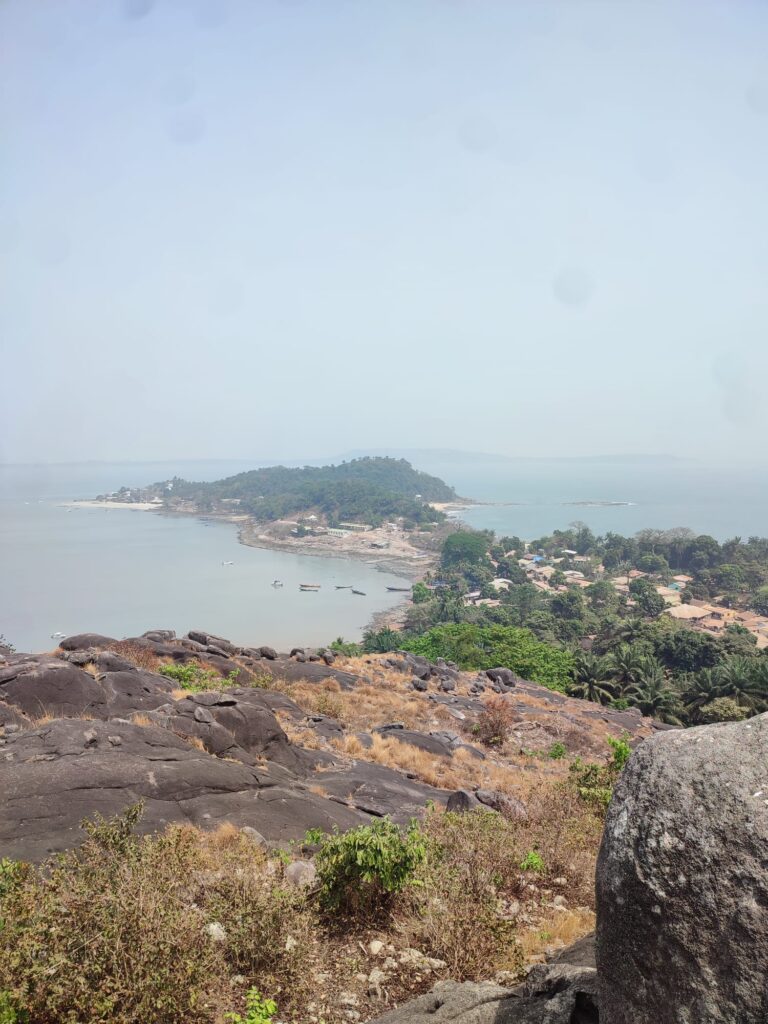
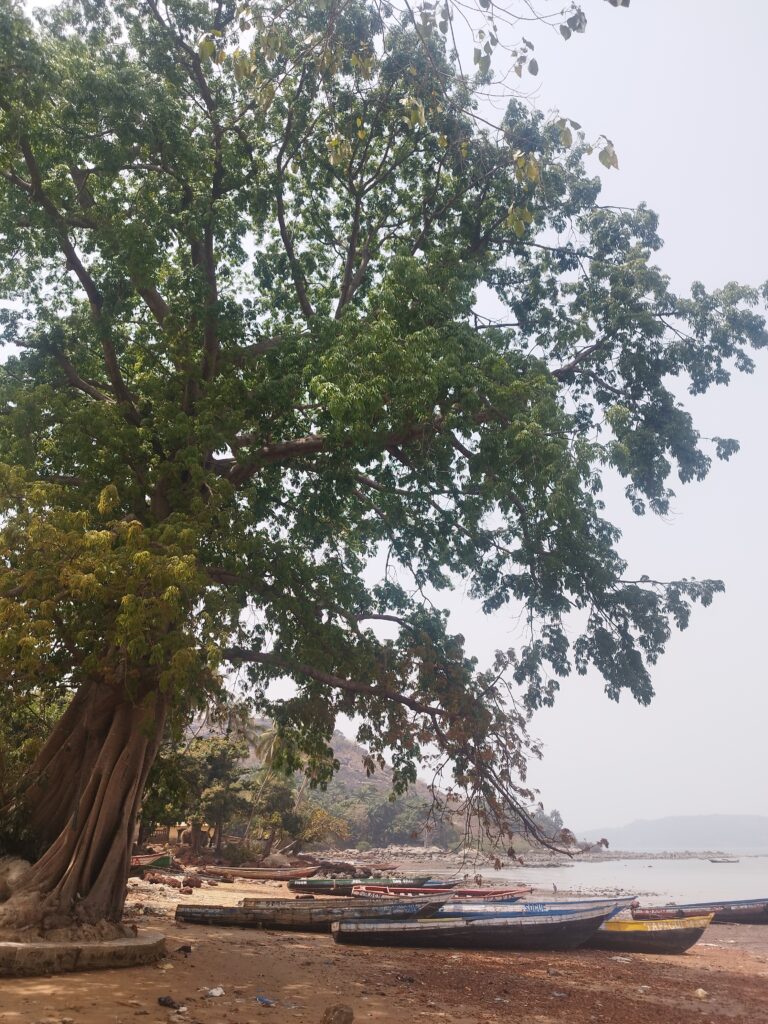
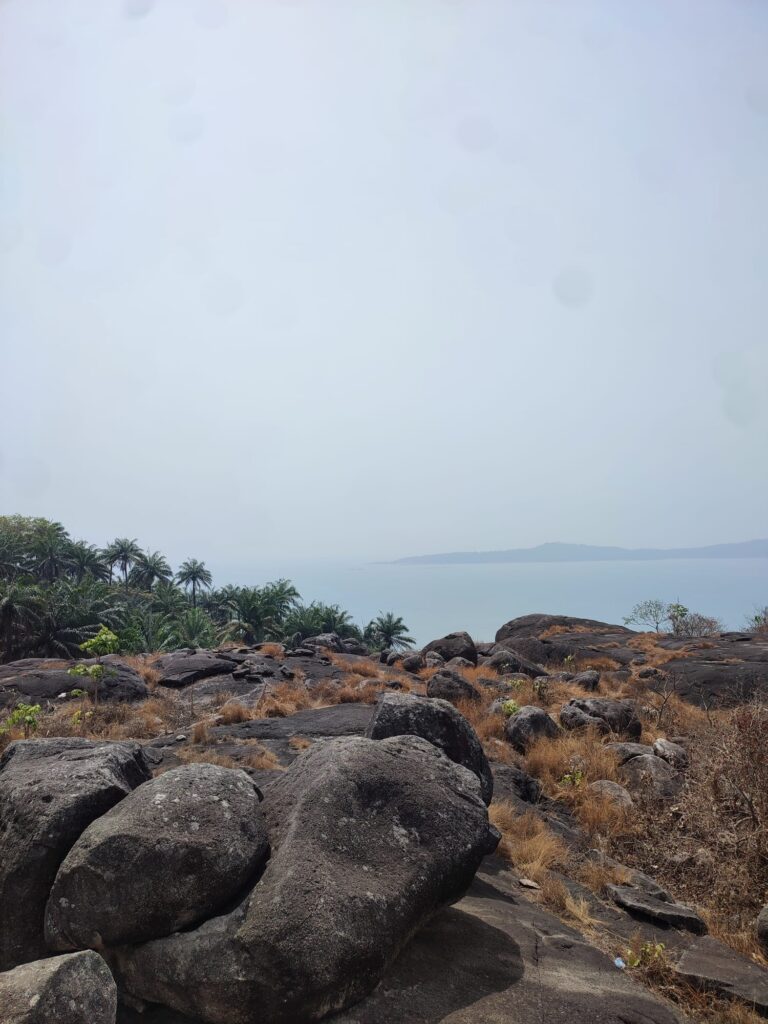
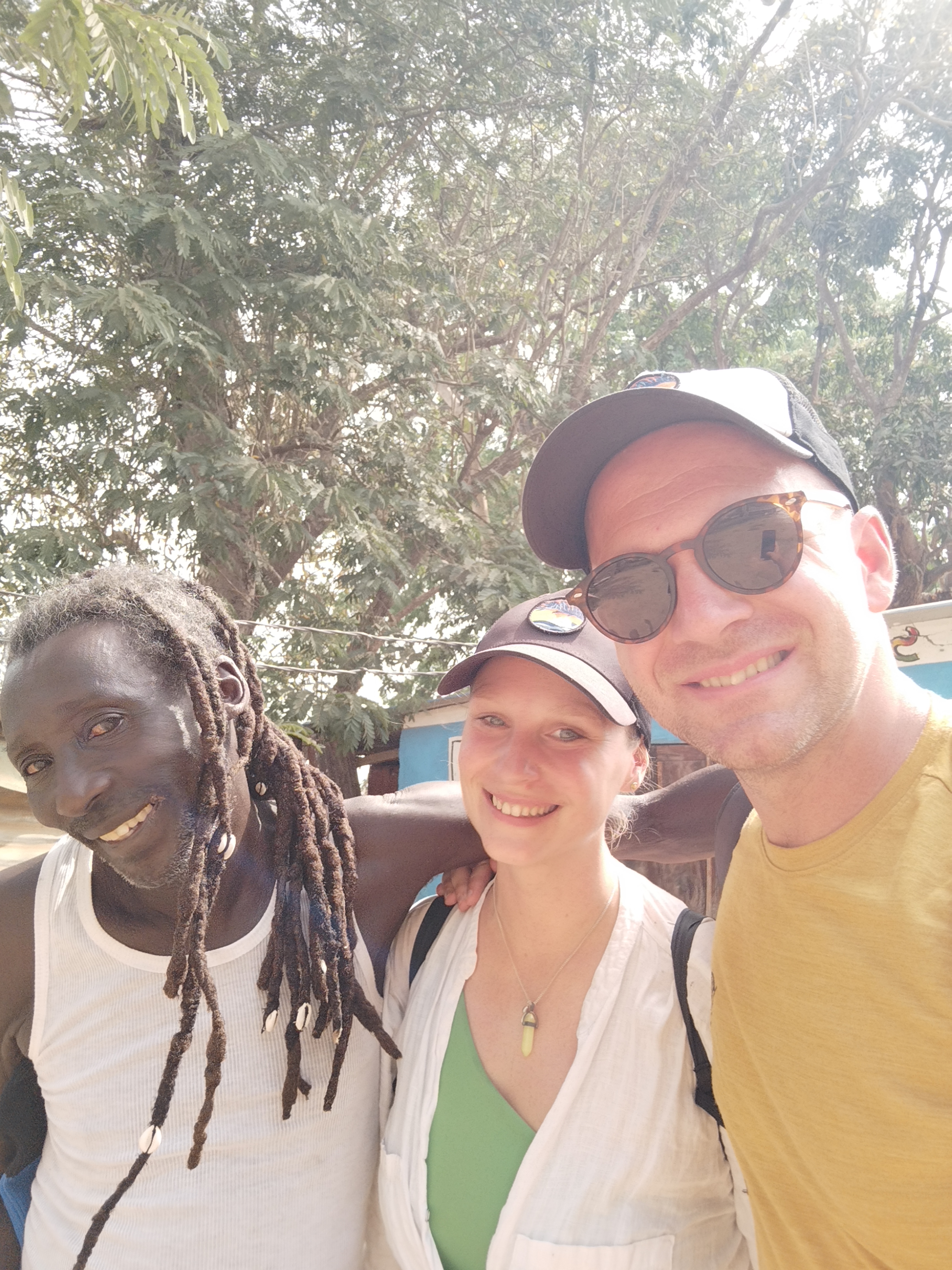
First, we stopped by a small café, ate an omelet sandwich, and made friends with the staff and nearby workers. Then we walked to the village, had a very cheap beer with the locals at the fishing port, and continued on to climb up to a viewpoint. On the way back down, we ended up at the same bar again, where we met a fascinating older man who shared stories of his adventurous life—how he traveled and worked across different West African countries. He now leads tours and owns a small beach in the northern region of the country. Finally, when we returned to the boat dock, we still had half an hour to spare, so we rejoined the café staff and met some local Rastafarians.
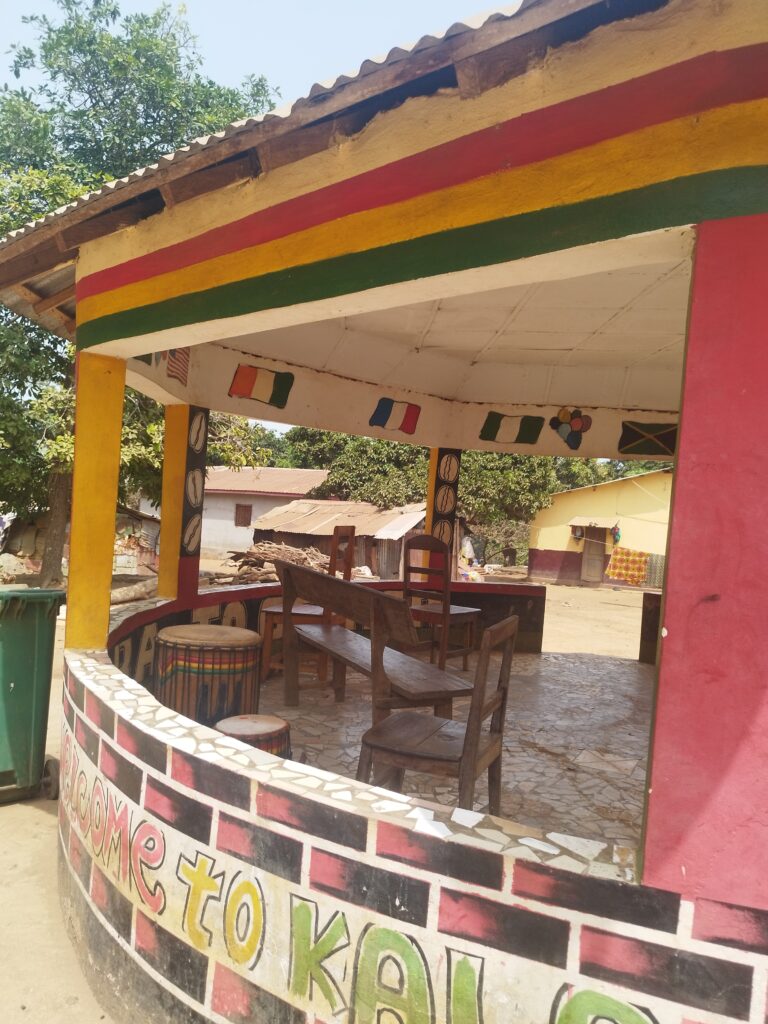
On Thursday, we received news that we could get our DRC visa, but only if we first obtained a visa for the Republic of the Congo. We had hoped to avoid this, as it was nearly ten times more expensive here than in Cameroon, but we had no choice—according to travel reports, the DRC visa was only available in Conakry. The process of traveling to and from the city took an entire day. However, the DRC visa officer kindly offered to meet us in the evening at our neighborhood (as she lives nearby as well) and take our passports in for processing the next day, meaning we only had to return to the city once more to pick them up. By early Friday afternoon, we were finally on our way to our next destination: Sierra Leone.
Later, we read that Guinea is even less touristy than Guinea-Bissau and, according to last year’s data, ranks among the world’s ten least-visited countries. This explains why traveling here can be incredibly difficult—there is virtually no infrastructure (we met a backpacker who confirmed that public transportation makes it even harder). But the people make up for everything, even though most of the time we don’t share a common language. For Eszti, Guinea became one of her favorite countries, and—contrary to most travel reports—Conakry became her favorite African capital.