Június 18-22.: A sok egész oldalas vízum miatt betelt az útlevelünk! A namíbiai–botswanai határon így kicsit többet időztünk, amíg segítettek kitalálni, hogyan tudunk útlevelet cserélni (kettőt hoztunk magunkkal, ami egyébként teljese legális  ). A namíbiai oldalon az új útlevélbe is kellett kérnünk egy kilépőpecsétet, hogy utána a botswanaiak be tudjanak az új útlevélbe pecsételni.
A botswanai oldalon nagyon kedvesek voltak. A kapunál a rendőr elmagyarázta, hogy egyébként 120 km/h-val lehet menni az egész országban, de nem ajánlja a szamarak miatt (meg mint később kiderült, az elefántok is sokszor átmennek az úton). Az első faluban sem SIM-kártyát nem tudtunk venni, sem pénzt nem tudtunk felvenni, de valaki megnyugtatott minket, hogy kb. 100 kilométer múlva lesz egy kemping, amit még pont elérünk naplemente előtt.
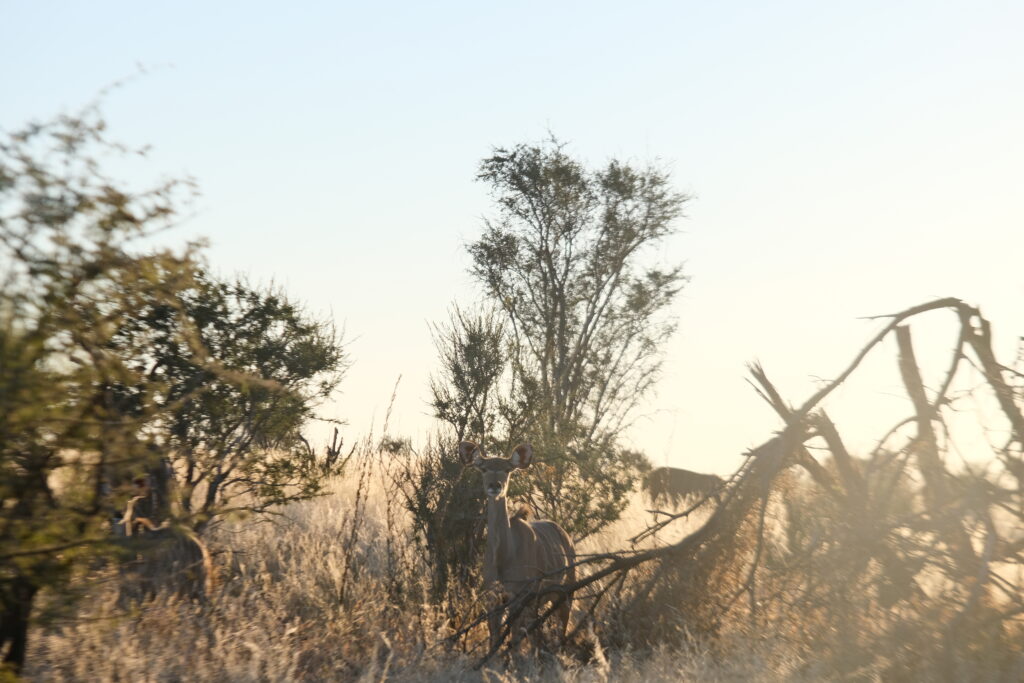
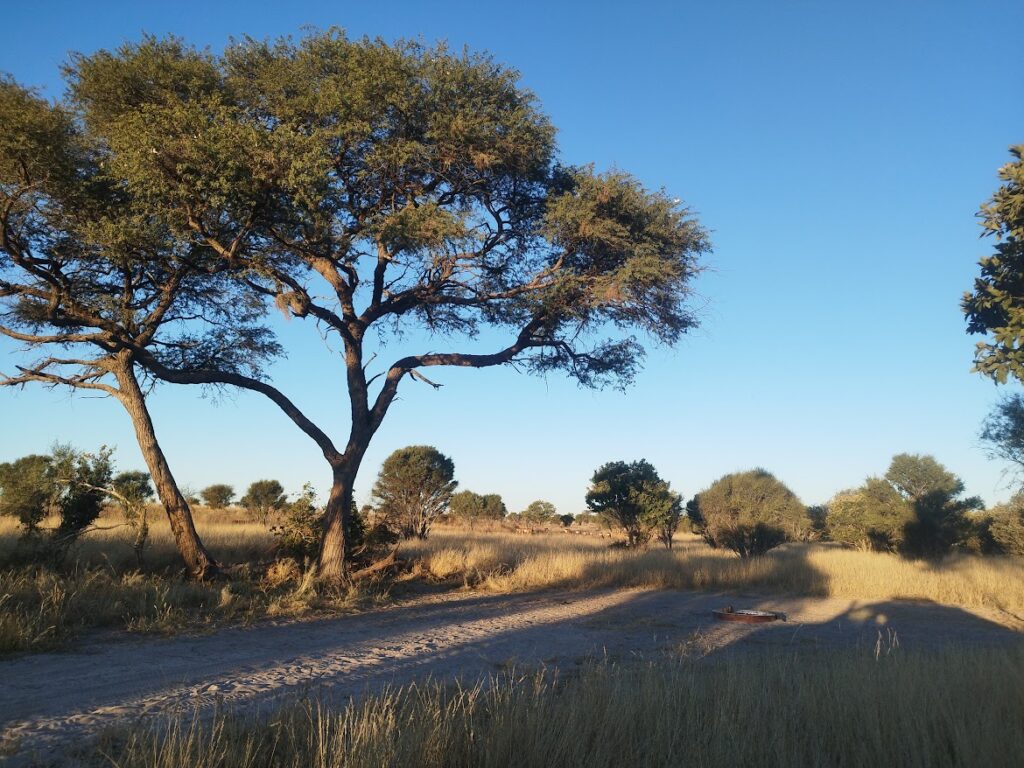
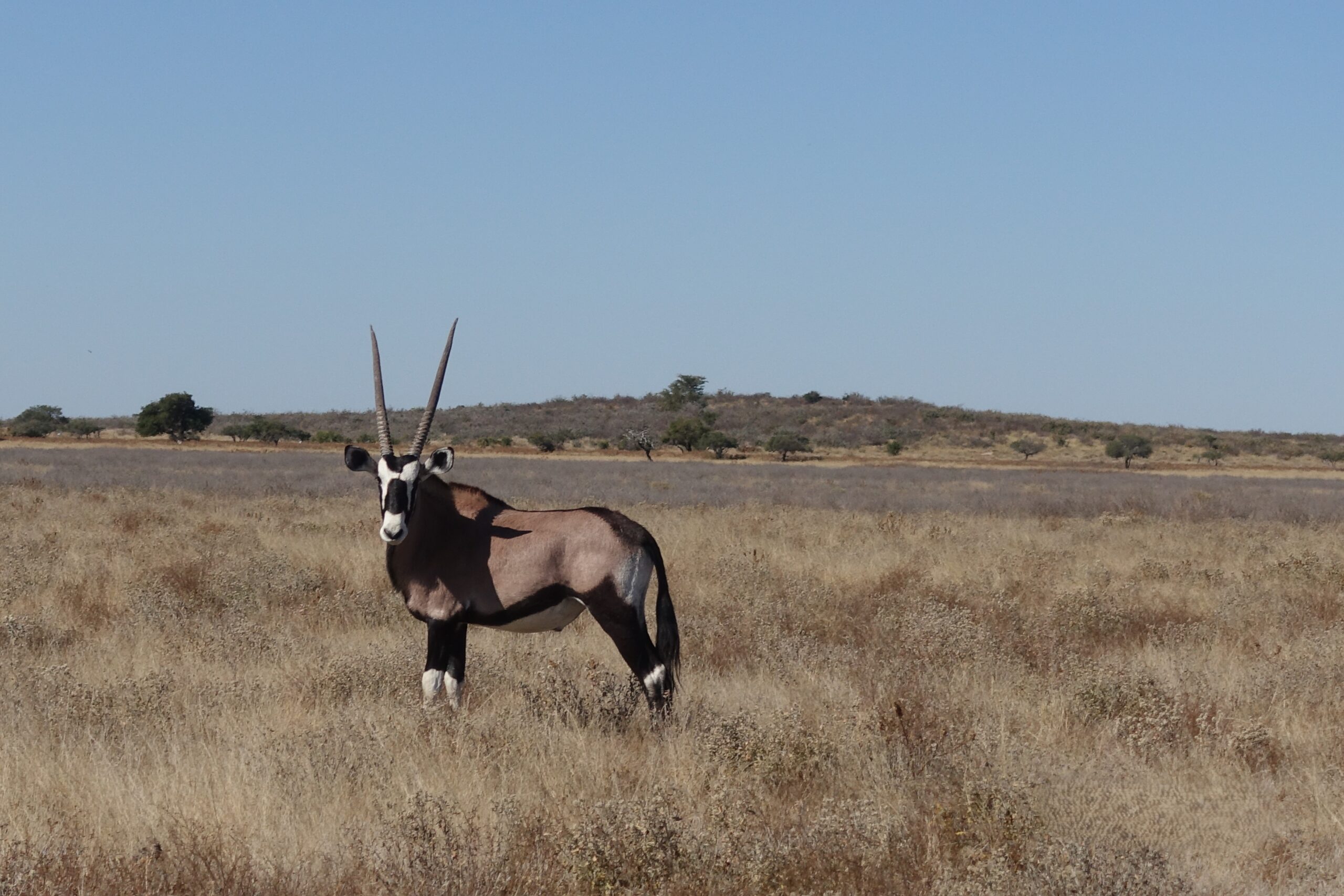
The next day we drove to Ghanzi, where we went to the Botswana National Parks office. There, we easily booked our entry and three campsites for the Central Kalahari Game Reserve. The Central Kalahari, at 52,000 square kilometers, is the second largest national park in Africa. It is currently a UNESCO World Heritage Site thanks to its unique biodiversity. In this vast area live desert lions, leopards, brown and spotted hyenas, wild dogs, elephants, cheetahs, countless oryx, eland, kudu, wildebeest, ostrich, giraffe, gazelle, and jackals.
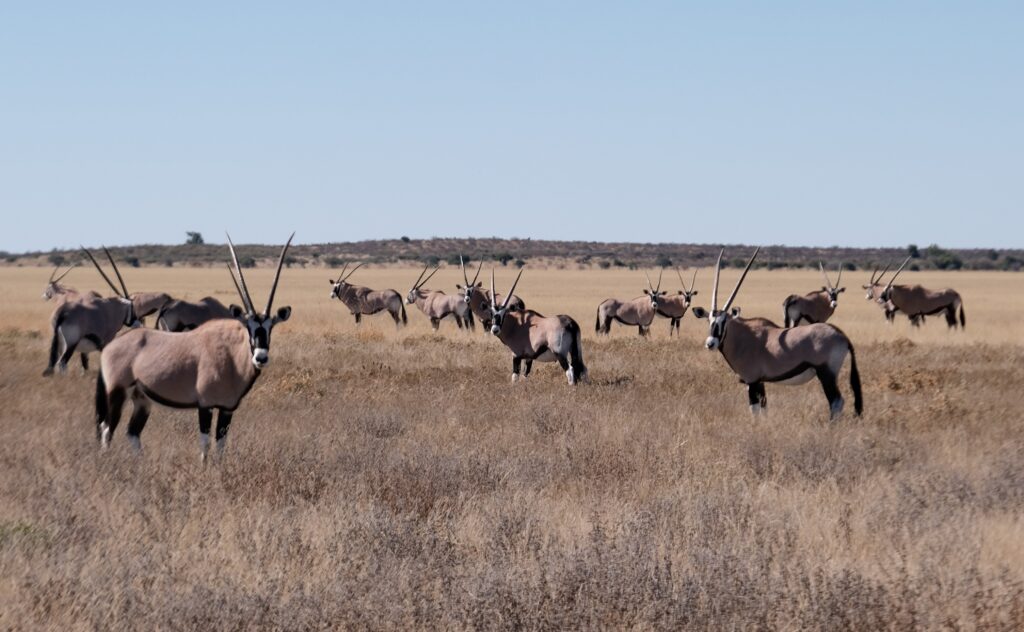

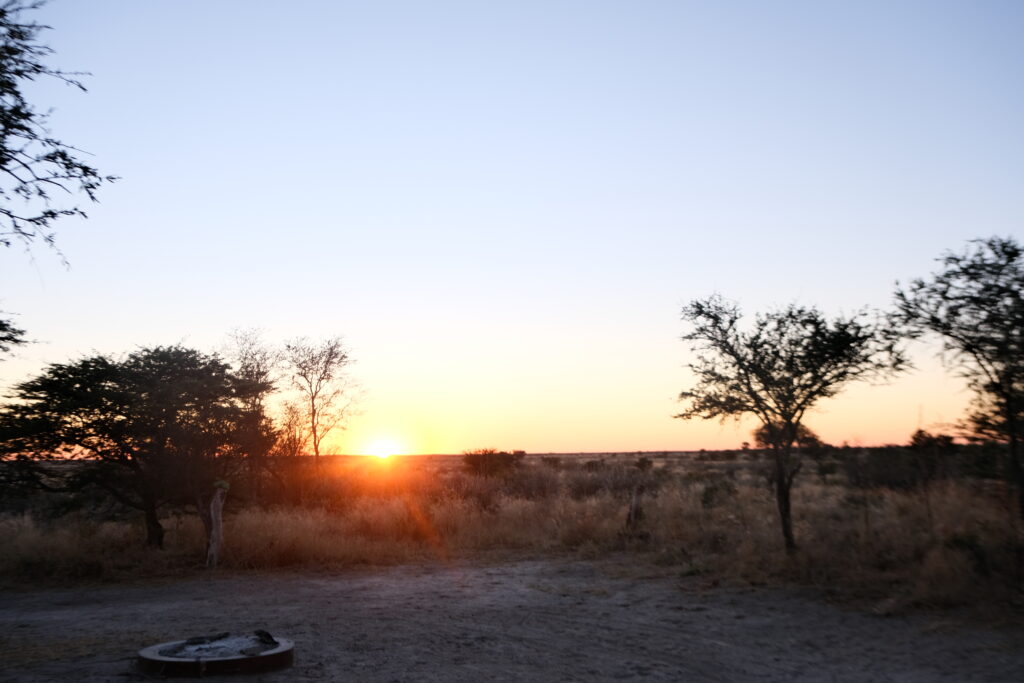
The park’s uniqueness lies in the huge distances you can cover through stunning desert–savanna landscapes. Sometimes you can drive for dozens of kilometers without seeing any animals – it’s very remote, and you really feel the wilderness here. There aren’t many organized safari tours; few people go in, mostly with their own vehicles. The park entry is less than 5000 Ft and the official campsites cost about 1,200 forints (approx. $3), and in return they offer only a fire pit, a “long drop toilet” (pit latrine), and sometimes a fenced-off area with a bucket for showering. It feels like wild camping in the middle of a national park (in Botswana there are no fences around campsites, so animals can wander in at night). You can’t buy anything – including water and food – inside the park, so you have to stock up in advance.
The woman who helped us book our campsites asked if we had a satellite phone. When we said no, she advised that if we broke down, we shouldn’t get out of the car – eventually another traveler would come along. Not the most reassuring advice.
We shopped for four days’ worth of supplies, bought a SIM card, and looked for food. At a small “tuck shop” (that’s what they call small kiosk-like shops in southern Africa), a woman was selling giant hot dogs – and we were so hungry we polished them off with no trouble. Botswana at first seemed similar to Namibia with its supermarkets and tuck shops, but here we already felt much more of the people’s warmth and hospitality.
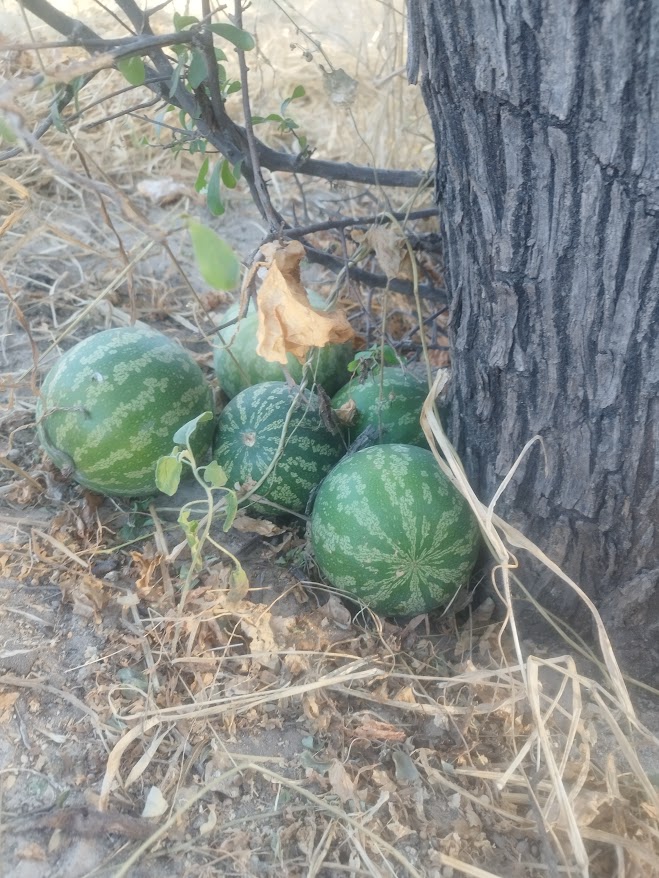
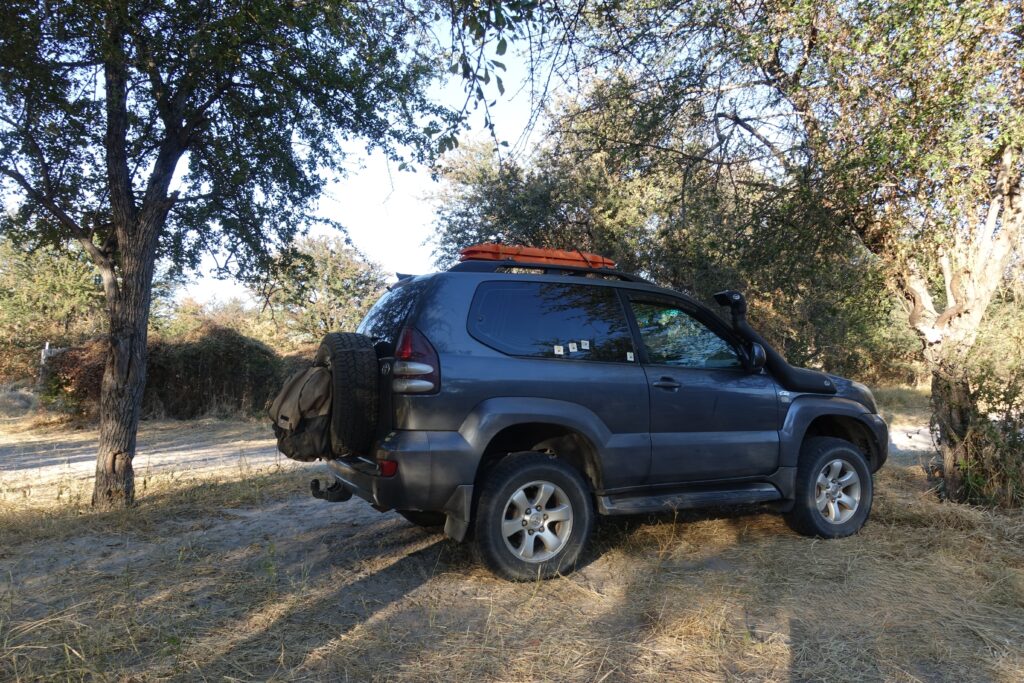
We were a little nervous, since after the infrastructure of Etosha this was unfamiliar terrain for us. Right away we had to drive through deep sand for 3 hours to reach Xade, the park’s entrance, where thorny bushes scratched Mezi all over. Aside from these bushes, there were only watermelon-like plants everywhere – probably some kind of gourd – which made for a very unusual sight.
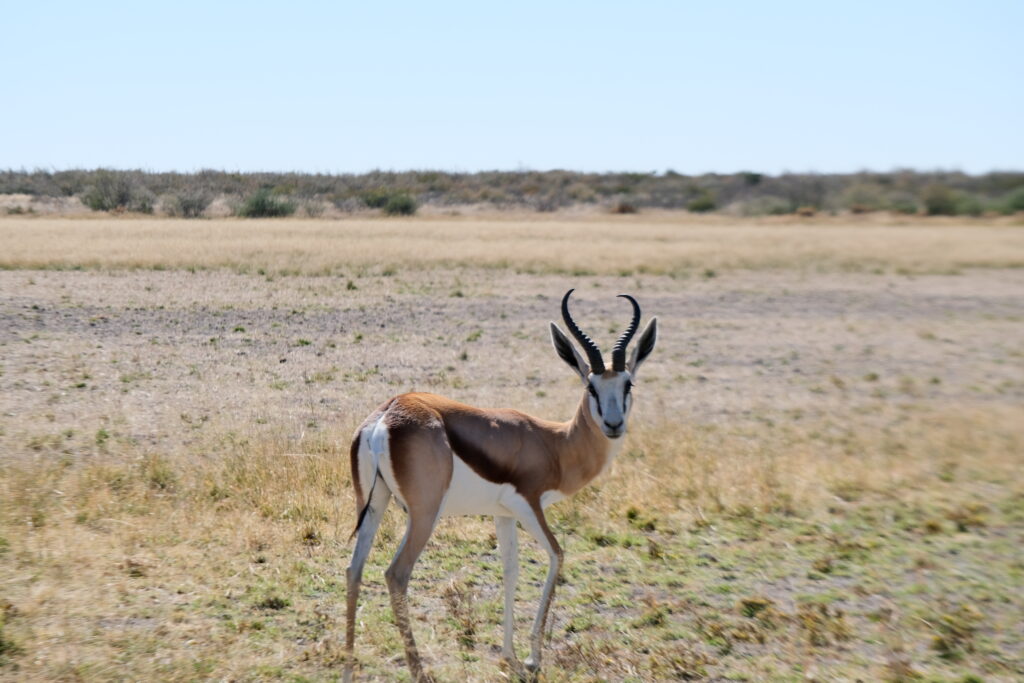
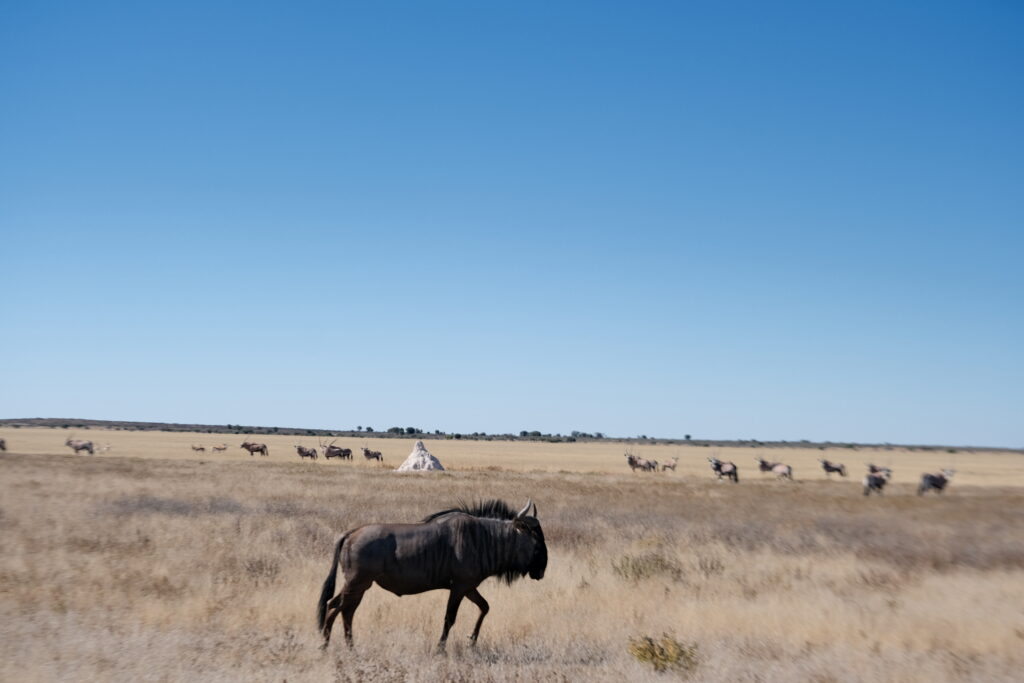
We reached the gate and checked the location of our campsite – it was beautiful, but there wasn’t even a toilet, and about 100 eland and kudu were peacefully grazing there. This made us a little uneasy, so they let us camp by the gate, near the toilets, where there was also a friendly Swiss–Australian group. They told us that according to the rangers, two lions roamed around here, so we were very glad not to be sleeping in the middle of an endless antelope herd – perfect prey for lions.
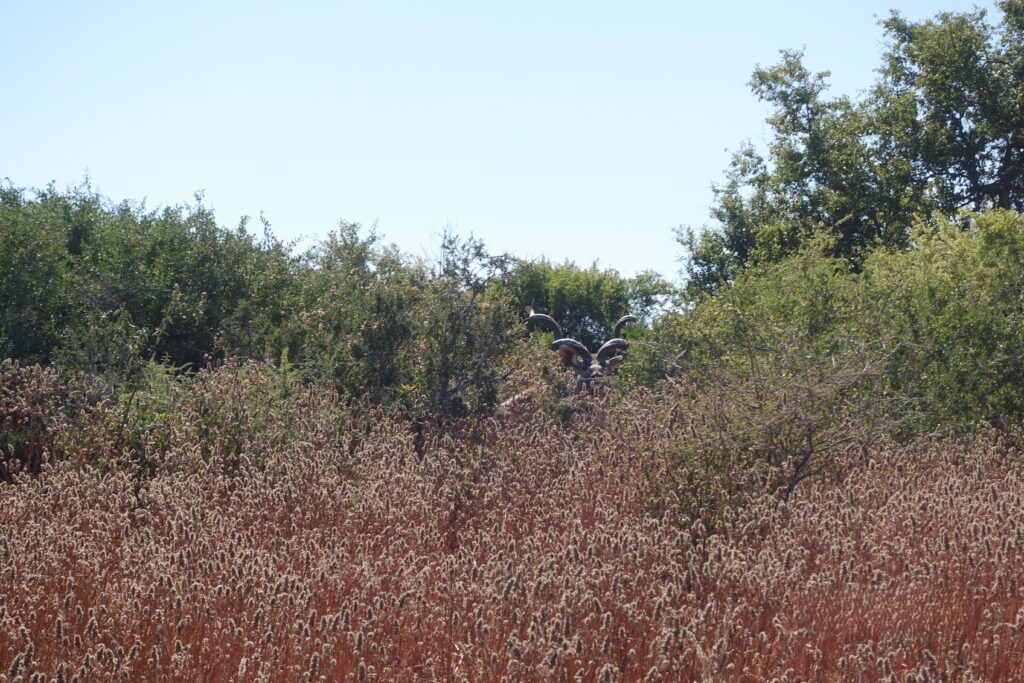
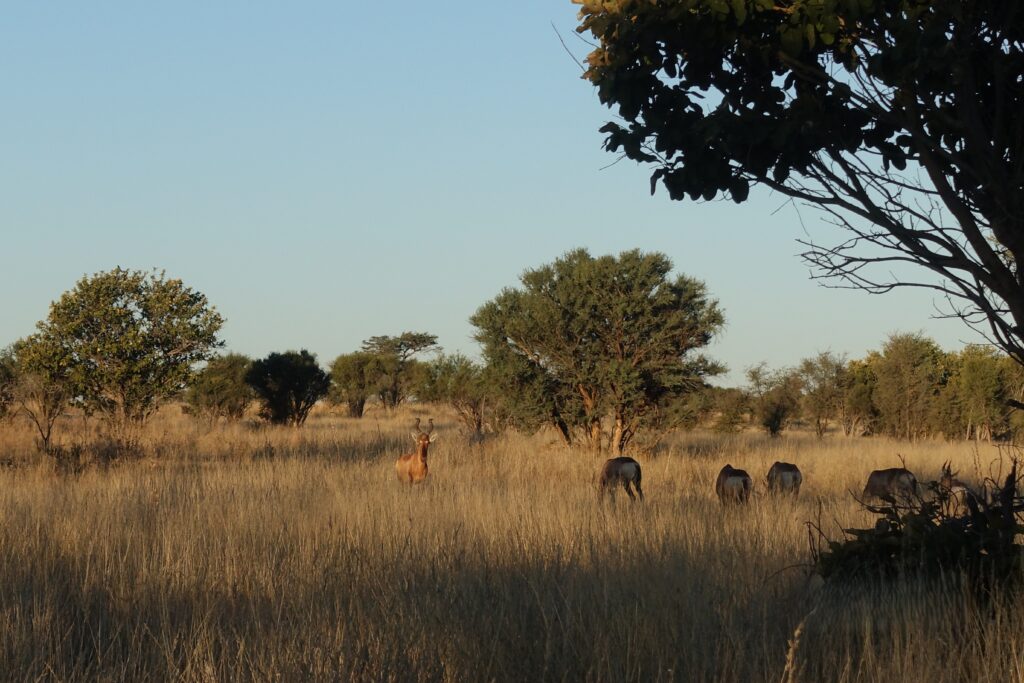
The next morning we got up early and started driving toward the more popular parts of the park. The first 60+ kilometers took almost three hours to cover; we didn’t see any animals due to the dense bush (poor Mezi suffered for it), but we felt their presence. We reached Piper Pan, where we met a South African couple. They were very kind and offered to share their campsite with us if we didn’t want to drive further. Each campsite belongs to a single vehicle (or group). Some areas have several campsites close to each other – like here at Piper Pan – but sometimes they’re 20–30 kilometers apart.
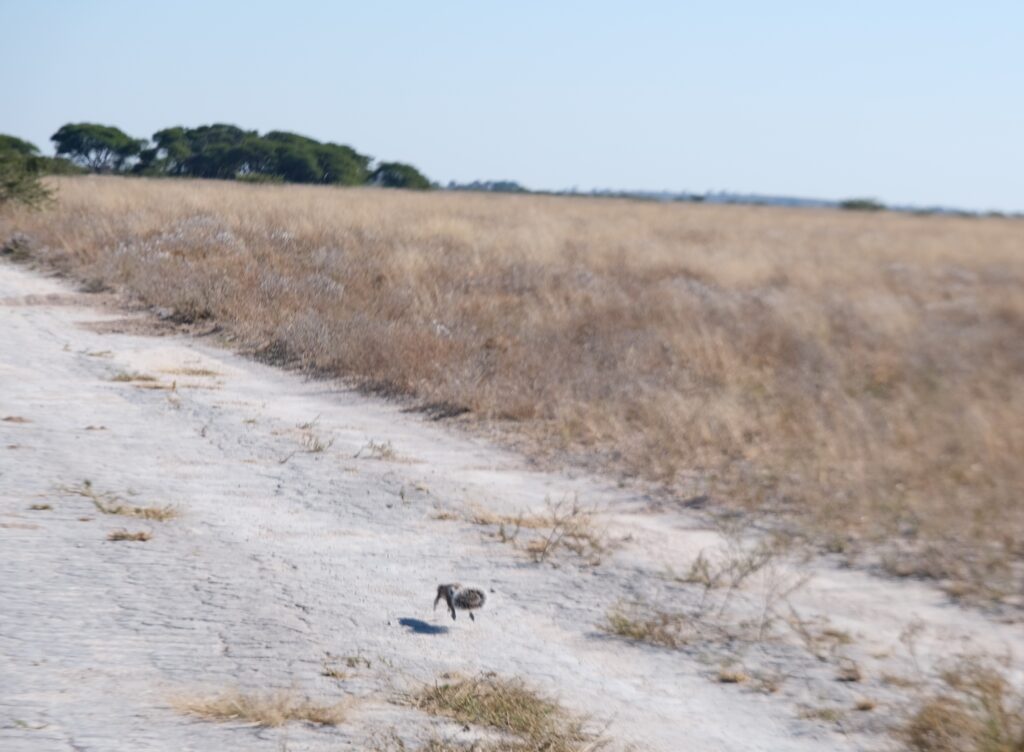
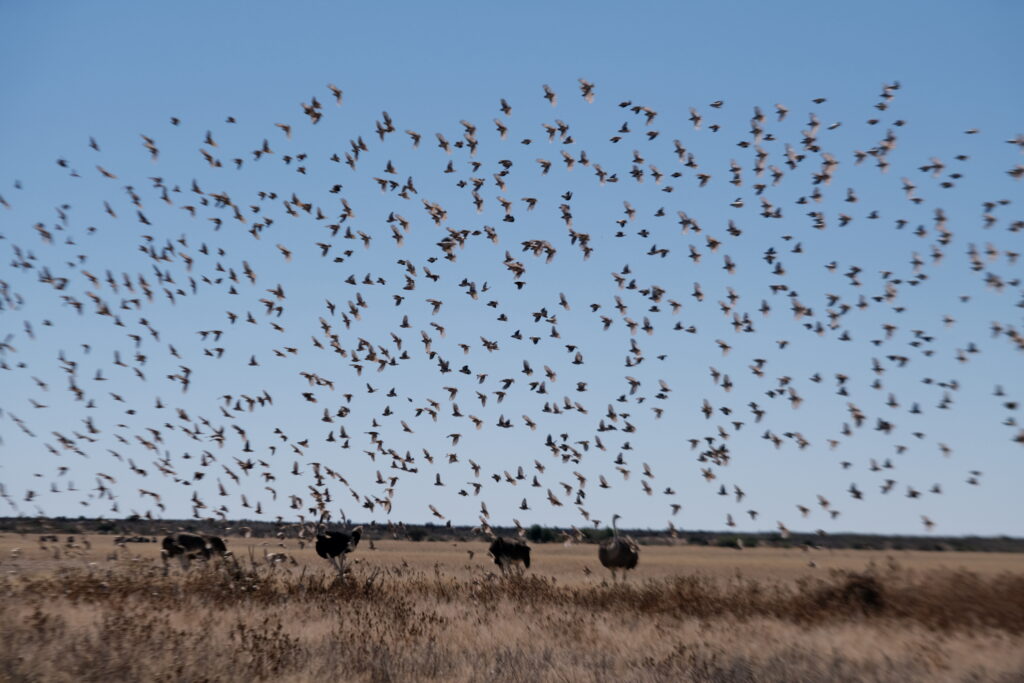
Some people enjoy being completely alone, far from others, but the few people we met in the park were happy to bump into someone and gladly shared their campsite. We had lunch at the Pan, which offered a stunning view of both the wildlife and the unique scenery.
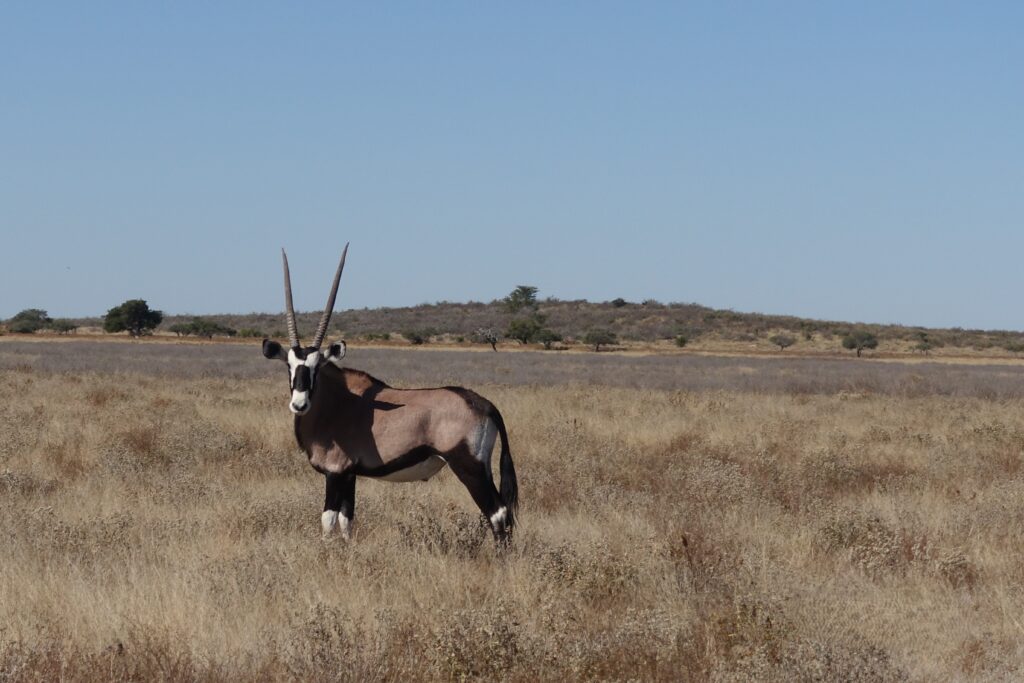
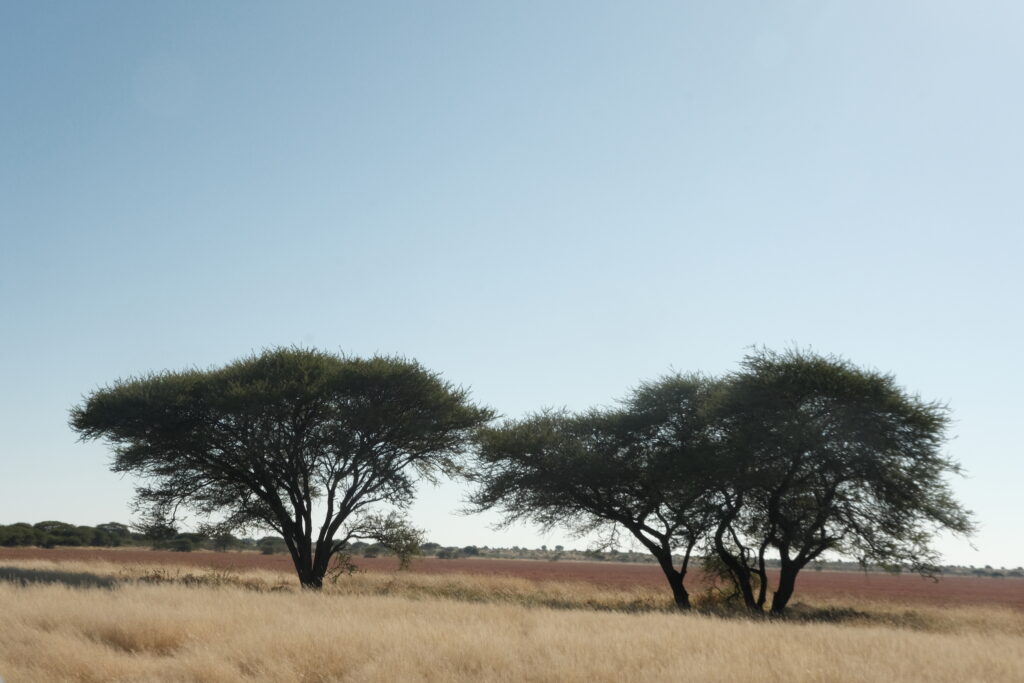
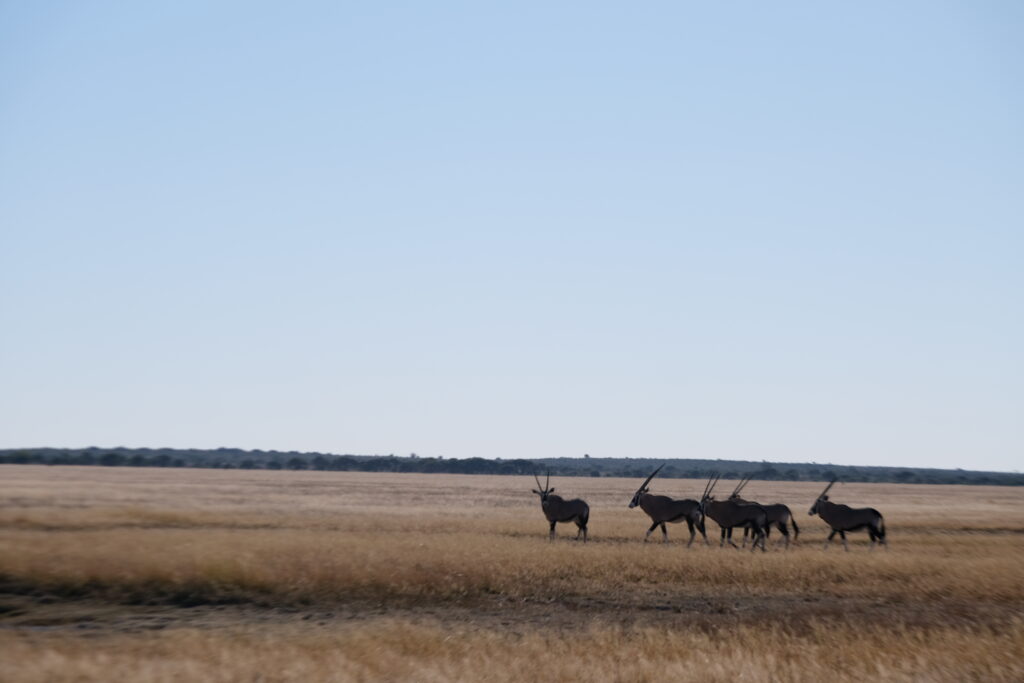
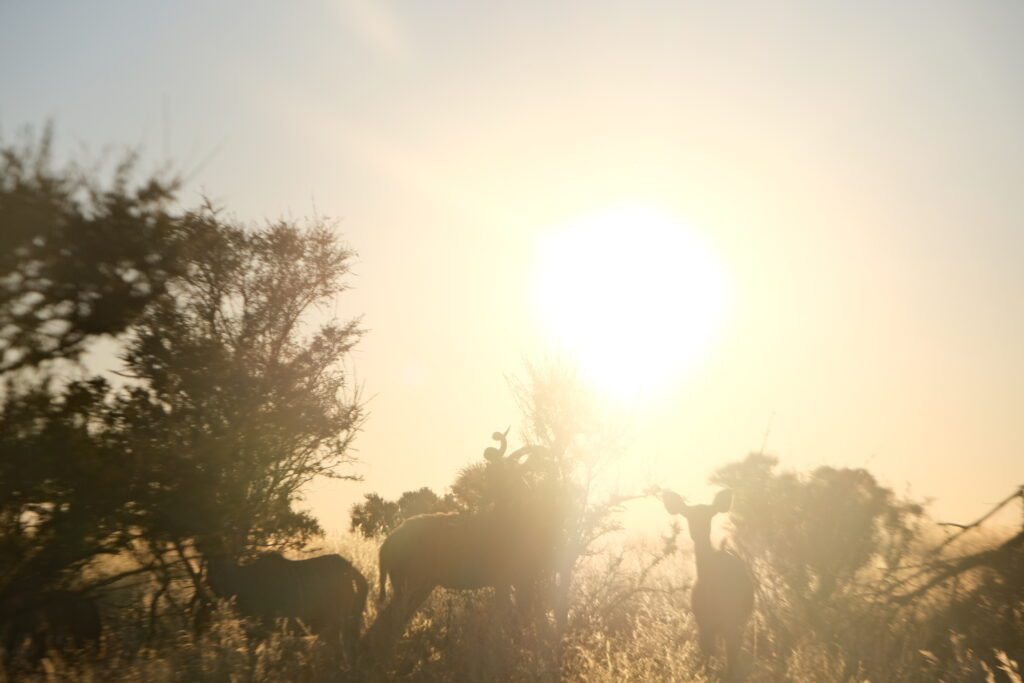
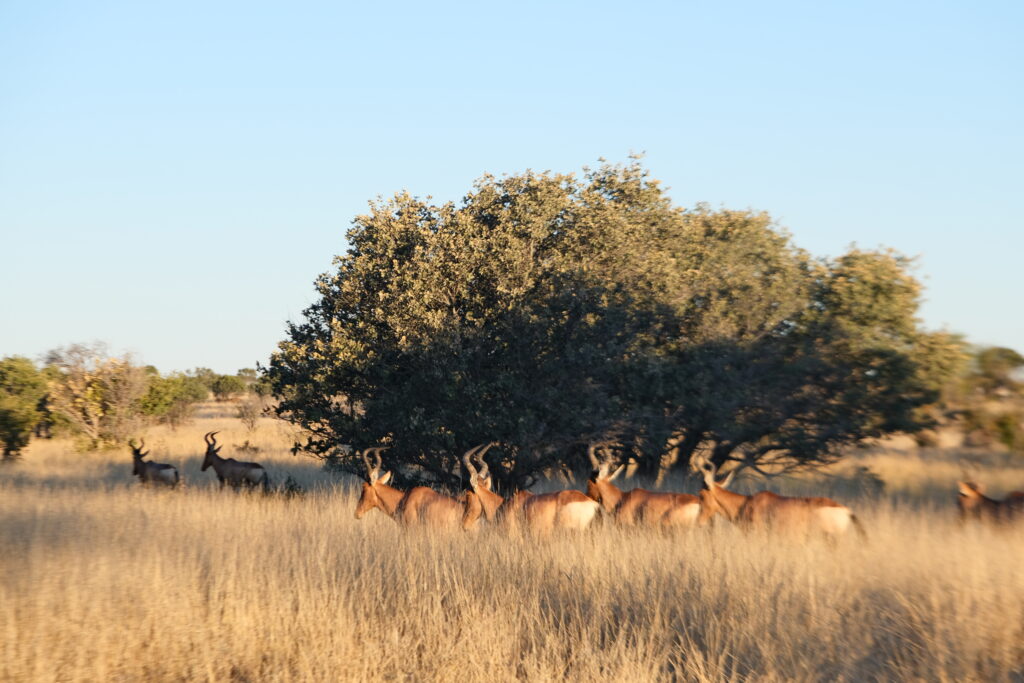
Since we still had plenty of time, we headed toward our designated campsite for the night. We passed through countless beautiful areas, seeing endless oryx, wilderbeets, giraffes, and other antelopes (the kudus were especially impressive). When we reached our campsite near Phokoja Pan, deep in the bush and teeming with animals, it felt far too frightening to sleep there – you couldn’t see if a predator was approaching. So we drove another 30 kilometers to where we knew the Swiss group had been assigned a site, but they had stayed at Piper Pan. This campsite was much nicer, perched on a hilltop with a good view of everything. Still, we were on edge and got into bed as soon as it got dark.
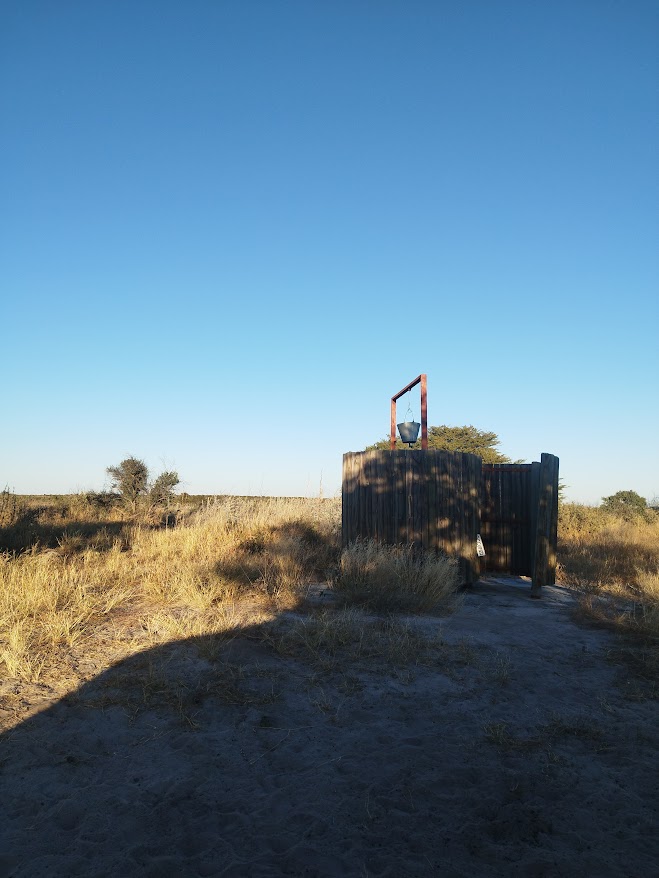
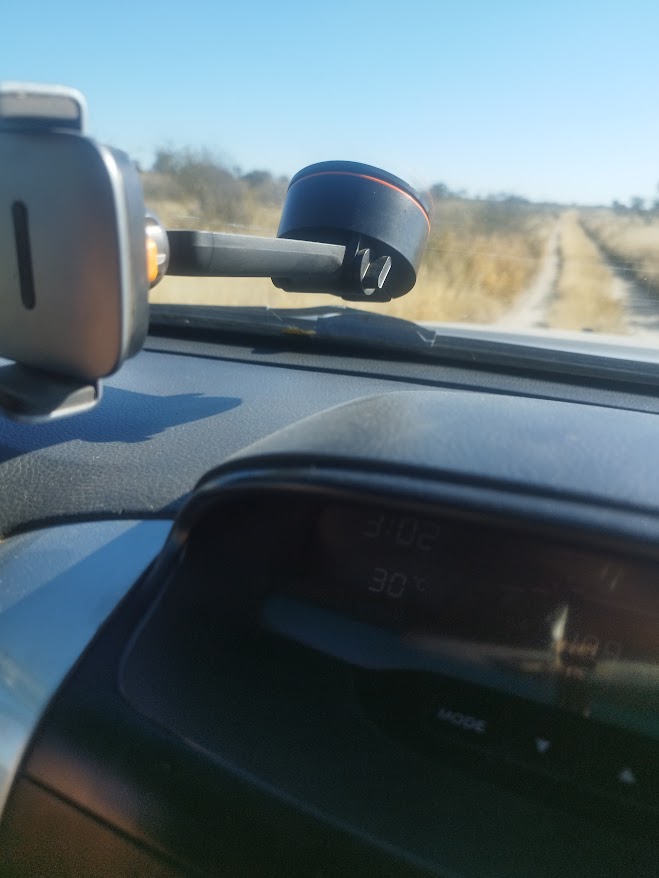
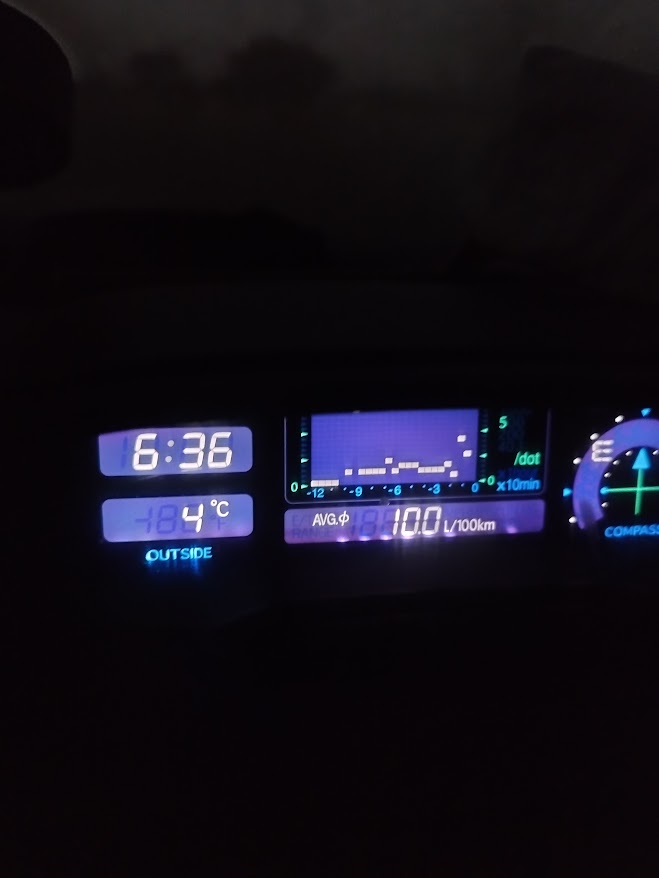
Days were hot with 30°C, but nights in the park were very cold: the temperature dropped to 4°C. We only dared go out to pee with thorough flashlight scanning, as we knew the main rule was never to leave the car after dark.
The next day we visited all the park’s famous spots: Passarge Valley, Leopard Pan, and Deception Valley. We were completely enchanted by the Central Kalahari (since then we’ve been to more than five other national parks, including famous ones, but this is still our favorite). Some people love it for its remoteness, others less so because the large area means fewer animals, so you have to search for them. We loved exactly that: it felt like a real adventure, not just like being in a big zoo.
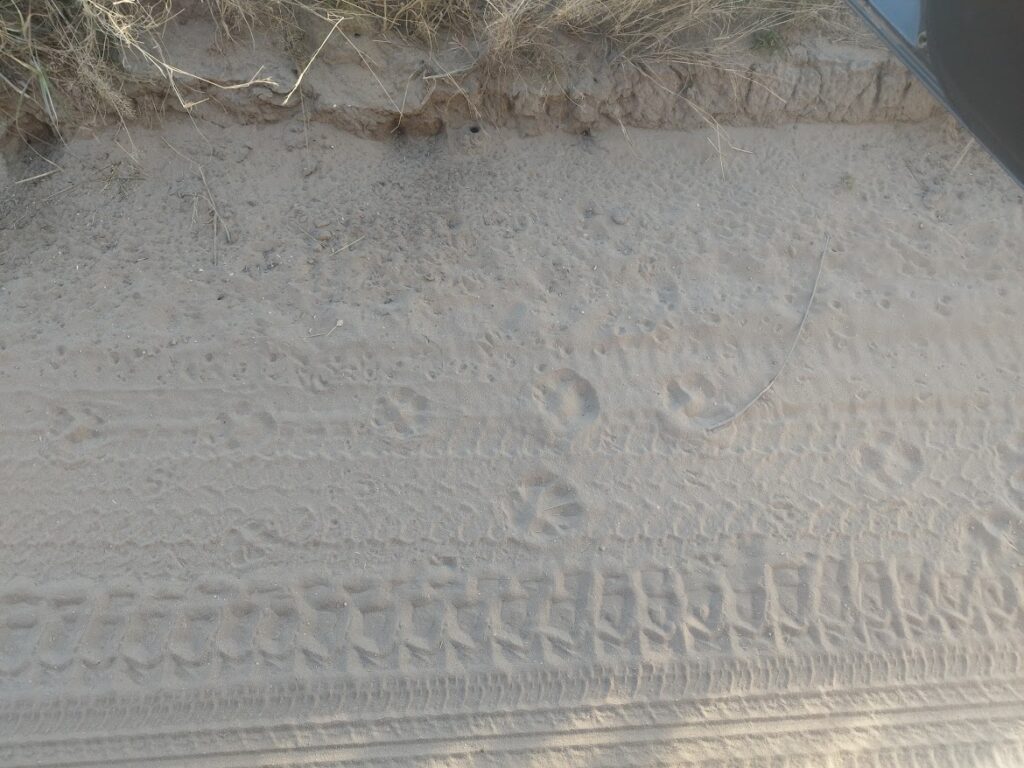
Our campsite that night was taken over by about 100 guinea fowl. Here we felt a little less scared because there were other campers not far away. However, around 10 p.m., something jumped on the roof – we heard it several times during the night. We filmed in the morning but didn’t see anything, so only then did we dare go out. We’re not sure if it was a leopard (we heard scratching sounds) or just the guinea fowl climbing up. In any case, about 100 meters from the car we found leopard tracks and started following them. We spent three hours driving back and forth in Deception Valley tracking them. We didn’t see the leopard in the end, but it was thrilling to search for wildlife.
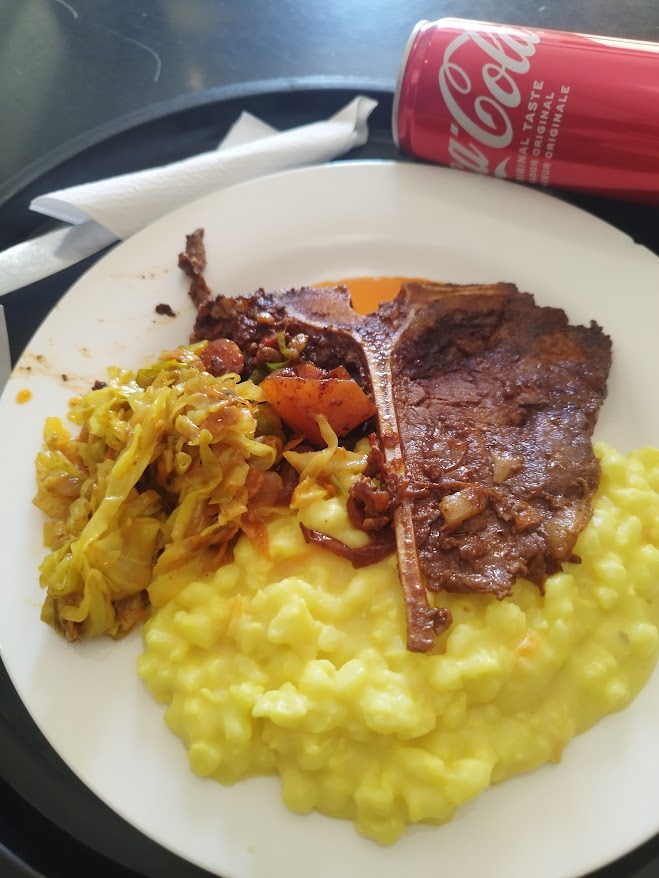
As we left the park, we had great luck: we saw cheetahs running across in front of us, and then as we turned onto the paved road, elephants crossed in front of us too. We stopped for lunch in Rakops; in a local eatery we had thinly sliced T-bone with samp (a traditional southern African dish made from dried, ground corn) and pulled beef – both were delicious.
The Kalahari, although at times quite frightening, will remain an unforgettable memory.