What should you know about the country?
Summary
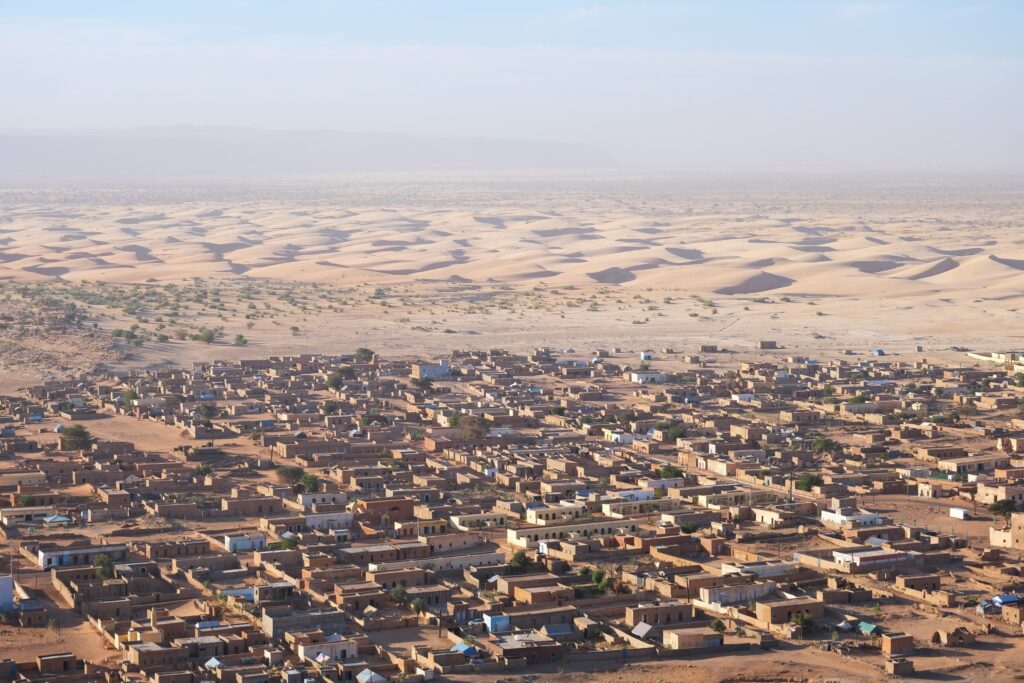
Mauritania is located in Northwest Africa, where the Arab and Sub-Saharan African worlds meet. Its population is made up of three main groups: the Moors (peoples of Arab–Berber origin, 30–40%), Black Moors or Haratin (40–45%), and Sub-Saharan groups—Pulaar, Soninke, and Wolof—who together account for 20–25% of the population. Arabic is the country’s official language, but many people speak the Hassaniya Arabic dialect, while Sub-Saharan communities use their own languages. Nearly 100% of the population is Sunni Muslim, and Islam strongly shapes the social order and state institutions. One of the country’s major social challenges is that although slavery was abolished in 1981 and again criminalized in 2007 and 2015, certain forms of it still persist in practice, particularly affecting the Haratin community.
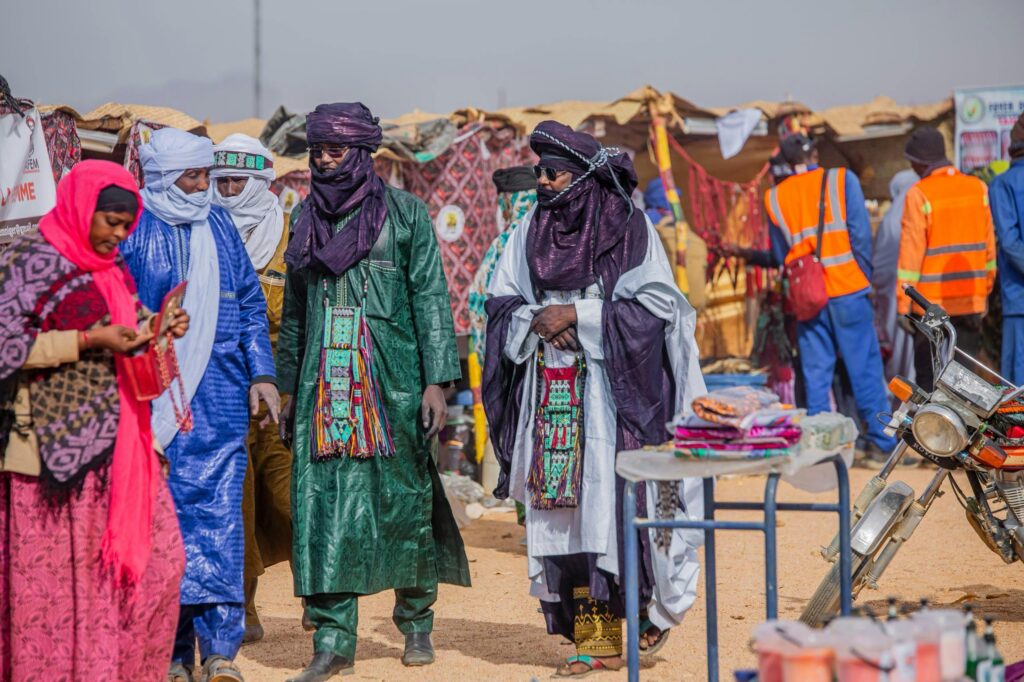
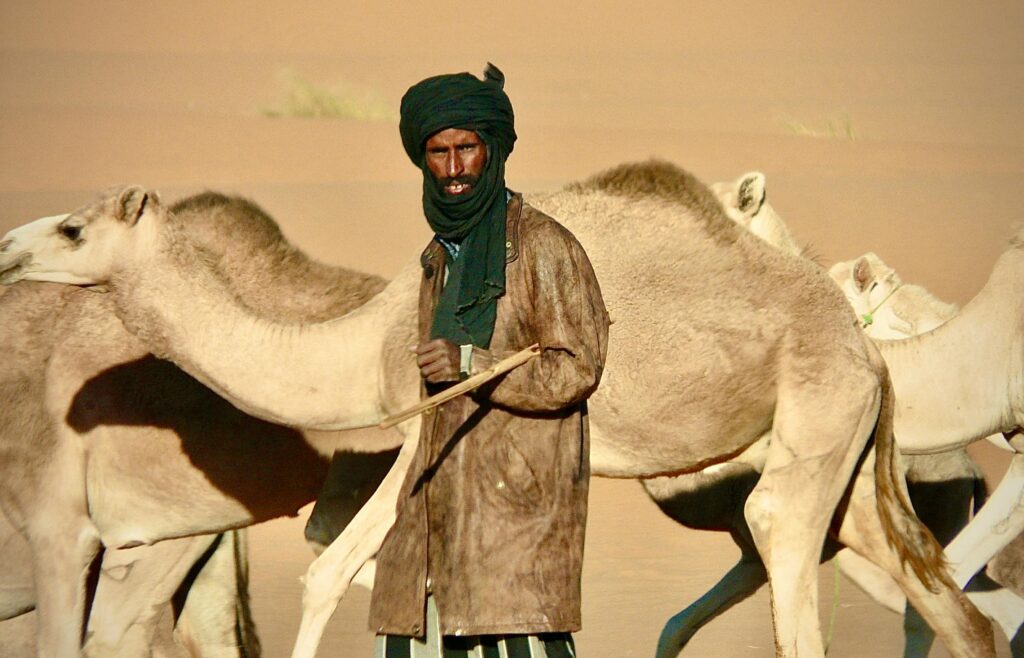
Photo: Renato Brazioli on Unsplash and Carmen Soler on Pexel
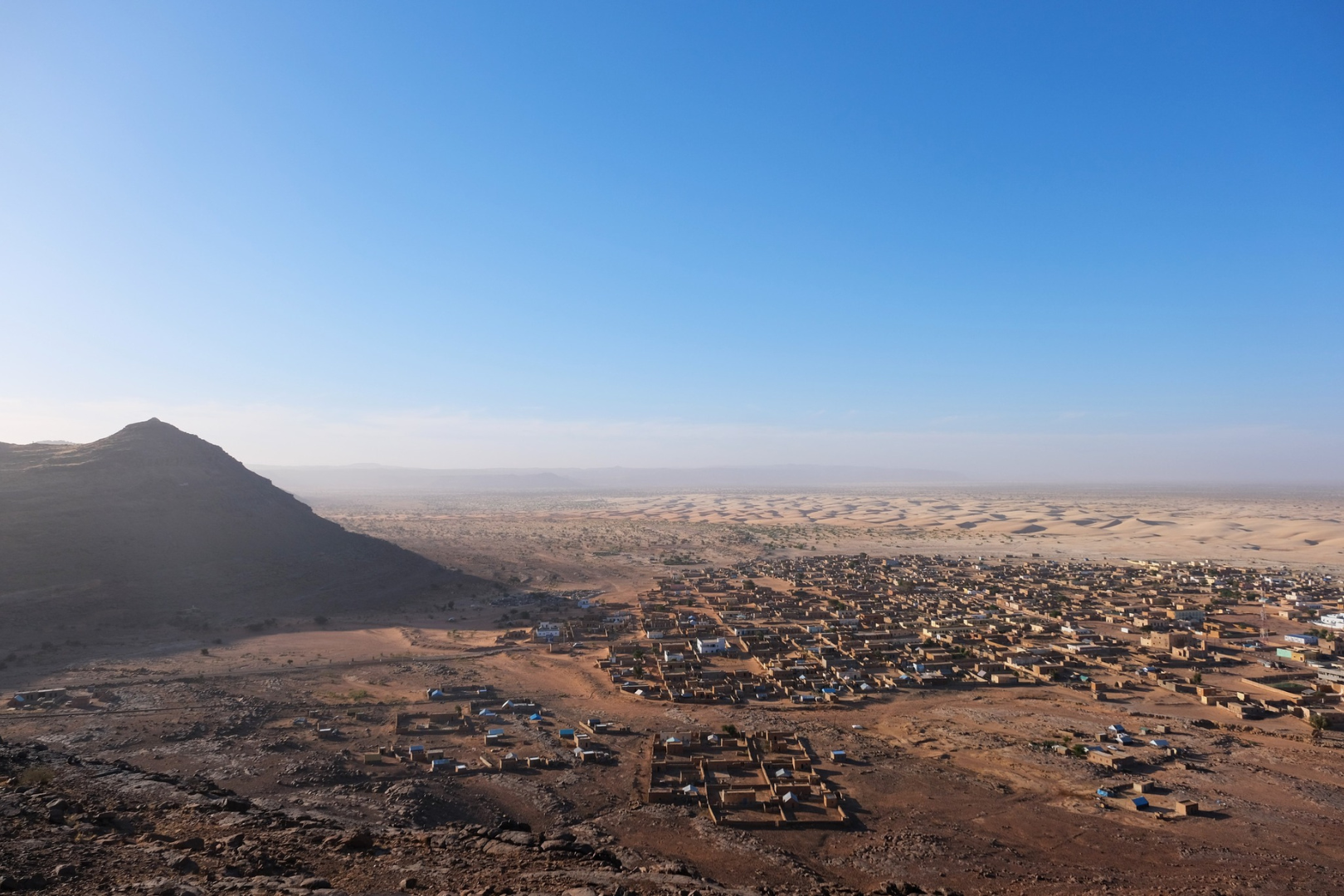
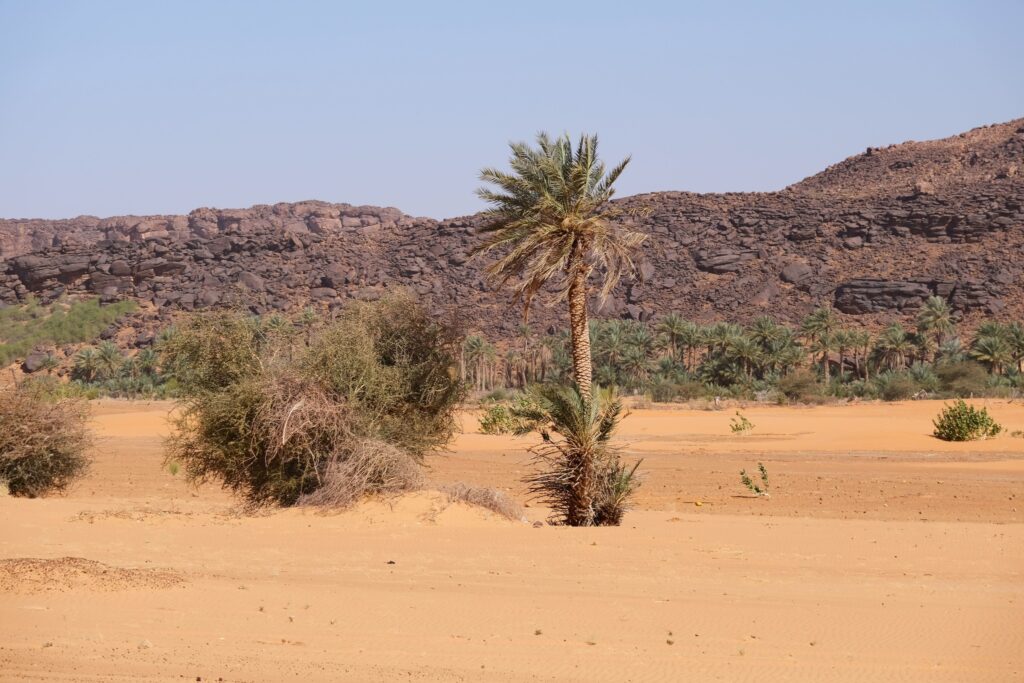
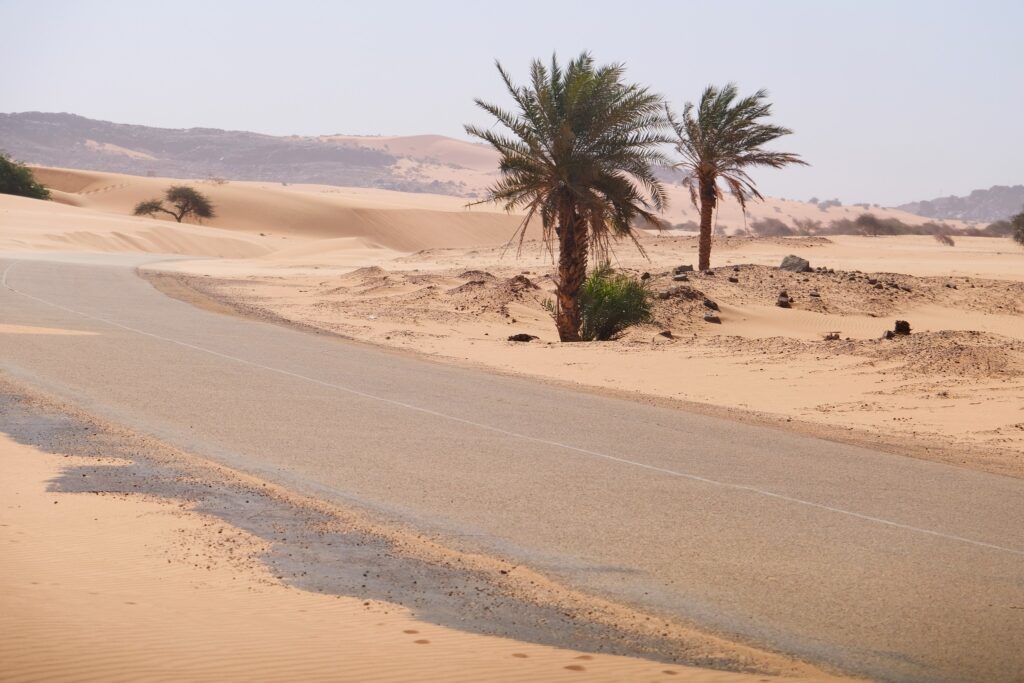
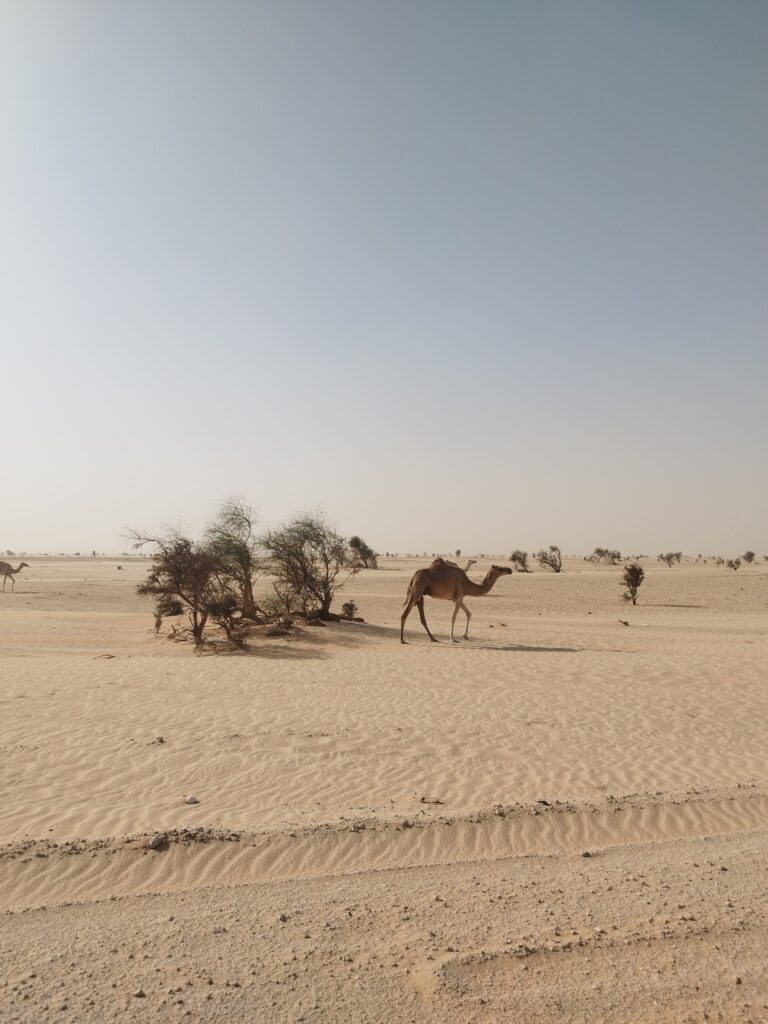
Most of Mauritania’s territory is part of the Sahara: deserts (both rocky and sandy), semi-desert plains, and sparse oases define the landscape. Due to climate change, the desert is expanding from north to south, rainfall is becoming increasingly unpredictable, which further complicates agriculture and accelerates the migration of rural populations into cities. The traditional nomadic way of life has almost disappeared (only about 2–5% remain), but many people still preserve nomadic traditions in their culture. The settlement of nomads and their movement into urban areas represents another major socio-economic challenge for the country.
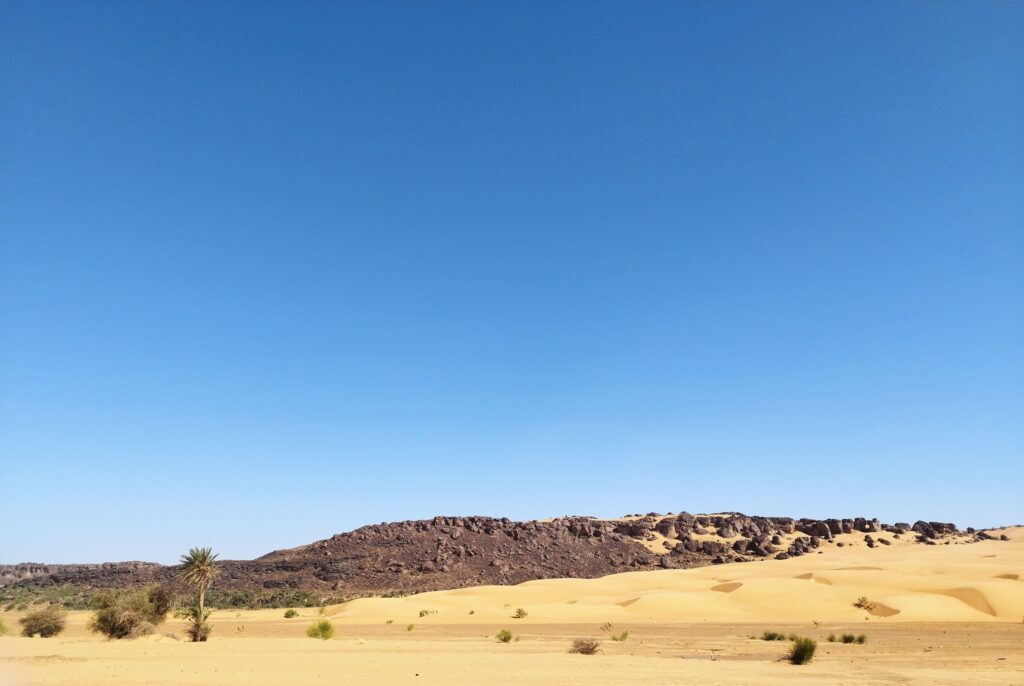
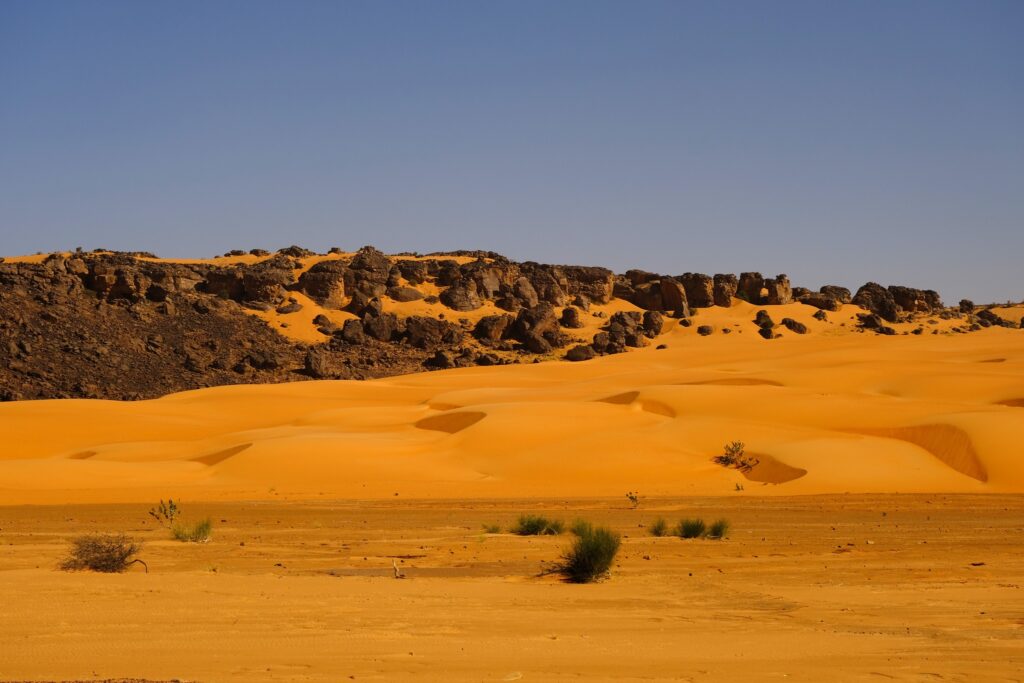
Historically, during the 7th–8th centuries, the territory of present-day Mauritania was inhabited mainly by Berber groups, while in the south lived Sub-Saharan ethnic communities—the ancestors of today’s Wolof, Soninke, and Pulaar peoples—who engaged in small-scale agriculture and livestock herding. Islam began to spread during this period, as Arab traders came into contact with local populations and trans-Saharan trade developed. This trade reached its peak between the 15th and 18th centuries, and cities such as Chinguetti and Ouadane became important commercial and cultural centers.
The territory was recognized under its modern name by French colonial authorities; the name “Mauritania” derives from the Roman term “Mauretania,” which originally referred to Berber regions of northwest Africa. Following the French colonial period, the country gained independence in 1960. Although Mauritania has experienced several military coups, recent years have seen a period of relative stability.

Climate
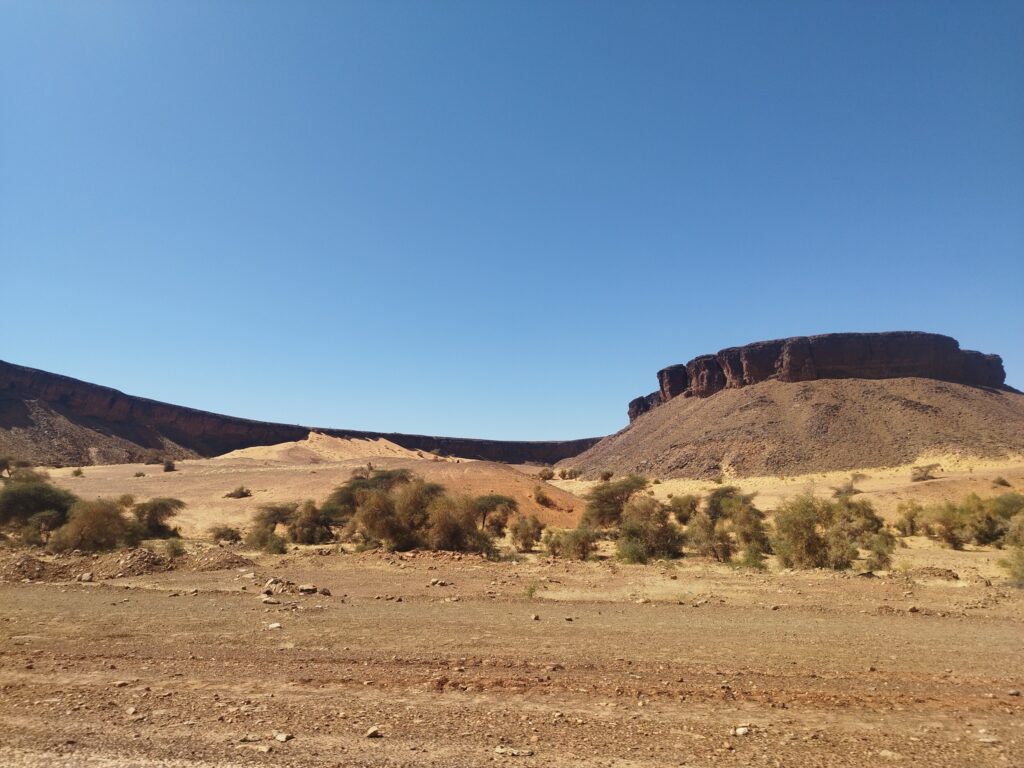
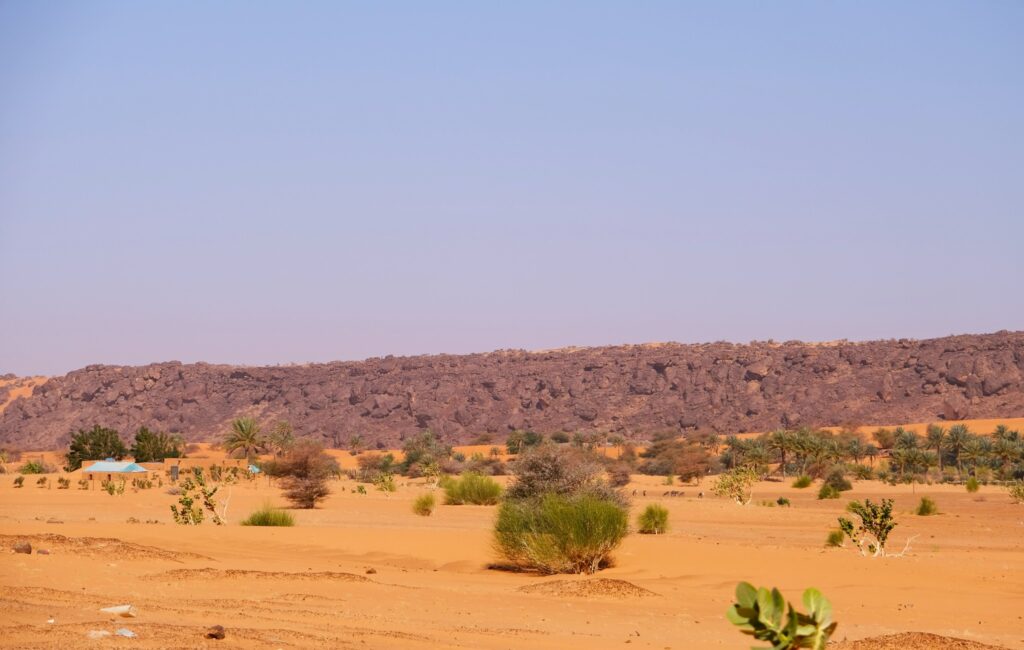
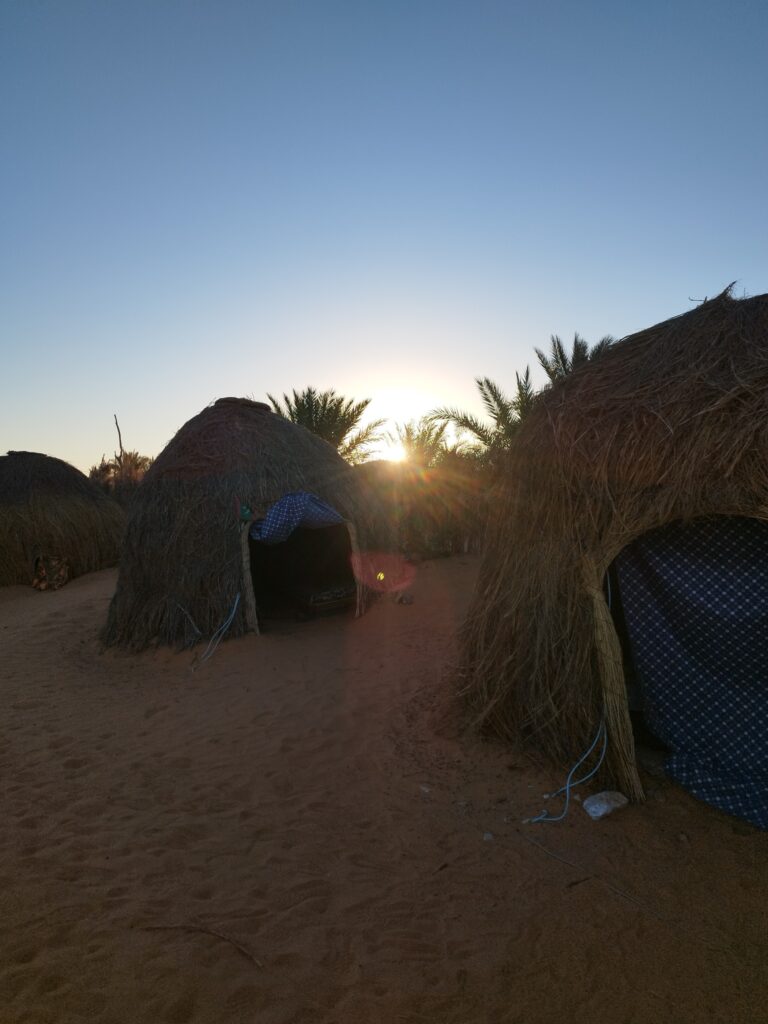
Mauritania’s climate is predominantly desert: extremely dry and hot for most of the year. During the summer months, daytime temperatures often rise above 40 °C, while in winter—especially at night—it can be surprisingly cool. Rainfall is scarce and occurs mainly between July and September in the southern part of the country; along the Atlantic coast, ocean winds somewhat moderate the heat. At the end of January, when we were there, daytime temperatures reached around 30 °C, but at night they dropped to just a few degrees (we were very cold in the open tents and piled on many thick blankets).
Clothing
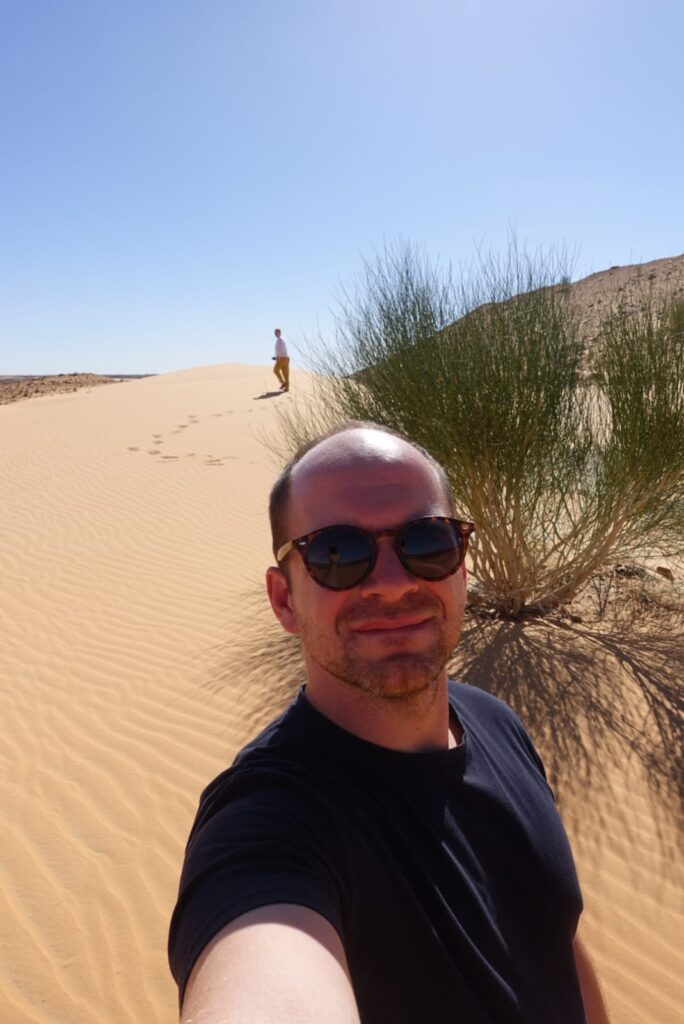
Mauritania is a conservative Muslim society, so it is advisable to respect local customs in both dress and behavior (for example, wearing modest clothing and not eating openly during the day in Ramadan). Because of the desert environment, long, loose clothing is also recommended to protect against sunstroke, dust, and extreme heat (even I wore a hat and sunglasses here, which is not usually my habit).
Food
Mauritanian cuisine is simple but filling, relying heavily on meat, rice, and grains. One of the most characteristic dishes is the local version of thieboudienne, a one-pot rice dish with fish or meat, often cooked with vegetables. Camel milk and camel meat are also commonly consumed. We once had lunch at a roadside vendor grilling over charcoal and ate a meat skewer sandwich with an unusual, liver-like texture. Curious, we asked the locals what we were eating and found out it was camel meat.
Tea drinking is an essential part of daily life: mint green tea is traditionally served in three rounds, making it not just a drink but a communal ritual. There is also a significant Senegalese-origin community, especially in the southern regions and along the Senegal River. Their cuisine is generally spicier and more diverse, using chili, onions, tomatoes, and richer sauces more frequently than traditional Mauritanian dishes. Since we enjoy spicy food, these were the restaurants we sought out. While mint tea in Mauritania is very good, coffee culture is not widespread; however, in larger cities you can find café touba, a Senegalese-origin, heavily spiced coffee flavored with grains of paradise and often cloves. Its spicy, aromatic taste is completely different from classic coffee.
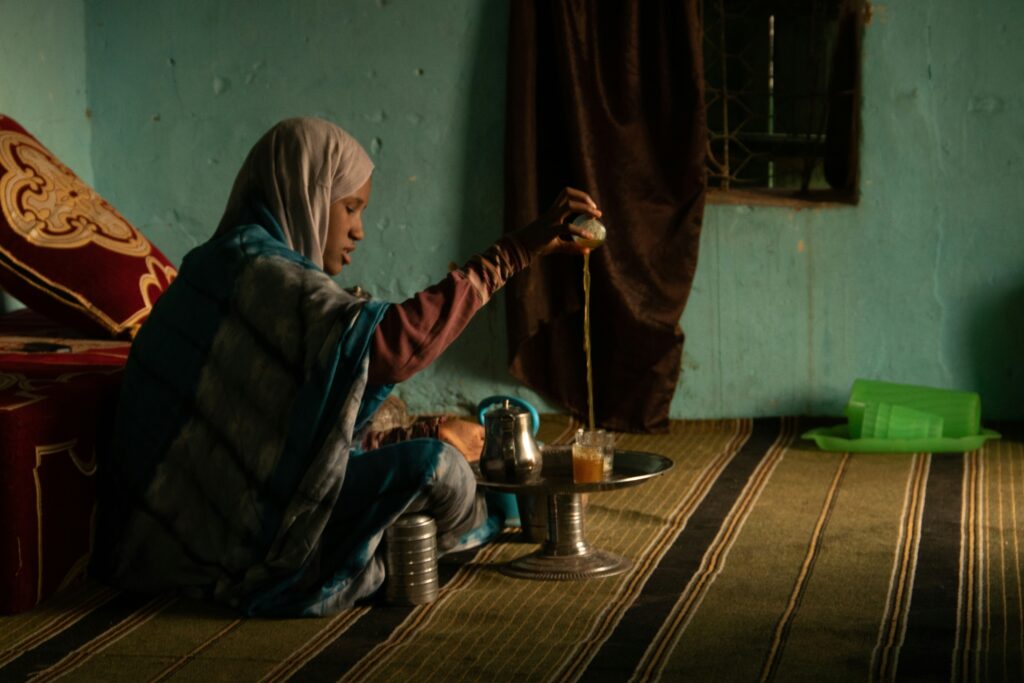
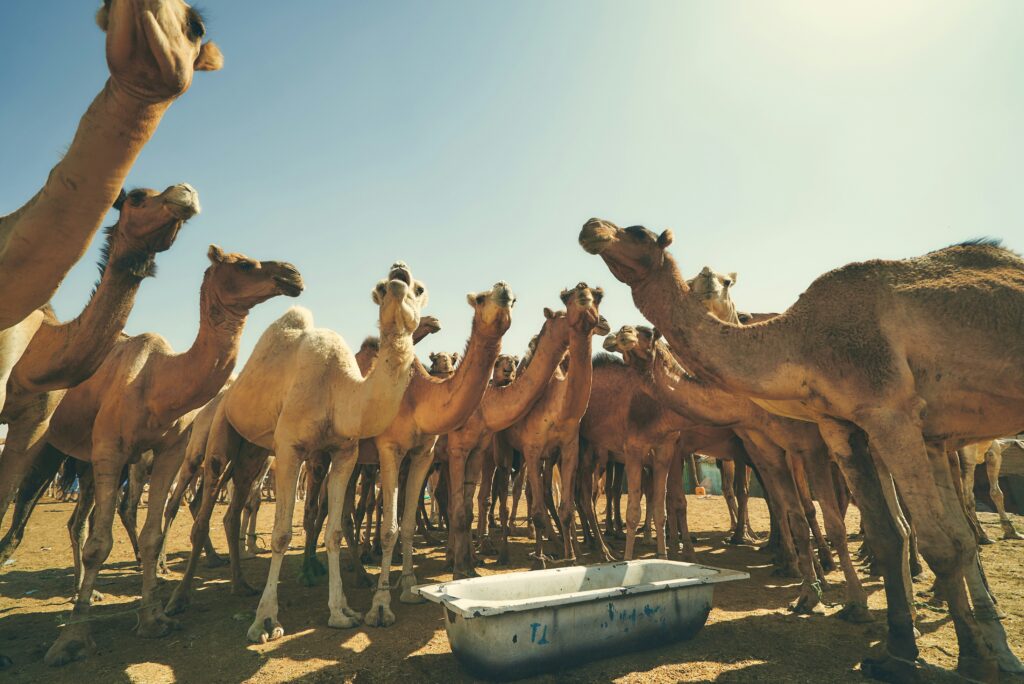
Photo: iv image.ng on Pexels and Photo by Sasha Kaunas on Unsplash
Safety
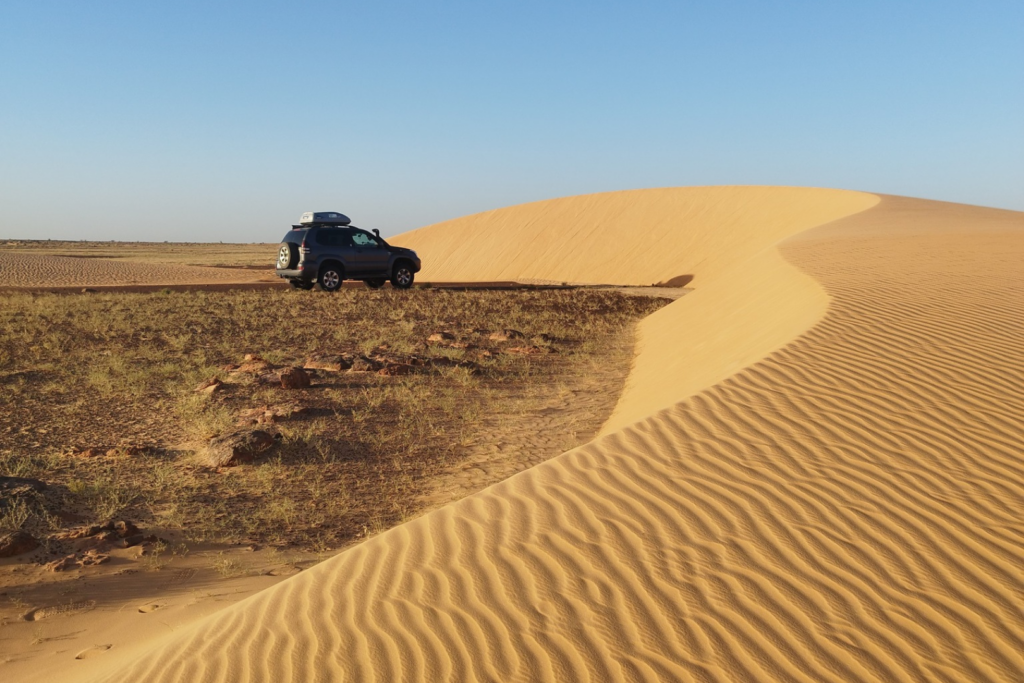
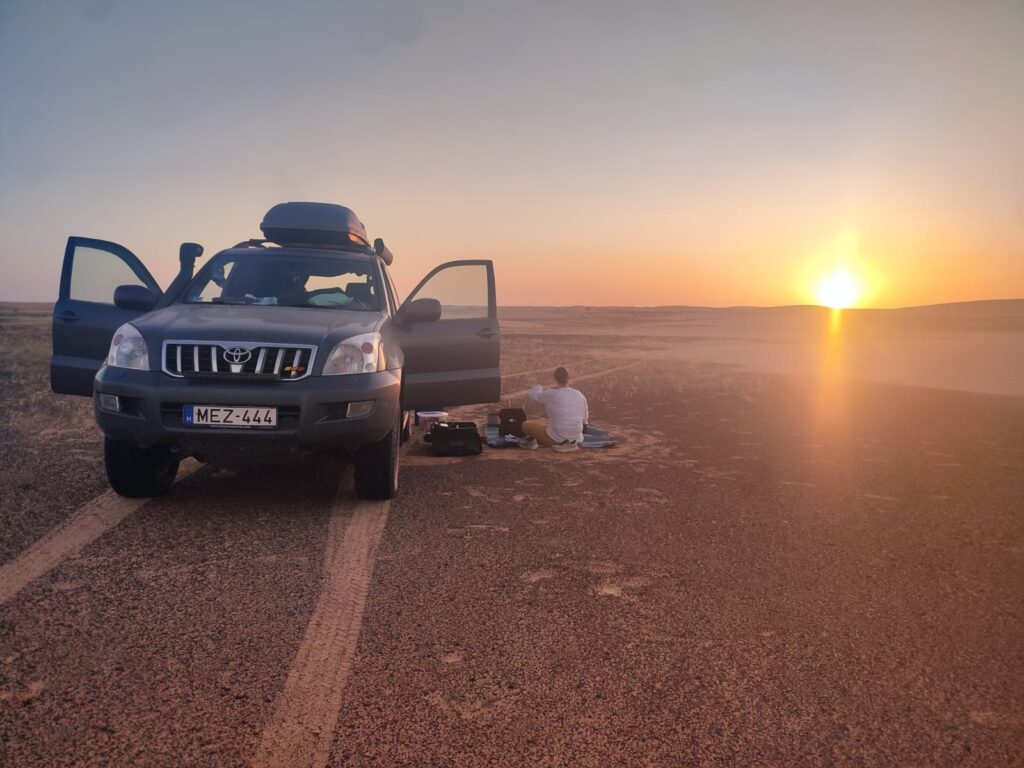
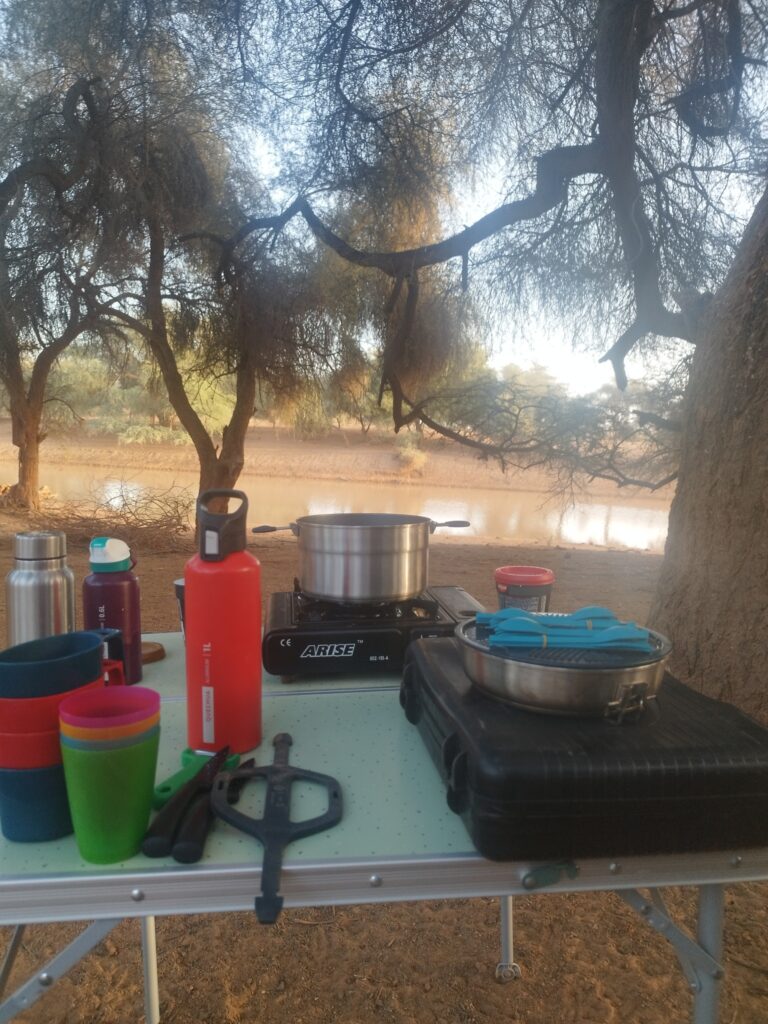
Mauritania is located in the Sahel region, which unfortunately contributes to its poor reputation. Between 2008 and 2011, three terrorist attacks took place in the country, the most well-known of which led to the cancellation of the Dakar Rally. Since then, however, counterterrorism measures have been significantly strengthened, and there have been no major incidents. The eastern part of the country, especially areas along the border with Mali, is not considered safe, but these regions lie deep in the desert and far from tourist routes. Travel advisories warn about robberies and crime, yet the country is currently becoming an increasingly popular backpacker destination (mainly because of the iron ore train), and we did not hear of any negative experiences. During our 10 days there, we wild-camped twice: one night in the desert under a dune, and another night in an oasis between villages. Everyone was friendly, and no one warned us that it would be unsafe (the only moment we were startled was by a group of children jumping onto our car, mostly because we were worried they might fall). In Nouakchott, the capital, we left our car parked on the street in front of our accommodation for several nights; our host said it was safe. We asked locals about the security situation, and they reassured us that as long as we didn’t venture deep into the desert, everything would be fine.
Sights and experiences – where we’ve been and what’s been left out
Nouadhibou
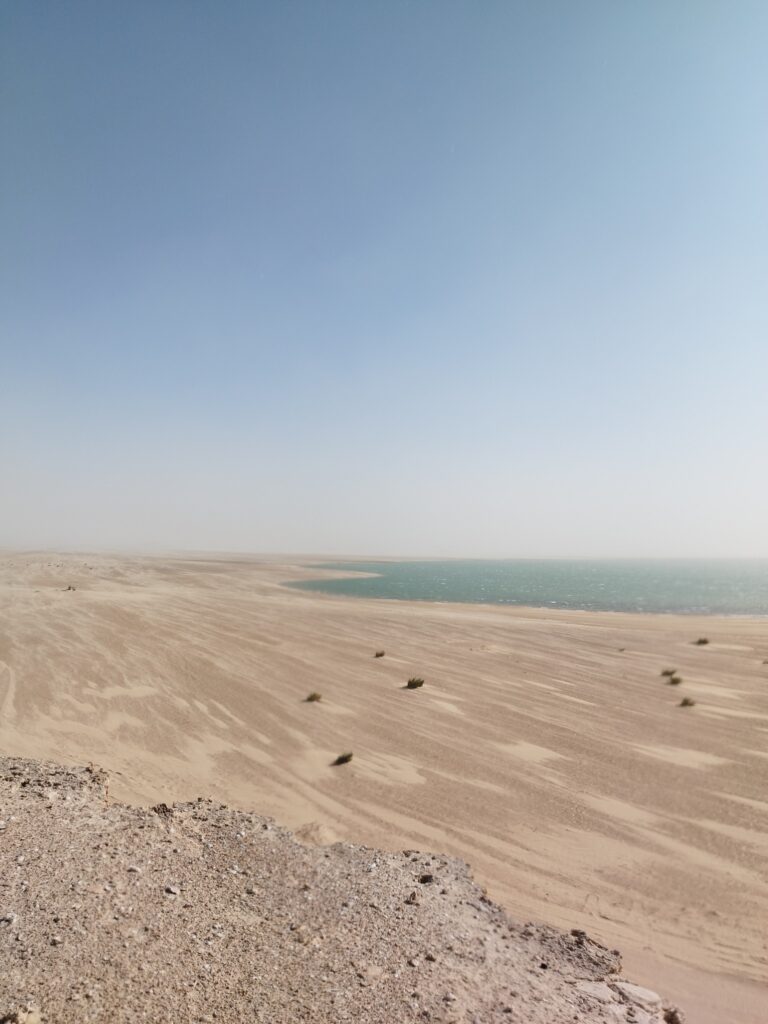
Nouadhibou is Mauritania’s second-largest city, with around 120,000–150,000 inhabitants, located at the northern tip of the Ras Nouadhibou Peninsula. Its atmosphere is defined by the large fishing port, the terminus of the iron ore railway, and the city’s simple, wind-swept streets. After a very long and exhausting border crossing, we finally arrived in the dark, so we only got a glimpse of the city through the traffic. We stayed in a small guesthouse in the Senegalese quarter, where mattresses were laid out on the floor. At the time, we didn’t realize this would count as luxury during our Mauritanian journey, since we mostly wild-camped in the car or slept in tents in the desert, where temperatures dropped below 5 °C. Nouadhibou is a major port city, and most visitors go to the fish market; we missed it due to time constraints and also because there was a massive windstorm at the time.
Atar
The town of Atar is located in the center of the Adrar Plateau and is one of Mauritania’s most important regional hubs. From here, the surrounding desert landscapes, oases, and historic ksour are easily accessible. The local markets and cafés also offer insight into everyday Mauritanian life. There is even a café with a more Western-style atmosphere, where backpackers gather in groups before heading out to the desert or to the iron ore train together.
Terjit Oasis
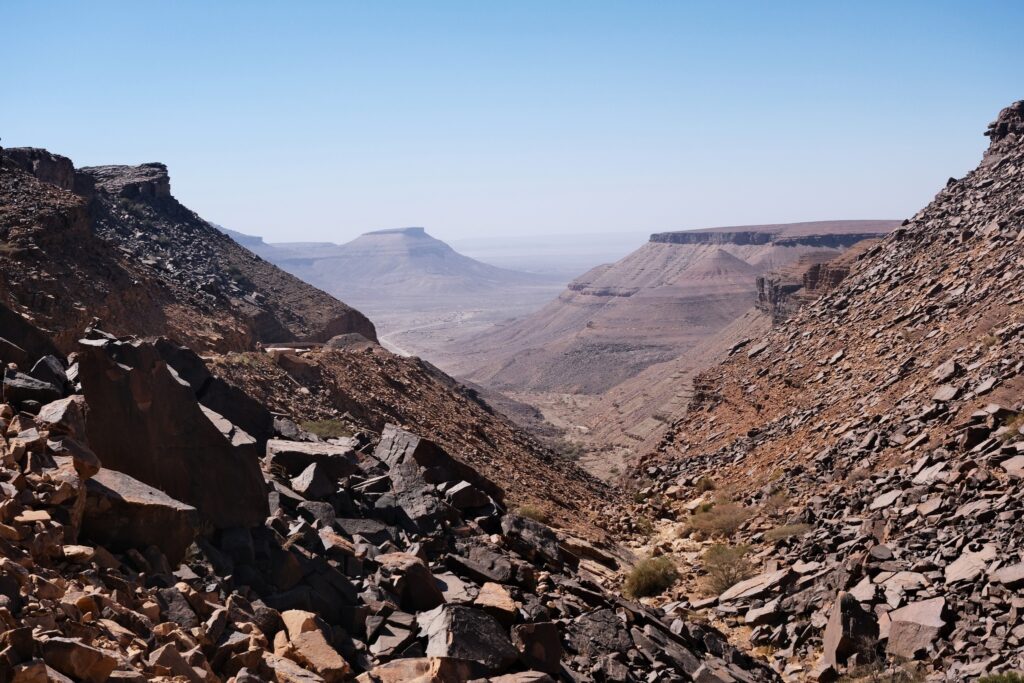
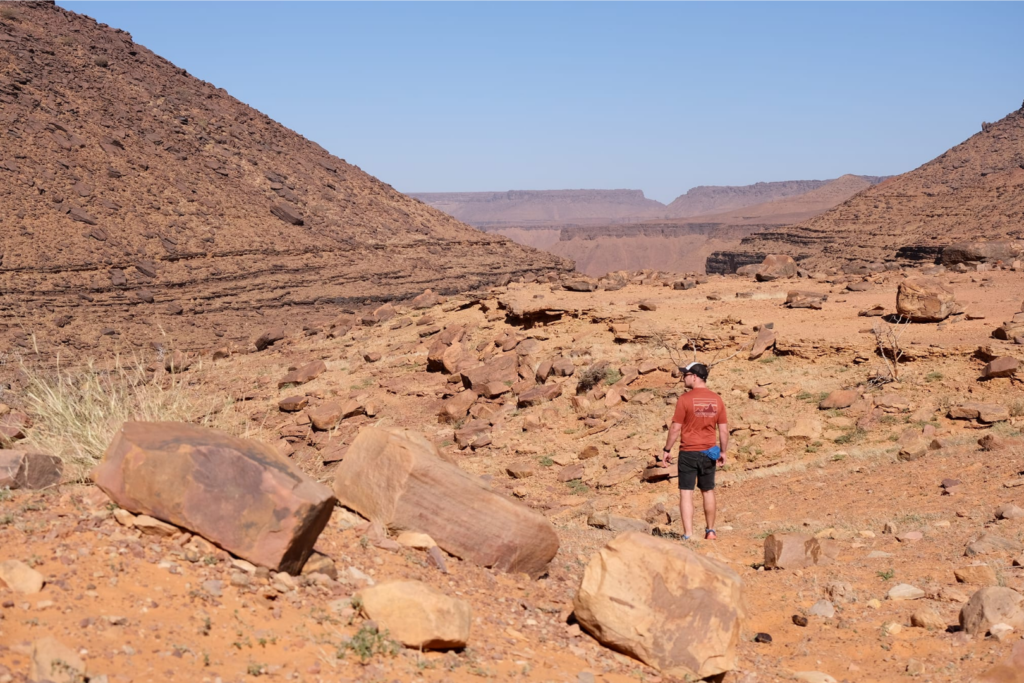
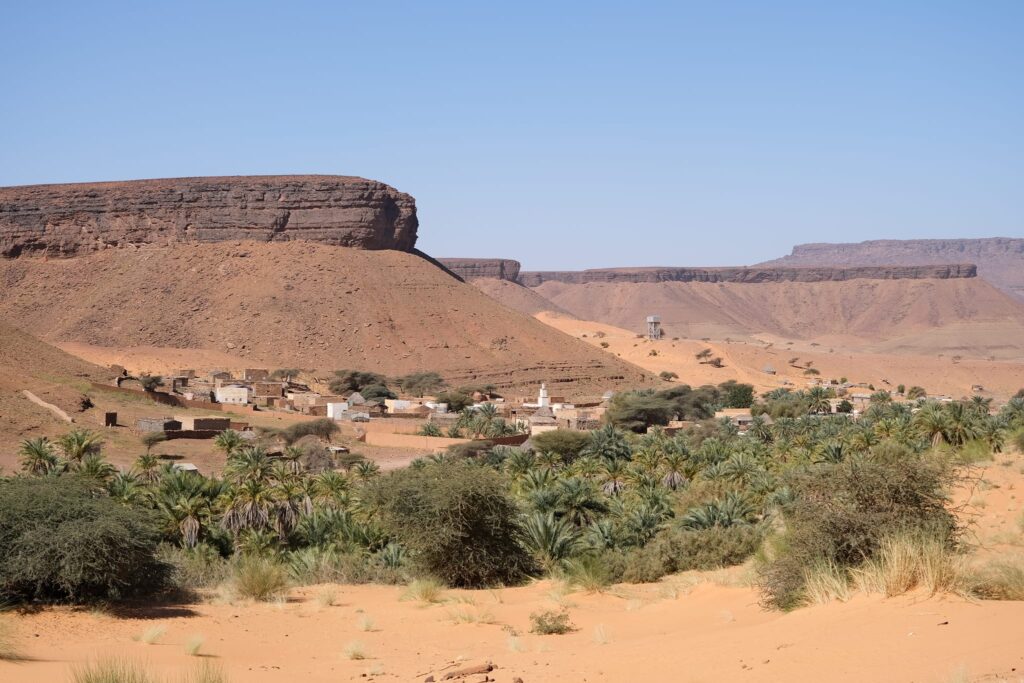
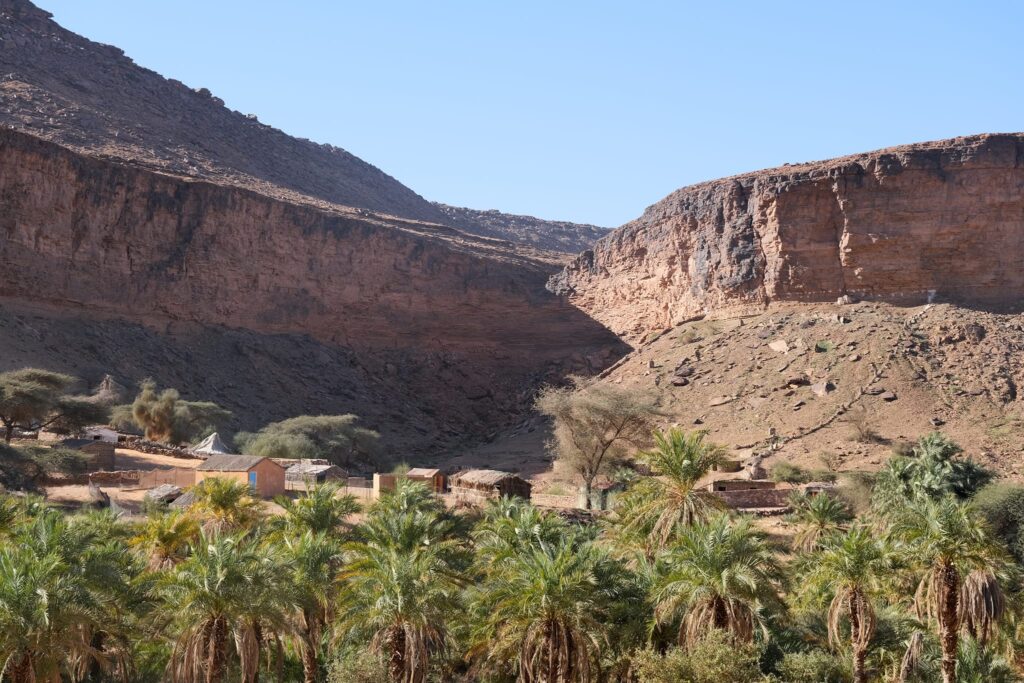
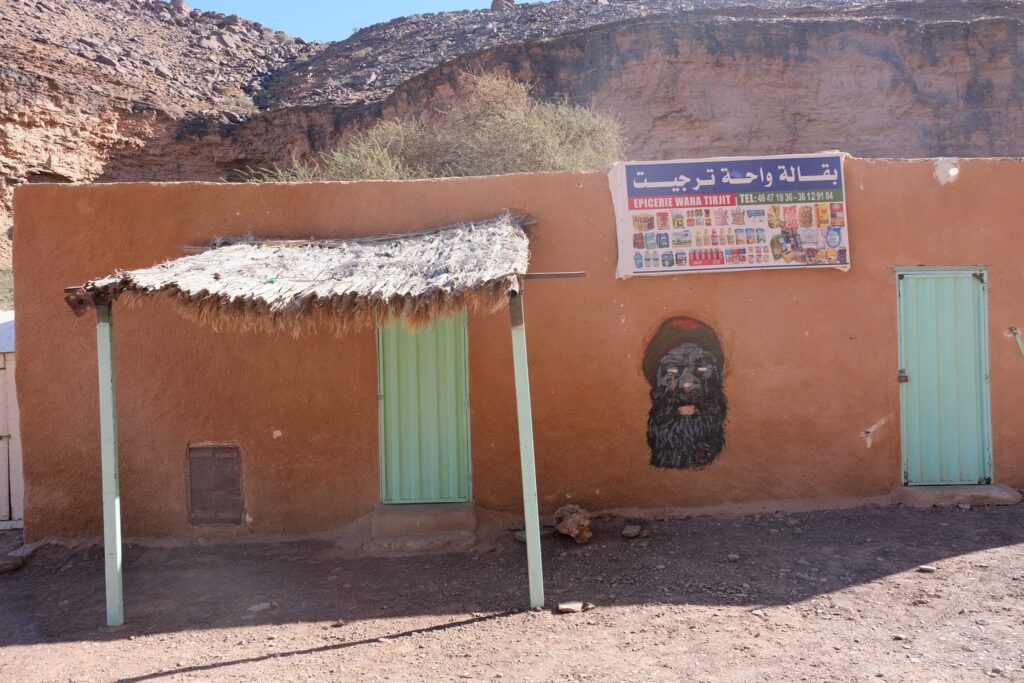
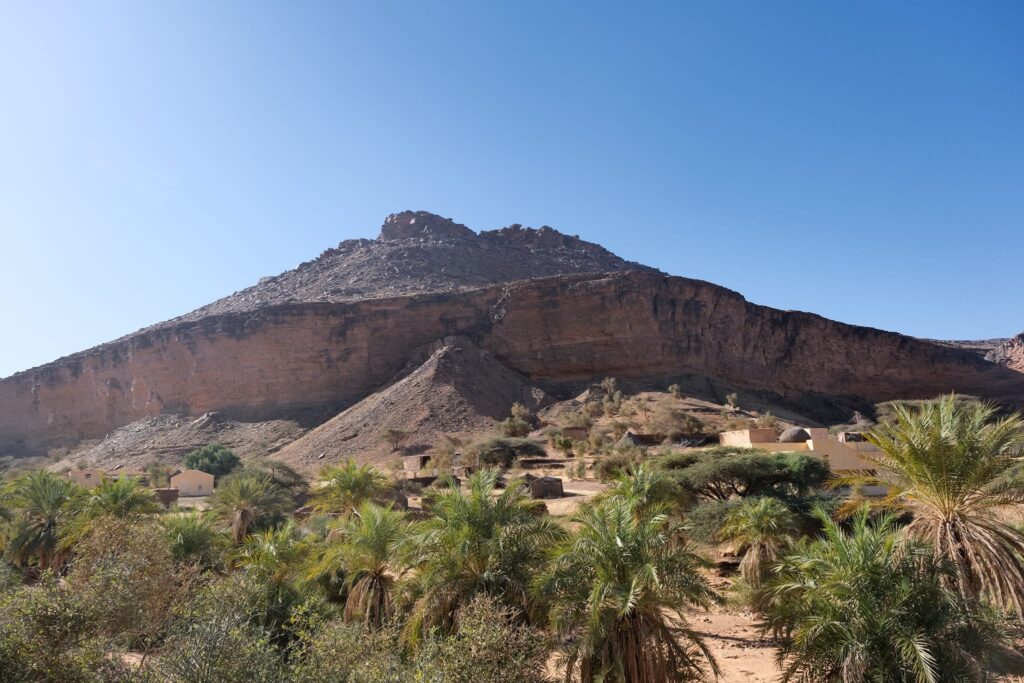
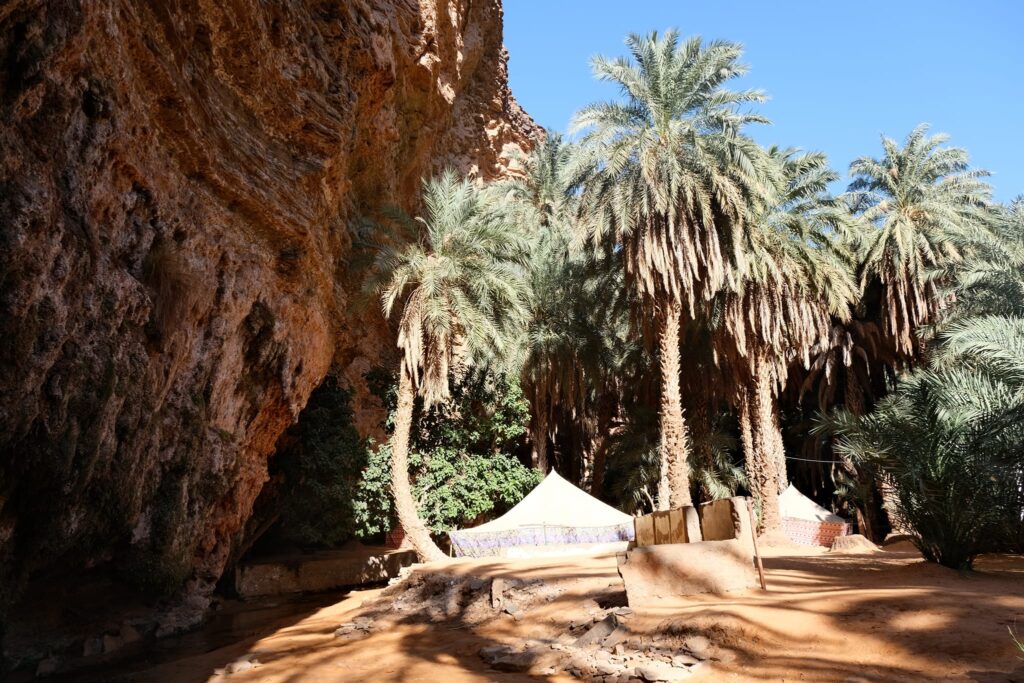
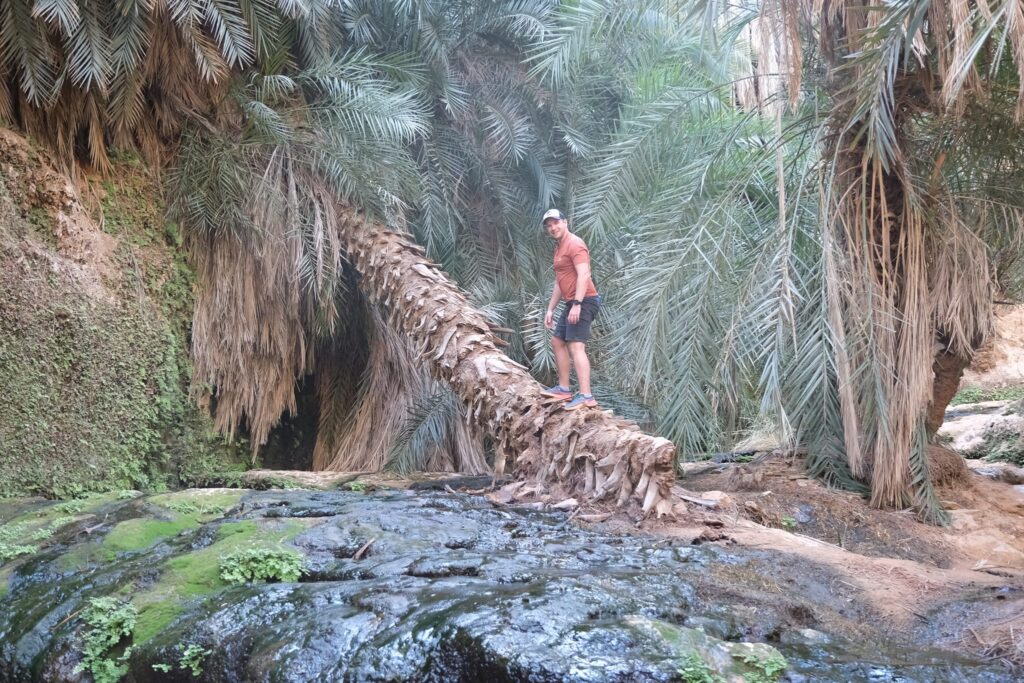
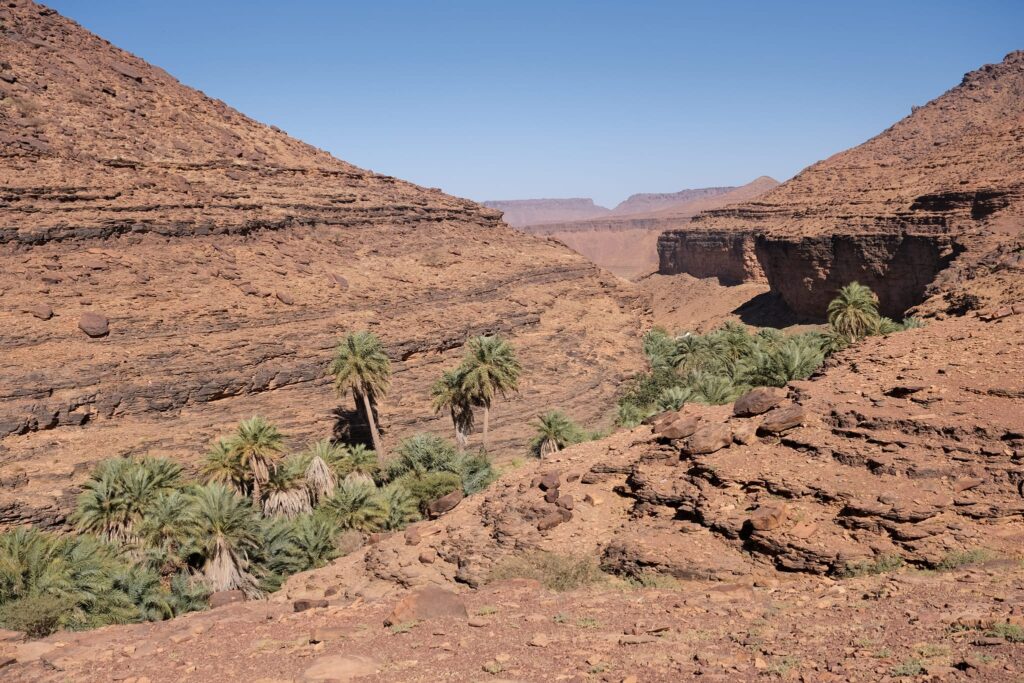
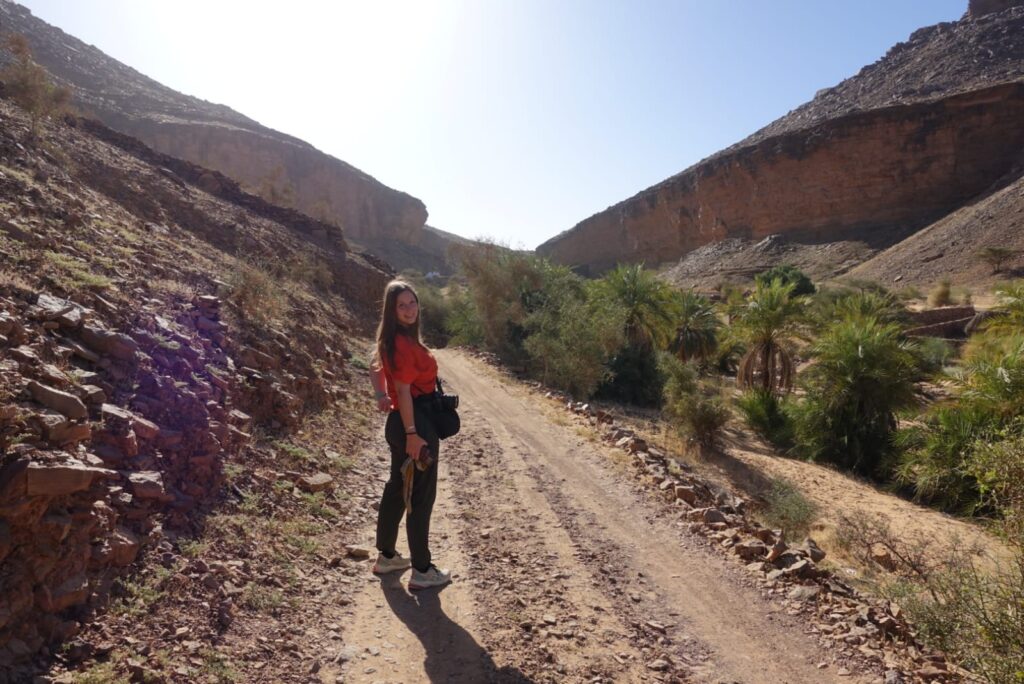
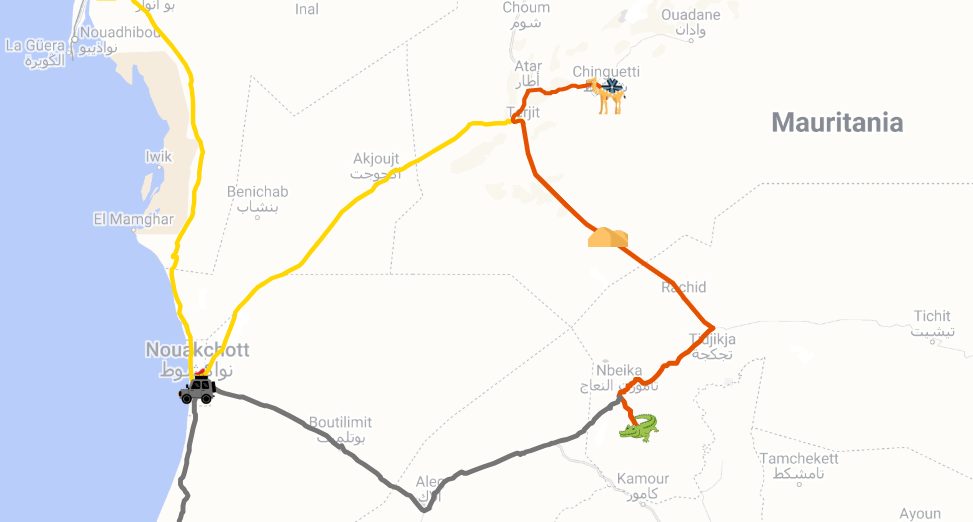
Terjit is an oasis town on the southern edge of the Sahara and one of the most charming settlements in the region. The area around the town is surrounded by palm groves and small sandy dunes, creating a very picturesque landscape. We arrived from the capital, traveling for a few hundred kilometers across mostly monotonous desert plains, until we suddenly spotted mountains in the distance. Giant dunes stretched out before the mountains as we approached the oasis. The entrance to the oasis was through a huge rocky crevice, and once inside the valley, it took our breath away. We were greeted by rocky mountains, beautiful dunes, and endless palm trees. As it began to get dark, we looked for a tent camp where we could spend the night and explore the oasis the next day. Our accommodation was probably one of the most beautiful settings we have ever stayed in, and in the evening we enjoyed a delicious, spiced vegetable stew with couscous. The next day, we walked into the oasis, where even more palm trees and abundant greenish-blue water awaited us. A small trail had been marked around the oasis, so we hiked a bit through the river valley, crossing dunes and rocky hills.
Chinguetti
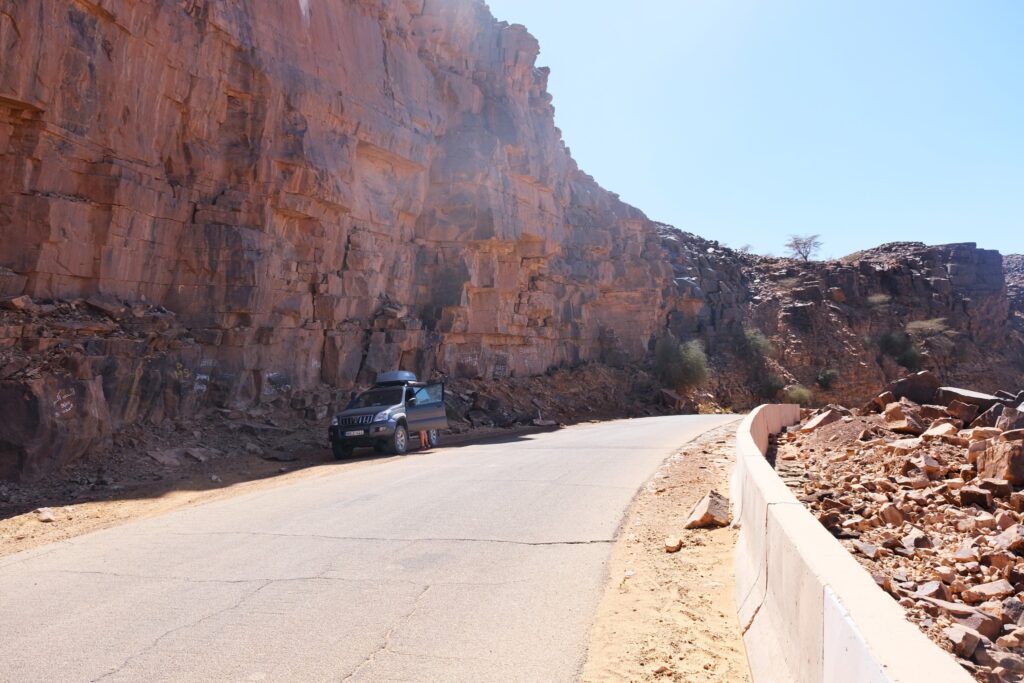
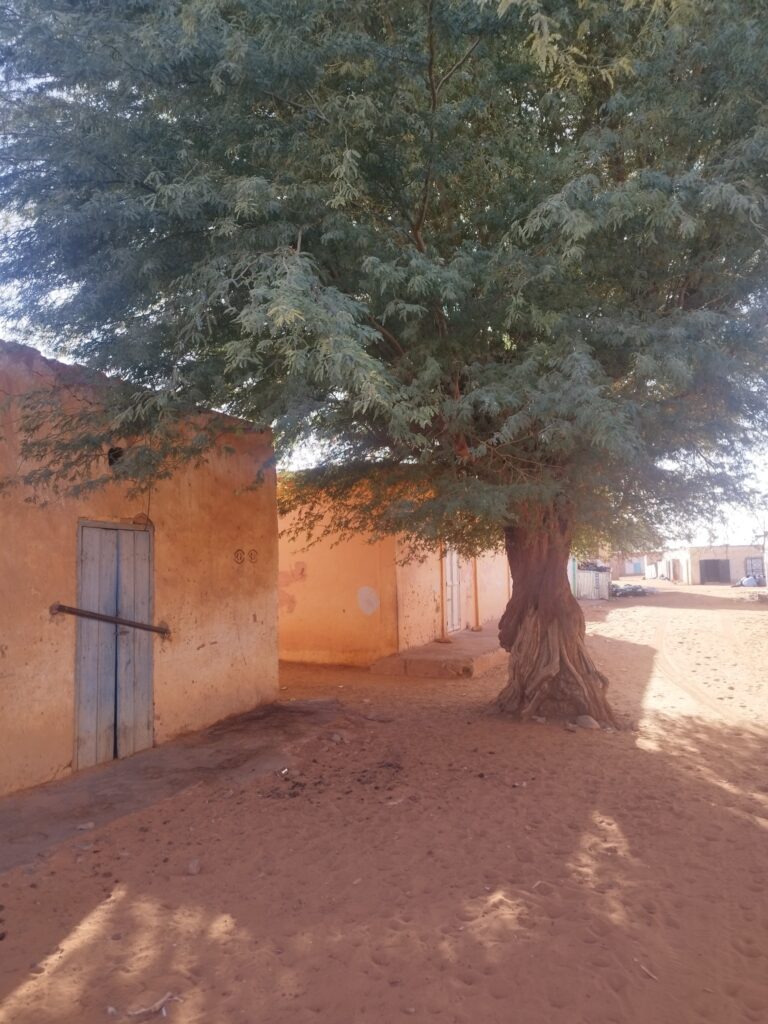
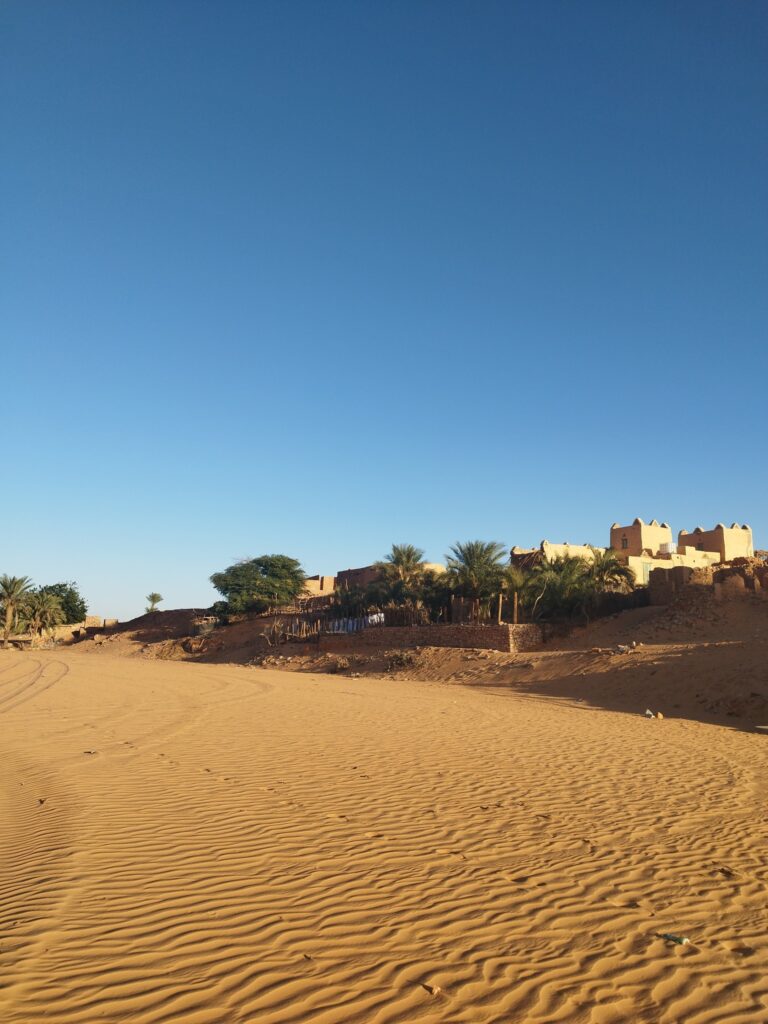
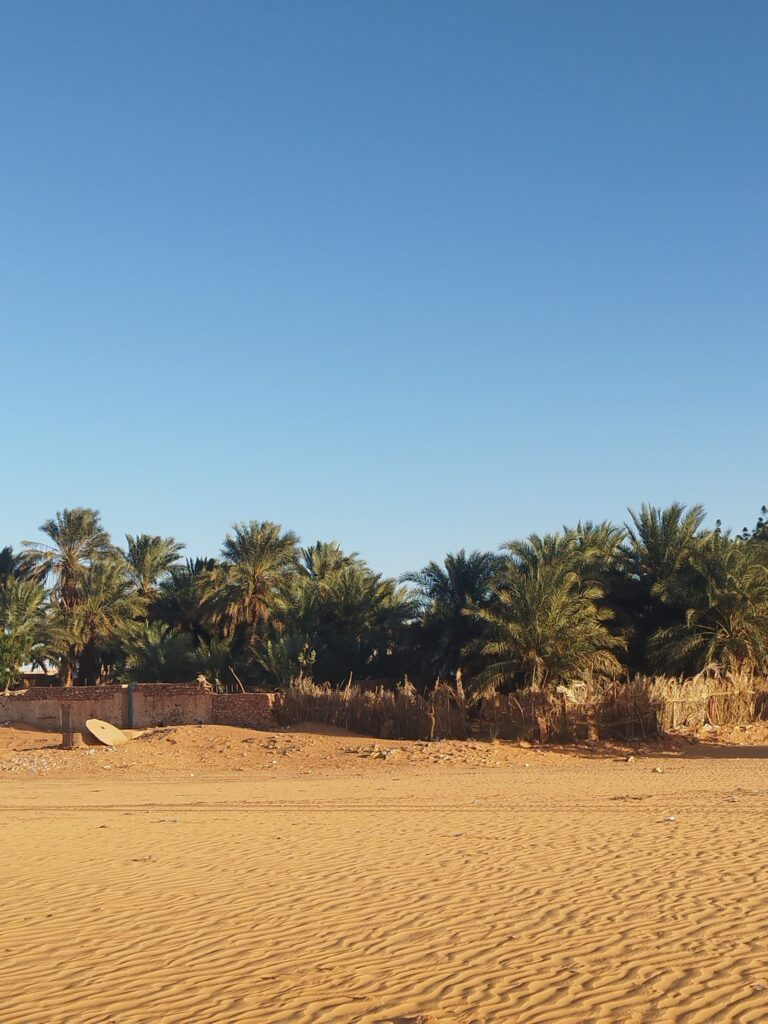
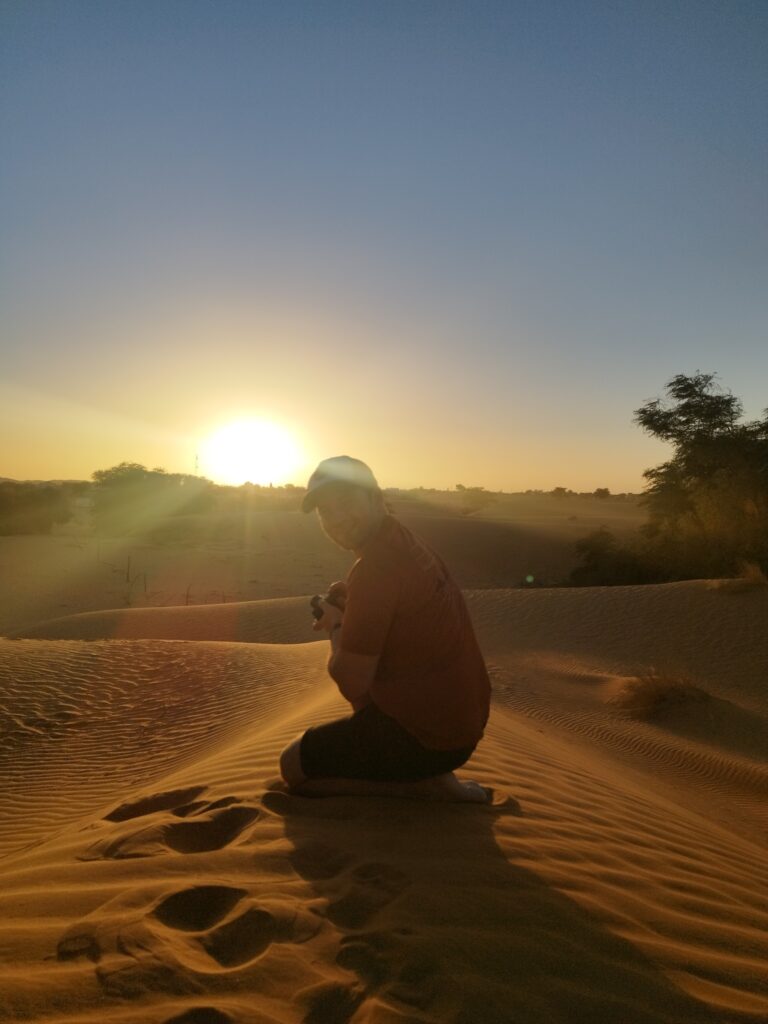
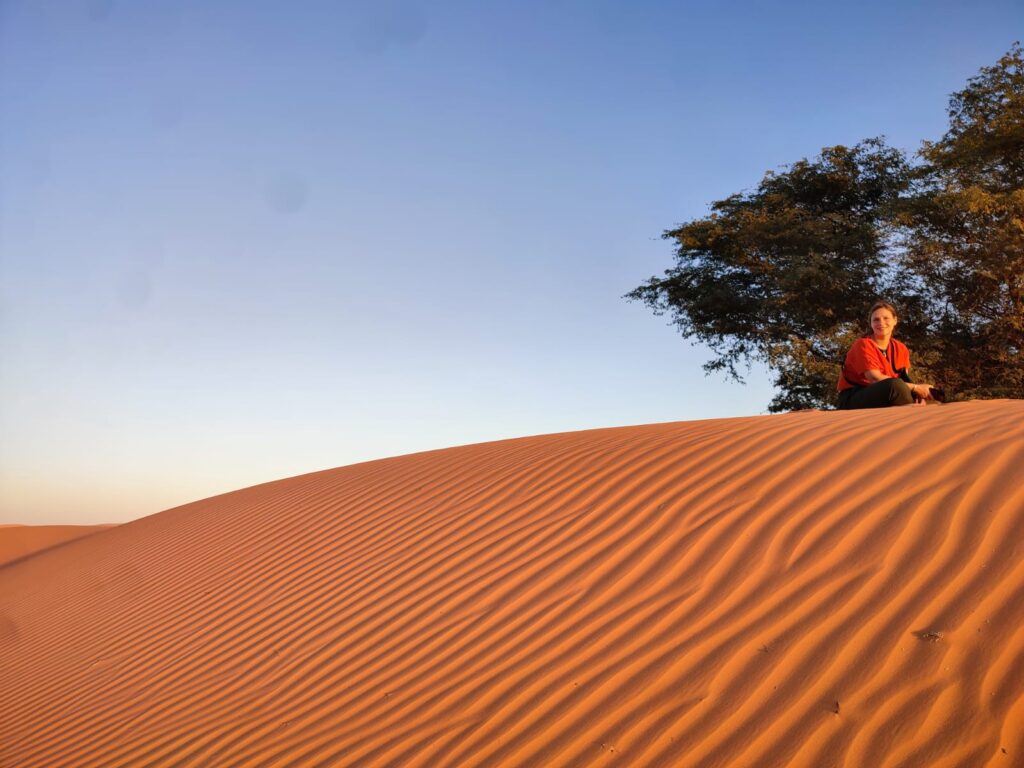
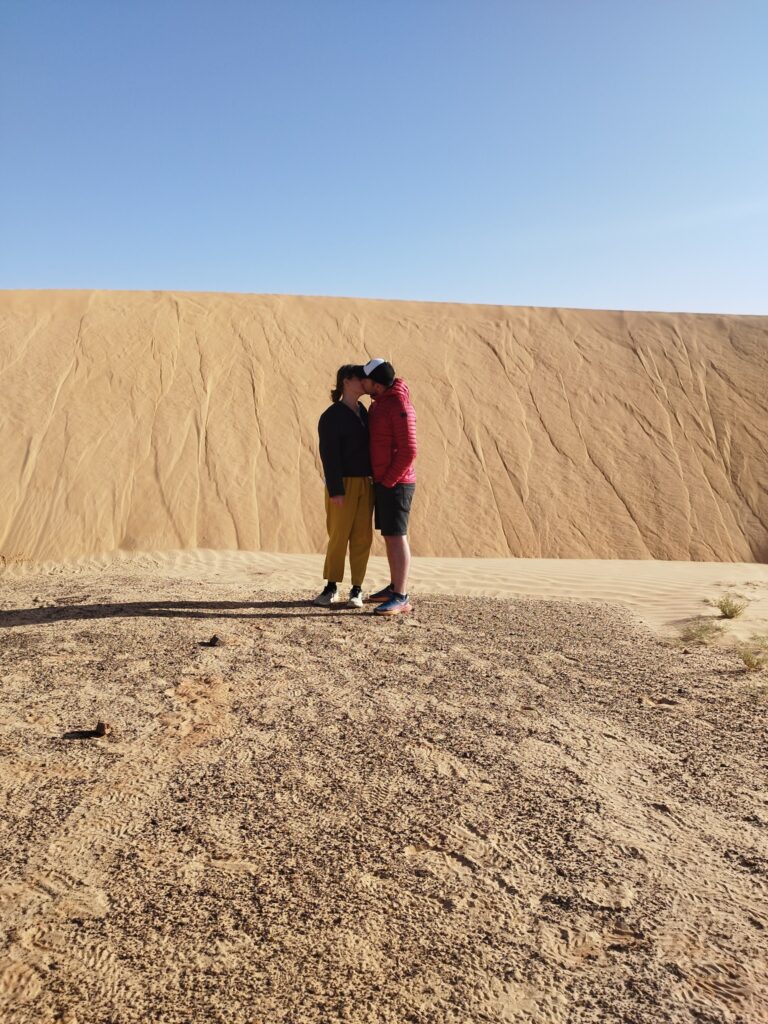
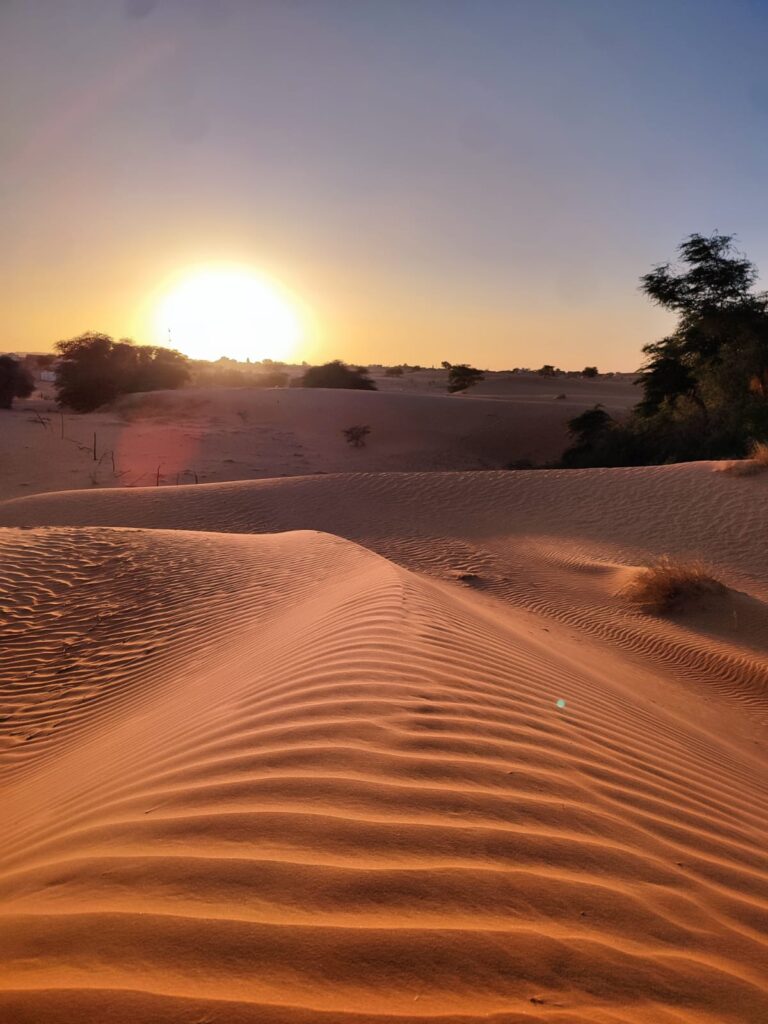
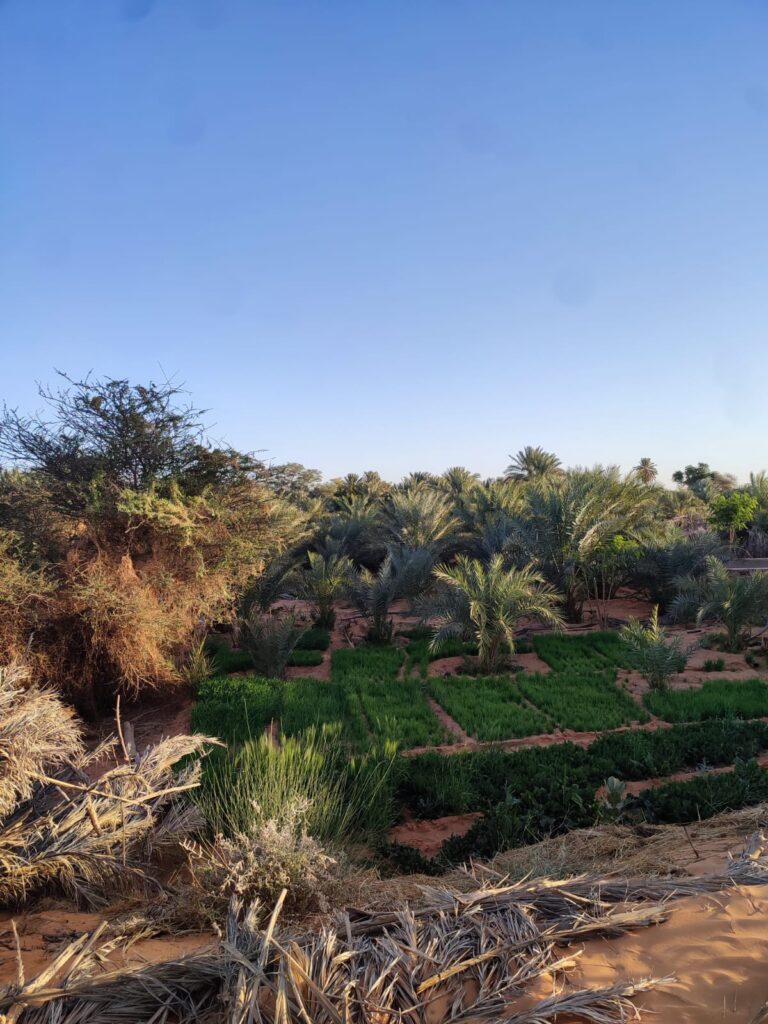
The road from Terjit to Chinguetti was characterized by rocky, mountainous desert valleys, but about five kilometers before the town, endless sand dunes began. In Chinguetti, we were greeted by palm trees and very green small farms, where everyone cultivated some kind of vegetable in the oasis in the middle of the desert. We managed to find a tent camp on the outskirts of the town, under the sand dunes, whose beauty rivaled that of our previous accommodation.
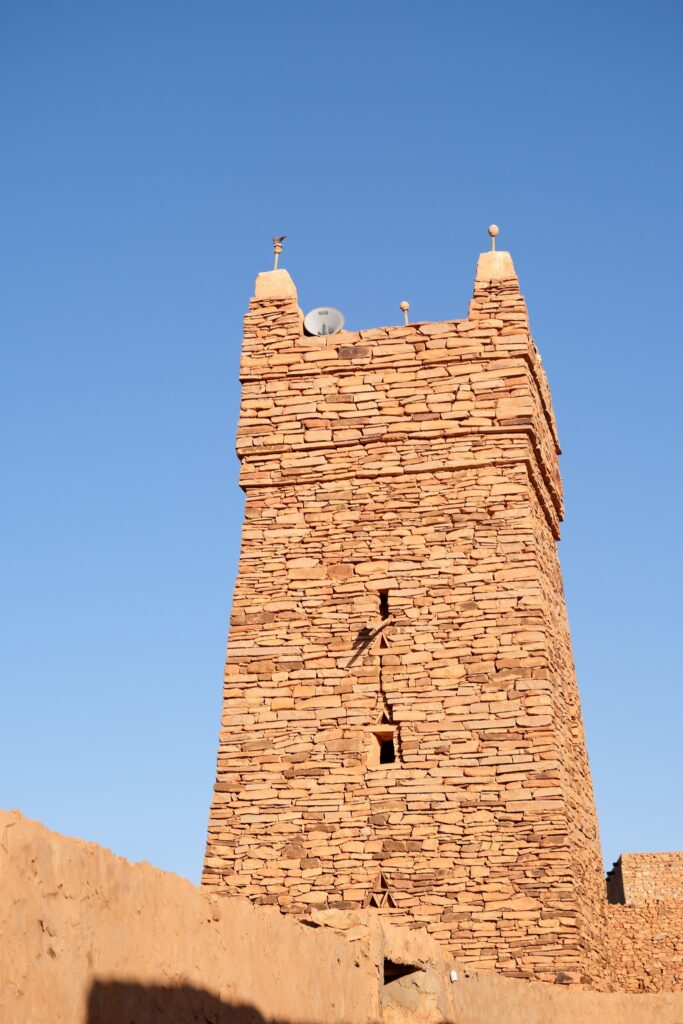
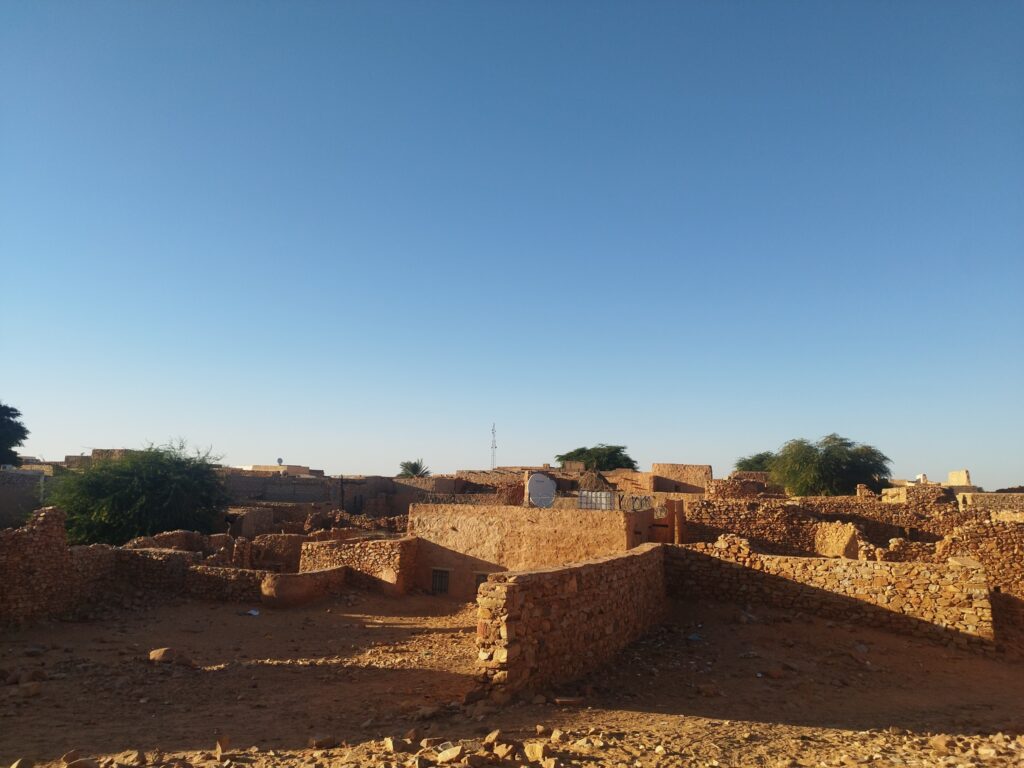
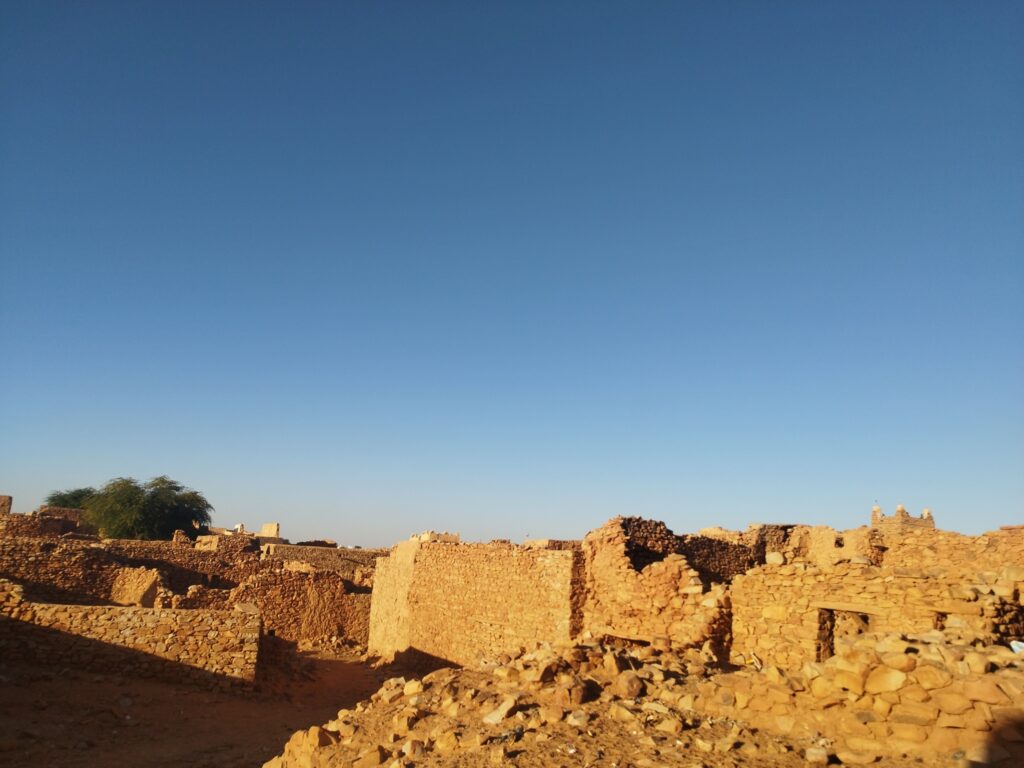
Chinguetti is a ksour (a term used in North Africa for fortified villages), founded in the 11th century (or, according to some sources, the 8th century) as a center of trade and Islamic culture. It was a commercial hub for nomadic caravans coming from Timbuktu and elsewhere, and it is considered the 7th holiest city in the Islamic world, as many ancient Qur’ans and other Islamic manuscripts have been preserved there and are still kept in the city’s libraries. Today, the town is divided into two parts: a new section, separated from the old town by a wadi (a dry riverbed that floods once or twice a year—usually in August, during the rainy season). The old town is part of UNESCO World Heritage. In the afternoon, we explored both the old and new parts of Chinguetti. Unfortunately, we couldn’t visit the libraries because they were closed. Around 6 p.m., we returned to our accommodation to climb the dunes and watch the sunset.
Terjit-Tidjikja Road
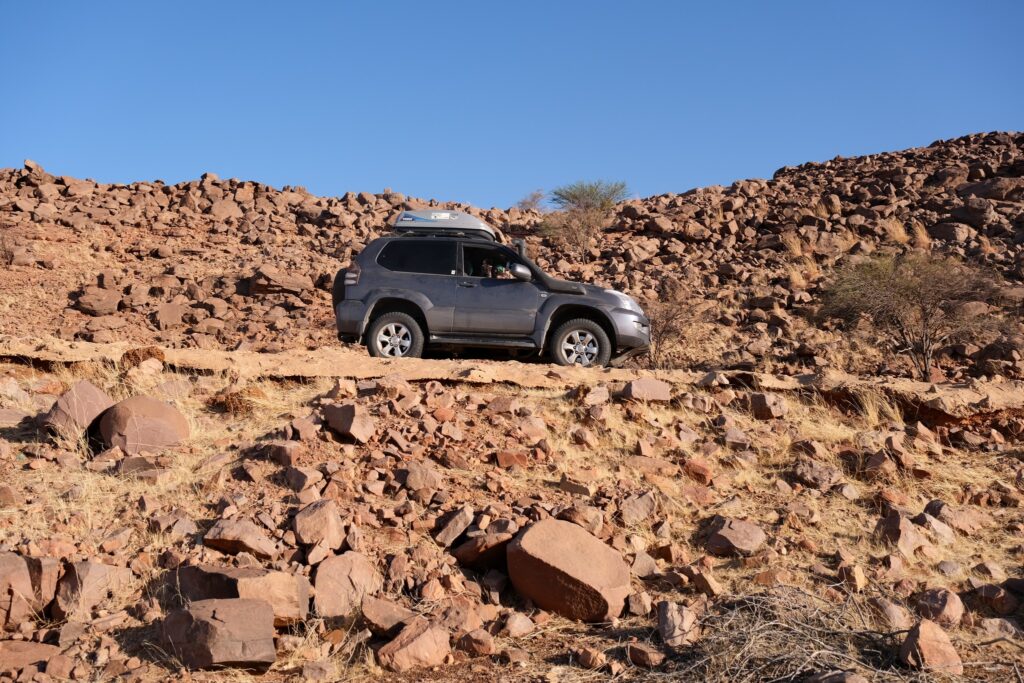
We had heard about a road leading to Tidjikja that was paved a few years ago but is still not on Google Maps. We asked around, and everyone recommended the route because it passes through beautiful landscapes. The only risk was that dunes sometimes cover the road, requiring you to dig yourself out. The road was indeed stunning! So few cars travel it that over the 300 kilometers we saw only about 15 vehicles.
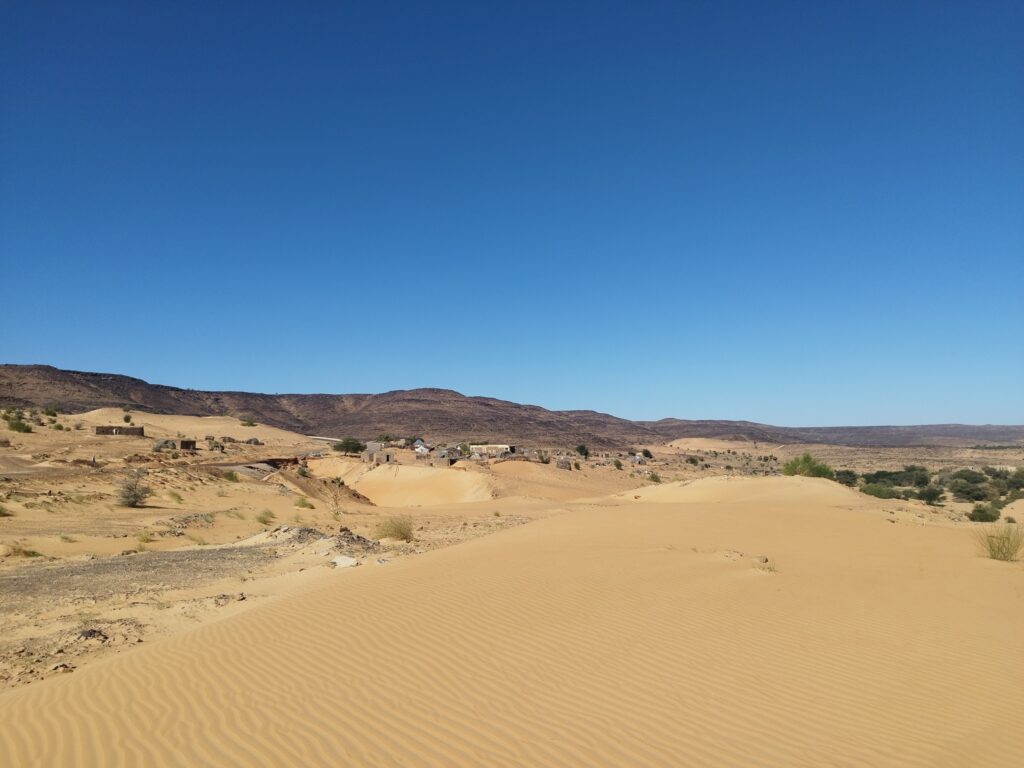
After a few hours of driving, we found a spot where the sand was firm enough to set up a tent in the shadow of a dune. We reached Tidjikja, the first larger settlement, a true desert town with an interesting market but not a single restaurant. Our next plan was to drive to a place called Nbeika, from where, after 25 kilometers of sand driving, one reaches a river valley where desert crocodiles can be seen. We drove in the sand for quite a while but ultimately didn’t find the crocodiles—only encountered lots of children at the end of the route who jumped on our car, so we turned back.
Even so, we saw incredibly interesting places: very green gardens, small settlements, and rivers with water, all nestled among sand dunes. For the night, we found a wild camping spot on a riverbank, in the shade of the trees.
Nouakchott
Nouakchott is the capital of Mauritania, with just over 1.2 million inhabitants. Until shortly before 1960, it was only a small fishing village, chosen as the capital during the colonial period. Most travelers don’t particularly like Nouakchott, partly because it is very dirty (Mauritania was unfortunately the messiest country we visited in all of Africa) and partly because it has few major attractions, modern restaurants, cafés, or bars. Alcohol is also difficult and expensive to obtain; for example, we didn’t drink at all during our stay in Mauritania.
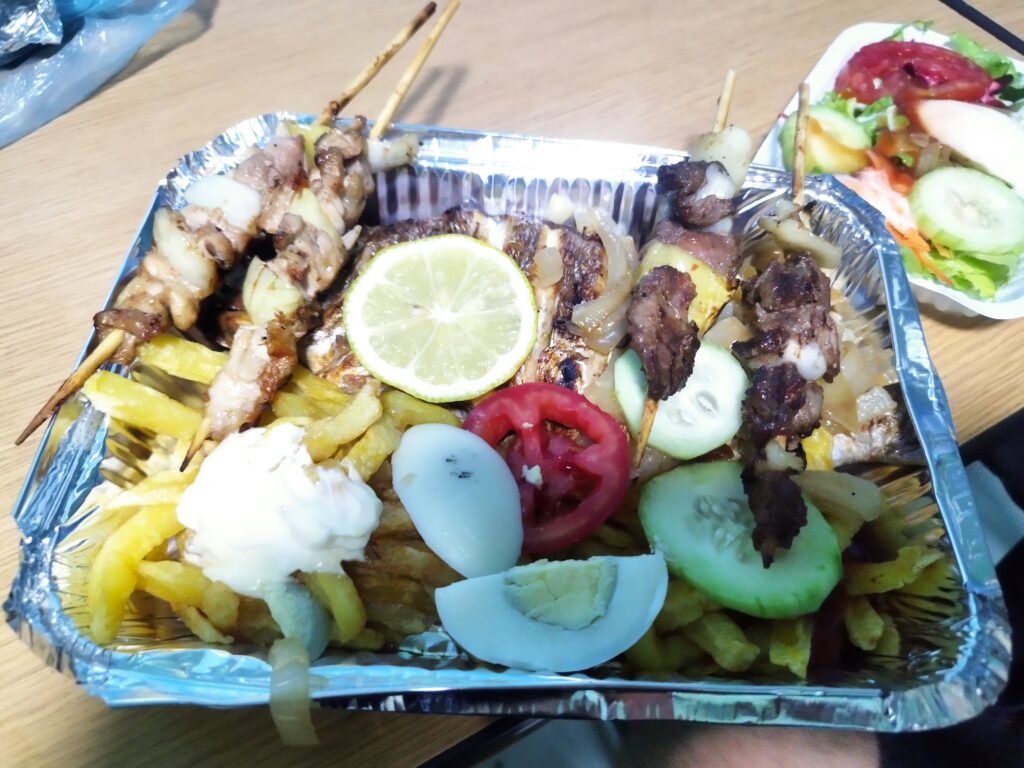
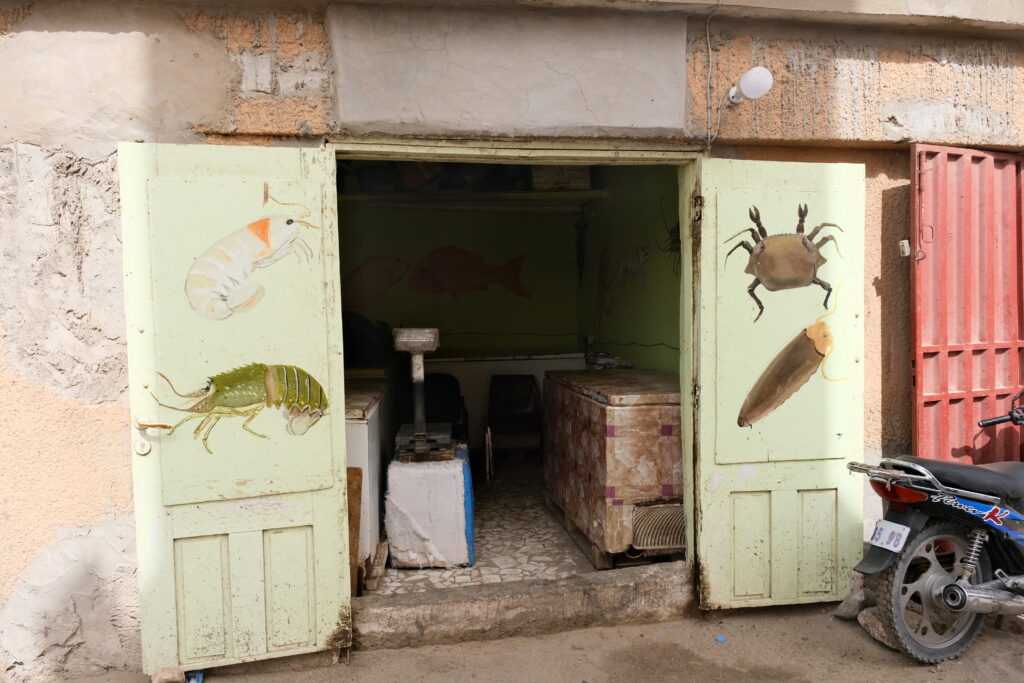
Despite this, we liked it. Unlike most African cities, where there are stark contrasts between modern and traditional areas, everything here felt very traditional. The people were friendly and open. Senegalese vendors sold spiced coffee and baguette sandwiches, and there were small eateries everywhere where we could eat fried fish and goat skewers.
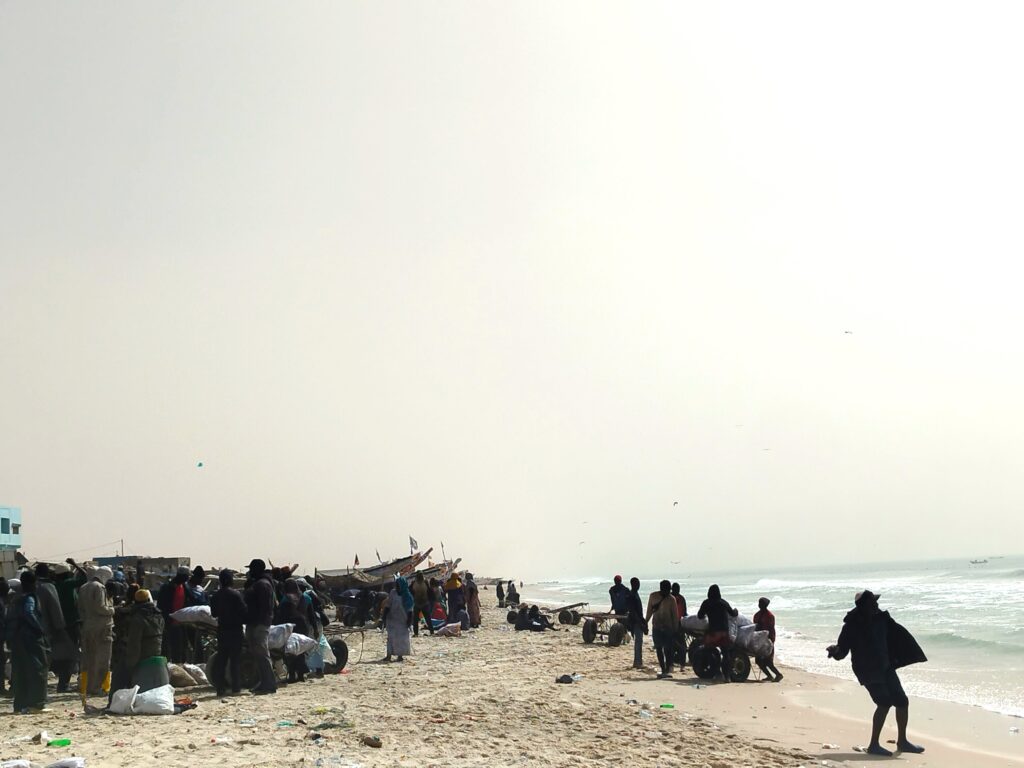
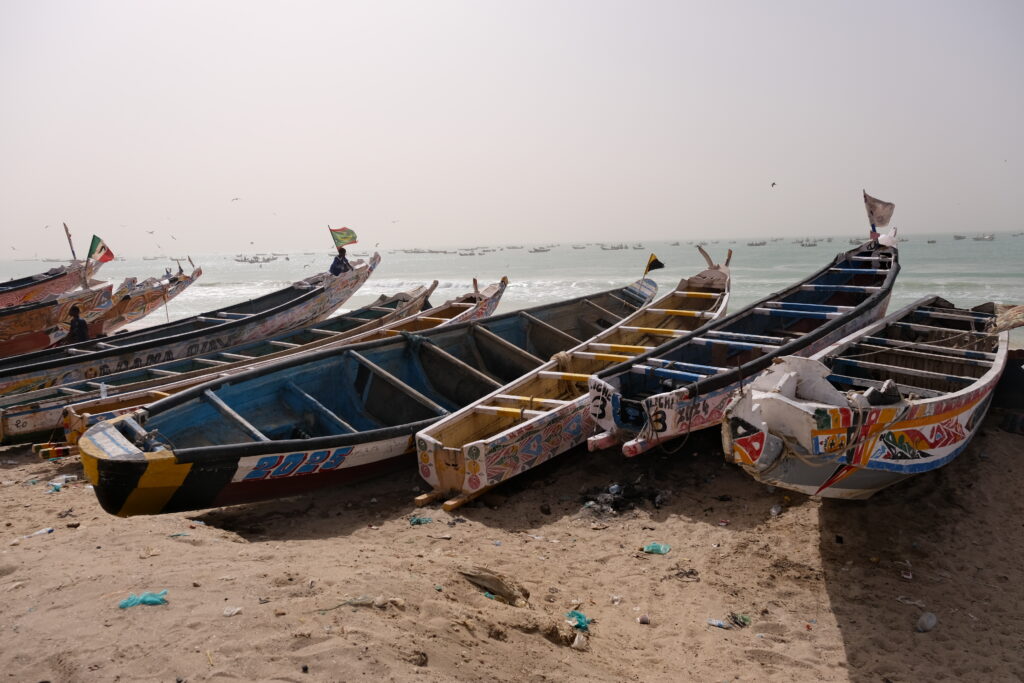
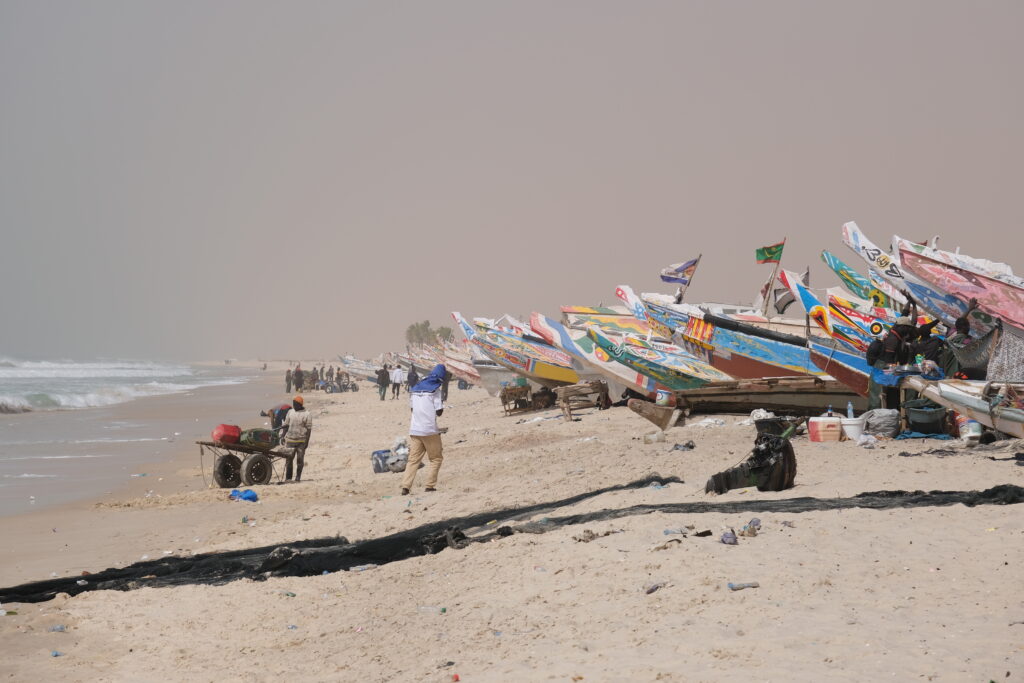
In terms of sights, we went to the Port de Pêche, the fishing port, which in itself was an adventure as we tried to figure out directions using the local shared taxis. Once someone understood that we wanted fish, they directed us to the central fish market, from where we somehow communicated and took another shared taxi to the port. (The shared taxis were old Mercedes cars, seating two in the front next to the driver and four in the back; they travel between fixed points, so you don’t choose the destination.)
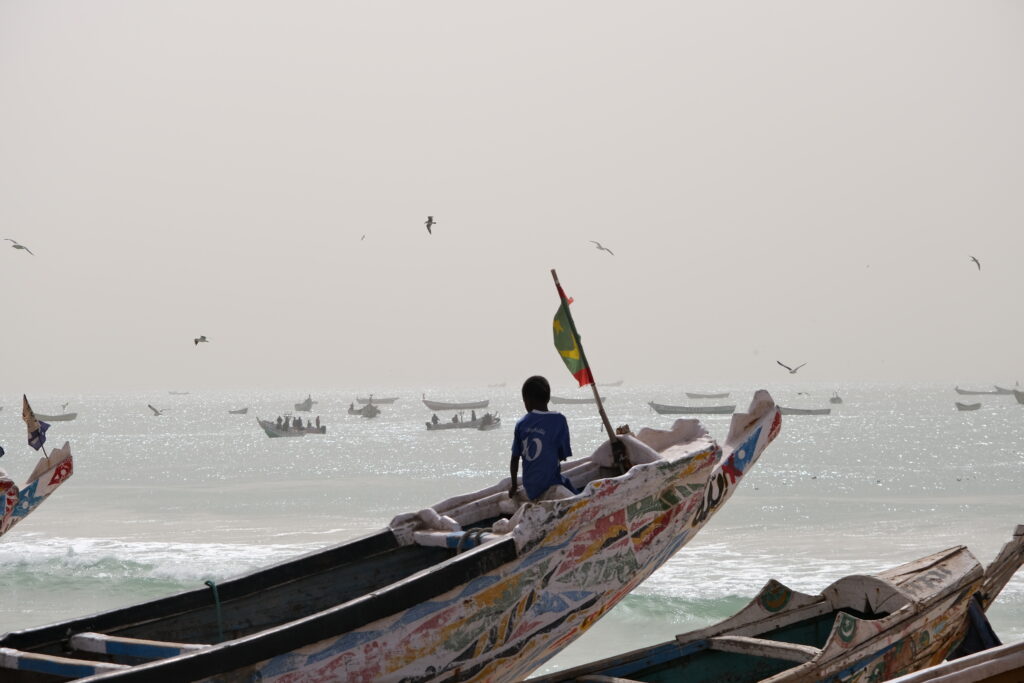
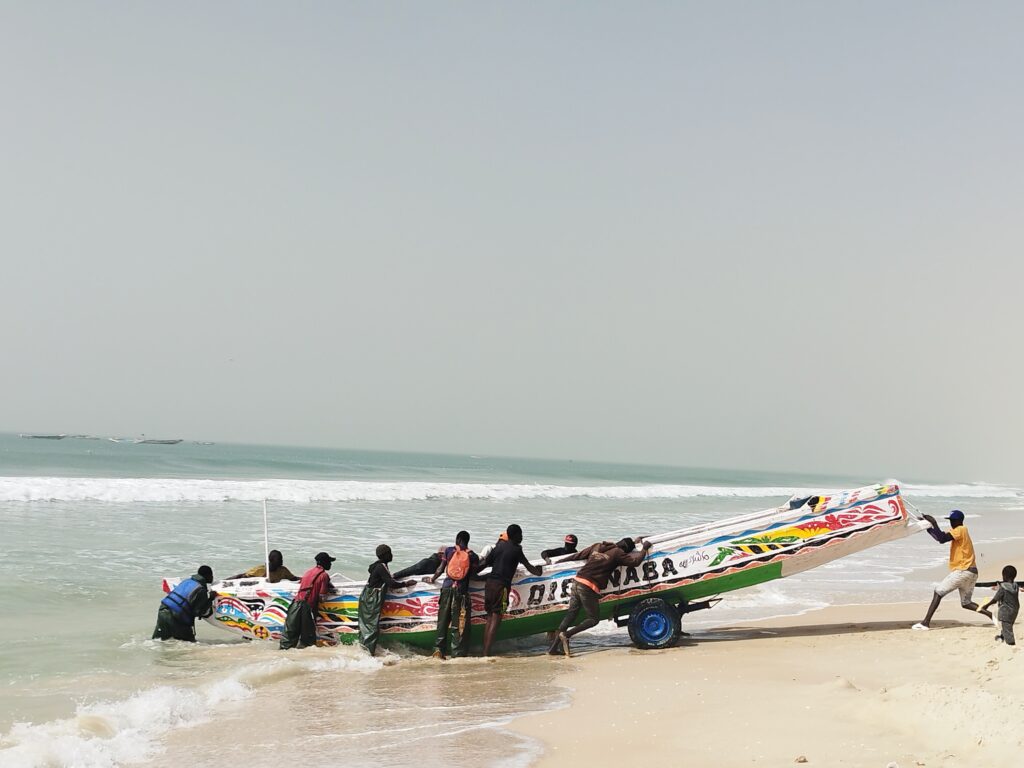
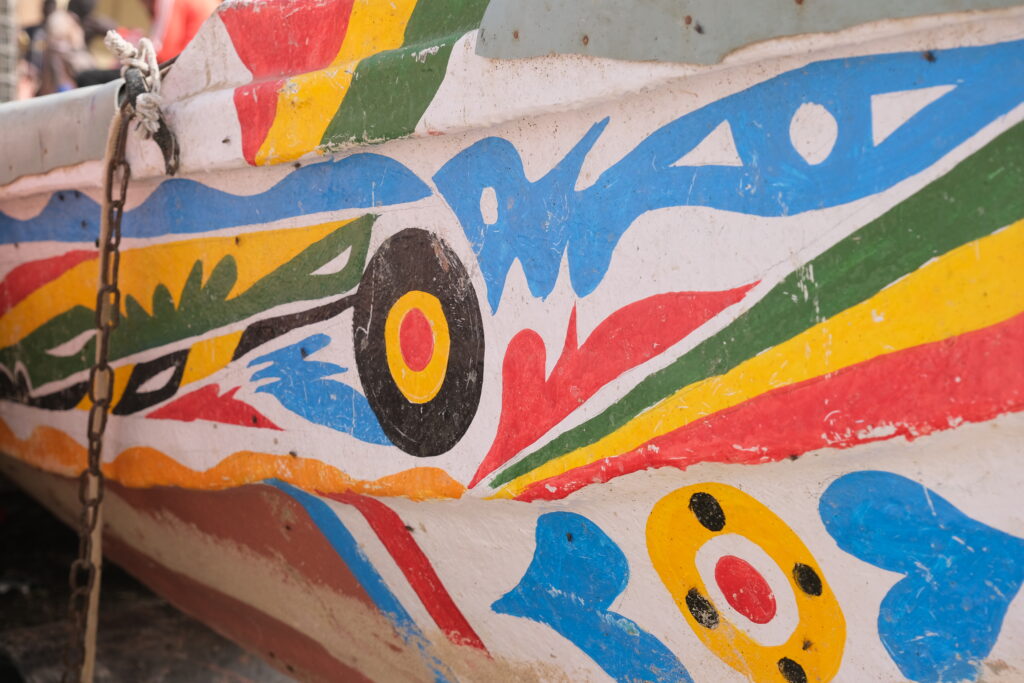
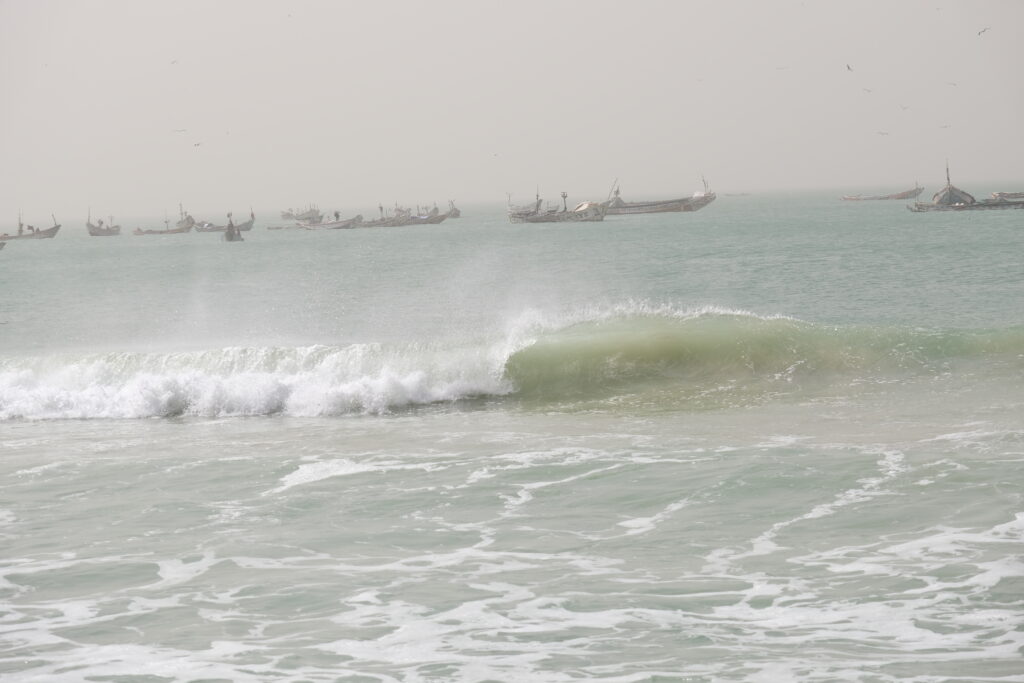
At the port, it was fascinating to watch the many colorful fishing boats being pulled in—afternoons between 2 and 5 p.m. are the best time to see this. After the port, we visited the free museum, and otherwise just wandered the sandy streets and markets. Another interesting spot is the camel market on the outskirts of the city, which we passed by but did not visit.
Diawling National Park
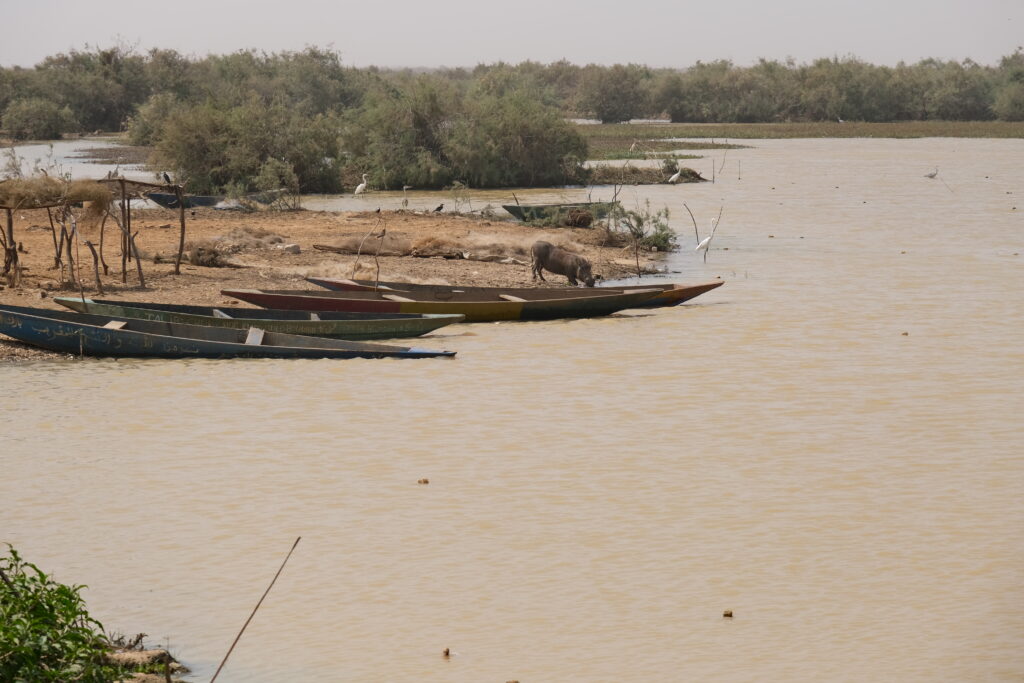
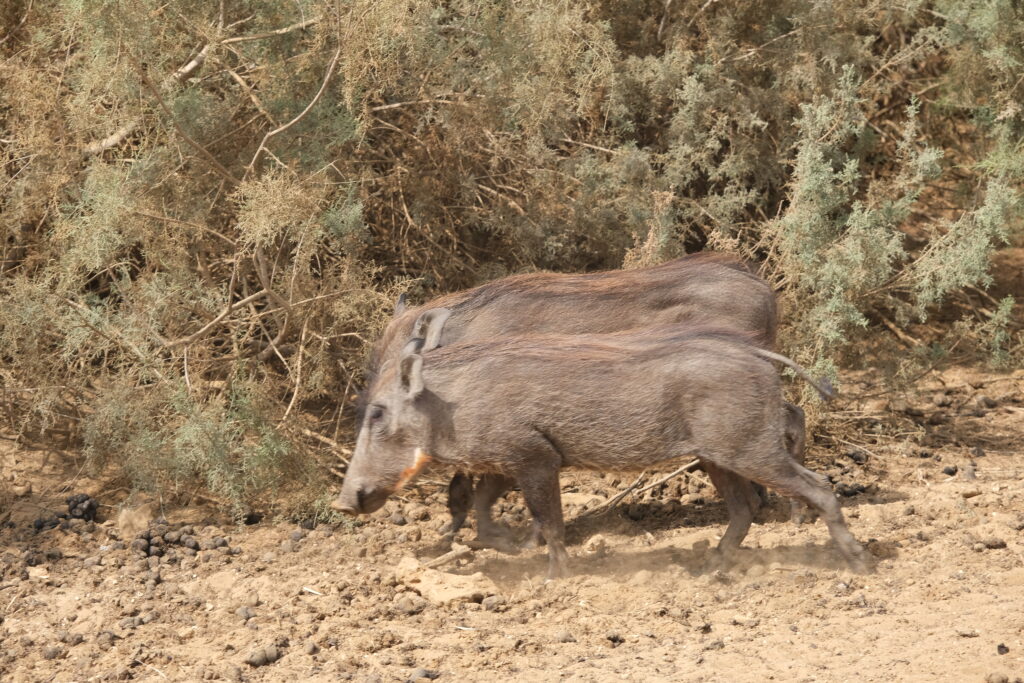
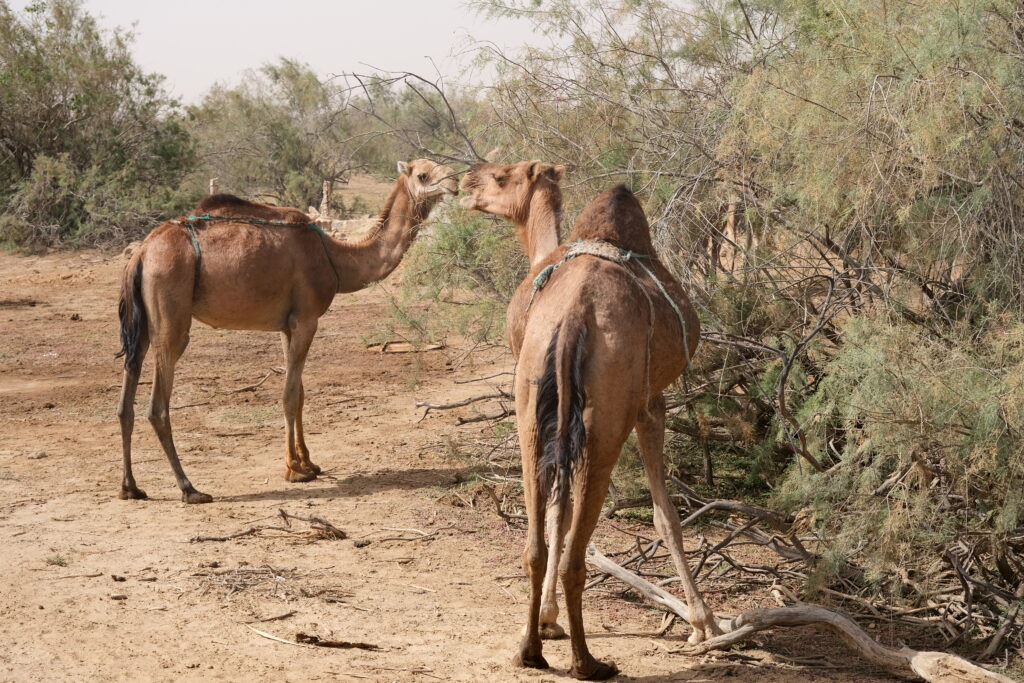
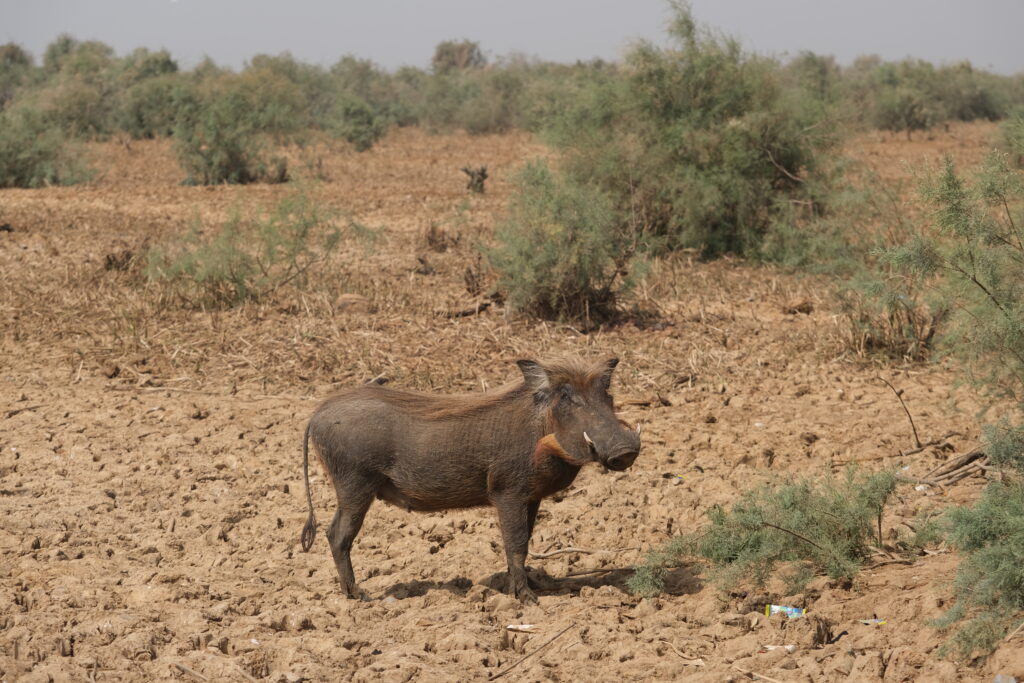
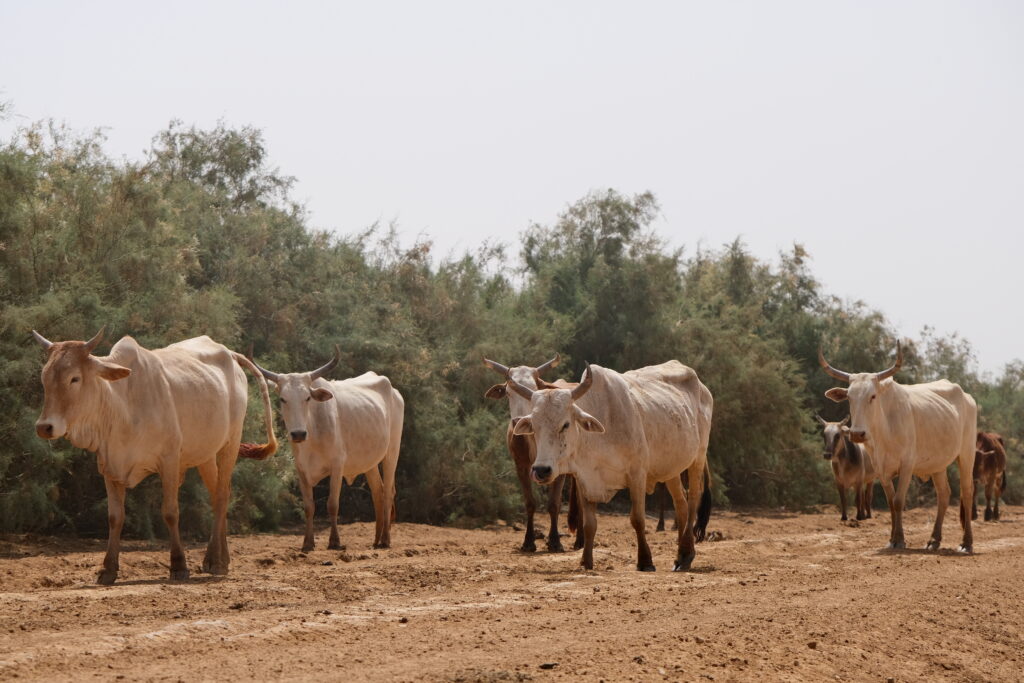
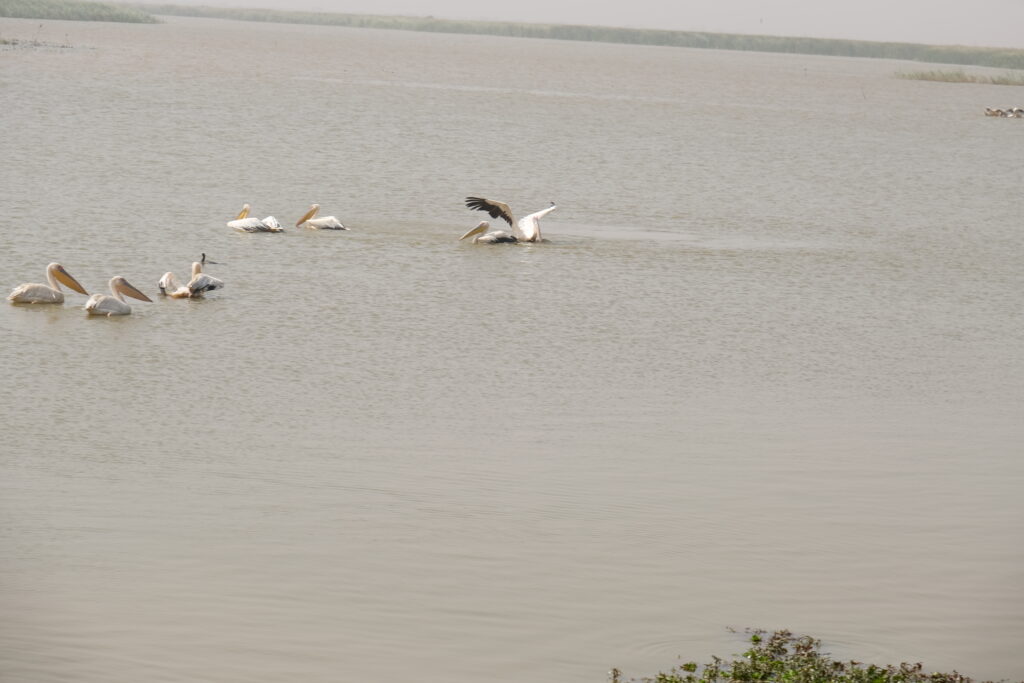
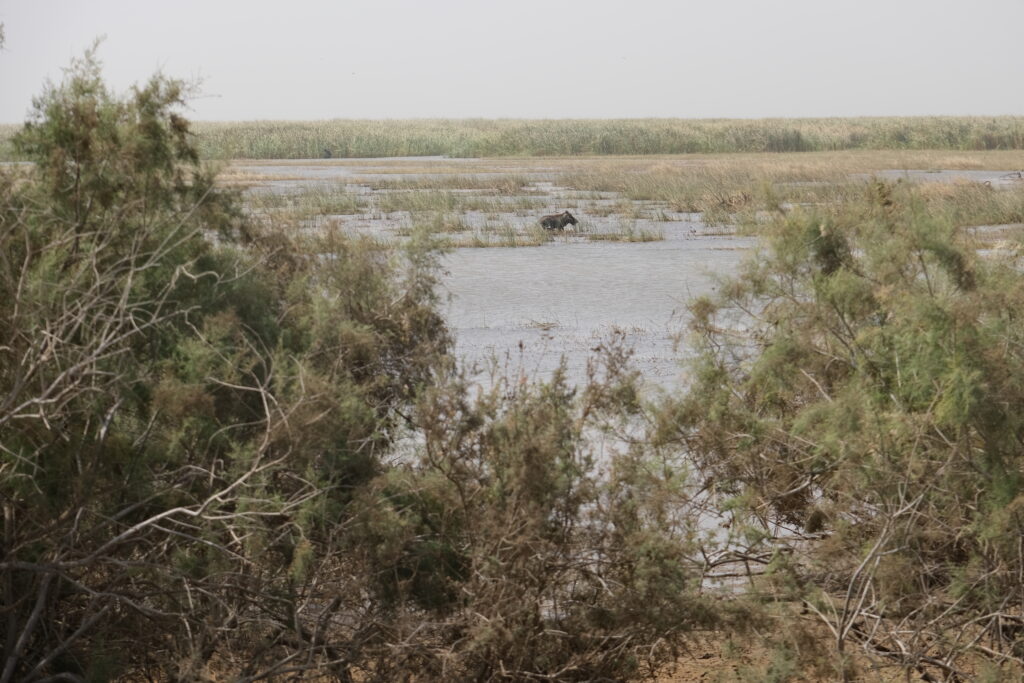
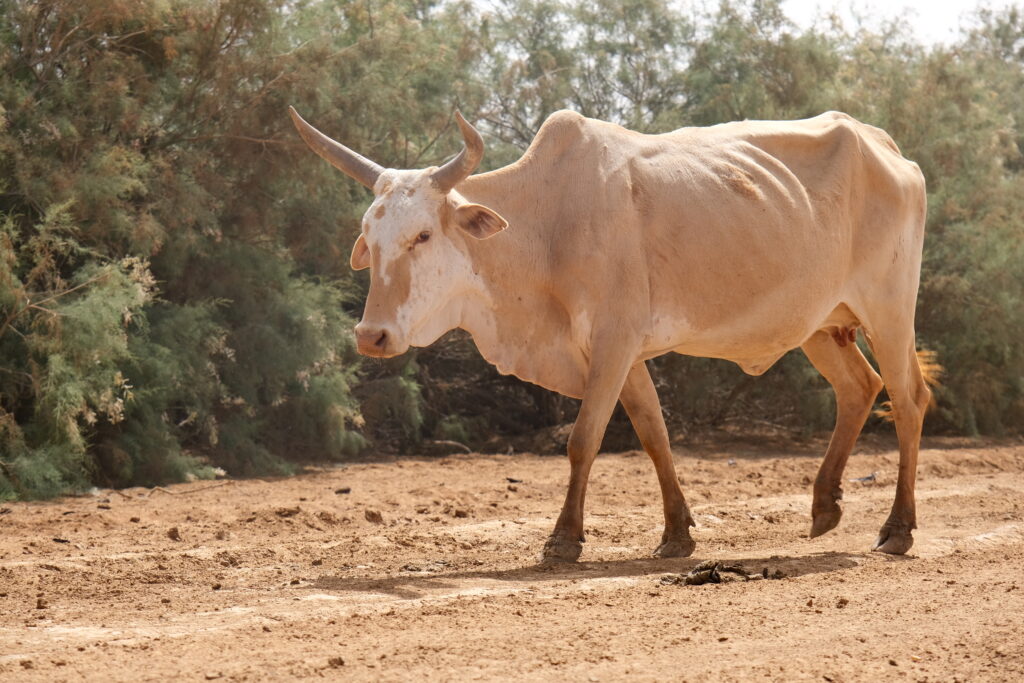
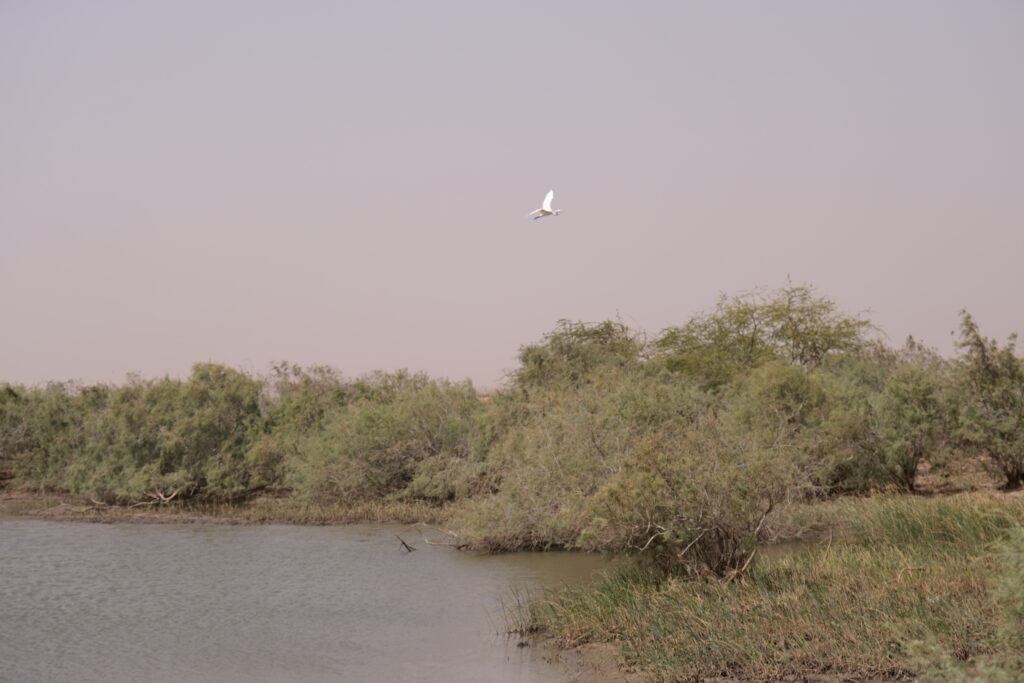
Diawling National Park is located in southwestern Mauritania, in the delta of the Senegal River, and is one of the country’s most important wetlands. The park, with its lagoons, marshes, and mangroves, plays a key role in protecting migratory birds. Flamingos, pelicans, and numerous other waterbird species live here, while the park also supports the livelihoods of local fishing and pastoral communities. Diawling provides a striking contrast to Mauritania’s desert landscapes and showcases the country’s natural diversity. We really enjoyed crossing the park on our way toward the Senegalese border (entrance fee about 5 EUR per person). We saw many birds: flamingos, pelicans, grey and white herons, and many other species we didn’t recognize. Beyond the birds, we mostly encountered camels, cattle, and numerous warthogs.
Iron Ore Train
Most backpackers visit Mauritania to hitch a ride on top of the iron ore train. This train, 2.5–3 km long (we saw it in person—it really is enormous!), travels about 700 kilometers between Zouerate, Choum, and Nouadhibou, carrying 200 iron ore-filled wagons. There are passenger carriages, but backpackers usually climb onto the roof (illegal, though some locals help circumvent the rules). At night it can be very cold (and the wind doesn’t help), so, for example, a Slovenian traveler we met bought warm clothes in a village to endure the journey, and ski goggles are highly recommended.
Some people drive alongside the iron ore train through the desert, which is a great experience, but due to the isolation, it’s recommended to travel in more than one car at a time. Along the train route stands the massive Ben Amira monolith, considered one of the largest rocks in the world (second or third largest after Uluru). Next to it is a smaller “sibling,” the Ben Aïcha.
Ouadane
After Chinguetti, we had originally planned to go to Ouadane, which is also a UNESCO World Heritage site and served as a hub for caravan routes. However, we decided not to take on the additional 100 kilometers of very rough, corrugated road. In hindsight, we somewhat regret not going, as Abdou mentioned that it is possible to cross the desert in a few days by camel—or even in one day by 4×4—which would be a very exciting adventure.
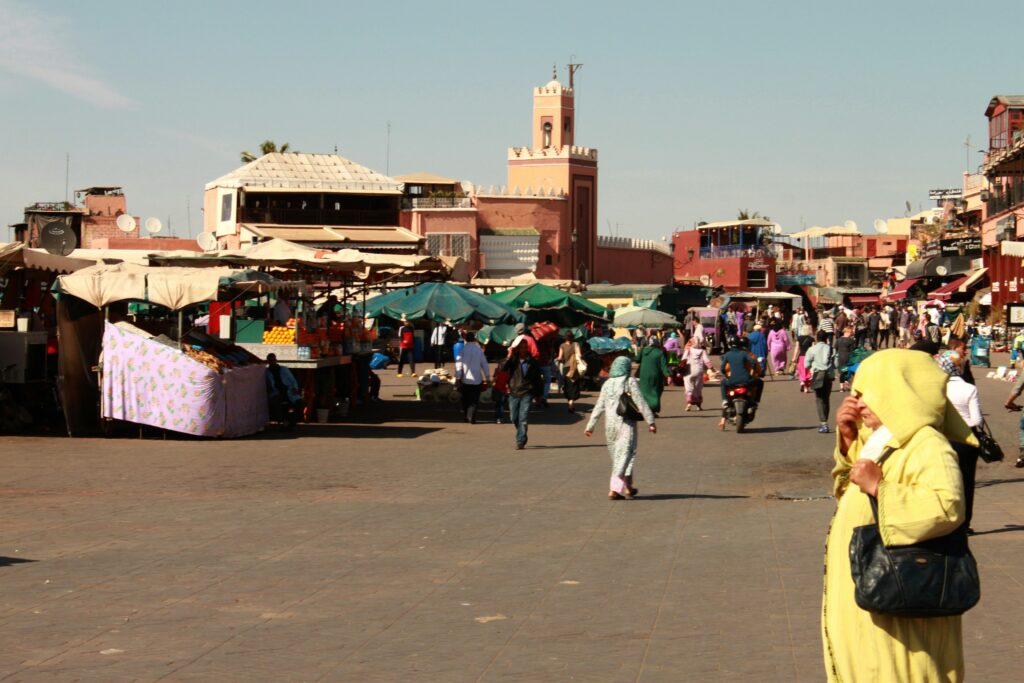
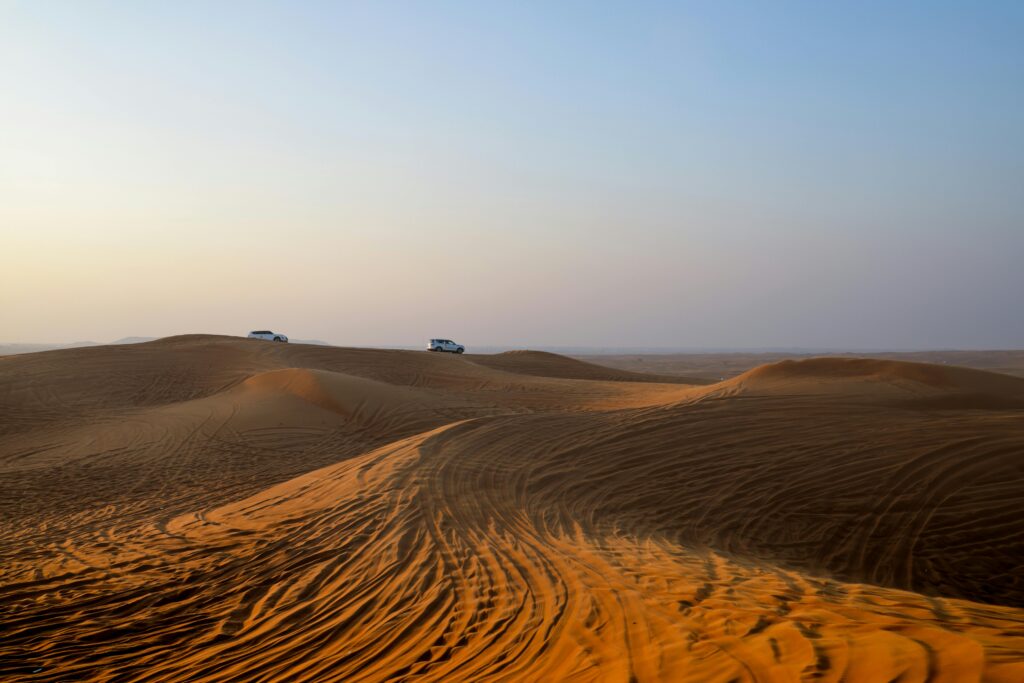
Photo by MIGUEL BAIXAULI on Unsplash anf Magda Ehlers on Pexels
Richat-Structure
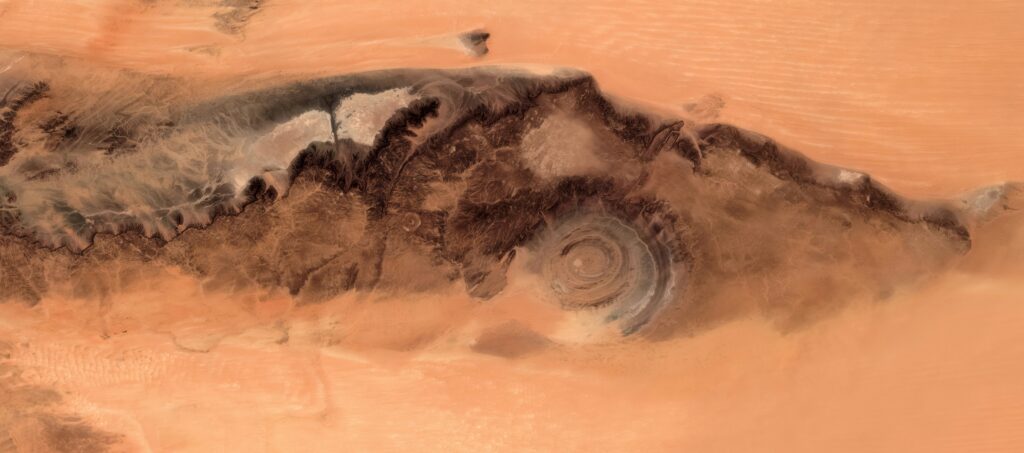
The Richat Formation, also known as the Eye of the Sahara, is a geological structure about 40 kilometers in diameter, consisting of concentric rings, whose truly unique and mysterious formation can only be fully appreciated from the air. It can be reached from Ouadane on a 4×4 tour. We had planned to go there as well, but since we didn’t even make it to Ouadane, we’ll save it for a future trip.
Tichitt and Oualata
Tichitt and Oualata, two of Mauritania’s four “ancient ksour” (fortified towns), are UNESCO World Heritage sites and were once important stops on trans-Saharan trade routes. Tichitt is notable for its uniform city layout made of dry-stone houses, while Oualata is known for its ornately painted façades and role as a religious and spiritual center. Both towns are now partially depopulated, but they provide an extremely authentic glimpse into desert urban life and Islamic scholarly traditions. We only traveled as far as Tidjikja, because east of that the region is very isolated, the roads are in poor condition, military checkpoints are frequent, and the eastern region leading to Oualata is considered risky from a security standpoint. Foreign travelers typically can only reach these towns with special permits, local guides, or through organized trips coordinated with authorities.
Our most memorable stories
Although people were very kind to us throughout Africa, hospitality is strongest in Muslim cultures, and there is the greatest chance of being invited into people’s homes.
On our first day, for example, while driving through sand dunes during a windstorm, we entered a small village—settlements are rare in this area—to have a coffee. The villagers were very surprised and happy to see us. We eventually found an older man with whom, using a few words of French, we managed to explain that we wanted coffee. He told us that there was no café in the village, only Nescafé available at the small shop. As it turned out, this is typical for Mauritania; in larger towns, Senegalese vendors sell café touba.
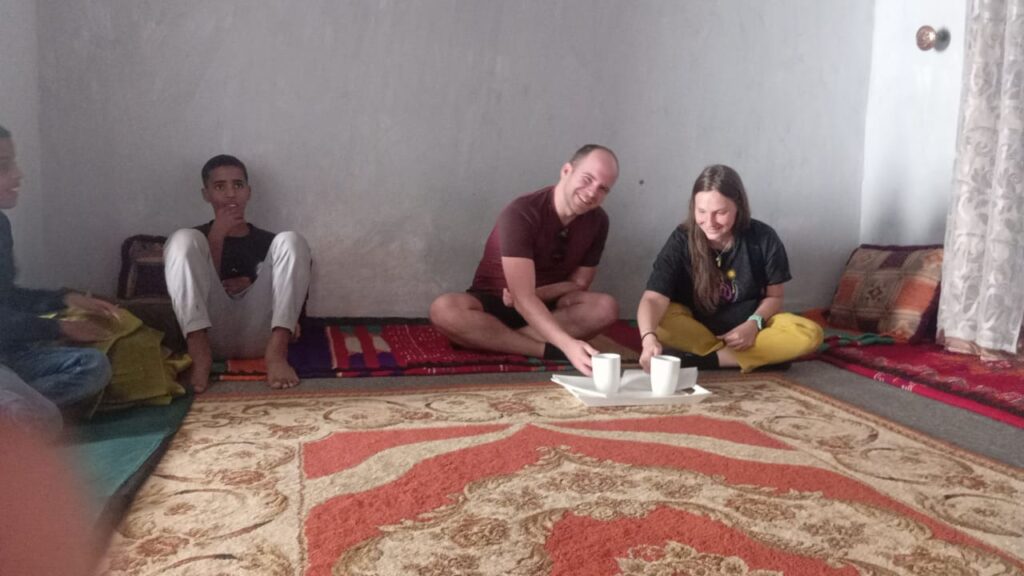
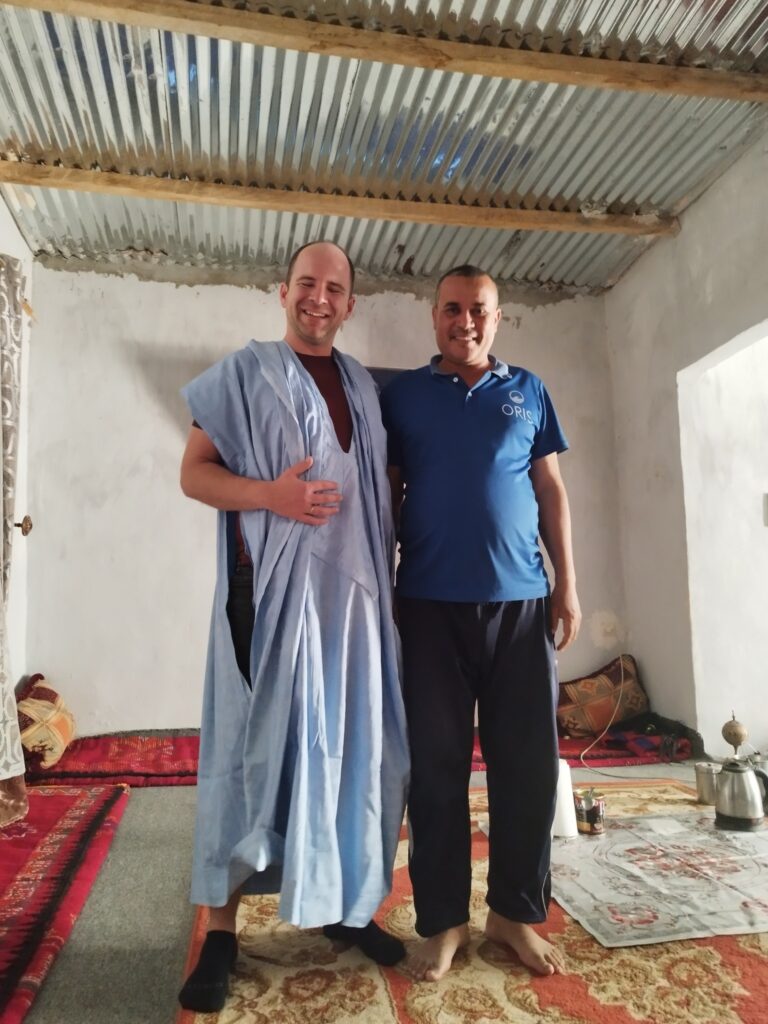
As we were leaving the village, a woman waved for us to follow her. She invited us into her house and made coffee for us. Using gestures, our very limited French, and a bit of English spoken by her son Mohamed, we managed to have a conversation, and after a while, we got into the rhythm of it. Half an hour later, her husband and other son came home and showed us photos of the beautiful oasis in the village, where delicious dates grow, which we also got to taste.
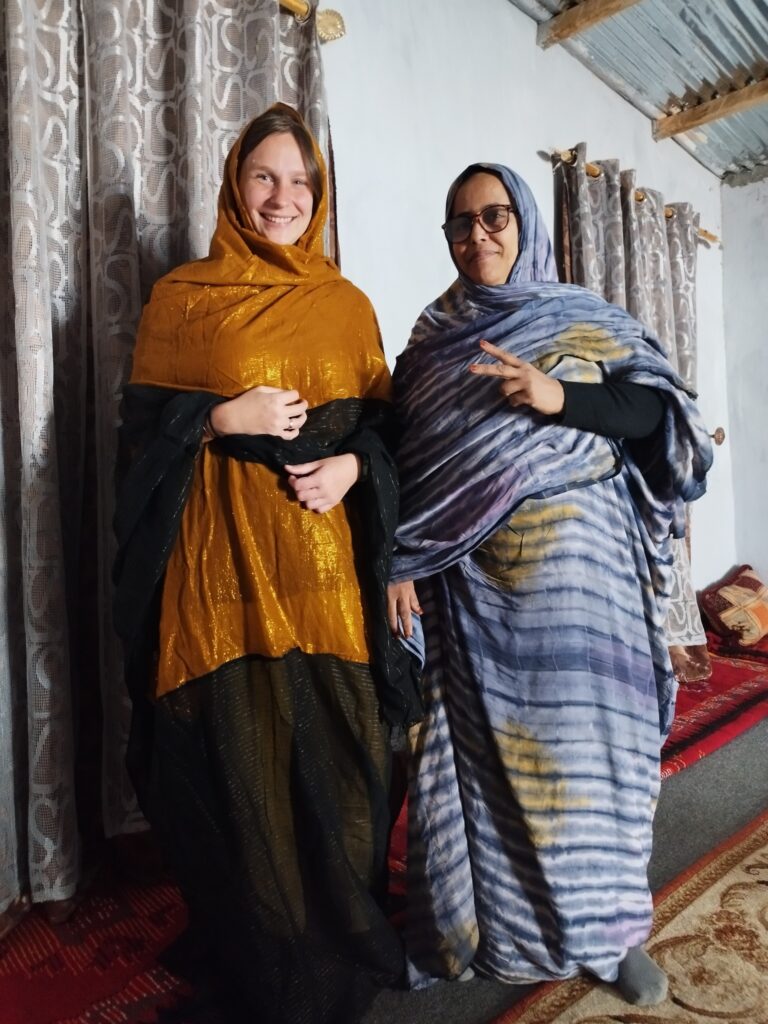
We became so friendly despite the language barriers that they brought us traditional Mauritanian clothes, showed us how to wear them, and eventually gave them to us as a gift. They even offered that we stay for lunch and spend the night, which we politely declined. Our hearts were filled with love from all the kindness we received from this family.
Our other touching story is connected to Abdou, who, over Mauritanian teas by the campfire under the stars, told us about his life growing up and spending most of it as a nomad in the desert. He recounted, for example, traveling to Timbuktu with camel caravans and explained how the caravans navigate at night by the stars (it’s too hot during the day). He shared that fully nomadic people—the population is now only a few percent—do not use money at all. Their main tasks are watering their camels and building temporary camps. They mainly drink camel milk and tea, eat couscous, and their biggest challenges are the lack of vegetables and the distance to hospitals.
Abdou moved to the city because of his son, who wanted to study, but his former wife remained in the nomadic life—she still wanders the desert as one of the last nomads. We asked Abdou which life he prefers. Although he is happy now, with a new wife and a young child, and enjoys a good life from the income from his accommodation and desert tours, as well as pride in his garden where he can finally grow vegetables, he still longs for the desert. After the age of 60, he hopes to live the rest of his life again as a nomad. Abdou also collects donations several times a year and visits nomadic families in the desert to ask about their needs and provide basic education, such as raising awareness about the risks of early pregnancies.
Our third story is about the Senegalese baguette and coffee vendor in Nouakchott. Next to a garbage dump, she had a small table with benches, where she sold the most delicious café touba (spiced Senegalese coffee) and prepared fresh baguette sandwiches with boiled eggs, salad, fries, and a spicy-vinegary sauce. We went back three times, and each time she welcomed us with great joy and made new specialties for us. Despite the less-than-appealing surroundings, her breakfast was the best we had in Africa.
Another memorable story is about Samba, our host in Nouakchott. He set up a few nice “more expensive” rooms in his house and pitched several tents on the roof for those who wanted a cheaper option. In addition, he helped anyone who worked on our car when it broke down overnight, and he welcomed us with dinner so that we could continue our journey two days later.
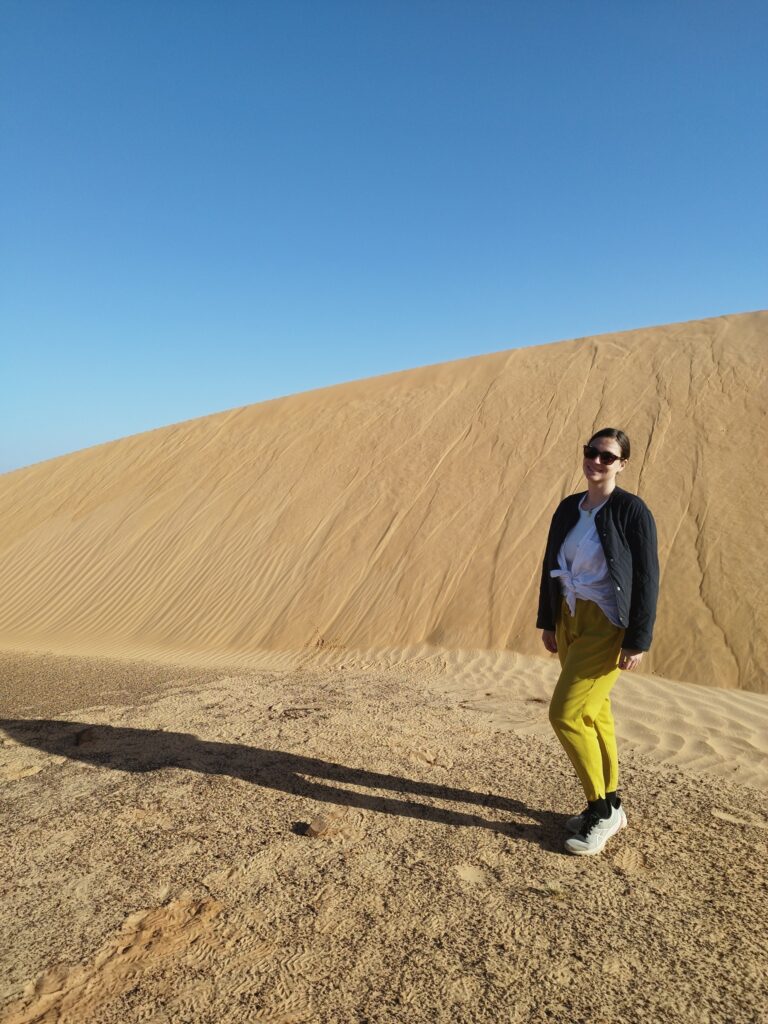
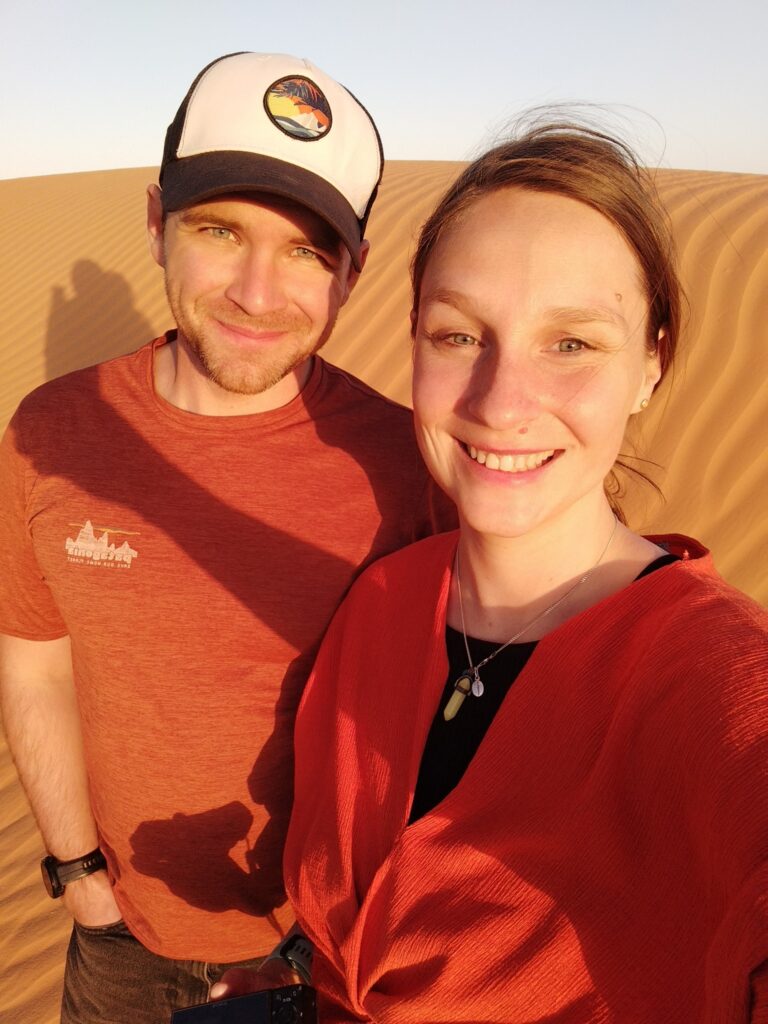
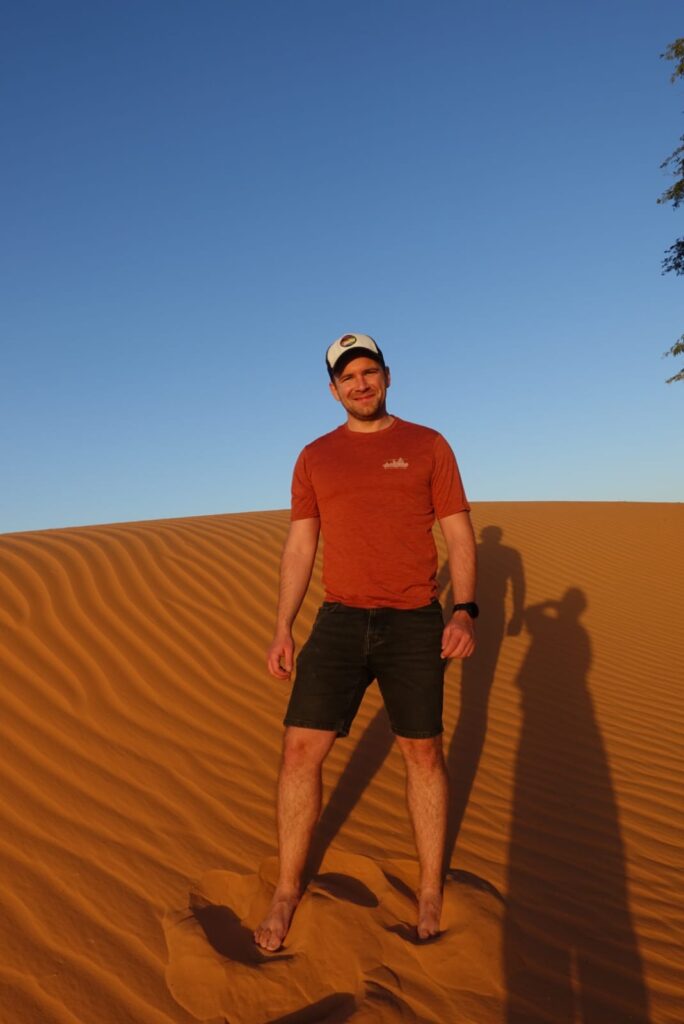
Mauritania was an extremely fascinating country, full of kind people and a culture completely different from the Sub-Saharan African countries further south. It was the country in Africa where we encountered the least Western comforts, but precisely for that reason, it offers a very interesting and authentic experience. If we could go back, we would gladly venture deeper into the Sahara to see the other ksour and perhaps even meet some of the last remaining nomads. Mauritania helped us redefine what the desert means: not emptiness, but a different, slower way of life.