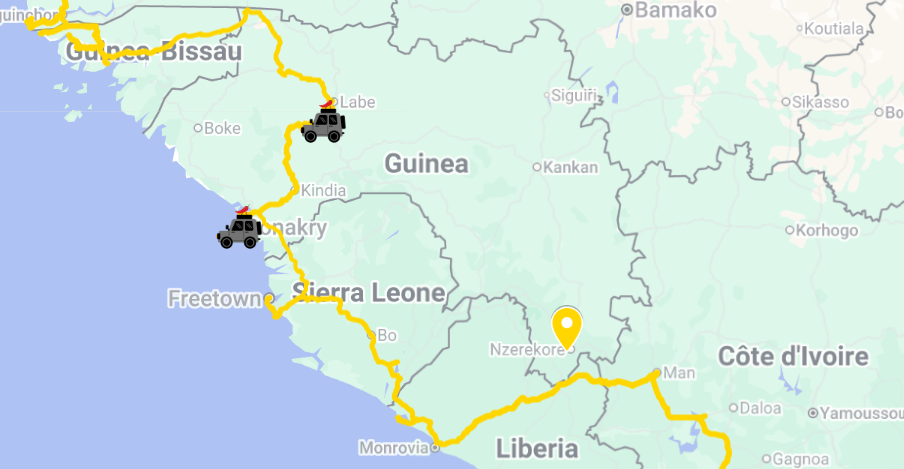
We spent five days in Sierra Leone. We originally wanted to spend a week, but we were delayed in Guinea because of problems obtaining our visas, and my sister visited us in Côte d’Ivoire. In the end, we decided that even if we only had very little time, we still wanted to see the country. We had heard a lot about its beautiful beaches and rainforests, and we were really looking forward to finally being in a country where we could communicate with people in English. Unfortunately, this was one of the countries where we spent the least amount of time, so this summary will be much more incomplete than the others, but we still wanted to share our experiences of this beautiful little country.
What should you know about the country?
Summary
Sierra Leone is located in West Africa along the Atlantic coast; it has an area of about 72,000 km² and a population of approximately 8–9 million. The country is ethnically diverse: the largest groups include the Temne and the Mende, alongside significant Limba, Kono, and Kuranko populations, as well as smaller Krio communities. The coastal regions and river valleys have long been important trading areas, while inland societies developed around agriculture and local power structures.
The modern history of Sierra Leone is closely linked to the transatlantic slave trade. The city of Freetown was founded at the end of the 18th century for freed slaves, who later formed the basis of the Krio community. In the 19th century, the country came under British colonial rule, and the colonial administration drew a sharp distinction between the coastal areas and the inland regions, which were referred to as the “protectorate.” Sierra Leone gained independence in 1961, but the following decades were marked by political instability, military interventions, and ultimately the devastating civil war from 1991 to 2002.
The civil war left deep scars on the country’s society and infrastructure, but since then Sierra Leone has undergone gradual reconstruction. The country has significant diamond, iron ore, and rutile reserves, as well as considerable agricultural potential; however, revenues from natural resources have only partly contributed to broader social well-being. Infrastructure and public services are improving, but in many areas they remain limited. What we were able to see in just a few days as a major problem is deforestation: on the Freetown Peninsula the forest is rapidly disappearing, with people cutting and burning wood every night (and due to corruption, the police often turn a blind eye).
More than twenty languages are spoken in Sierra Leone, most of them belonging to the Niger–Congo language family. The official language is English, but in everyday communication Krio plays a key role. This English-based creole functions as a common lingua franca for the vast majority of the population, regardless of ethnic background. In practice, this often means that it can be difficult to understand people, because although Krio resembles English, there are many differences, and at times we could only guess what was being discussed.
The population is religiously diverse but generally lives together peacefully: about 60–65% are Muslim, 25–30% Christian, while the remainder also follow traditional African religious elements. Religious identity is often flexible and frequently blends with local customs. Music and storytelling play an important role in Sierra Leone’s cultural life: drumming, dance, and singing are integral parts of community events. In many rural areas, the presence of the state is limited, so family ties, local leaders, and living traditions continue to play a central role in maintaining social order and organizing everyday life.
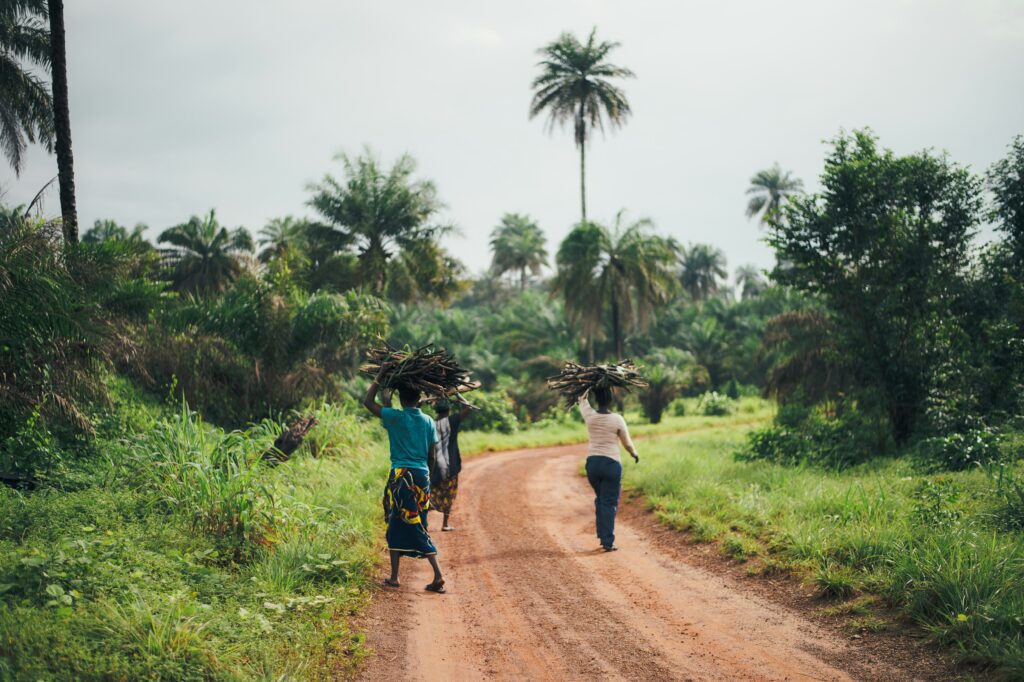
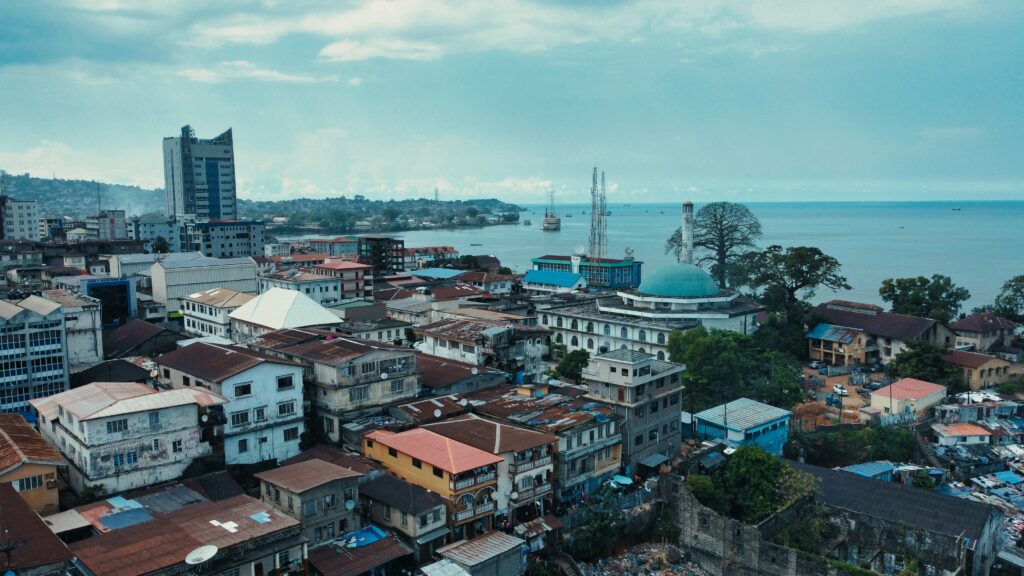
Photo by Annie Spratt on Unsplash
Climate
Sierra Leone has a tropical climate that is warm and humid throughout the year, with two clearly distinct seasons. The rainy season lasts from May to October and is extremely wet—especially along the coast—while the dry season from November to April is typically characterized by the cooler, dusty Harmattan winds (at least in theory—when we were there in February, we experienced only very hot and humid conditions).
Clothing
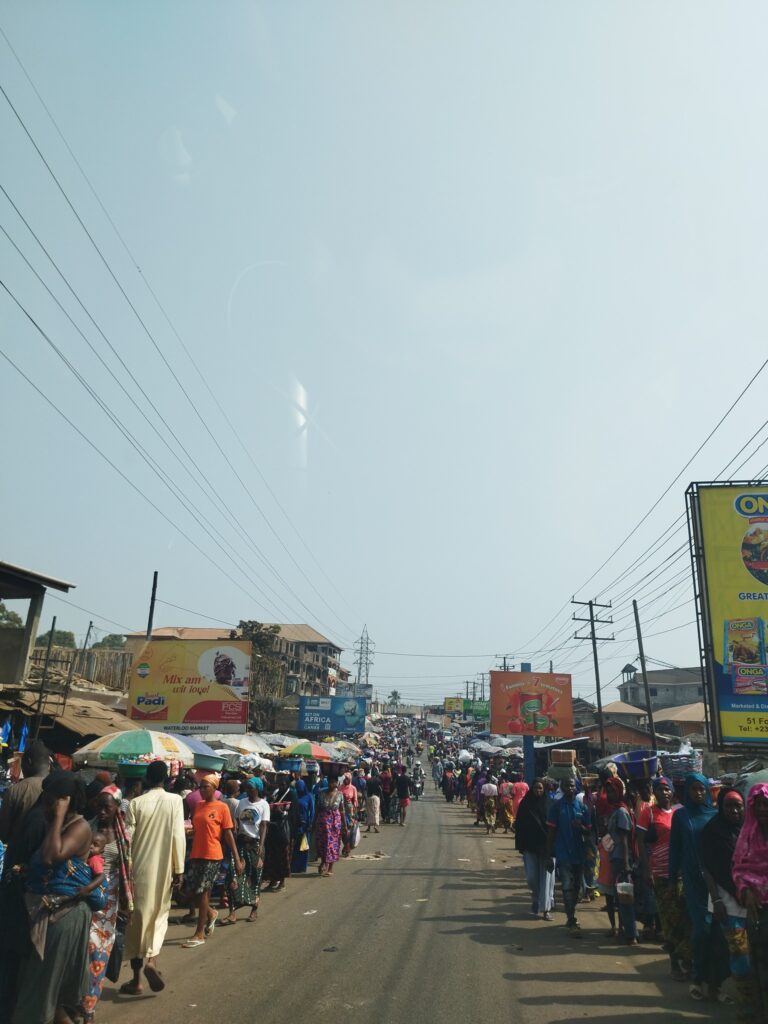
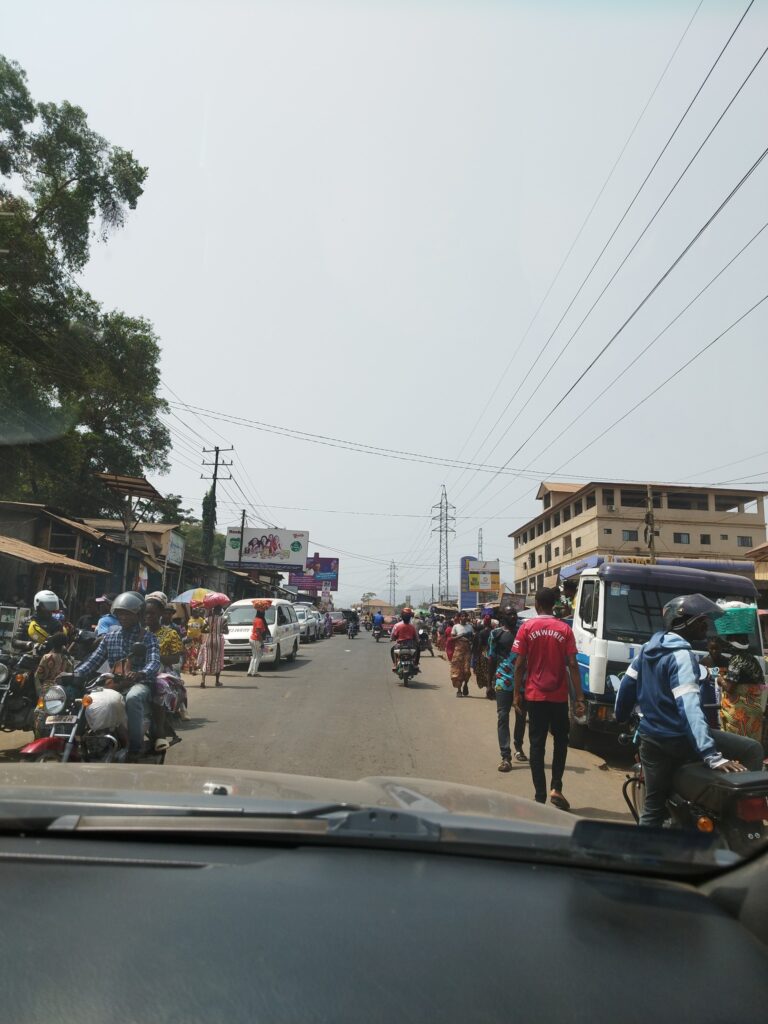
The population is largely Muslim (although many people are not particularly traditional), so it is advisable to dress modestly; long trousers or a long skirt are recommended (though we did see women wearing sleeveless tops).
Food
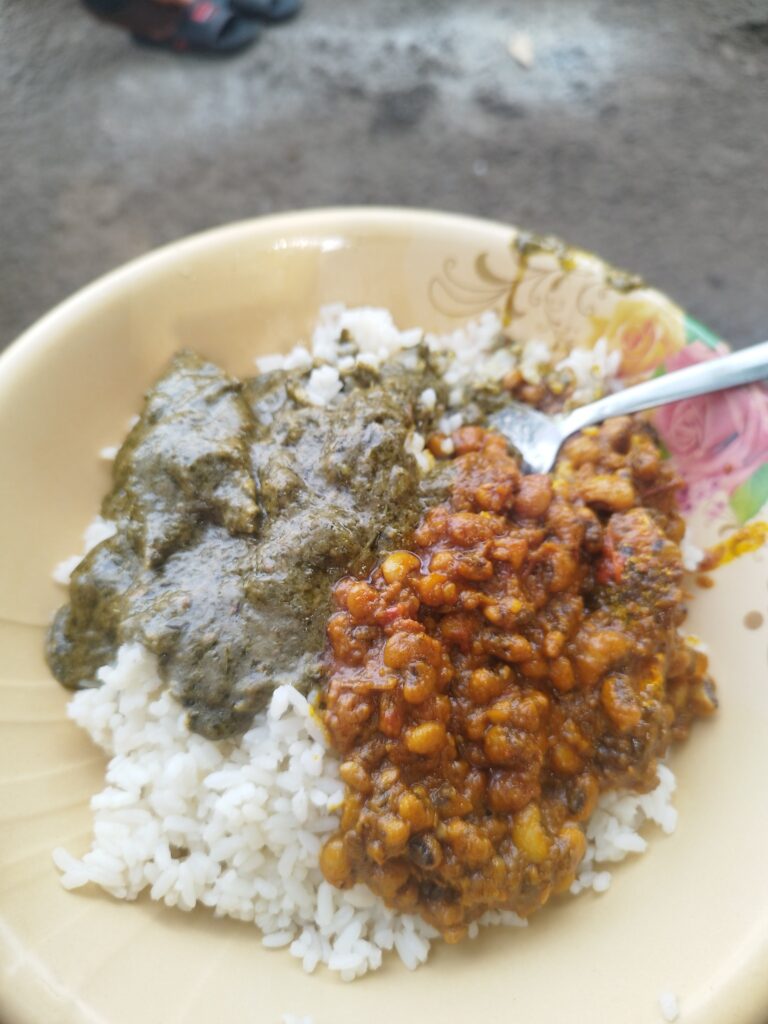
Sierra Leone’s cuisine is simple, hearty, and heavily based on local ingredients, with rice forming the foundation of almost every meal. Sauces made from palm oil, peanuts, and cassava leaves are common, usually served with fish, chicken, or meat and typically flavored with chili. In Freetown, we ate delicious cassava leaf sauce with beans from street vendors, which also had coconut milk mixed in. Both sauces included a small amount of dried fish as an additional source of protein.
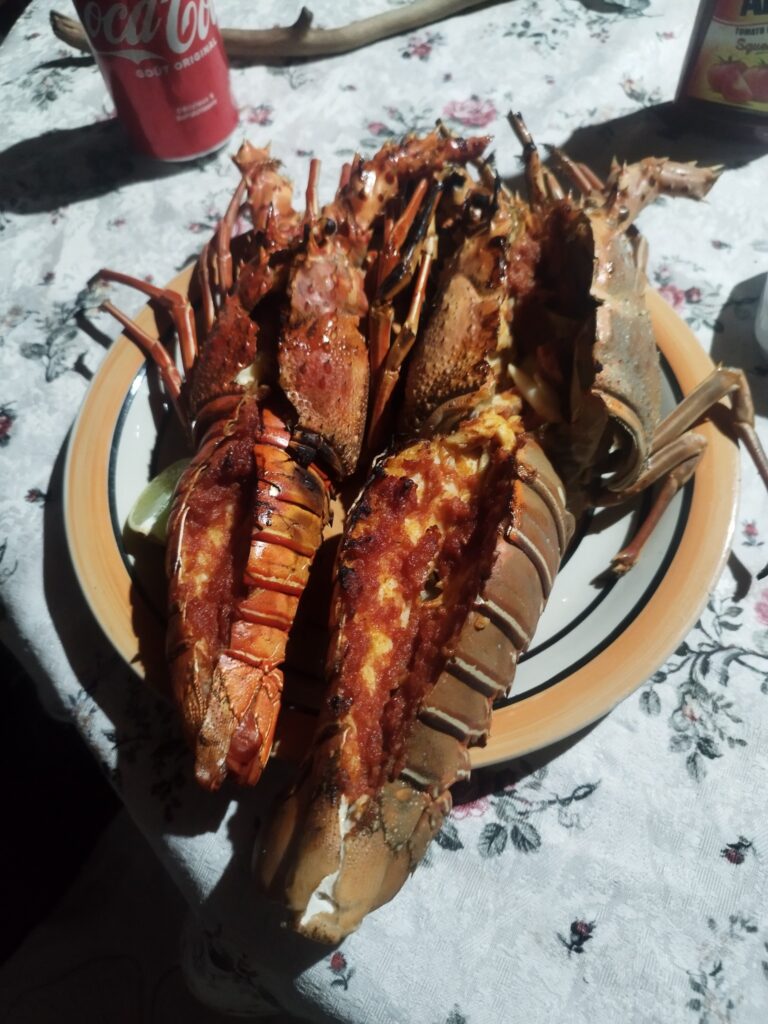
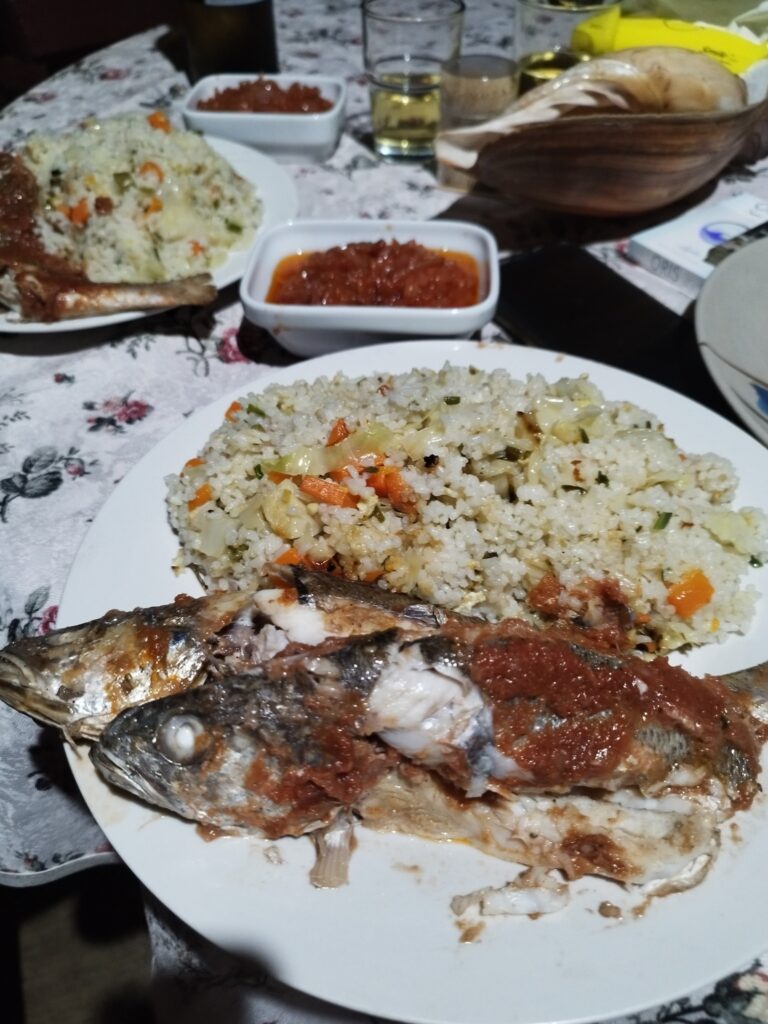
Along the coast, fresh seafood dominates. We had coconut rice and plantains with various grilled fish (one was mackerel, the other unknown), and another guest managed to get two large lobsters at a very reasonable price.
Safety
Although for many people back home the civil war is still what comes to mind when thinking of the country, unlike several other West African nations, Sierra Leone currently has a stable political situation. It is often mentioned as one of the safest countries in the region. In Freetown, like in any crowded big city, you need to be a bit more careful, but the countryside was very calm and safe—for example, we were able to leave our car overnight in the Bureh Beach parking lot without any issues.
Roads and Infrastructure
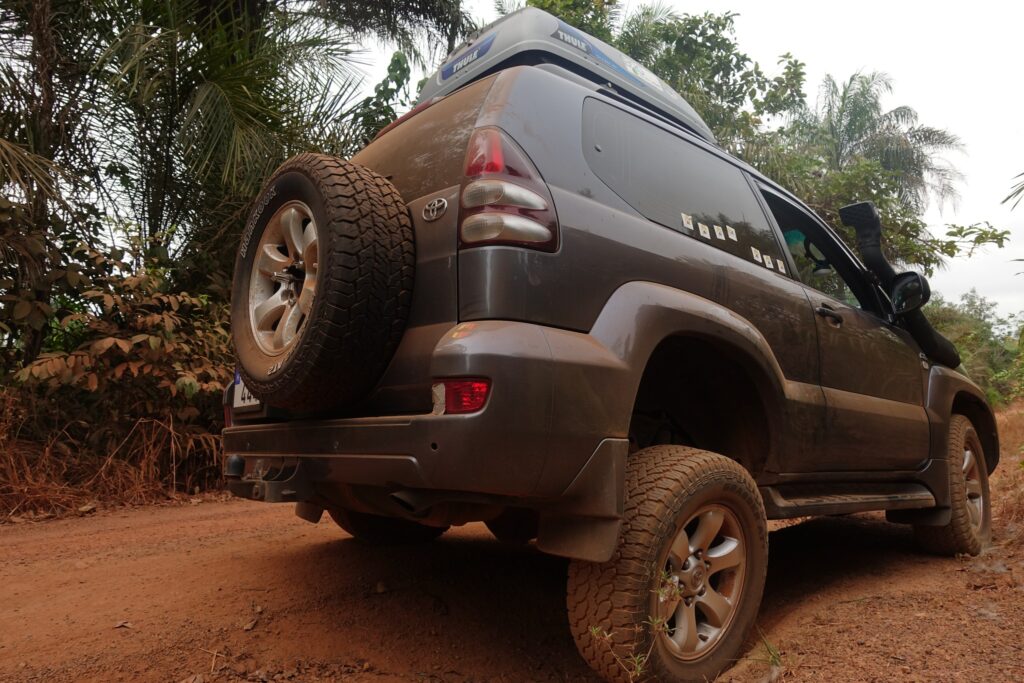
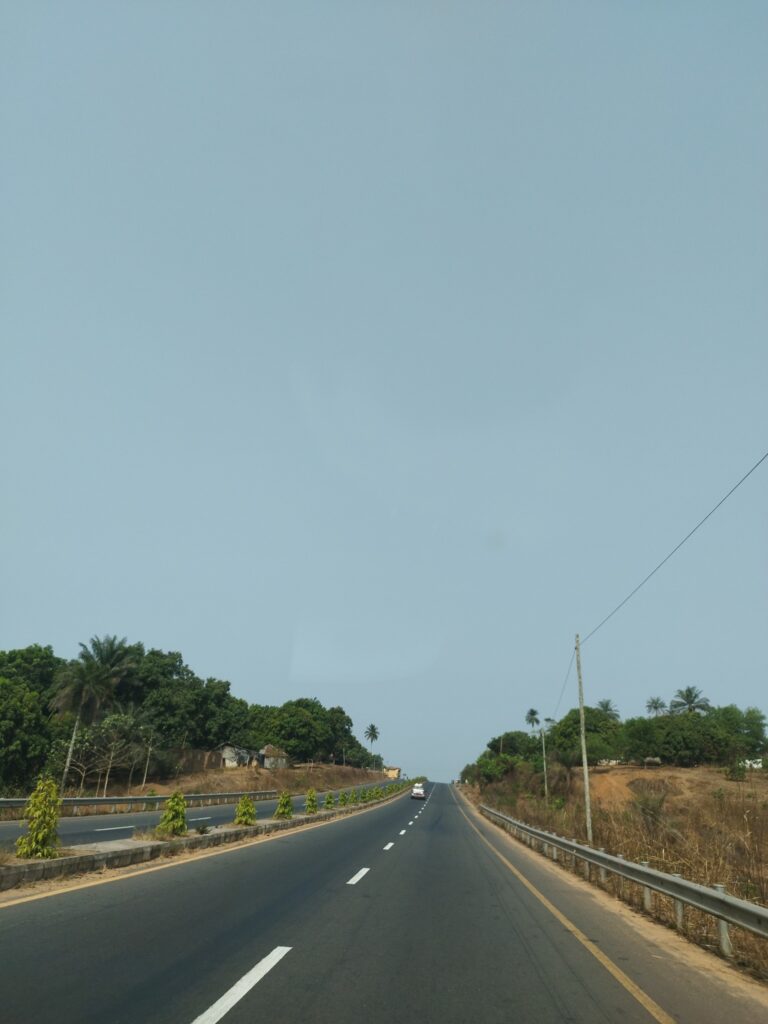
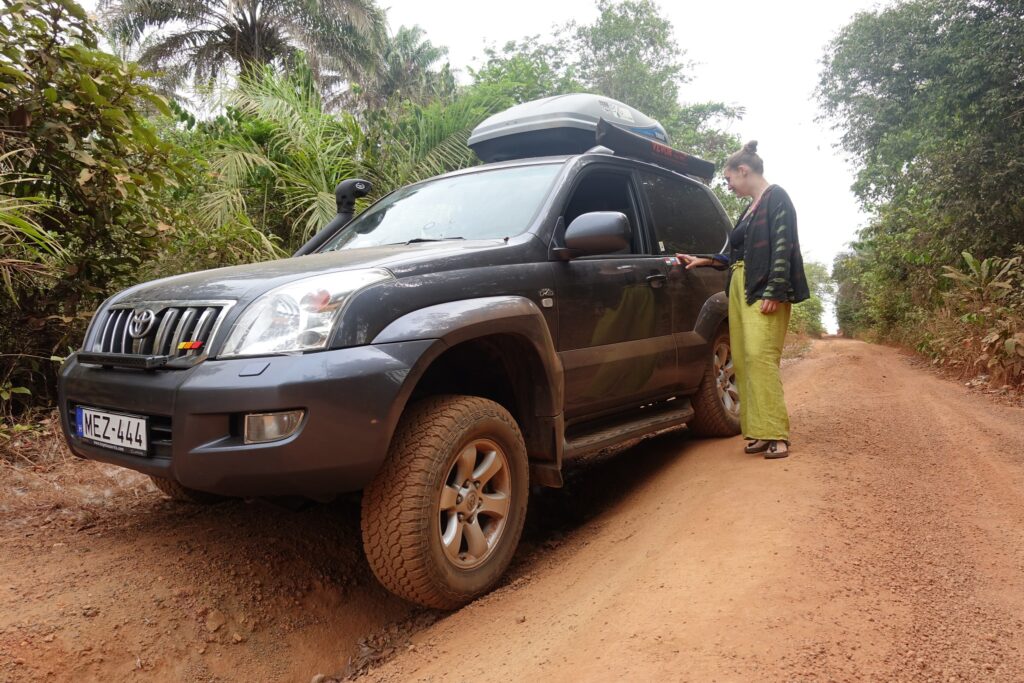
We were very surprised by the quality of the roads compared to Guinea and Guinea-Bissau. Everywhere we traveled, the roads were very new—between Guinea and Freetown there’s a two-lane highway with hardly any traffic, and the route toward Liberia was also well maintained. Heading toward Tiwai Island, however, the roads became unpaved, so anyone planning to go deeper into the country should be aware that many of the smaller roads can be difficult to pass during the rainy season.
Although Sierra Leone has a relatively developed tourism sector, we found everything quite expensive. Accommodation prices—even camping—were high, and there was less street food available near the coast. While the food offered at lodgings was very good, it was often beyond our budget. In Freetown, we managed to eat cheaply only because someone showed us the location of a local eatery. For those going on holiday and not trying to save money, the situation is different—the prices are roughly on par with Hungary or other cheaper European countries, so spending one or two weeks in the country is quite feasible.
Sights and Experiences – Where We’ve been and what’s been left out
Freetown
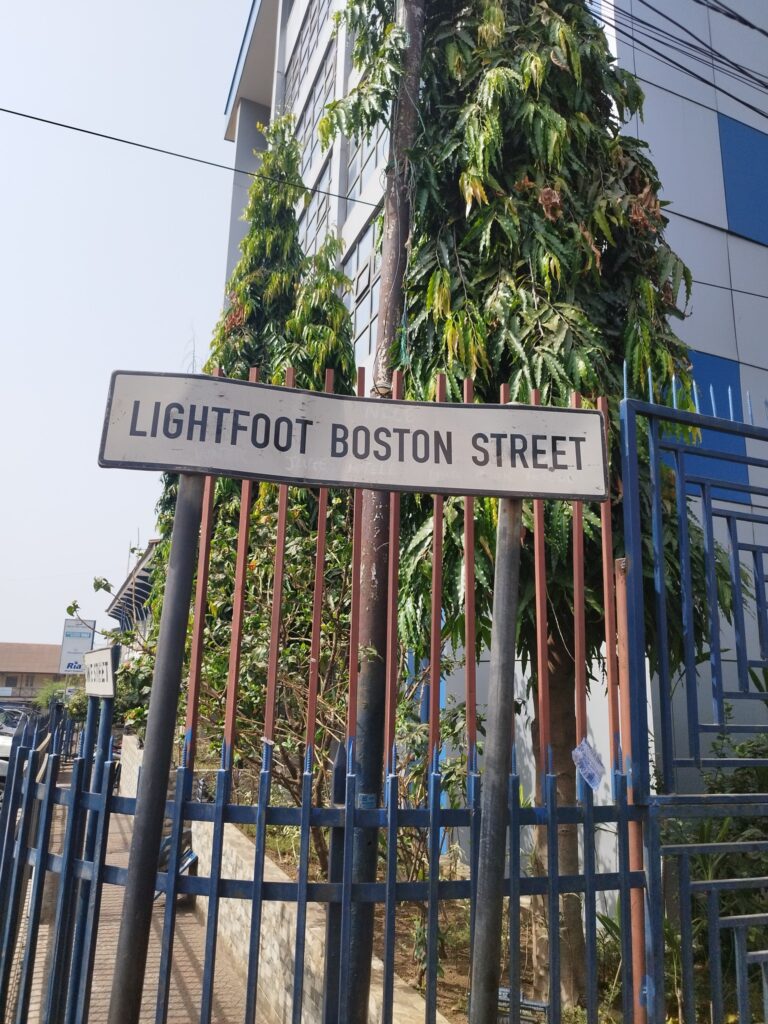
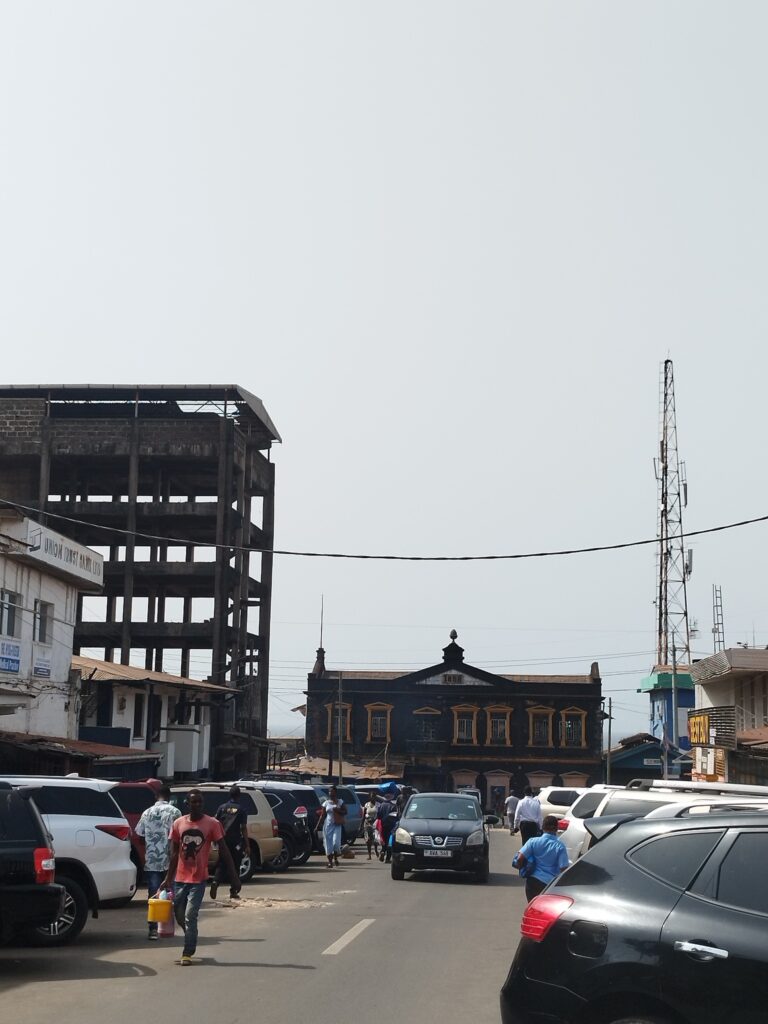
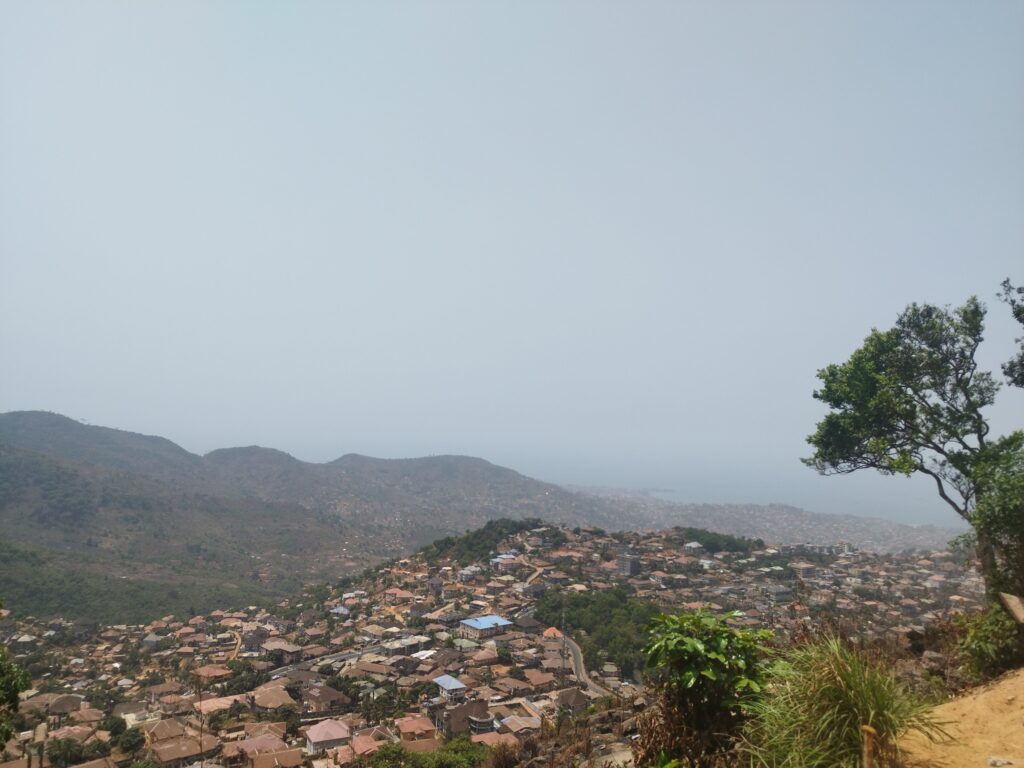
Freetown is the capital of Sierra Leone, with a population of just over 1 million. The city is built on many hills along the ocean, offering truly beautiful views. There was a bit of traffic going inward, but overall it doesn’t feel like a typical big city—you can leisurely drive around the hills and viewpoints, though you have to be careful, as Google Maps often tries to route you over steep dirt tracks as a shortcut.
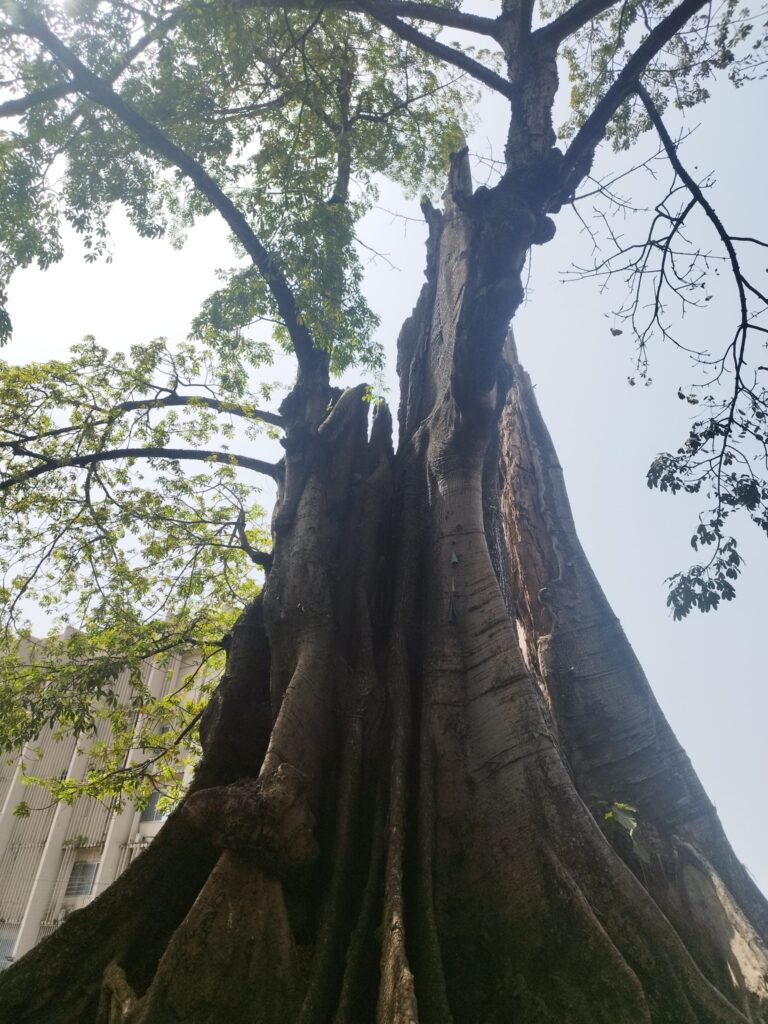
In Freetown, we walked around the city center and visited the Cotton Tree, one of the city’s most famous landmarks. According to tradition, freed slaves gathered under it in 1792 when they founded the city. It’s not in the best condition anymore, but it still stands. Leicester Peak is the most famous viewpoint; unfortunately, we were unlucky, as a new viewing platform was under construction and closed, but the guards let us sneak in quickly for a photo.
River Number 4 Beach
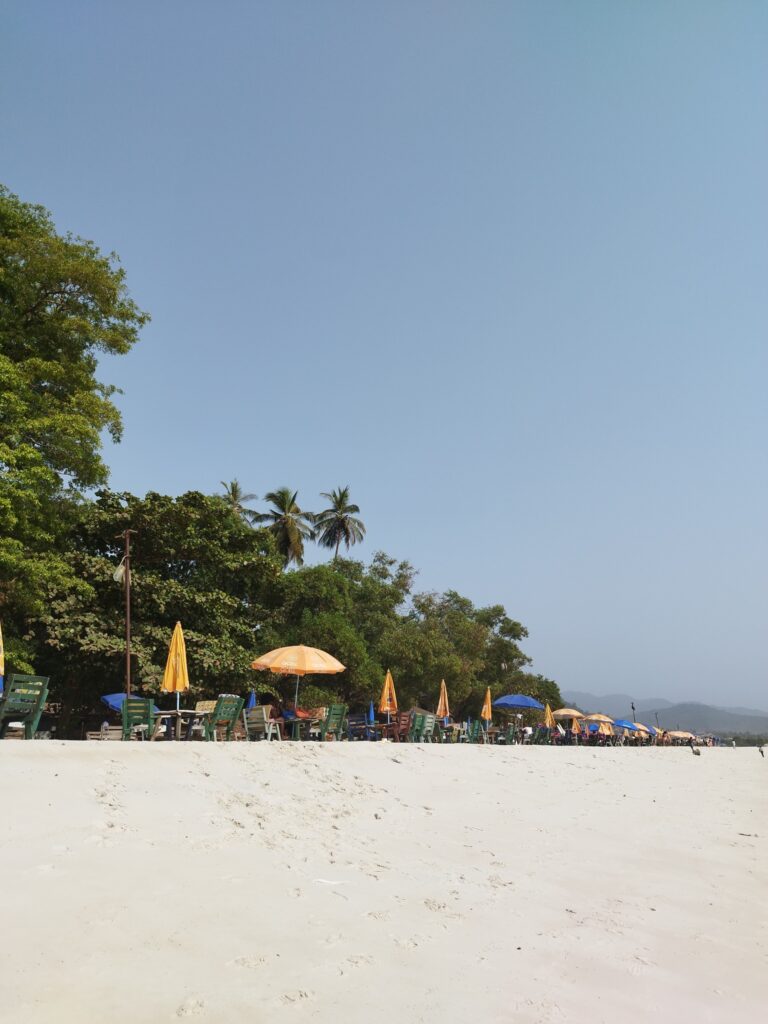
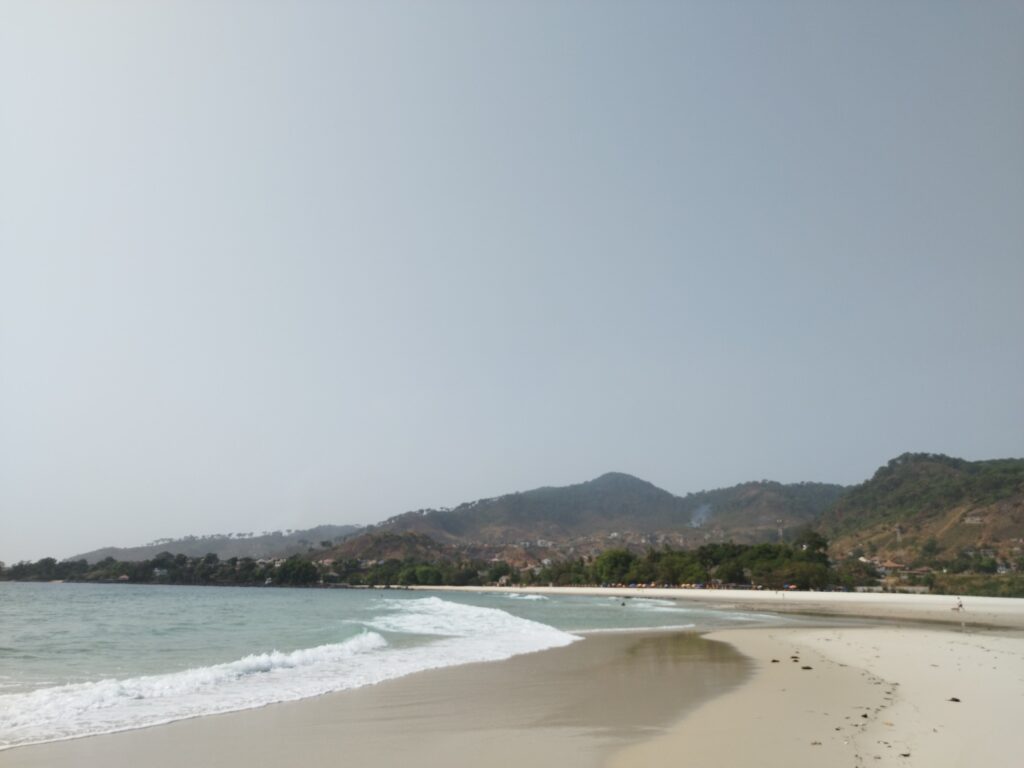
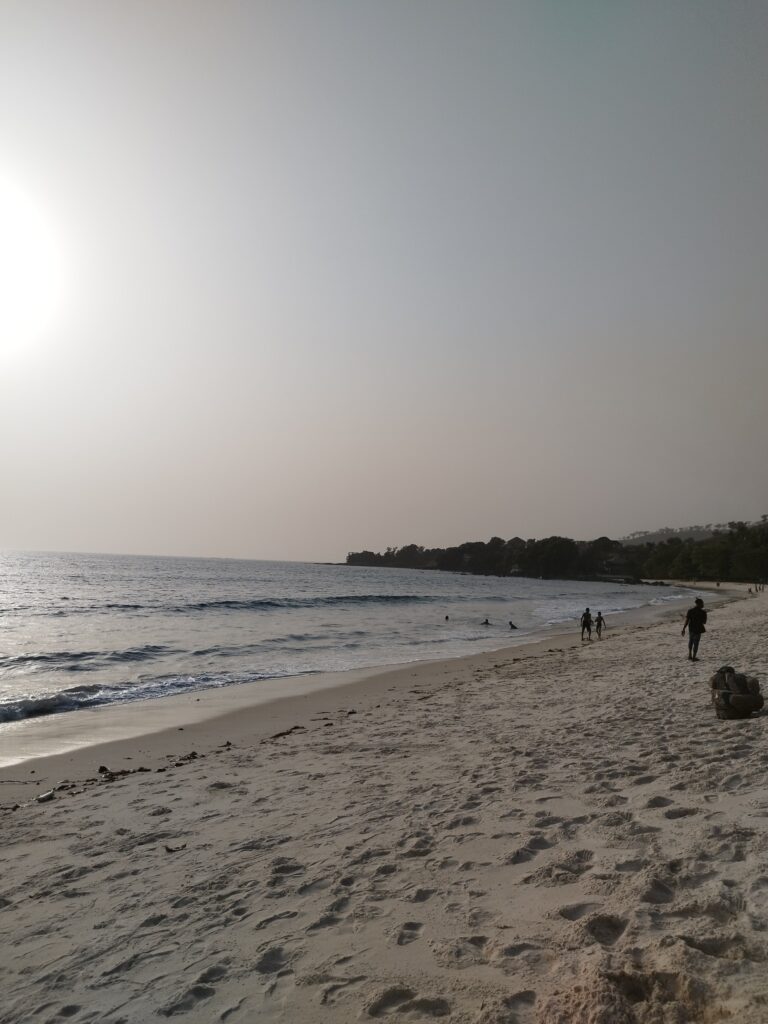
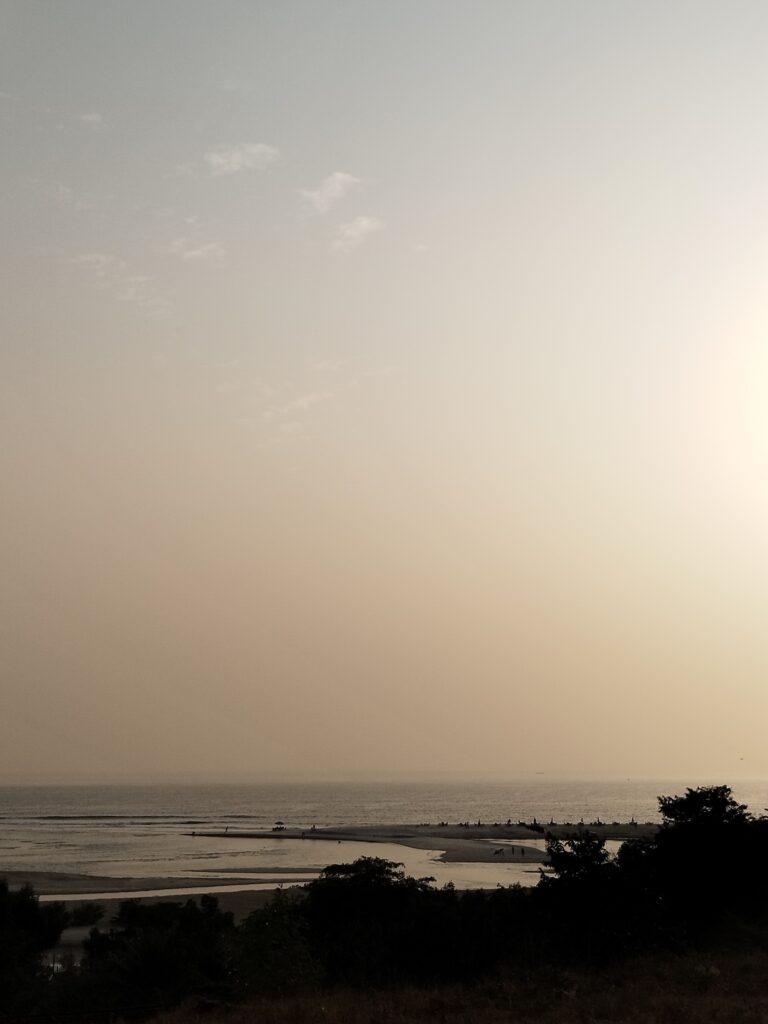
There are countless beaches on the Freetown Peninsula, and this one is perhaps the most famous because a river flows into the sea here. I have a friend from Sierra Leone who told us that people do almost everything by the beach—during holidays, they cook at home and then head down to the shore together to eat, drink, and dance. We saw the same thing at the beach: many people came down, mostly from Freetown, and held huge picnics. It was really enjoyable to watch the cheerful crowds along the shore.
Bureh Beach
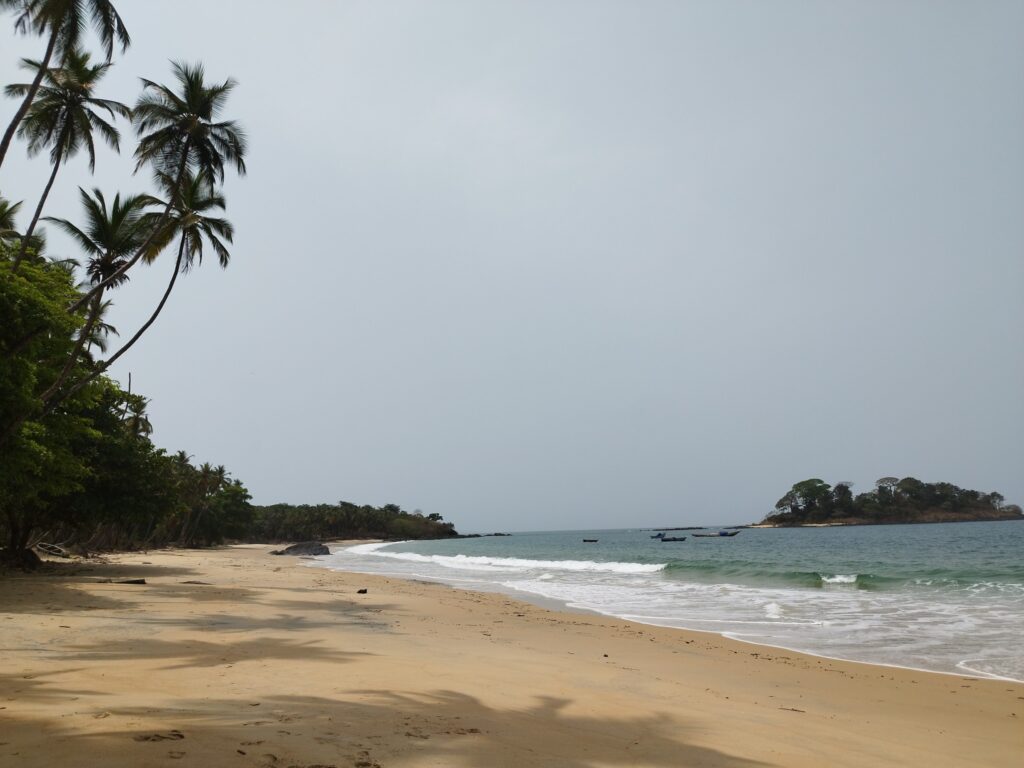
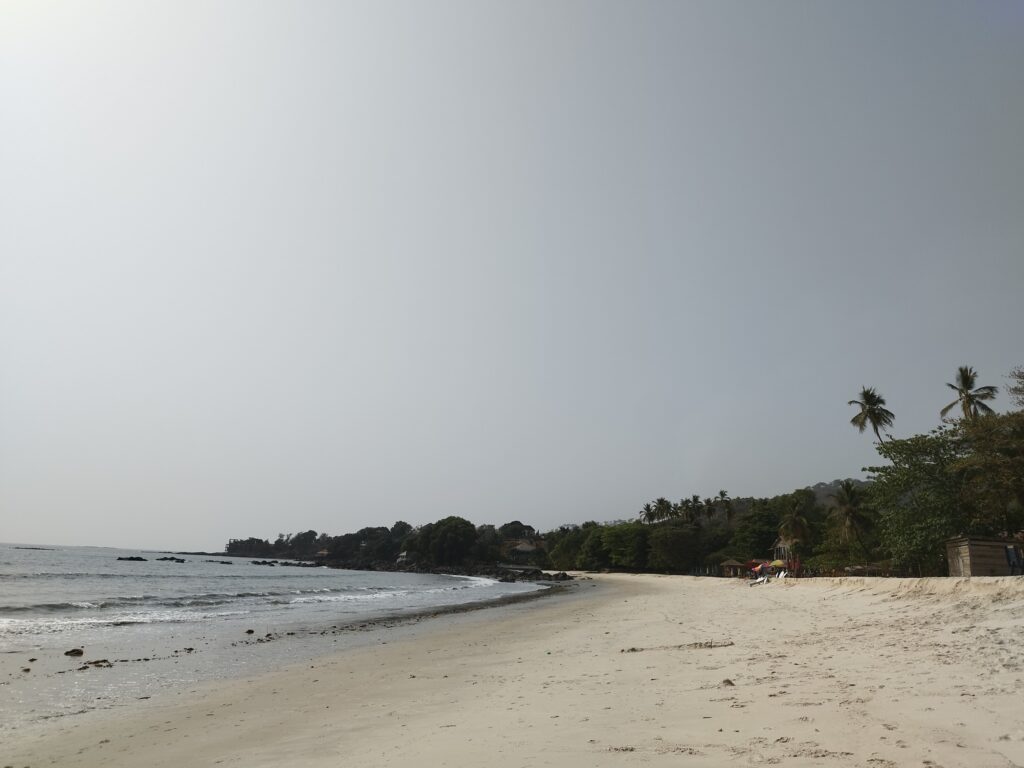
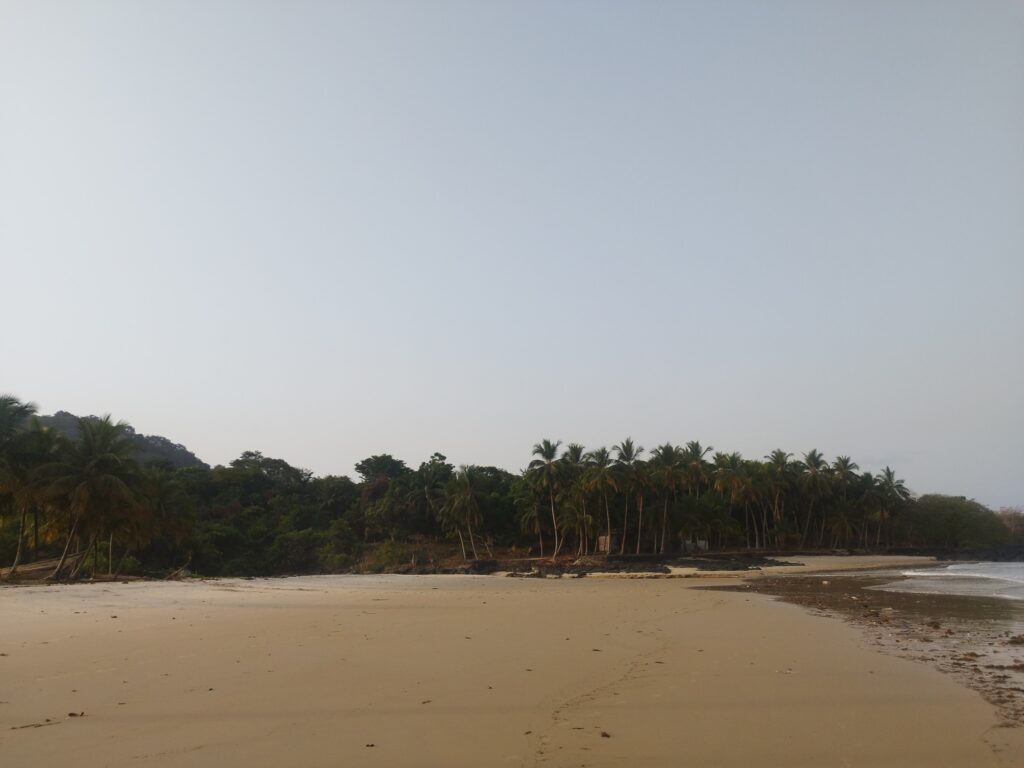
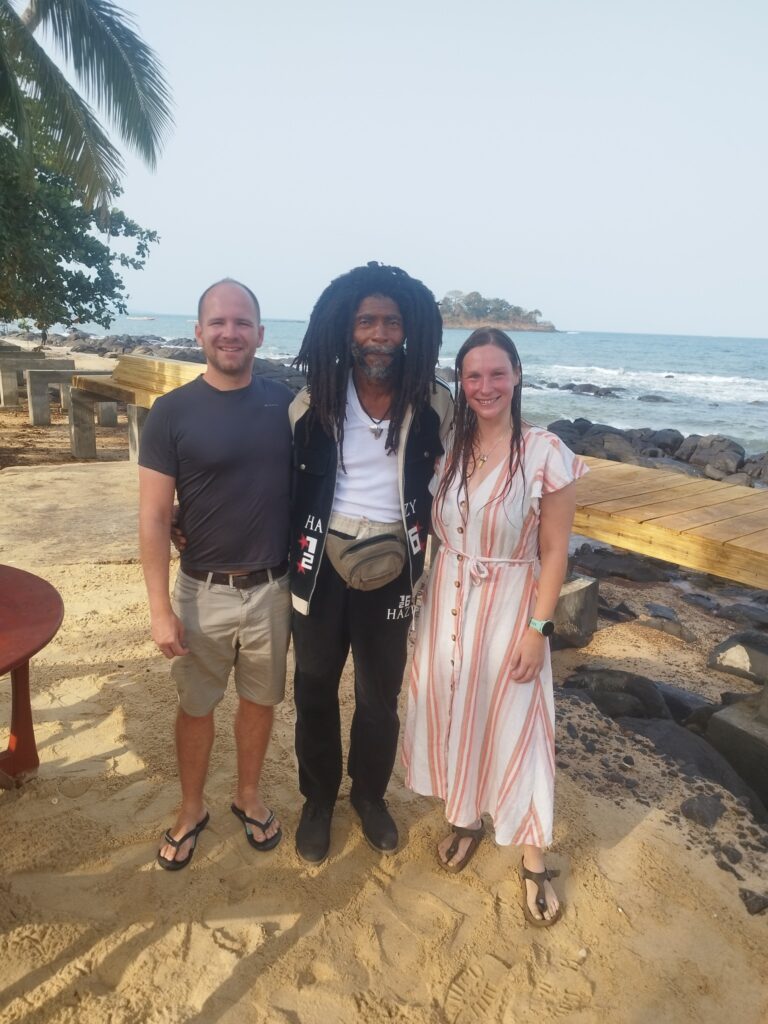
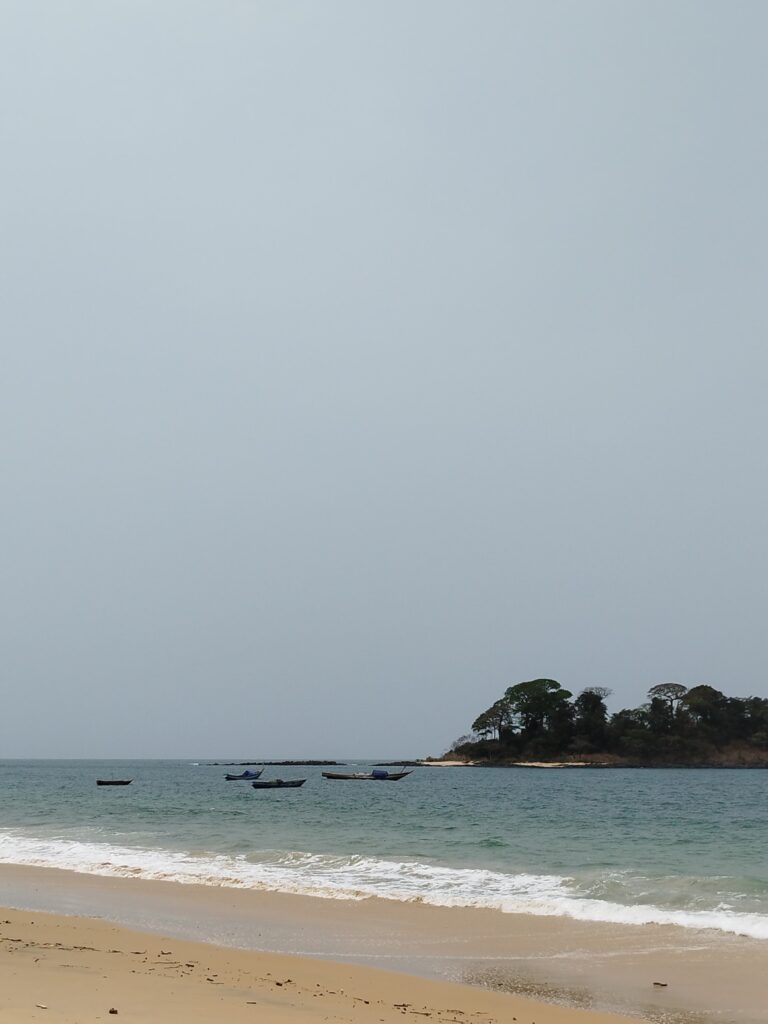
Bureh is a small village with many beachfront bungalows. The beach is beautiful, and it attracts more European tourists because it’s quieter and more peaceful, offering a glimpse into the life of the locals. The infrastructure is also well developed here, with small bars and restaurants where travelers can enjoy freshly grilled fish or even lobster. We stayed in a nice little bungalow owned by a Hungarian, thanks to our connections.
Freetown Peninsula
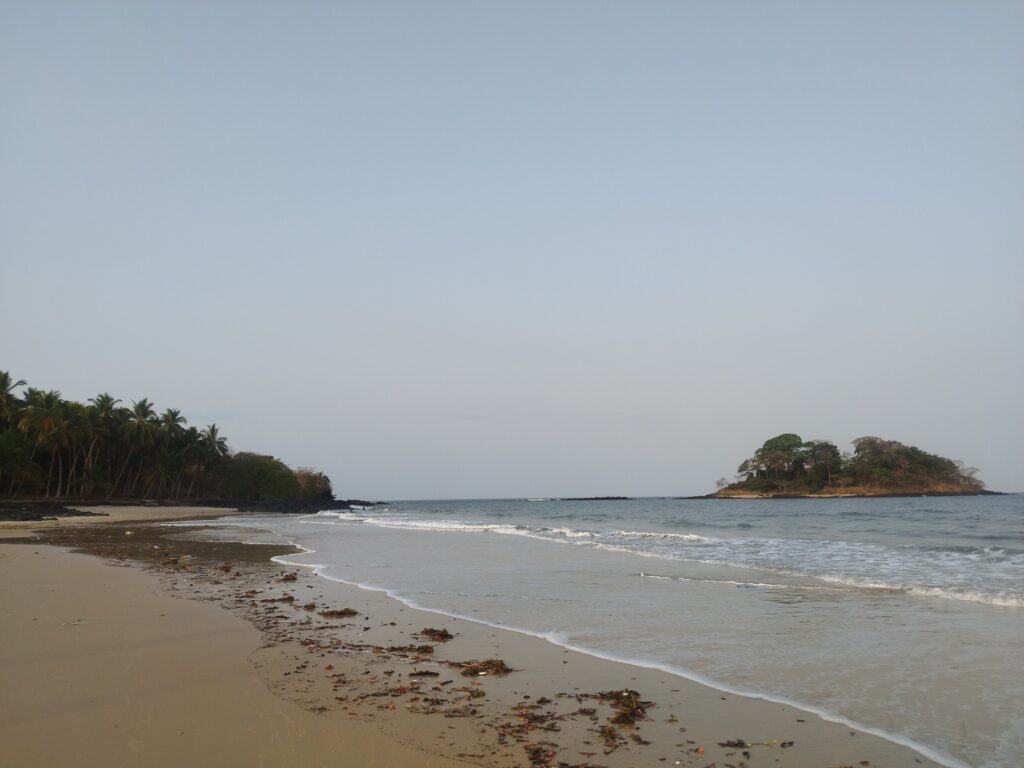
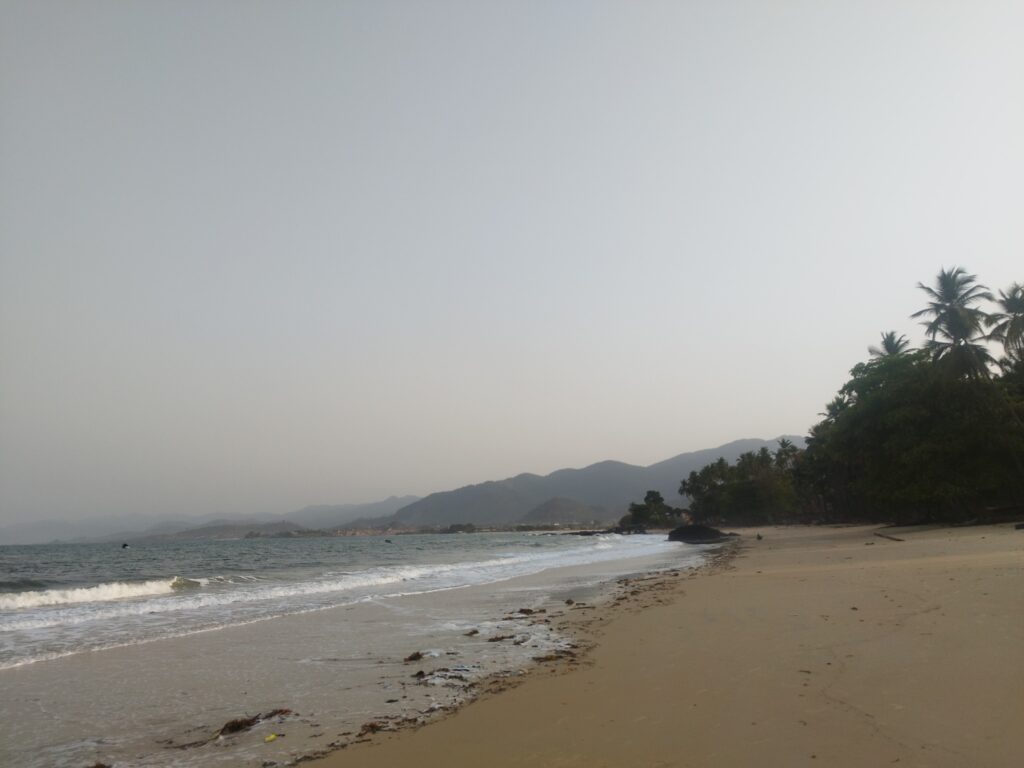
Besides Bureh and River Number 4, there are many other beaches—the entire Freetown Peninsula can be explored by car. Tokeh Beach and Banana Island are also great options to visit.
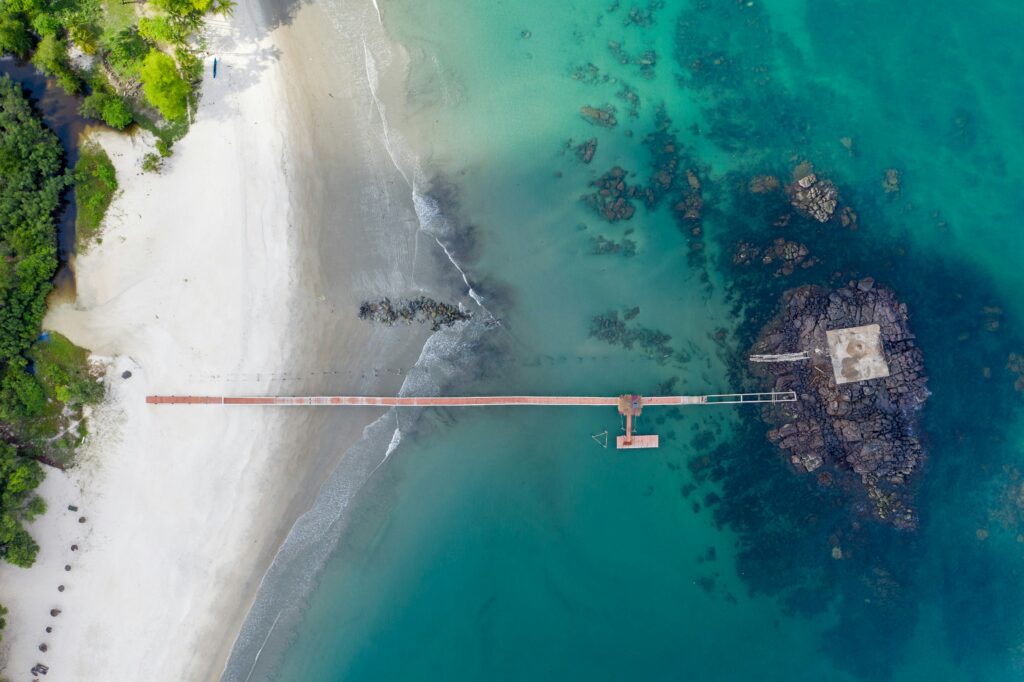
Photo by radwan skeiky on Unsplash
Tiwai National Park
The Tiwai Island Wildlife Sanctuary is located in southeastern Sierra Leone along the Moa River and is one of the country’s most valuable rainforest habitats. Despite its relatively small size, it is extremely rich in wildlife: more than ten species of primates live here, including chimpanzees and Diana monkeys, along with numerous rare birds and butterflies. What makes the park special is that conservation is closely linked to community participation in the surrounding villages, making Tiwai both a biological refuge and a model for sustainable livelihoods.
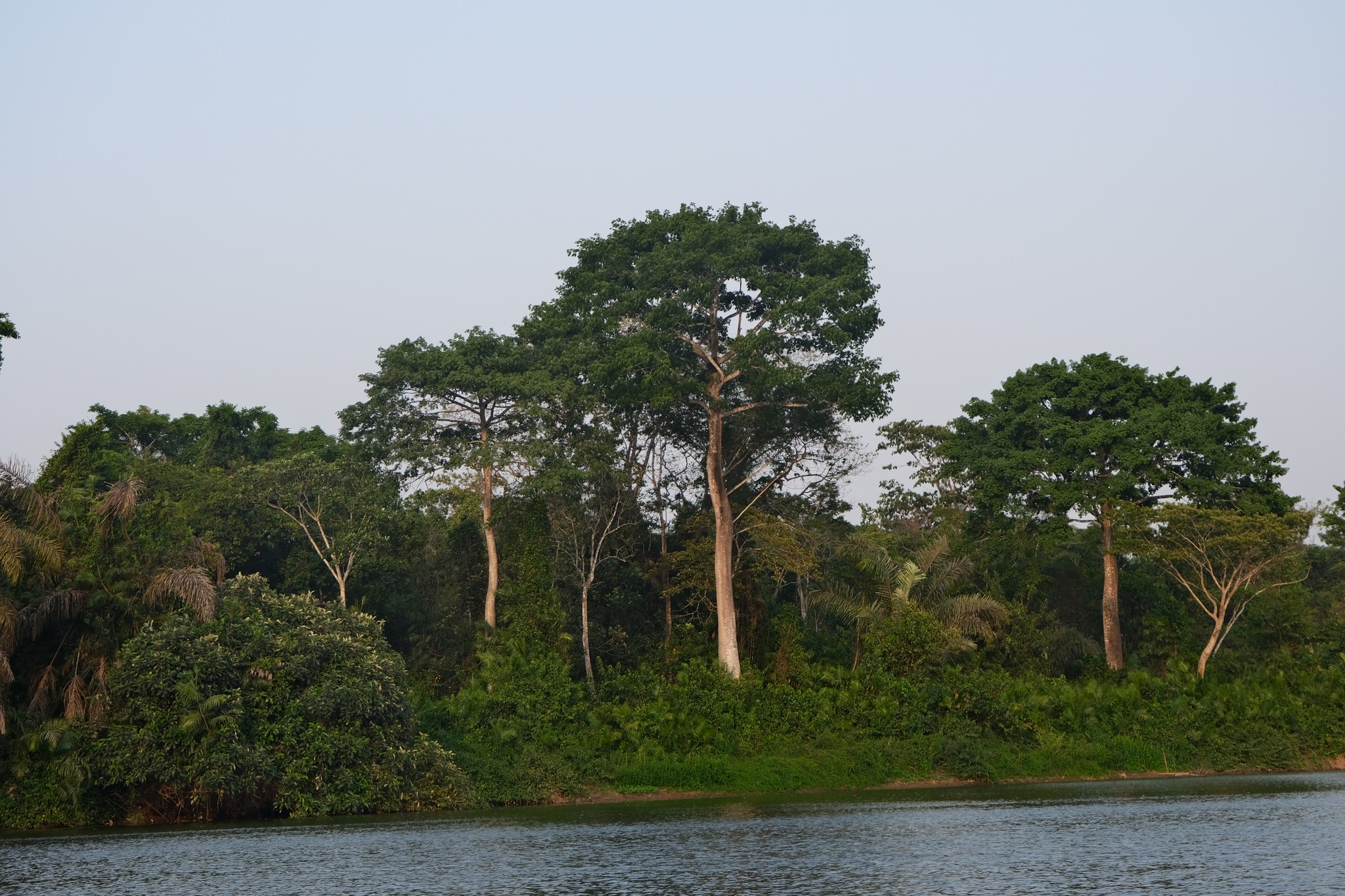
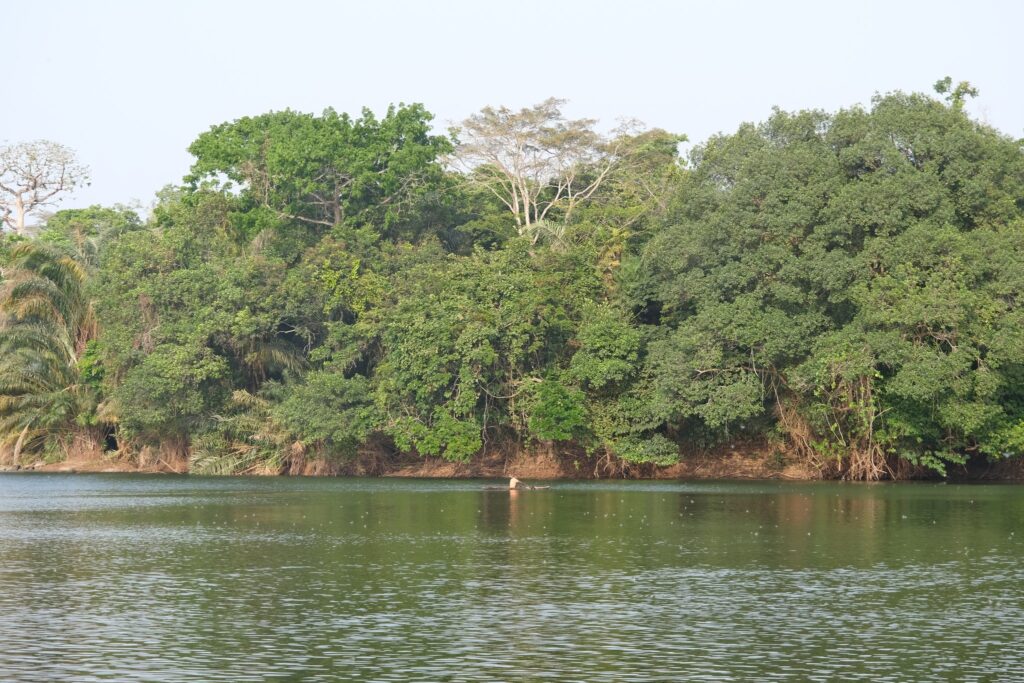
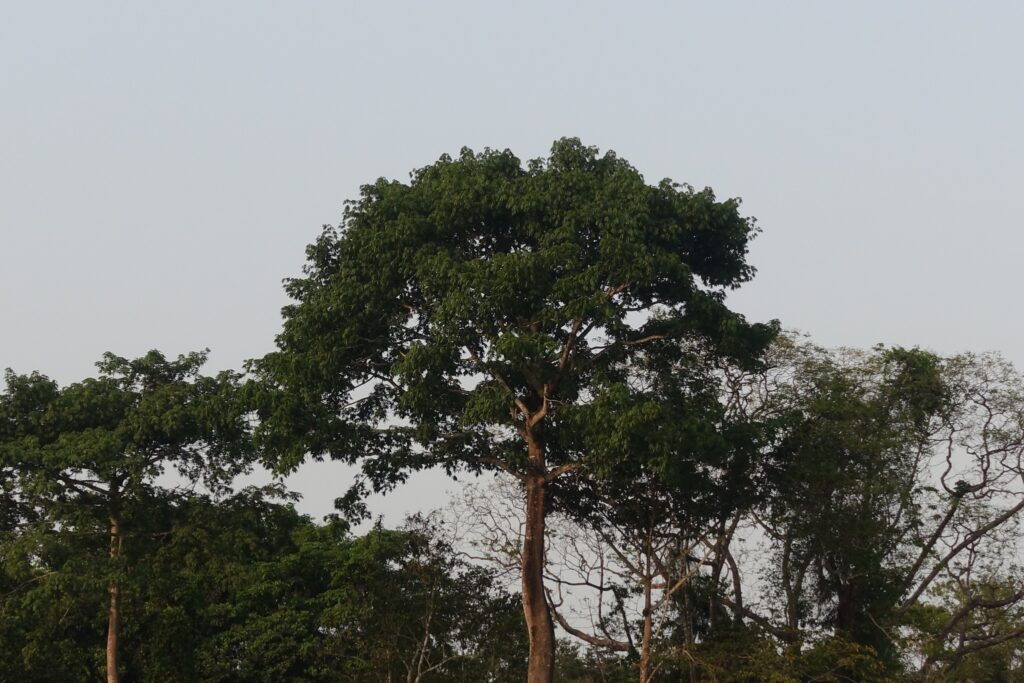
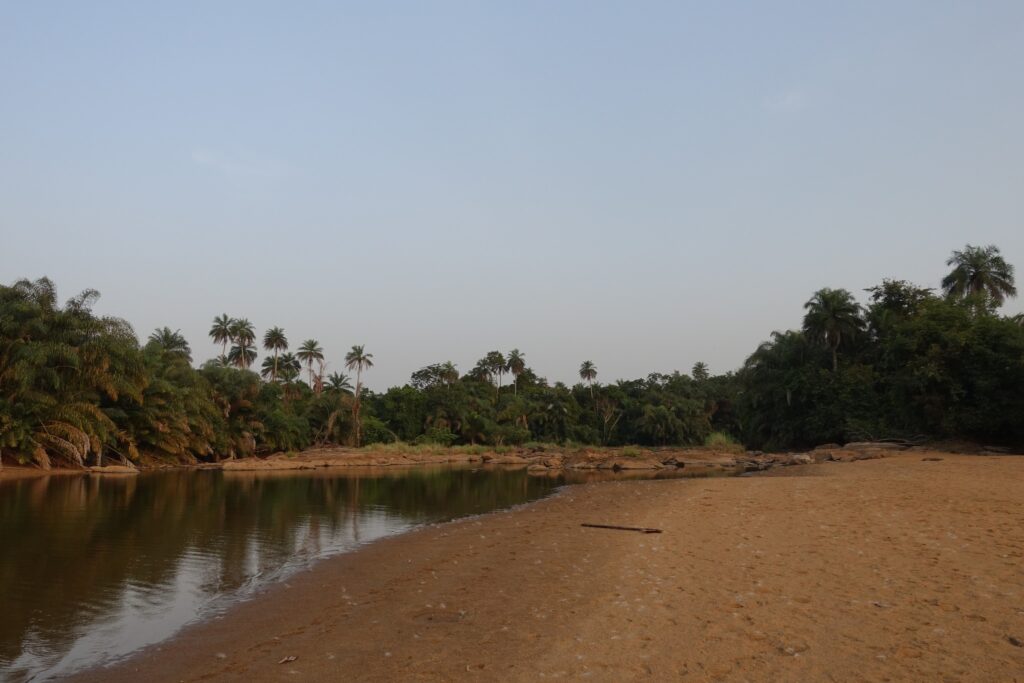
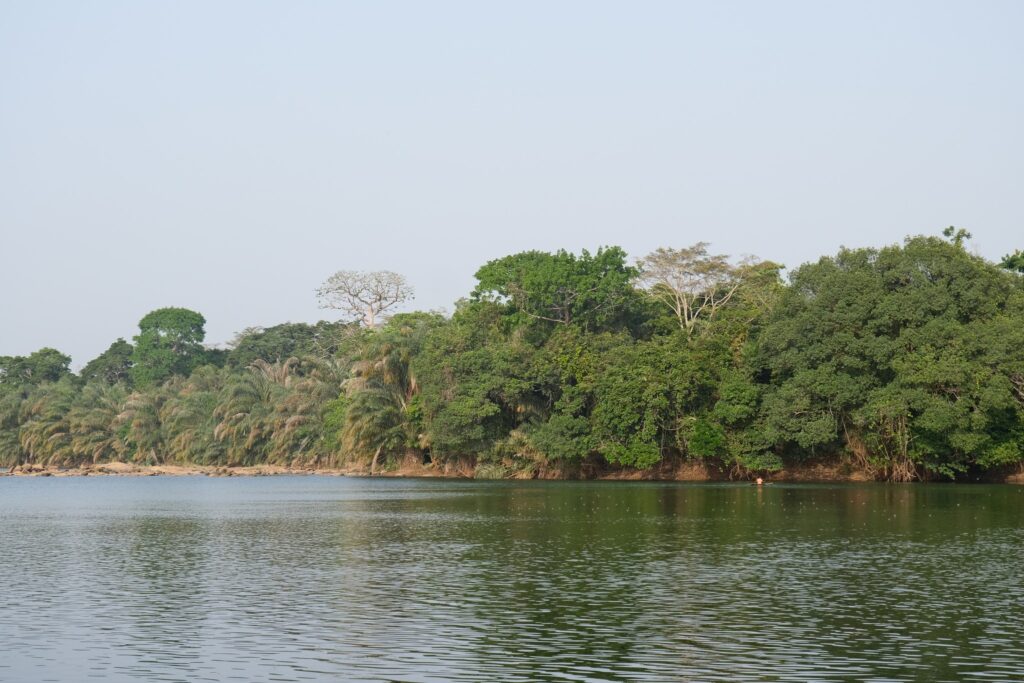
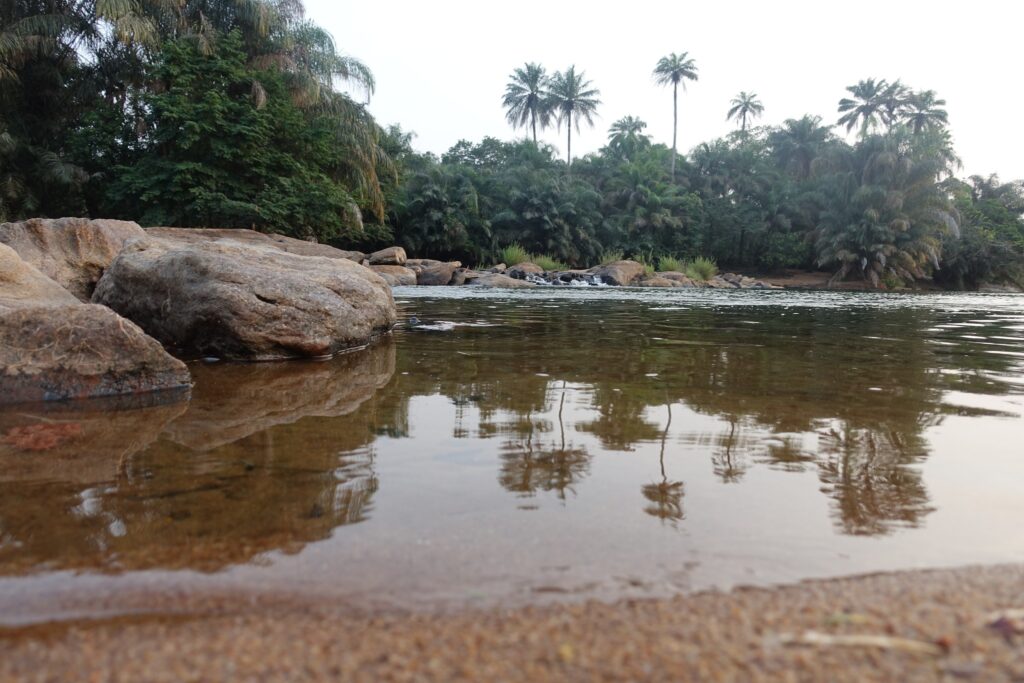
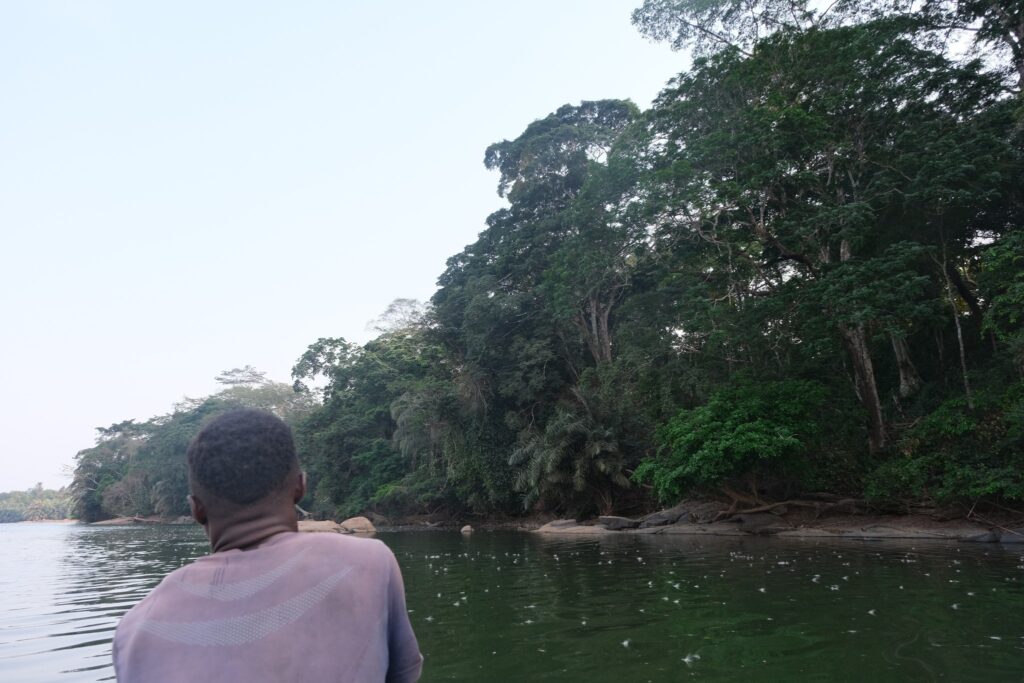
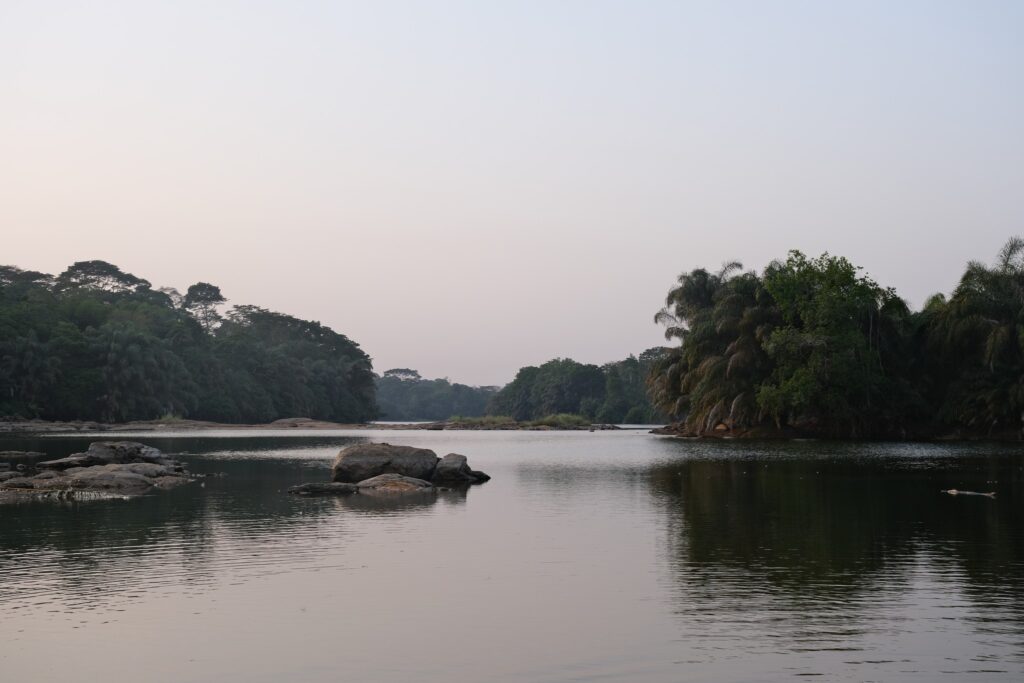
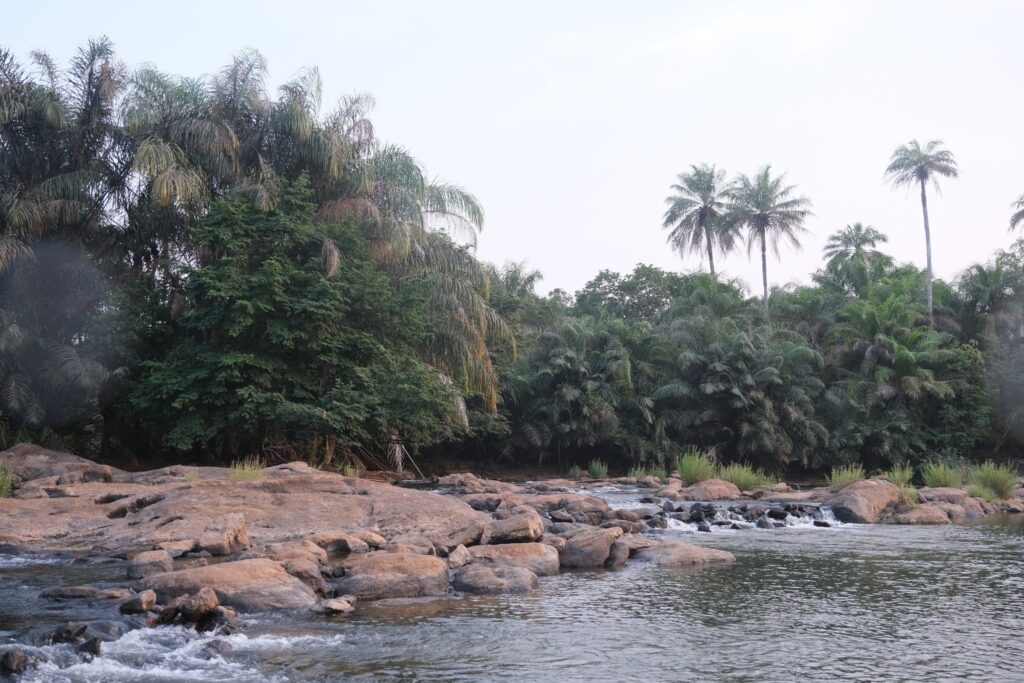
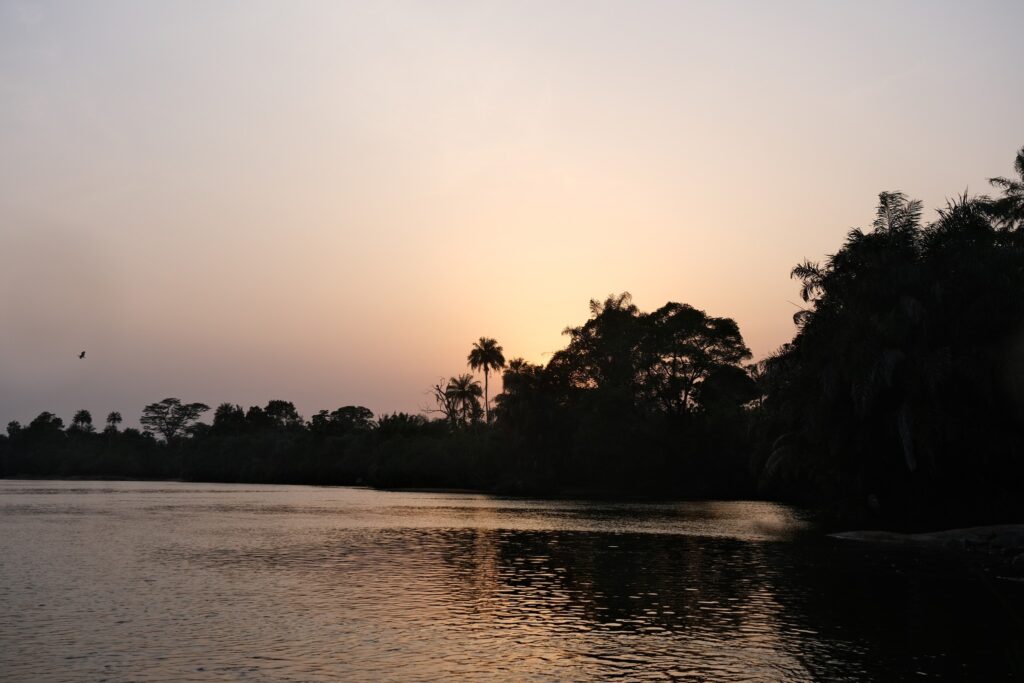
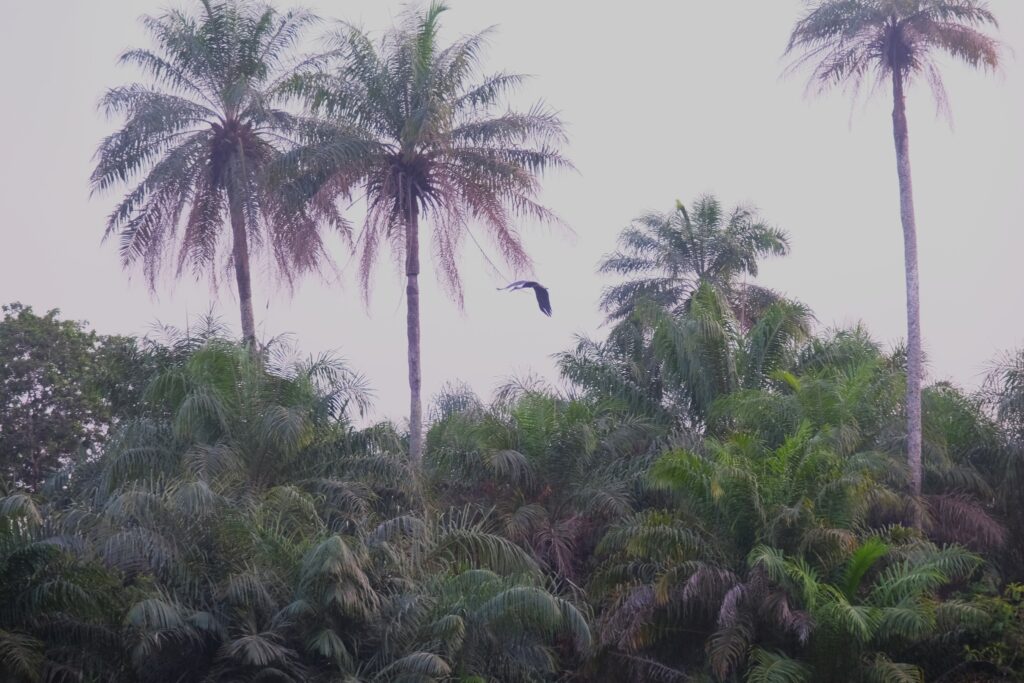
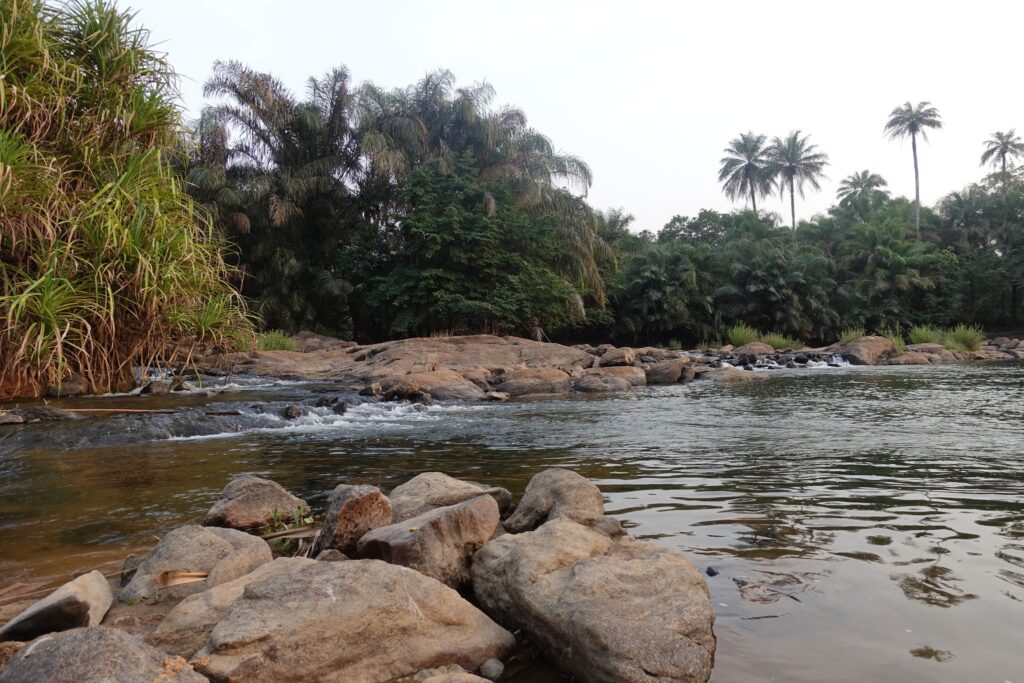
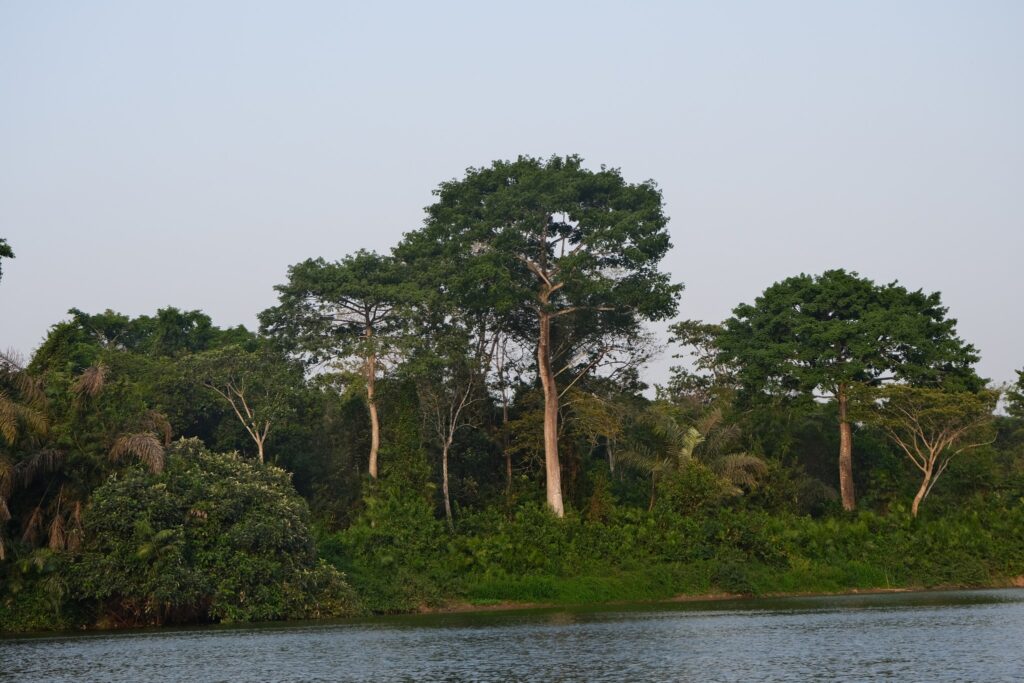
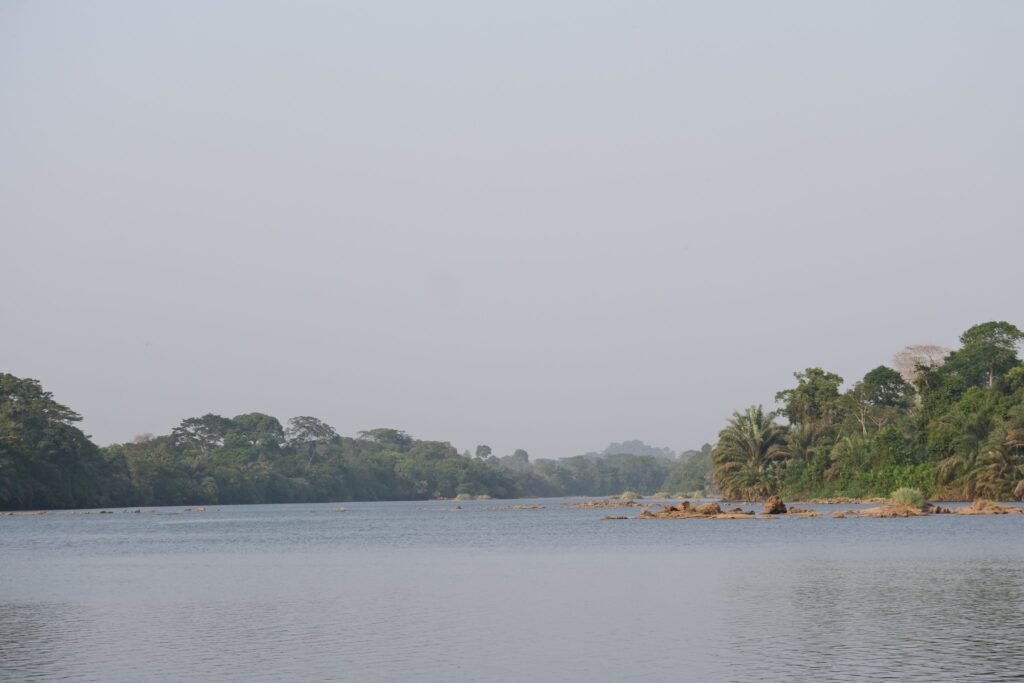
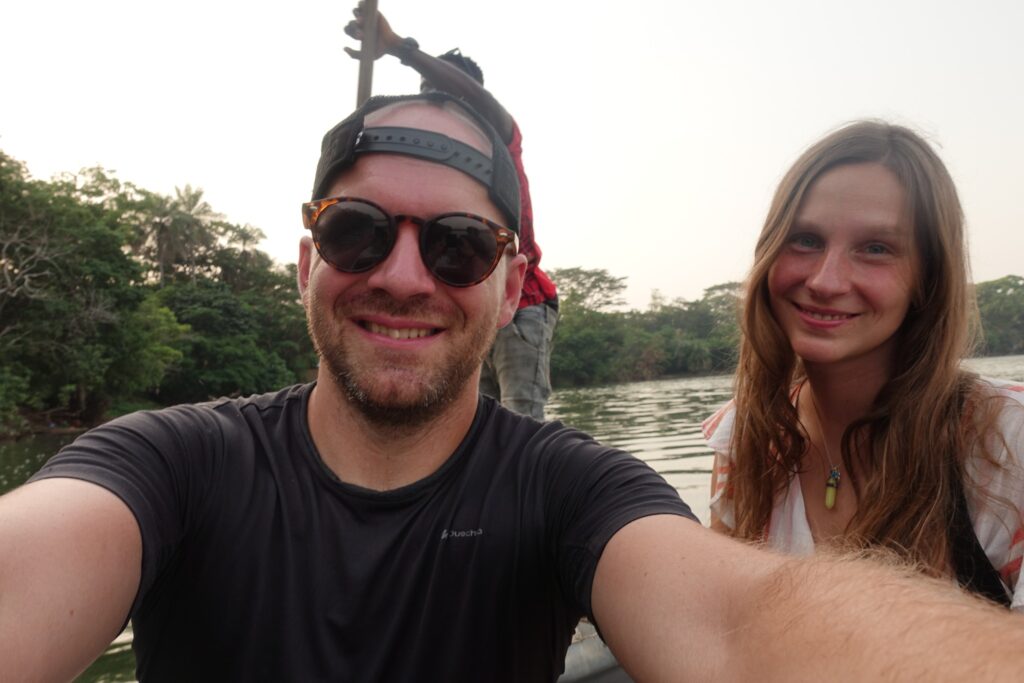
Due to time constraints, we didn’t go onto the island itself. Instead, we stayed in Ghiuba along the riverbank, where the locals had set up a campsite, cooked for us, and organized a boat trip. In the end, we didn’t see any monkeys (it’s better to go in the morning for that), but the scenery was stunning.
Bintumani National Park
Mount Bintumani is the highest mountain in Sierra Leone, standing at 1,905 meters. Local guides can be hired to help with the climb (we recommend checking the iOverlander app for options). The rainforest around the mountain is home to chimpanzees, elephants, pygmy hippos, and a variety of monkeys and birds. We didn’t get a chance to visit this site on this trip, but it’s definitely on our list for the next time we’re in the country.
Gola National Park
Gola National Park is located in southeastern Sierra Leone and protects the country’s largest contiguous rainforest, one of the last untouched remnants of the Upper Guinean forests of West Africa. The park is particularly rich in biodiversity, serving as a habitat for rare bird species, chimpanzees, forest elephants, and other endangered animals, while conservation efforts are organized on a community-based model. We didn’t visit this park either, but based on feedback, it is well managed, not too expensive, and a very beautiful national park.
Tacugama Chimpanzee Sanctuary
Near Freetown, chimpanzees can be seen at the Tacugama Chimpanzee Sanctuary, located in the forested hills of the peninsula. It is Sierra Leone’s most important primate conservation center. The sanctuary cares for chimpanzees rescued from illegal trade and poaching, while its educational programs and forest protection work actively contribute to wildlife conservation.
Outamba–Kilimi National Park
Outamba–Kilimi National Park is located in northern Sierra Leone along the Kilimi and Little Scarcies rivers, encompassing one of the country’s most diverse habitats, with a mix of savannas, gallery forests, and riverine swamps. The park is home to elephants, chimpanzees, hippos, and a rich variety of birds, and canoe trips can be taken on the rivers. Its remote location means it is less visited, offering a particularly authentic nature experience.
Useful site for the sights of Sierra Leone: https://tourismsierraleone.com/
Our Most Memorable Stories
Unfortunately, we only spent a short time in the country, but even in that brief period we could feel how kind and open the people are. On our first day, we stopped at a small shop for coffee and an omelette sandwich, and we became so friendly with the owner and his family that we stopped there again on the way back—and we still keep in touch. That evening, we camped and ended up talking almost until midnight with one of the staff about his life (and ours) and his plans for the future. At Bureh Beach, Bongay and the whole village welcomed us warmly; we only spent two days there, but met so many people …whose names we even learned by the end. Although we found the country a bit challenging in terms of prices, we feel we would gladly return to explore and get to know it more deeply.