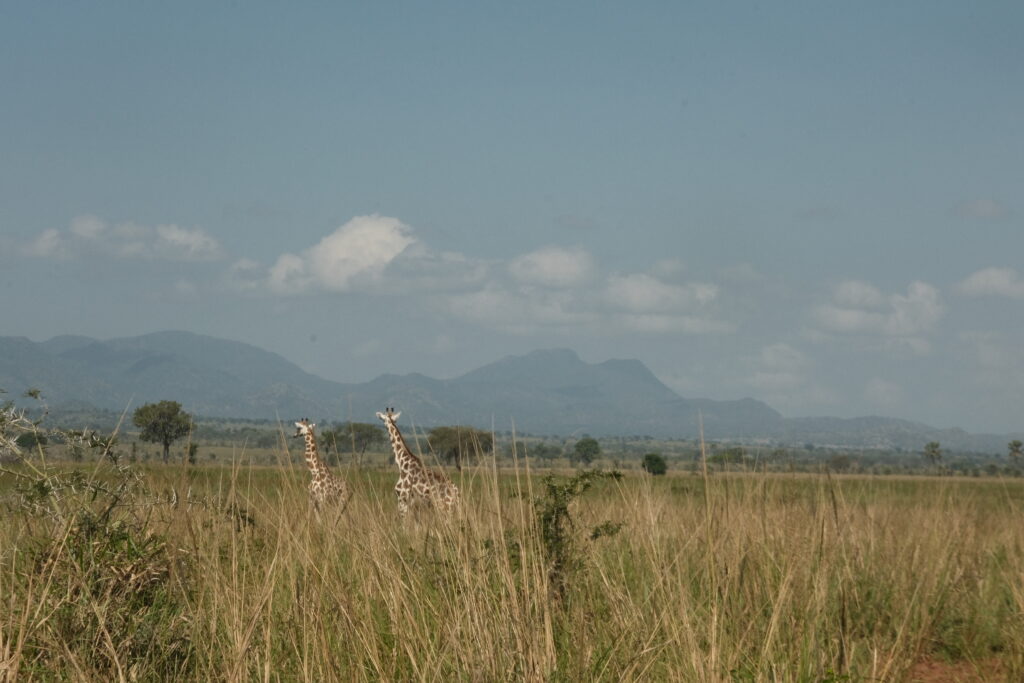
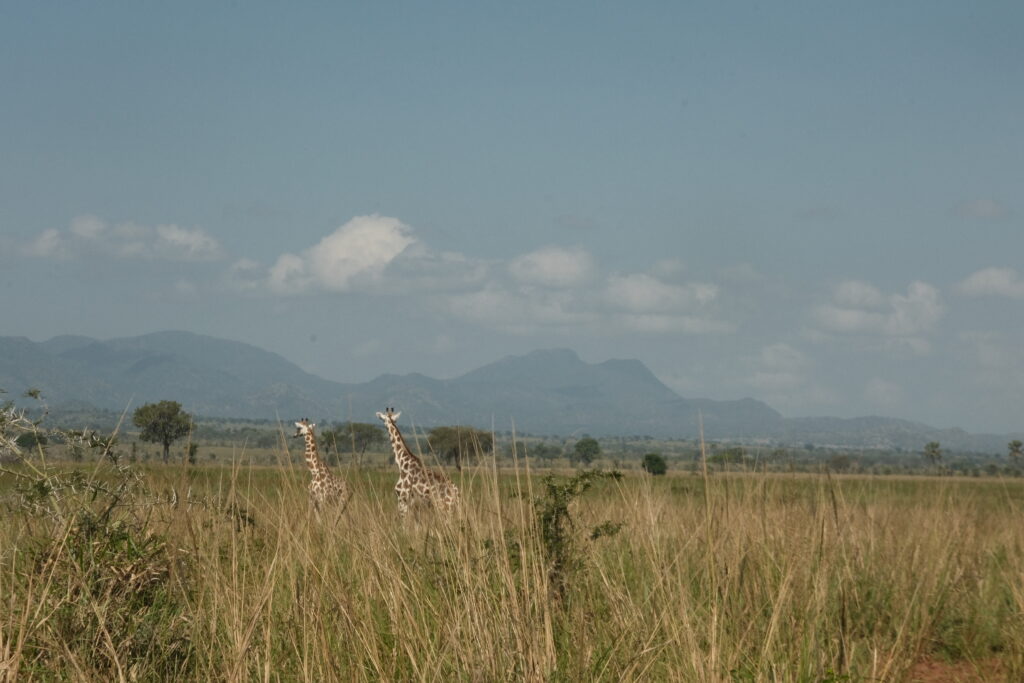
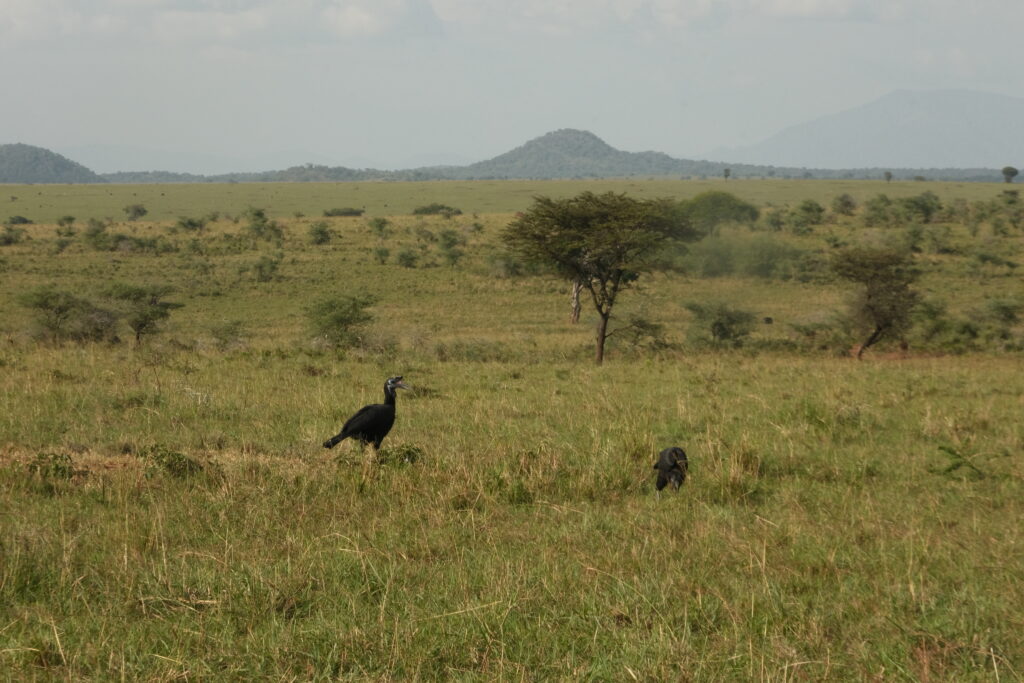
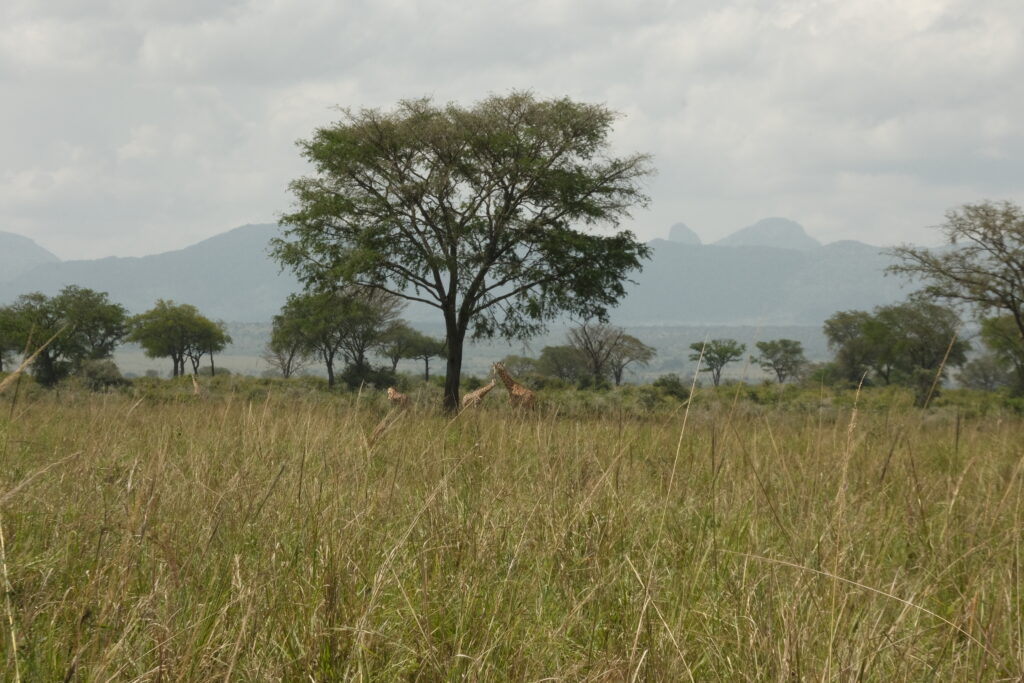
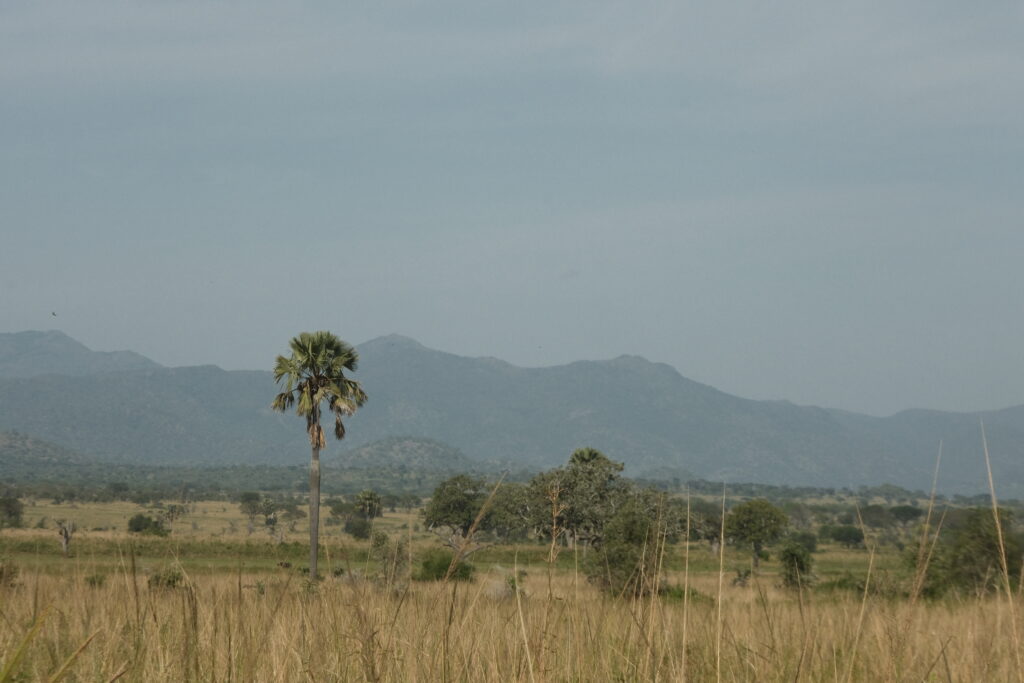
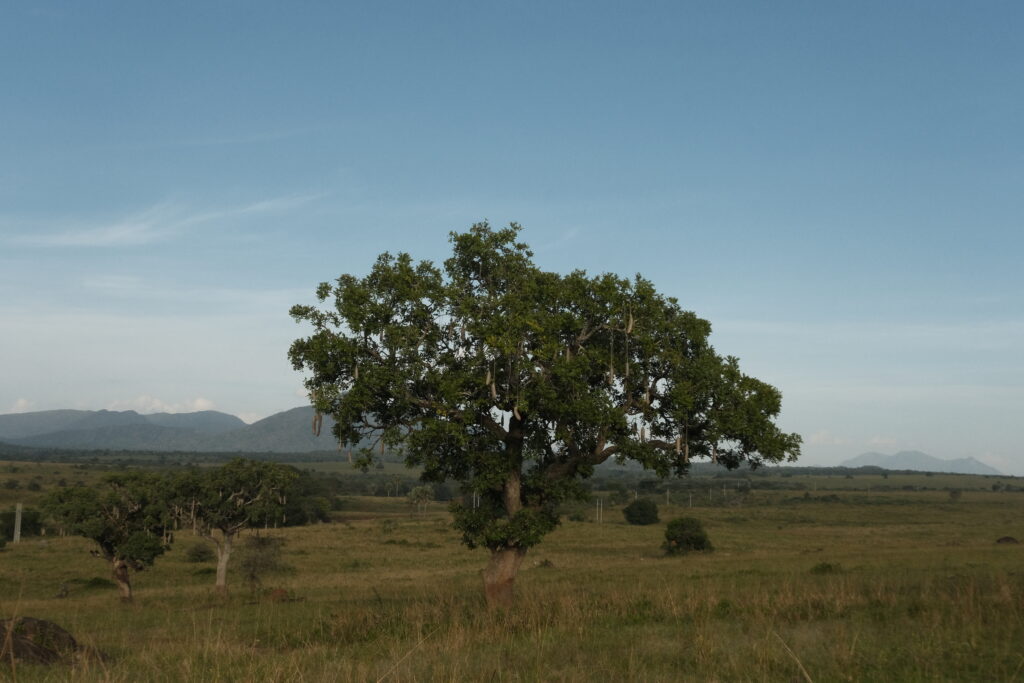
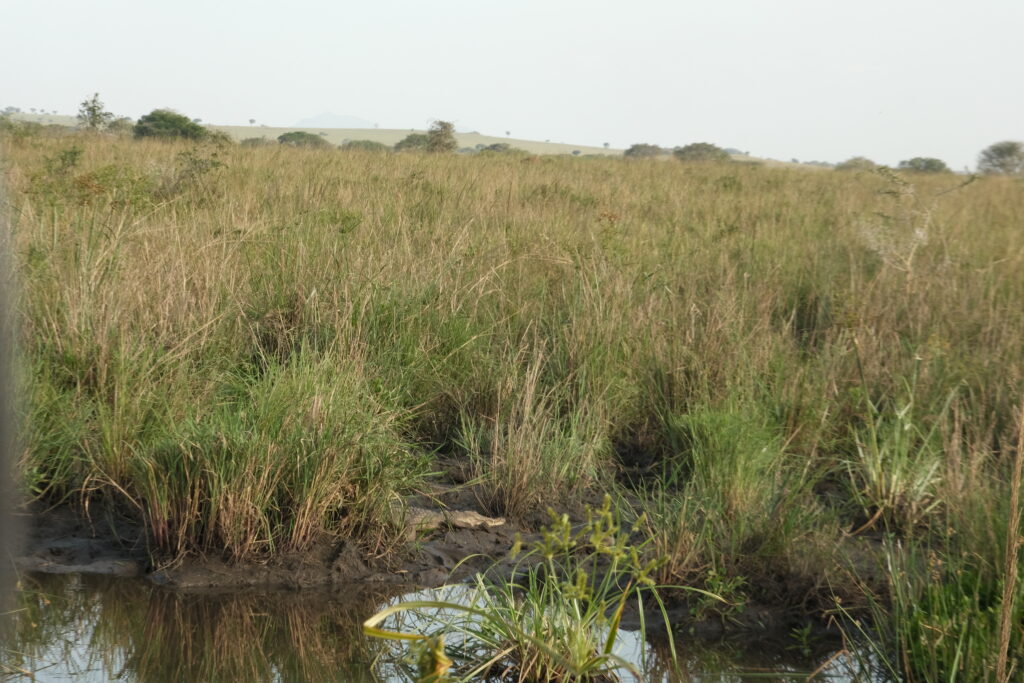
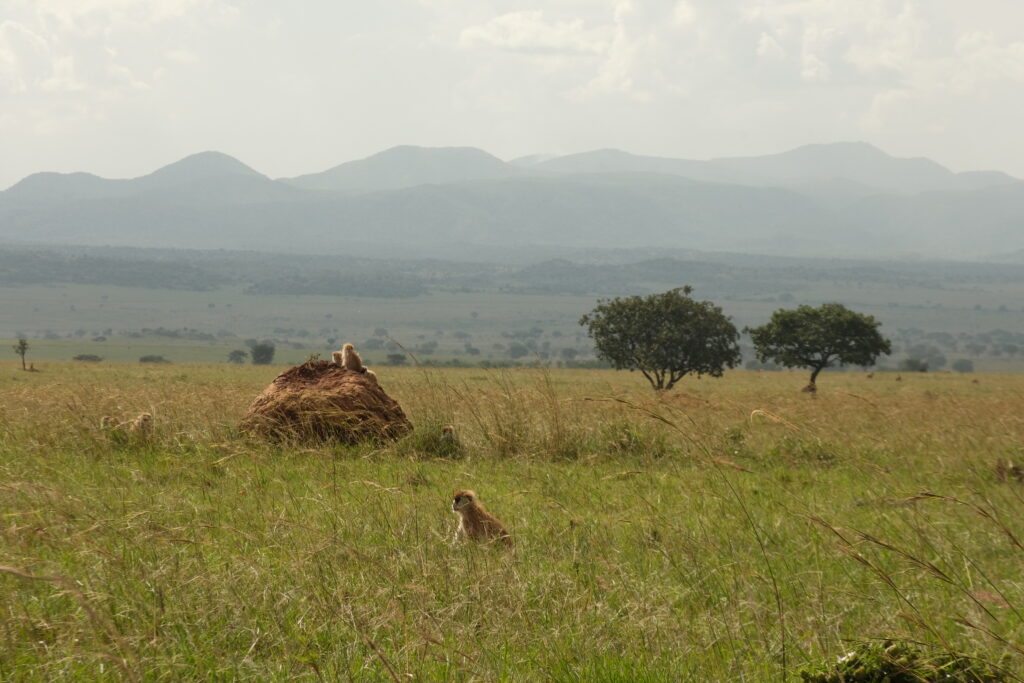
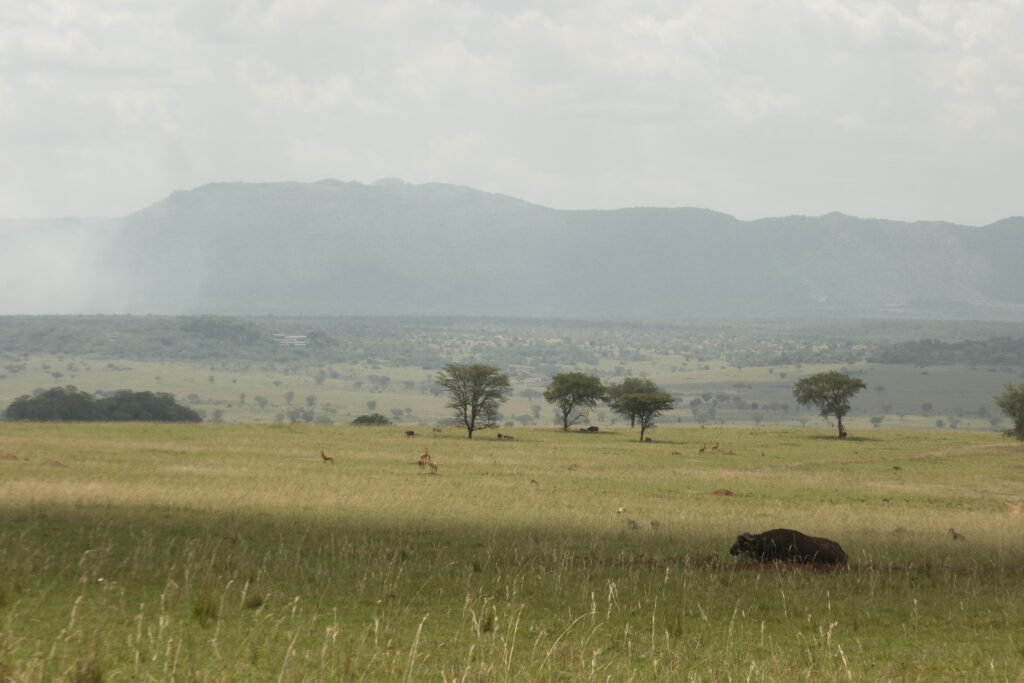
November 14-15.: Our next stop was Kidepo Valley National Park. The park lies at the foot of Mount Morungole, a vast and beautiful savannah landscape that stretches all the way to South Sudan. When I was here seven years ago, we arrived at the beginning of the rainy season: everything was covered in yellow grass, and with the mountains and rocky outcrops in the background the scenery felt exactly like the set of The Lion King. This time we visited at the end of the rainy season, when everything had turned lush green, revealing a completely different face of the park.
The timing had another major advantage as well: almost all roads in Karamoja and within the park were passable. Seven years ago we got stuck several times when heavy rains suddenly poured down; now we were able to move around almost without obstacles.
The park lies in the valleys of the Kidepo and Naurus rivers. Although it is huge, visitors mainly explore the areas around the Naurus River; reaching the Kidepo River would take almost a full day, and the South Sudanese border is also very close. Because water is concentrated in these valleys, we were greeted by an incredible number of animals as soon as we entered the park—never before had we seen so many in one place.
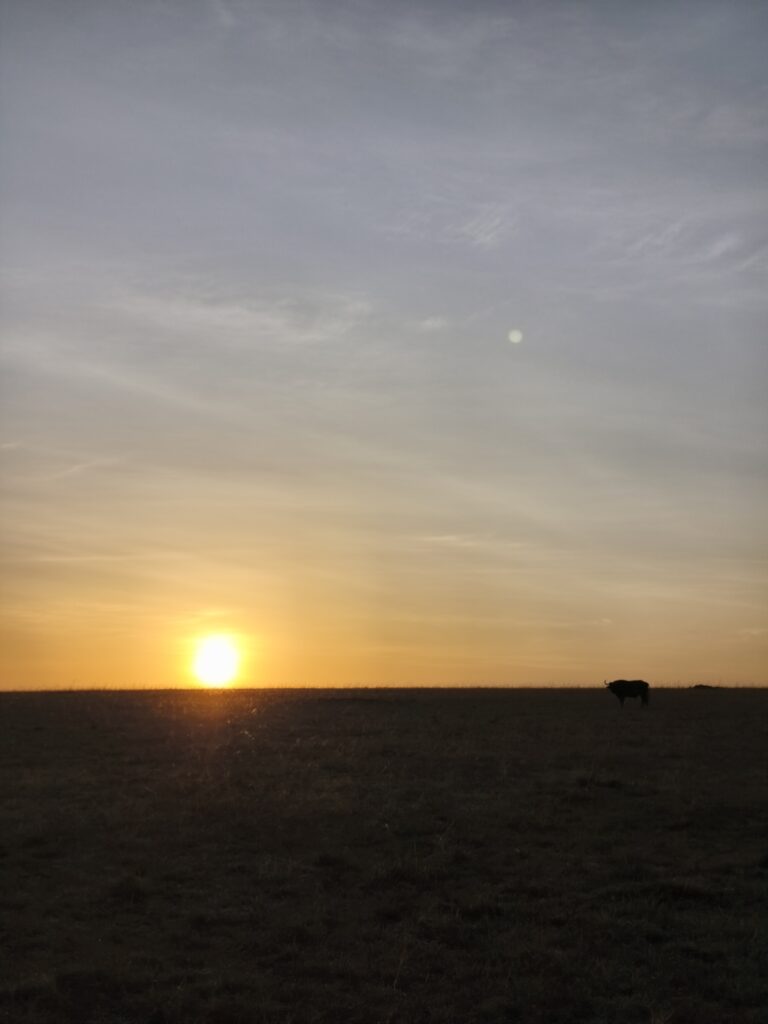
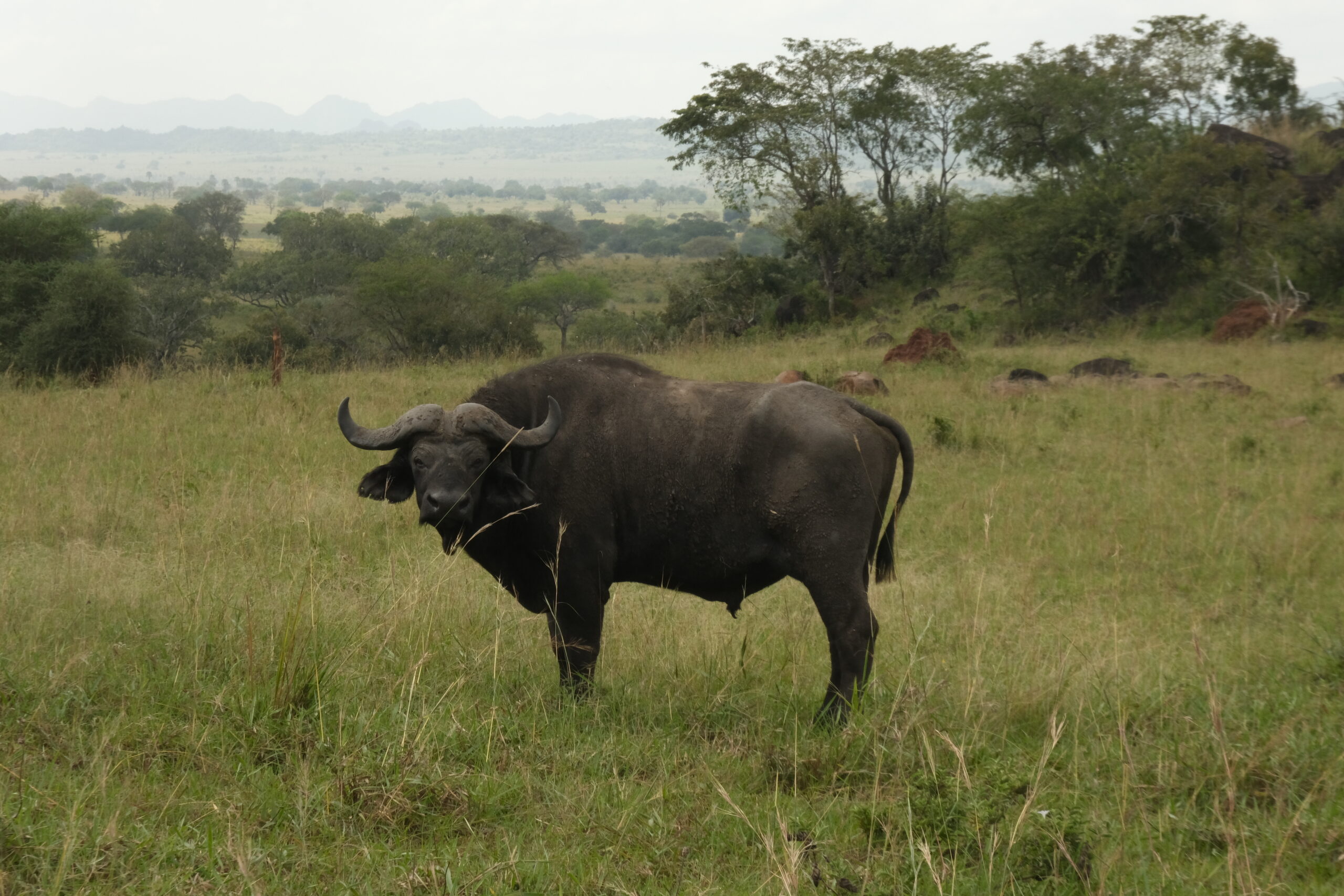
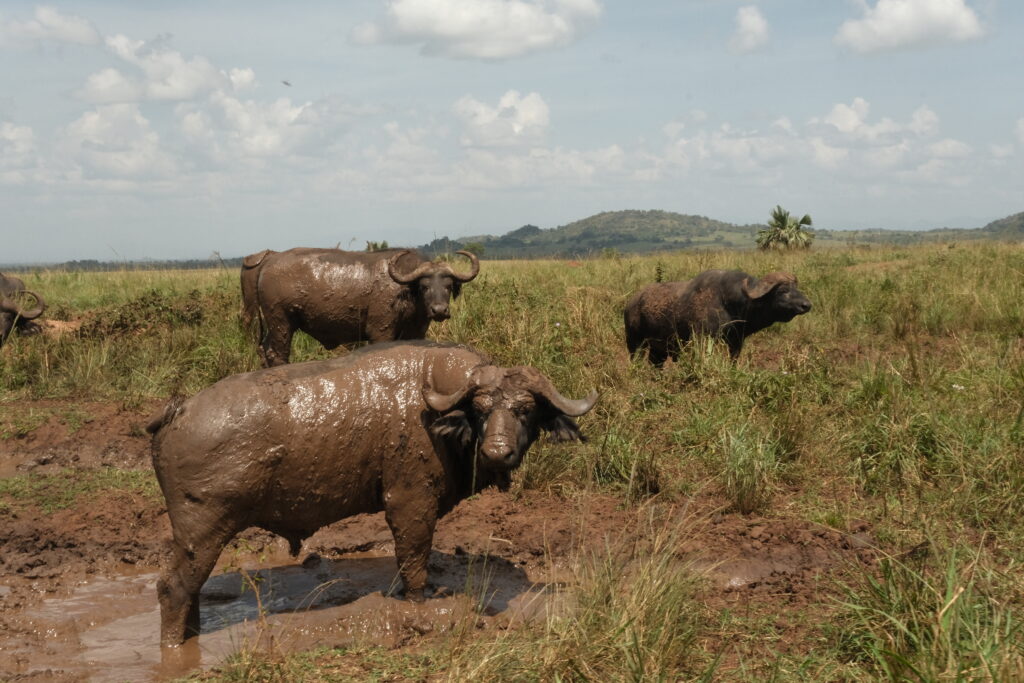
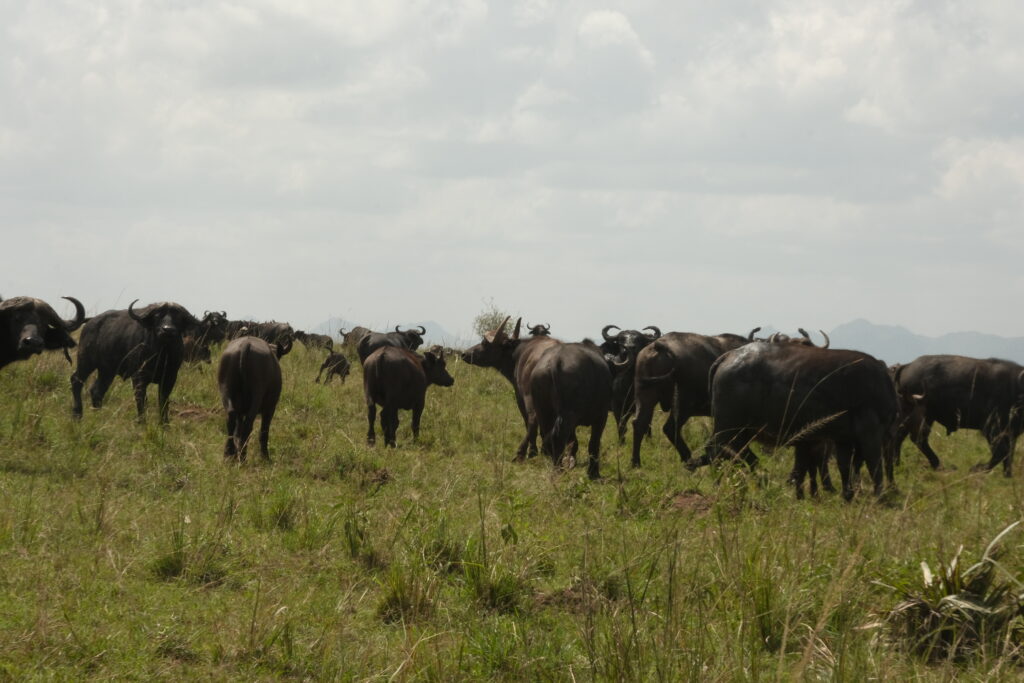
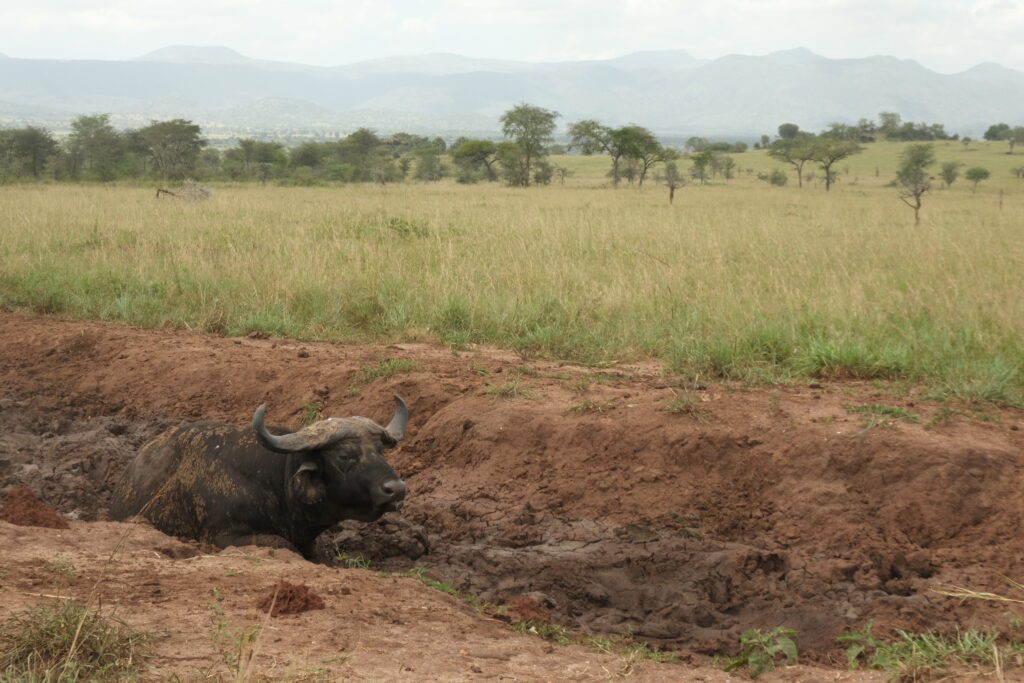
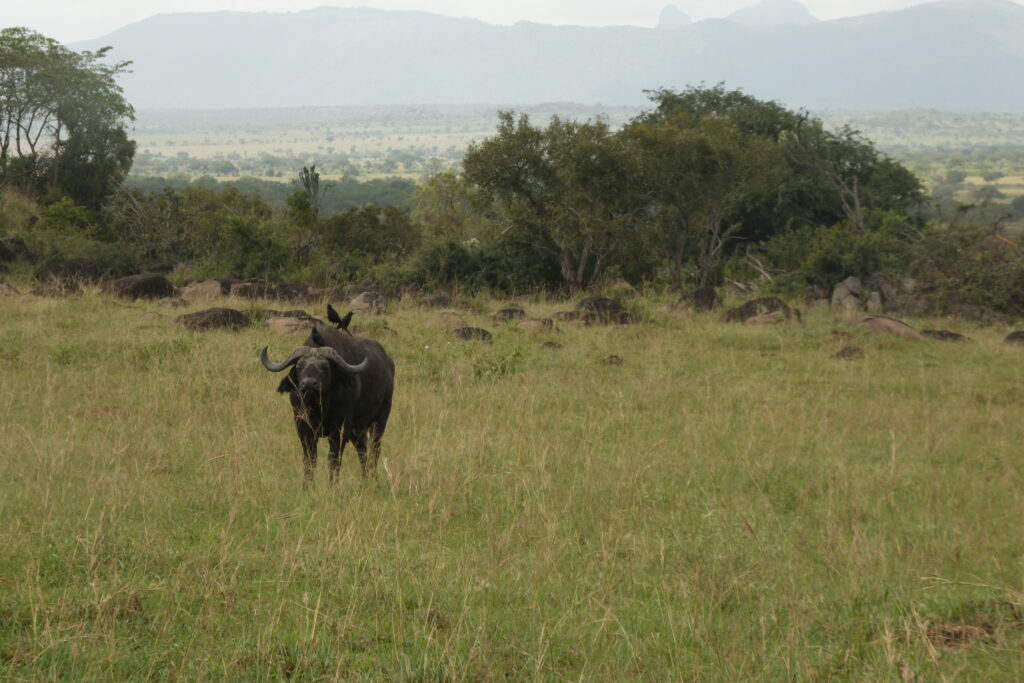
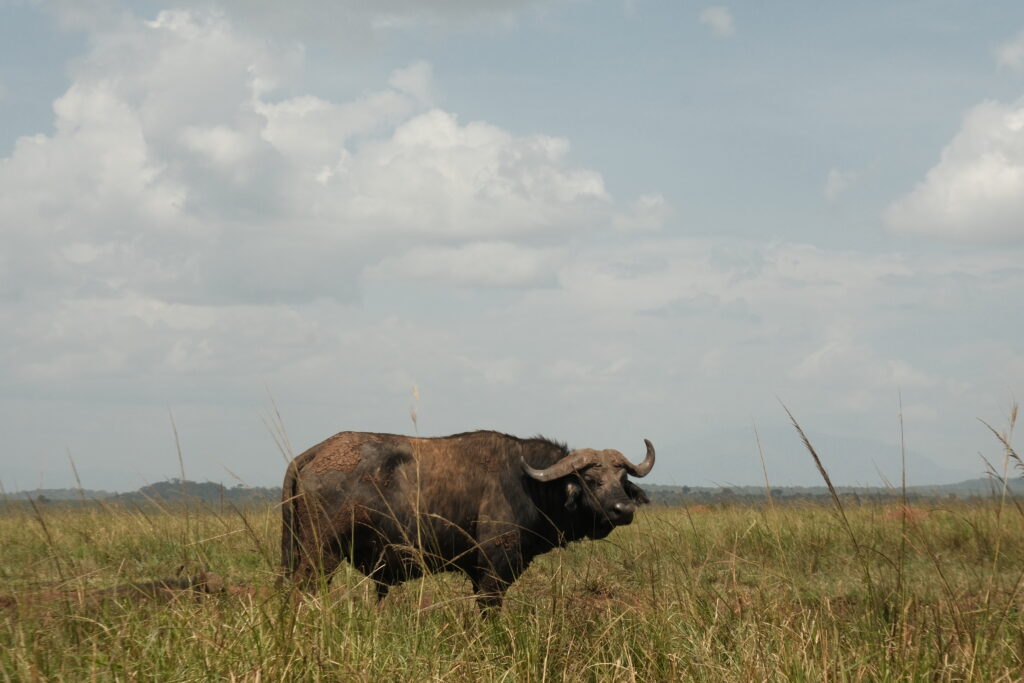
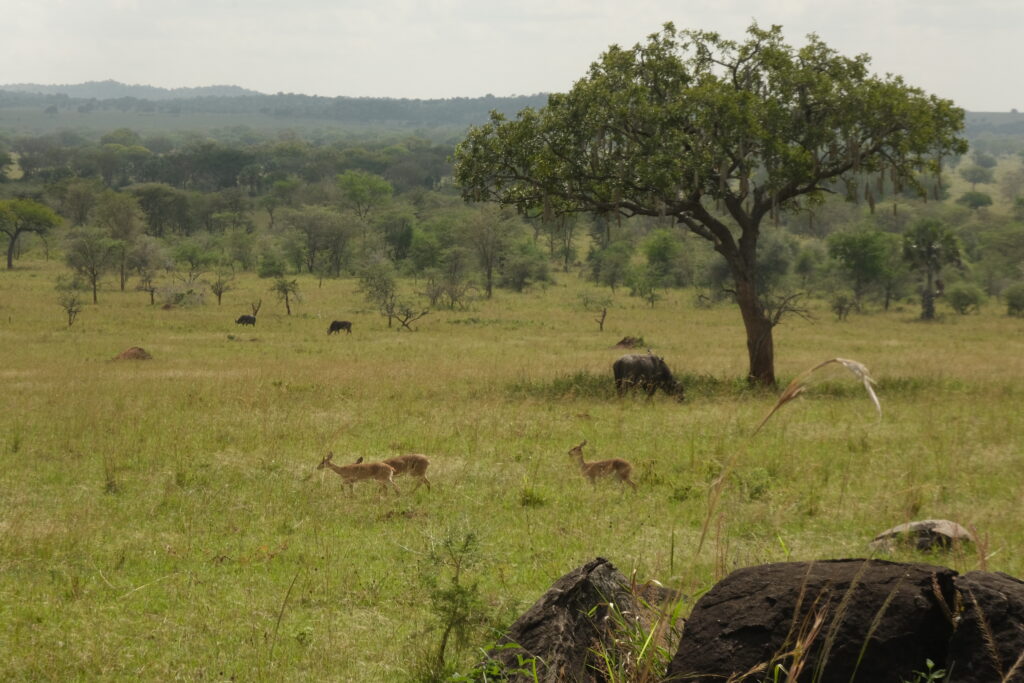
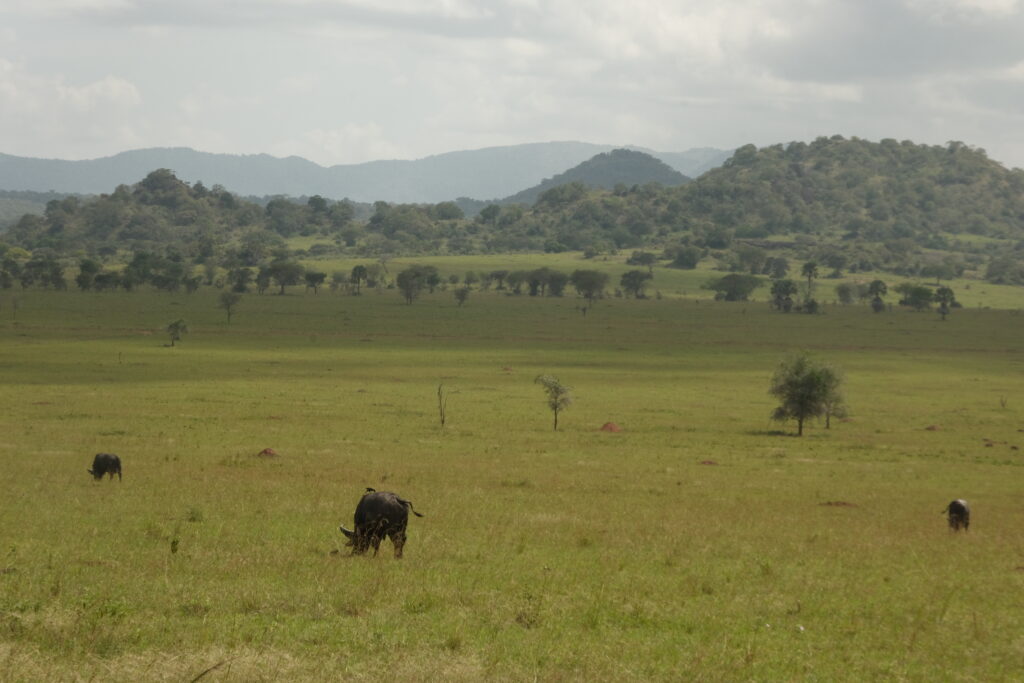
An estimated 10,000–15,000 Cape buffalo live in the park, which is particularly surprising since elsewhere — being one of the Big Five— you often have to search hard to find them. Here, however, they behave like gazelles or impalas do in other parks: they are everywhere. The only problem is that, unlike antelopes, buffalo are genuinely dangerous animals, so we were quite nervous whenever we had to drive between herds. Later we learned that the real danger comes not from the herds but from solitary, expelled males—but fortunately they mostly seemed busy enjoying mud baths.

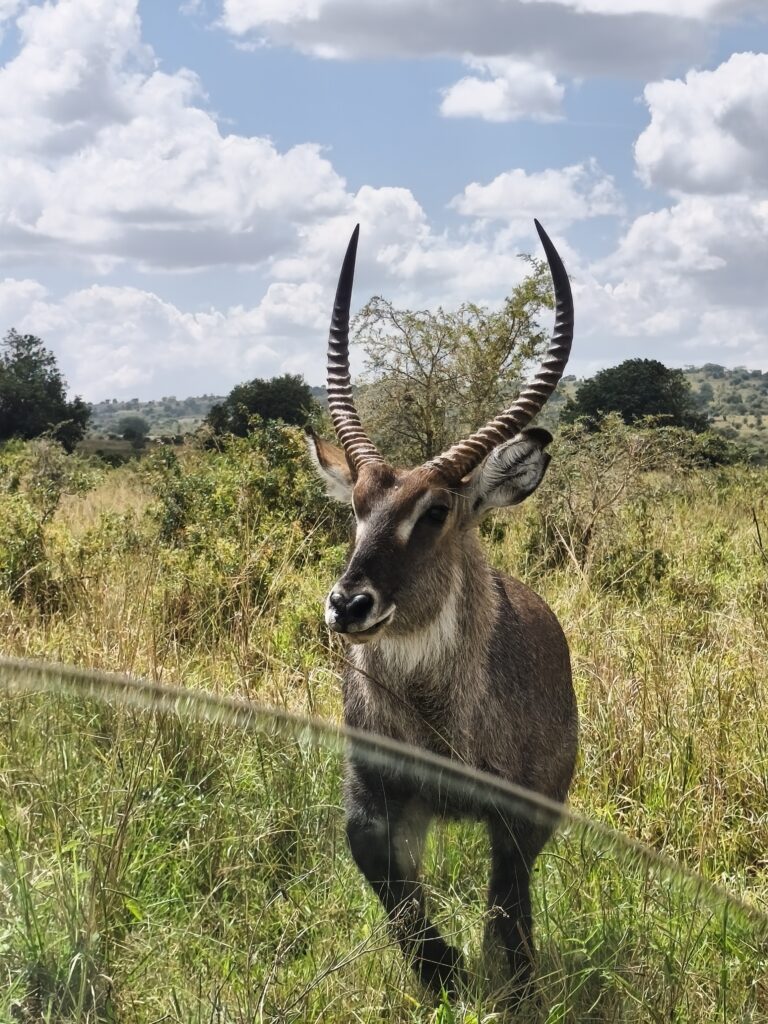
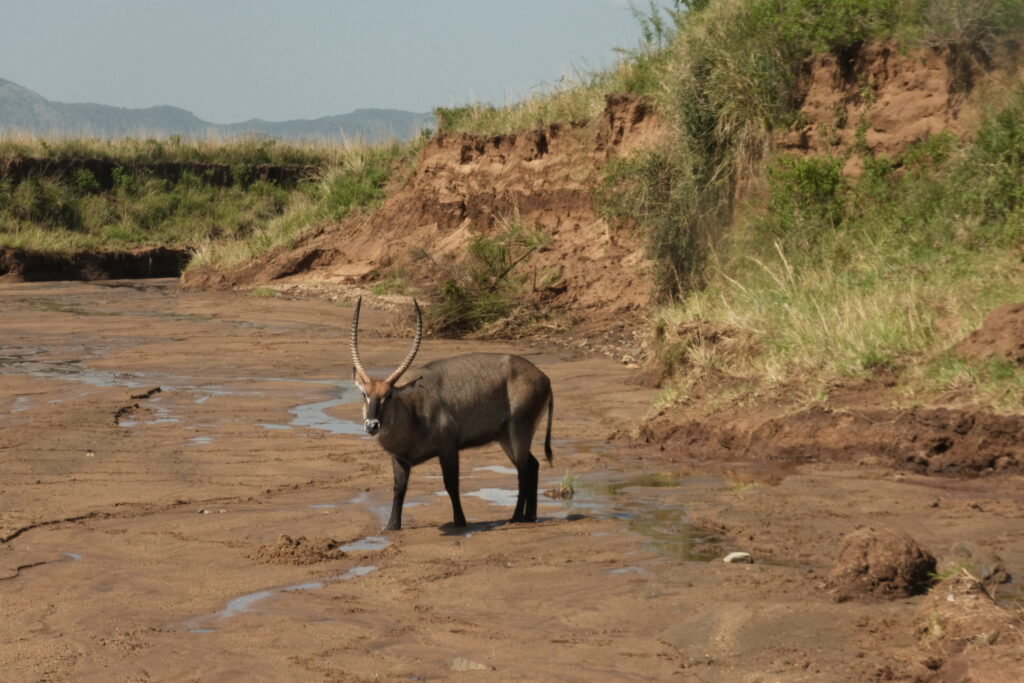
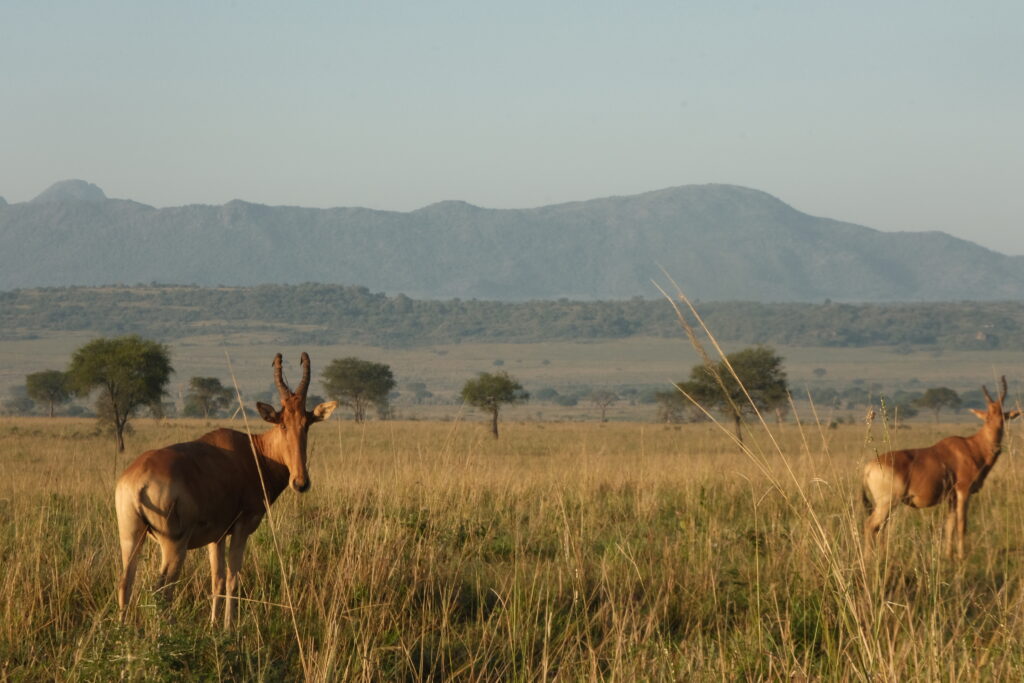
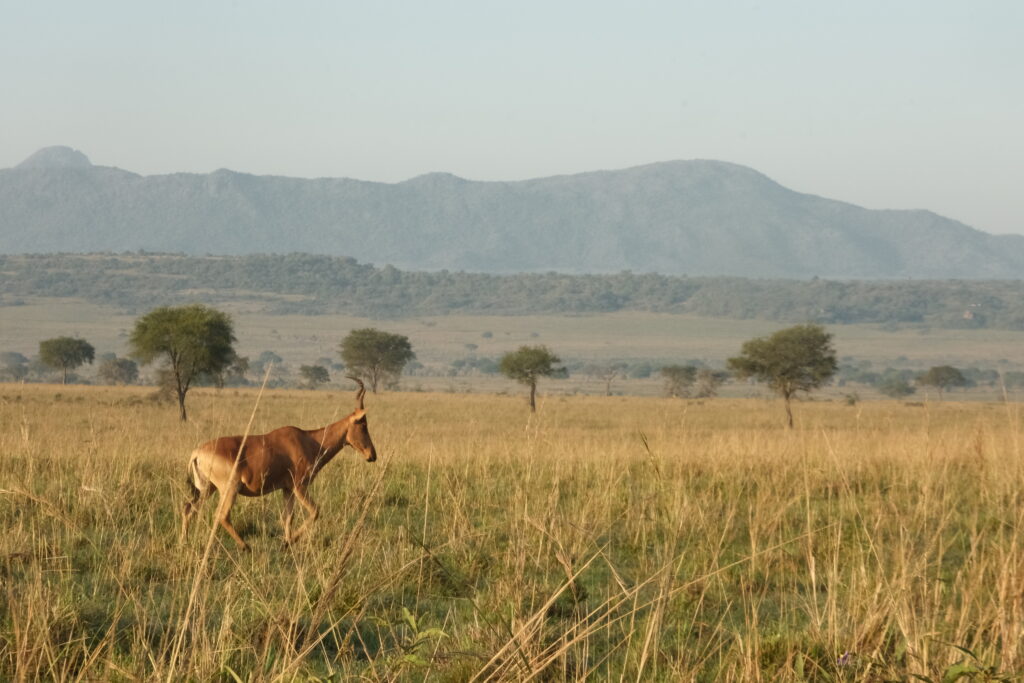
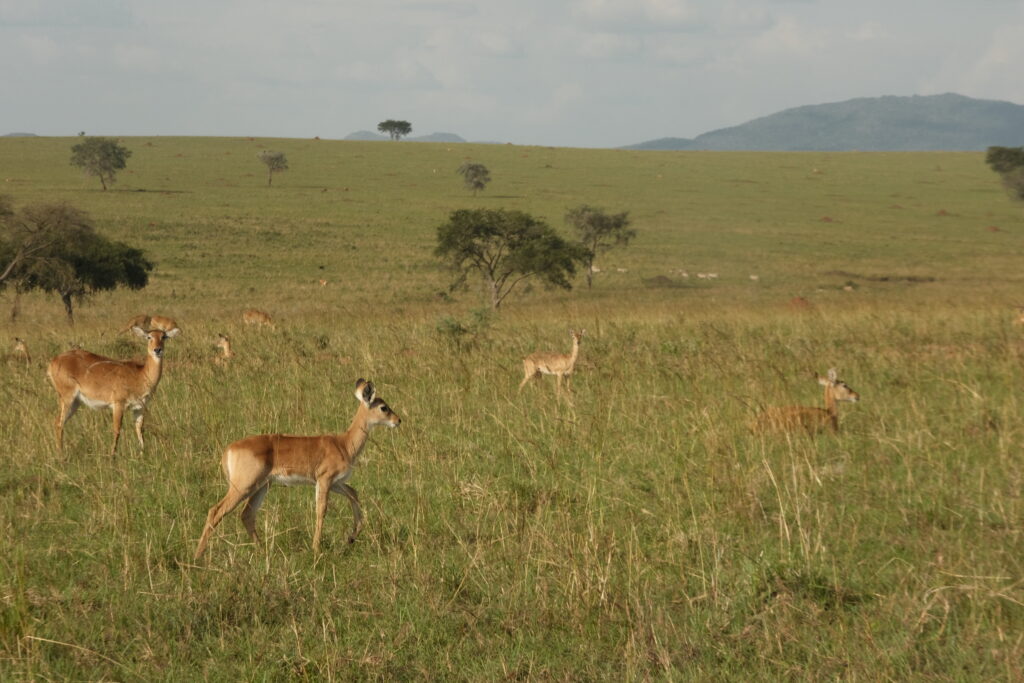
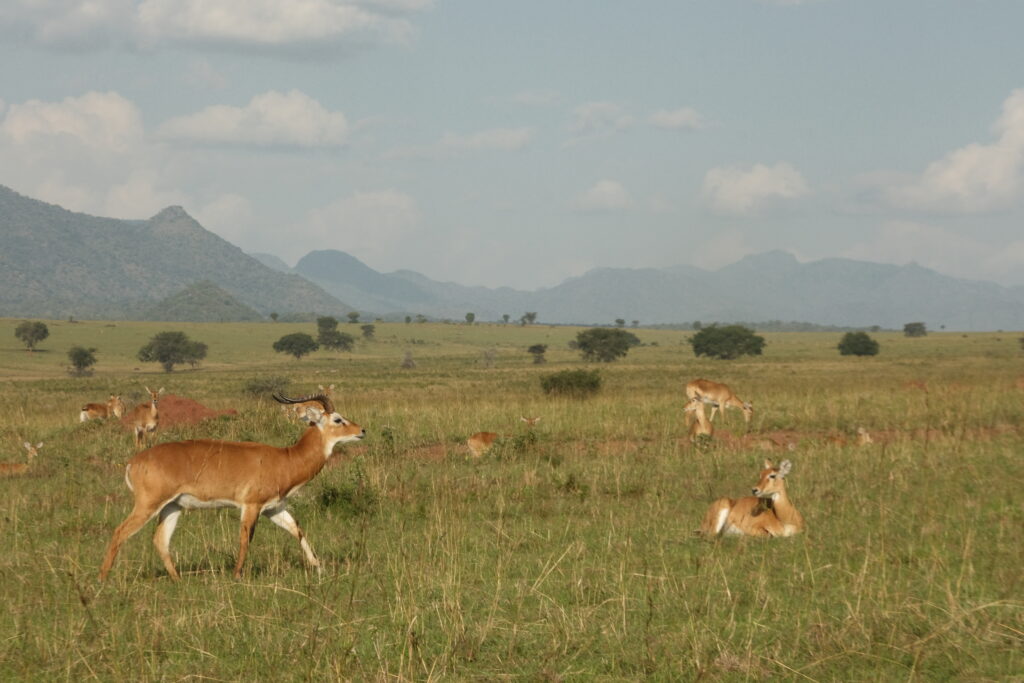
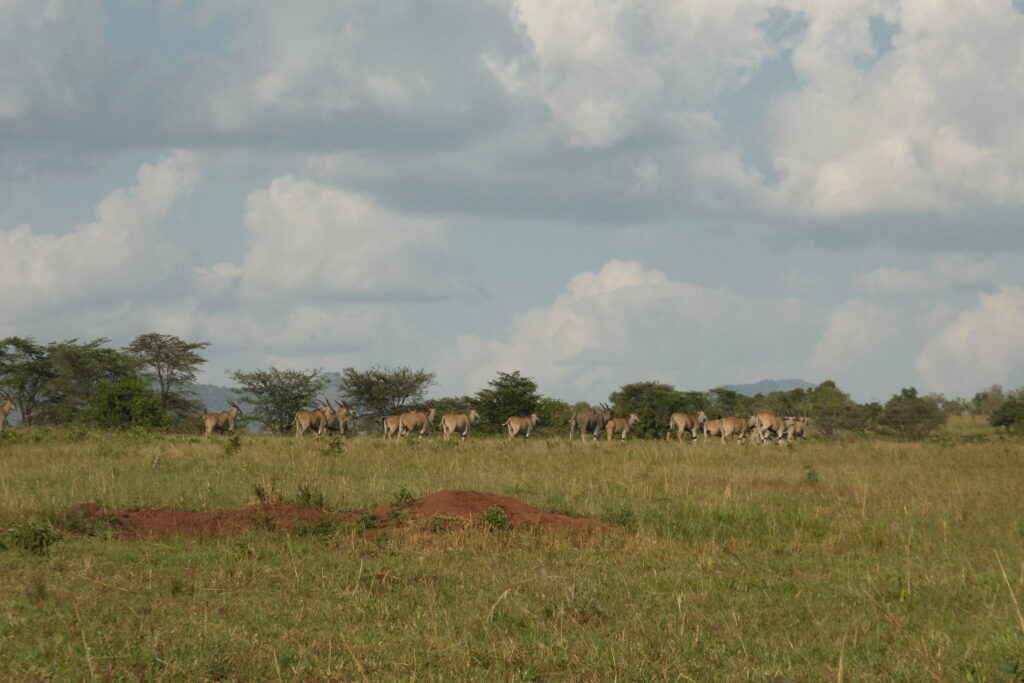
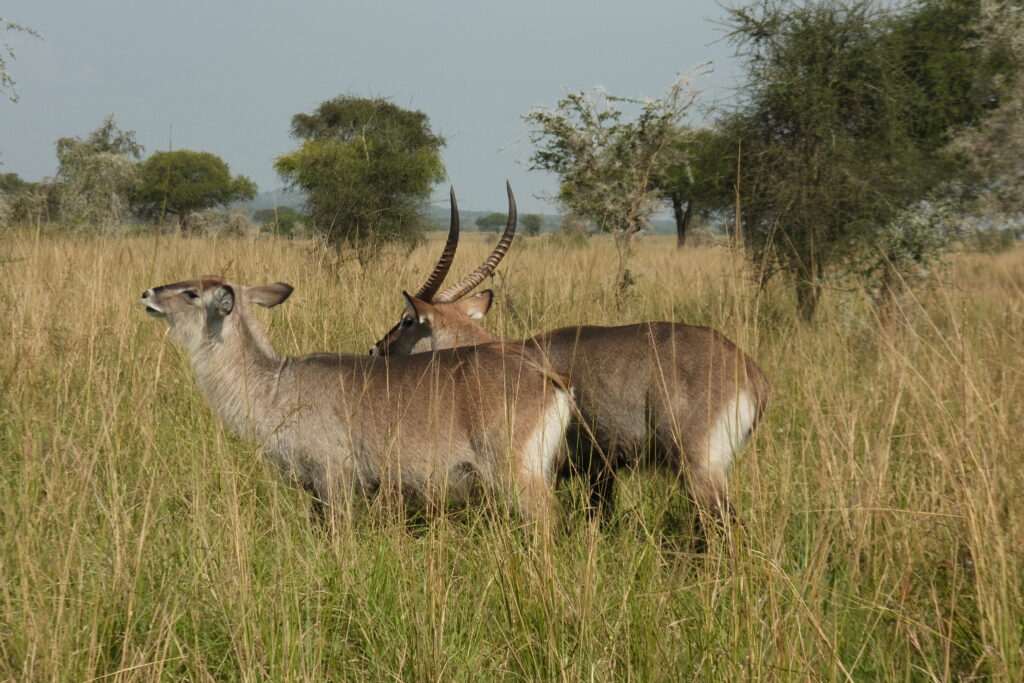
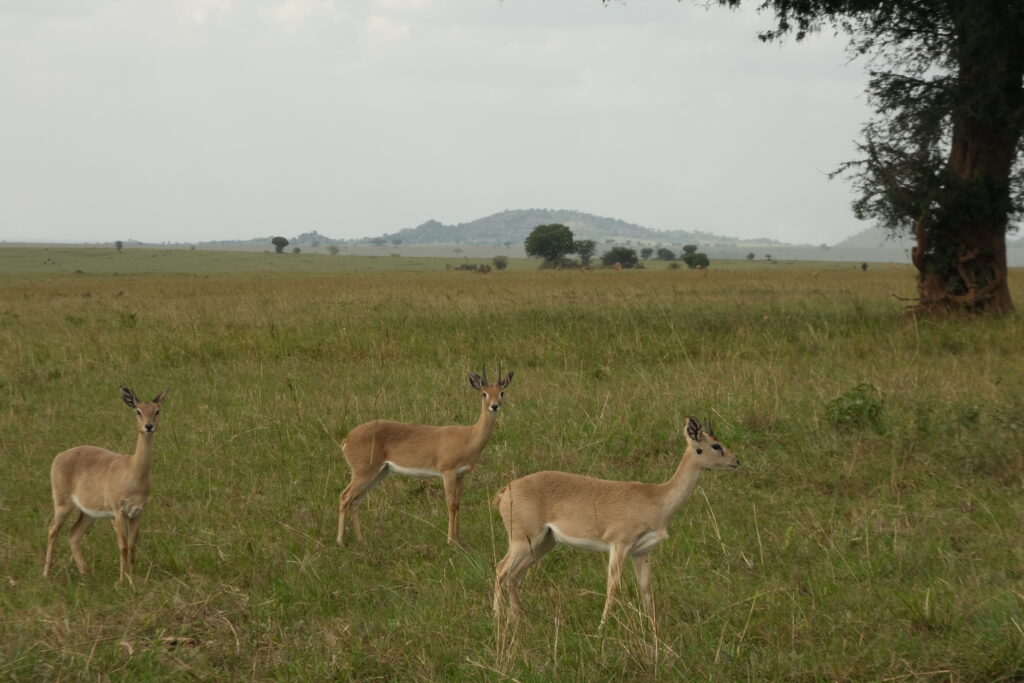
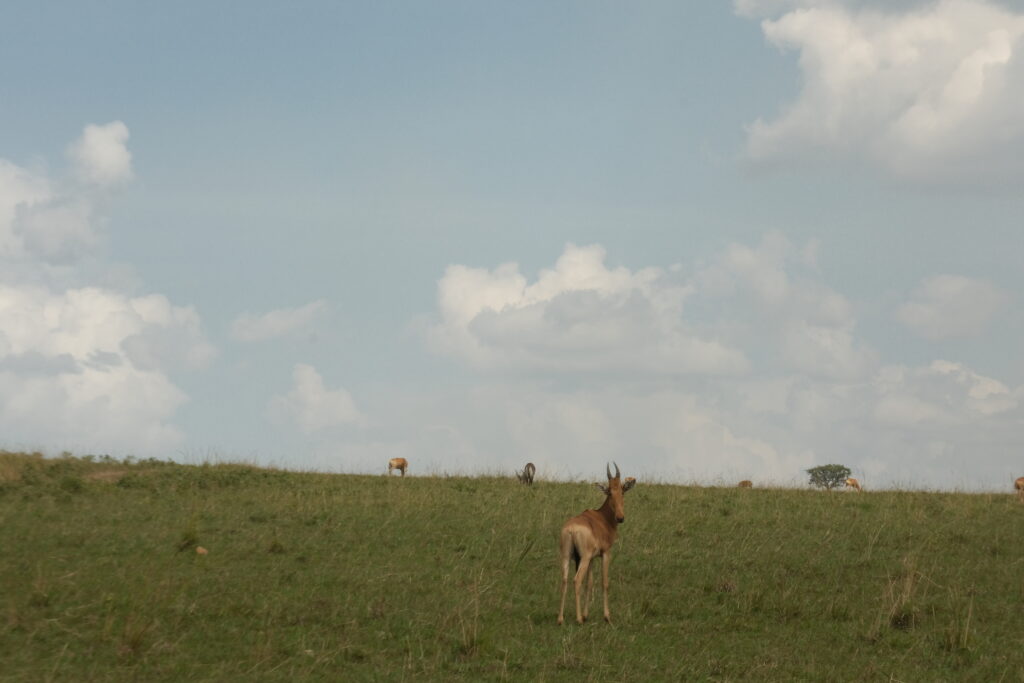
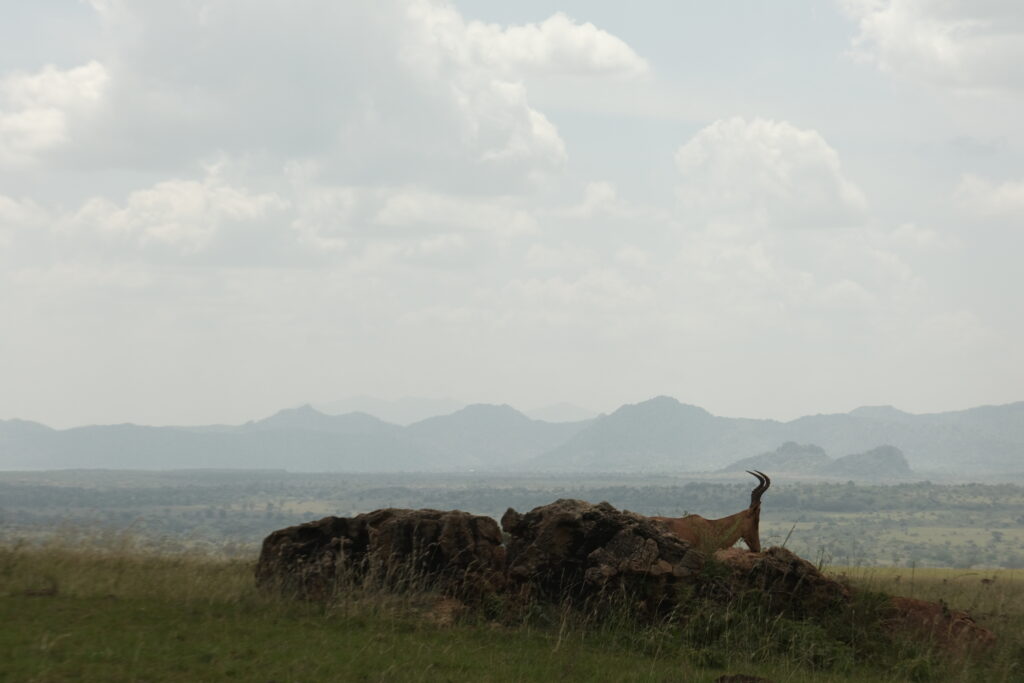
Kidepo is home to completely different antelope species than those we had seen so far. The most common is the Jackson’s hartebeest, which we had never encountered before. They are especially amusing to watch as they climb to the tops of hills to keep lookout and warn the others if a predator approaches. A similar-looking but slightly browner antelope is the topi. We were also thrilled to finally see very small antelope species, mainly oribis (with their characteristic small black facial markings), and possibly klipspringers and dik-diks. My personal favorites, the waterbuck, are found here in large numbers, together with several species of reedbuck, and we also saw many elands—the largest antelope species, which can weigh 500–600 kilograms.
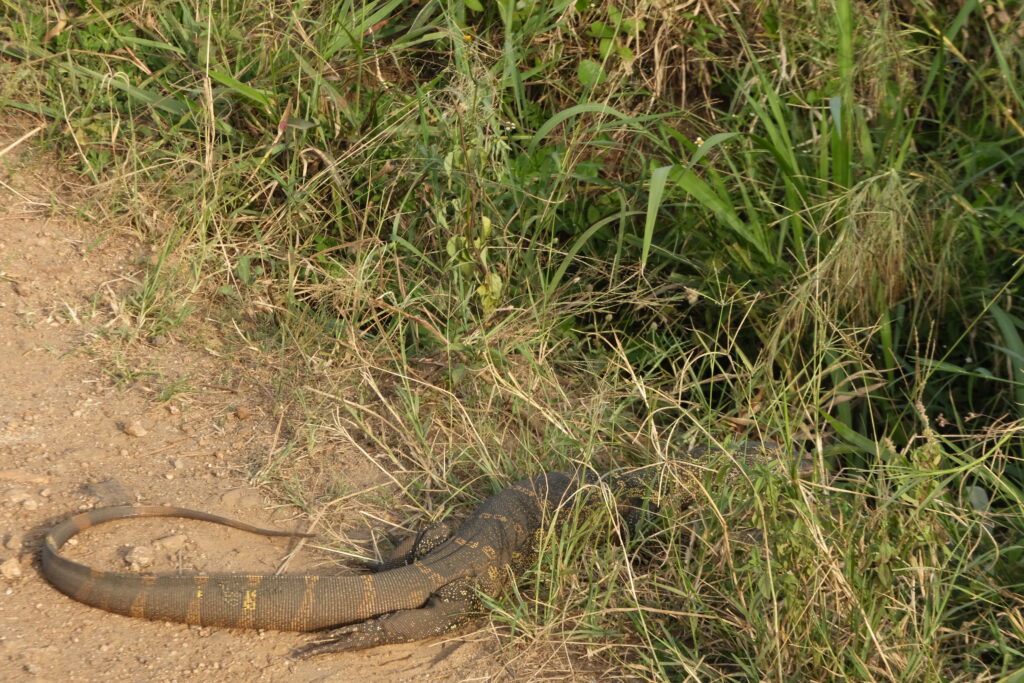
There are relatively few predators in the park. This time we were unlucky, despite circling the famous lion and leopard rocks many times. Seven years ago, however, I did see lion cubs here. The park is also home to a few cheetahs, as well as several species of jackals and foxes.
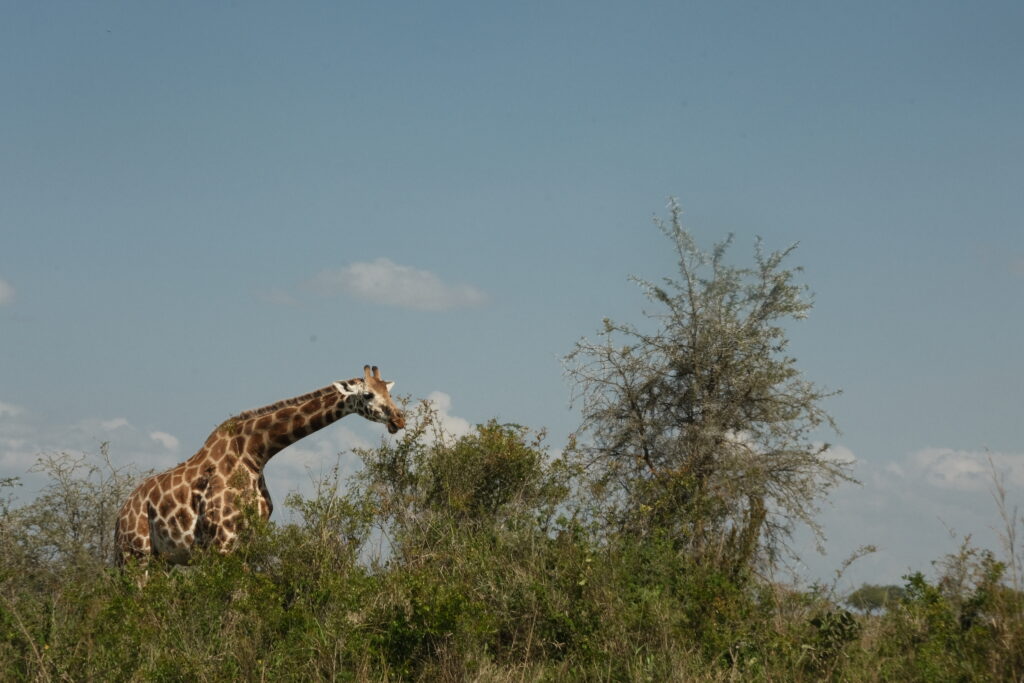
Zebras and giraffes were abundant, and one ostrich had wandered in from the Kidepo River valley. We did not see any elephants this time; since the park is unfenced, they prefer to roam the endless savannahs of Karamoja in search of food—to the great frustration of local farmers, whose crops they raid at night. We even saw fresh elephant tracks outside the park. We also encountered the famous patas monkeys, the fastest primates in the world, capable of running up to 55 km/h on the ground.
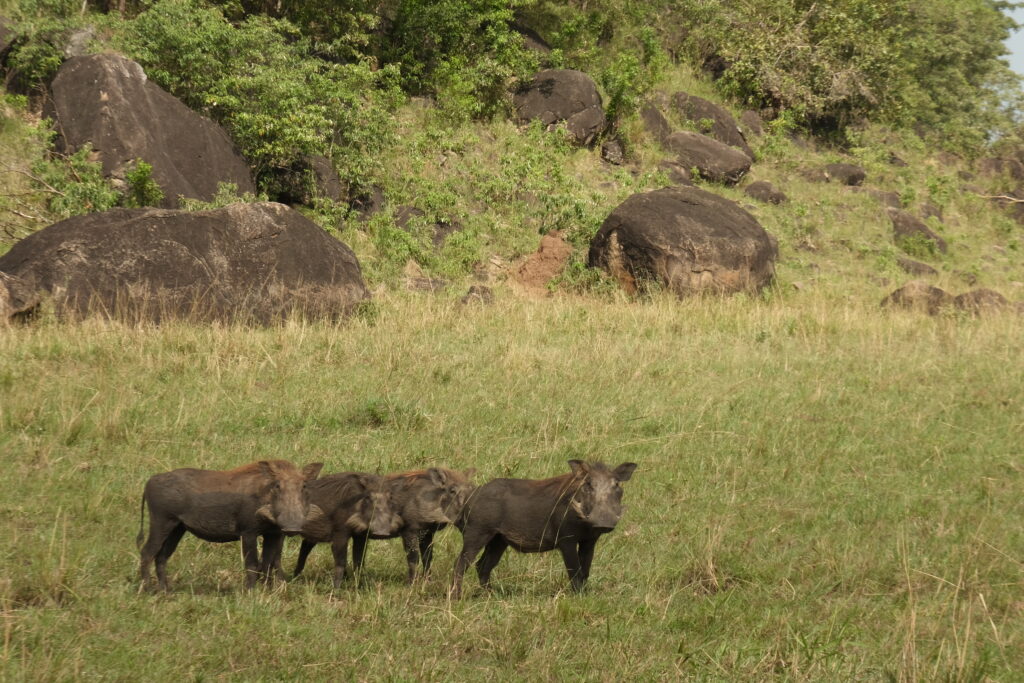
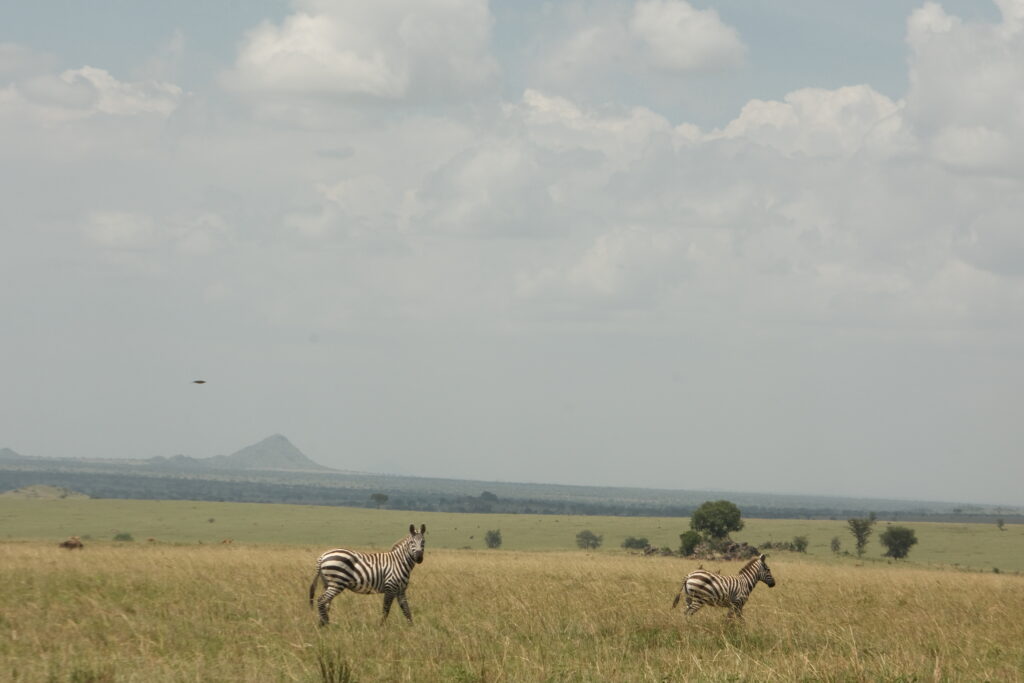
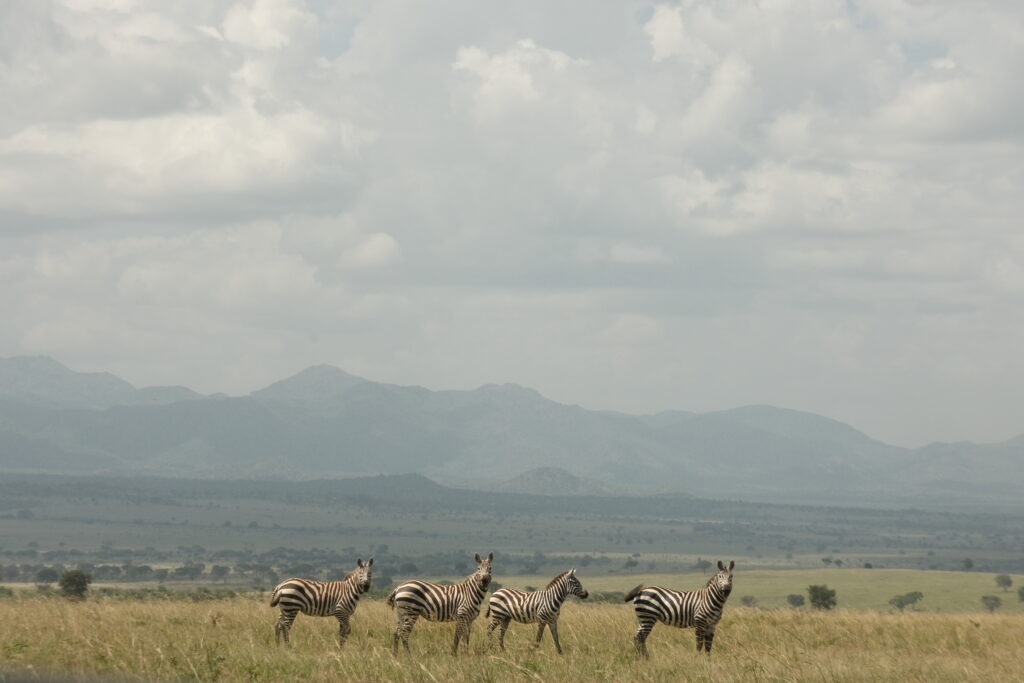
Kidepo Valley National Park is special in another way as well: around 300 rangers work here, mainly because of poachers coming from South Sudan. Twenty of them are also trained as guides and can be hired for about three hours for USD 25. They help with navigation—showing where it is safe to go, as we wouldn’t have dared to drive down the smaller tracks on our own—and they continuously share stories about the animals and the park. Our guide was Jennifer, who had an incredible amount of knowledge, took us to beautiful places, and was, not least, an extremely kind and positive person.
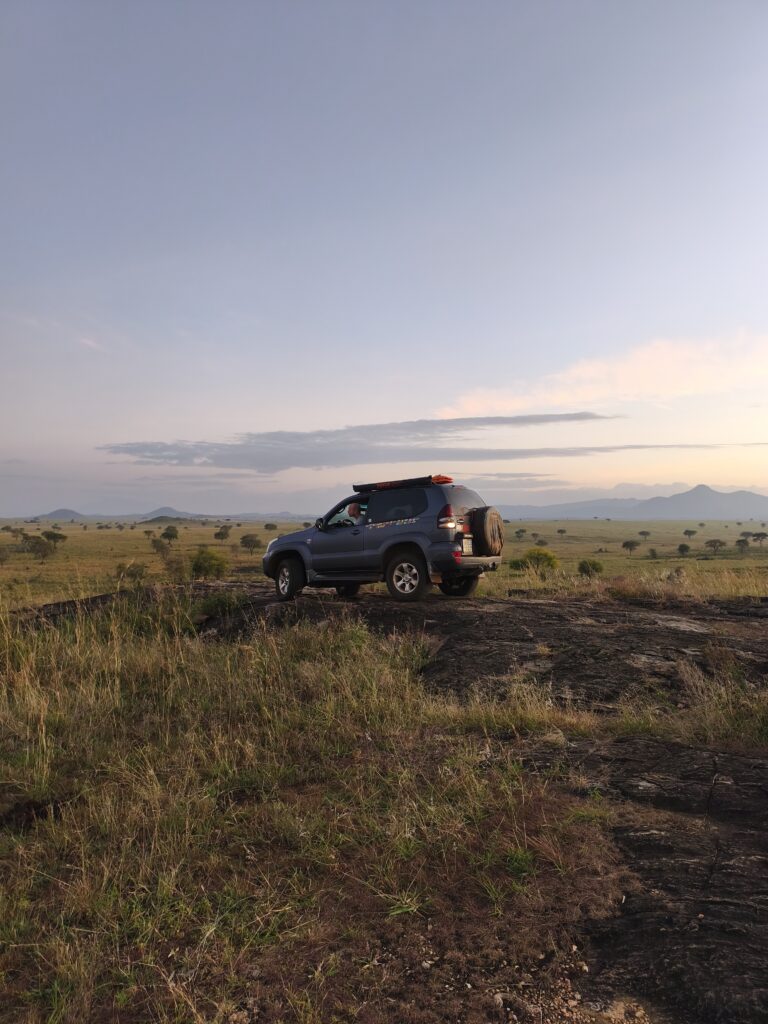
Another great initiative is the system of designated wilderness campsites. Camping is possible in the company of rangers for USD 10 per person. There are two such camps: we visited one mainly for the view, where we met Daniel and together discovered a leopard tortoise. We spent the night at the other campsite, located on a hilltop with stunning views, where Richard shared stories by the campfire about his life and what he had learned about wildlife over the course of his 25-year career.
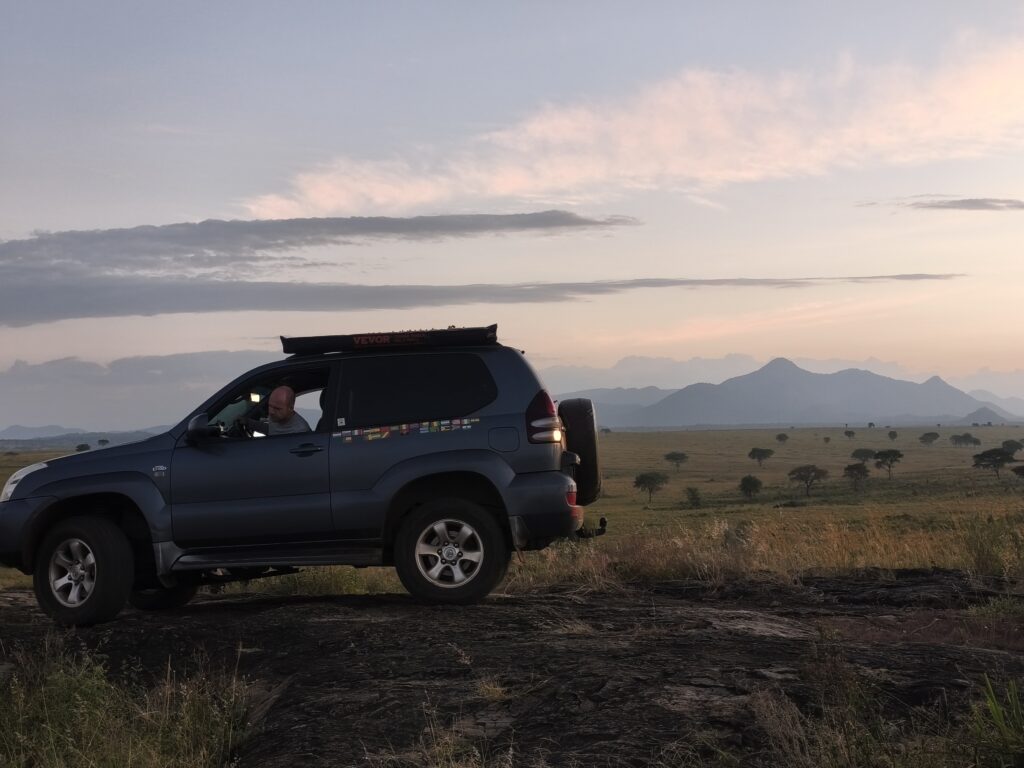
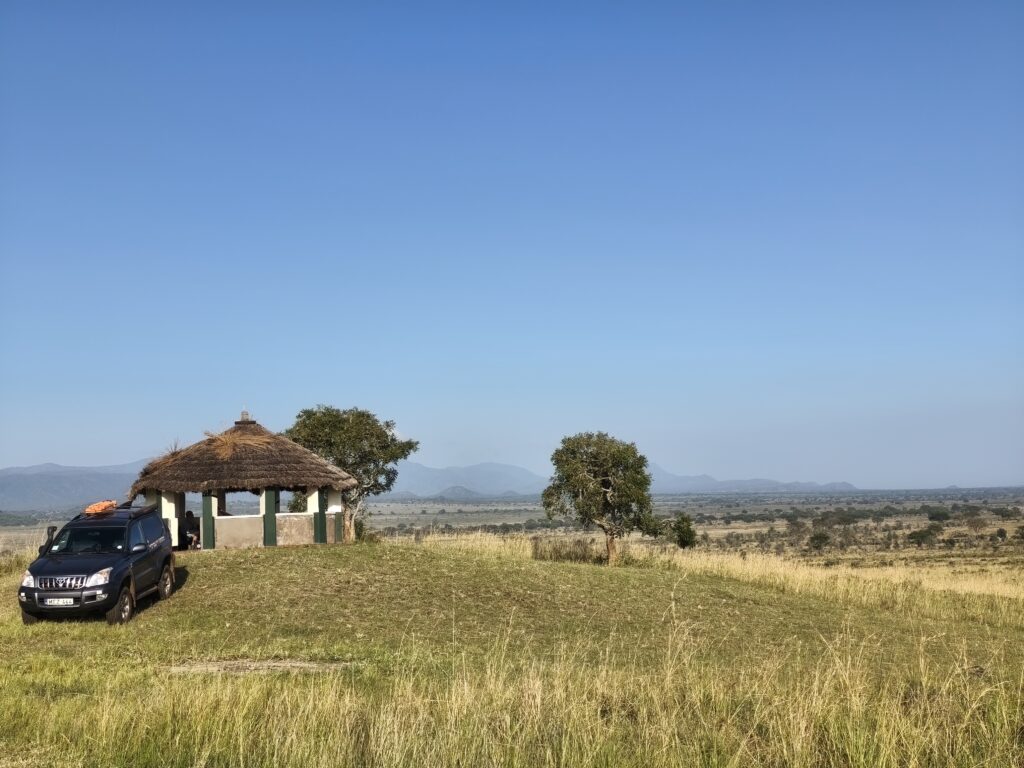
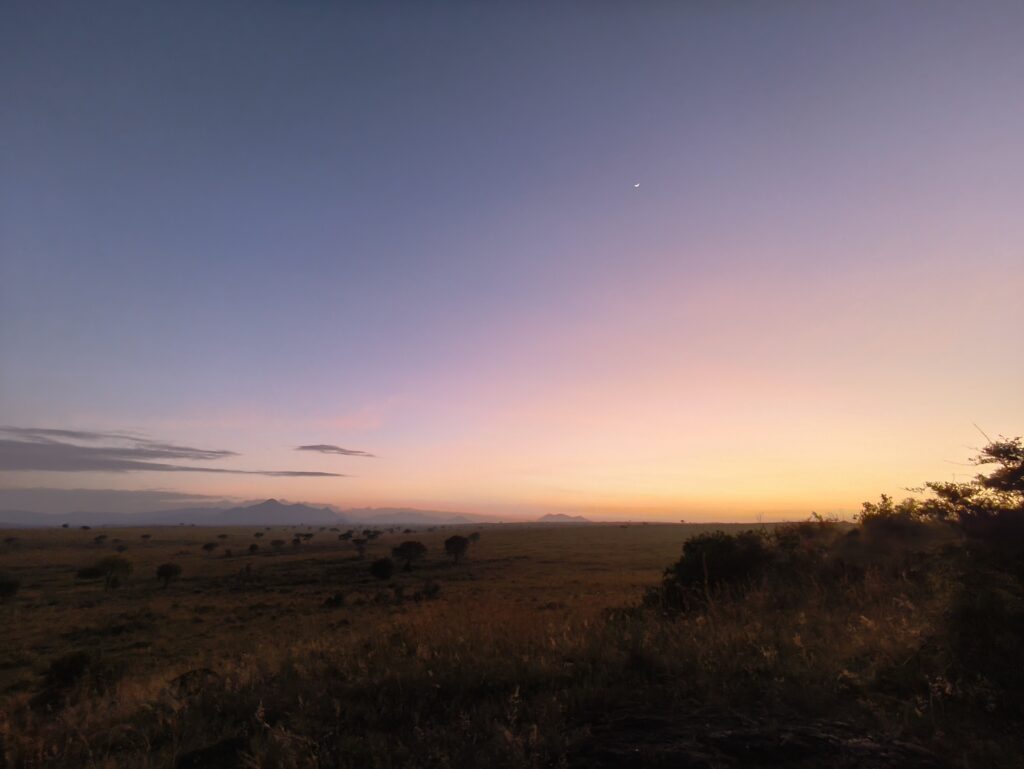
Everyone we met was exceptionally kind and incredibly knowledgeable. The almost three days we spent in Kidepo were not only special from a natural and professional perspective, but also deeply enriching on a human level. It may have been the last African national park of our journey—and quite possibly one of the most beautiful and memorable of them all.