At dawn we set off from Maun towards the Moremi Game Reserve. Moremi is located in the eastern part of the Okavango Delta and was named after Chief Moremi of the BaTawana tribe. It was established by his widow at the time to prevent excessive hunting. It is a game reserve rather than a national park so that the BaSarwa people could continue to live and hunt there for their own subsistence.
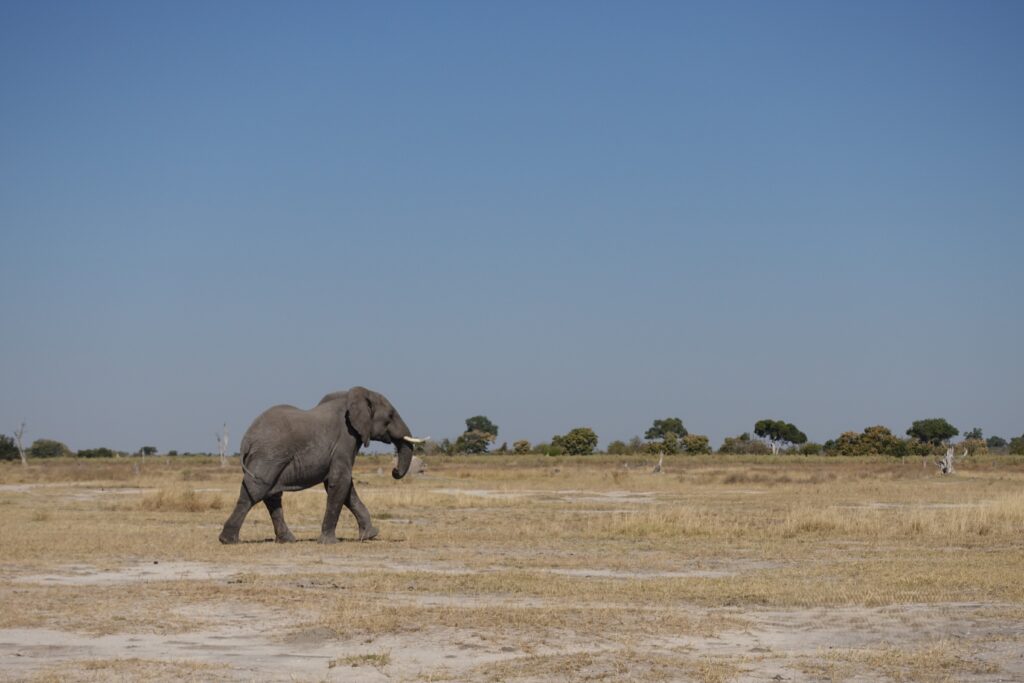
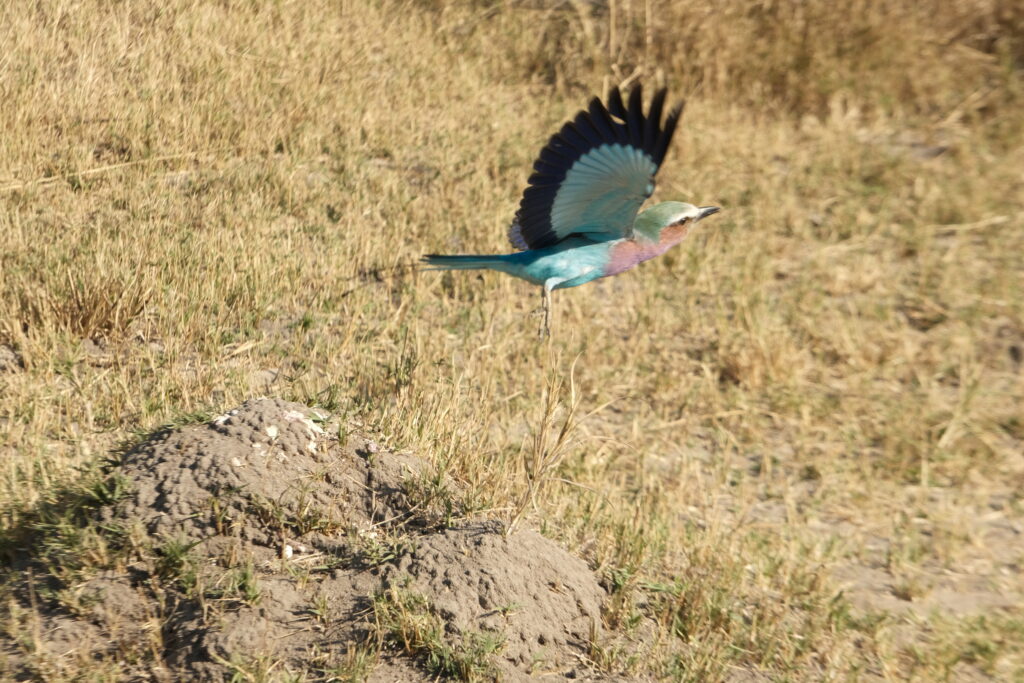
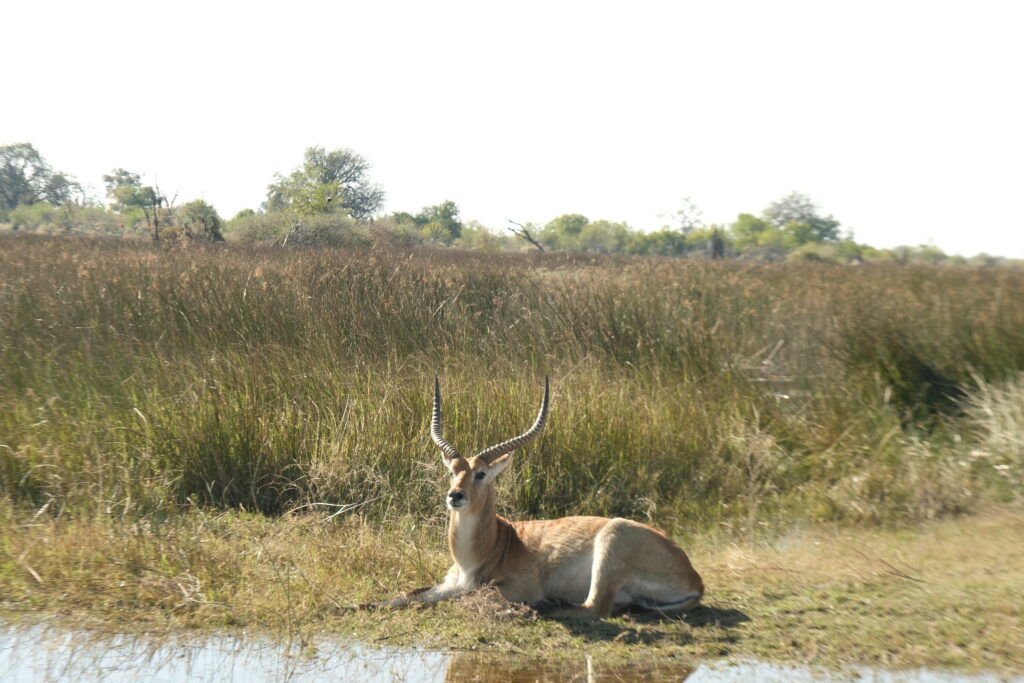
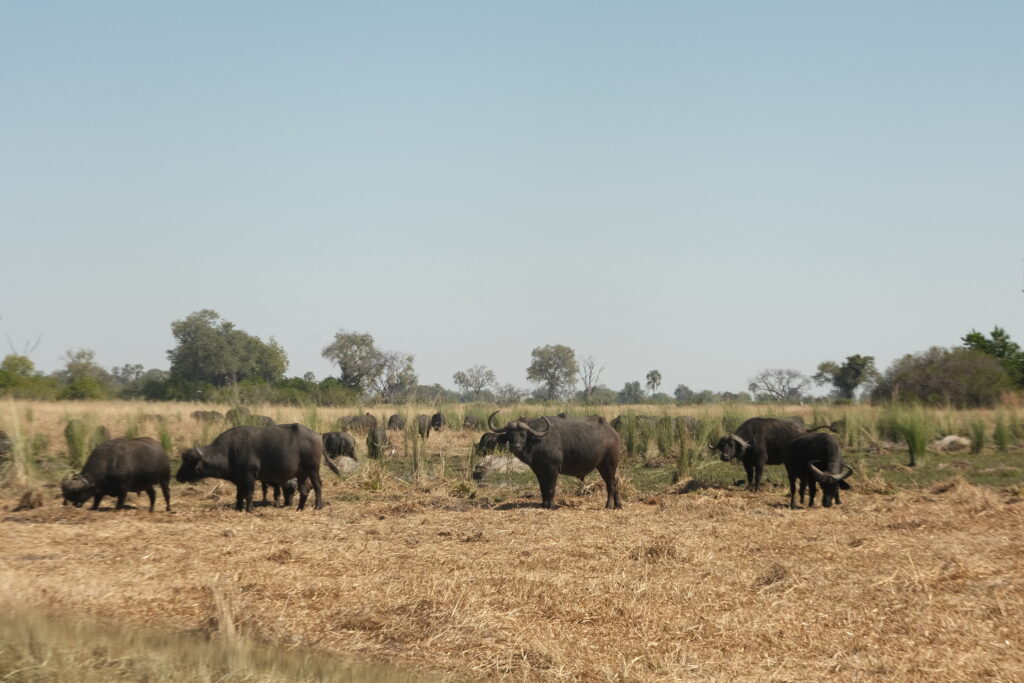
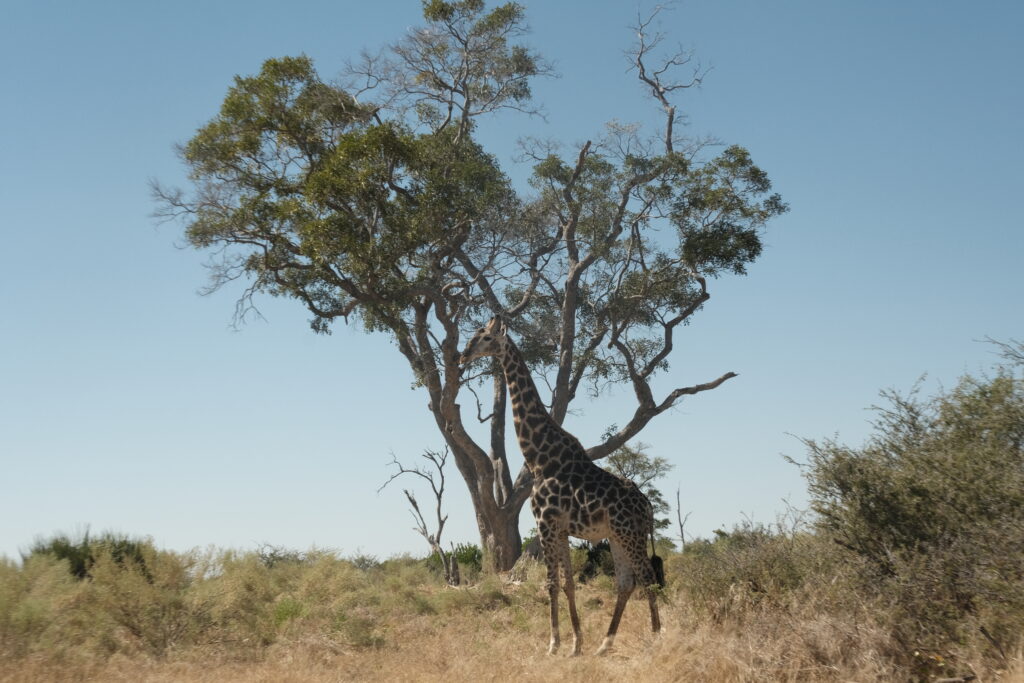
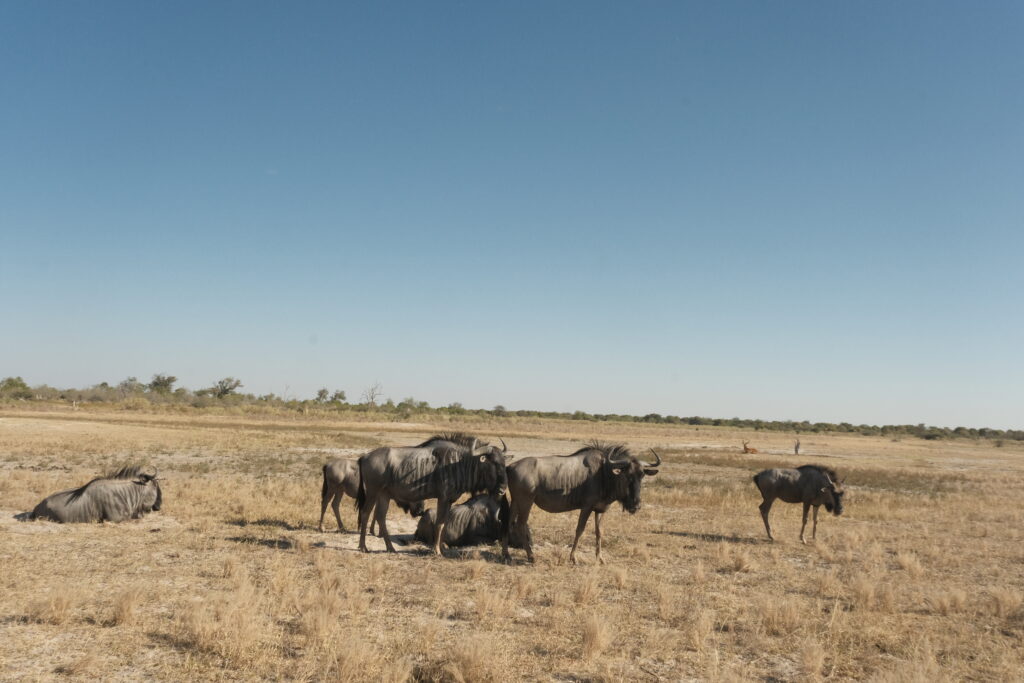
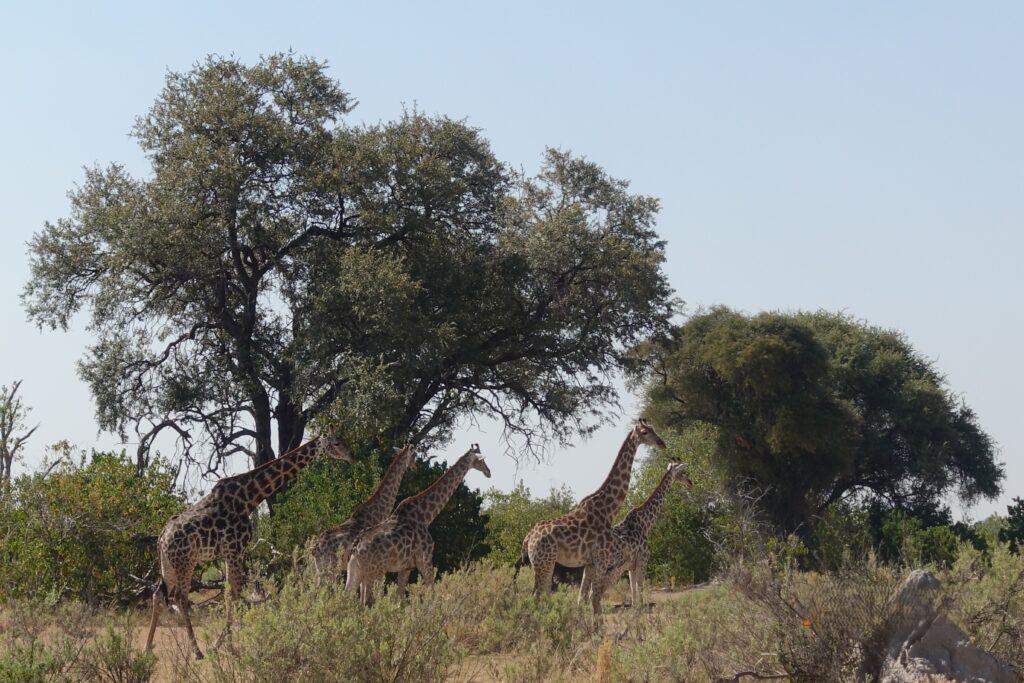
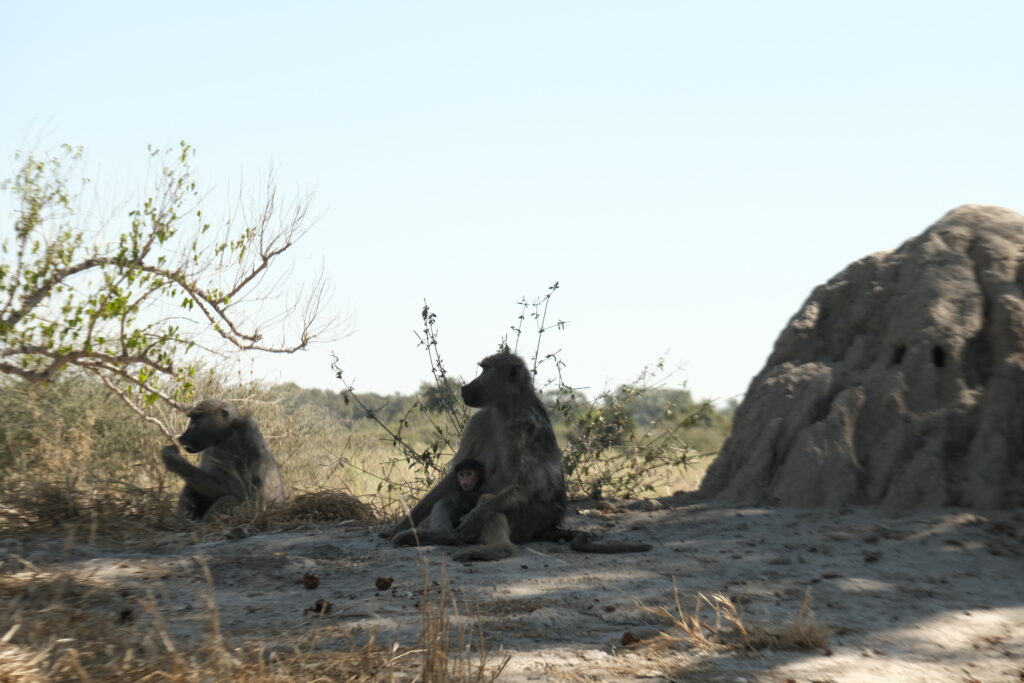
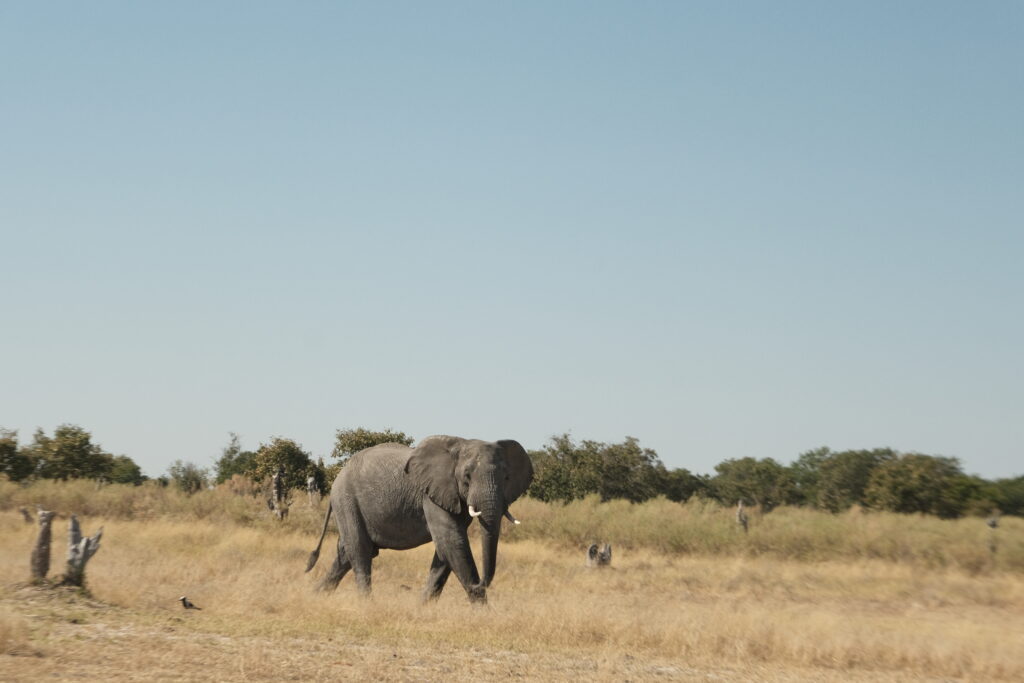
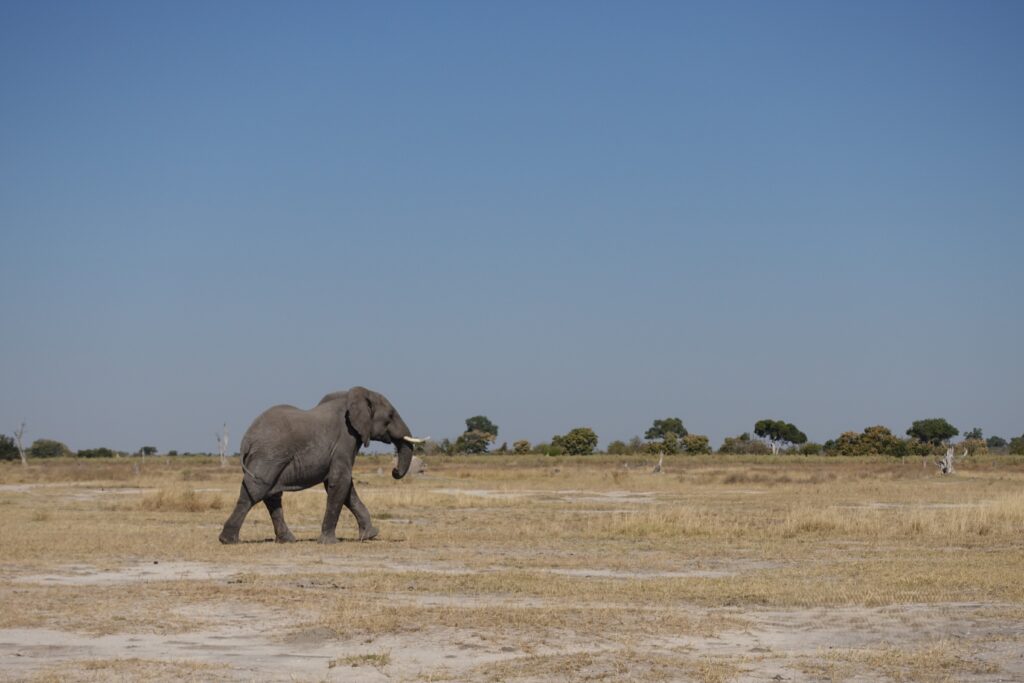
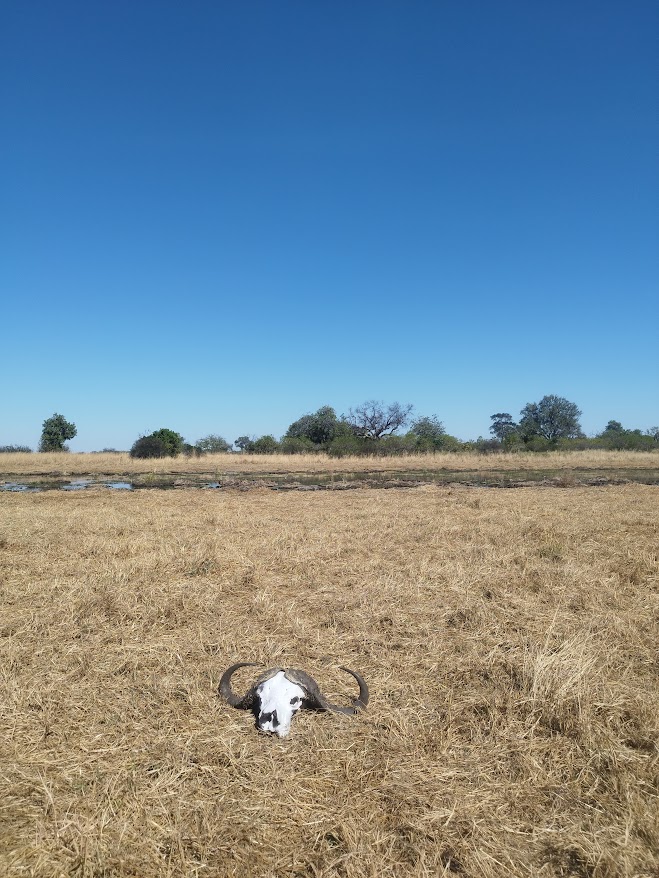
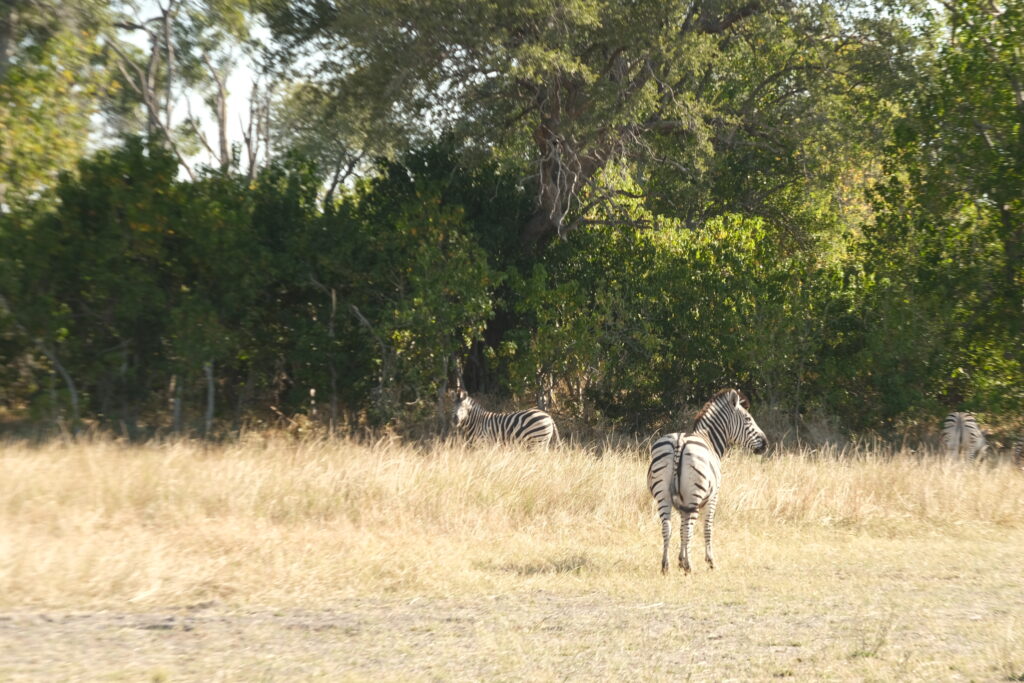
We thought that after toughening up in the Kalahari, Moremi would turn out to be a rather simple national park. However, Moremi is quite a famous park, and although driving with your own vehicle is allowed, it is not really encouraged. We could only buy a map for an absurdly high price, so we had to rely on our offline map. Because of the many safari vehicles, it was not at all clear which way the road went, but this actually led to some very positive encounters at the beginning. By chance, we saw about a hundred Cape buffalo grazing; they stared at us as if to say it was fine that we were there, but we’d better not come any closer. At the entrance to the park, we hardly saw any other vehicles, but we did see plenty of elephants, giraffes, zebras, baboons, and impalas.
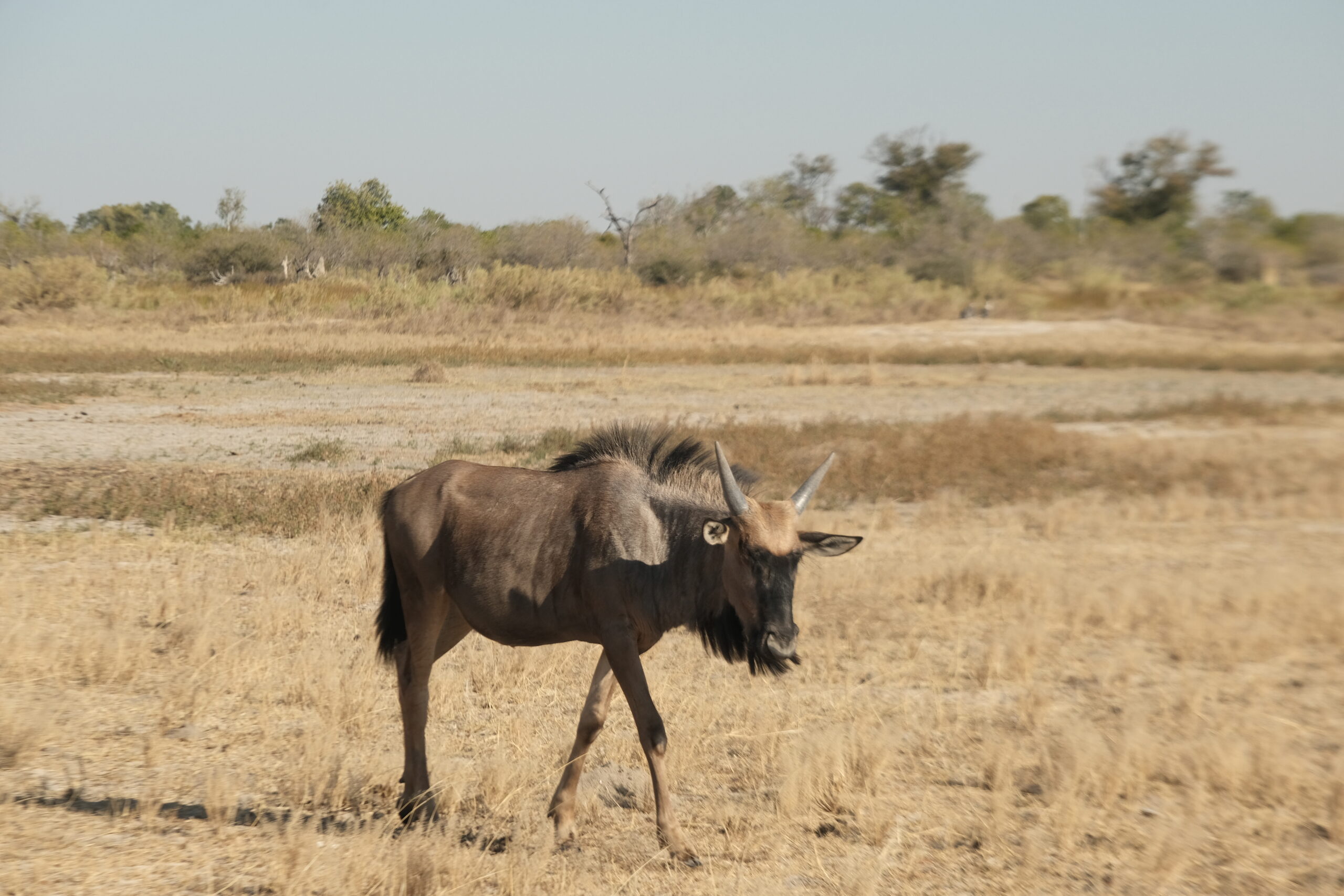
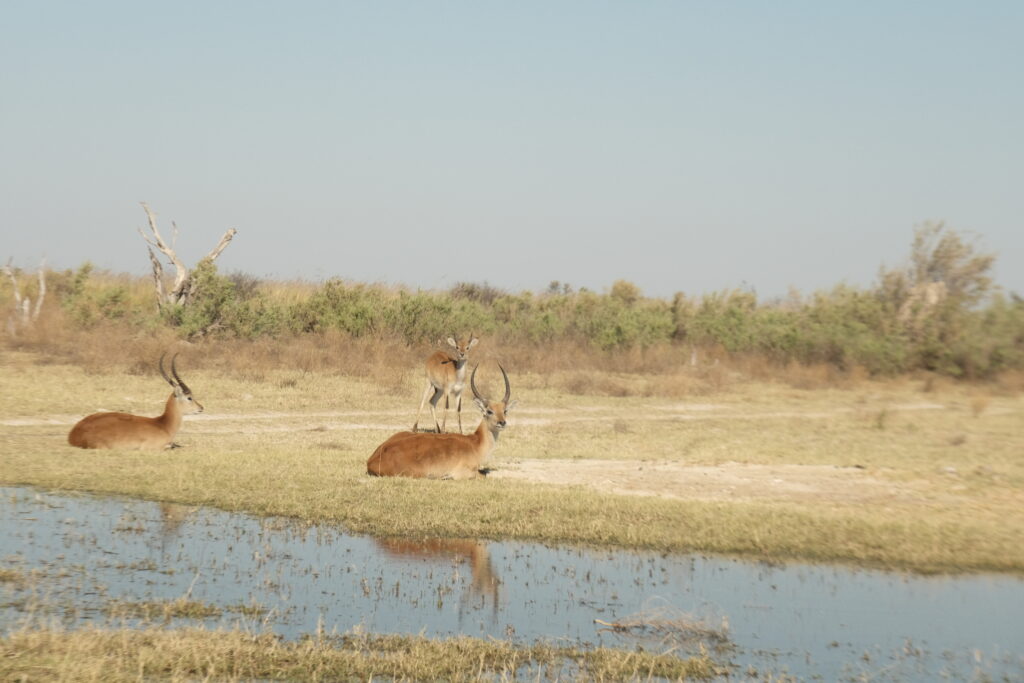
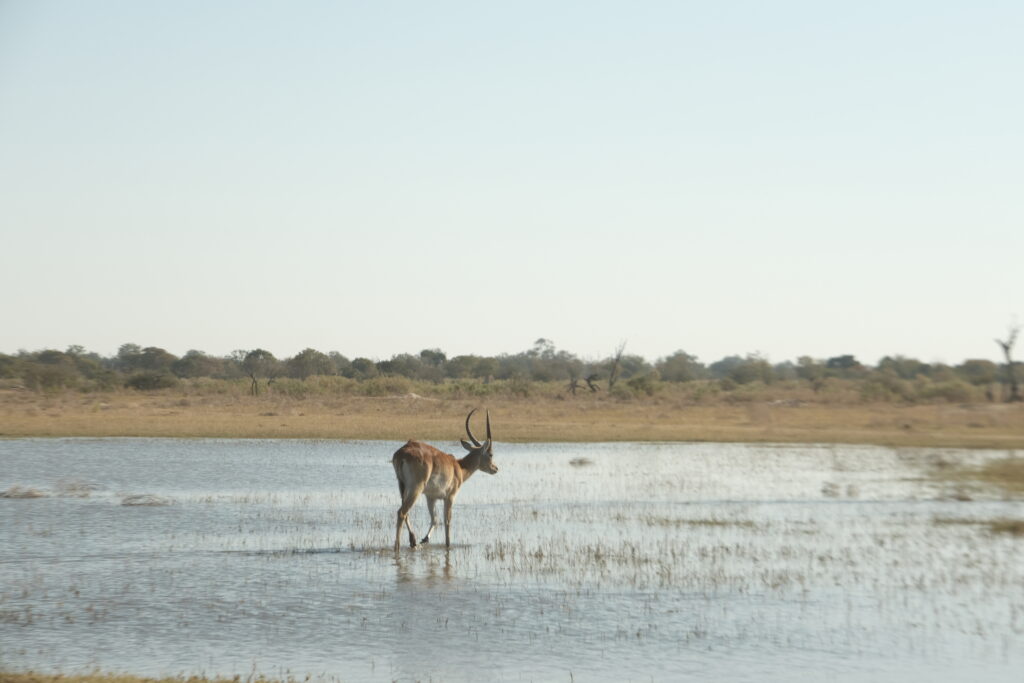
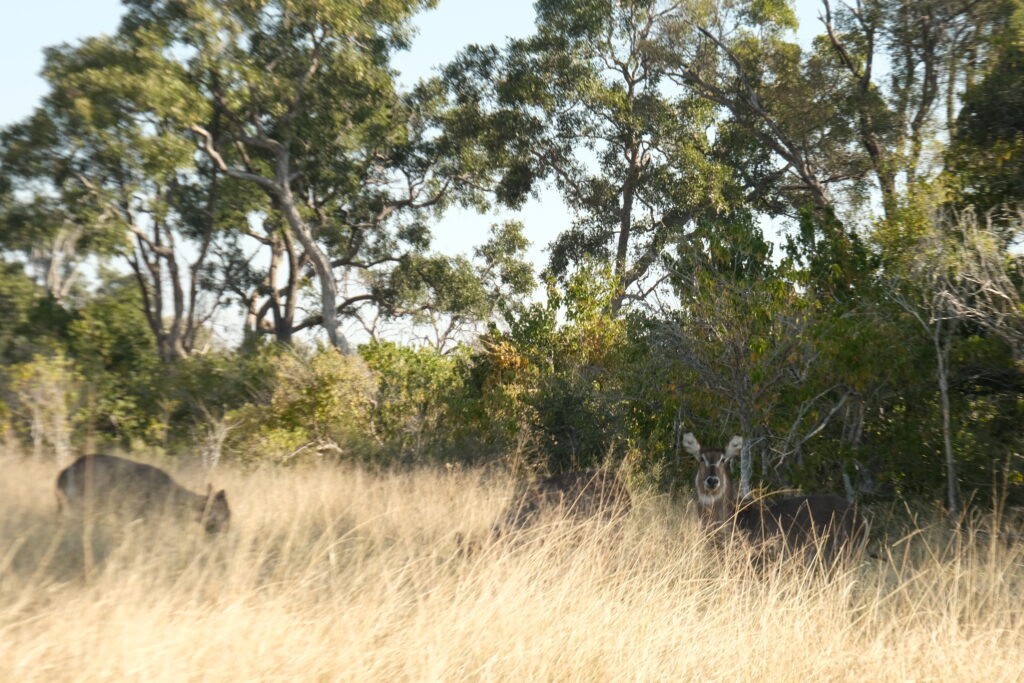
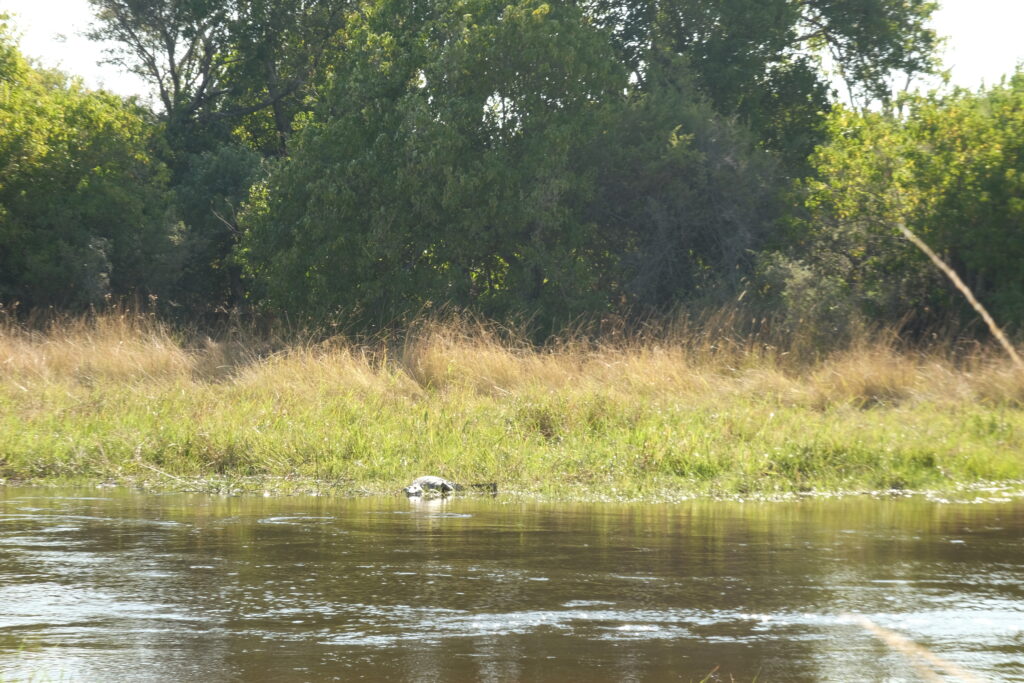
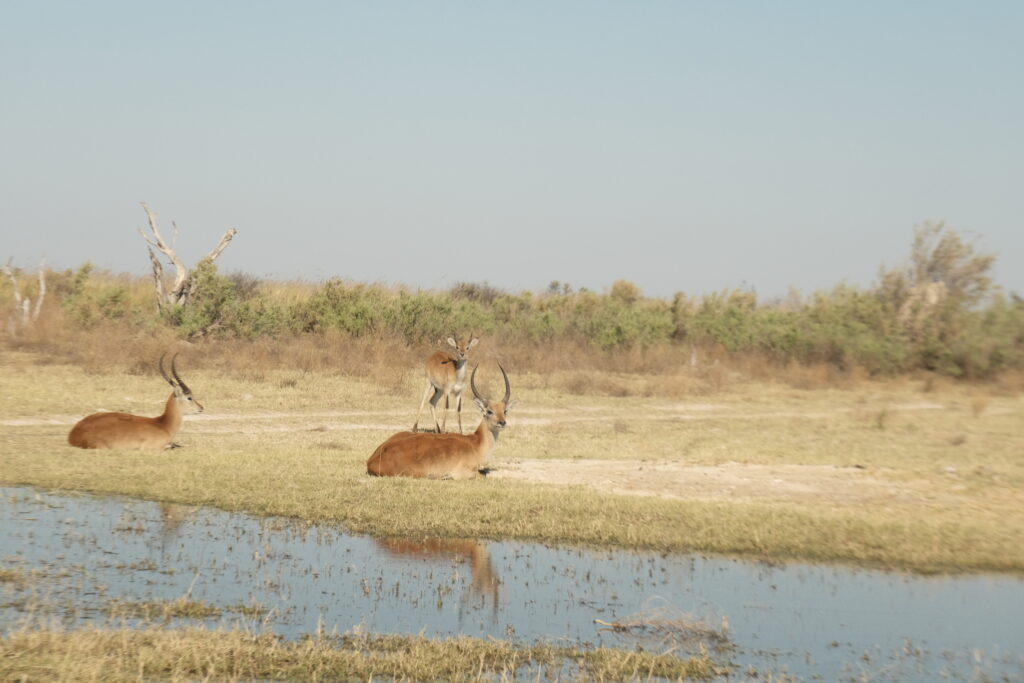
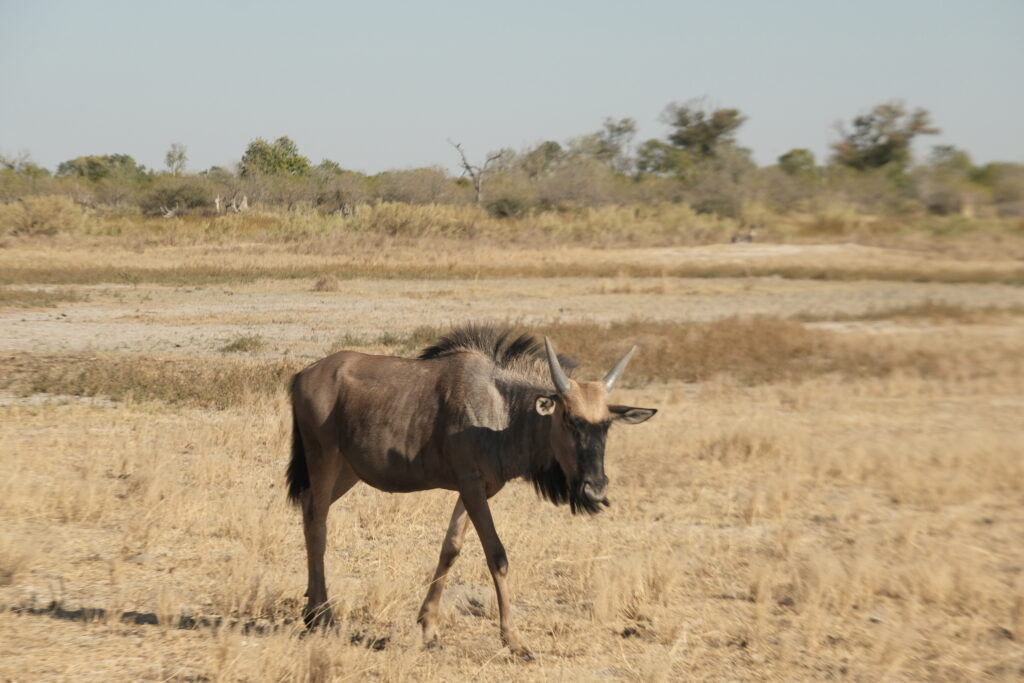
As we drove further north into the park, we came across more and more small lagoons as we approached the delta. The impalas were gradually replaced by wildebeest, ringed waterbuck, and lechwe (two of my new favorite animals). We also spotted hippos and crocodiles.
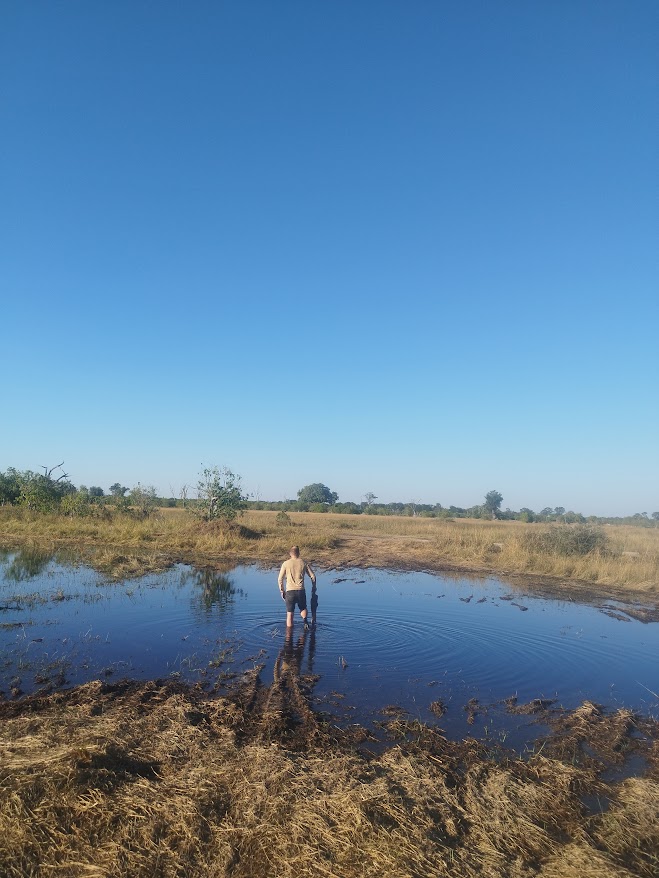
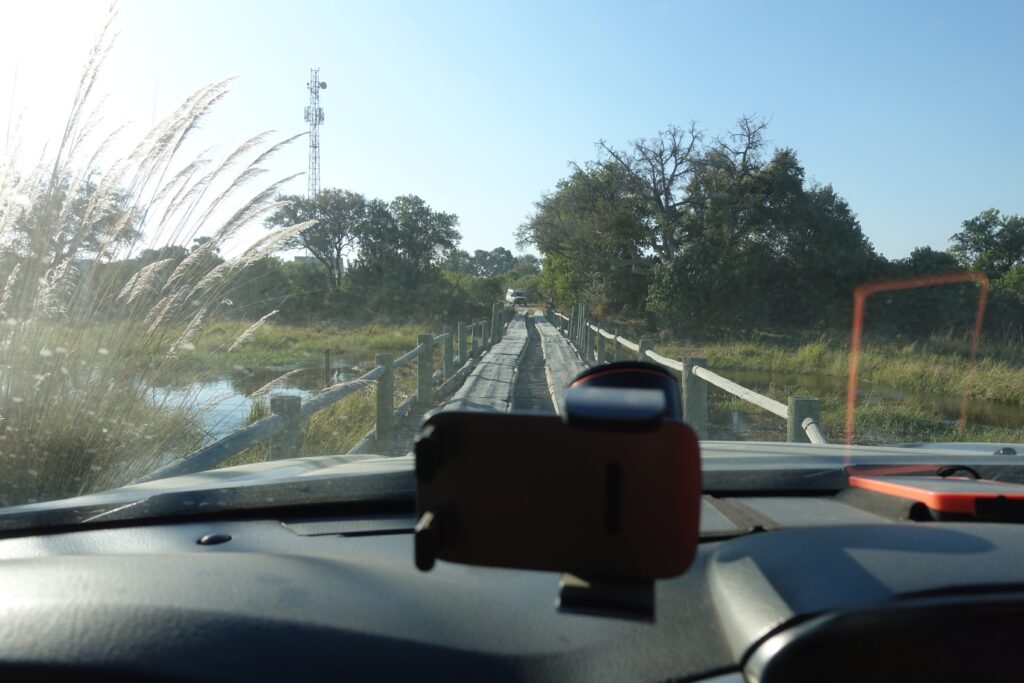
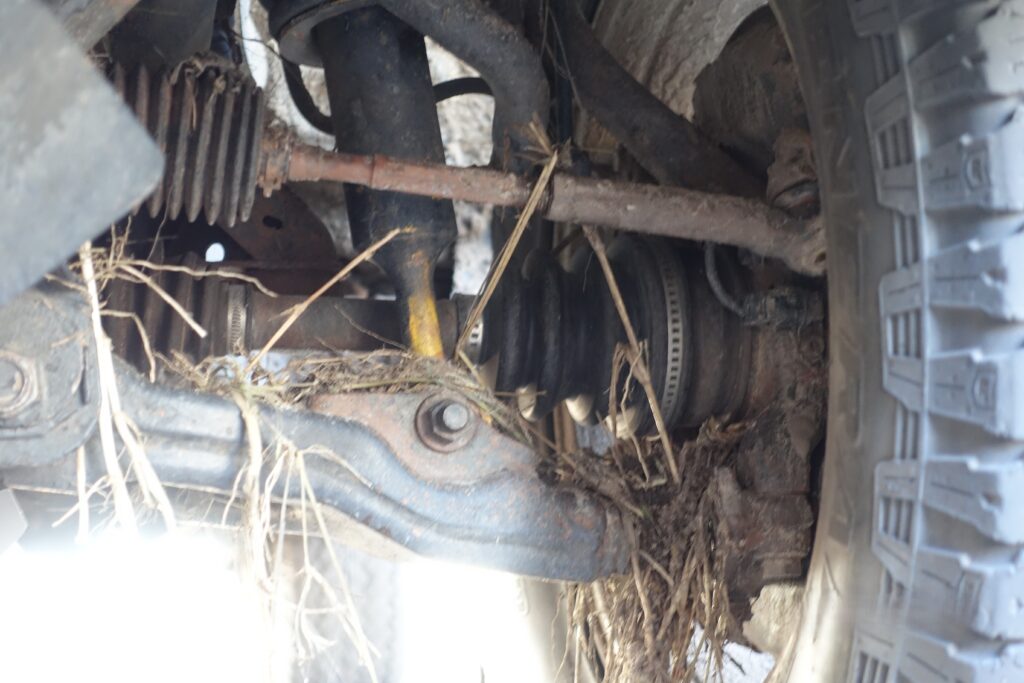
This is where the real adventure began, as we wanted to reach Xakanaxa Camp, which required us to cross several bridges. The second bridge had collapsed, so we had to take a detour and cross a large water-filled depression. It looked quite intimidating at first, but Mezi handled it well. At the third bridge there was a campsite, so we had a look around, and then thought that the remaining ten kilometers to our camp would be quick and easy. However, the fourth bridge had also collapsed. Signs initially showed where to detour, but eventually, the markings disappeared. First, we had to cross a huge puddle: Ádám went ahead on foot to check how deep it was. It was terrifying to drive through, but we were surprised at how easily Mezi made it across. Then came an even muddier section, where we were convinced that Mezi would get stuck, but it managed to get through that as well. After this came the scariest part: the sun was setting, and we still couldn’t find the road. We were afraid we’d have to turn back, but worried that the return route would be even more slippery, and we’d end up stuck in the mud overnight. We were very lucky that a safari vehicle came by and its driver showed us the way – but this was probably the most frightening experience we’ve had in Africa so far.
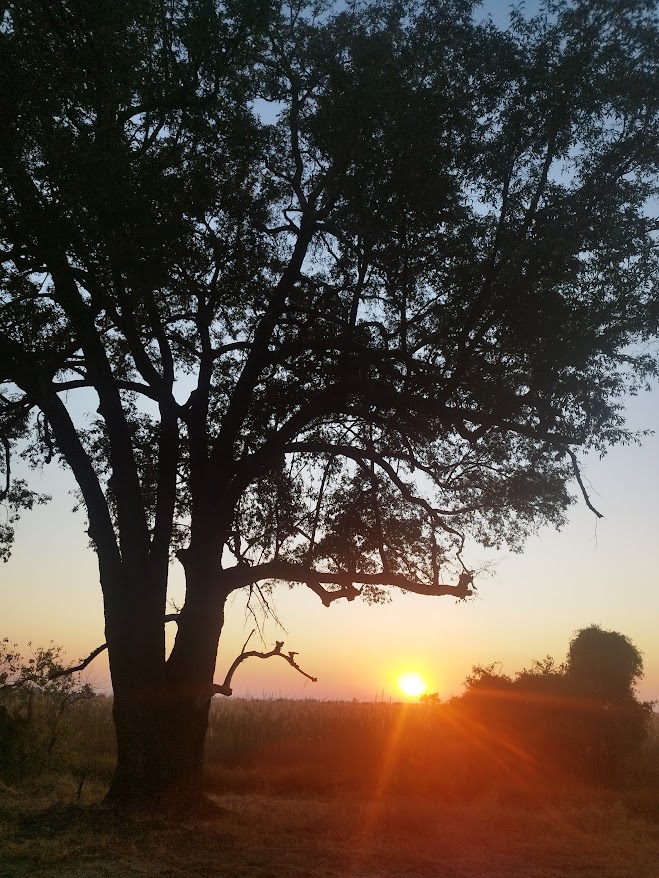
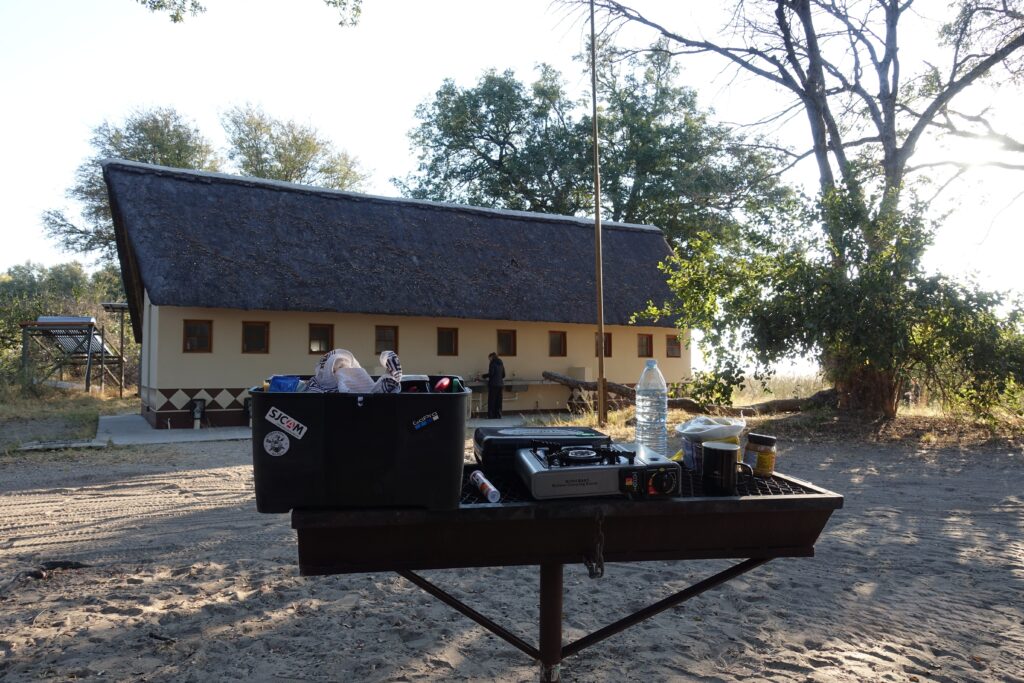
Just a few hundred meters before the camp, we encountered yet more elephants. We didn’t have a reservation, as the camp was fully booked, but we had written ahead on WhatsApp to the staff, who replied that we should just come anyway. And indeed, not long after our arrival, someone confirmed that we could stay for one night. In the evening, we could hear hippos in the river beside us, and of course – true to Botswana – there were no fences around us.
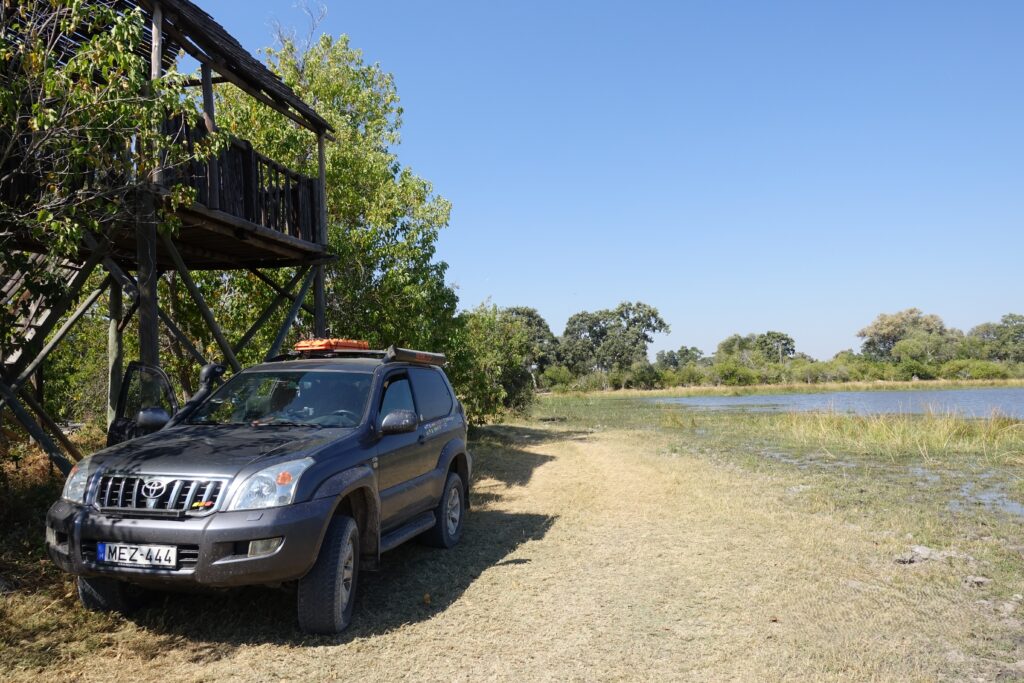
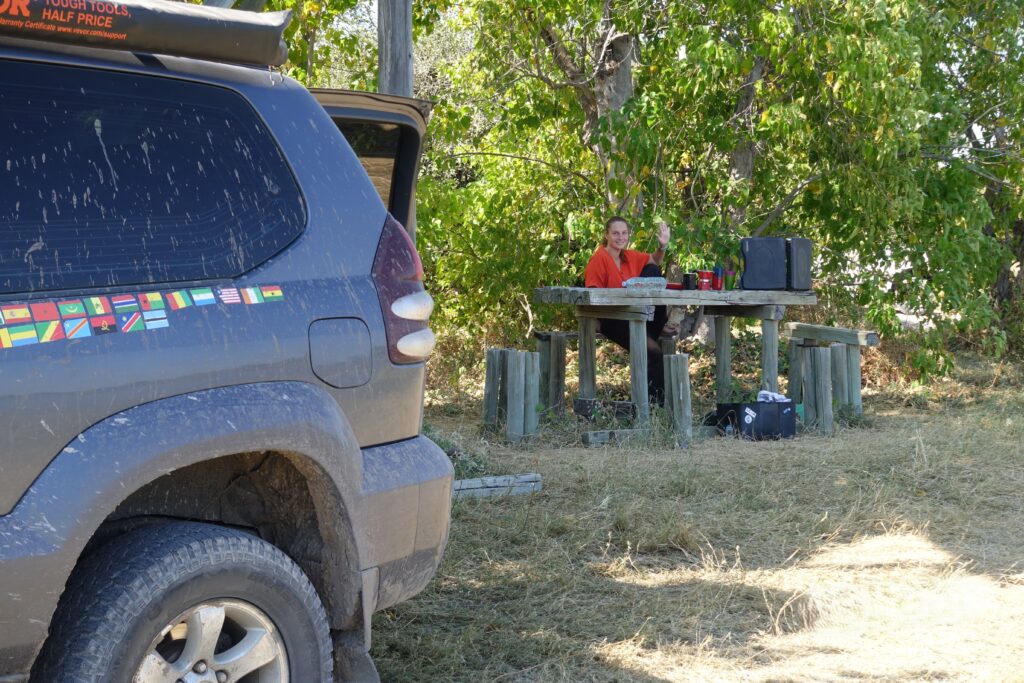
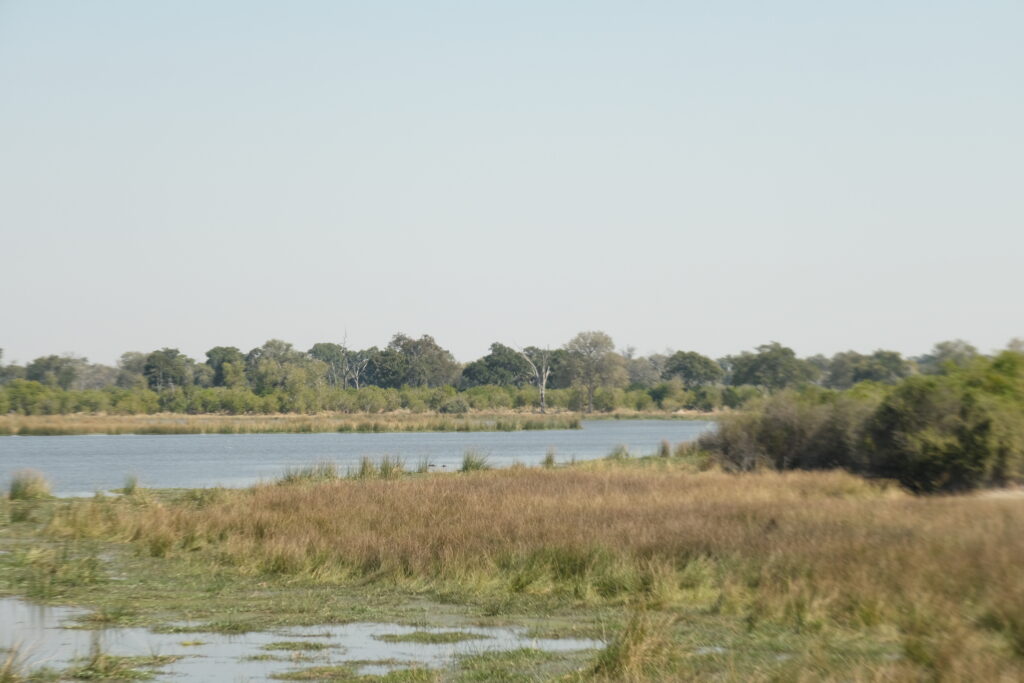
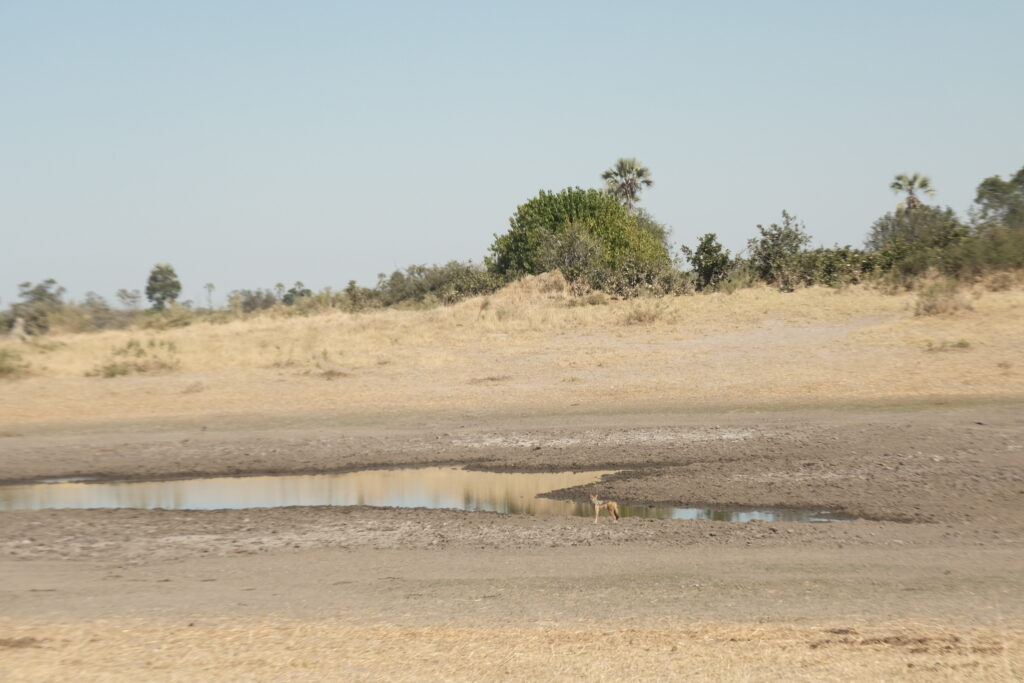
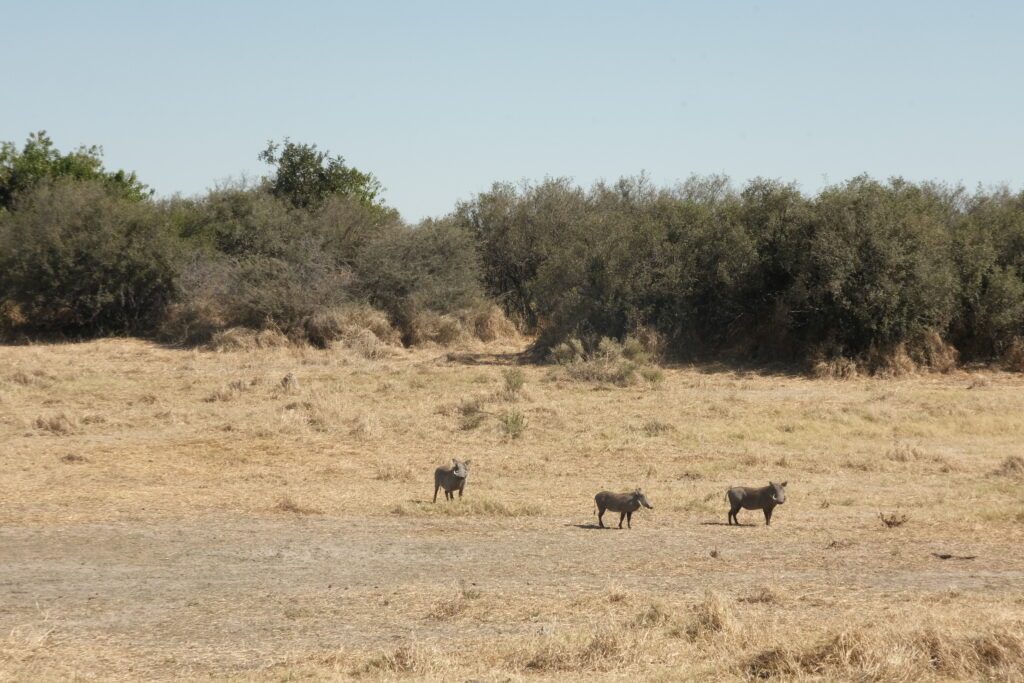
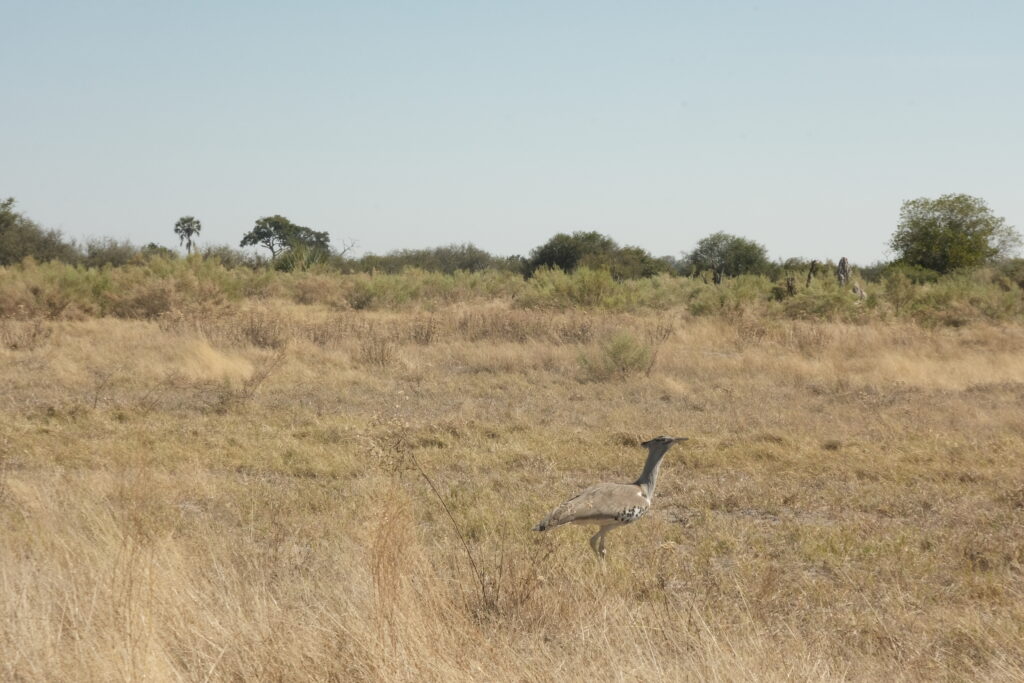
The next day, we spent some time in the wetlands. We stopped to have lunch (carefully) at one of the Hippo Pools. On our way out of the park, we drove through beautiful savanna landscapes. We saw plenty of animals, especially elephants, which was always both thrilling and nerve-racking – we were excited, but also cautious not to scare them or get caught between them.
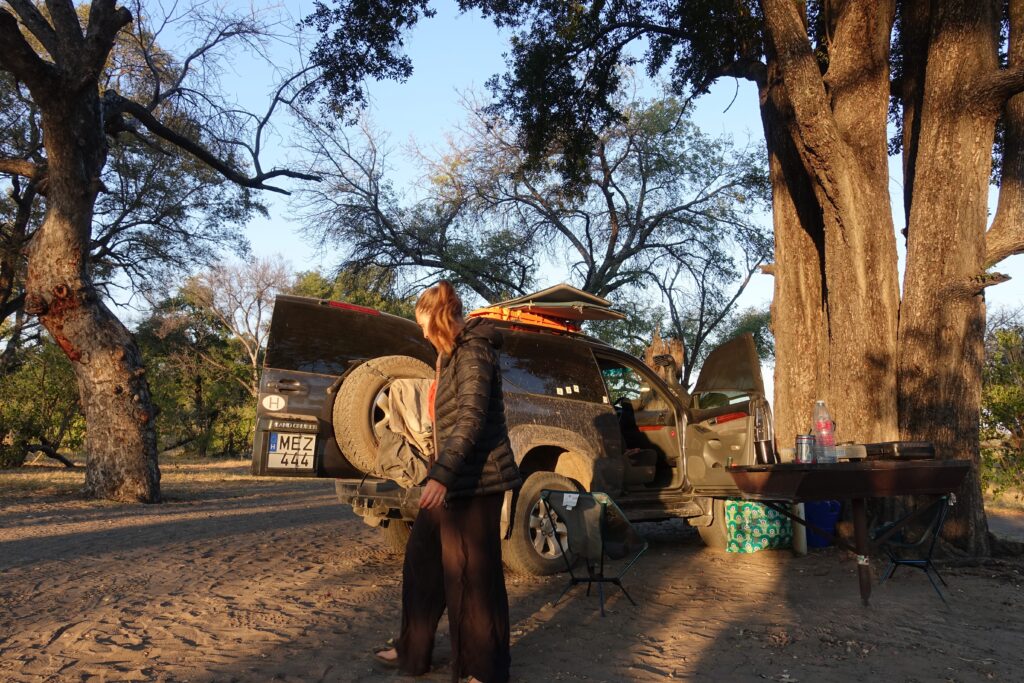
After leaving the park, passing through the village of Khwai, we decided to wild camp. Somewhere between Chobe and Moremi, about halfway, we found ourselves in an area teeming with wildlife. Ádám built a little fort around us from branches. It was an exciting night: we could hear hyenas nearby.