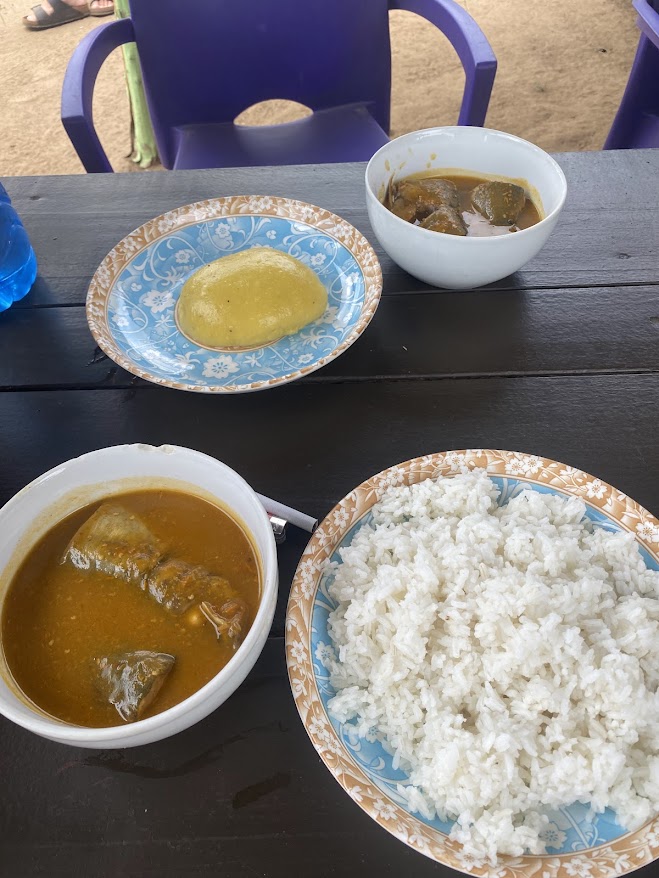
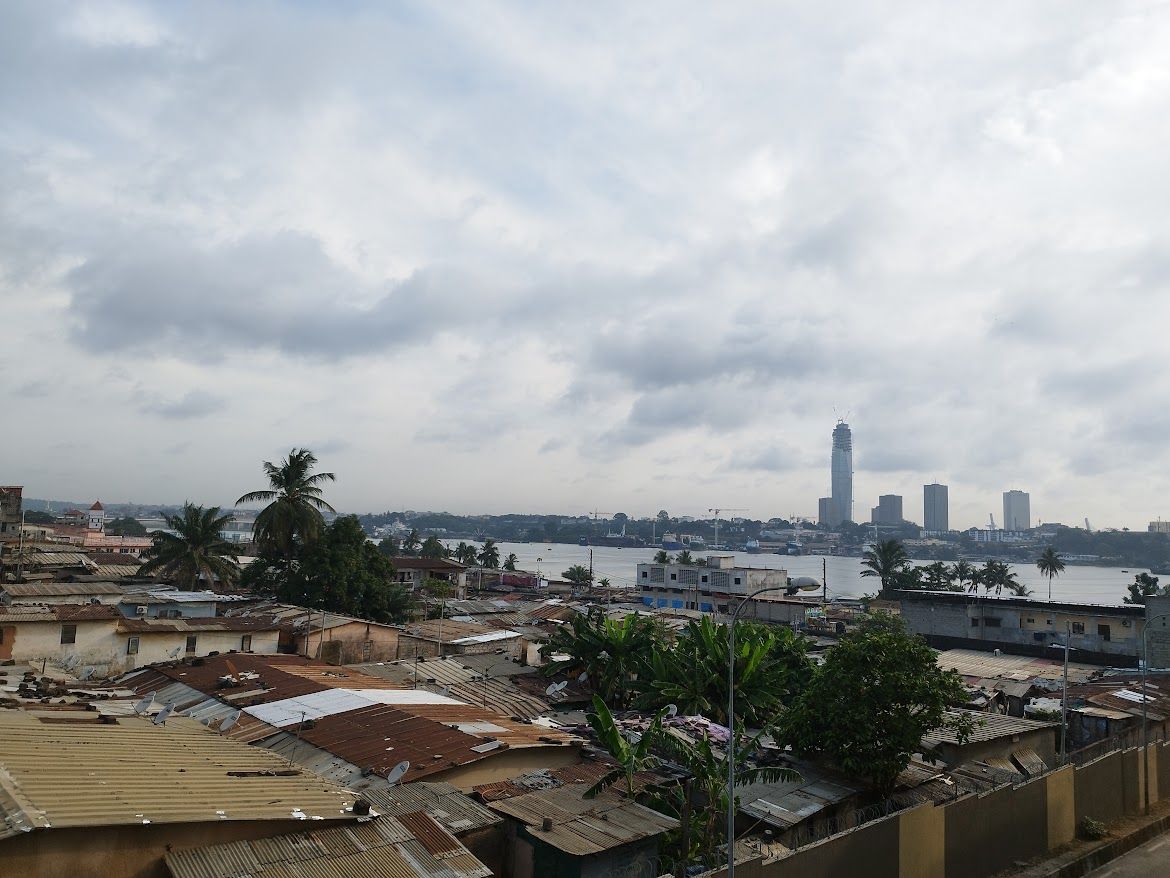
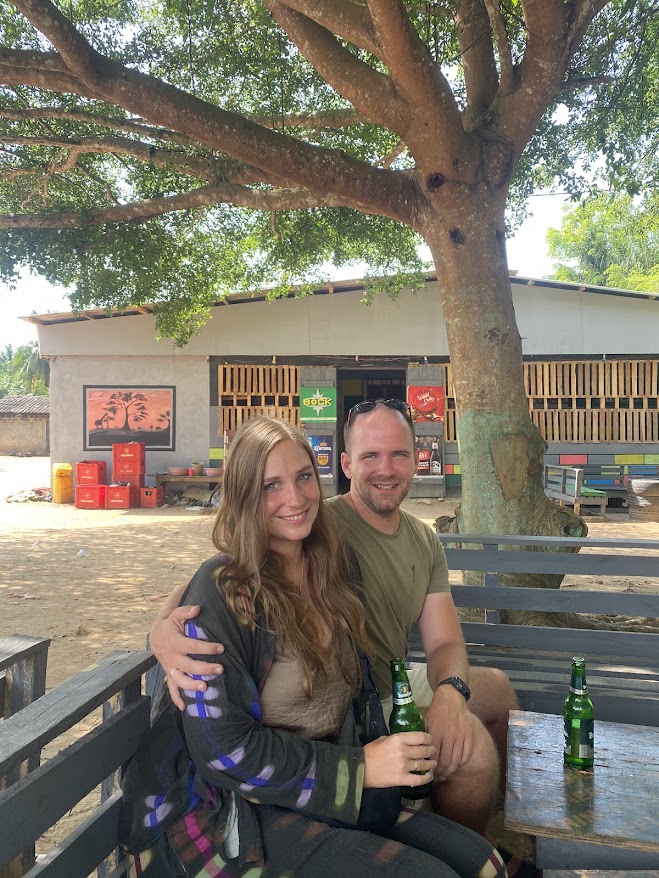
March 9-12: We wanted to drive from Man to the coast, but Google Maps showed 8 hours, so we decided not to do the trip in one day. After the hike, we managed to drive for two hours, so we stopped in a small town at sunset, where we took a short walk, had some fried fish (with incredibly spicy habanero), and drank a beer in the local bar.
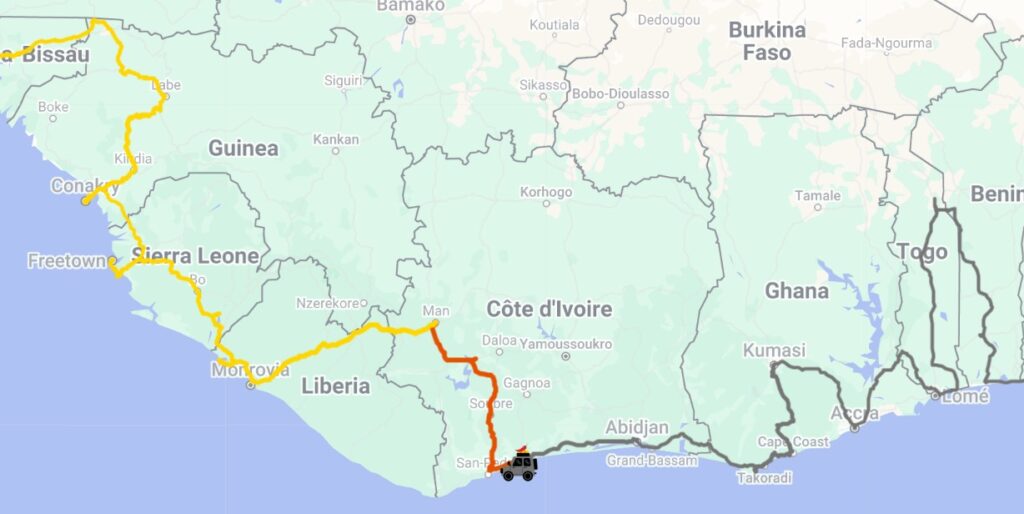
The next day, while driving, we were looking for a place to sleep, which turned out to be incredibly difficult. Côte d’Ivoire has some of the most beautiful beaches in West Africa, but they are either very developed and expensive, or so untouched that only a few rasta surfers have some huts and camping spots there. Since Anna and Bálint were with us, we had to look for an option where they could also sleep in bungalows.
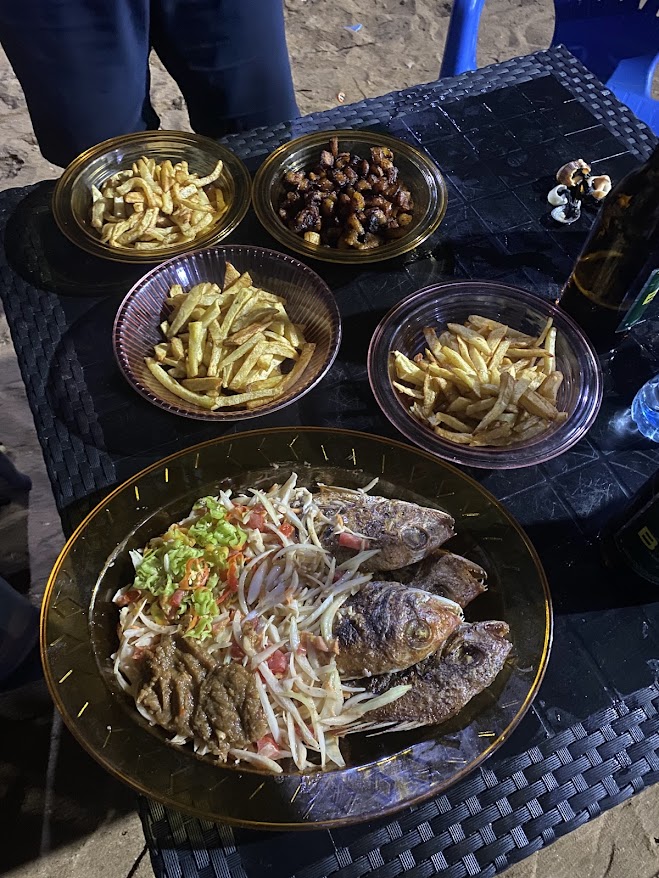
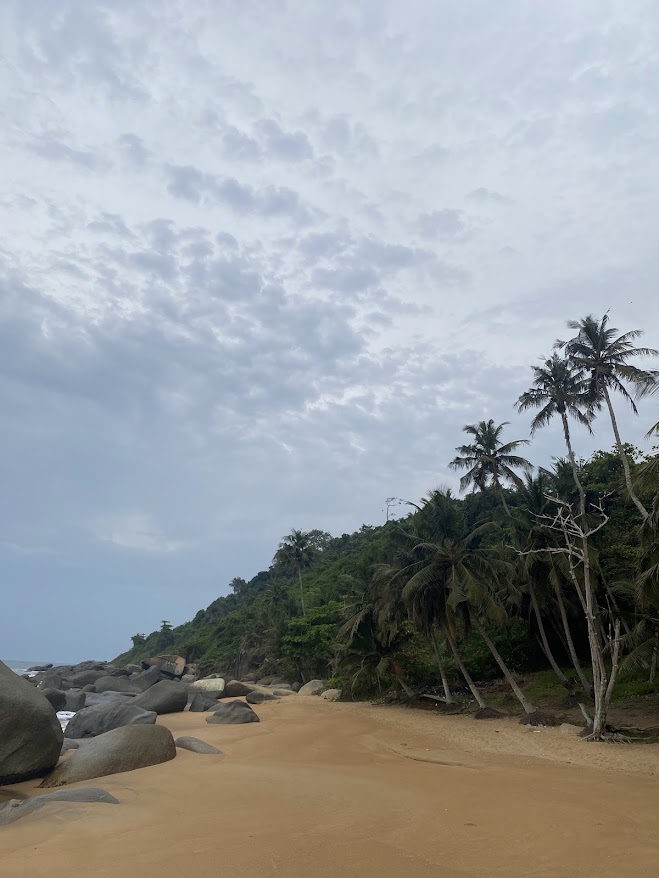
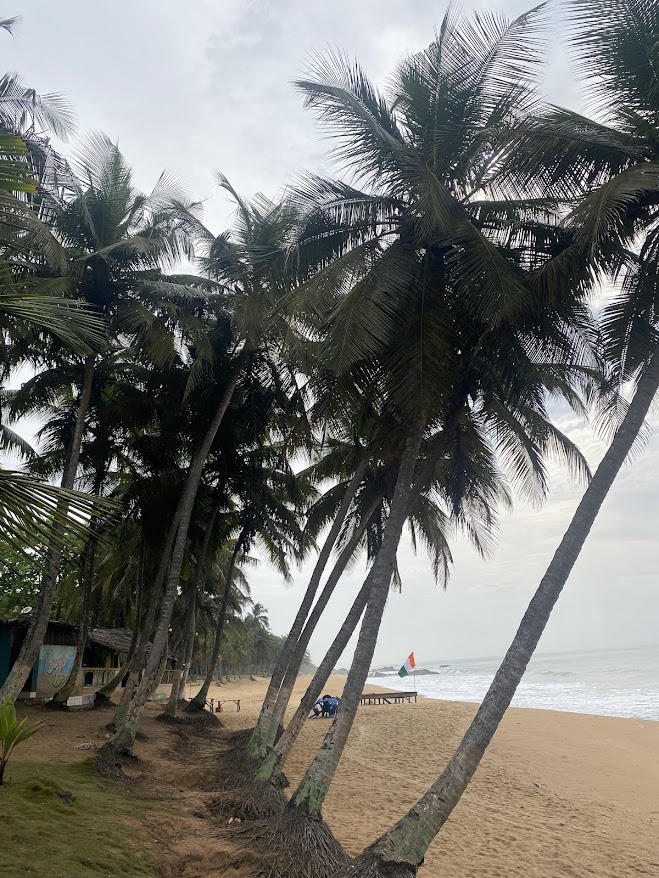
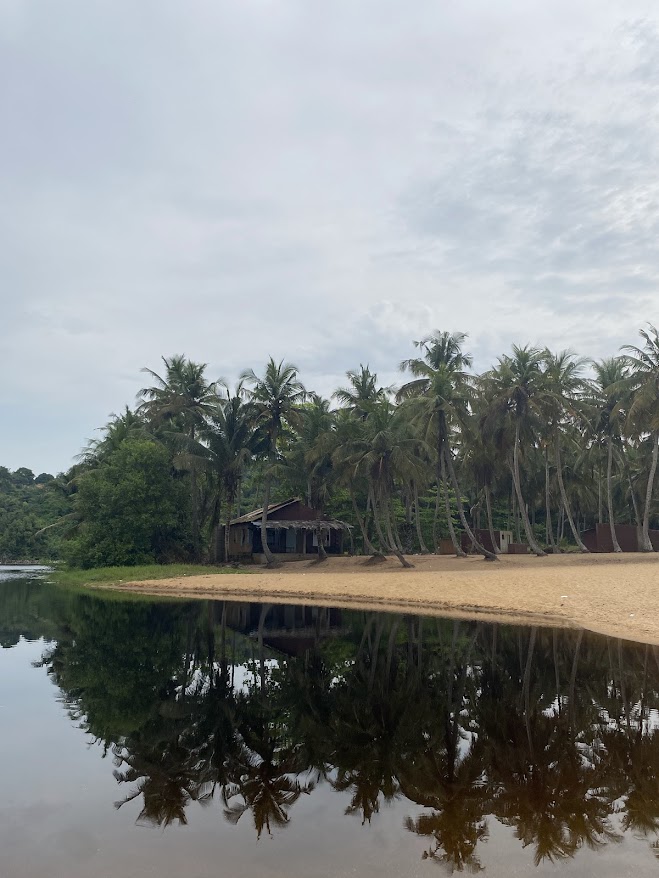
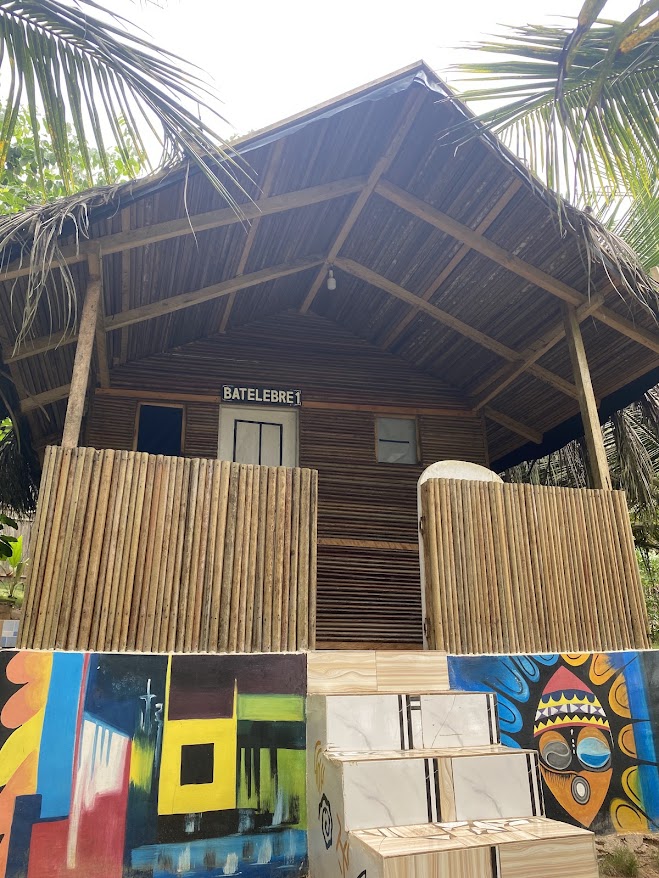
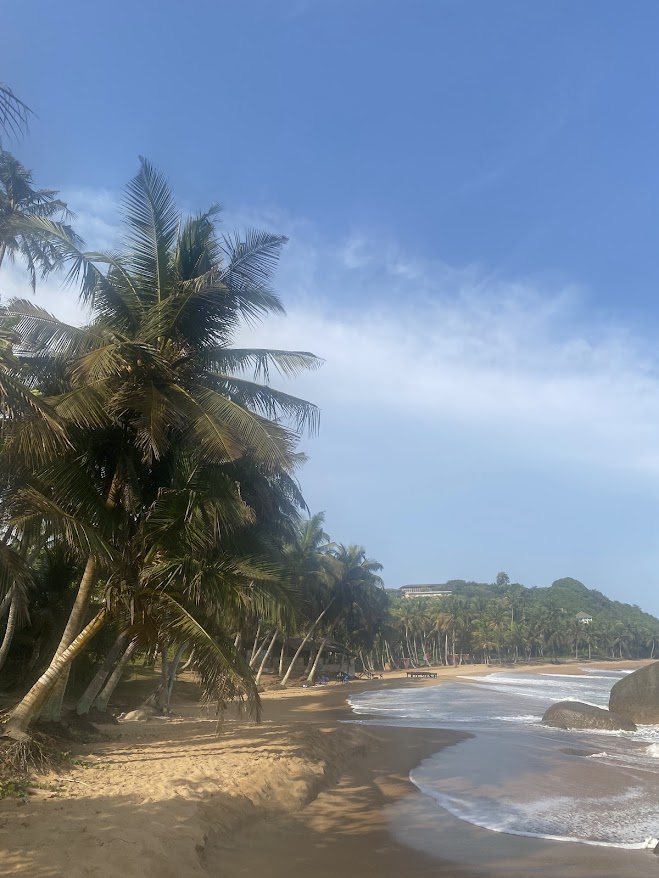
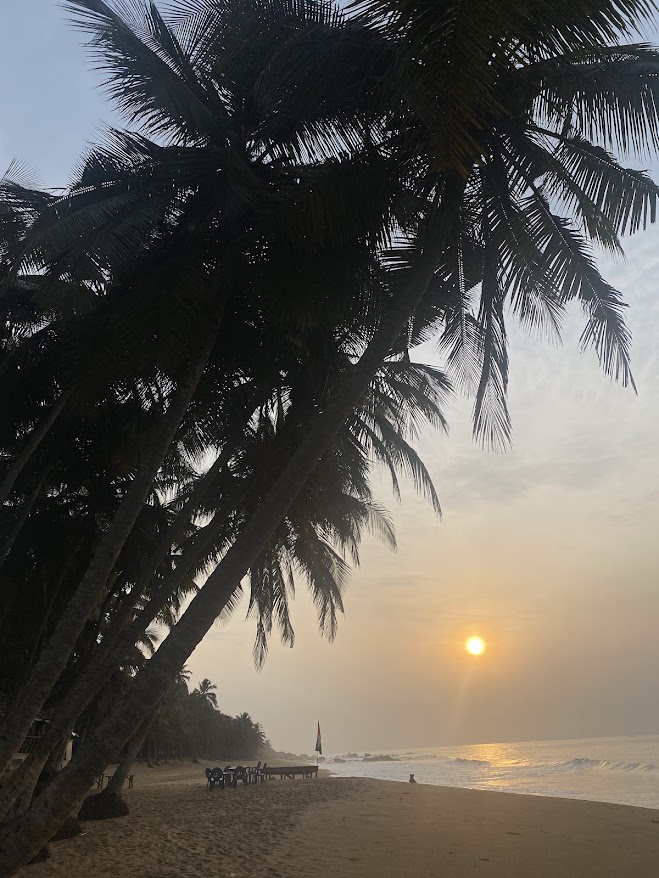
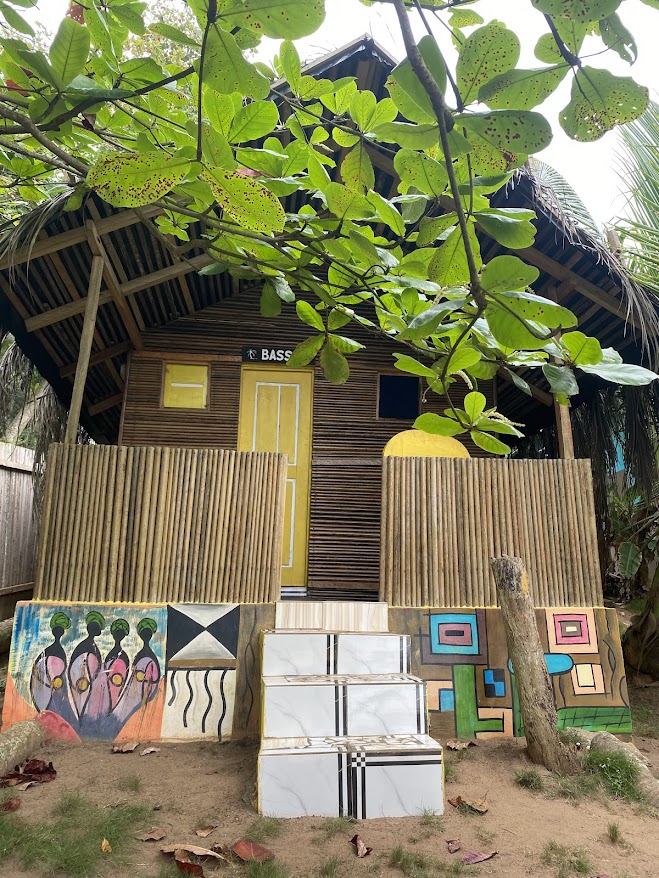
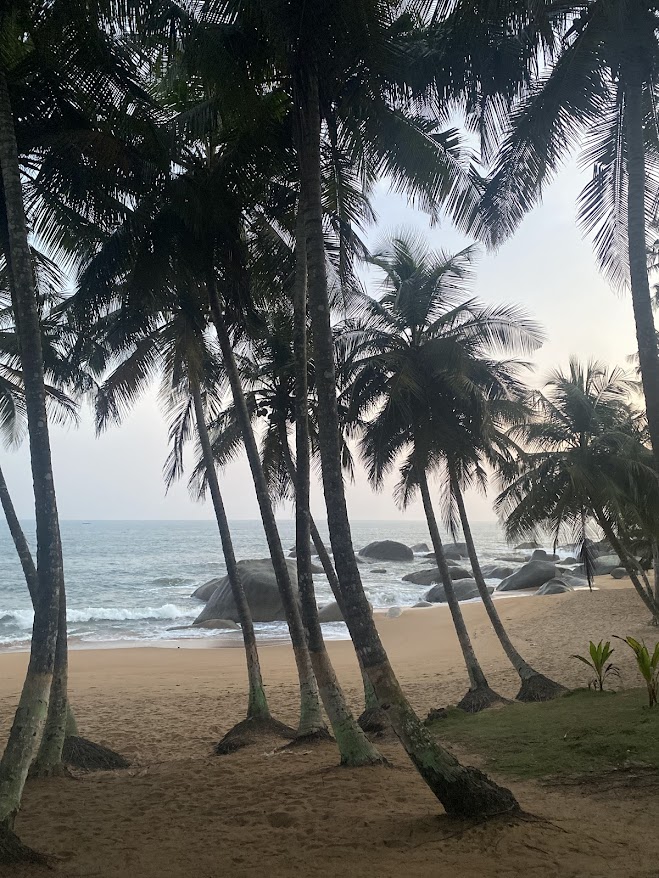
In the end, completely by chance, we found a small accommodation with four bungalows at Beni Beach in Sassandra, run by a family—apparently for generations. In the evening, as usual, we were served grilled fish with salad, and we chose alloco (fried plantains) as a side dish, which turned out to be one of the tastiest sides we’ve had so far.
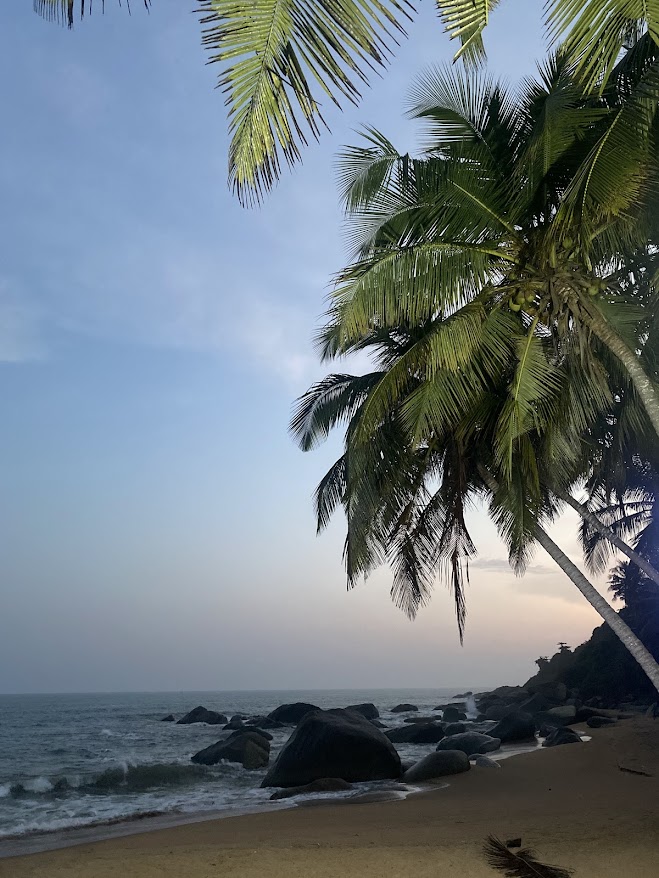
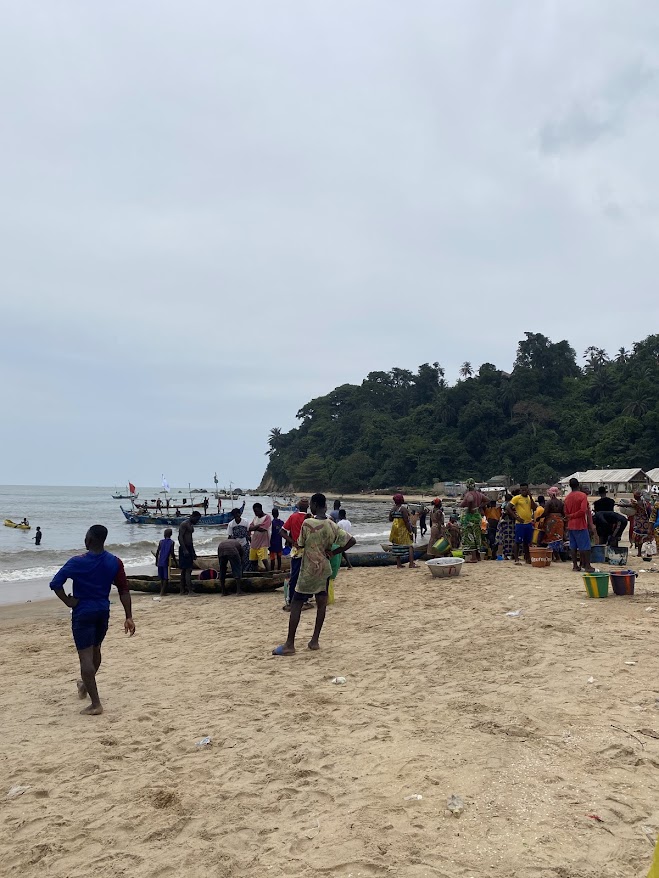
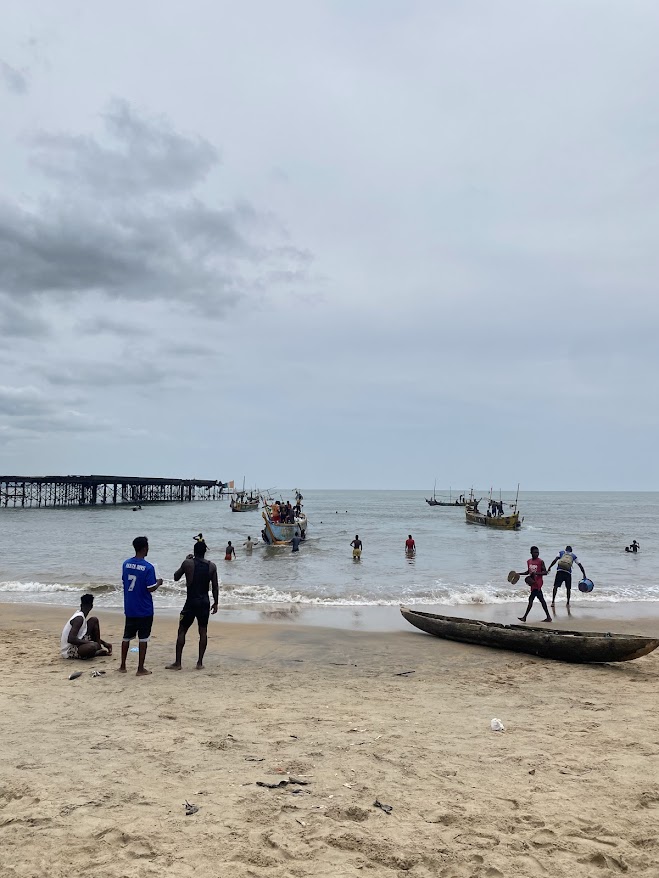
The next morning, we went into Sassandra for breakfast (we had the usual baguettes filled with various sauces) and visited the fishing port and the fish market. Canoes were arriving at the port continuously, being unloaded and the fish sold to the market women. After the morning outing, we simply returned to our beach and enjoyed the tropical coast and the sea, which was hard to get into because of the big waves.
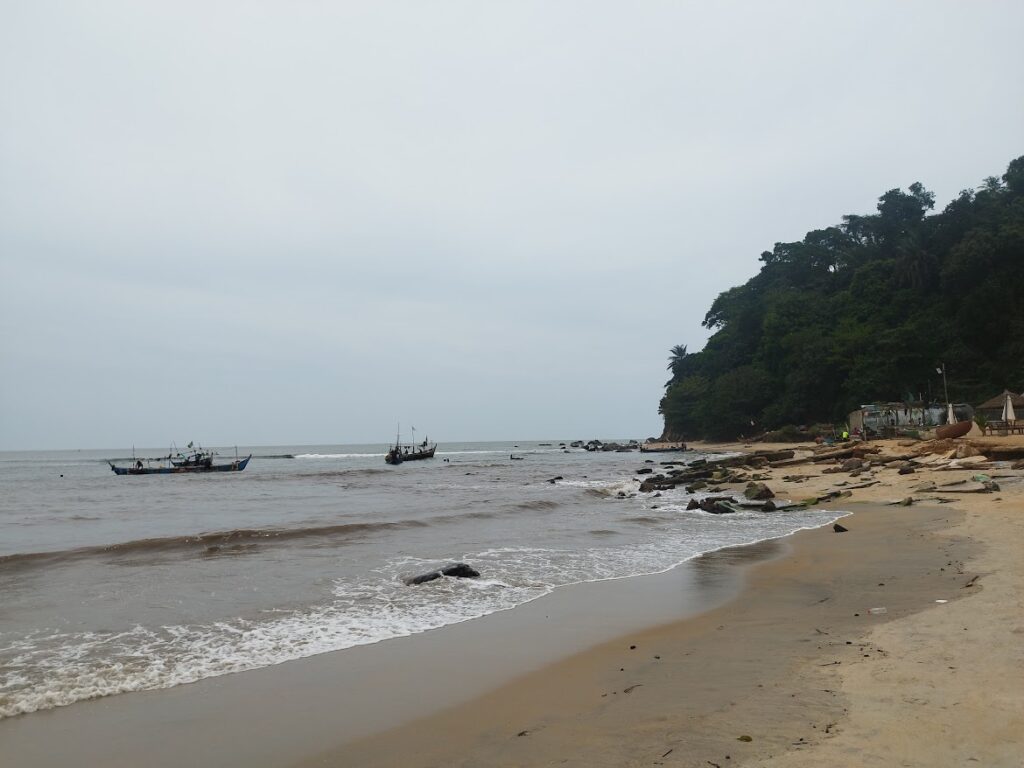
We were completely alone on the beach until late afternoon when, after school, several people came down and swam in the small lake next to the sea. In the evening, we found out that crocodiles live in the lake—locals say they’re very friendly and are considered sacred. We also went out to the lake with a flashlight and really did see many small, moving pairs of eyes.
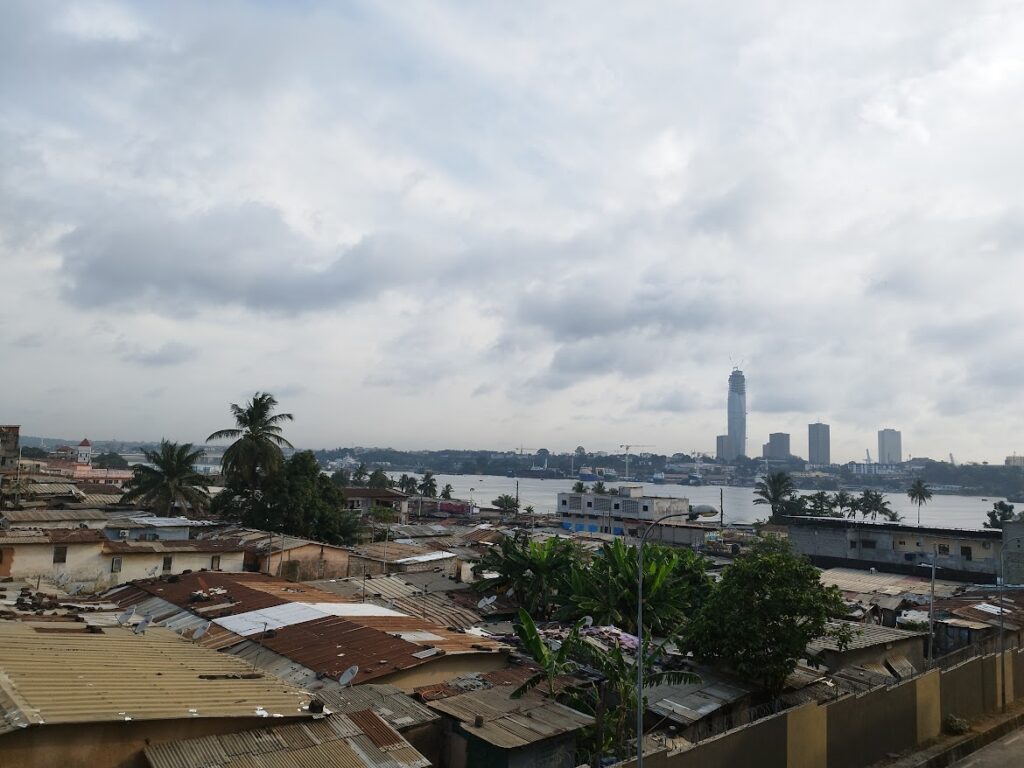
After Sassandra, we headed to Abidjan. Like in many African countries, Côte d’Ivoire’s capital (Yamoussoukro) is not the biggest city—it’s merely the political capital, while the economic hub is Abidjan. Abidjan is a city of over 6 million people, mostly very modern, with a few less modern parts scattered around.
Our first stop was a car service because of a strange noise we had heard, which we thought could be fixed with a cheap part. The staff at the Toyota dealership were very kind and helped us find a workshop (“garage”) where they checked the car. Unfortunately, it turned out to be a bigger issue than we expected: the turbo needed replacing.
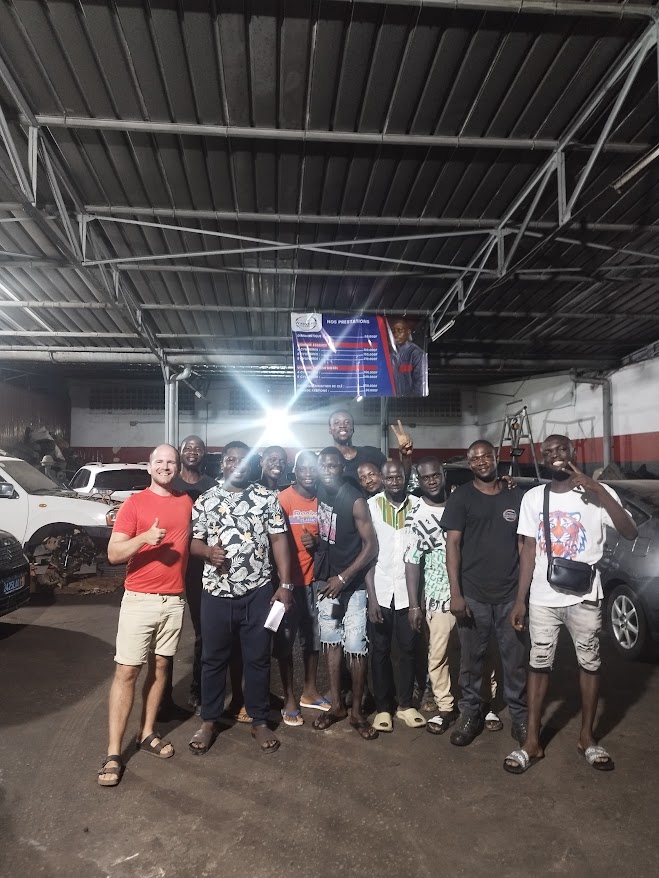
Although the garage officially closed at 5 p.m., everyone—along with the owner—kept working on our car until 9 p.m., even though their favorite football team was playing (they kept glancing at the game during work). In exchange for the overtime, the owner treated all the workers to grilled chicken with onions and gave us a huge discount. It was such a great feeling to once again experience the kindness and hospitality we often encounter in West Africa.
We finally got home around 10 p.m. (we got lost several times, because although Abidjan’s road network with its bypasses is really well-designed, Google doesn’t always tell you in time when to turn), where Anna and Bálint were waiting for us with dinner—we also ended up eating grilled chicken with onions and mango juice, too.