We spent one week in Ivory Coast, but the country deserves at least two—ideally three to four—weeks. It is dotted with beautiful nature and beaches, and it has one of the most diverse cultures (with numerous ethnic groups and masked dances) and one of the most flavorful, spice-rich cuisines in all of Africa.
What Shoul We know about the country?
Summary
Ivory Coast (Côte d’Ivoire) is located in West Africa, covering about 322,000 km² (roughly three and a half times the size of Hungary), with a population of nearly 29–30 million and more than 60 ethnic groups; the largest include the Akan (especially the Baoulé), Senufo, Bété, Dioula (Jula), and Yacouba communities. Before colonization, several significant kingdoms and political entities existed in the area of present-day Ivory Coast, including the Baoulé Kingdom associated with the Akan peoples, and in the north the Kong Empire, both of which played important roles in trans-Saharan and regional trade. From the 15th century onward, Portuguese and later French traders appeared along the coast; the country’s name refers to the intensive ivory trade. In the 17th–19th centuries, the region also became involved in the Atlantic slave trade, though to a lesser extent than some neighboring areas.
In the late 19th century, France brought the territory under colonial rule as part of French West Africa. Ivory Coast gained independence in 1960, and its first president was Félix Houphouët-Boigny, who led the country for more than three decades. After a period of relative stability, an armed conflict broke out in 2002, culminating in civil war in 2010–2011 and leaving lasting political tensions.
More than 70 languages are spoken in Ivory Coast, mainly belonging to the Niger–Congo language family (Akan, Kru, Mande, and Senufo branches). The official language is French, used in education, administration, and the media; however, Dioula is widely used in everyday life as a lingua franca, especially in trade. Religiously, about 40–45% of the population is Muslim (primarily Sunni), 30–35% Christian (Catholic and Protestant denominations), while the remainder follow traditional African religions, with religious syncretism common. Socially, alongside the state, local communities and traditional leaders play a strong role; culturally, music (such as coupé-décalé), dance, and masked rituals remain central elements of identity and community cohesion.
Climate
The country’s climate is tropical, but it varies significantly from south to north. In the southern coastal areas, a humid, equatorial-type climate prevails, with high humidity and two rainy seasons per year (generally April–July and September–November).
Moving northward, the climate becomes drier and more savanna-like: here, there is one longer rainy season (approximately May–October) and a pronounced dry season, influenced by the dry, dusty harmattan wind blowing from the Sahara. The average annual temperature across the country generally ranges between 25–28 °C.
Food
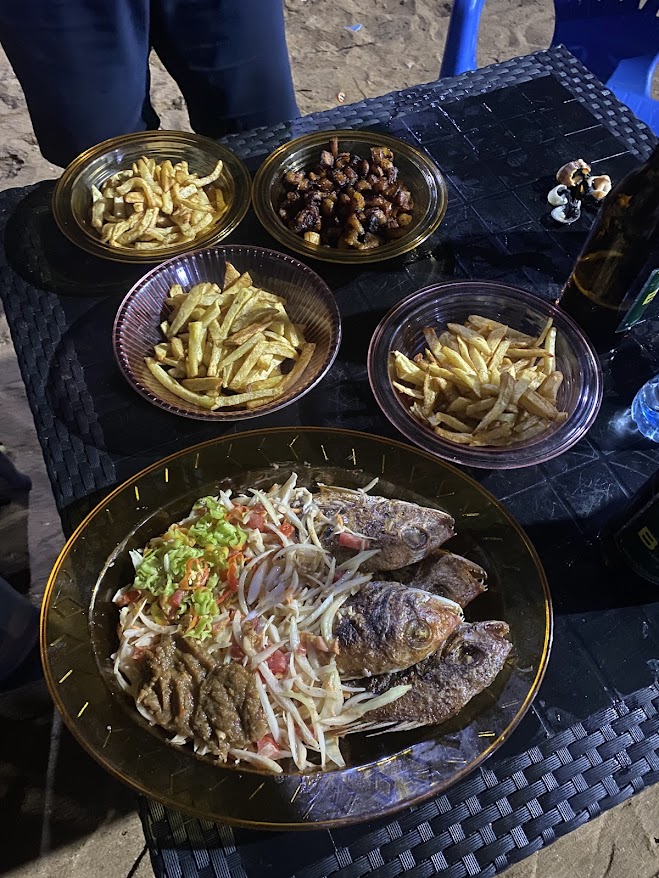
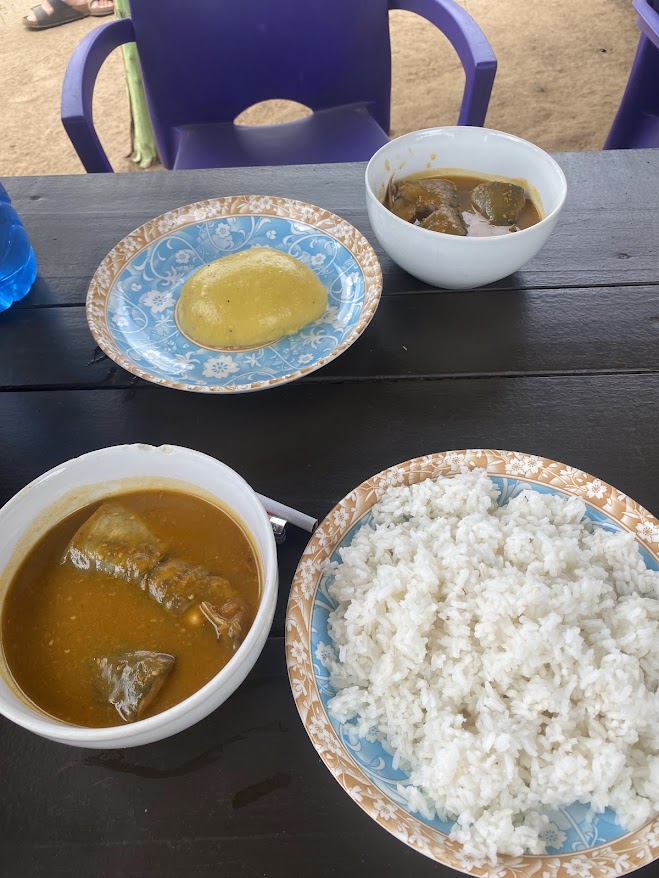
In Ivory Coast, we most often ate incredibly delicious grilled fish, generously topped with lots of chili, tomatoes, onions, and spicy sauce. Our favorite side dish was alloco (fried plantain), while attiéké (a fermented cassava side dish similar to couscous) was not really to our taste, since we don’t like couscous either. When we didn’t eat grilled fish, we had it in various soups — for example spicy or peanut-based ones — which were also very tasty, served with rice or foutou (a smooth, elastic dough-like side dish made from yam or plantain).
We also tried beef stew, the local version of Thieboudienne (a rice, tomato, and fish one-pot dish originally from Senegal), and the local specialty kedjenou (meat — usually chicken — slowly cooked in its own juices with vegetables and hot peppers). In Abidjan, the country’s largest city, charcoal-grilled chicken vendors were everywhere; they would chop the chicken into small pieces for serving. There is also an abundance of fruit — you can have vendors slice up fresh mango or pineapple for you on the spot.
In the mornings, women sell delicious baguettes on the street filled with various toppings (beans, eggs, onion sauce, and we even saw tuna versions). There are also small eateries where they prepare omelets served with Nescafé — though we even found a vendor who had a proper coffee machine.
Overall, Ivorian cuisine is very diverse and flavorful; we enjoyed the food here more than almost anywhere else in West Africa. It certainly helps that there are countless small restaurants and street vendors everywhere, making it very easy to find breakfast, lunch, and dinner.
Safety
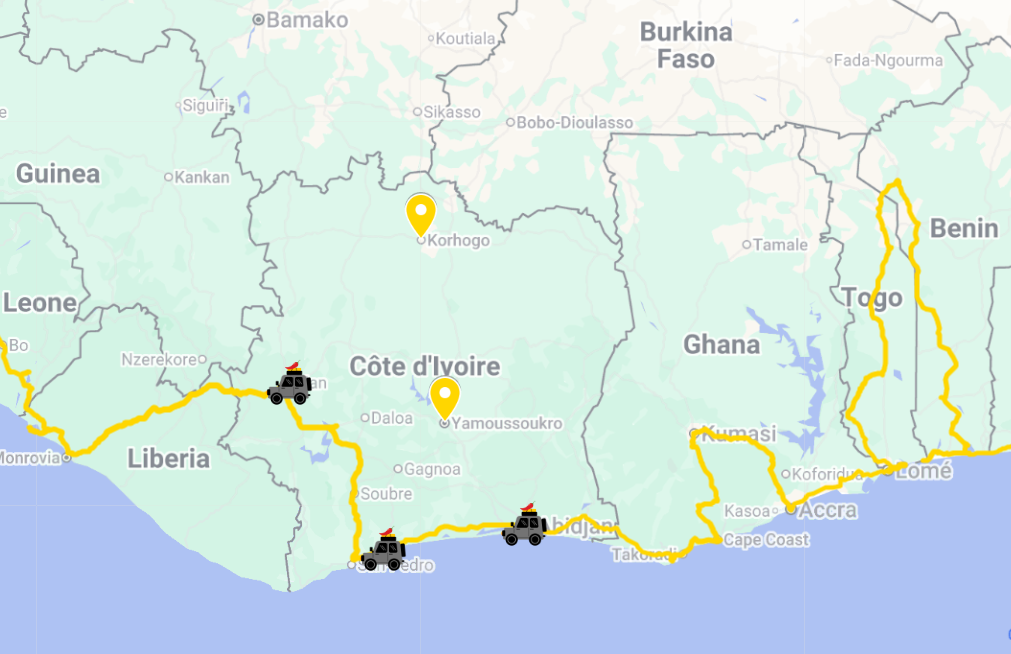
The areas bordering Mali and Burkina Faso are considered dangerous, and are currently classified by most countries as not recommended for travel (due to terrorism risks and kidnappings originating from across the borders). We didn’t have time to travel further north toward Korhogo, which is currently still accessible, but it is always advisable to check the latest security advisories to see what the situation is in the northern regions.
Elsewhere in Ivory Coast, where we traveled, we felt about as safe as anywhere else in West Africa; the coastal areas in particular were very calm. Abidjan is a nearly 6-million-strong metropolis with huge inequalities — luxury skyscrapers stand side by side with makeshift houses, creating visible social tensions. Although we personally felt safe even at night, especially because there were many lively night markets nearby full of people, it’s still worth being more cautious here, as theft and robberies can occur.
Roads
Where we traveled in Ivory Coast, the roads were paved, but they were full of potholes, so it was only possible to drive slowly.
In contrast, traffic in Abidjan is very well organized: multi-lane bypass roads run through the city, we hardly encountered any traffic jams, and we were able to reach the other side of the city quite quickly.
Sights and Experiences – Where We’ve been and What’s been left out
Man
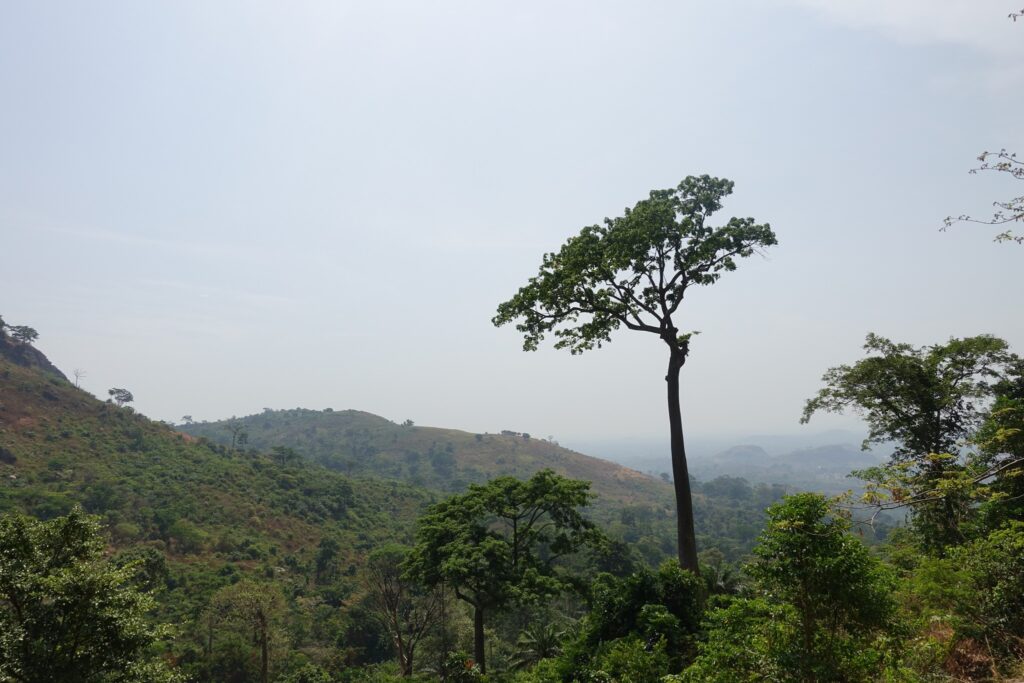
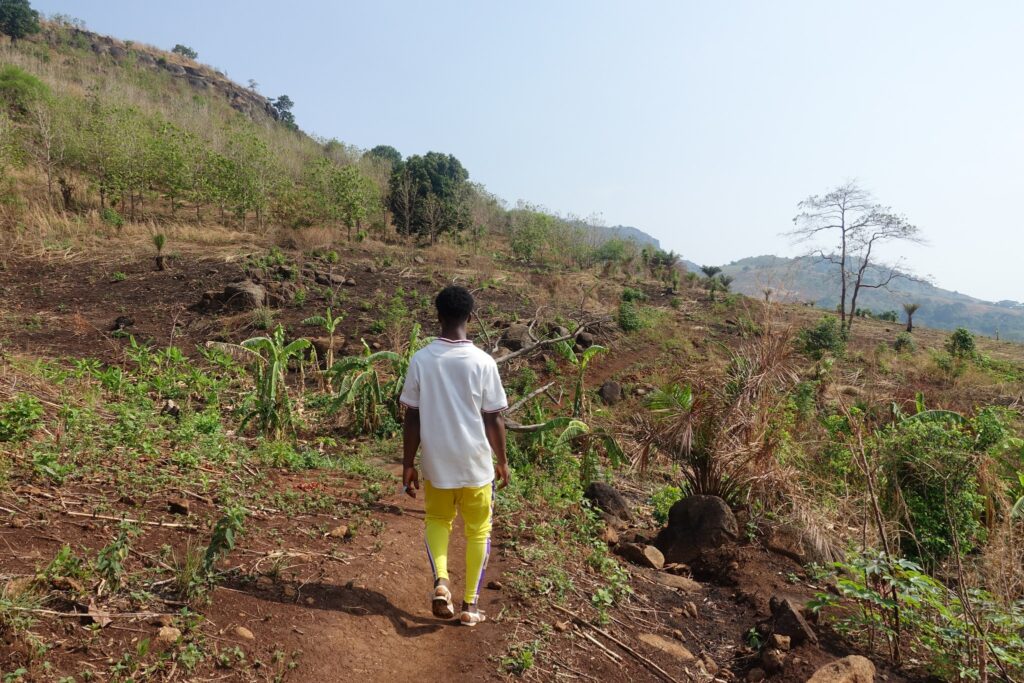
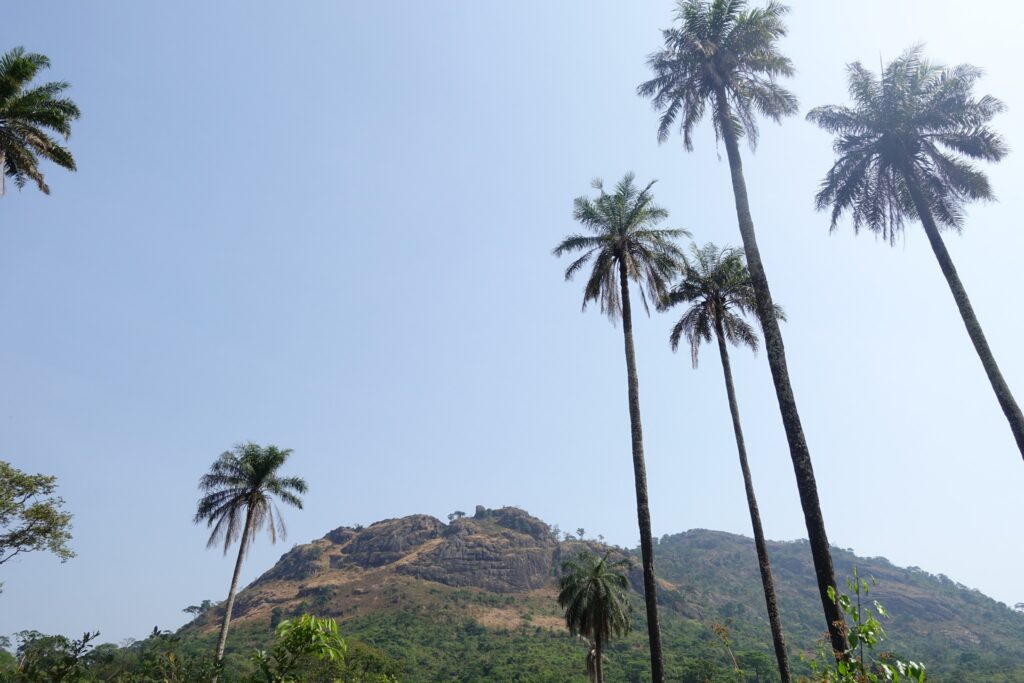
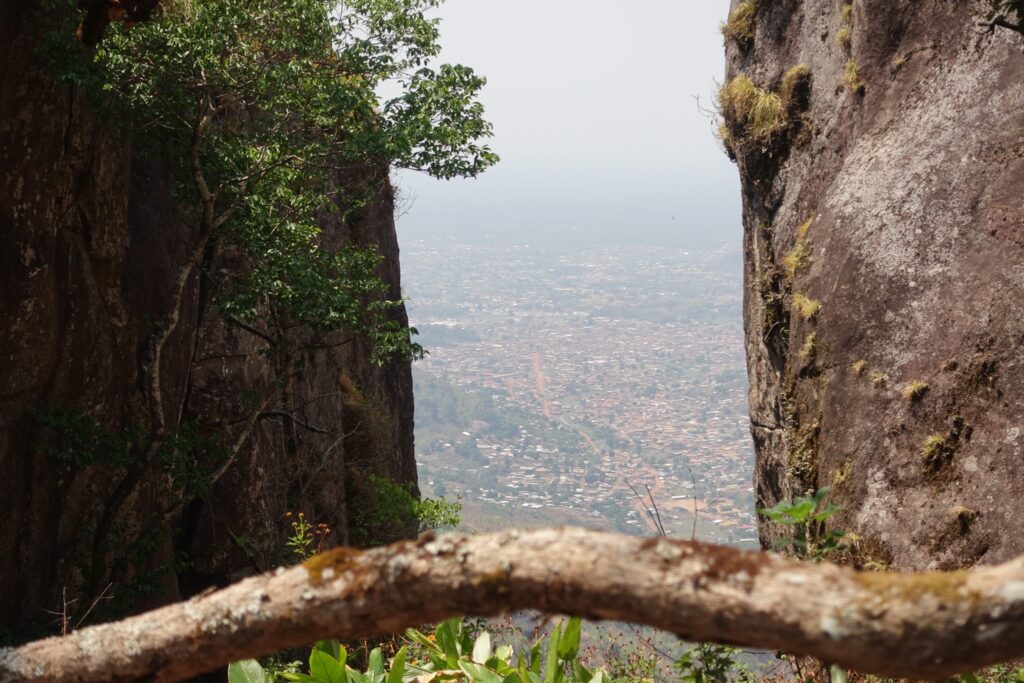
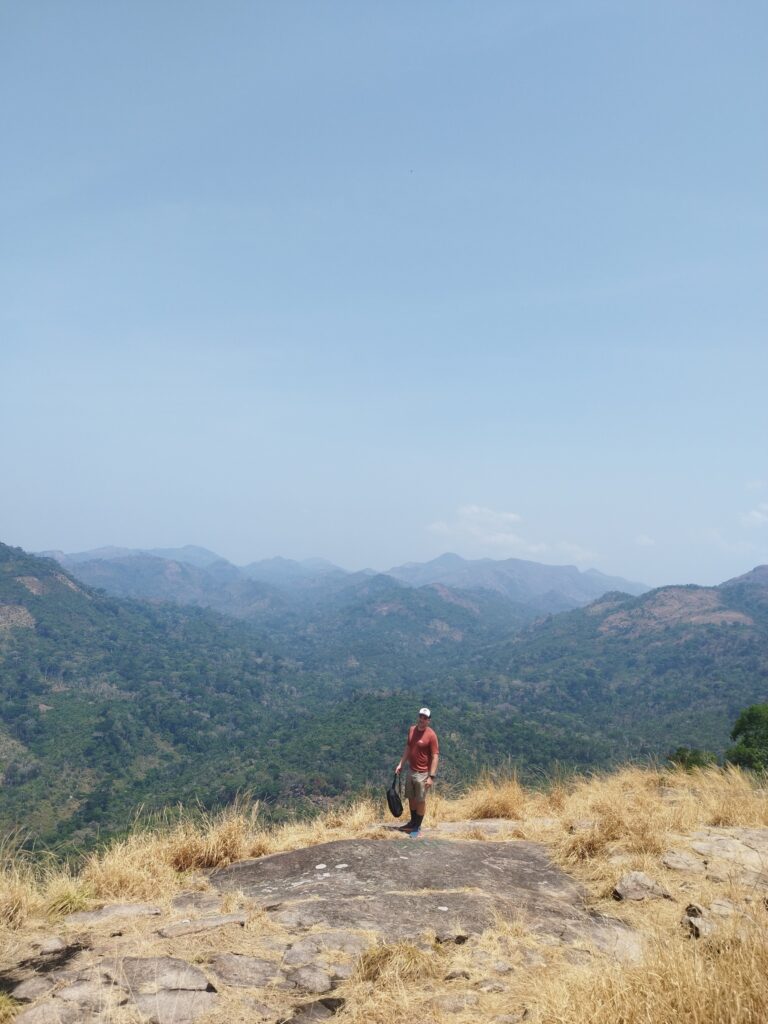
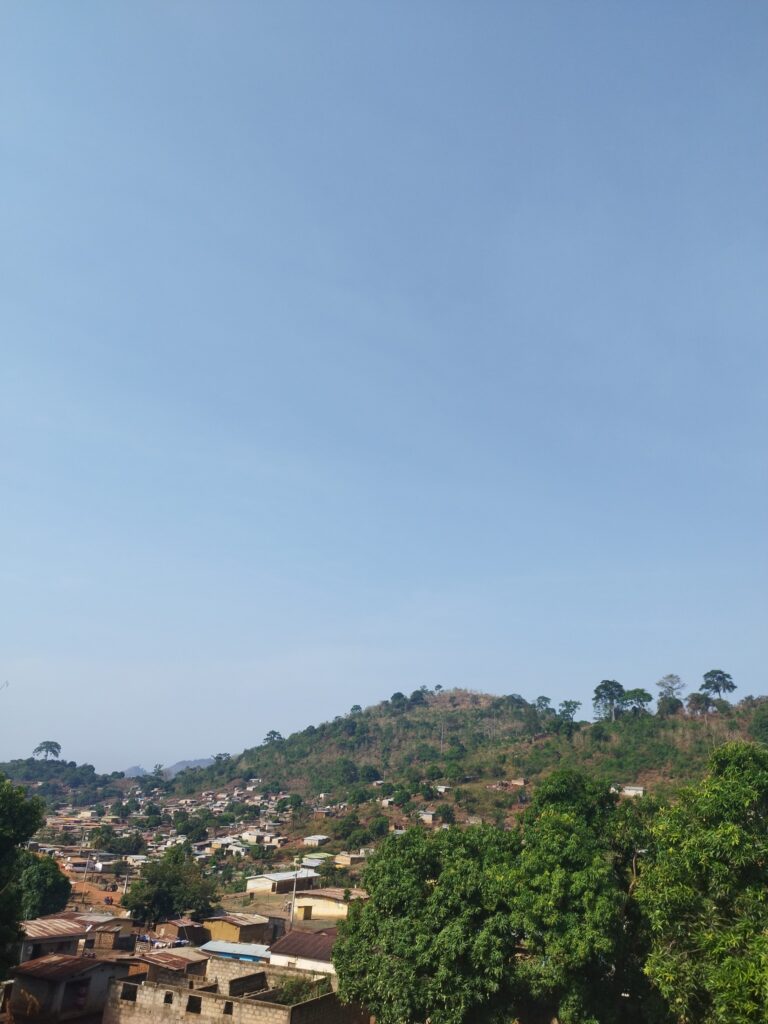
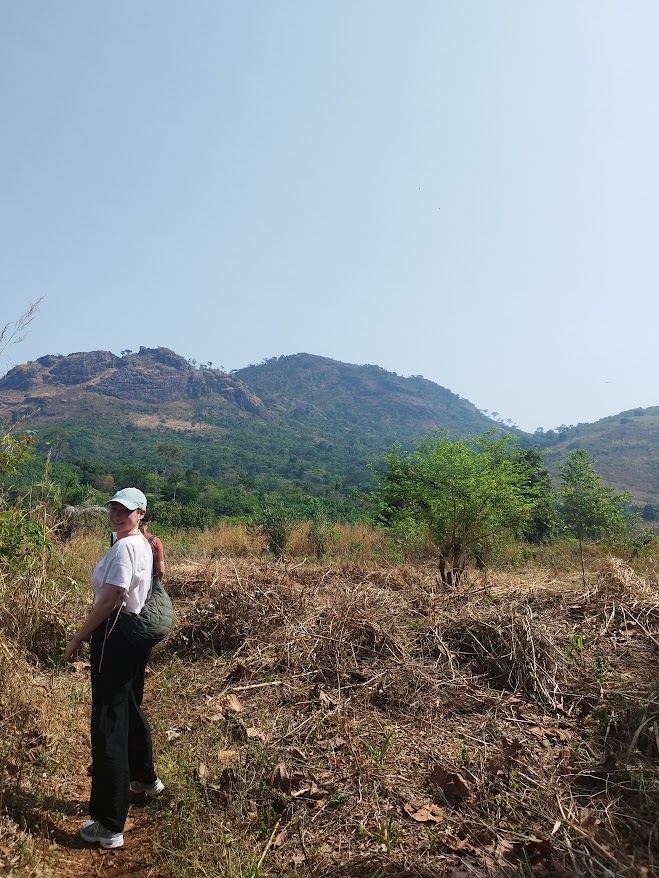
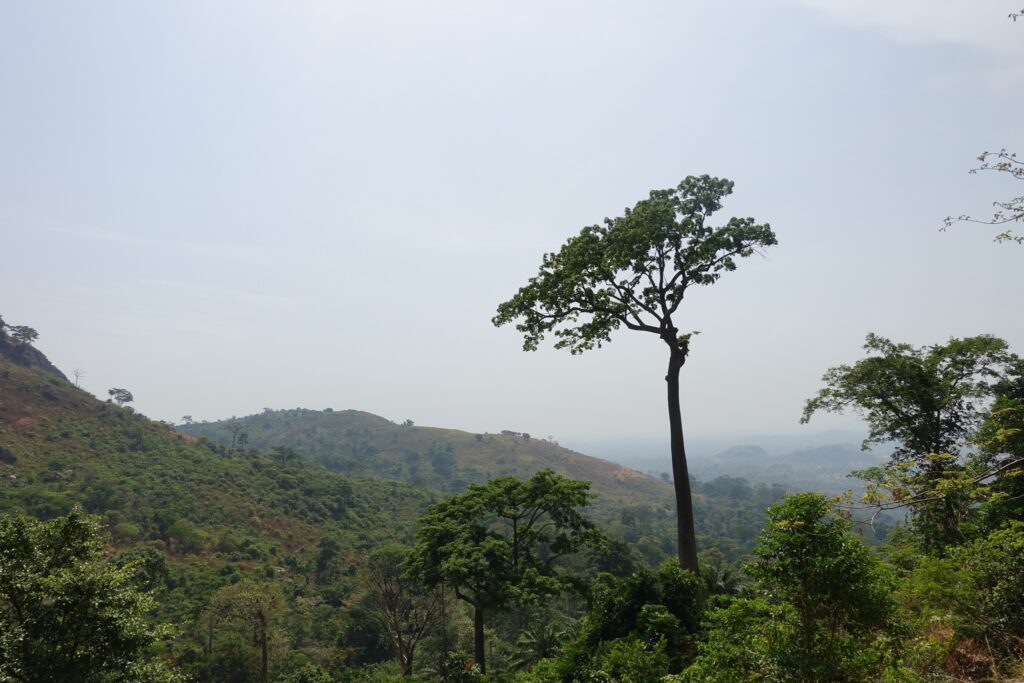
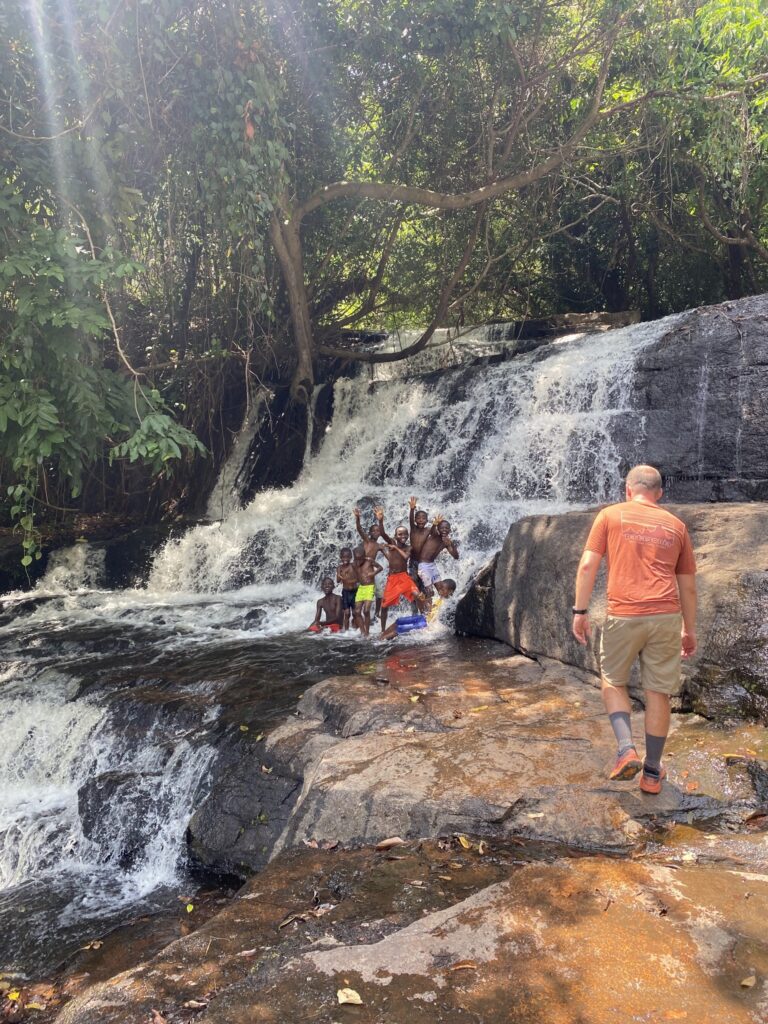
Man is a small town surrounded by mountains in western Ivory Coast, close to the Liberian border. It is famous for its hiking opportunities, especially around Dent de Man (the “Tooth of Man,” a tooth-shaped mountain) and the nearby waterfalls, where you can do a circular hike.
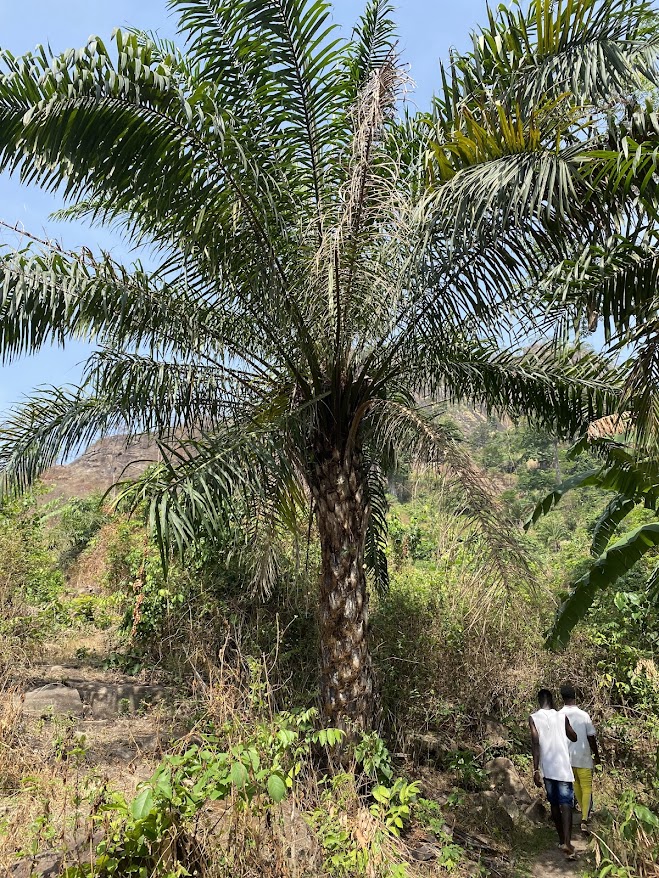
The local community has organized itself to charge an entrance fee and make hiring a guide mandatory. In our opinion, this is not strictly necessary, since the route is clearly marked on offline map applications. However, in many other countries hikes also require a guide in order to support local communities, so we did not refuse to pay. The main issues are the relatively high price (and the need to bargain), and the fact that the guides only speak French. We hope the system will become more organized in the future, as we know many travelers who eventually turned back and chose not to go because of this.
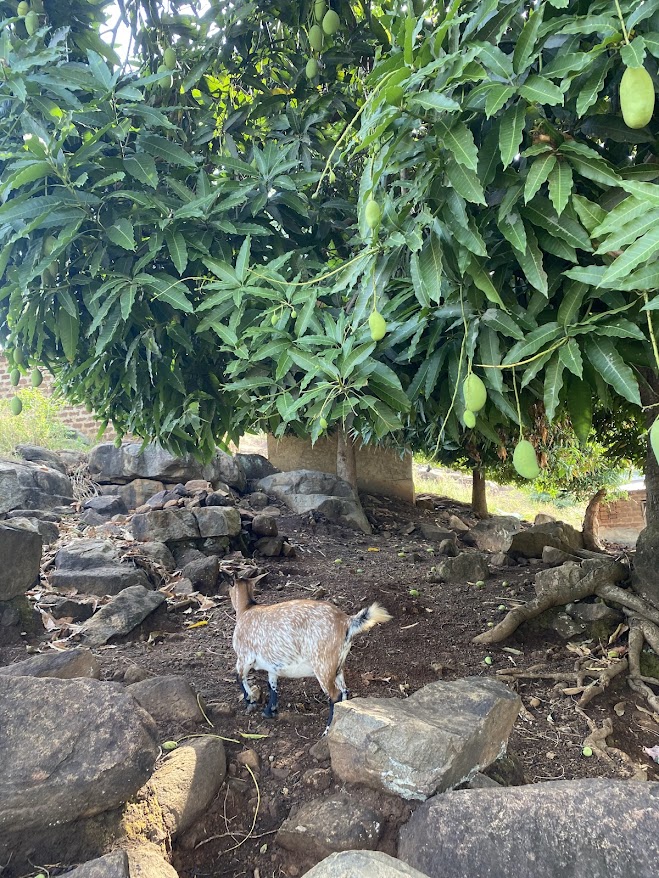
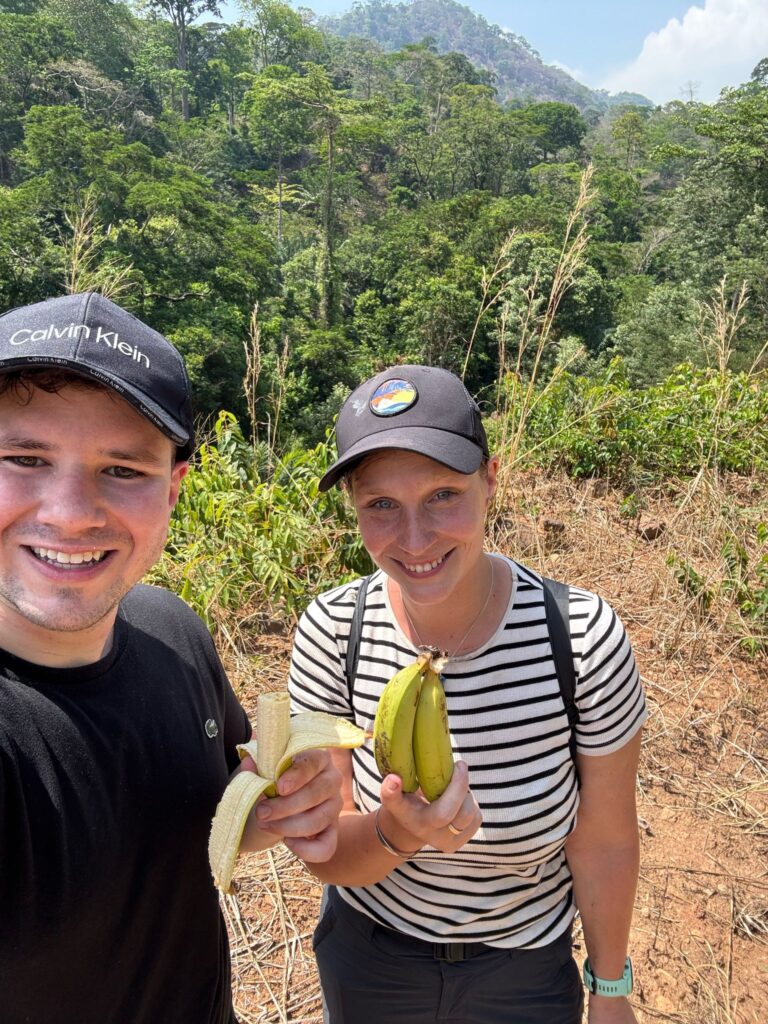
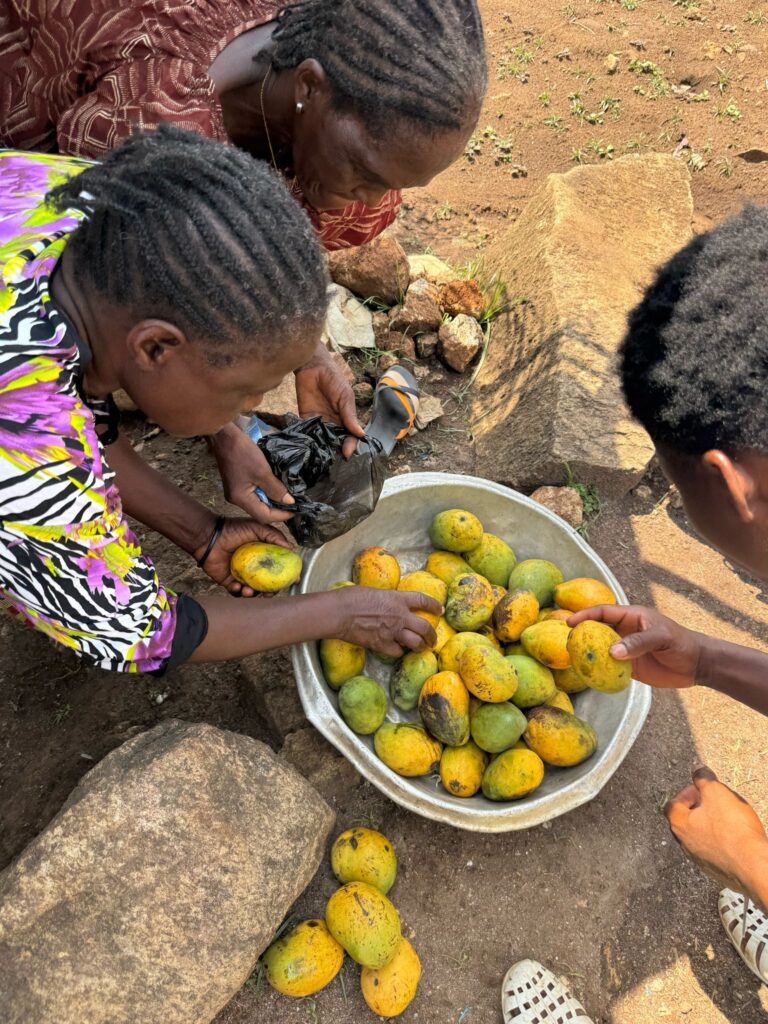
That said, we can definitely recommend the 13-kilometer hike, which passes through small villages and stunning landscapes. Climbing the mountain is a bit challenging, but that’s exactly what makes it such a rewarding experience, and the waterfall at the end is incredibly refreshing. Due to the heat, it’s highly recommended to bring plenty of water and some snacks (we didn’t, so it felt like salvation when we came across a woman selling bananas, and later mango vendors at the edge of a village).
Sassandra
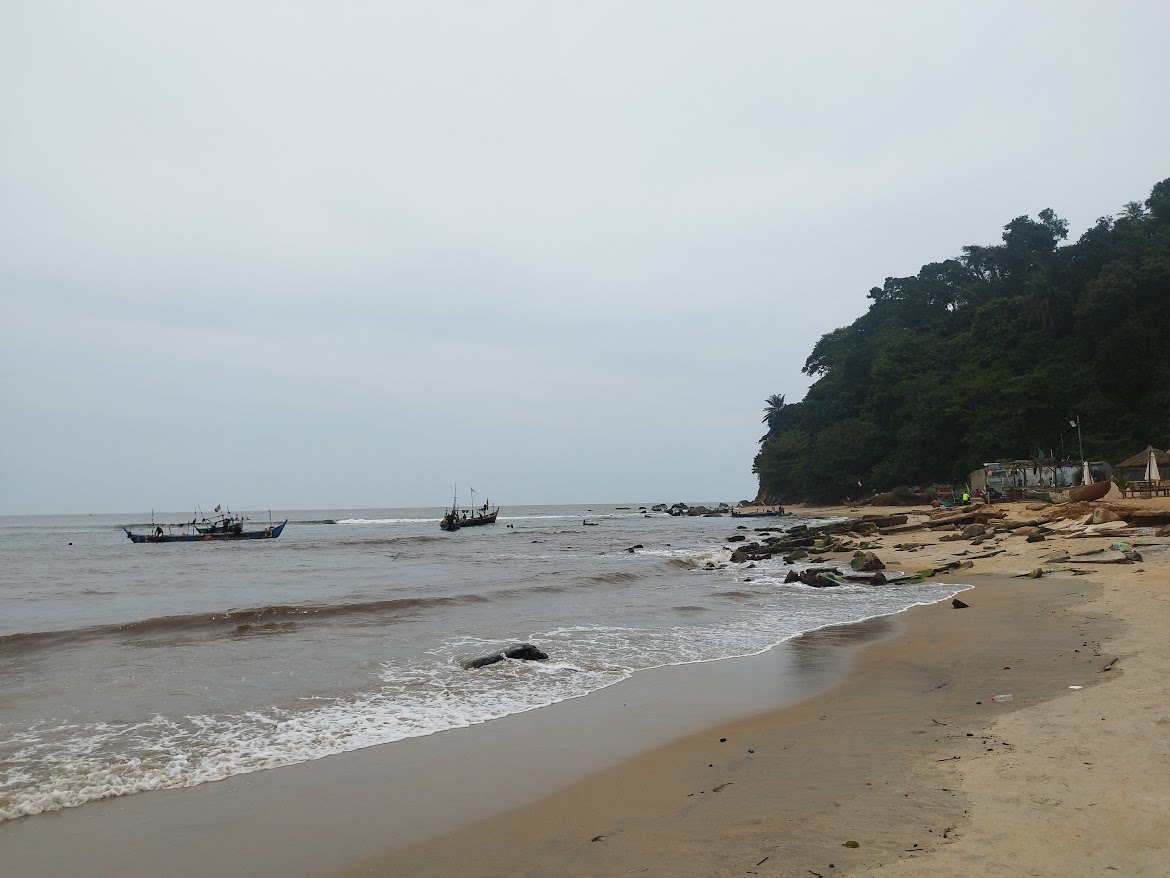
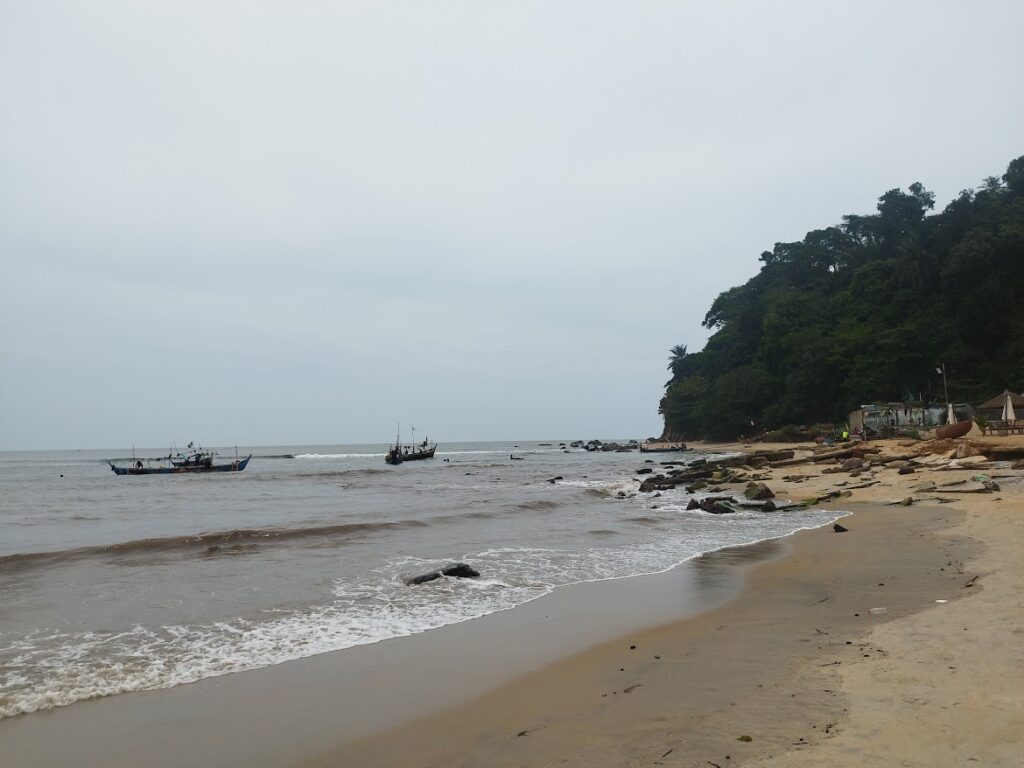
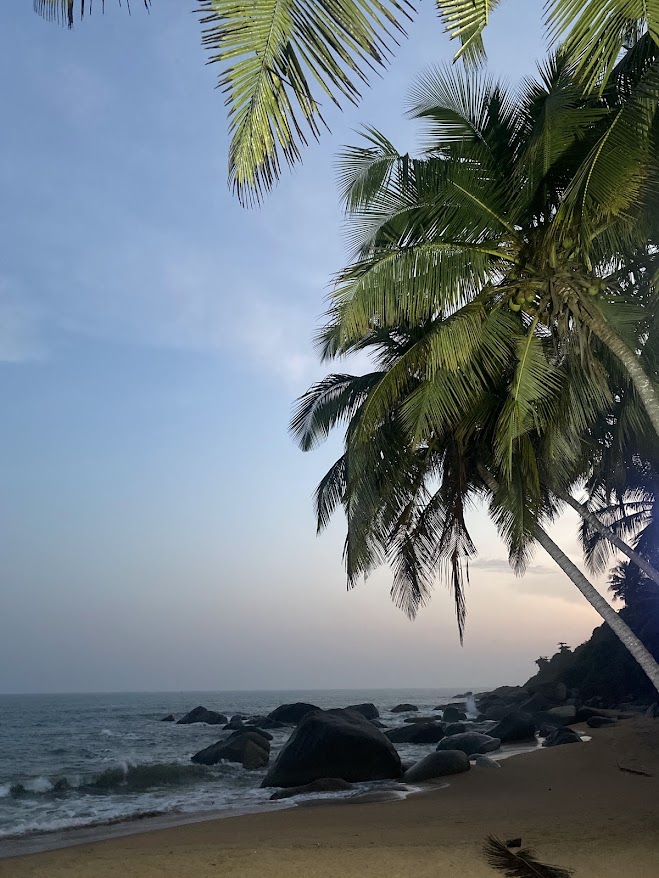
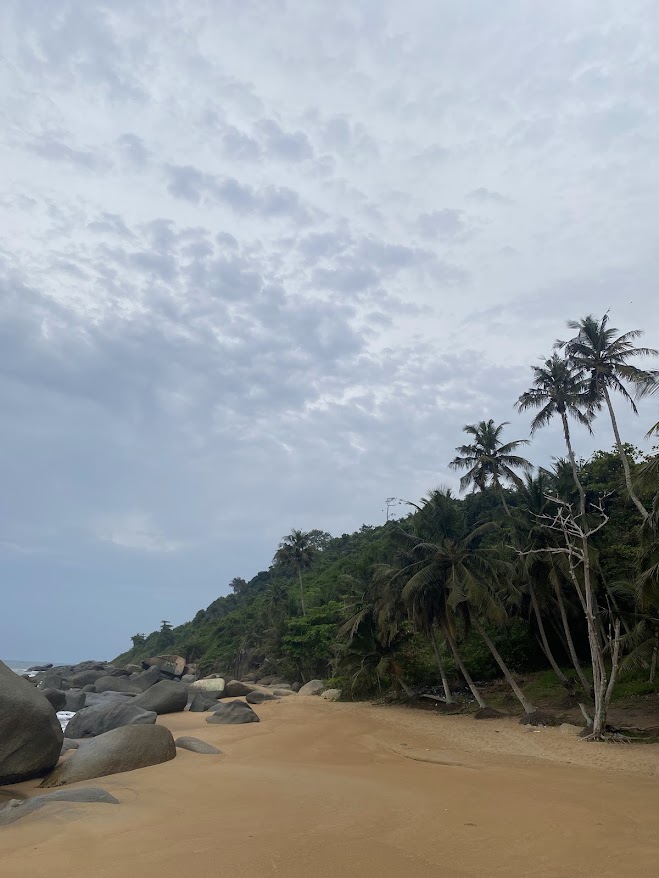
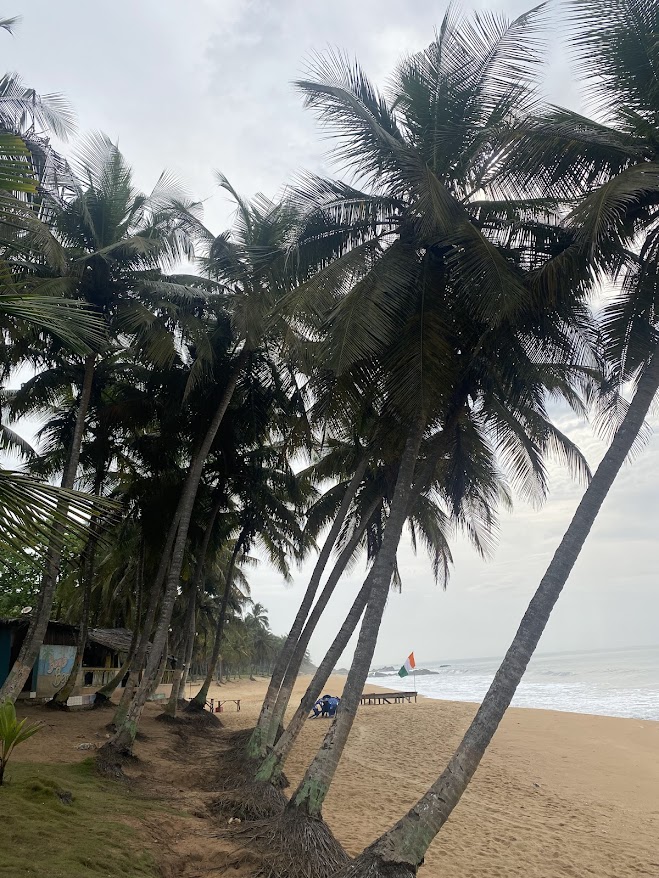
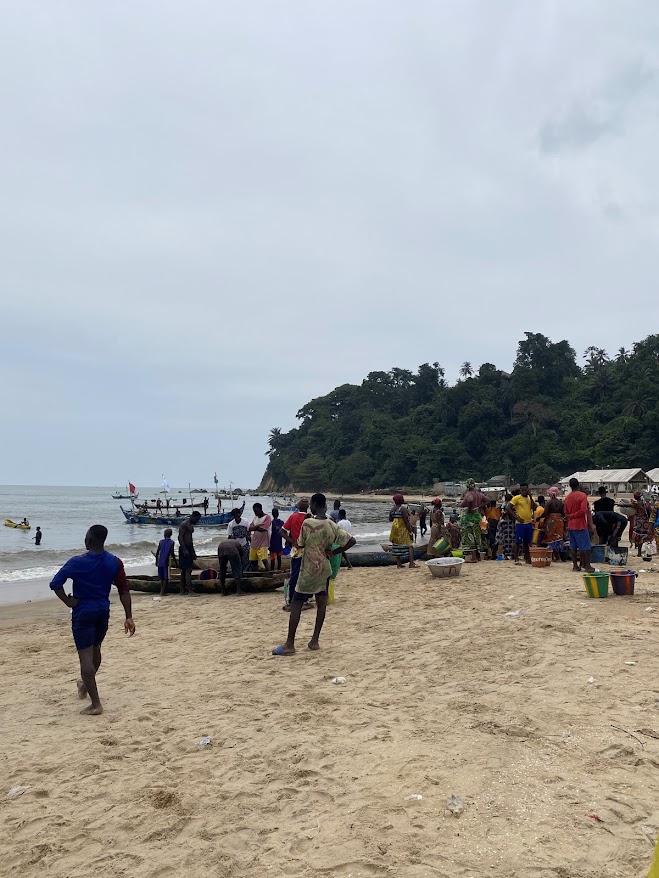
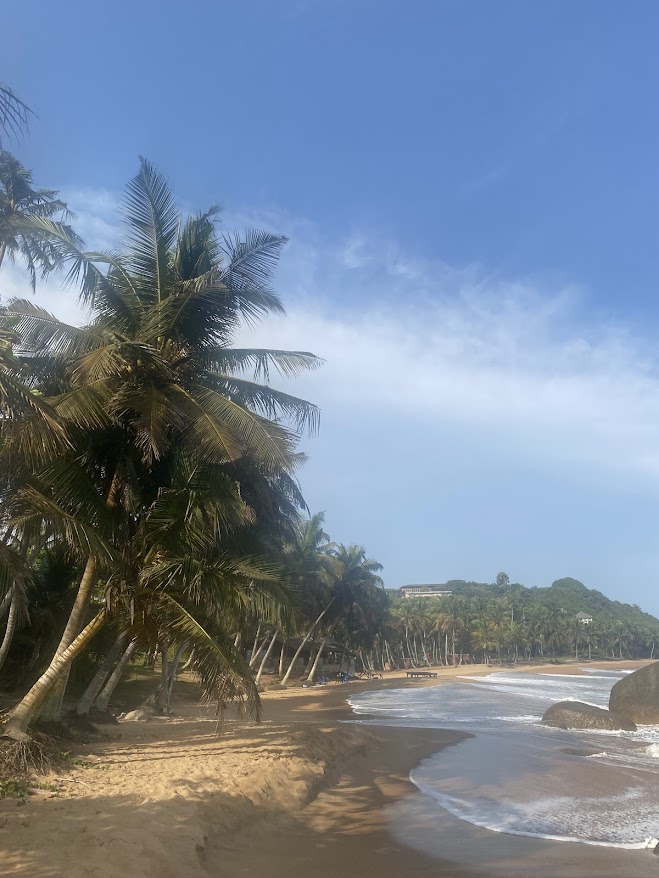
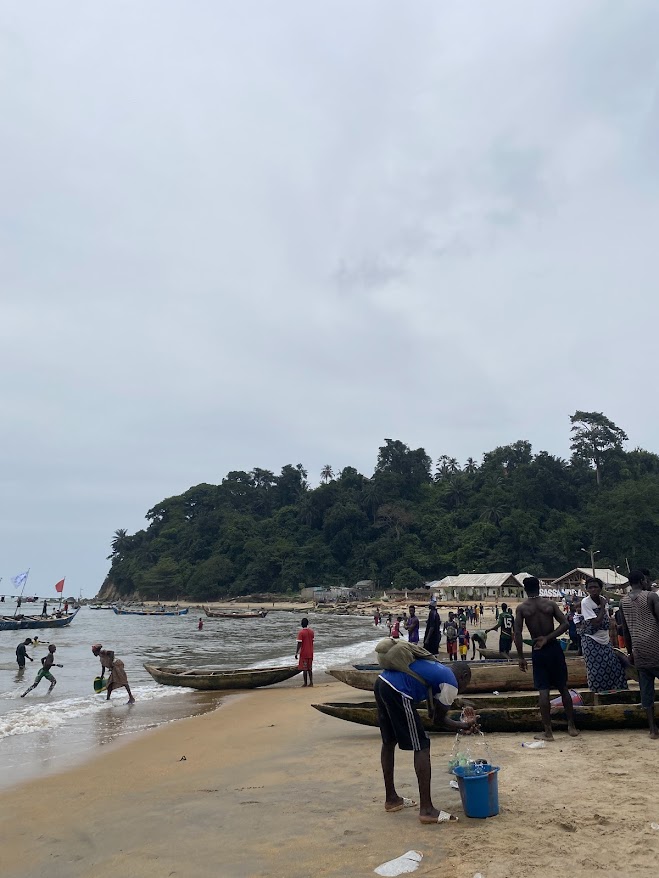
Out of the many beautiful coastal options in Ivory Coast, we chose Sassandra. This port town, located at the mouth of the Sassandra River, is especially lively in the mornings — it’s wonderful to watch the market and see the fishermen arriving with their catch, and everyone is very friendly. The town itself is spread across a small hill, and you have to drive down winding roads to reach the sea.
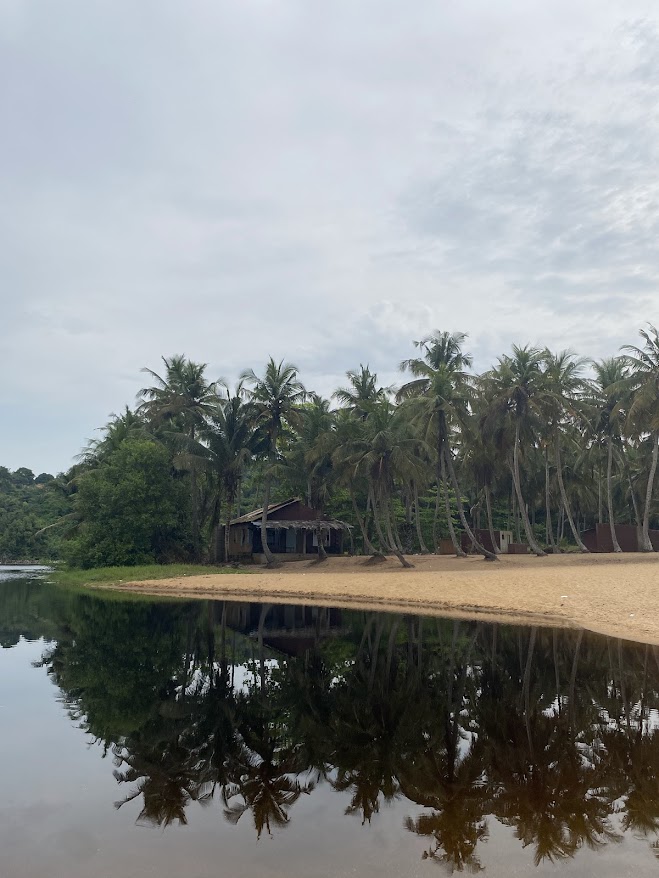
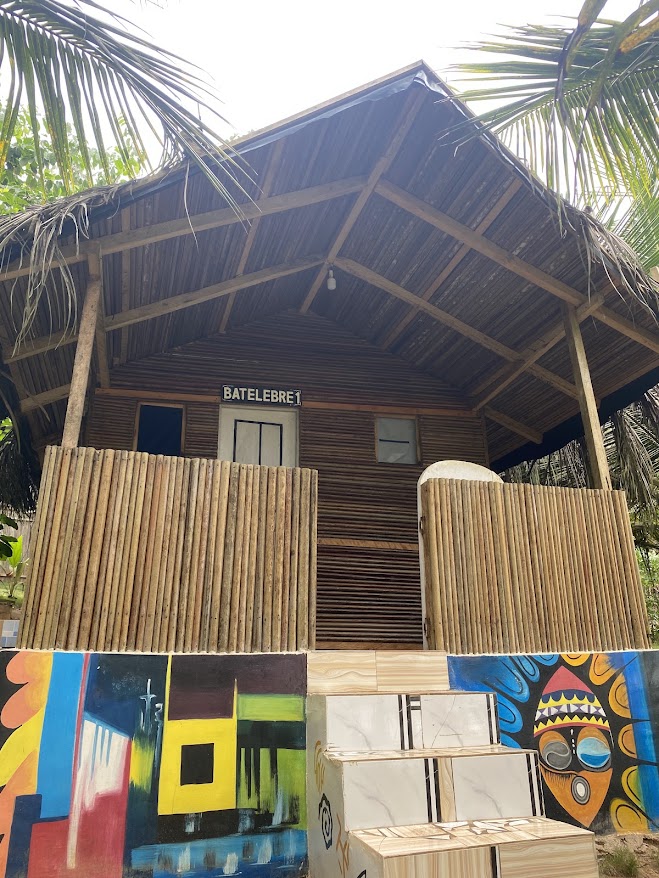
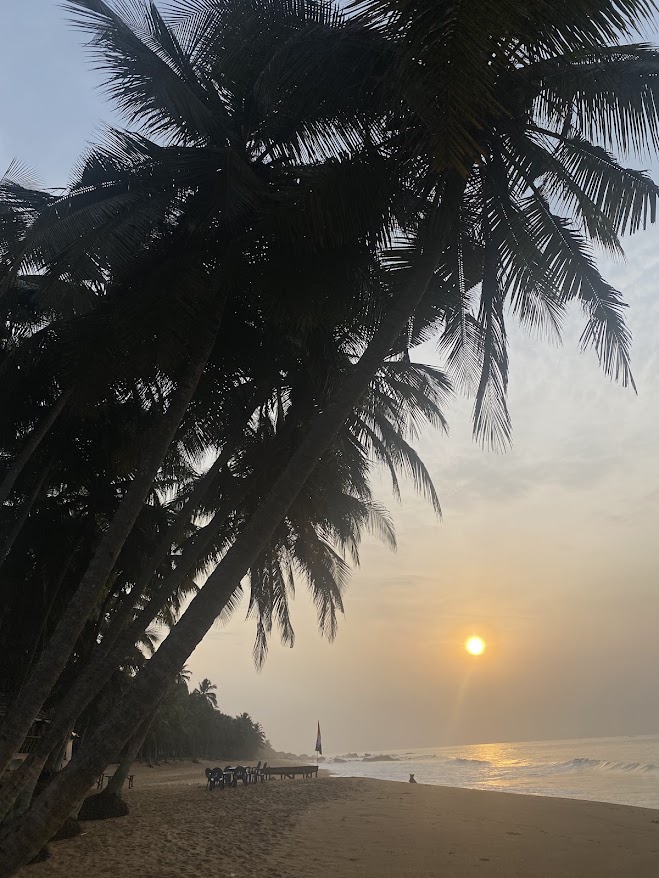
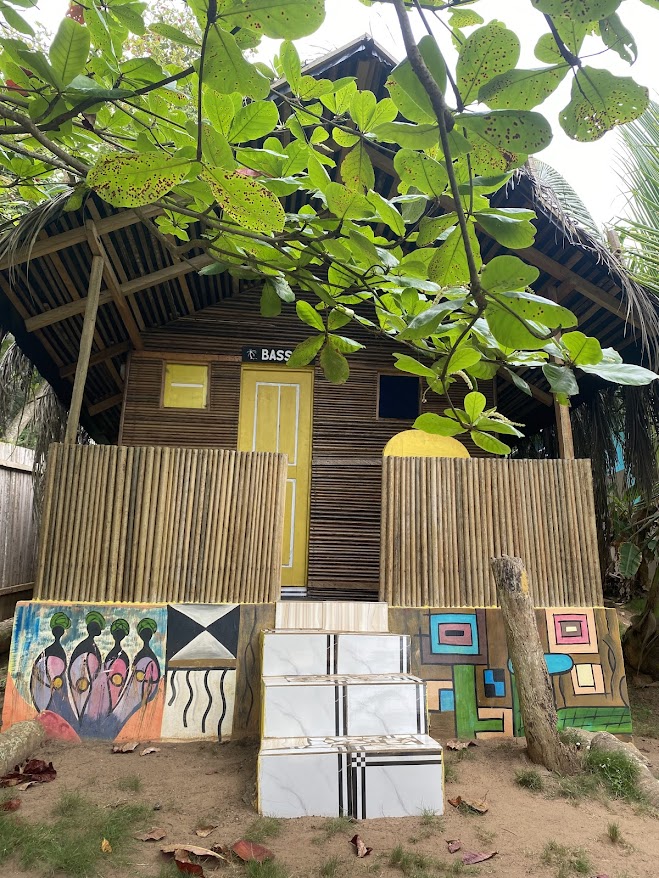
Near the town, there are several small beach areas with bungalows and camping options. We ended up at Beni Beach, where we were completely alone at night and in the early morning, and during the day only a few high school students came down to swim. There are also dedicated surfing beaches nearby.
Abidjan
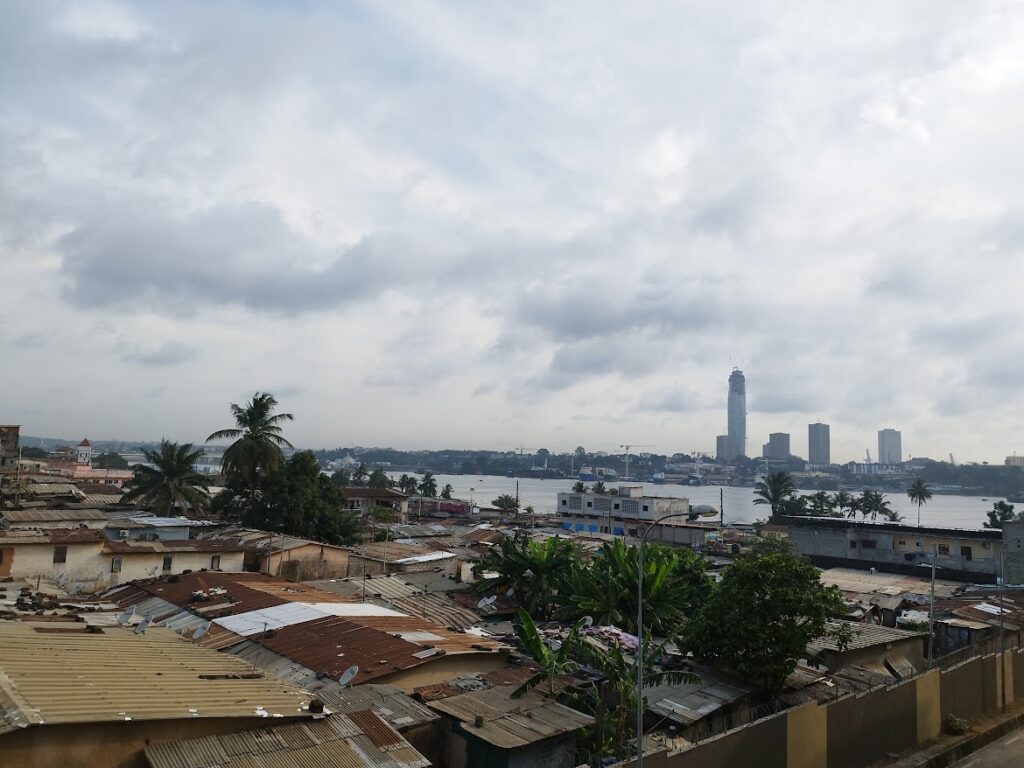
Abidjan, located along the lagoons connected to the Atlantic Ocean, is the former capital of Ivory Coast. With a population of more than 5 million, it is the country’s economic and cultural center and one of the largest cities in West Africa.
We didn’t spend much time here, mainly because we were having our car repaired, but what really stood out was how well developed the road network is in such a massive city. Distances of 20–30 kilometers can be covered very quickly using the bypass roads (as long as Google Maps doesn’t send you the wrong way).
The city has very wealthy, modern districts alongside densely populated, poorer neighborhoods lacking basic infrastructure — the contrasts are striking. In the evenings, the city is full of life; it’s great to stroll around as grilled chicken and other delicious food are prepared everywhere outdoors, while people sit and socialize along the streets.
Sights That we missed
Yamoussokoro
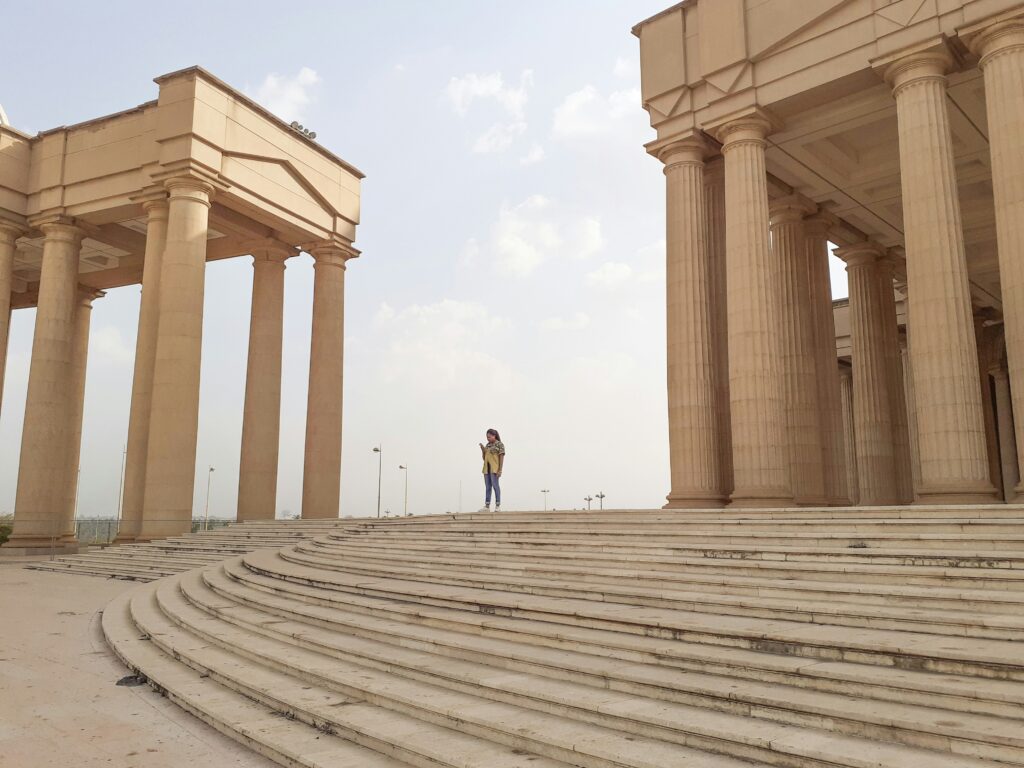
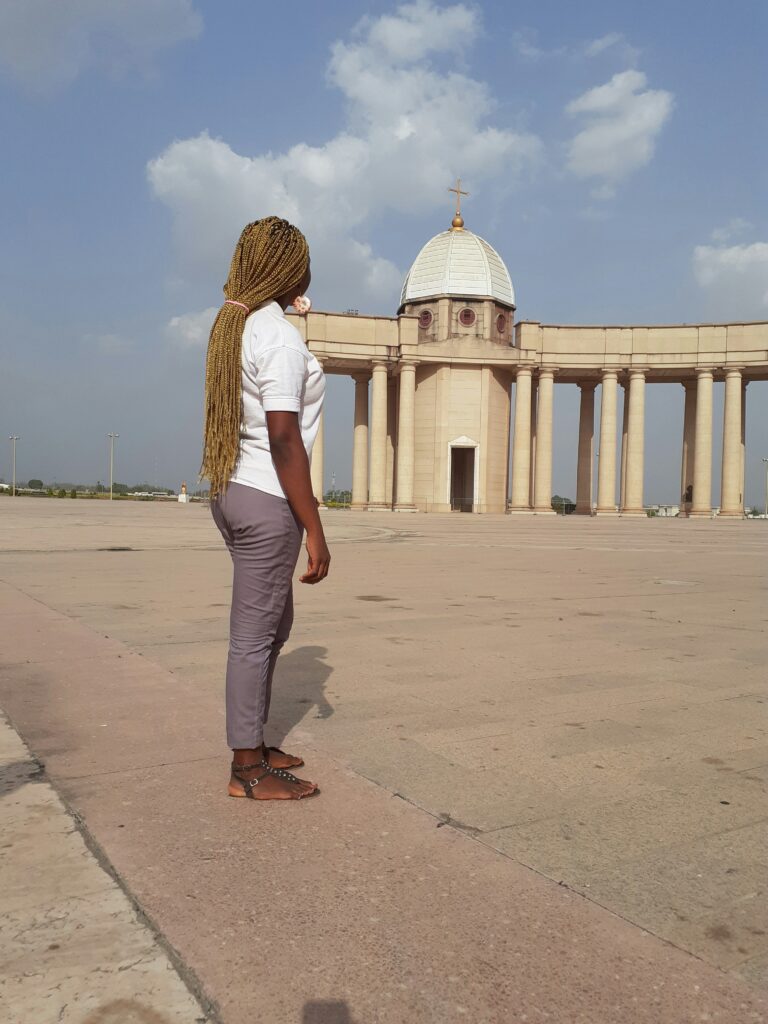
Yamoussoukro has been the de jure capital of Ivory Coast since 1983. It is home to the Basilica of Our Lady of Peace, the largest church in the world — even larger than St. Peter’s Basilica in the Vatican.
Fotó: Abubakar Balogun on Unsplash
Comoé National Park
Comoé National Park is the largest protected area in West Africa and a UNESCO World Heritage Site. It is home to unique flora and fauna along the Comoé River, combining savanna habitats with species that are more typical of the southern forest regions.
Taï National Park
Taï National Park is one of the last large stretches of primary tropical rainforest in West Africa and a UNESCO World Heritage Site. Visitors can hike through the rainforest and observe its remarkable biodiversity, including chimpanzees known for cracking open nuts with tools.
Grand Bassam
Historic Town of Grand-Bassam is a UNESCO World Heritage Site. It was once the country’s most important city and economic center, characterized by colonial houses with galleries, verandas, and gardens.
Beaches
There are many beautiful beaches in Ivory Coast beyond Sassandra. Our second choice would have been the area around San Pedro, where you can find numerous small beaches and bungalows.
Assinie-Mafia, near the Ghanaian border, is the most famous coastal destination; however, it tends to be more crowded and is known for its more upscale, luxury accommodations (though it is also easier to access).
Korhogo and the North
Korhogo is the cultural center of northern Ivory Coast and one of the most important guardians of the traditions of the Senufo people. The city is famous for its craftsmanship — especially Senufo painted textiles, carved wooden statues, and masks — as well as its vibrant market.
In the north, we also saved Kong, which was once the seat of the Kong Empire and is known for its historic mosque, and Niofoin, where the “fetish house” is a local point of interest. We would definitely like to return to northern Ivory Coast one day.
Dance Culture
The dance culture of Ivory Coast is extremely diverse. Different ethnic groups — such as the Baoulé, Dan, and Senufo — preserve their own traditional dances, many of them masked ritual performances that play important religious and community roles. You can find many videos on YouTube, and it’s definitely worth searching for them.
Many tourists pay villages to see these dances performed. Unfortunately, we weren’t lucky enough to stumble upon one by chance — although in one village we did see many masked people who were just returning home from a celebration.
Our Most Memorable Stories
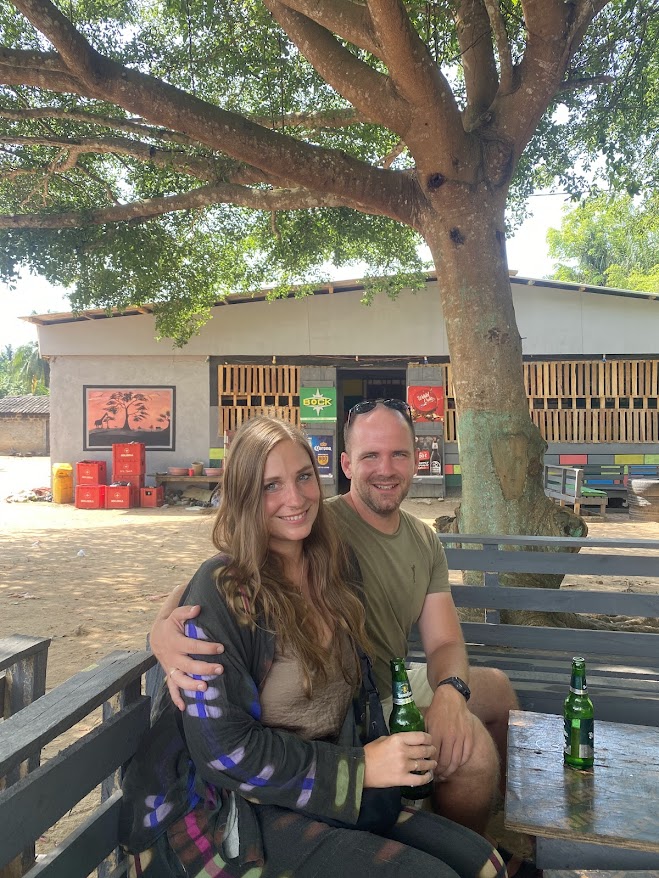
Sleeping at Beni Beach was truly magical. On the second night, the owner returned (on the first night we had been welcomed by his brother), and we chatted in a mix of French and English. He told us that the small lake next to us — where young people had been swimming during the day — is actually full of crocodiles. We took a walk there in the dark and could see their glowing eyes. He explained that the crocodiles do not harm people, as they are respected as sacred beings.
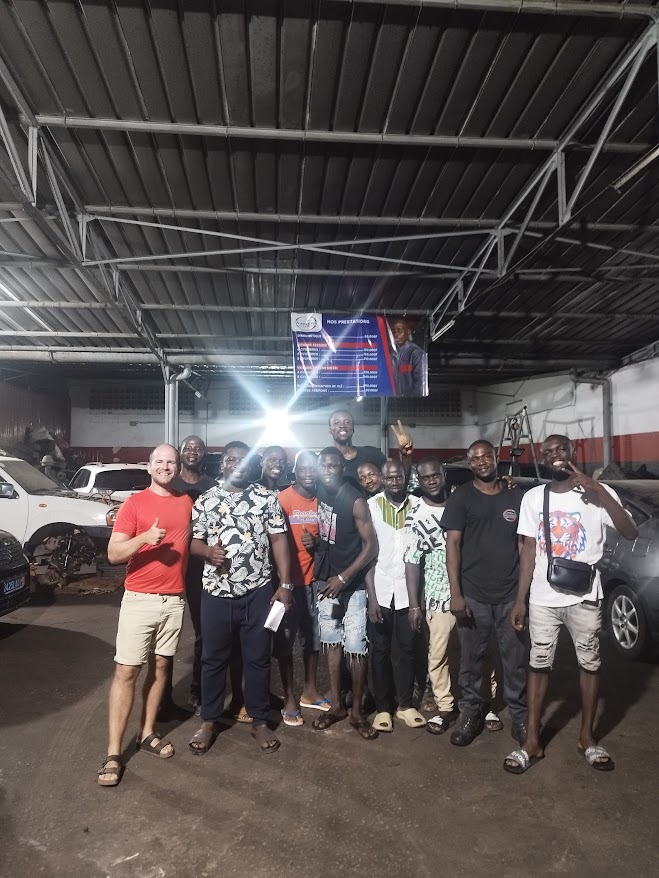
Although people can sometimes be tough (for example, we were asked several times why we don’t speak French), we also experienced great hospitality — especially in Abidjan, Ivory Coast. We thought we were going to the mechanic for a minor issue, but it turned out the turbo needed to be replaced. Even though there was a very important football match on, the team worked on our car all evening. The boss even removed a turbo from his own car for us, then invited everyone out for grilled chicken. In the end, after getting to know us, he negotiated his own price down to about half and helped us for the absolute minimum cost.