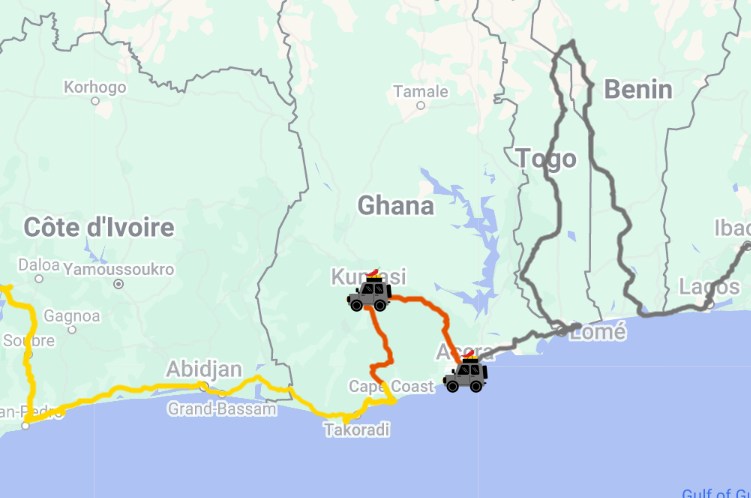
March 16-18.: After visiting Kakum, we drove toward Kumasi on a beautiful forest road dotted with small villages. Kumasi was once the capital of the Ashanti Empire, which played a significant role in West African history. The city is famous for its palaces connected to the Ashanti Kingdom and for hosting the largest market in West Africa. Unfortunately, since we arrived on a Sunday, everything was closed — Sunday is a church day in Ghana, when everyone dresses nicely and goes to church in the morning.
We managed to find accommodation, and we were immediately invited to a one-year-old boy’s birthday party. We asked if it wouldn’t be strange for us to go, but we were reassured that in Ghana, this is completely normal — hospitality is extremely important. The party took place in an apartment: while the children danced, the adults ate. We were served okro stew with garri — similar to fufu, but made from fermented cassava flour. Okro stew has a unique, slimy texture. We had always wanted to try it, but it might be the furthest from our taste, so we found it hard to truly enjoy. The dish is traditionally eaten by hand: you’re supposed to twist it around your fingers and lick it off — it was an exciting cultural experience, and we were glad to have finally tried it.
The next morning, we visited Kumasi’s famous market, which is enormous — and perhaps for that reason, a bit lost its charm. We had previously visited smaller, more atmospheric markets, where it was easier to discover local specialties. After the market, we set off toward Accra, Ghana’s capital, where we arrived by evening. (The road into Accra was in rather poor condition, especially compared to how easy the city itself is to navigate.) We booked an Airbnb for the four of us, which turned out to be very cozy — it had two bedrooms, a living room, and a kitchen — so we cooked as well. During travel, you really learn to appreciate the little things you miss: for example, we finally had a proper blanket instead of just a sheet, throw, or sleeping bag, and there was a couch and a TV in the living room. So, after cooking, we had a Netflix night — naturally, we watched African films, courtesy of Nollywood.
The next morning I went for a run at 7 a.m., but after 5 km I nearly fainted from the heat. When I got back, our neighbor — a lady we had already chatted with — smiled and told me she usually goes running just before 5 a.m. because that’s the only time the heat is bearable. She invited me to run with her the next morning at 4:45 (I was a bit skeptical about waking up that early) and also invited us to watch her teach dance in the neighborhood later that afternoon.
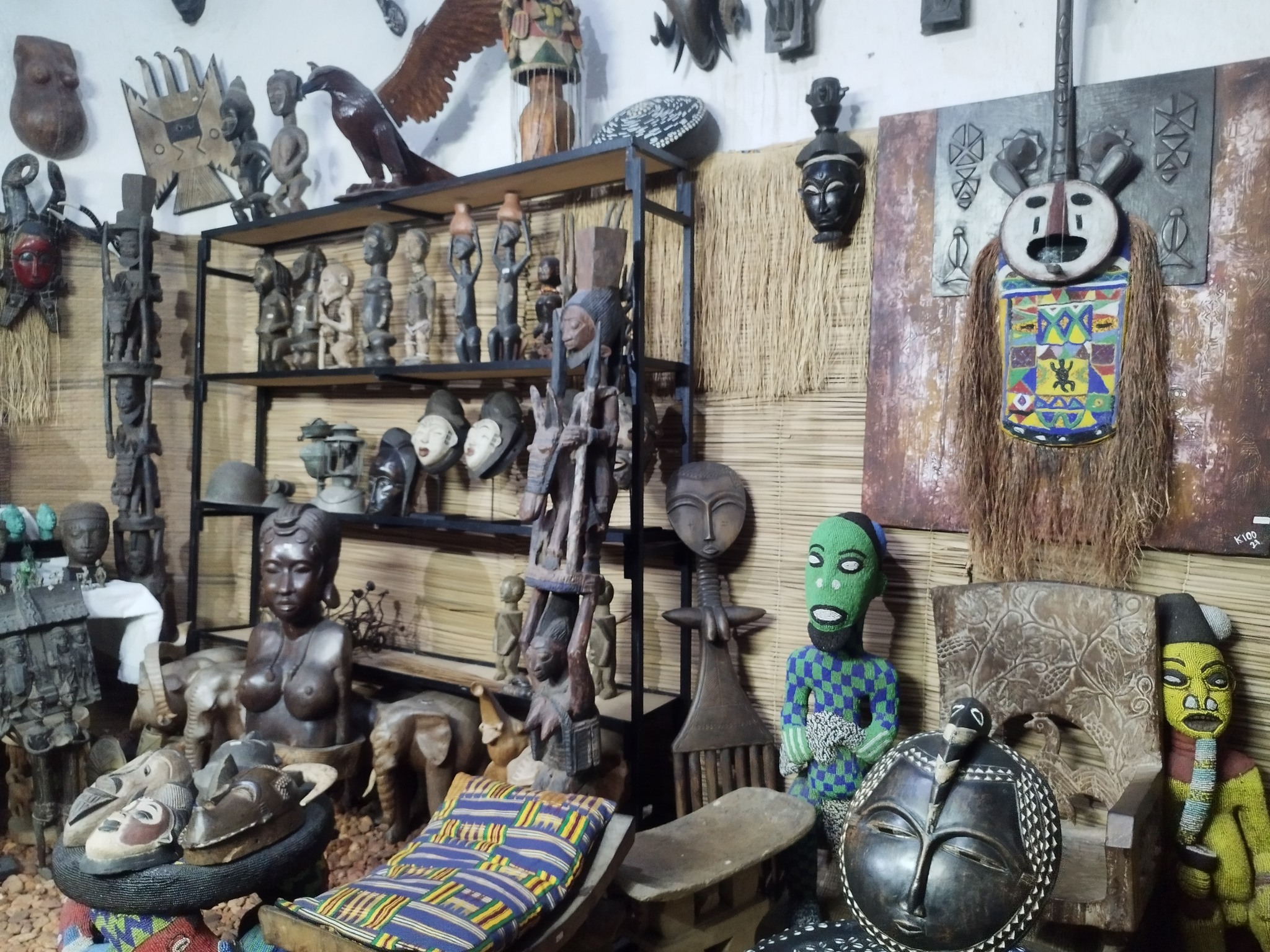
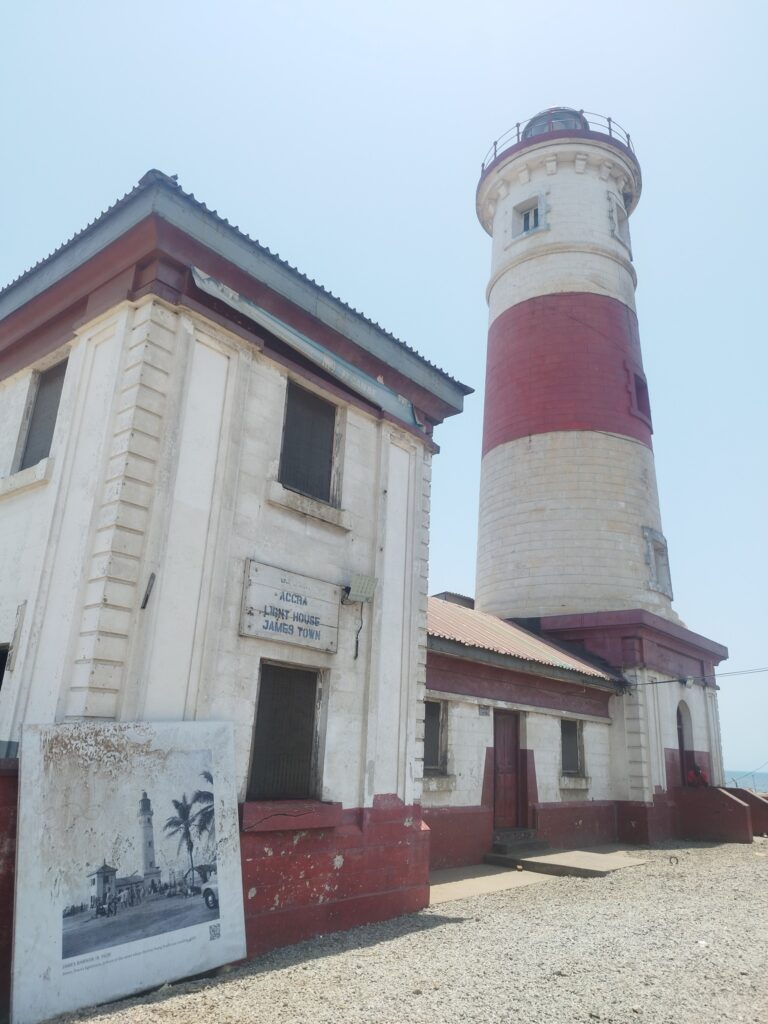
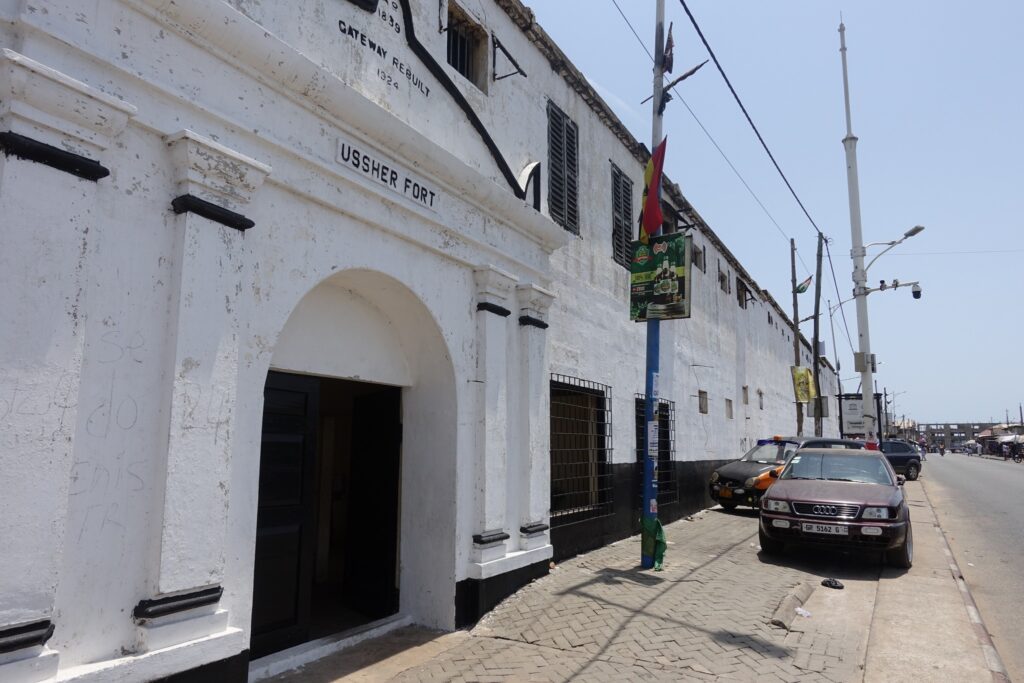
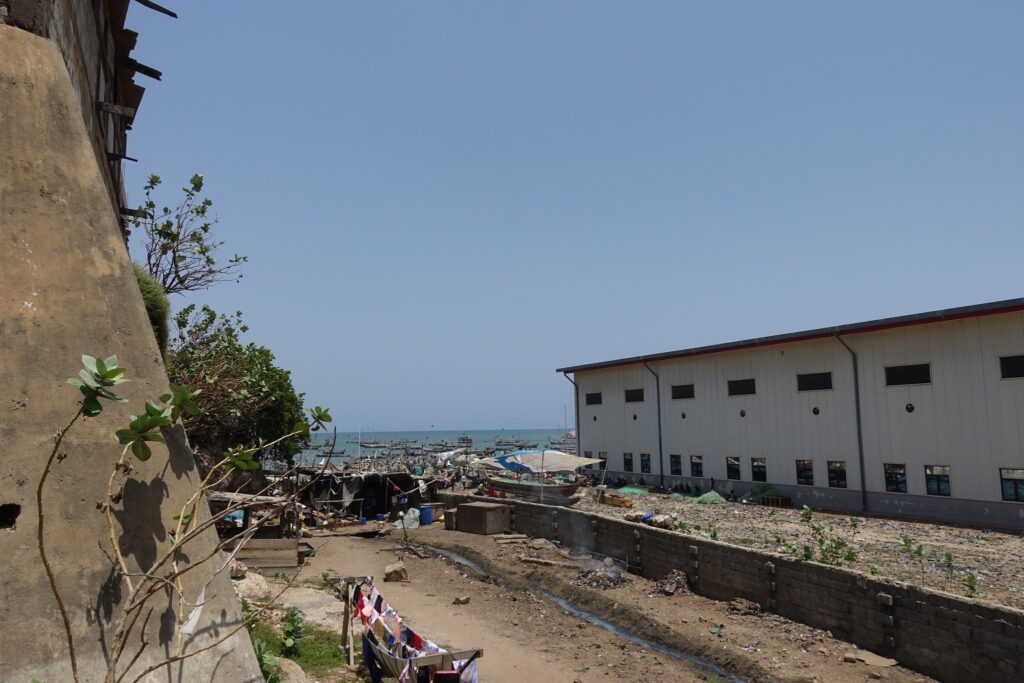
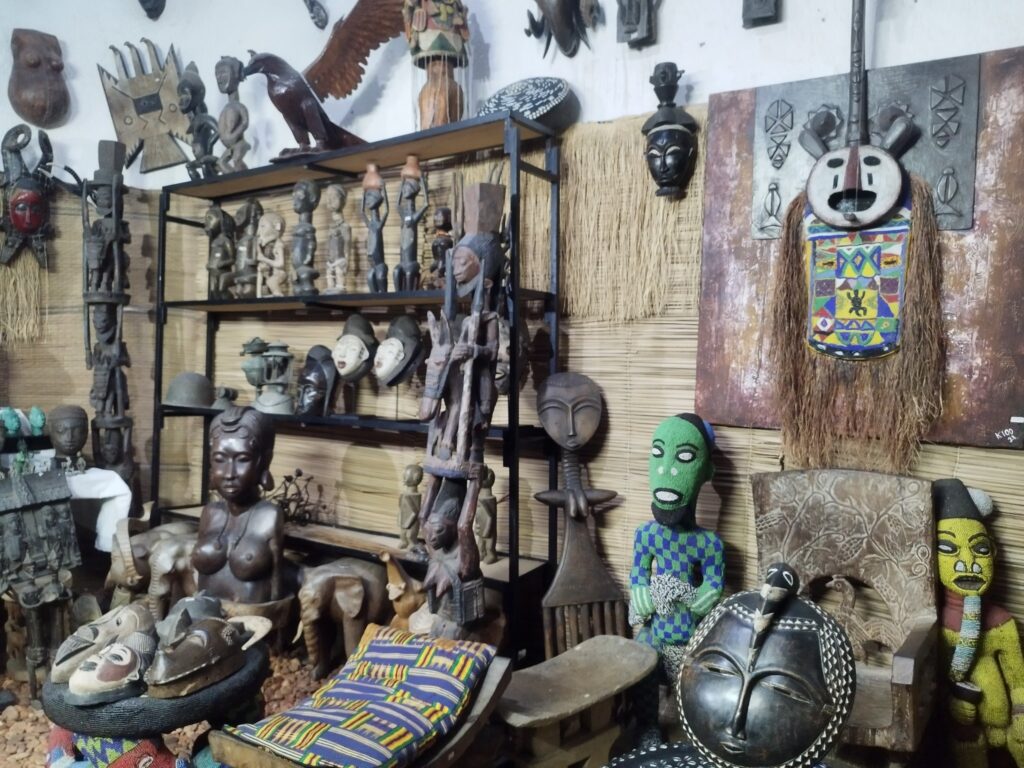
We began our exploration of Accra in Jamestown, one of the city’s oldest quarters and traditionally the home of the Ga people. Today, it’s one of Ghana’s poorest districts, but we were met with many smiles, kind words, and exciting community initiatives. The heat still made walking difficult, but it was worth it. After Jamestown, we visited the souvenir market so Anna and Bálint could buy gifts to take home. It was quite surprising: we had seen hardly any souvenirs elsewhere, but here nearly 100 shops were selling masks, jewelry, clothes, and much more. We stocked up, thinking we wouldn’t find any more afterward — but Togo and Benin also held similar treasures.
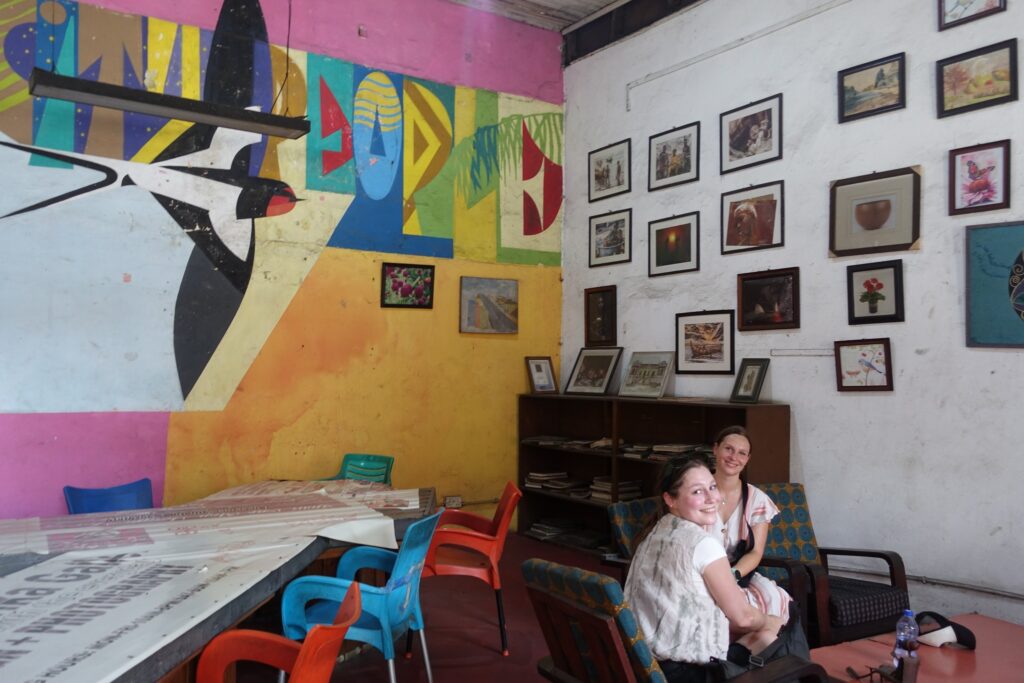
The local market was much smaller than Kumasi’s and therefore much more enjoyable. We bought homemade peanut butter and a spice mix for jollof rice. Passing by Independence Square, which celebrates the end of colonialism, we reached the night food market — which is quite rare in Africa, since street food is available everywhere during the day too, but this one had a really nice atmosphere. We ended up eating grilled mackerel — we weren’t very hungry after a late lunch — but it felt great to see nearly every traditional Ghanaian dish in one place.
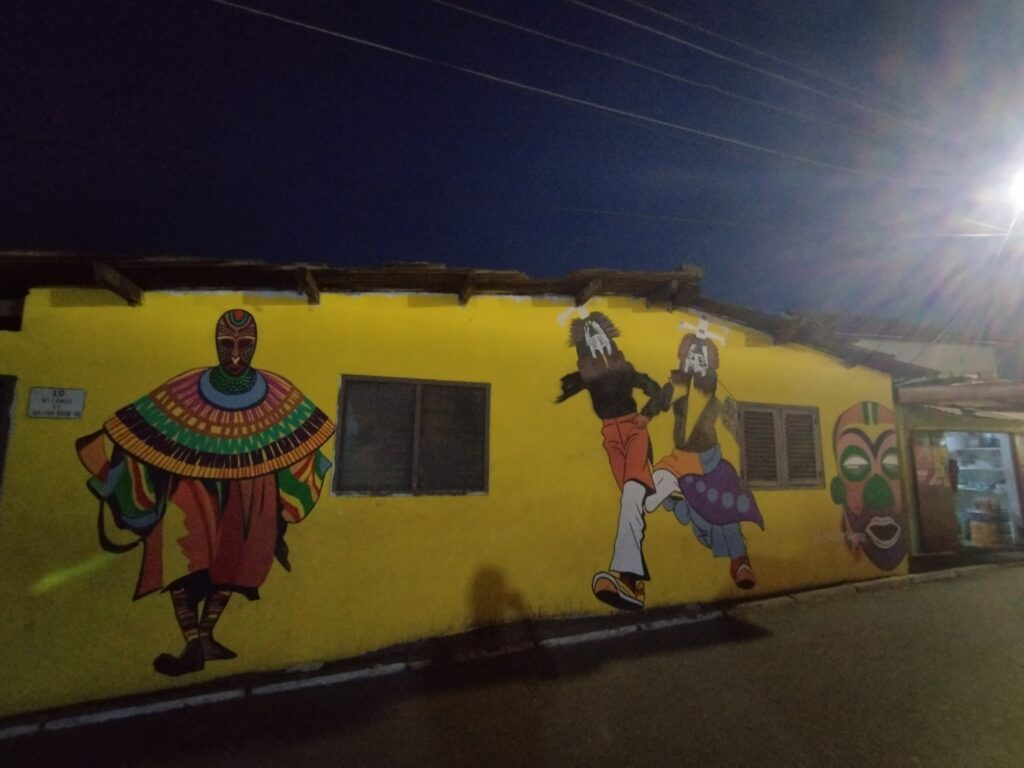
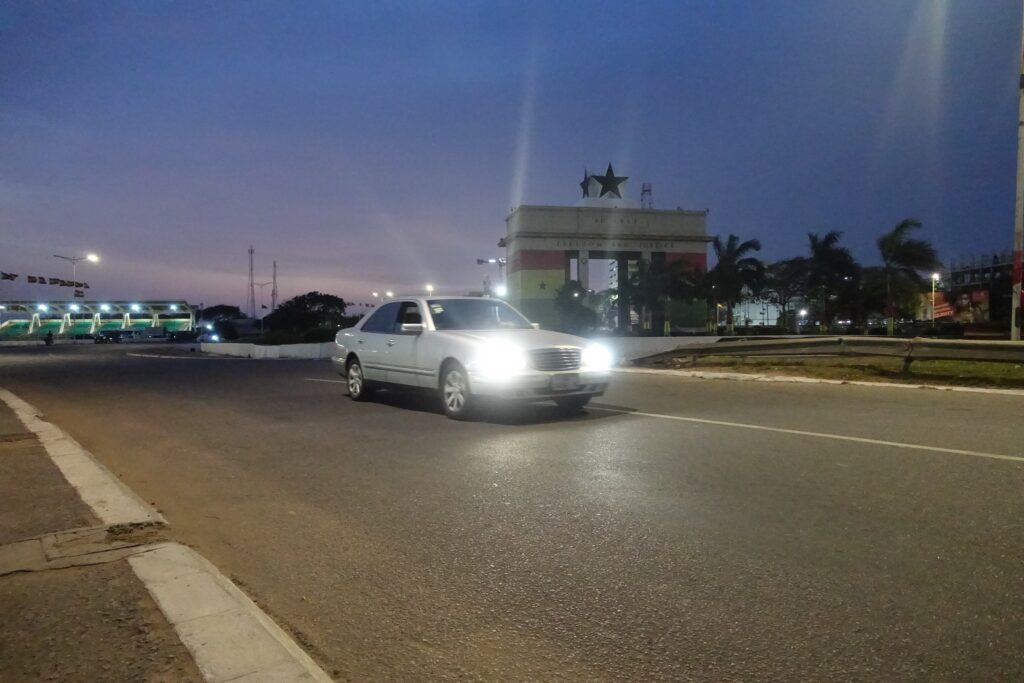
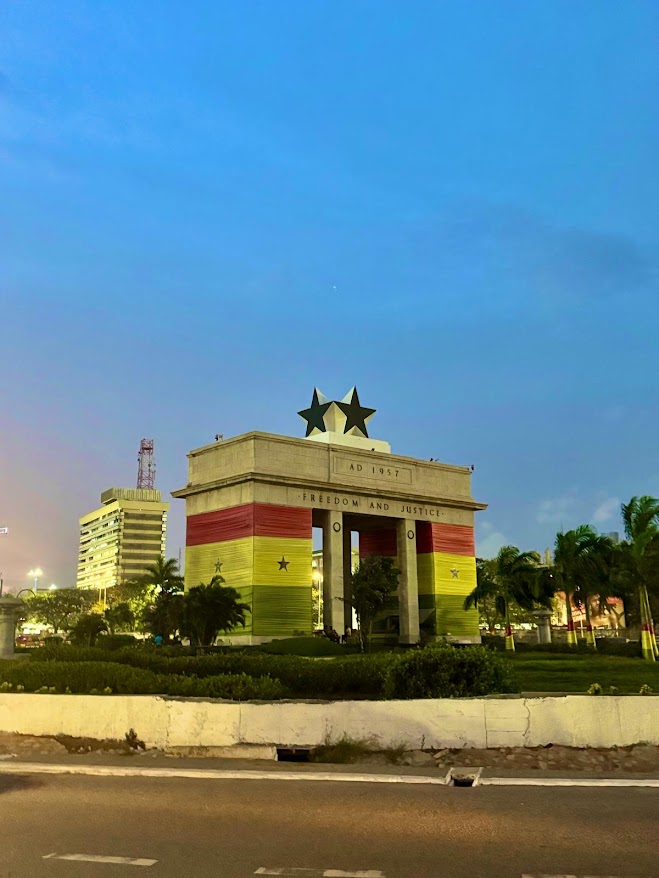
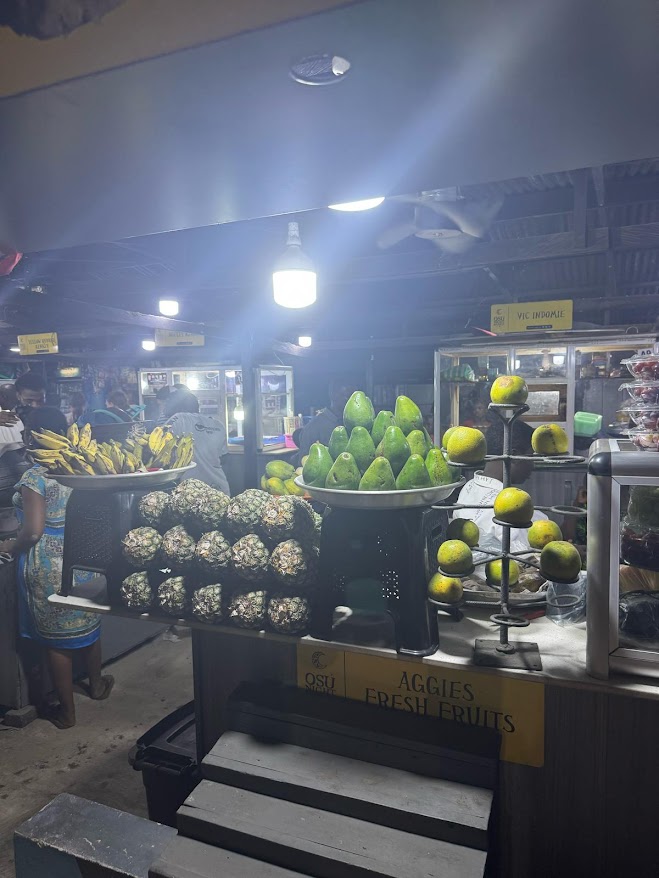
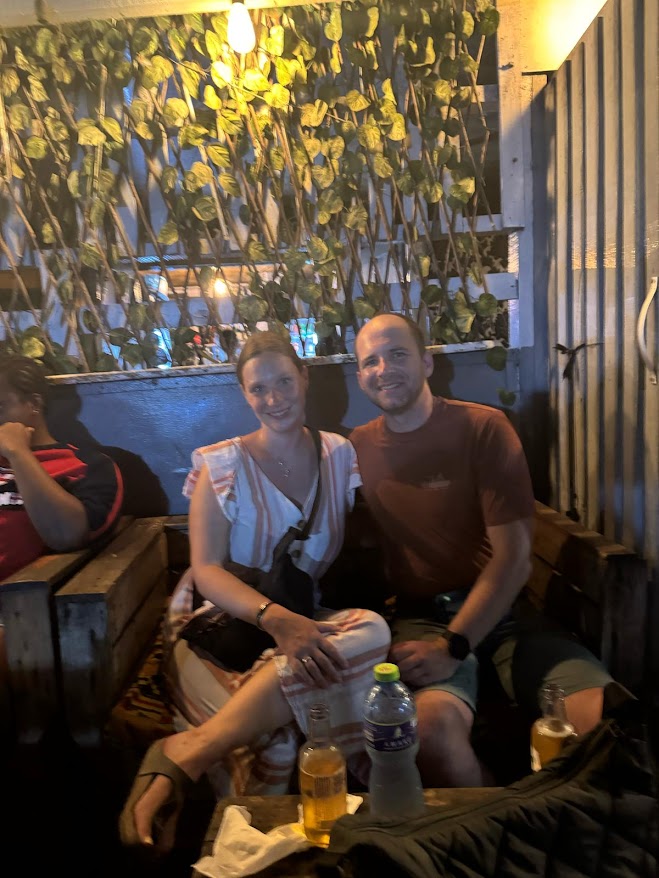
Although we didn’t spend a lot of time in Accra, we really grew fond of it. It felt much calmer than many other African capitals. For example, we stayed downtown, which was modern and full of bars and restaurants, but still functioned as a residential area. So taller buildings stood next to small houses — unlike in many other capitals, where the city center is almost completely deserted. We were sad to leave Ghana — the joy, openness, and boundless hospitality of the people had truly won our hearts.
Part of the photos and videos were made by Anna and Bálint.