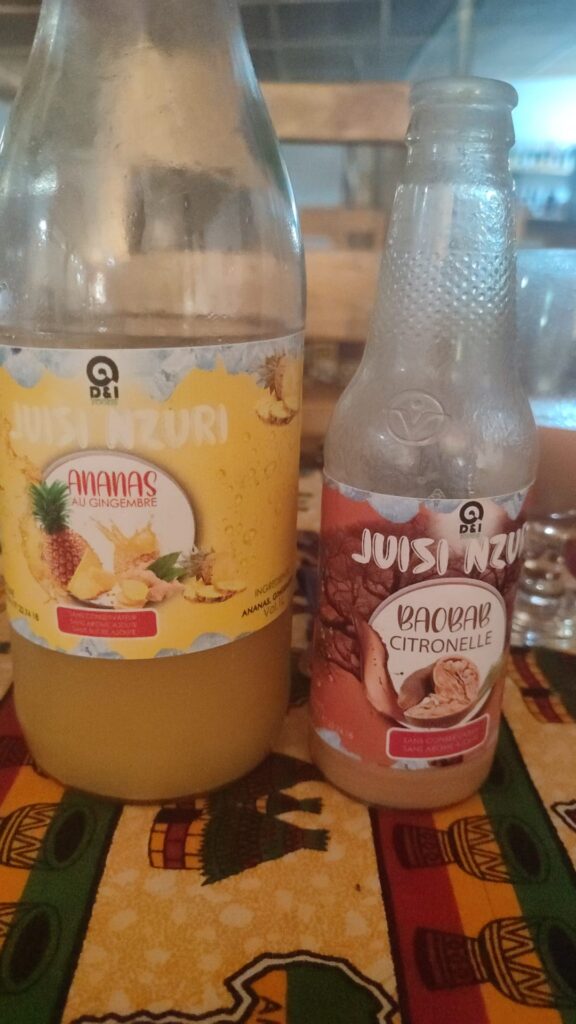
March 23-24.: As we traveled further north in Togo, the landscape gradually changed from lush green forests and meadows to savannah. We had lunch in Kara, the last major town, where we stumbled upon a very charming little place. In the evenings, it hosted concerts and DJs, while during the day it served African dishes from across the continent. We had a chapati “pizza” topped with vegetable and beef stew. (I know chapati from East Africa and India, where it’s a popular flatbread, but we hadn’t encountered it in West Africa until now.) Alongside, we drank homemade bottled baobab and pineapple-ginger juice—both were refreshing and spicy, a real treat.
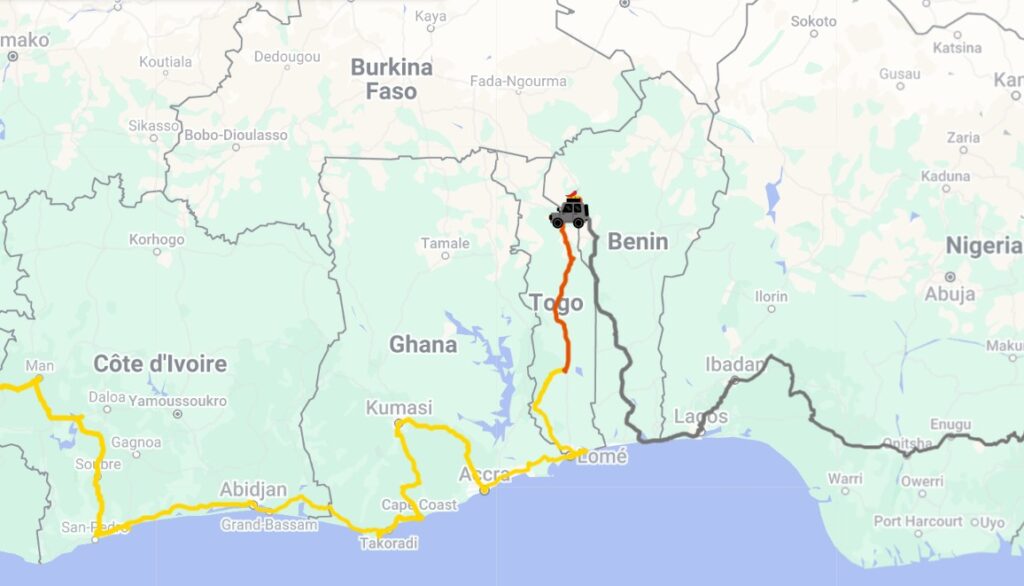
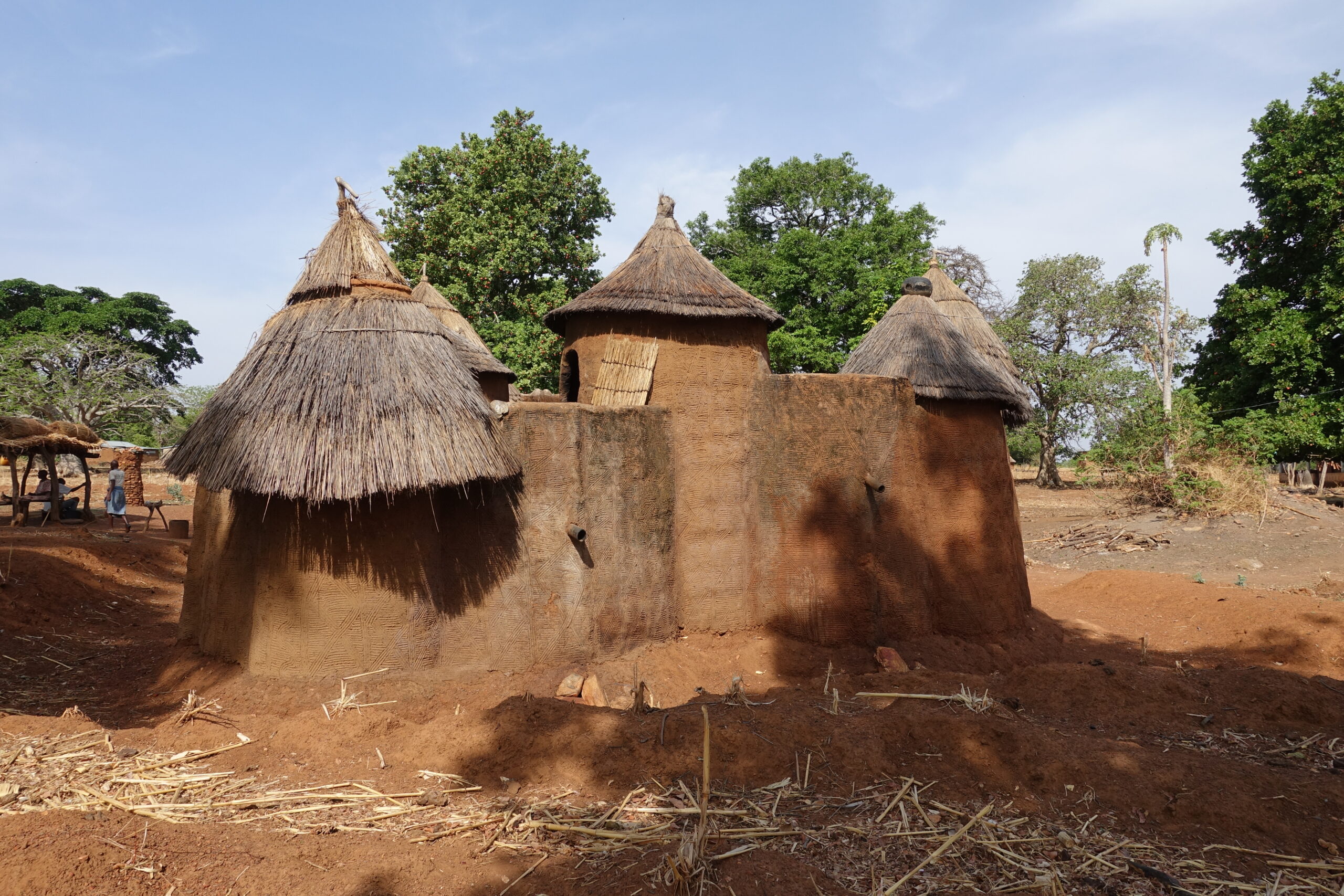
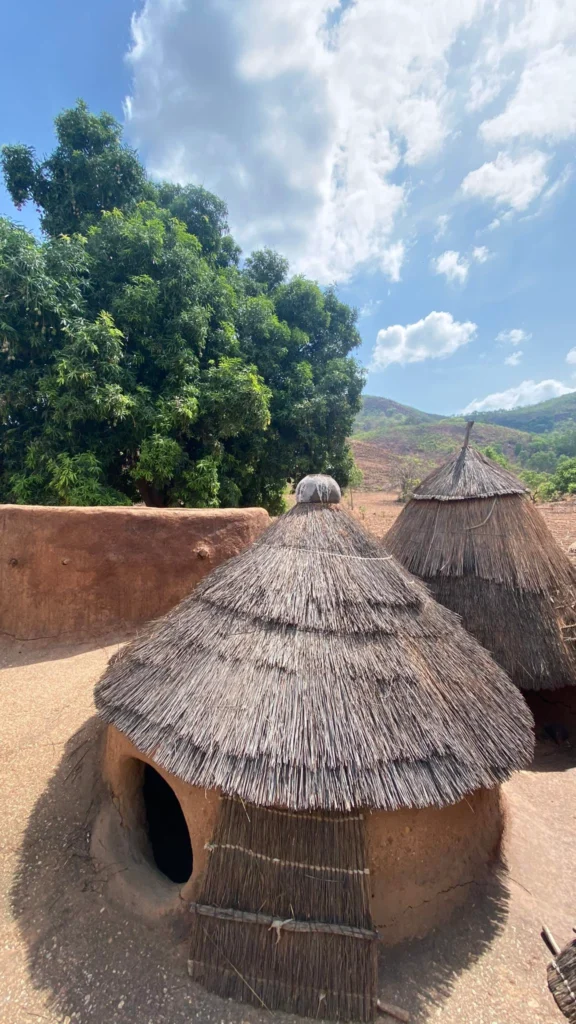
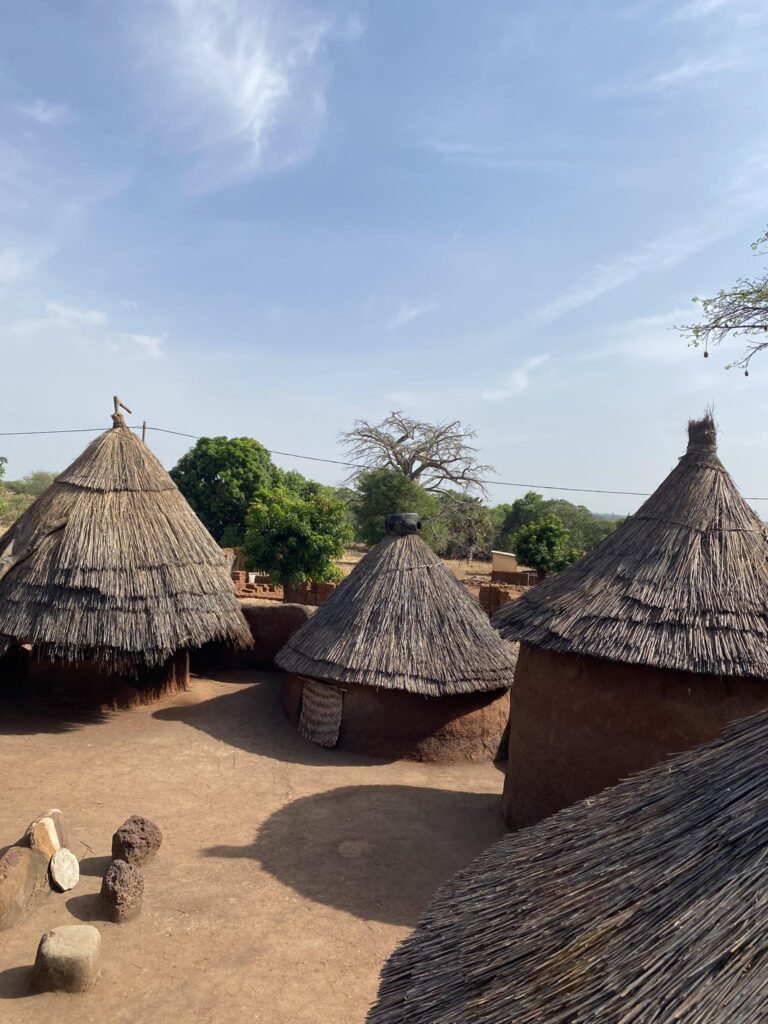
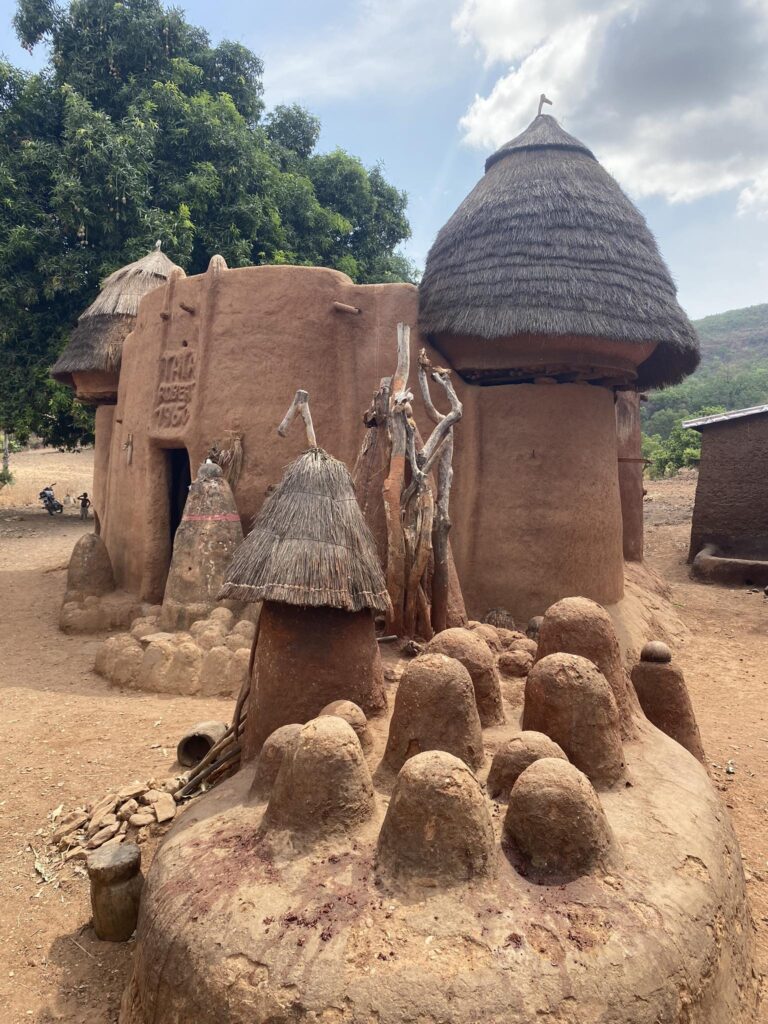
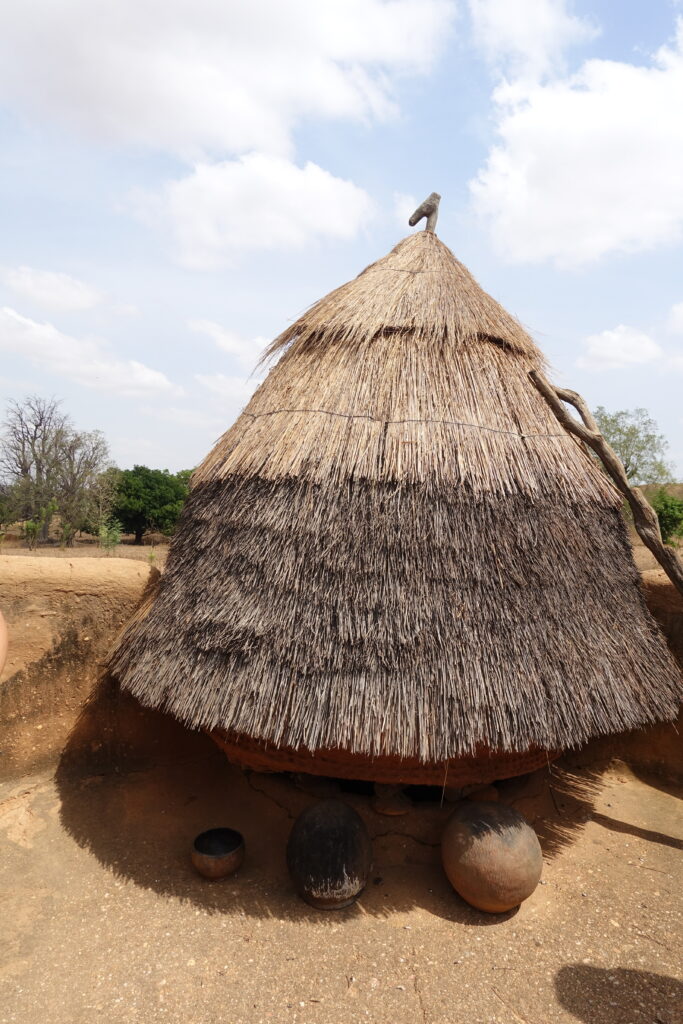
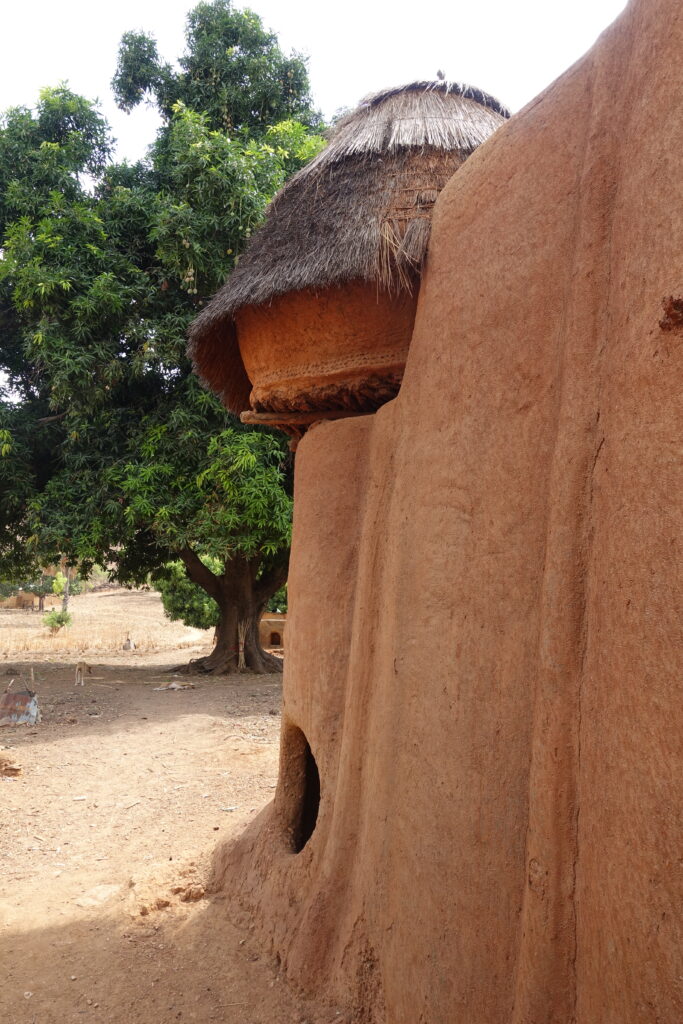
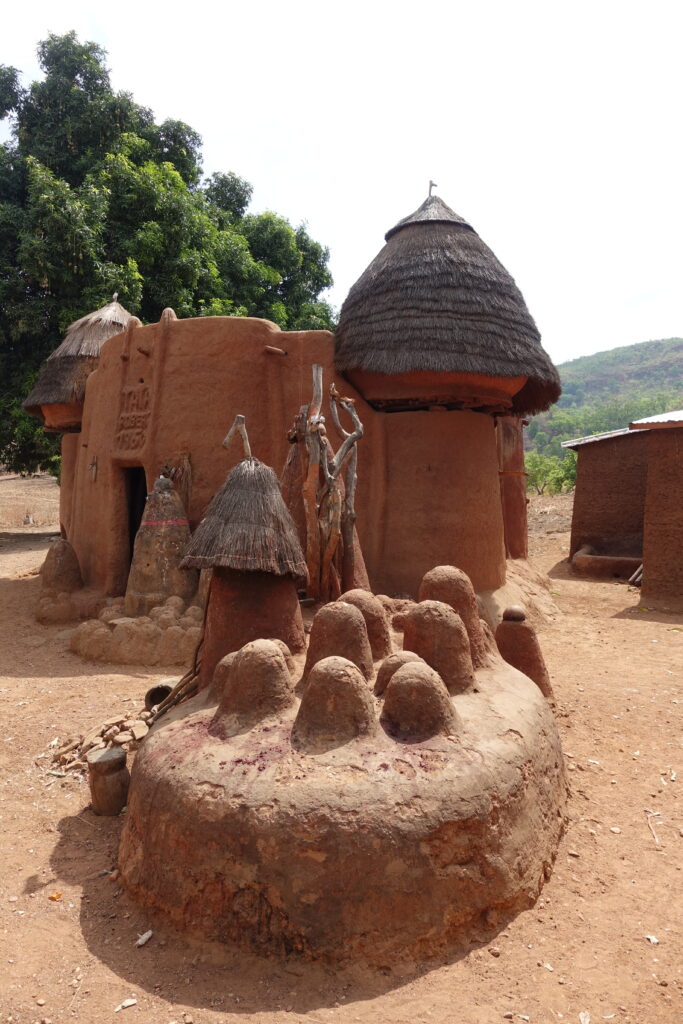
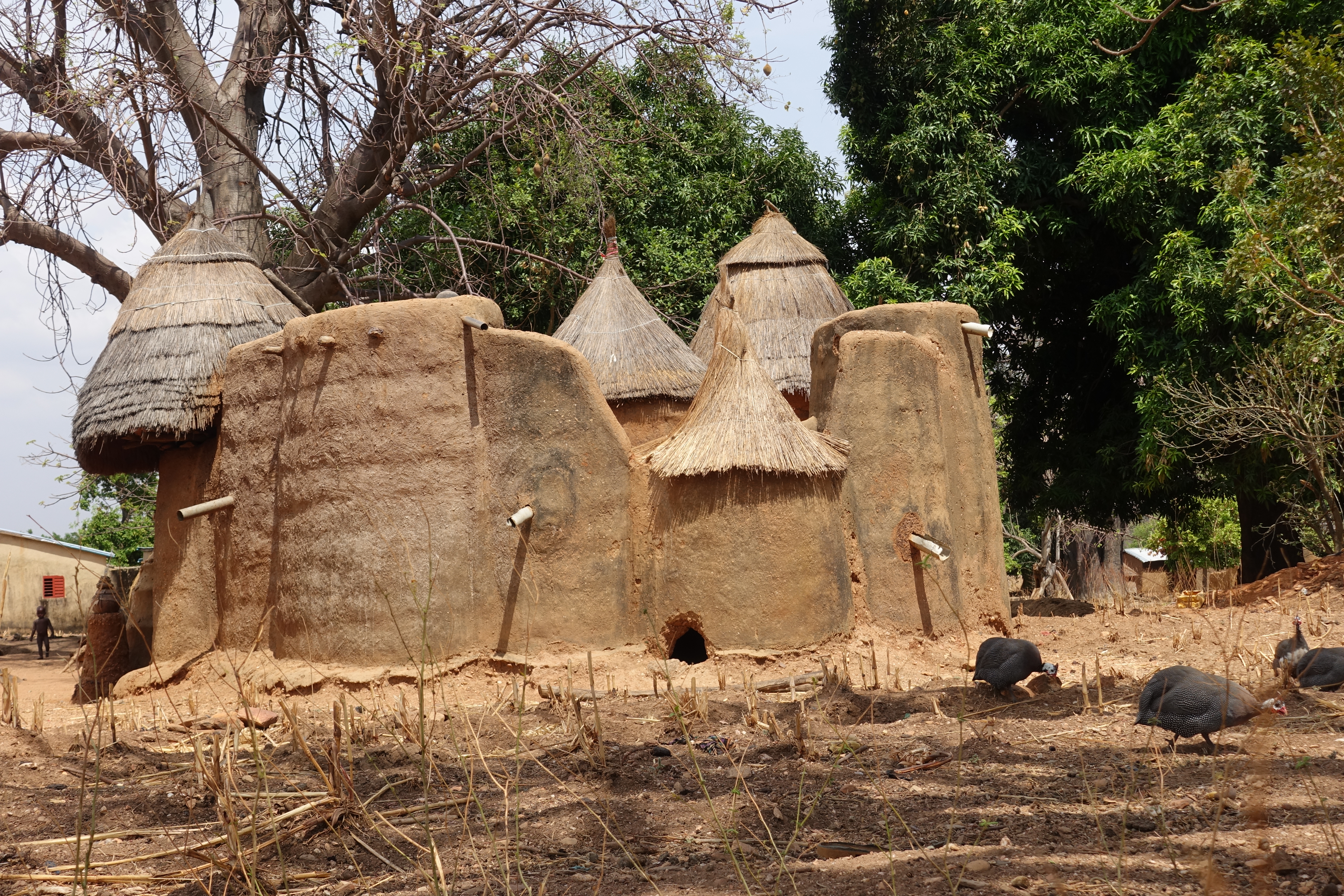
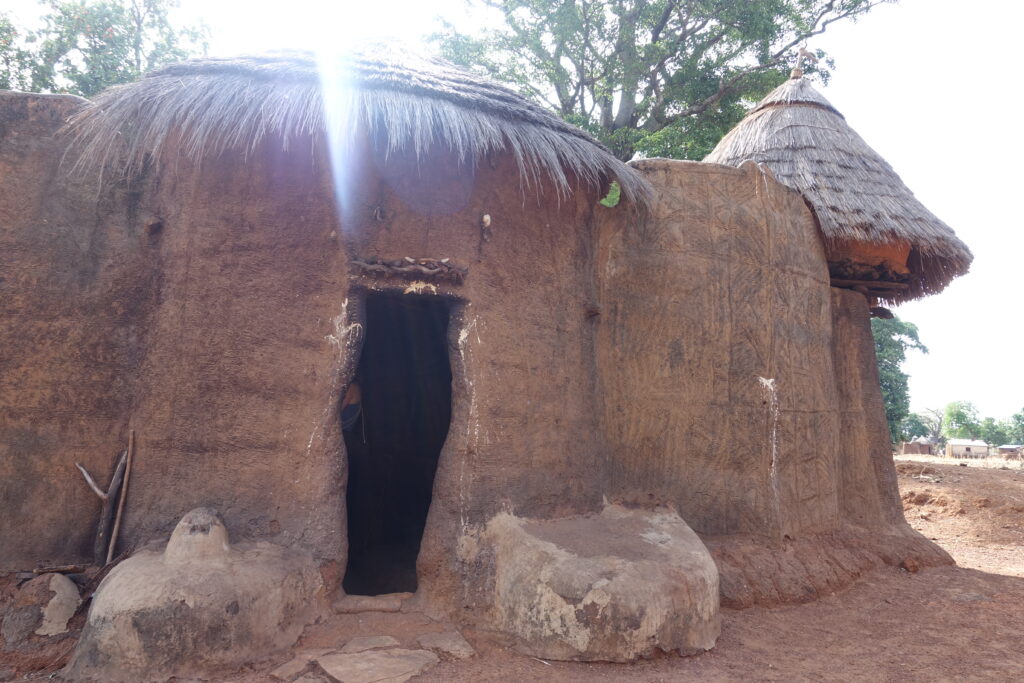
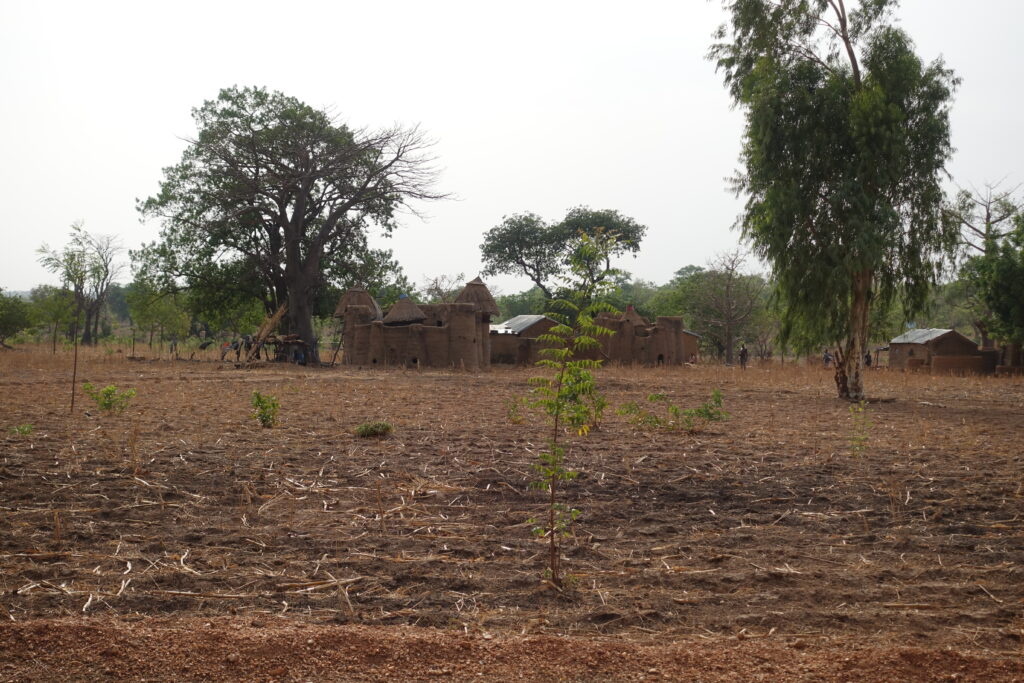
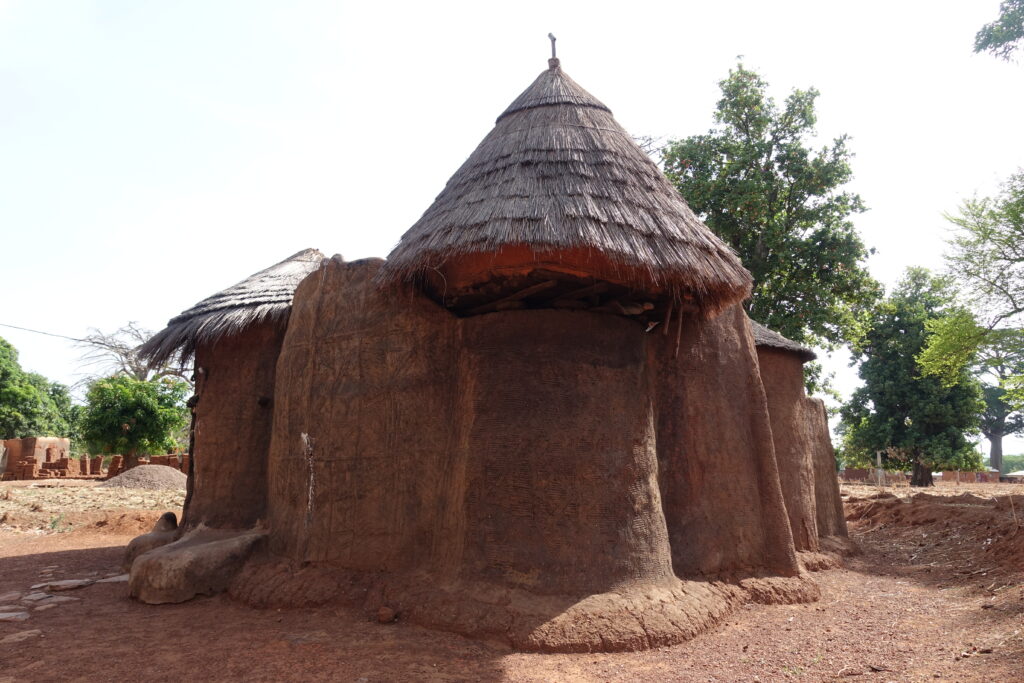
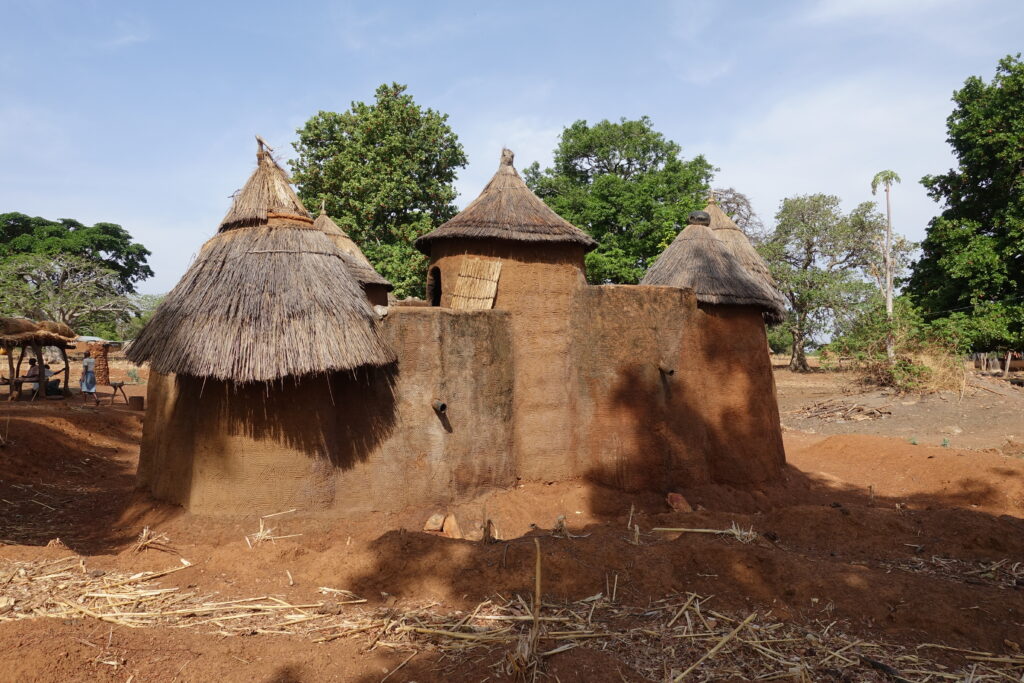
After Kara, we arrived in Koutammakou, the land of the Batammariba people—a joint UNESCO World Heritage Site shared by Togo and Benin. We were welcomed by a beautiful savannah landscape dotted with multi-level, straw-roofed, clay houses that resembled small fortresses. These are called Tata Sombas. Since we couldn’t find accommodation on the Togolese side, we decided to cross into Benin later that afternoon at a very small border crossing. According to iOverlander, we had to look for the police or soldier responsible for exit formalities under a tree—and sure enough, he was there, though he only wrote down our details and didn’t give us an official exit stamp from Togo. We spent a bit more time at the customs offices on both sides, as the Carnet de Passage system is still new, but we managed to enter Benin before sunset.
In Kossoucoingou, we found a beautiful accommodation that just fit within our budget (Otamari Lodge – we recommend it if you’re in the area). The houses were built in Tata Somba style. We were the only guests, as Northern Benin is currently not considered a safe region—it’s too close to Burkina Faso, where Boko Haram operates and attacks have occurred, especially near Pendjari National Park. Kossoucoingou is still regarded as a safe area that can be visited, but since the tours that used to stop there en route to Pendjari have ceased, tourism in the region has nearly vanished—except for a few backpackers or overlanders specifically interested in the area.
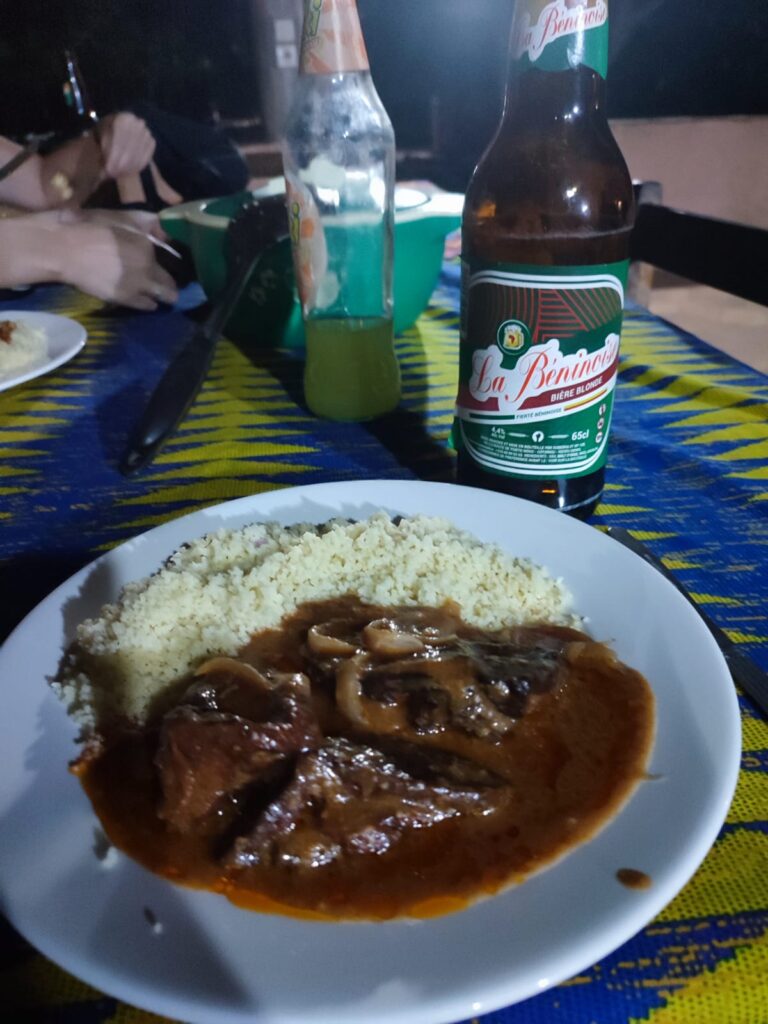
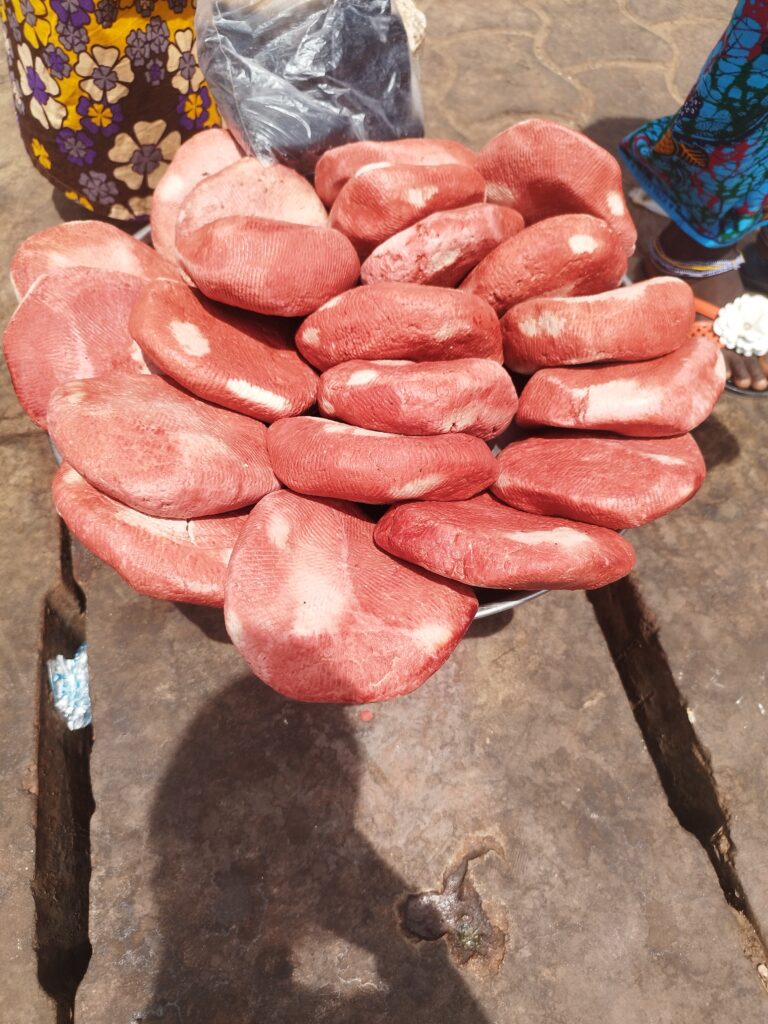
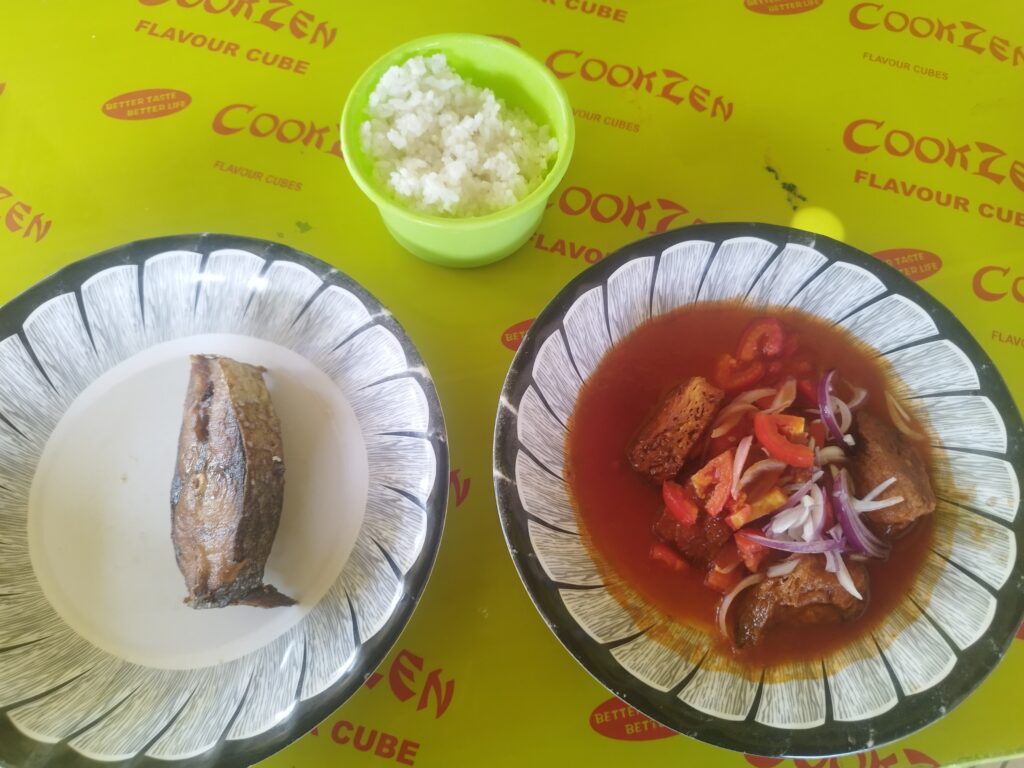
The receptionist asked if we wanted dinner, to which we said yes, though we didn’t know what we’d get. A woman from the village cooked for us—it looked like couscous with tomato beef stew at first glance. We were very surprised when we tasted it because it turned out the “beef” was actually cheese. In Benin and Togo, we ate a lot of cheese called wagashi, which is similar to Indian paneer or Greek halloumi. It’s mostly consumed in the north by the Fulani people, but we also found it in central Benin and in the capital at local markets. The cheese is sold whole, often with a red coating made from certain plant leaves. Wagashi’s taste can be mild or more robust, and it has a very unique texture. We ate it with various tomato-based sauces and spicy peanut dips—it became one of our favorite dishes.
The next day we signed up for a three-hour tour, which started a bit awkwardly. Our guide spoke very little English (and our French is still very basic—though much better after two months :)), so he was a bit shy at first. But he relaxed when he saw we were flexible and in good spirits.
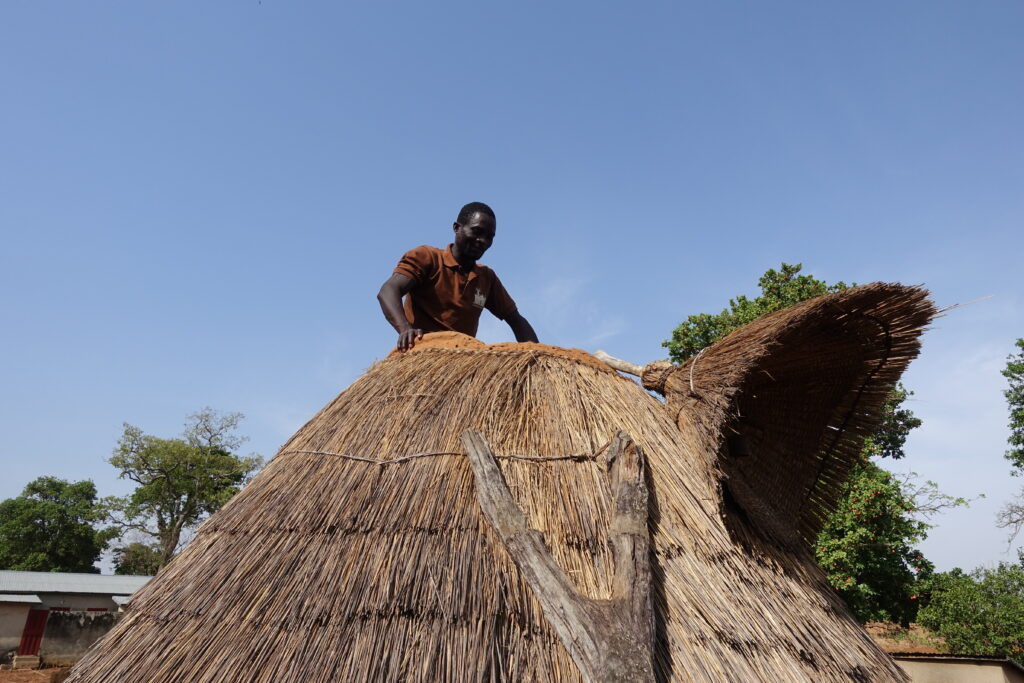
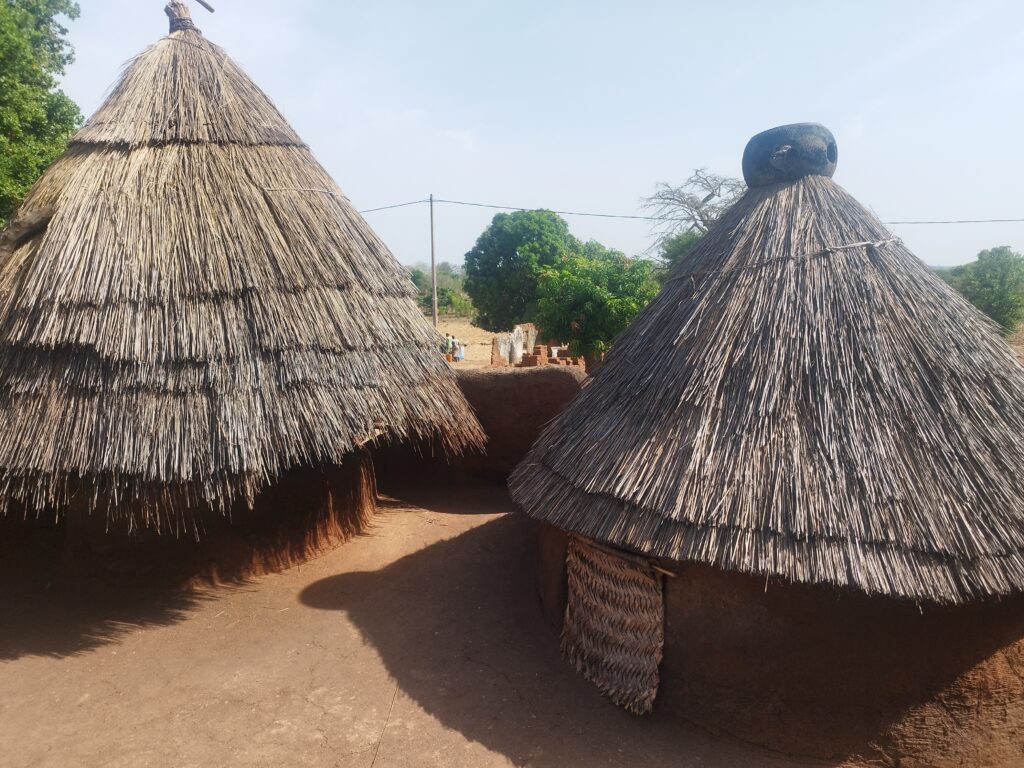
The Koutammakou region has been a UNESCO World Heritage Site since 2004 because the Batammariba people who live here have created a unique architectural and cultural legacy. Their best-known structures are the Tata Sombas, clay houses that serve not only as residences but also have religious and social functions. These multi-level, straw-roofed houses blend harmoniously with the savannah landscape and symbolize the Batammariba’s communal life and worldview.
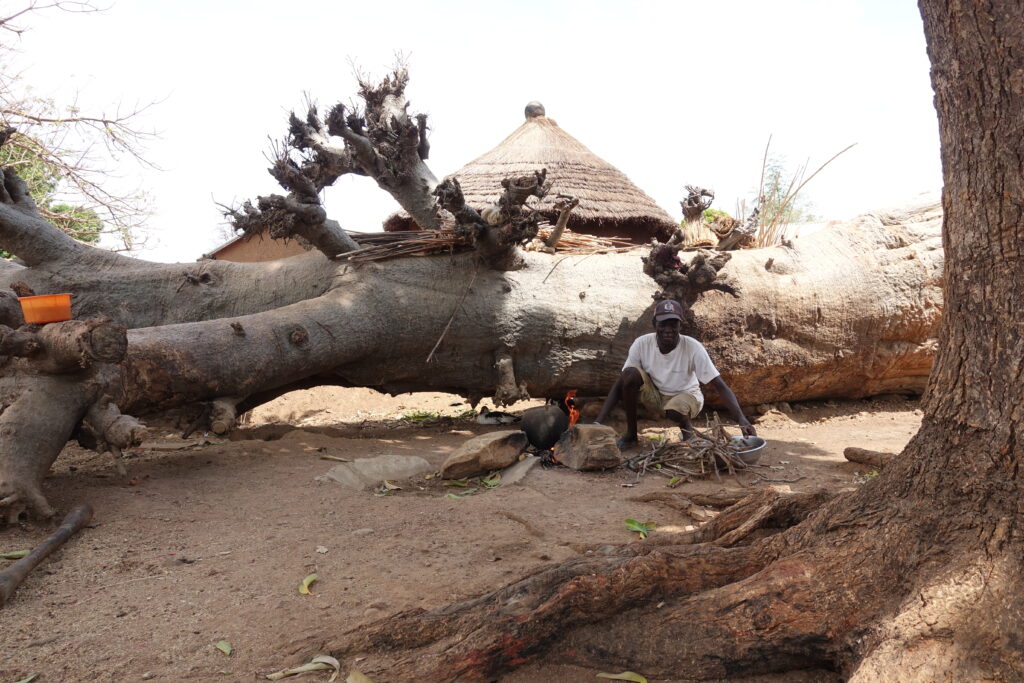
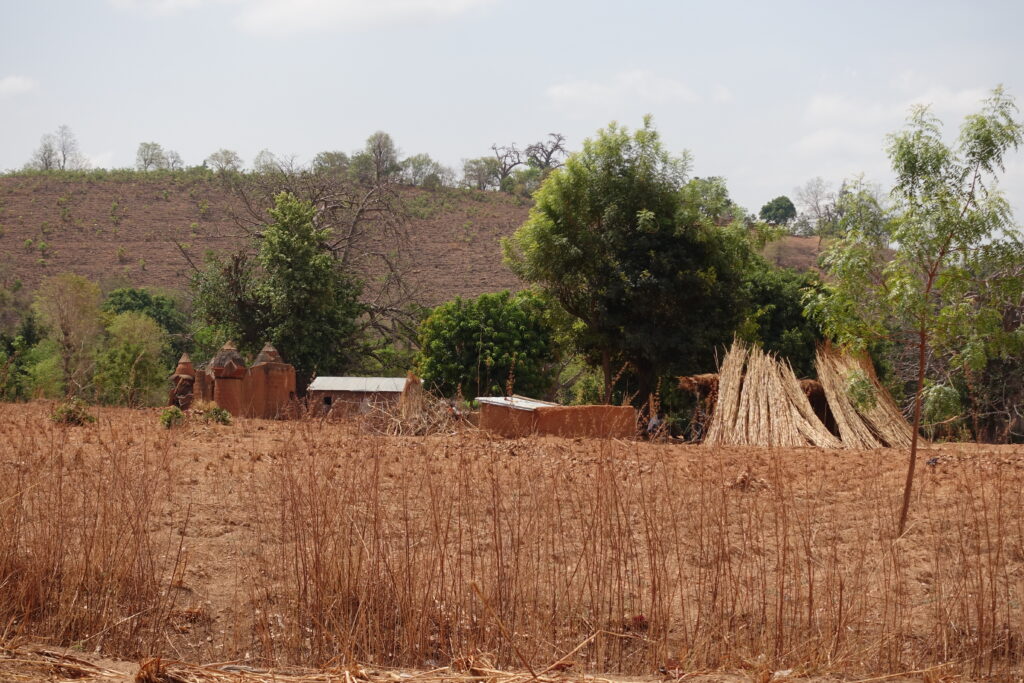
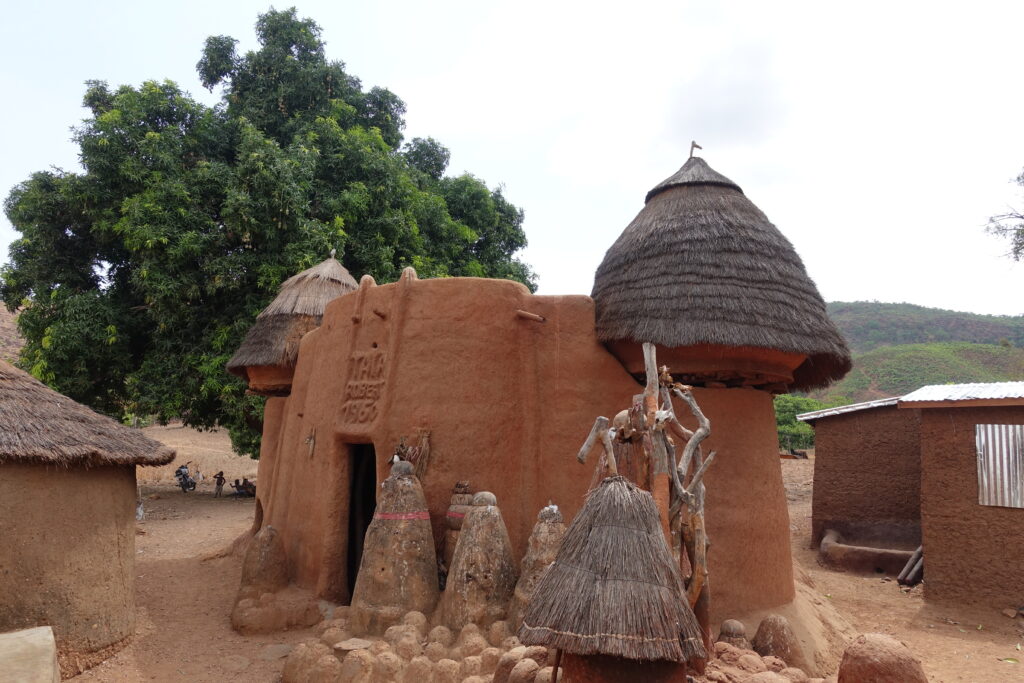
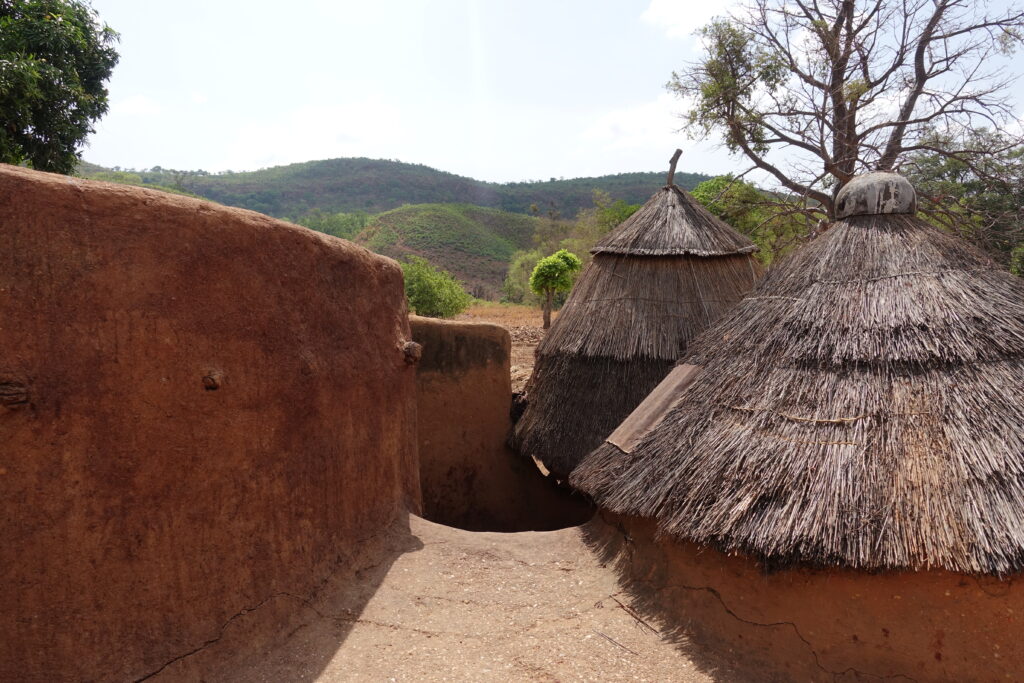
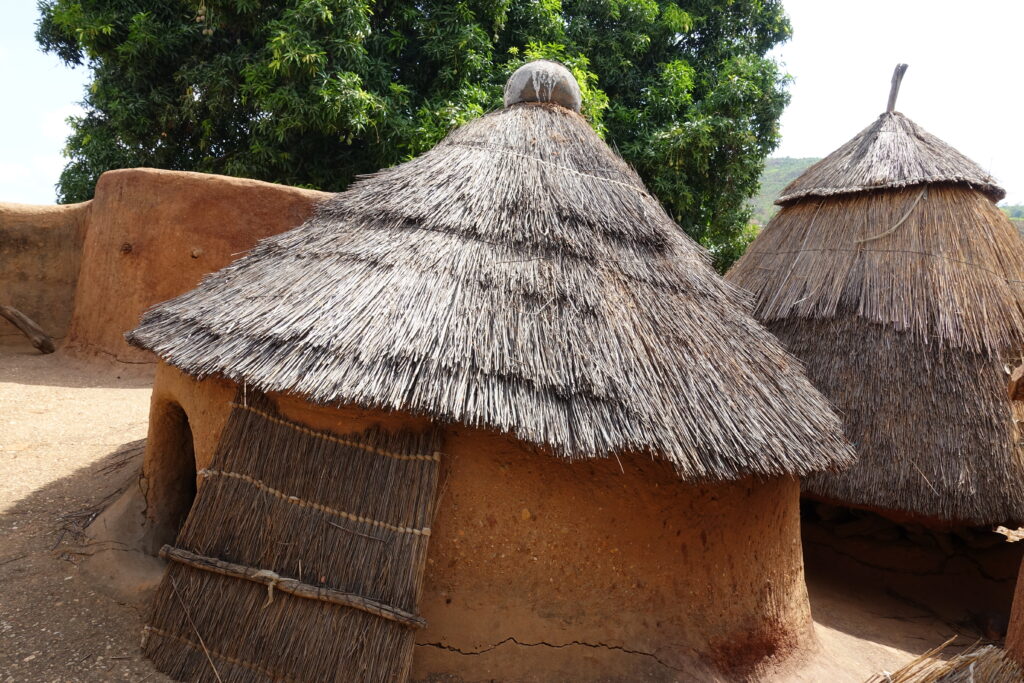
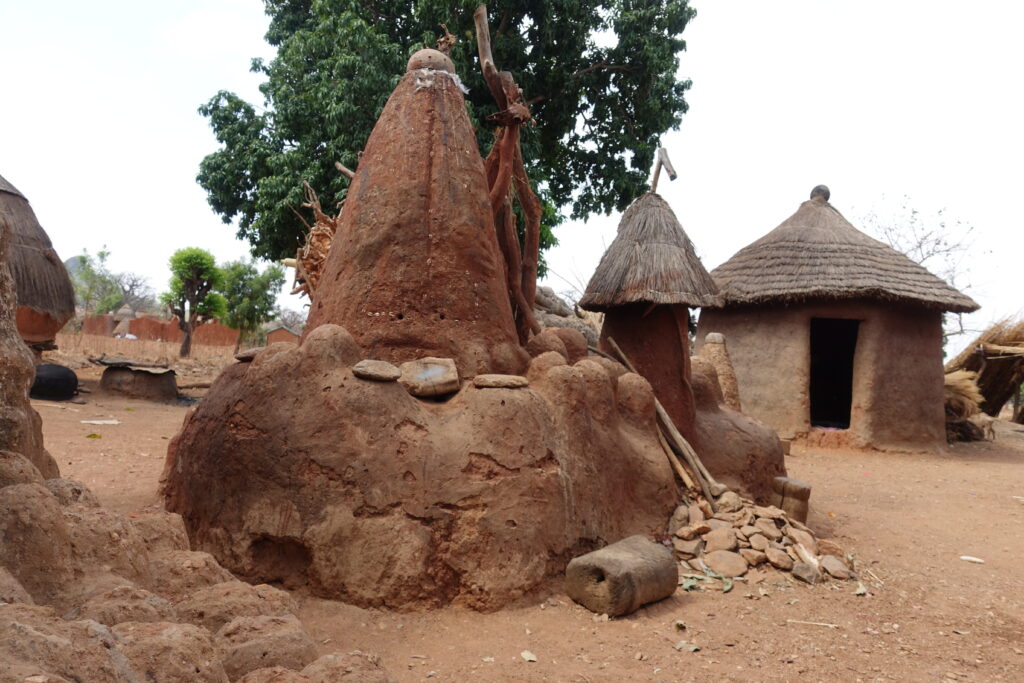
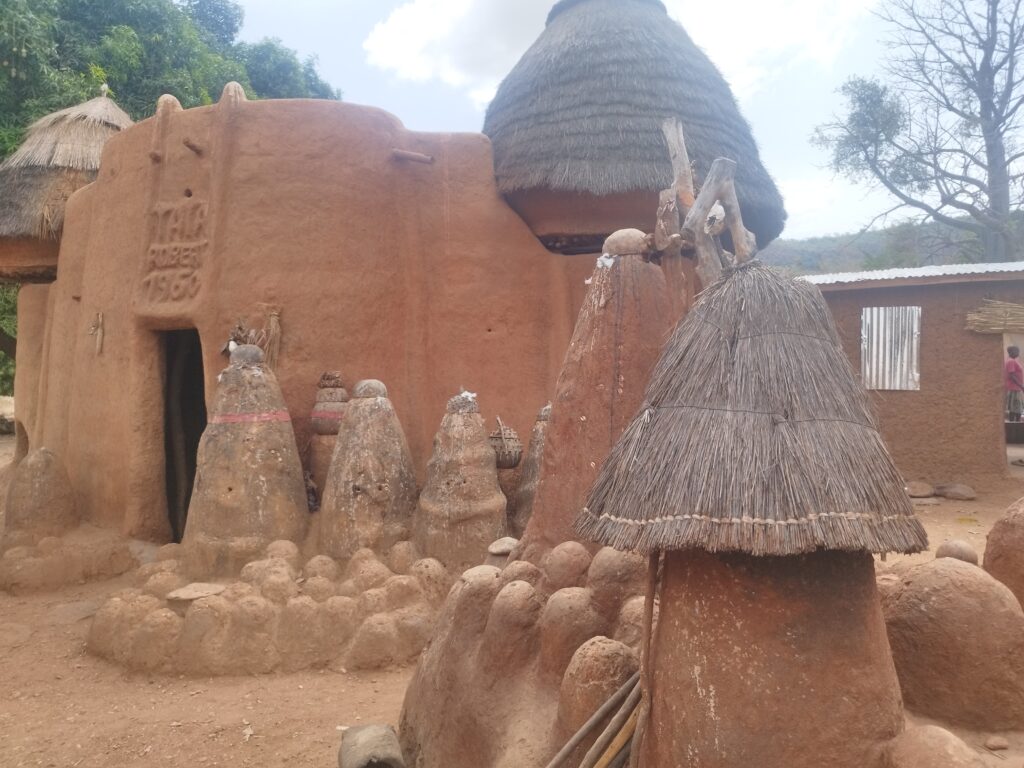
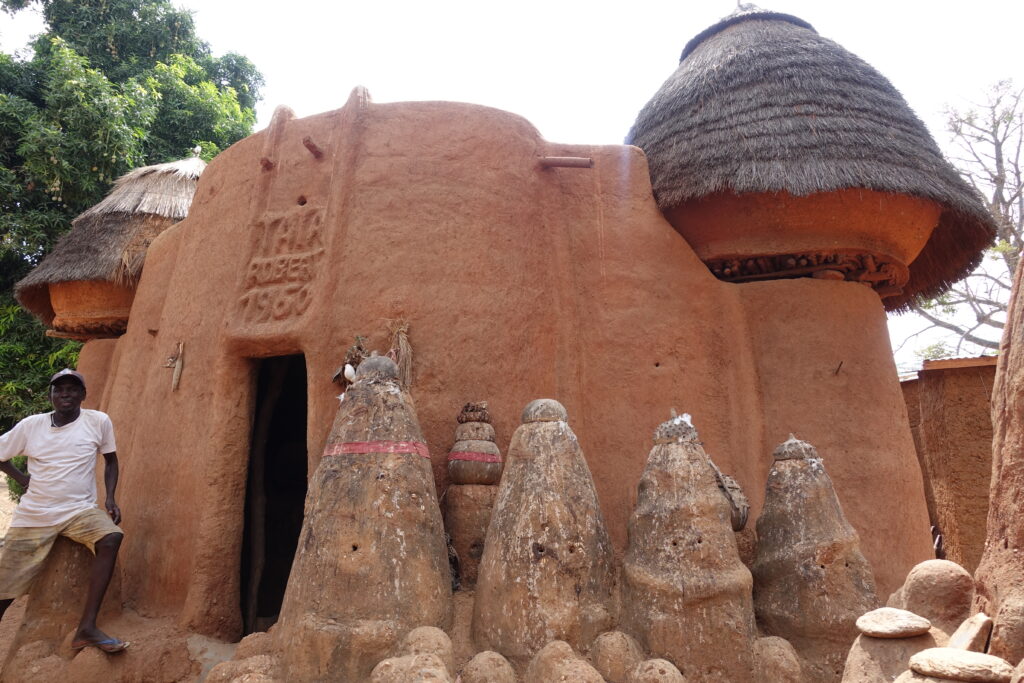
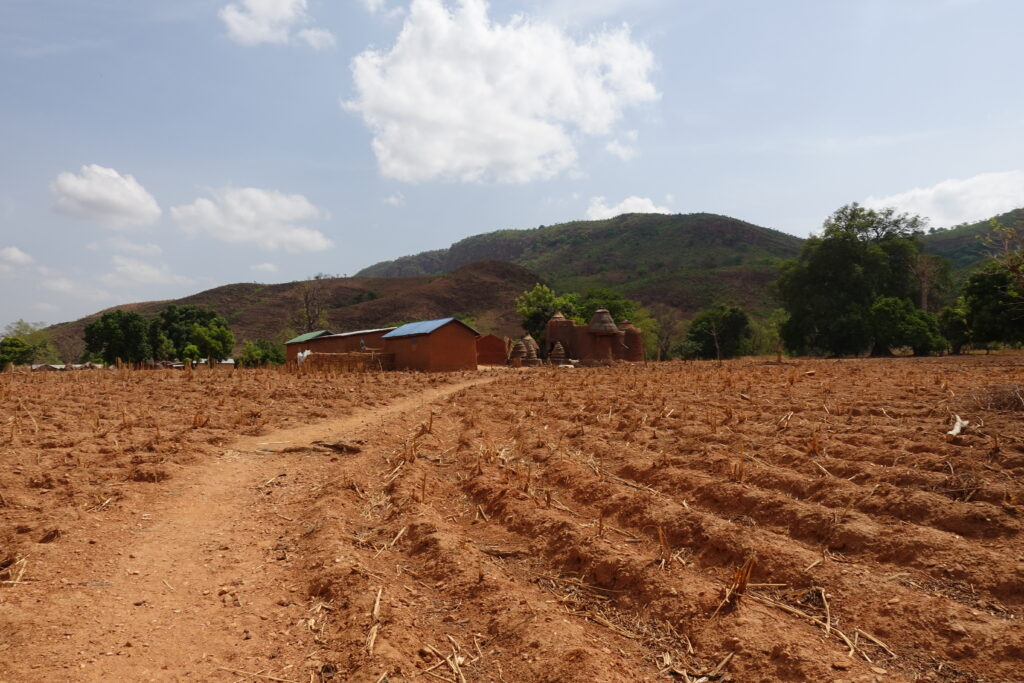
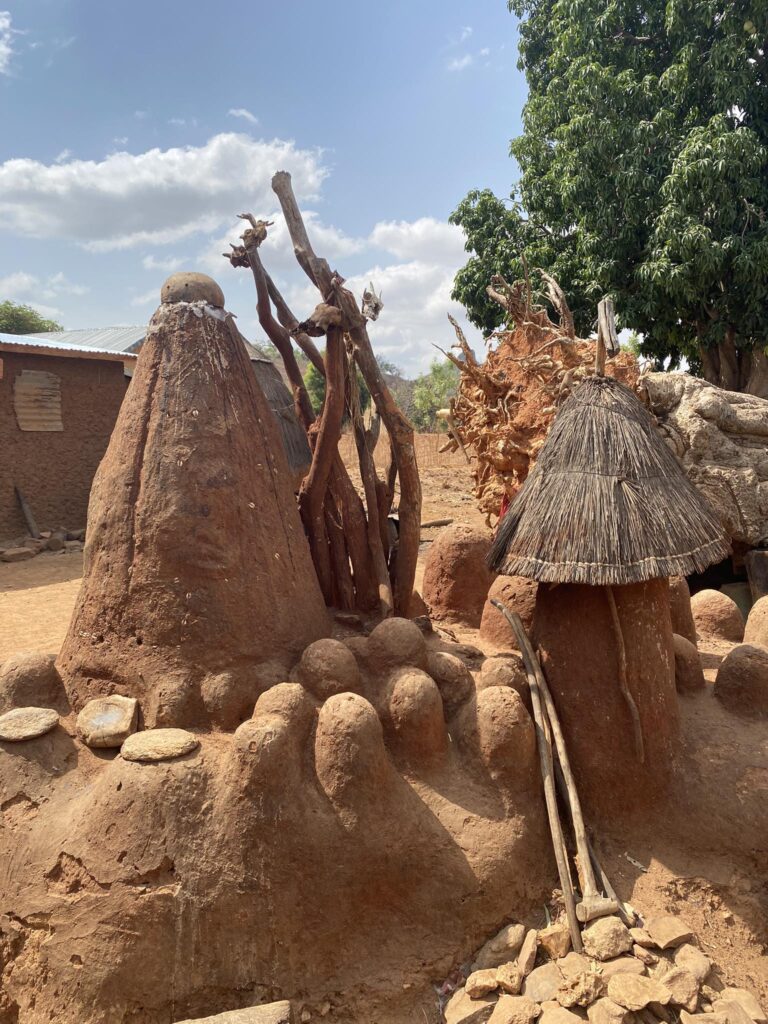
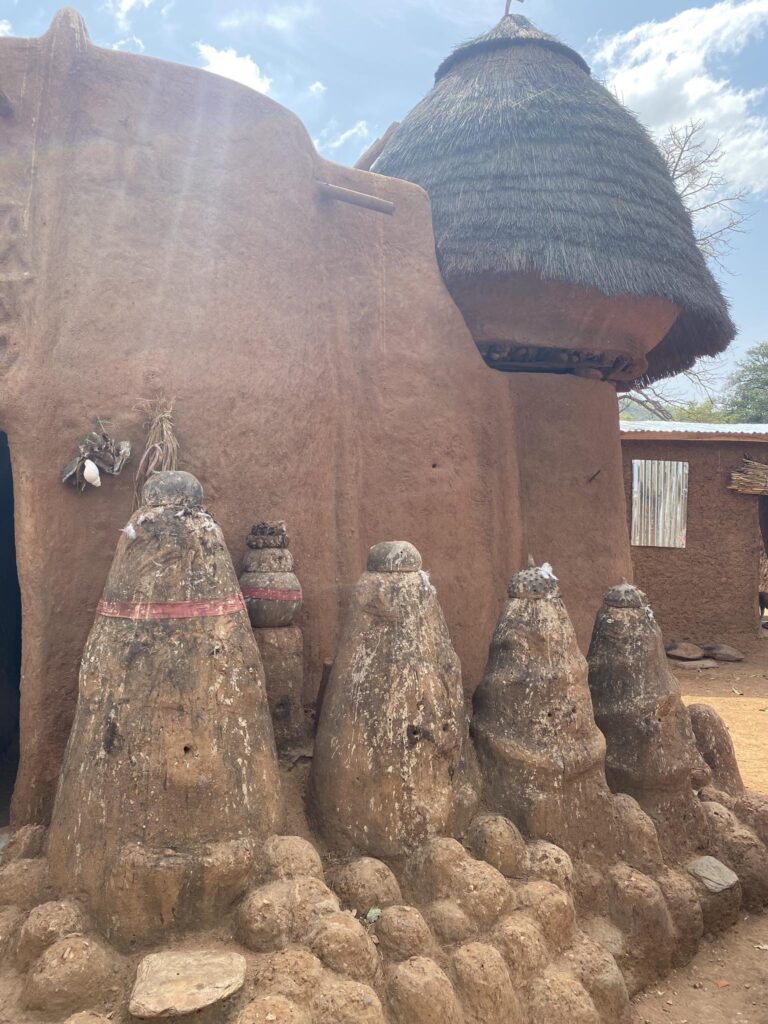
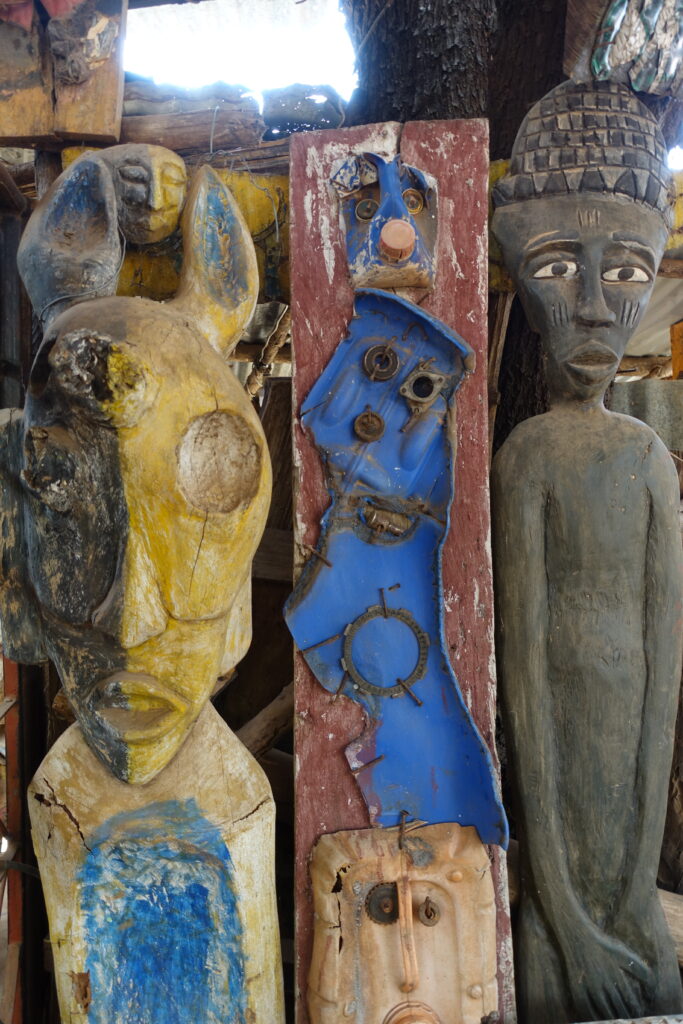
The Batammariba are animists, deeply connected to their ancestors and the spirit world. Their belief system is reflected in sacred spaces often found in front of their homes, decorated with statues, pillars, or clay figures. These are not merely decorative but signify their relationship with spirits, ancestral reverence, and spiritual protection. The region is a living example of a traditional lifestyle, where residents still largely live self-sufficiently, in close connection with the land, nature, and the invisible world they believe is populated by spirits and ancestors.
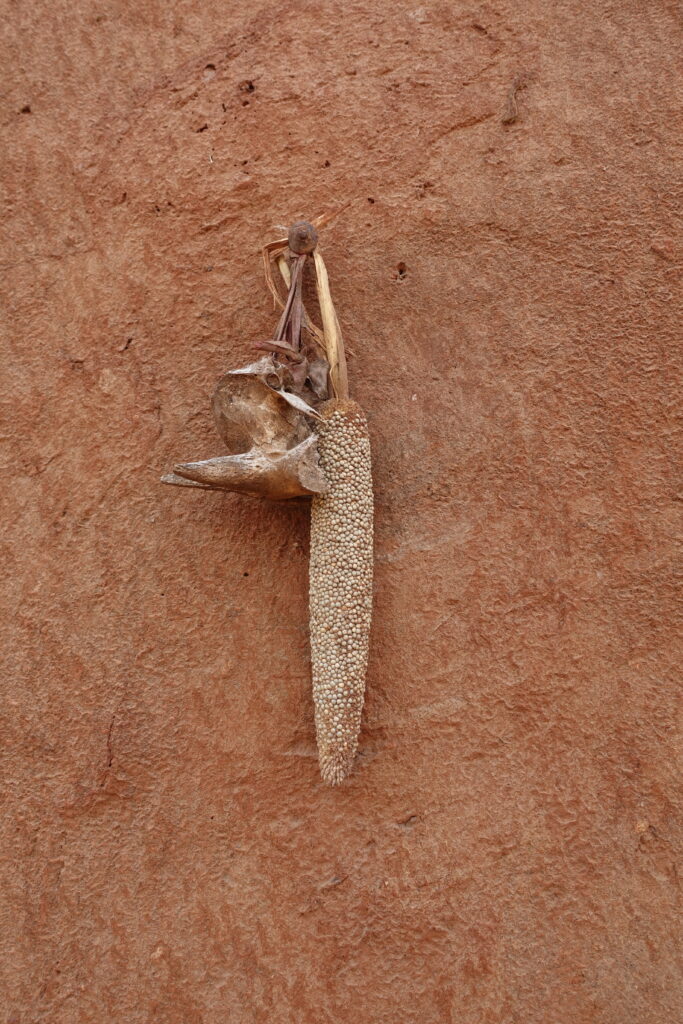
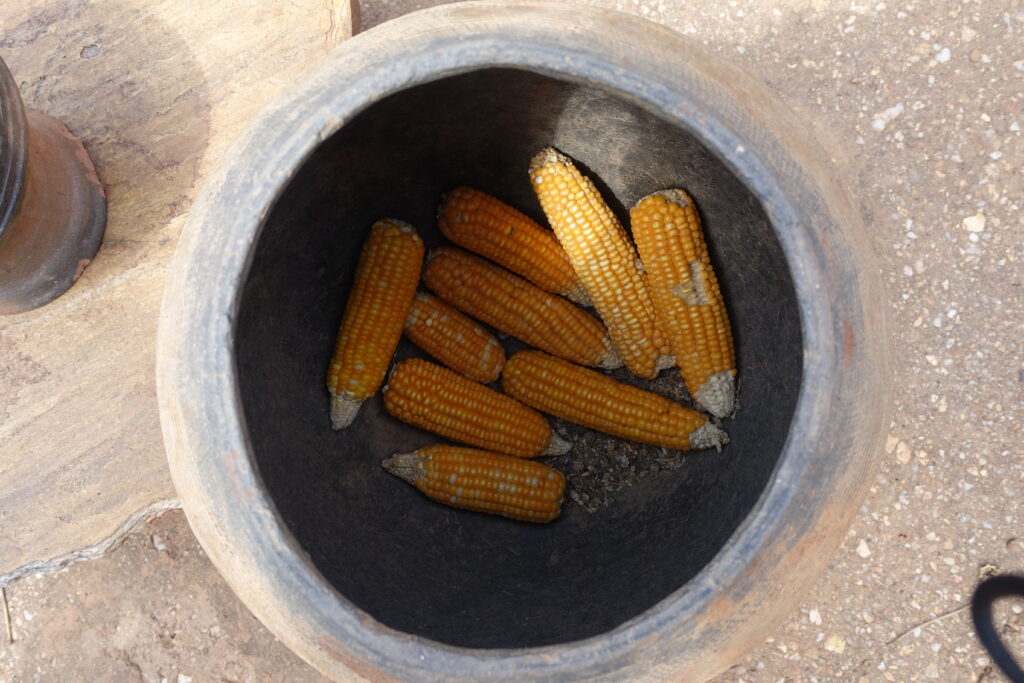
We visited Tata Sombas from two different ethnic groups and explored the interiors: the ground floor contains the kitchen, space for animals, and an altar for the spirits; upstairs are the living quarters for parents and children, as well as granaries (e.g., for maize and sorghum).
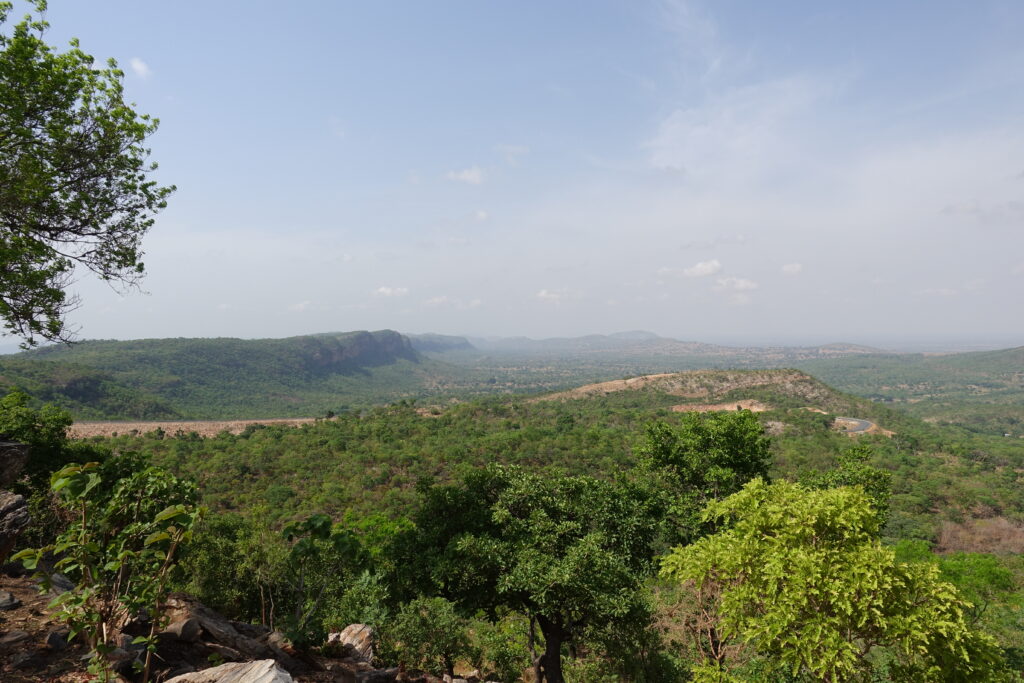
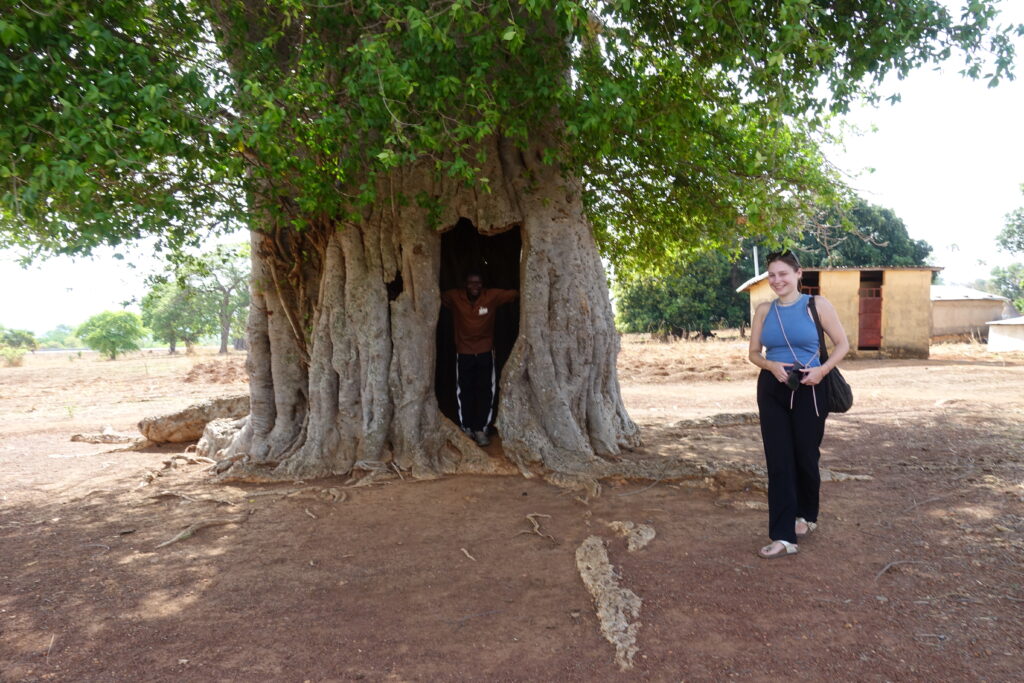
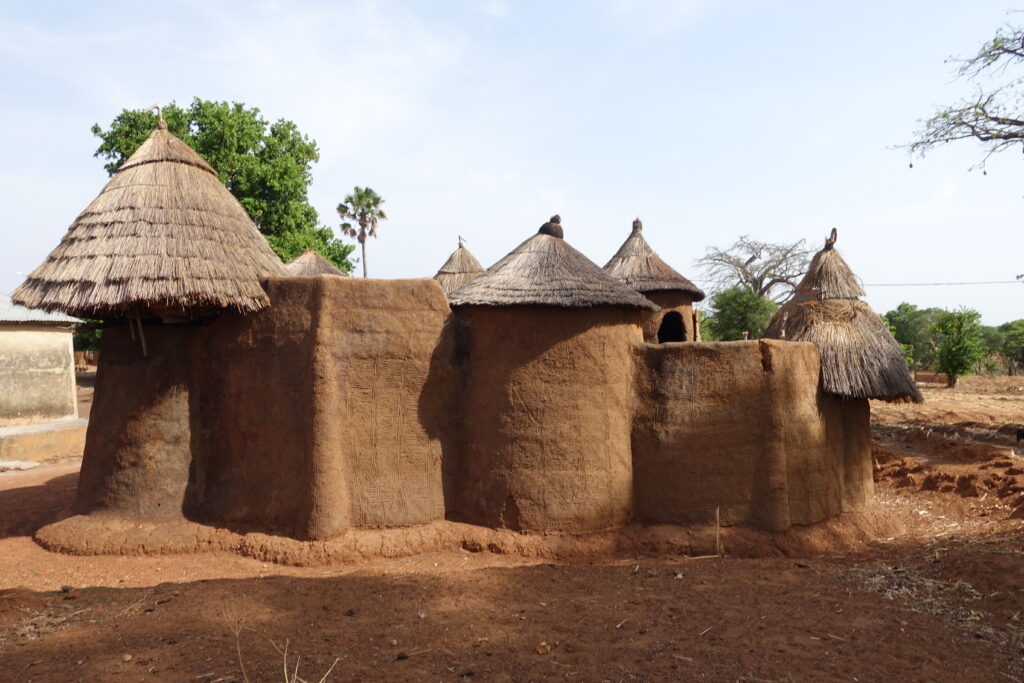
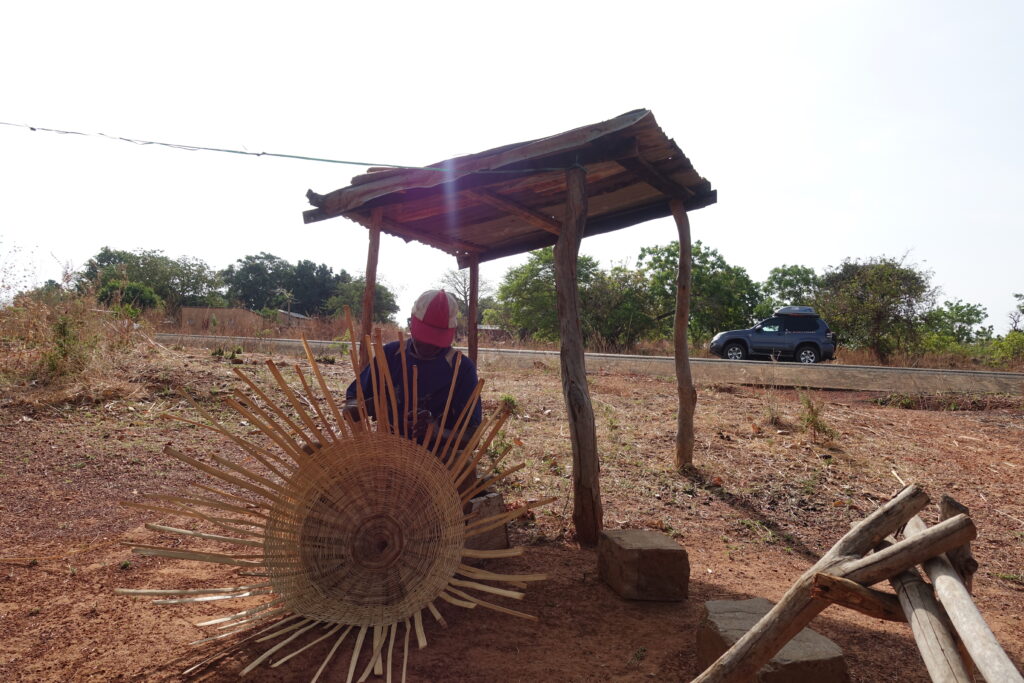
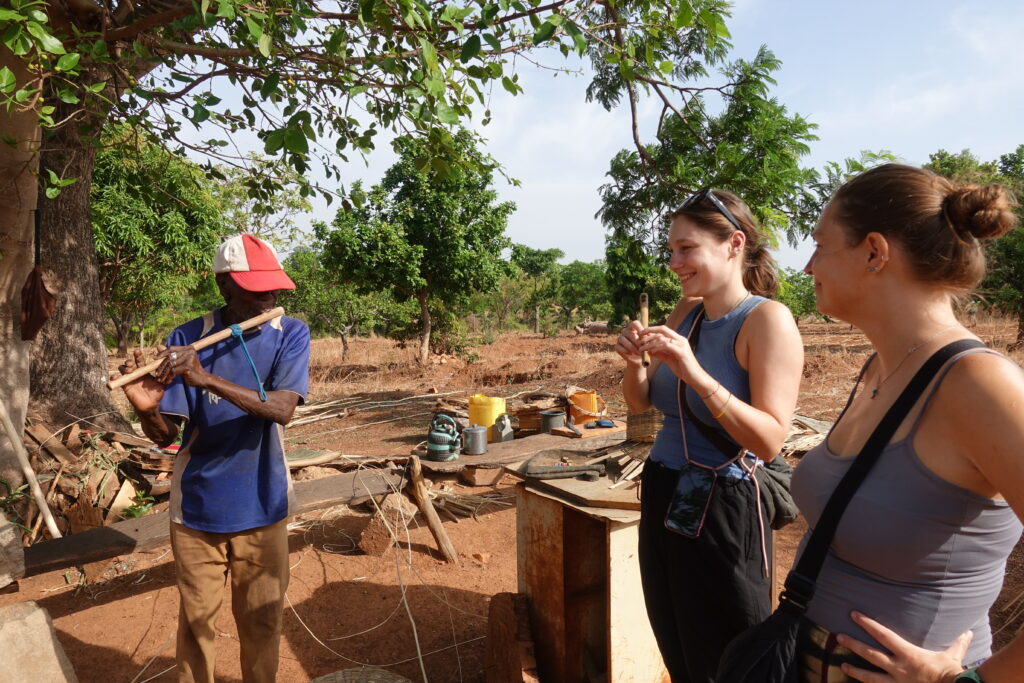
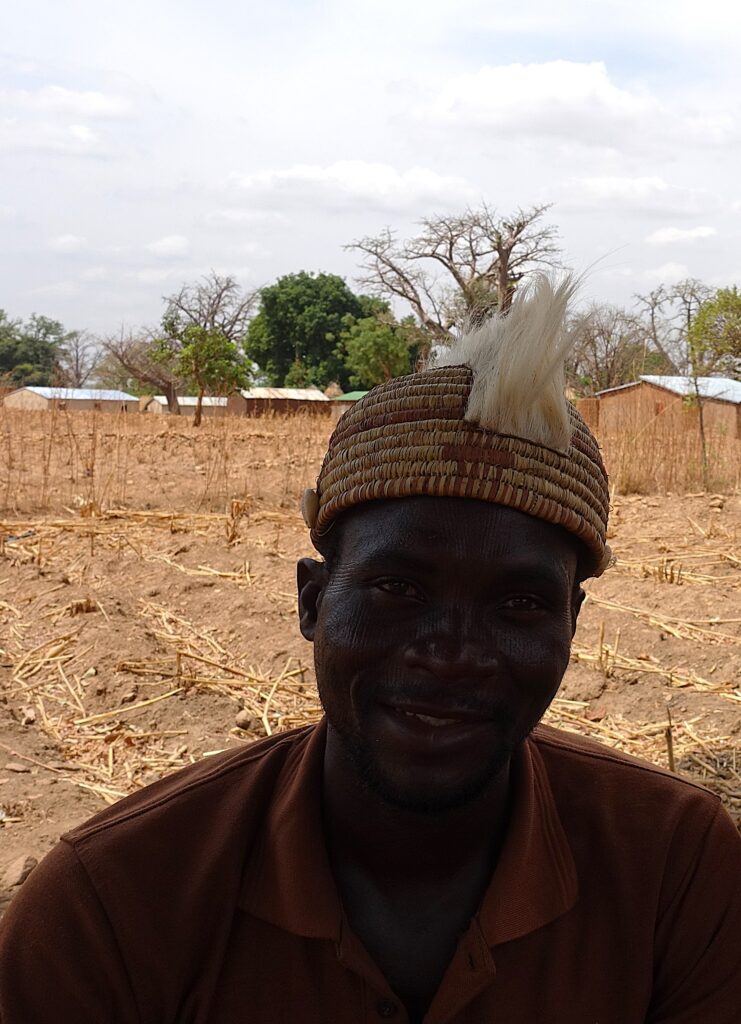
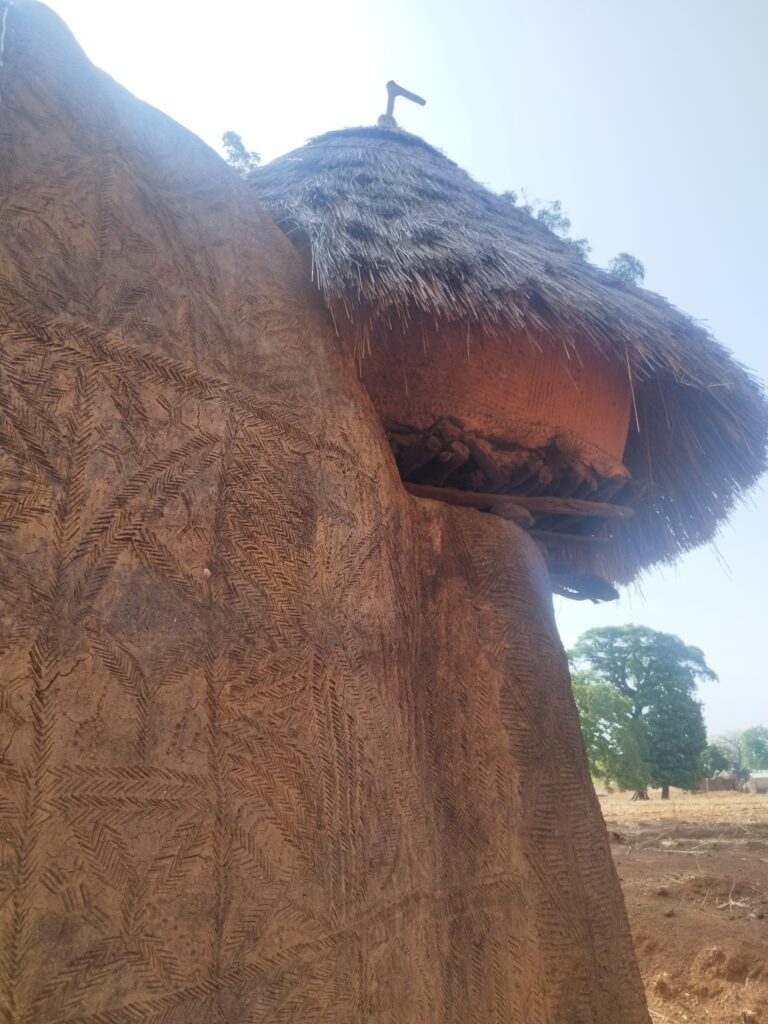
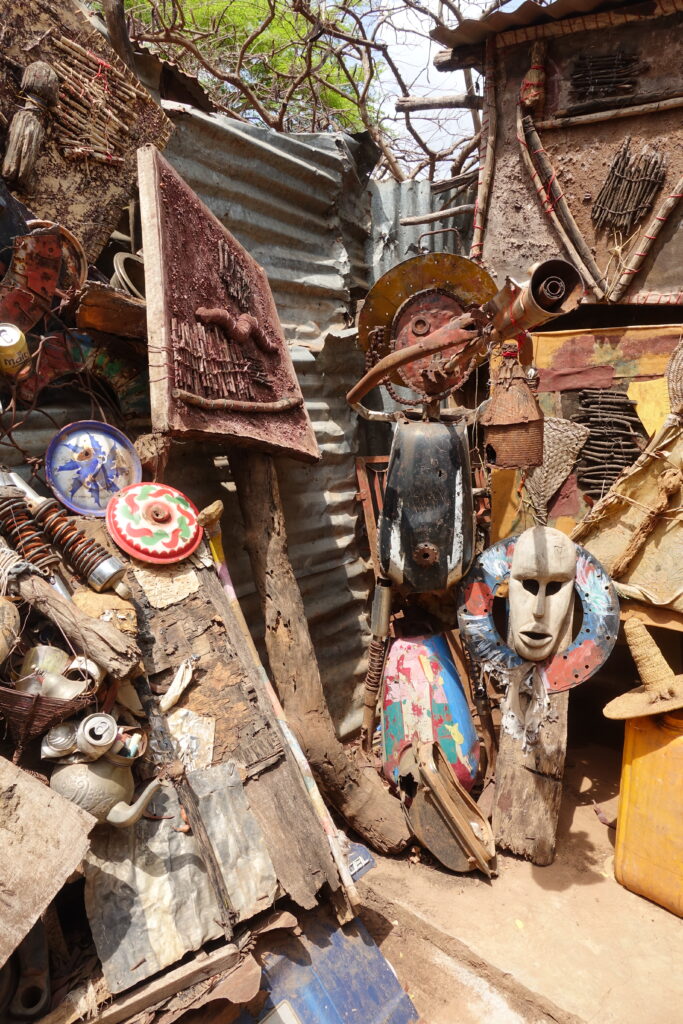
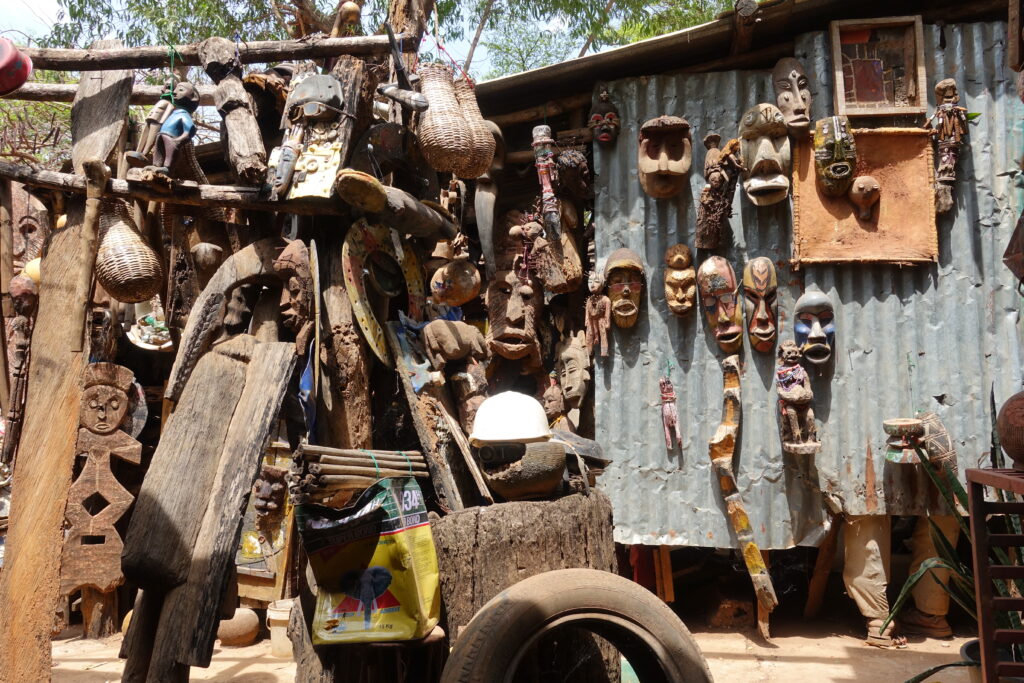
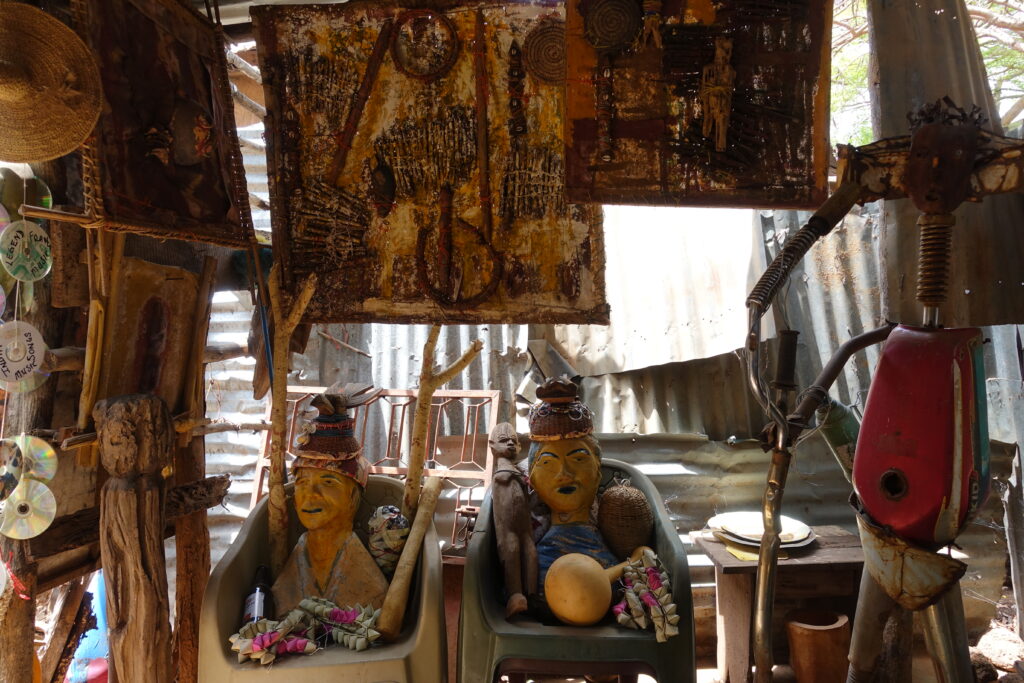
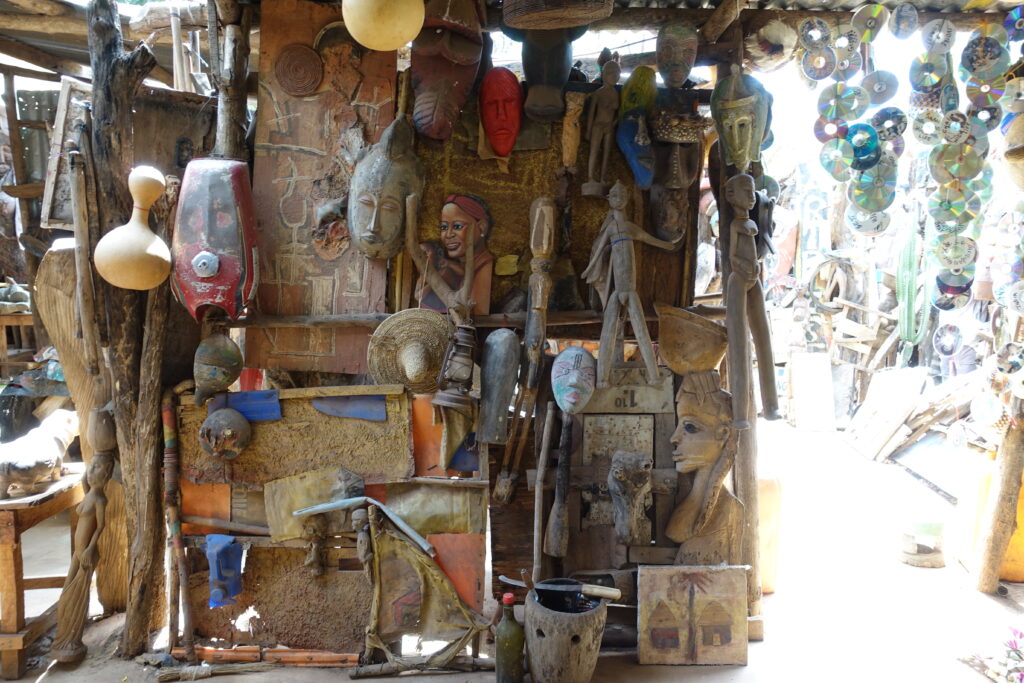
We then headed south to Natitingou, the regional center, where we visited the museum. We had a French-language guided tour again, but it was great to learn about the various ethnic groups that still largely follow traditional lifestyles, each with distinct facial tattoos for identification—the patterns of these tattoos are also found on the walls of the Tata Sombas. It was market day in Natitingou, so we quickly checked it out—it was fascinating to see how vendors from various villages came to this relatively modern town to sell their produce, traditional medicines, homemade drinks, and of course, cheese. To our surprise, there was also a souvenir market next to the museum, which was an intense experience since tourists are rare here lately (they were selling beautiful things, so we happily bought a few items that Anna took home).
Visiting northern Benin and northern Togo was a great experience, especially since we didn’t know much about the region beforehand and expected to see just a few UNESCO-preserved Tata Sombas. Instead, we discovered a vibrant, living culture.