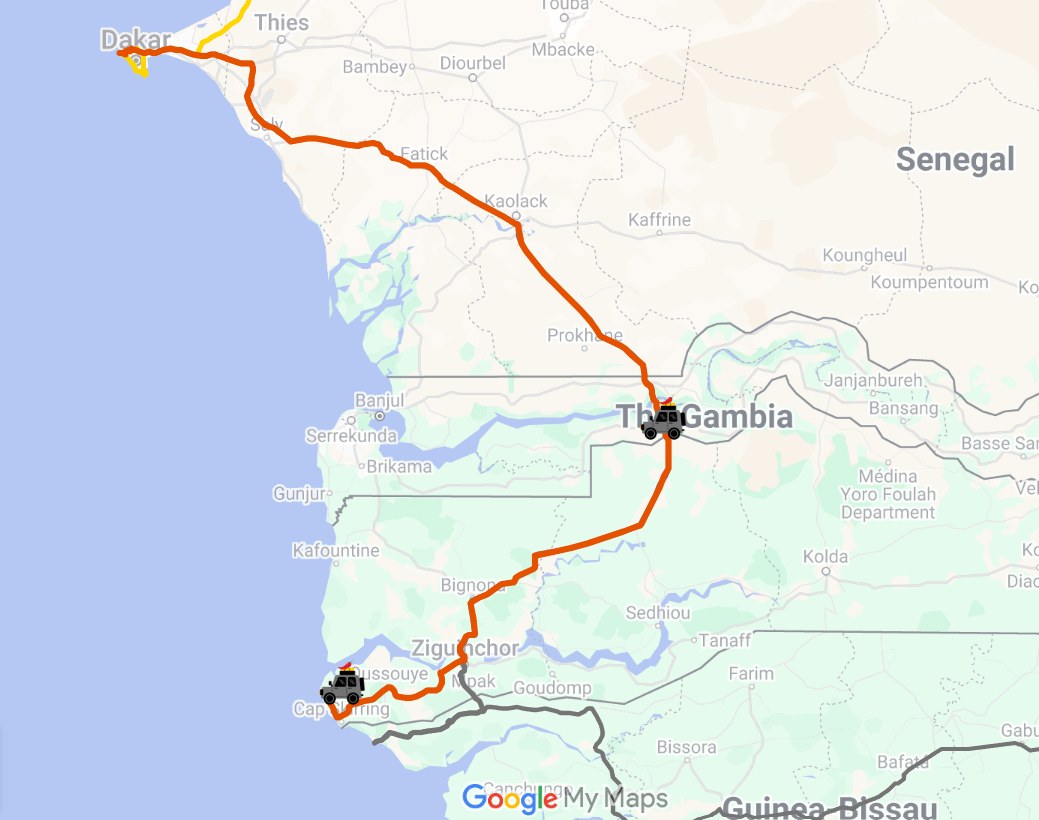
February 10-12: After Dakar, we headed toward Casamance. This region is separated from northern Senegal by The Gambia, meaning it can only be reached either by traveling through The Gambia or by making a huge detour. We decided to pass through The Gambia and spend a night there in a small town called Soma. Unfortunately, we caught a virus, which made the journey less enjoyable, but we still appreciated finally being able to understand everyone, as English, rather than French, is the main language of communication here.
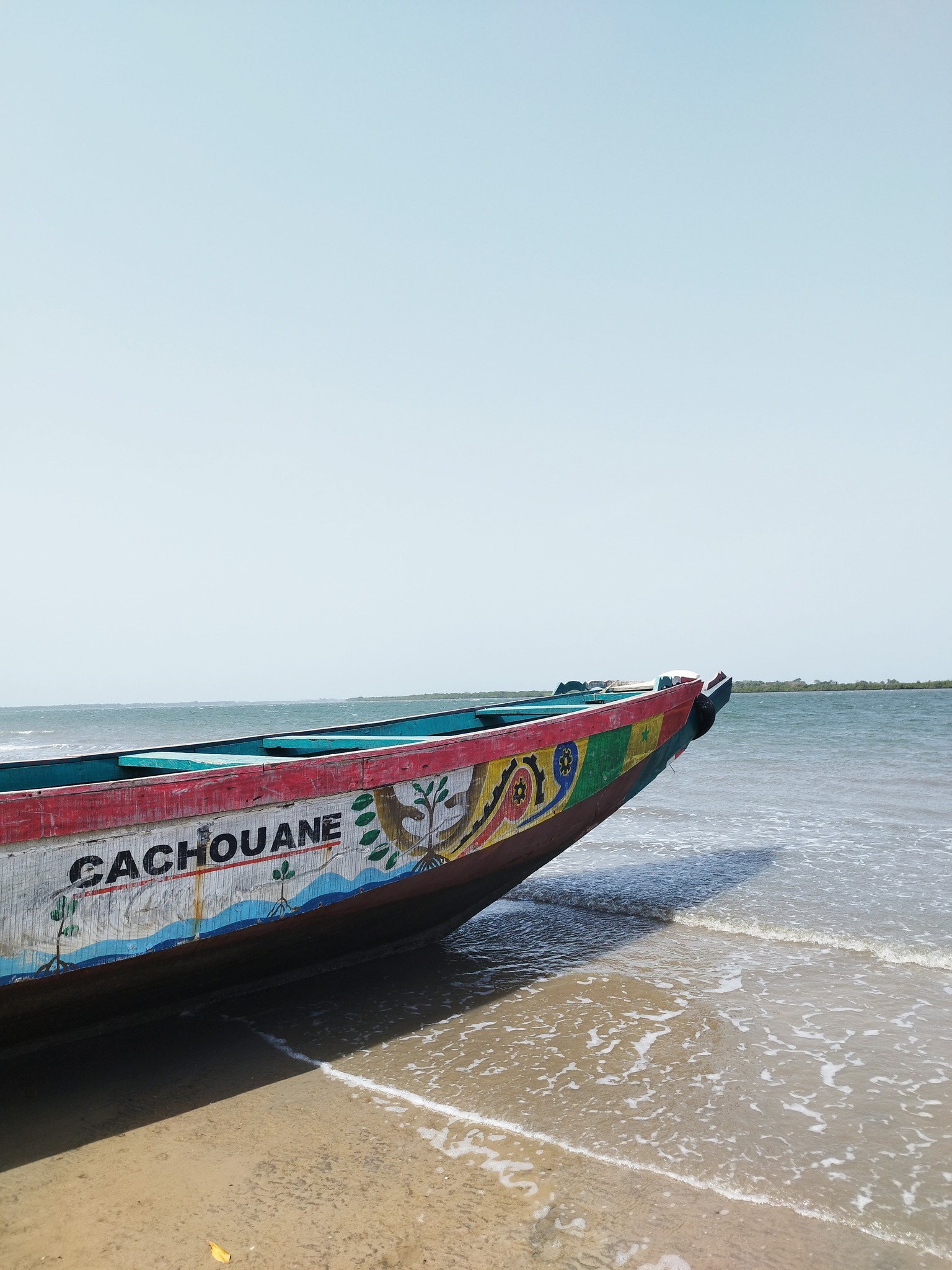
After crossing into Casamance, we stopped for lunch in Ziguinchor, the region’s capital, before continuing to a small place called Kachiouane. This village is located by a river, about 10 kilometers from the coast, and can be reached via sandy roads.
Since 1982, separatist movements have been active in Casamance, which is why the Hungarian government classifies the region as a Level I – not recommended for travel area. In reality, however, incidents are very rare and usually occur in the eastern part of the region (and do not target tourists). As a result, Casamance is actually one of the safest areas in the country for travelers.
(This classification is particularly frustrating for us because many African countries that are now considered safe by other European governments—and that we will also be traveling through—are still labeled as not recommended for travel by Hungary. In many cases, these travel advisories have not been updated for years. This has real consequences for us: if we were to fall ill or have an accident in one of these areas, our travel insurance would not cover the costs.)
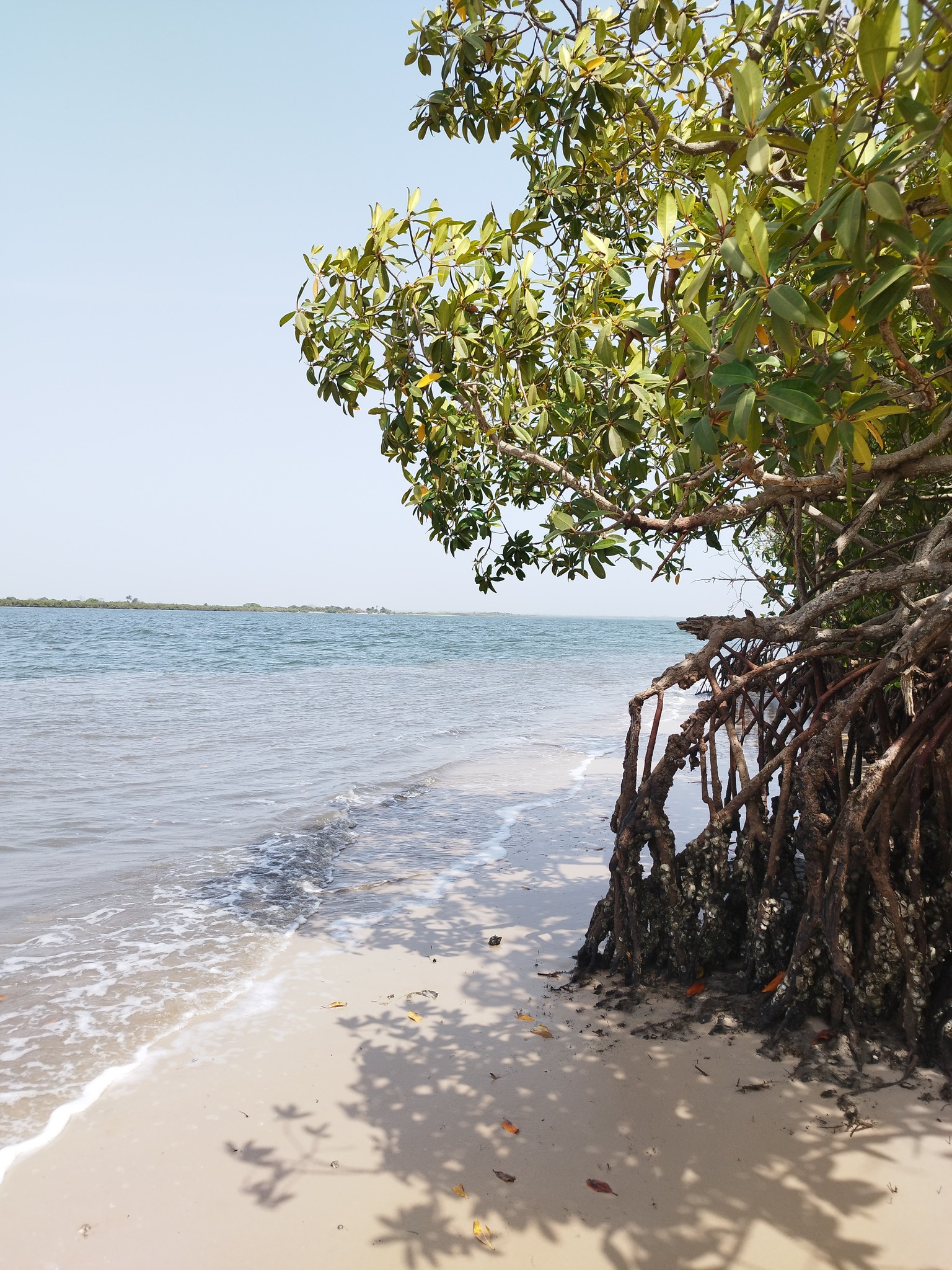
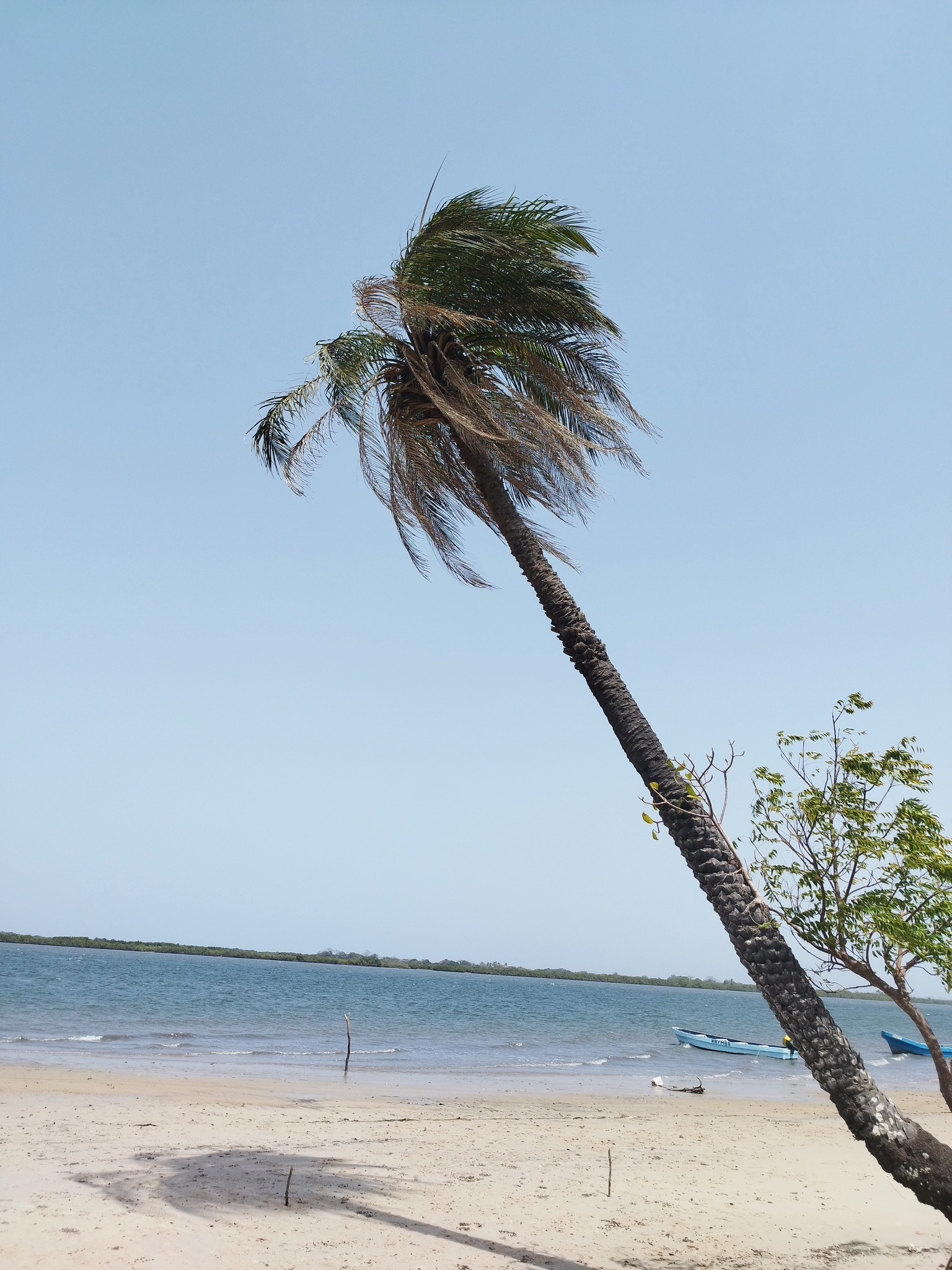
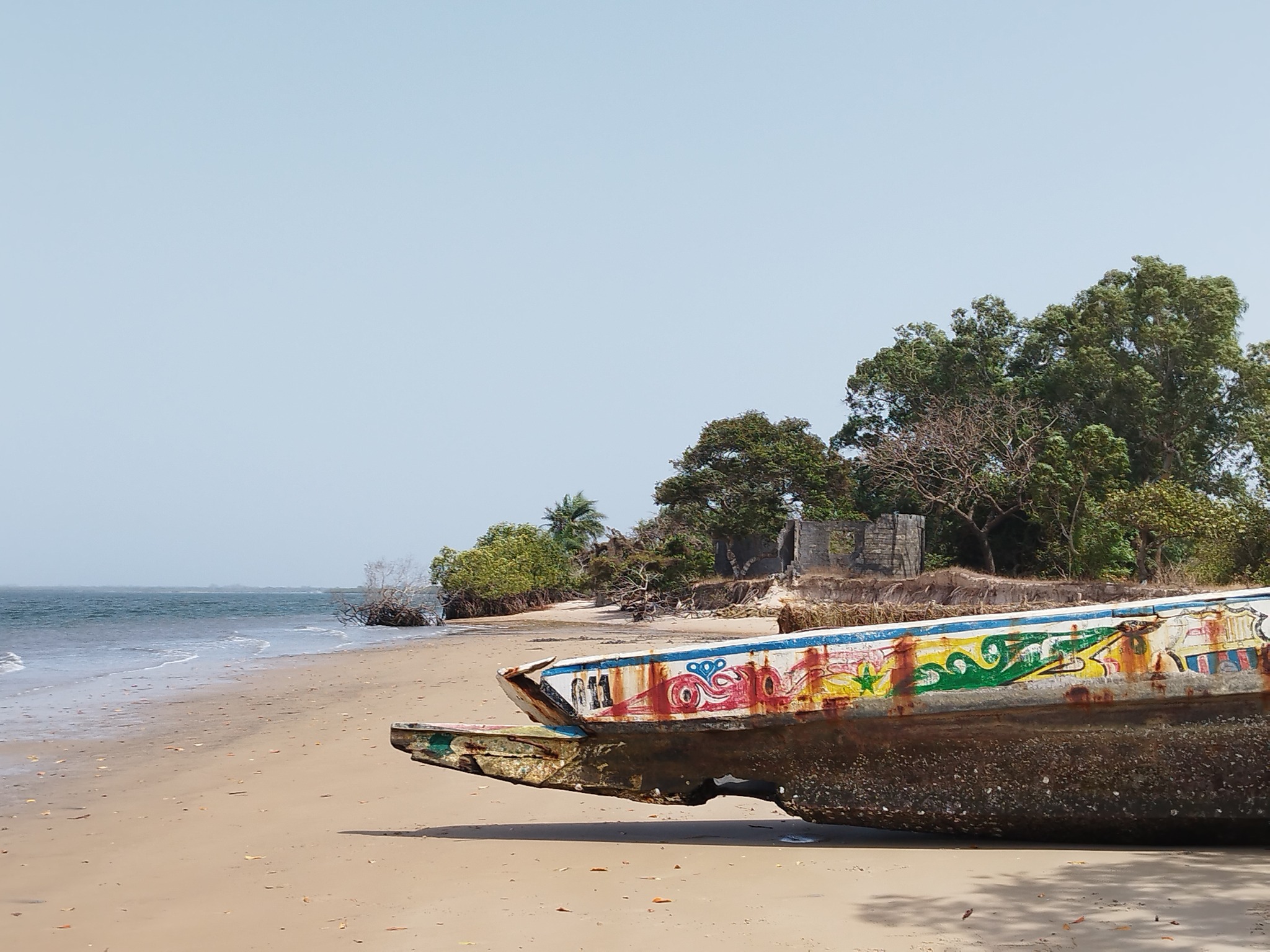
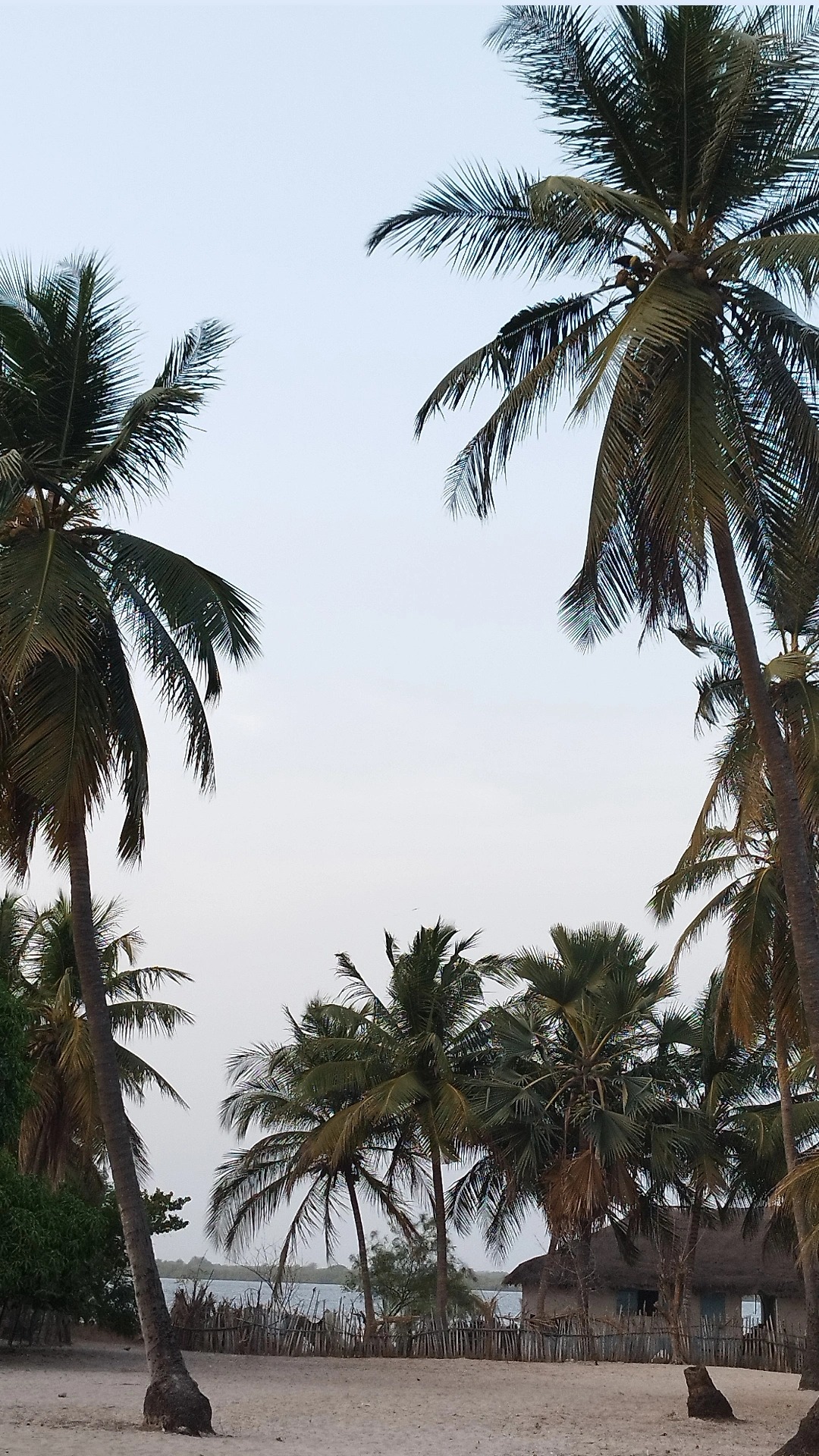
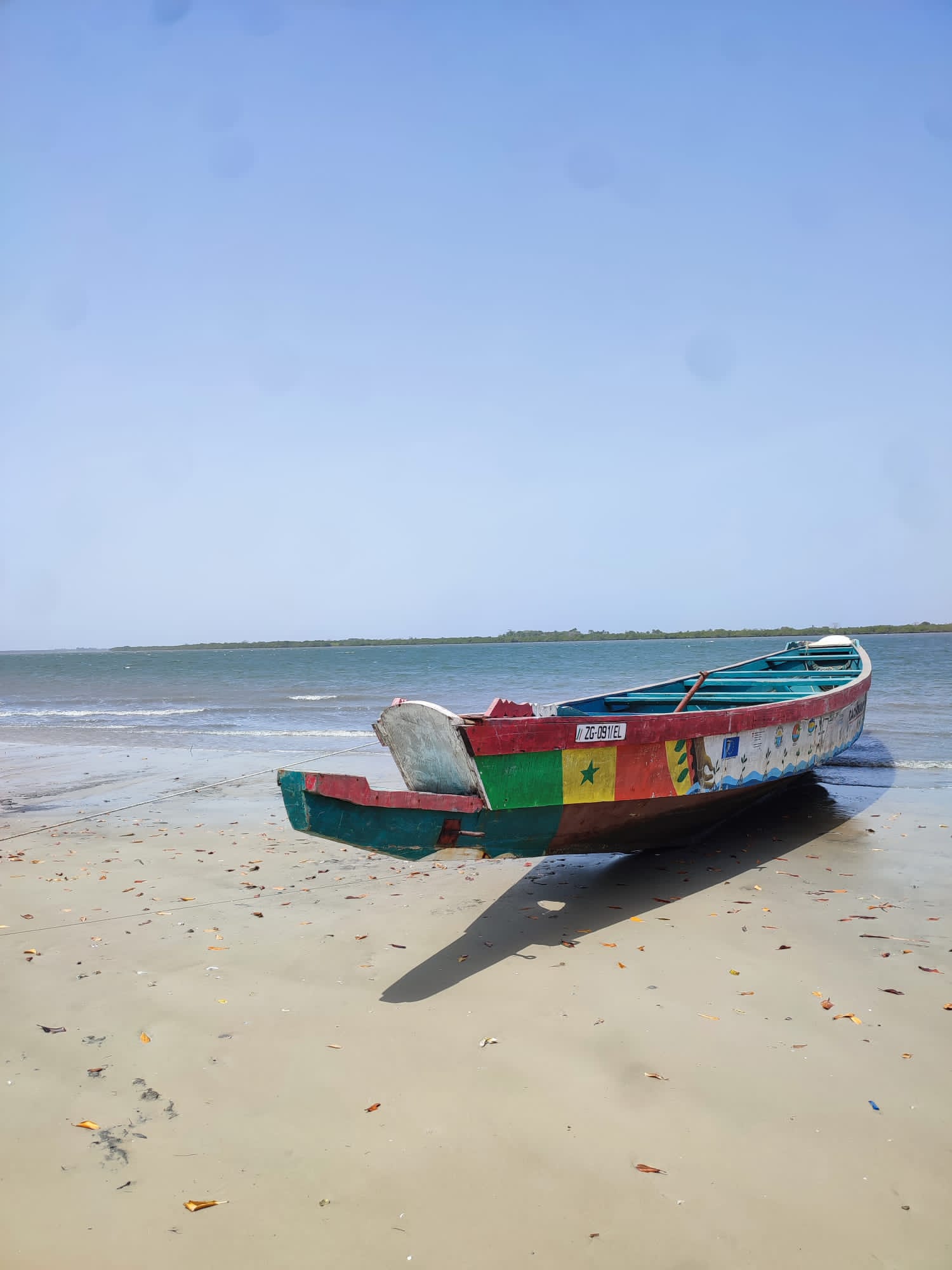
Casamance is actually one of the most popular tourist destinations in Senegal. Unlike the northern savannah, this region boasts stunning beaches, lush forests, rivers, mangrove-lined channels, and the famous Casamance hospitality. (Eszti has been here before, in a small seaside village called Abéné, where, on one evening, she was invited to dinner at two different places.)
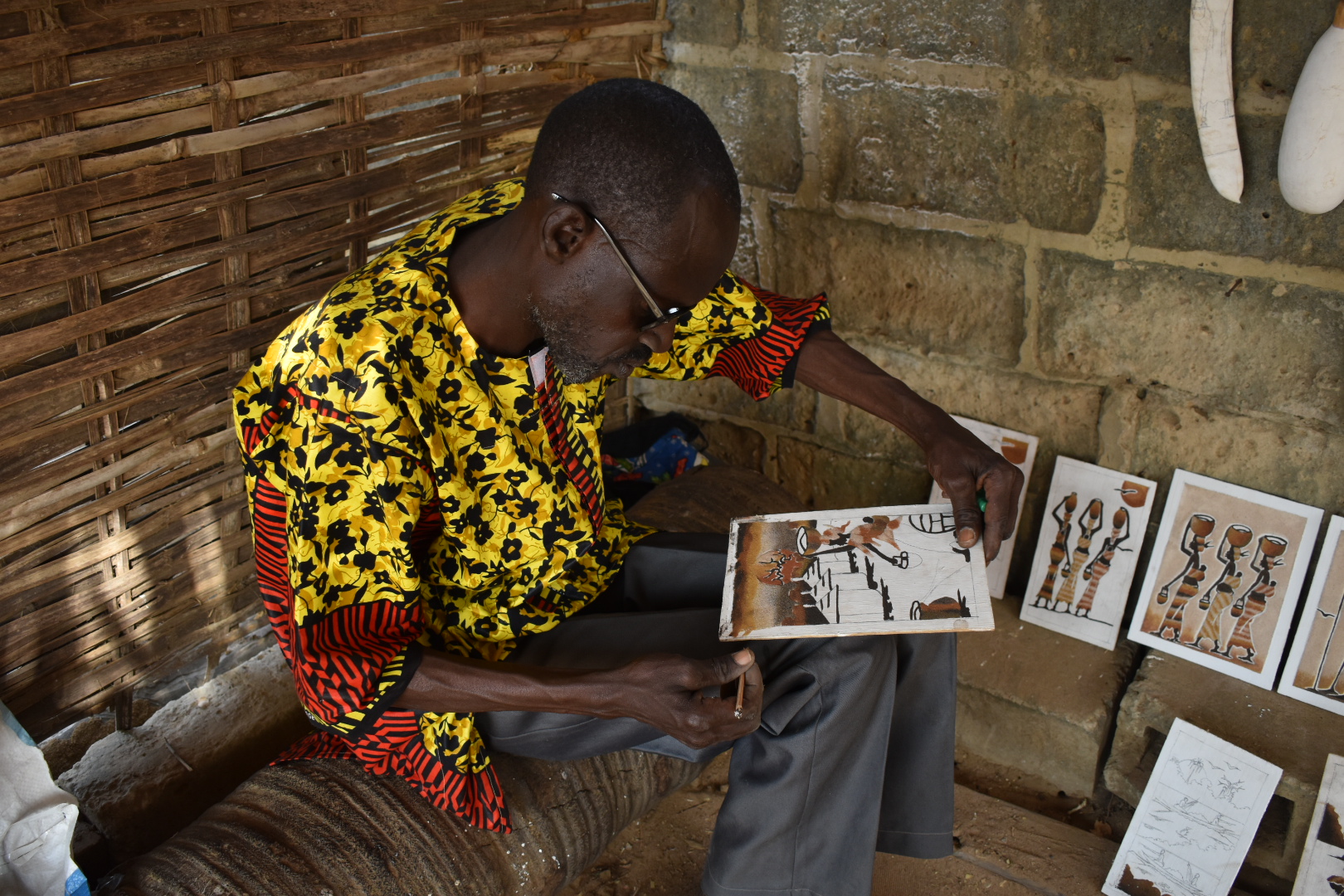
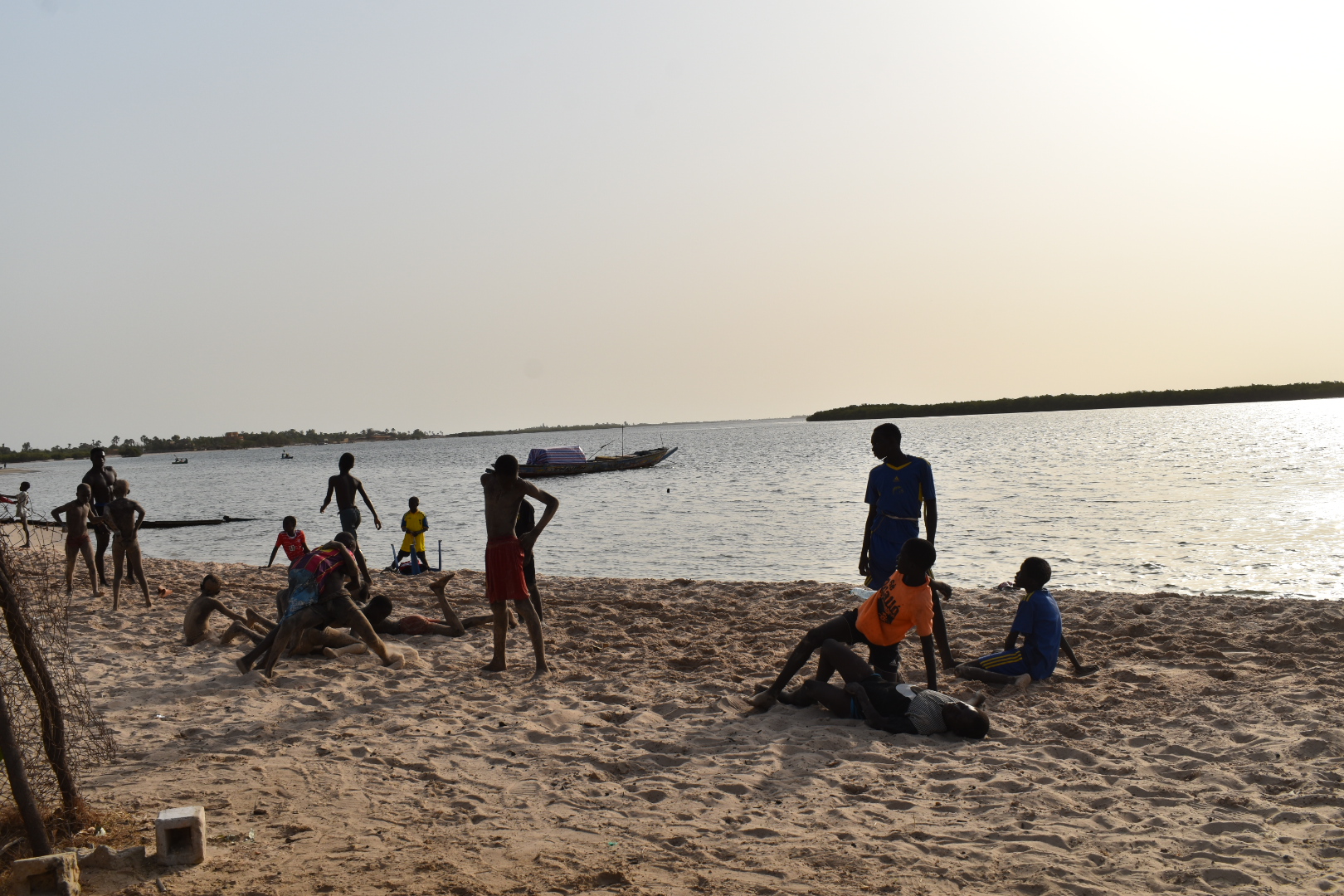
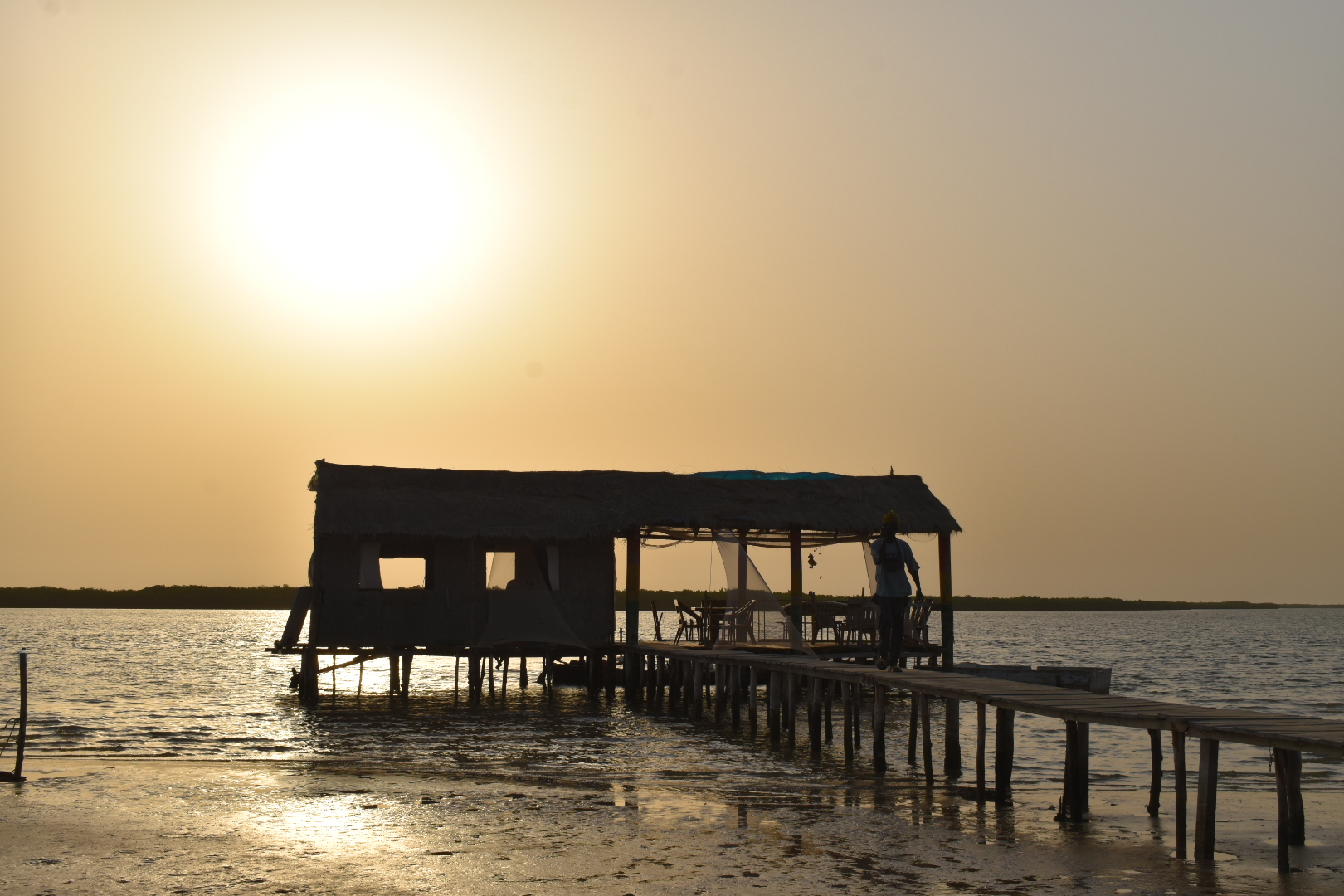
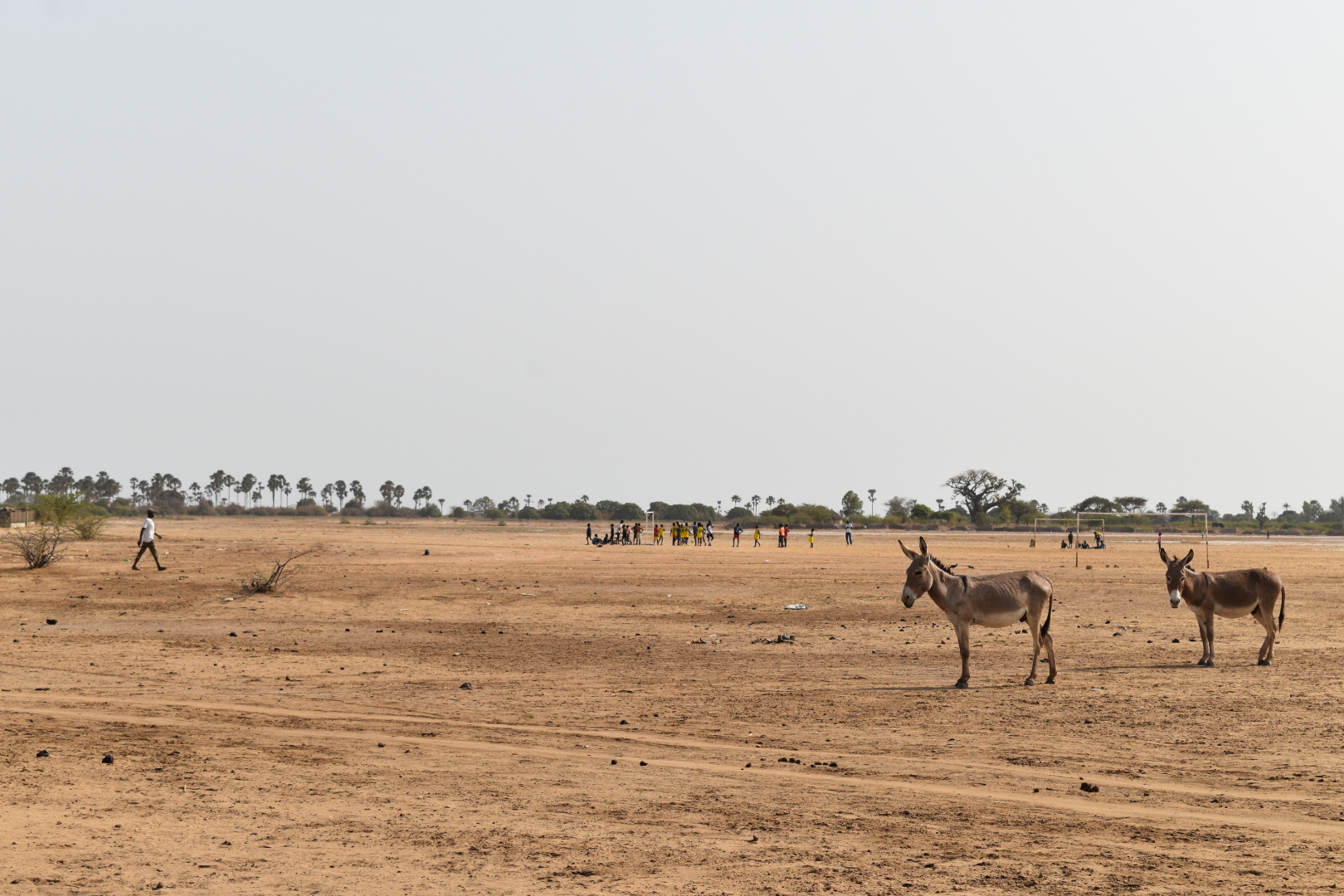
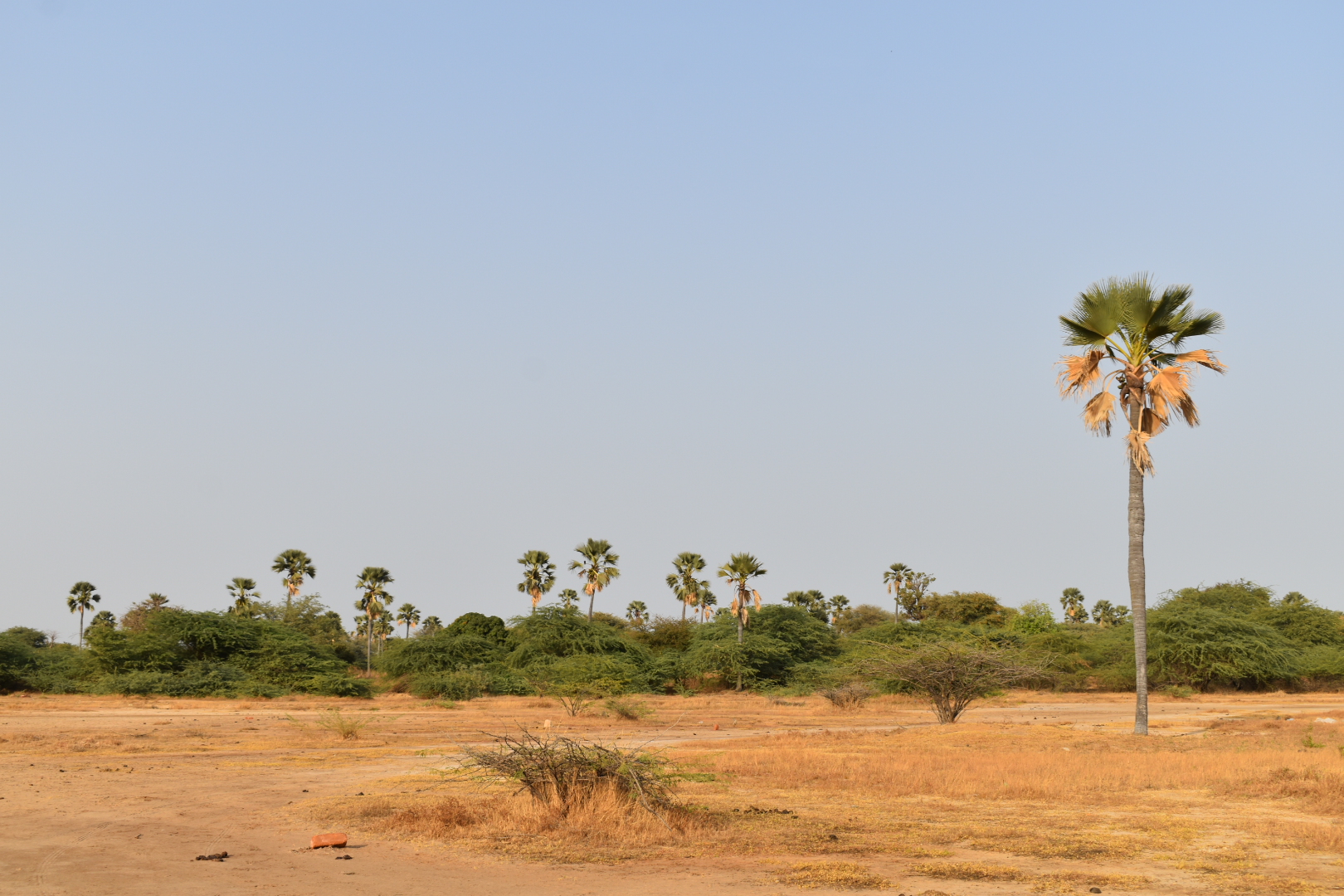
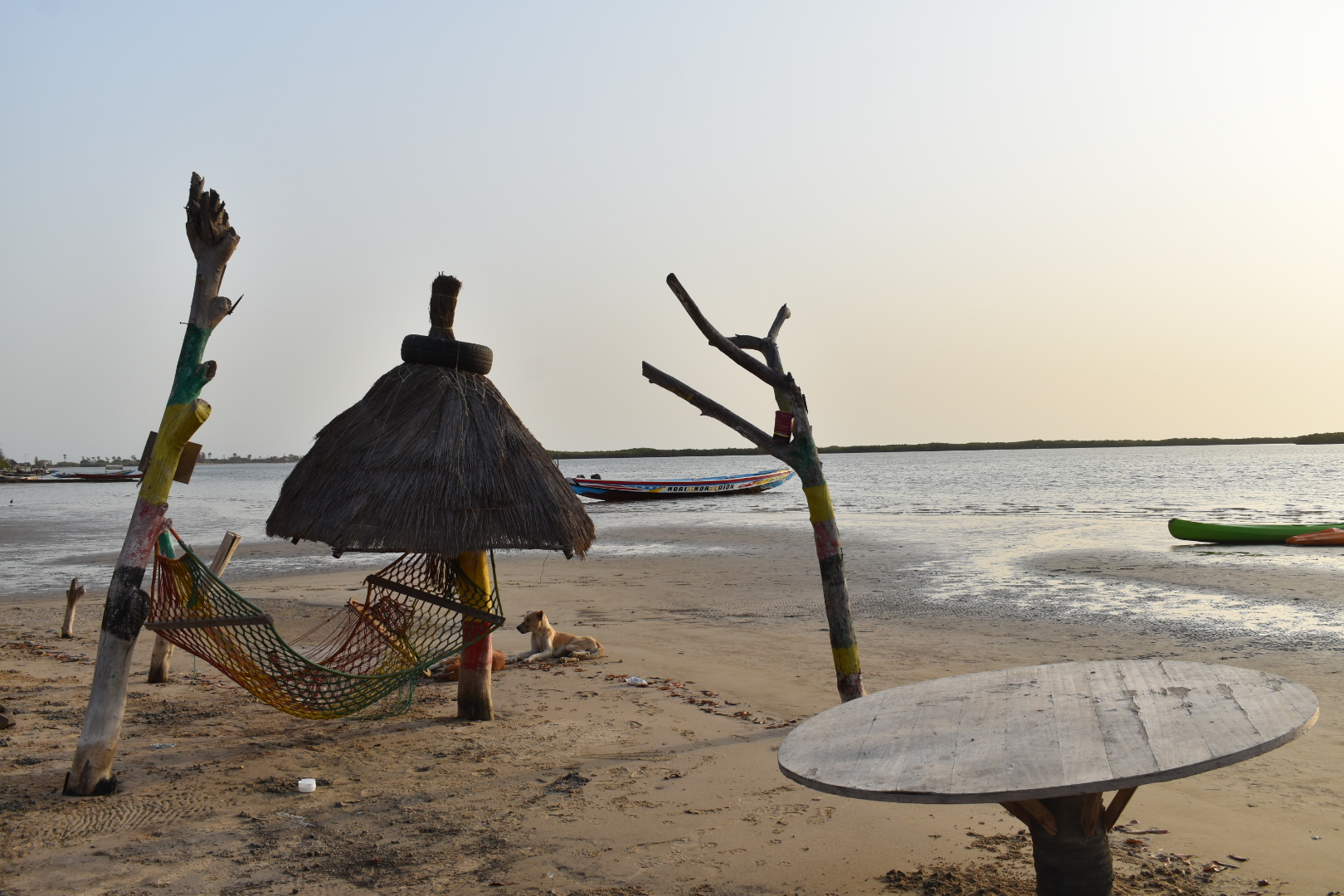
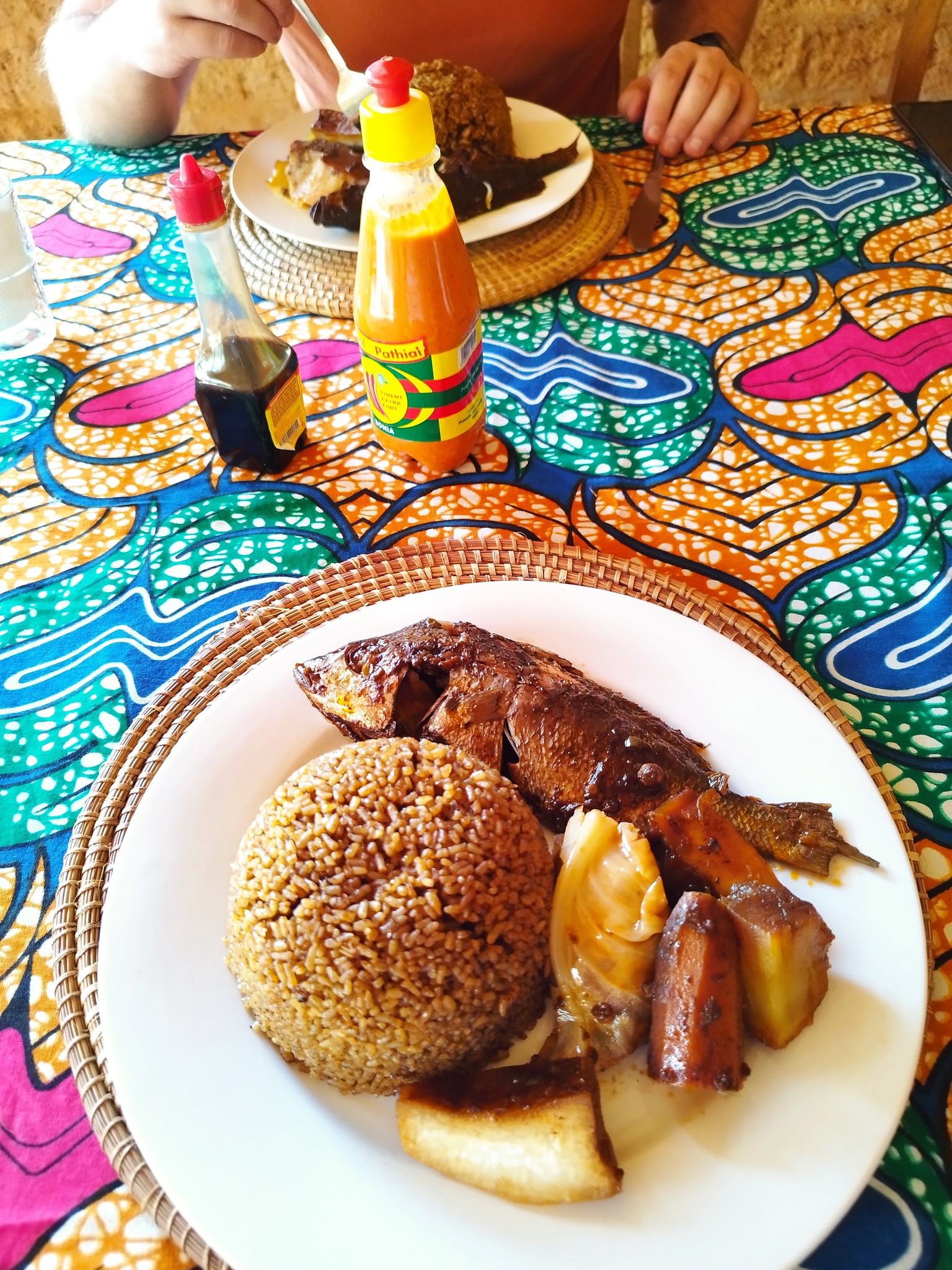
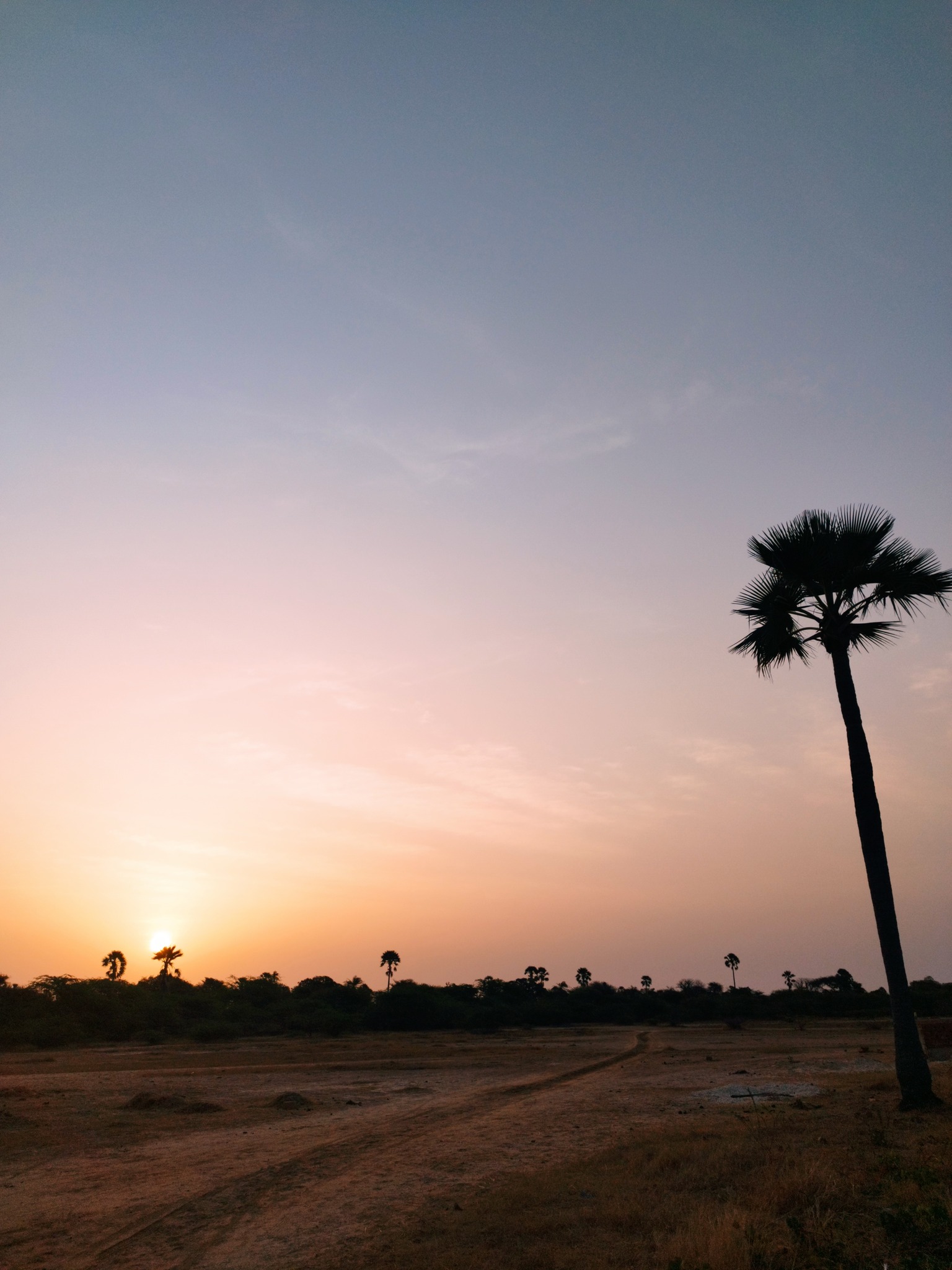
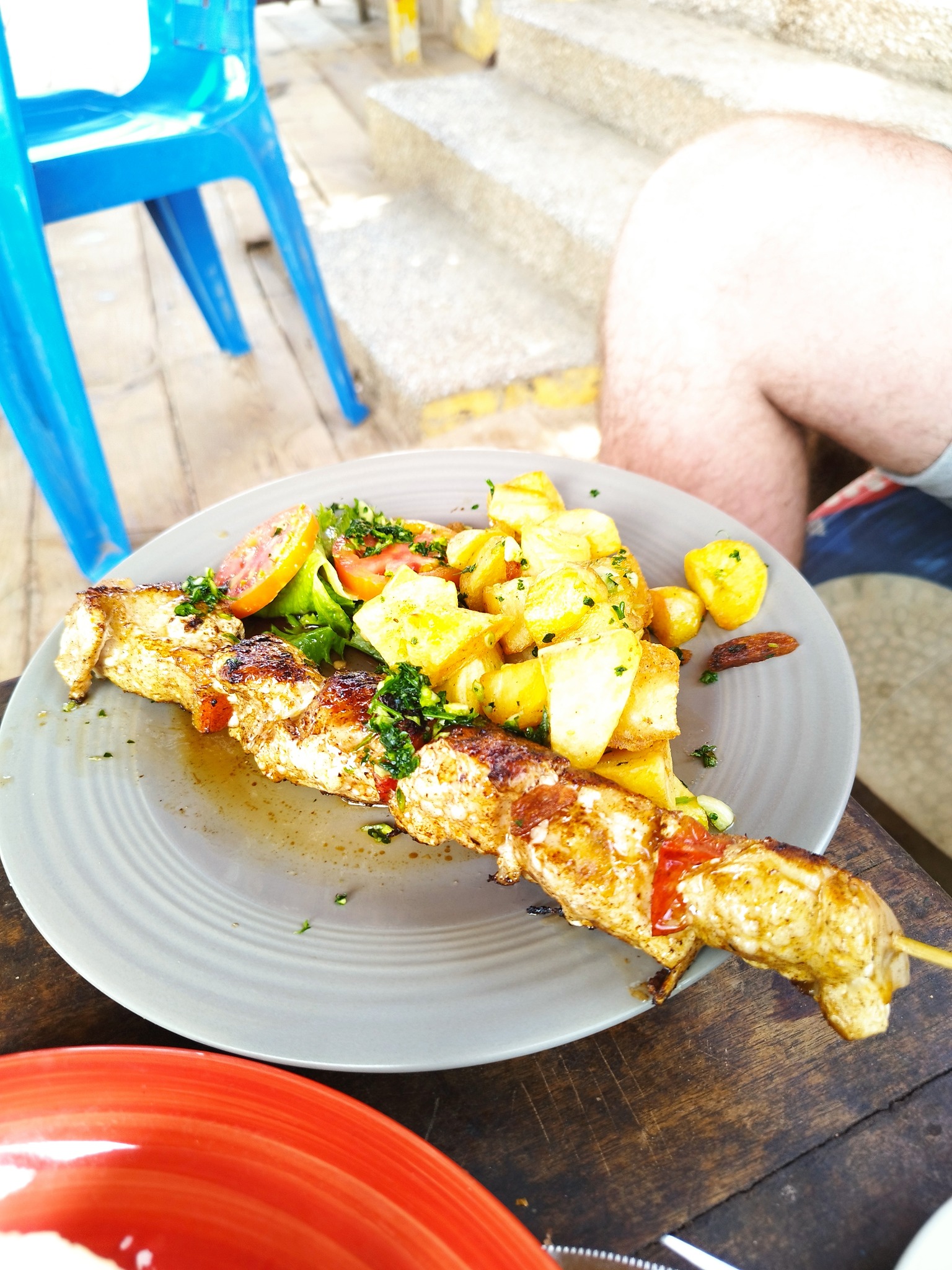
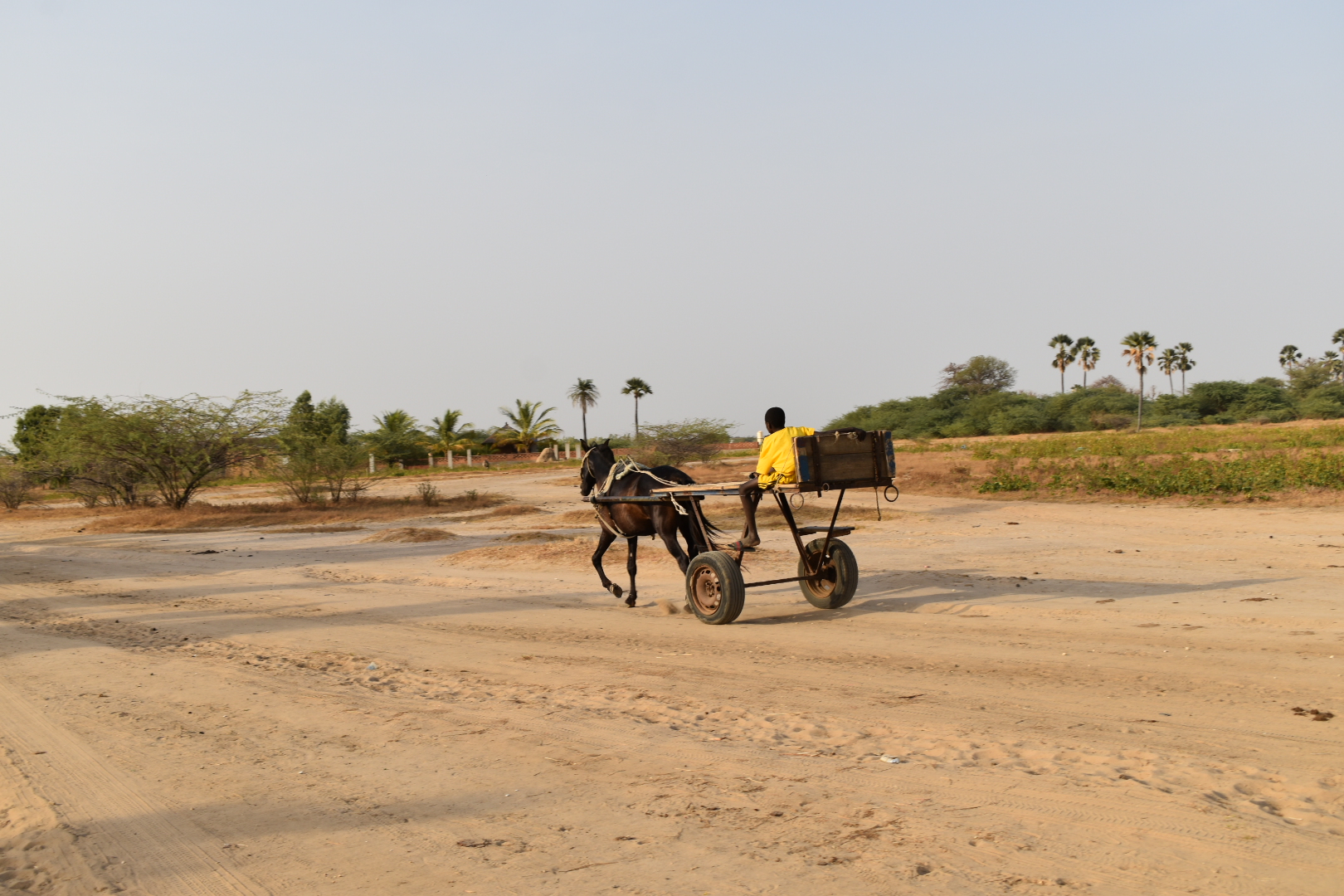
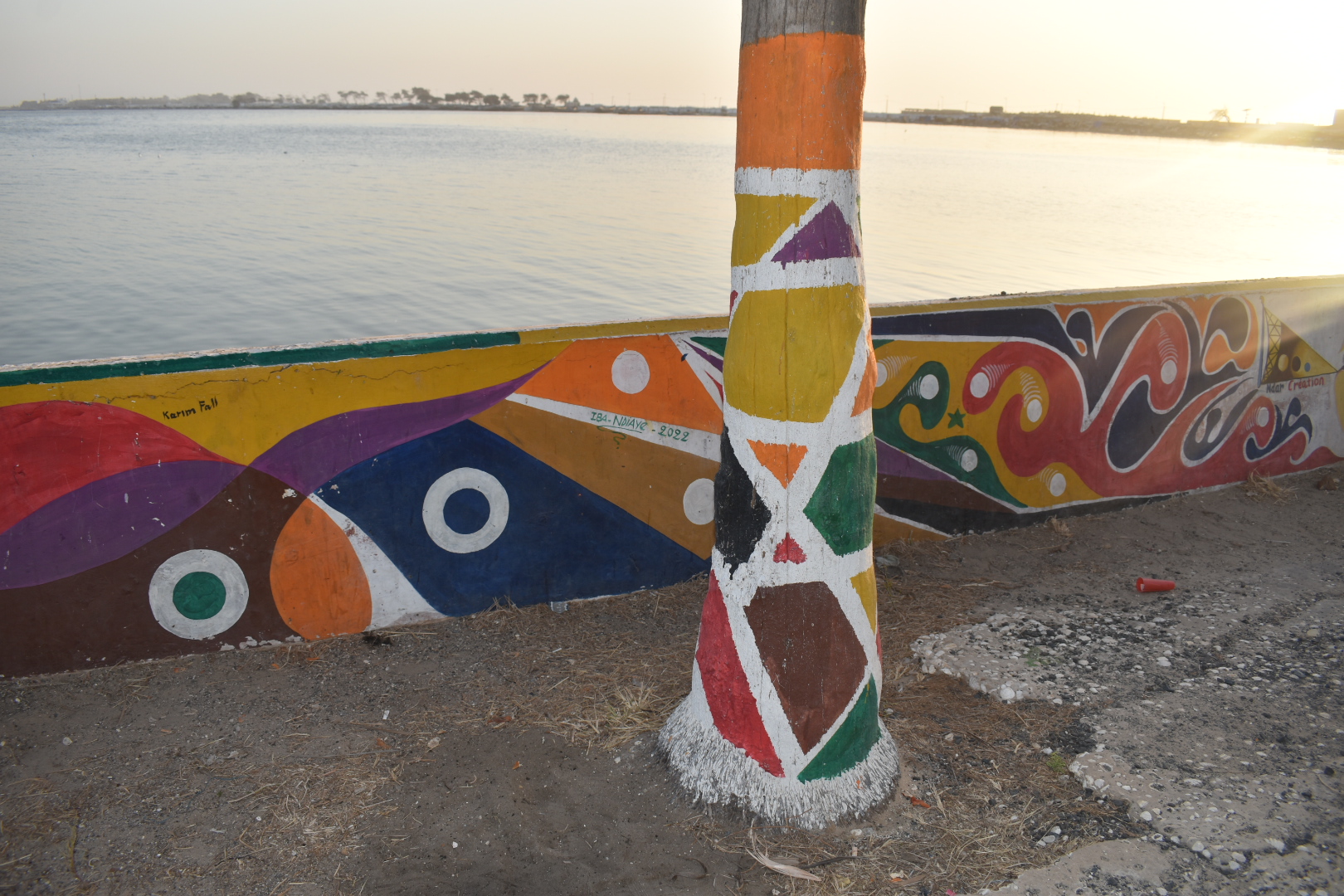
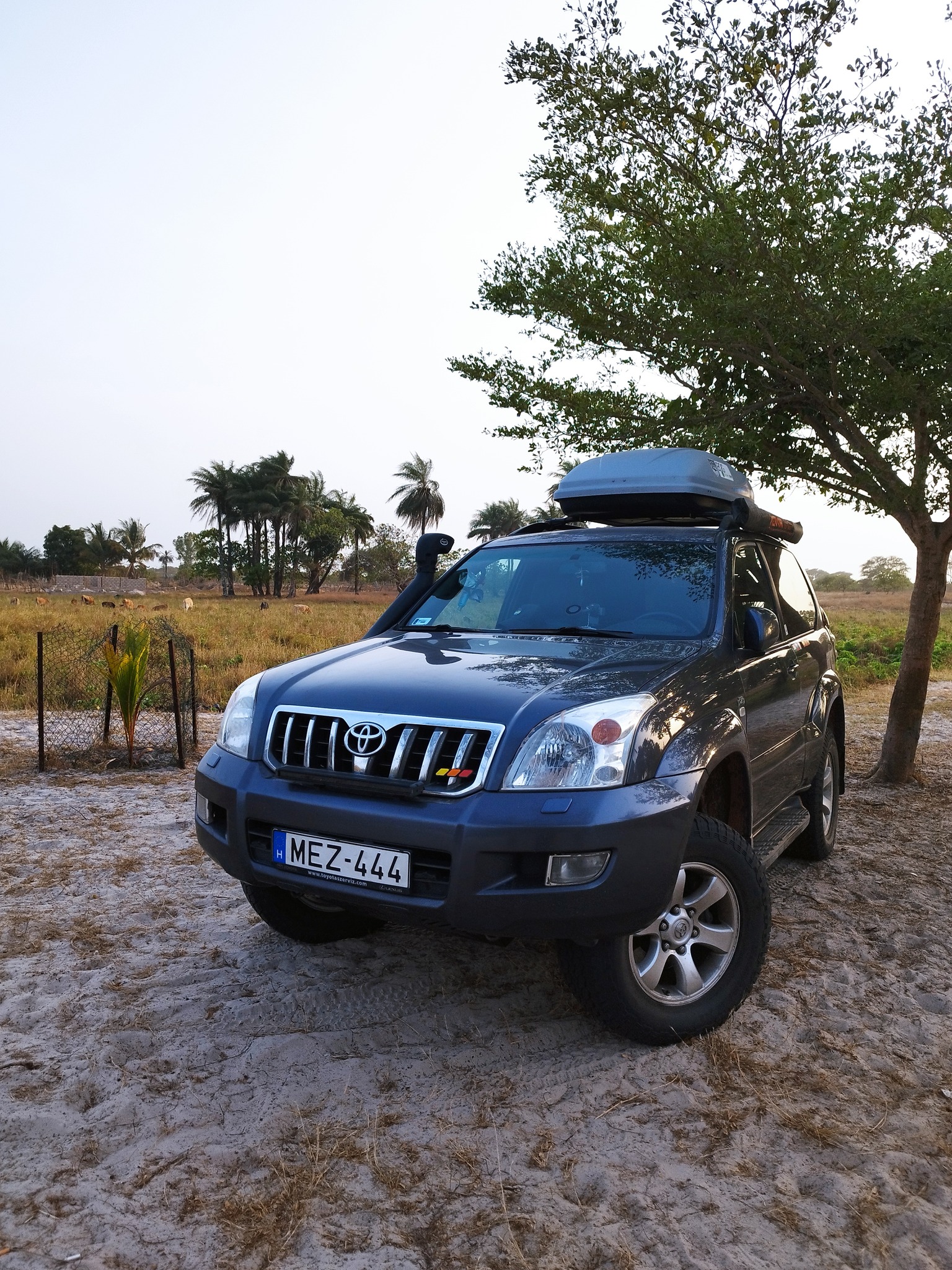
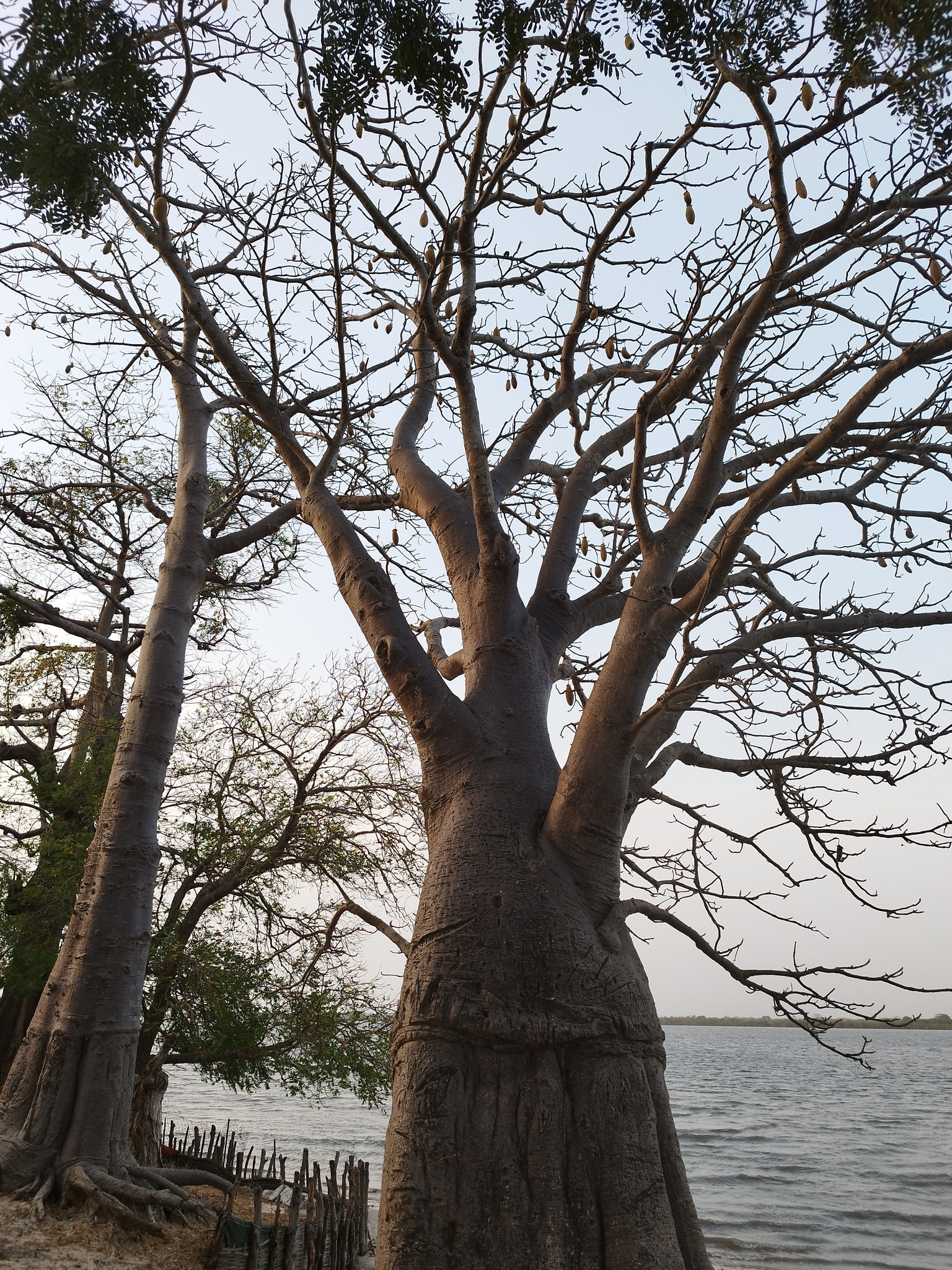
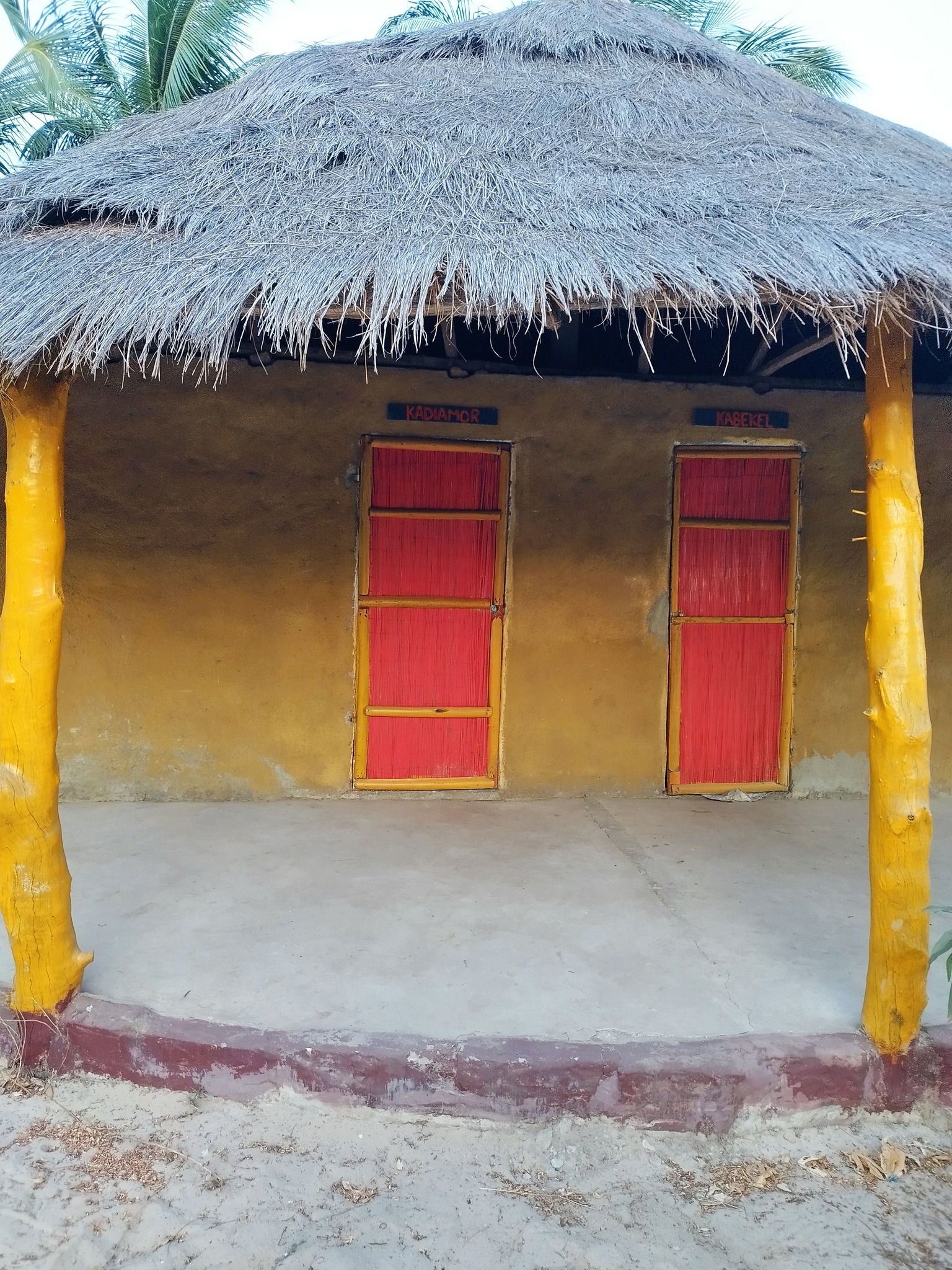
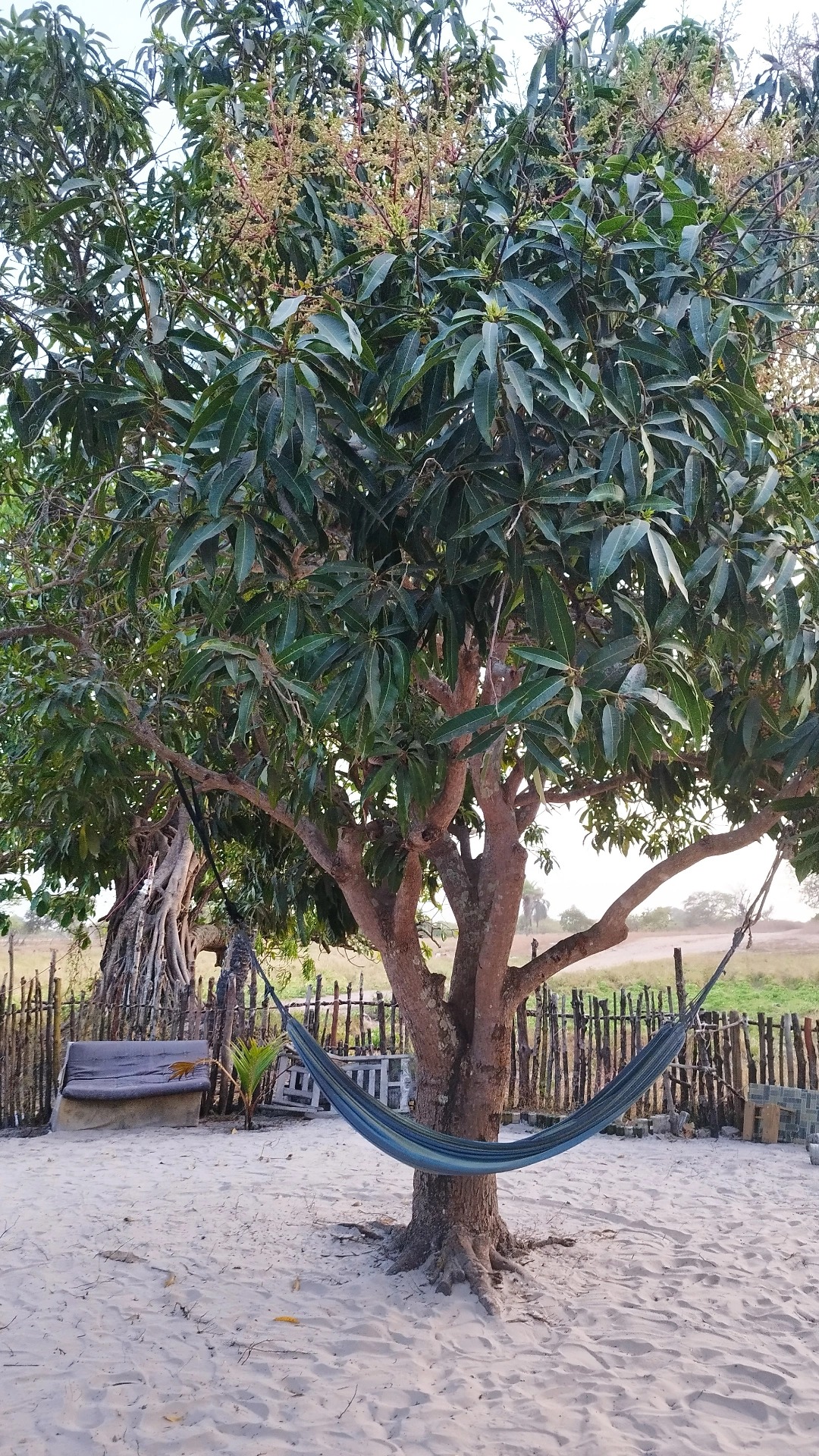
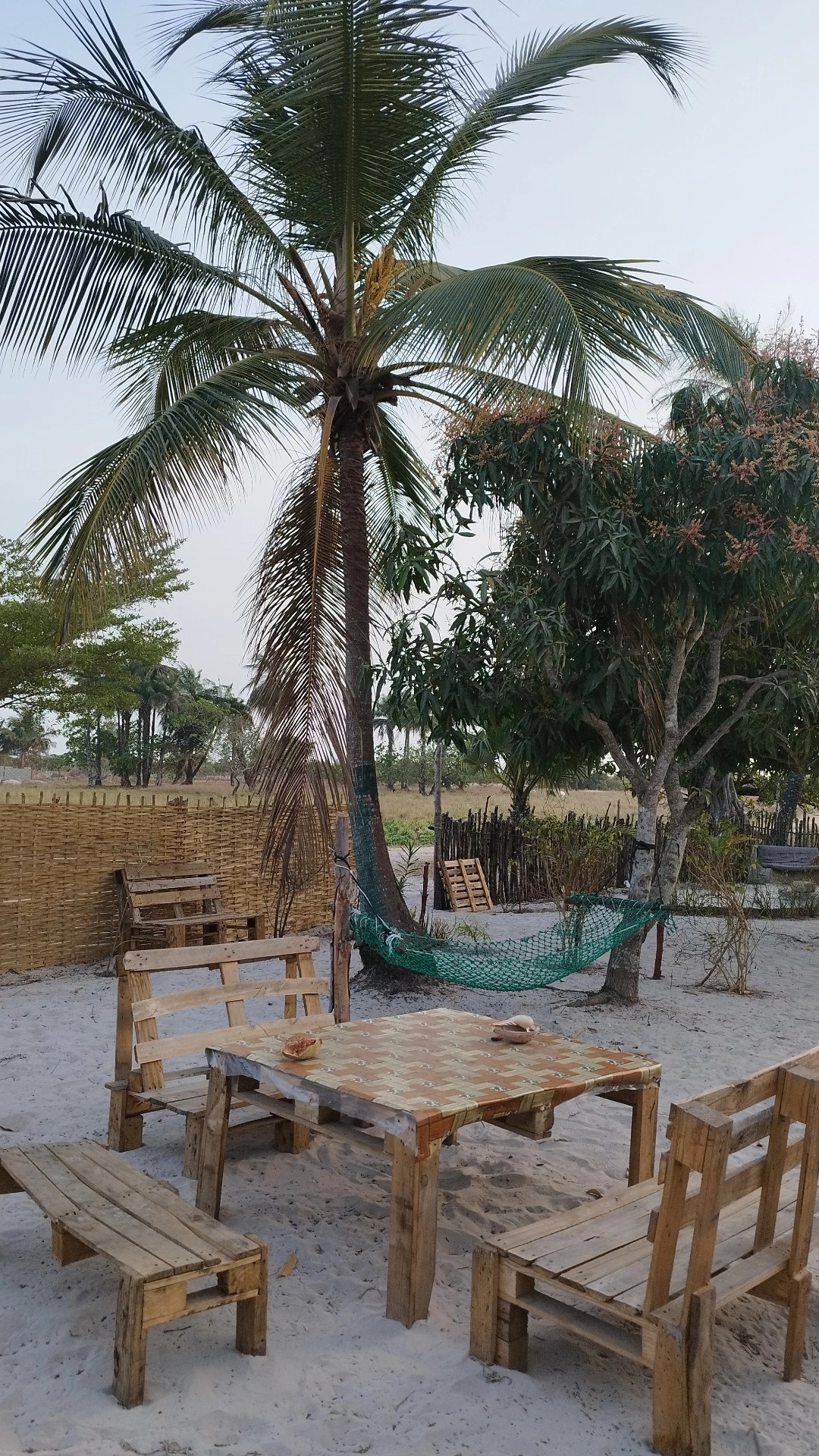
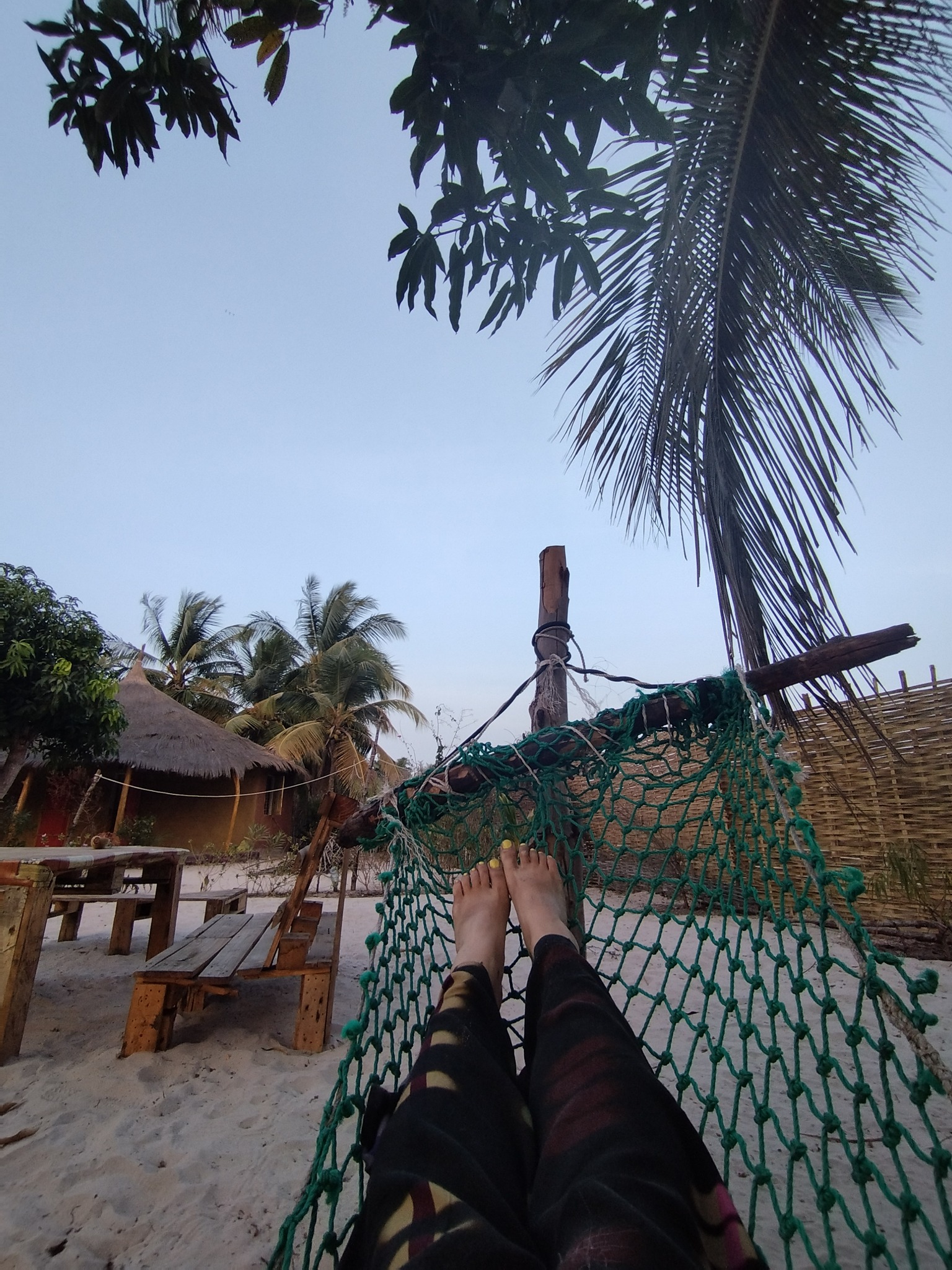
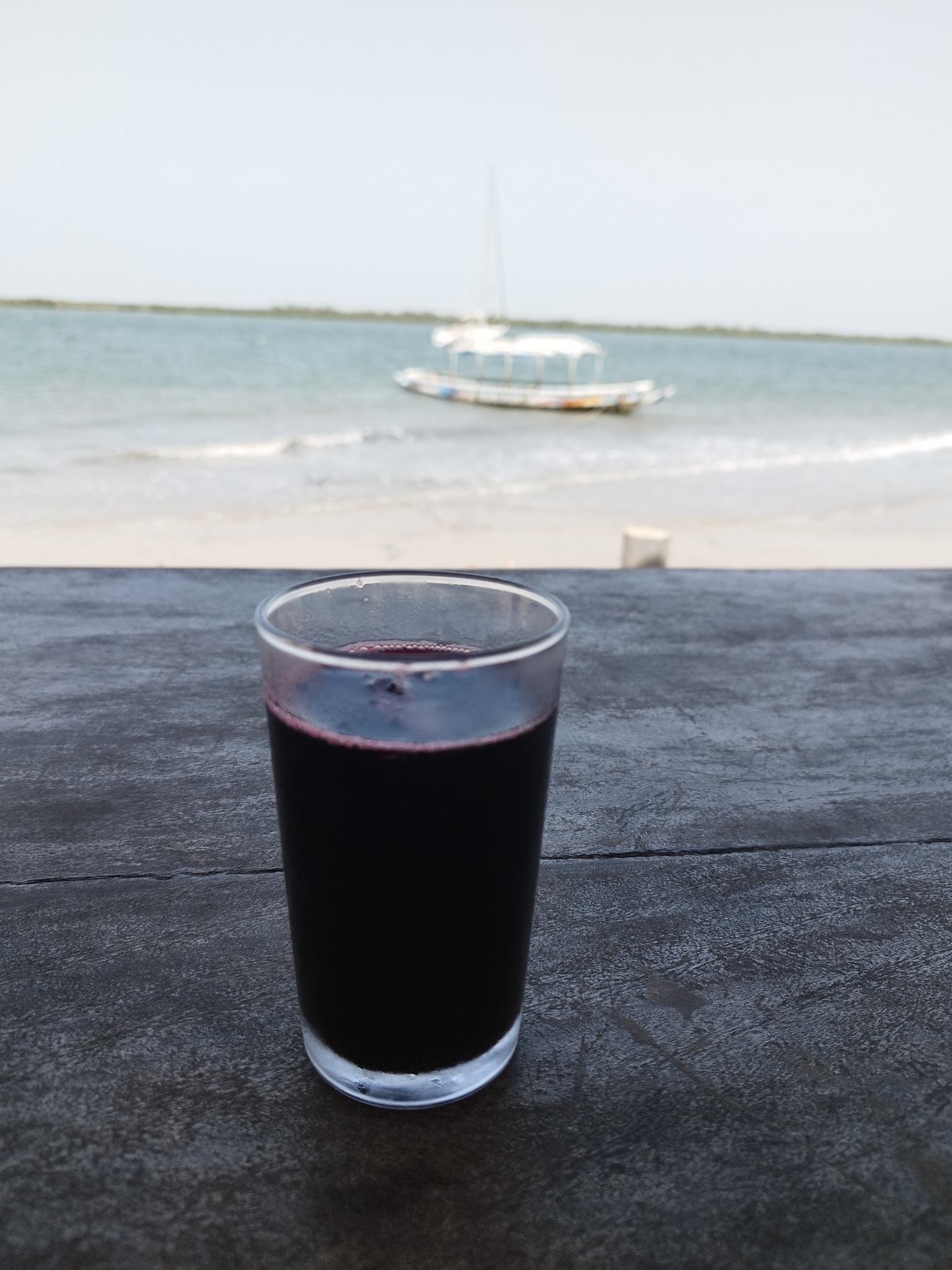
We spent 2.5 days in Kachiouane, staying in a charming little bungalow while mostly battling the virus. The accommodation was run by a family with eight siblings, creating a very warm and welcoming atmosphere—every evening, they played drums around a campfire. Life in the villages of Casamance feels even slower than the usual relaxed pace of Africa, as if time had stopped. Most of our time was spent lying in hammocks, drinking bissap (hibiscus juice), eating baobab fruit, and playing with the local children, who were very curious about the stickers on our car. (We place a flag sticker for every country we visit on the side of our car.)
10 kilometers after Kachiouane, we stopped for lunch in the coastal village of Diembéreng. We loved how life in the village revolved around two enormous trees—one where the elders sat and talked, and the other serving as the village square and marketplace.
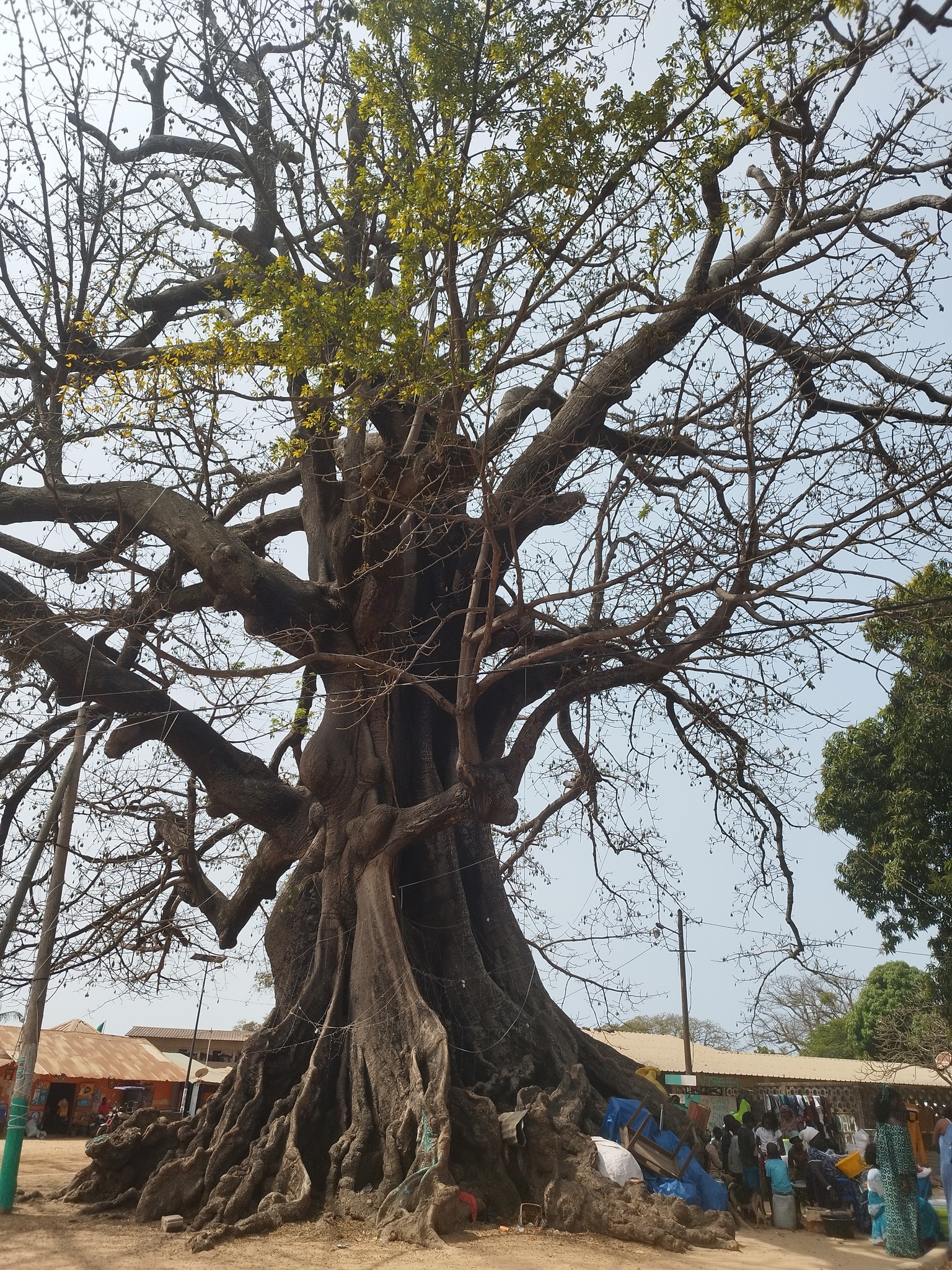
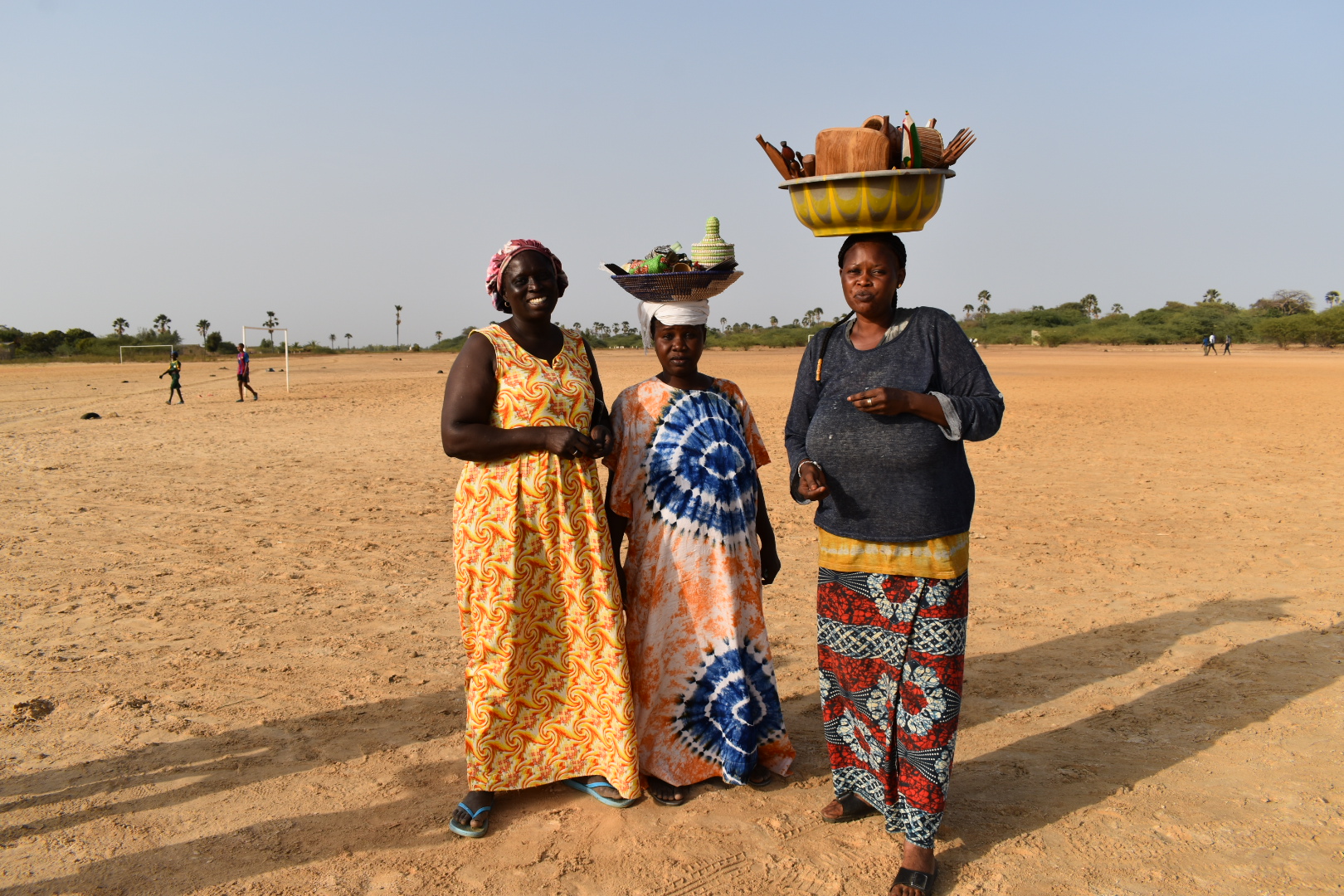
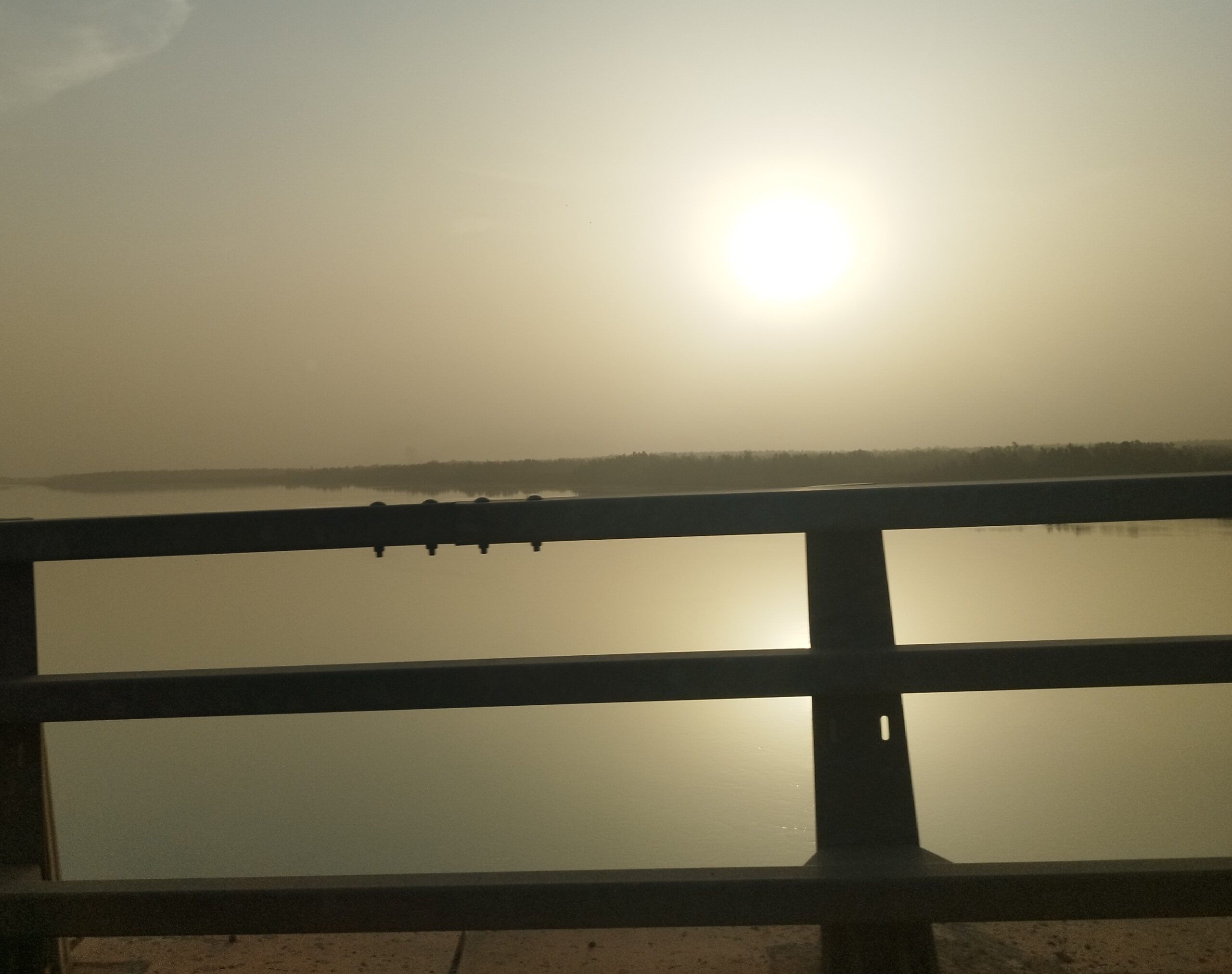
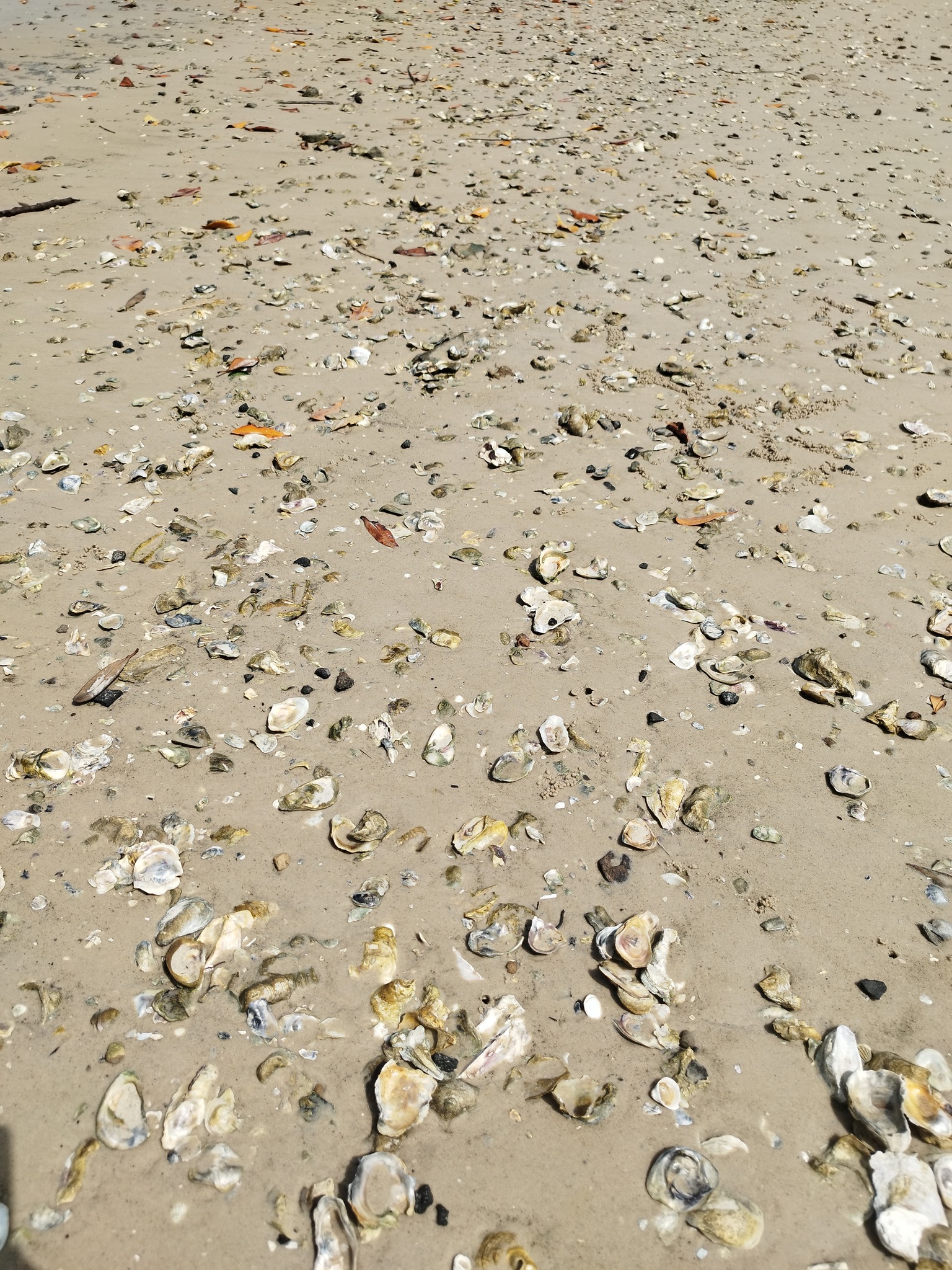
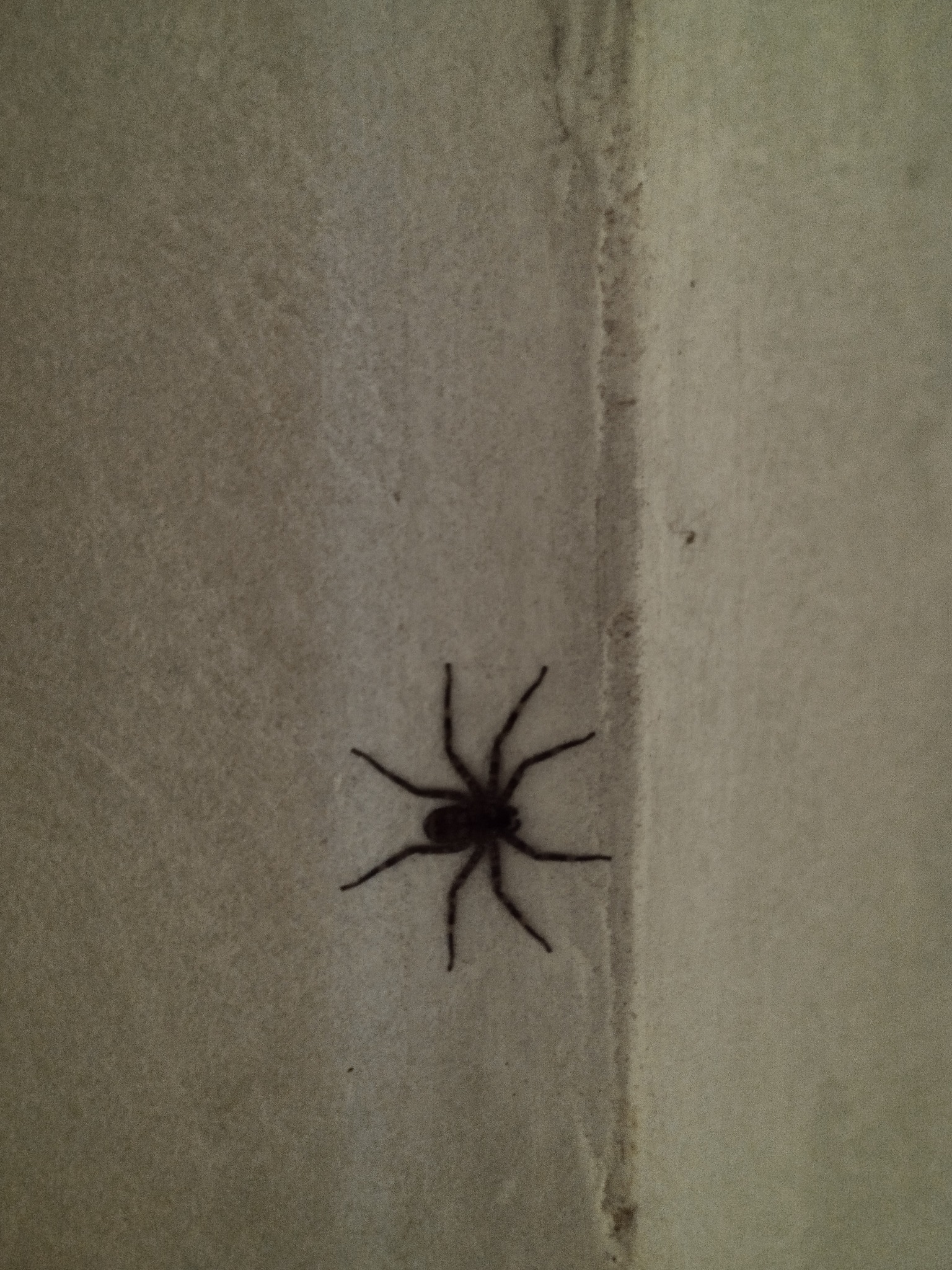
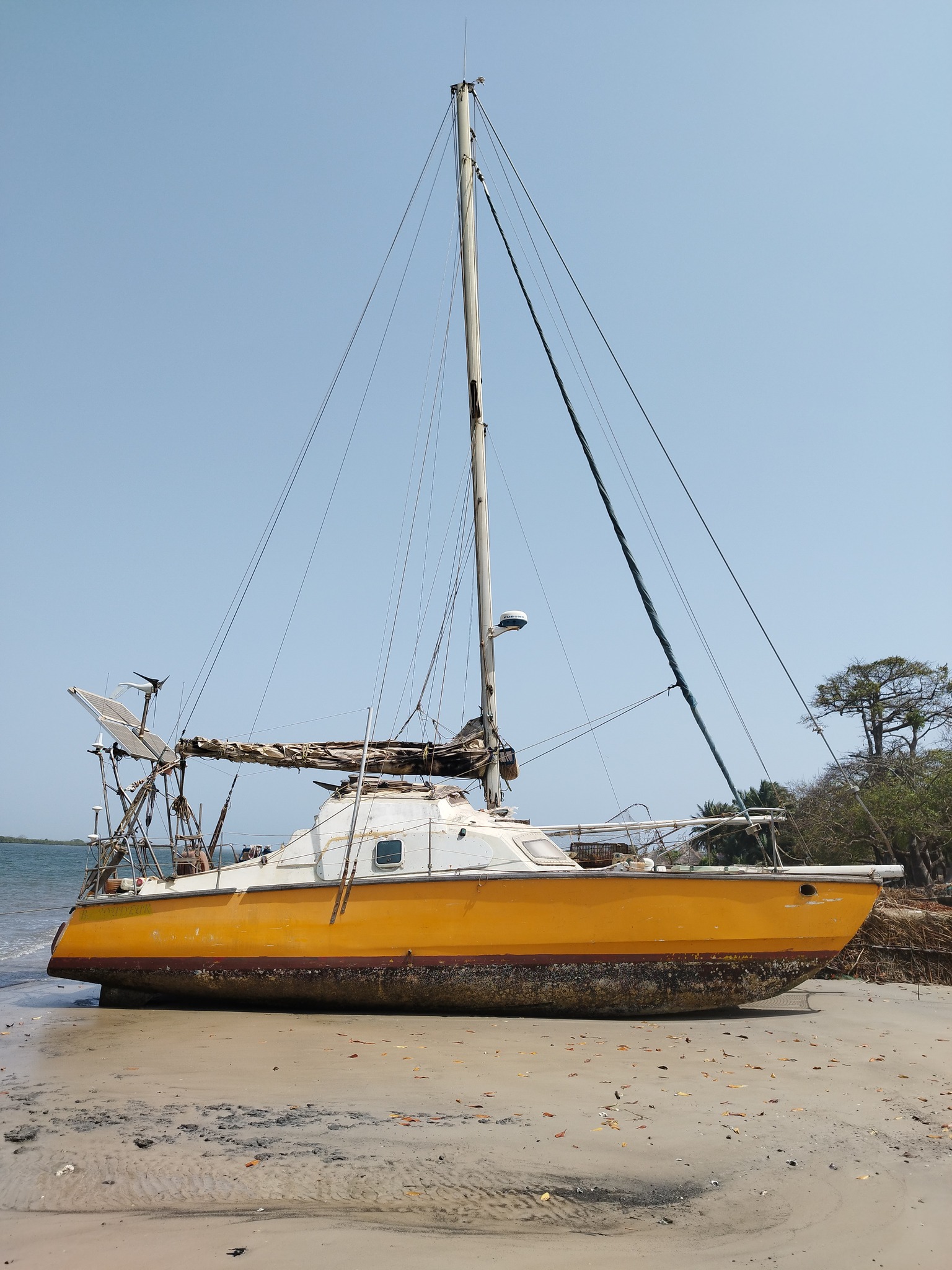
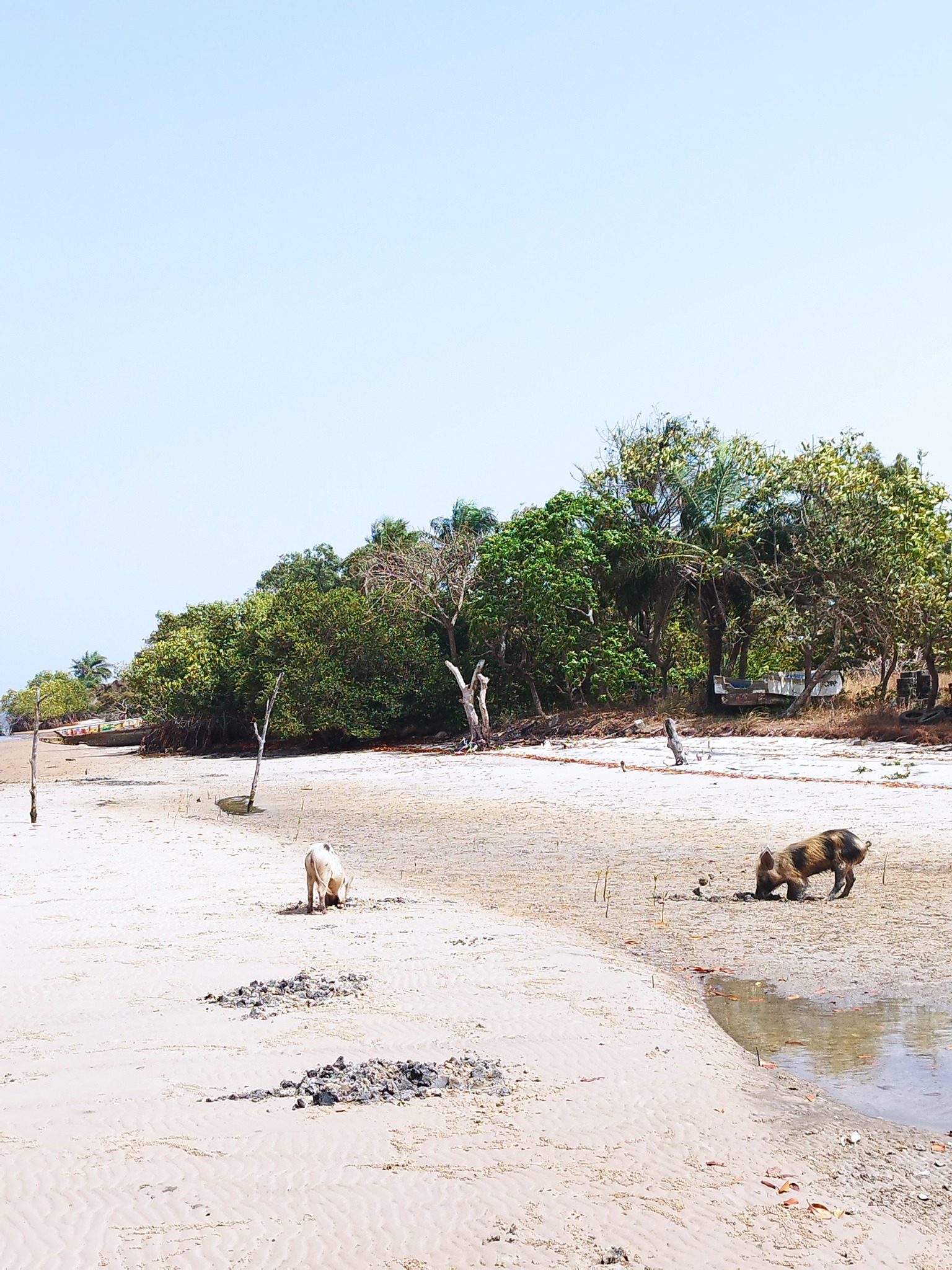
The photos were taken both during this trip and during Eszti’s previous visit to Casamance.