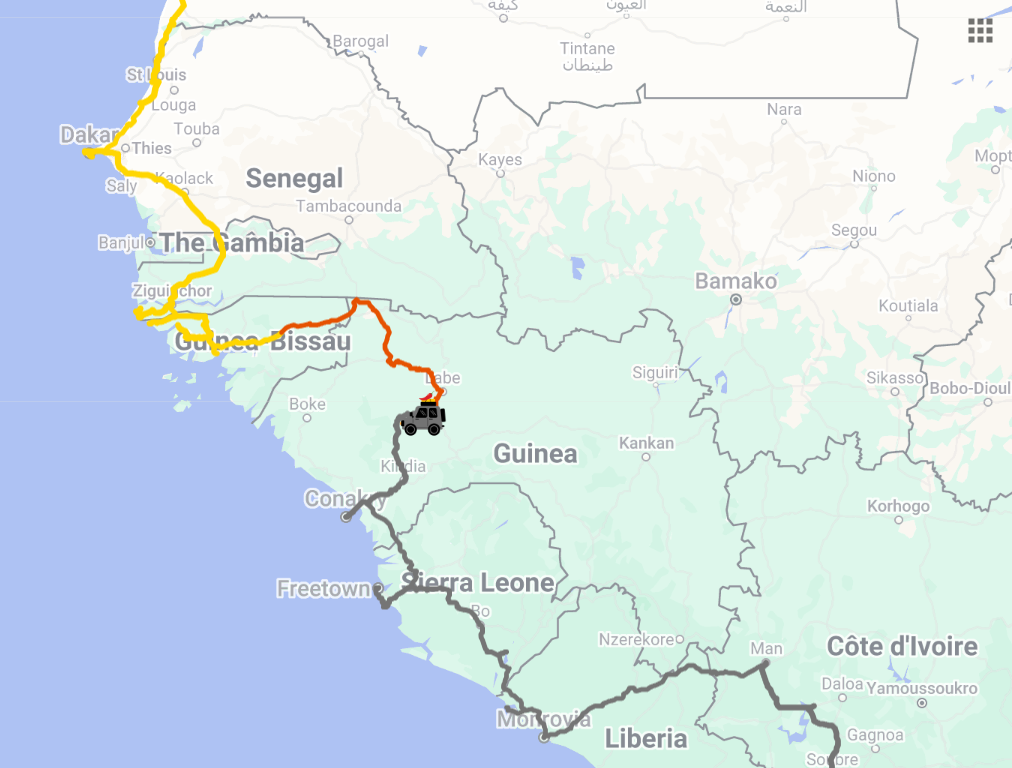
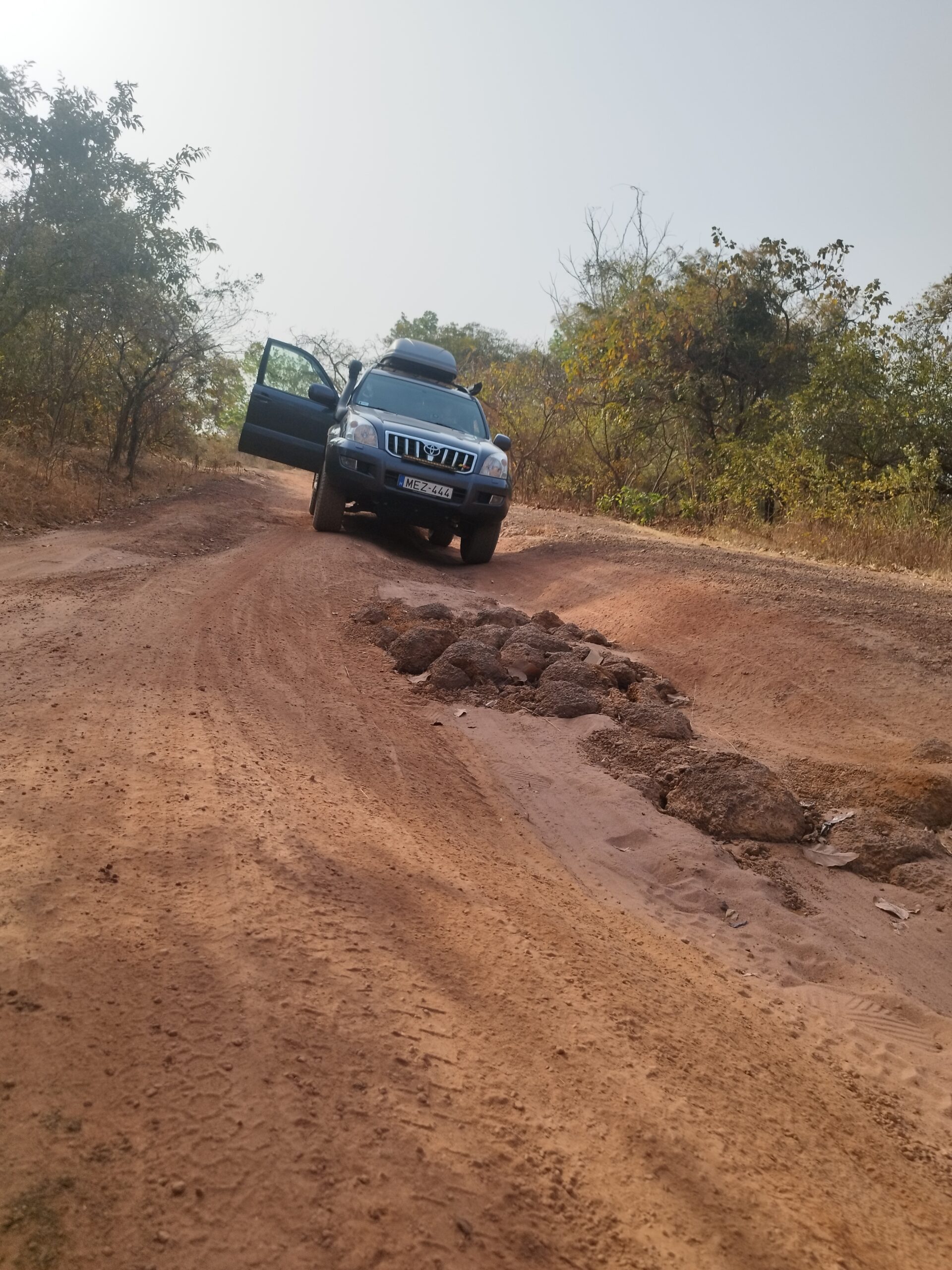
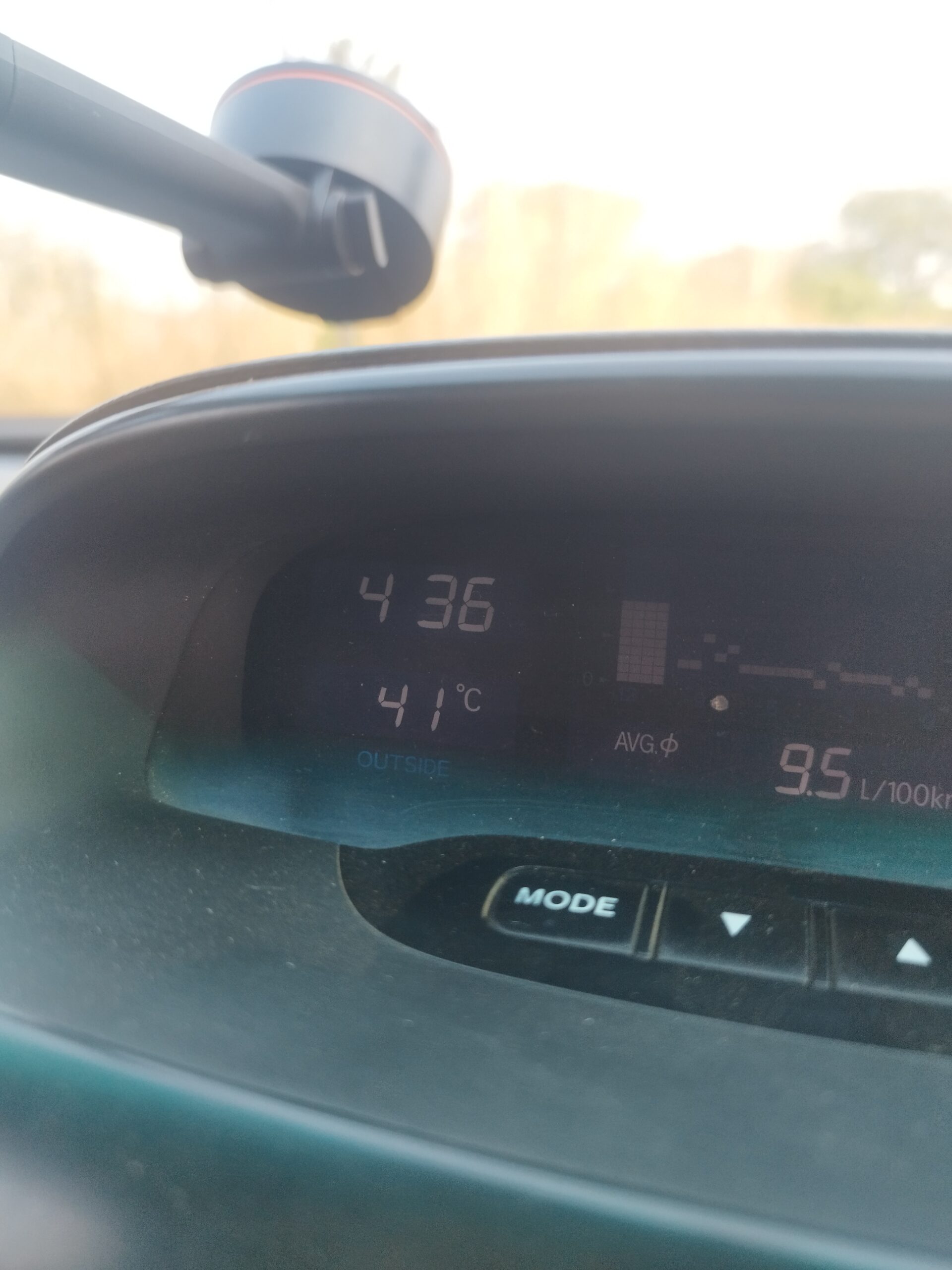
February 18-22: We headed from Guinea-Bissau to Guinea. Google estimated in the morning that the 189 kilometers journey would had taken 4 hours, with a temperature of 24°C to reach the first Guinean settlement. Based on our experiences and others’ reports, we estimated it would take at least 10 hours and 40°C – and we were right.
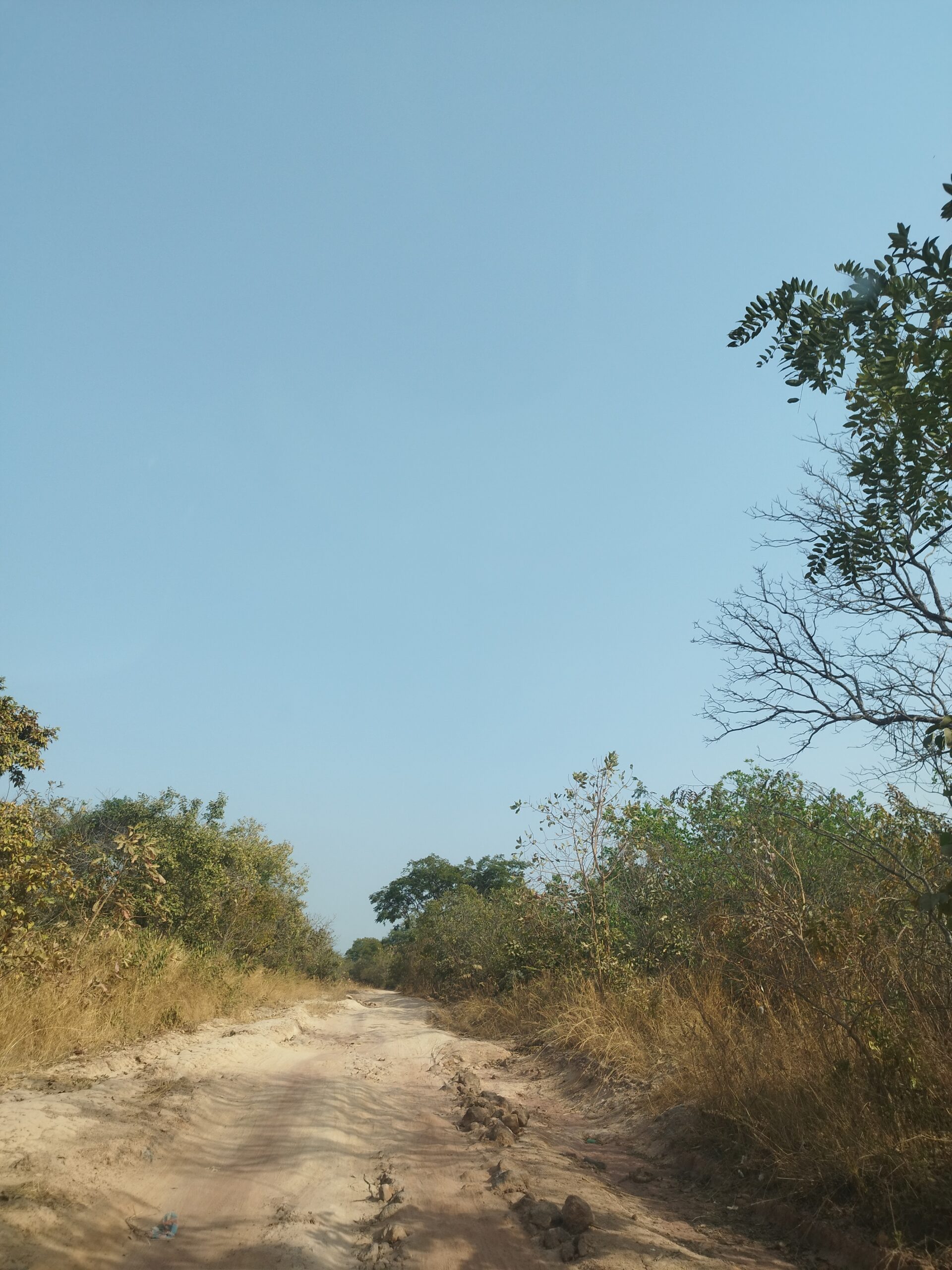
Roads in Guinea-Bissau are in bad condition, but after the last major town, they become even worse, with deeper and more numerous potholes. At the small border crossing (where only 1-1 border guard and customs officer were either sitting or lying under a tree, waiting for occasional travelers), the crossing became even more challenging due to sandy patches and large rocks on the dirt road. This is actually one of the main border crossings between the two countries, leading to the northern part of Guinea.
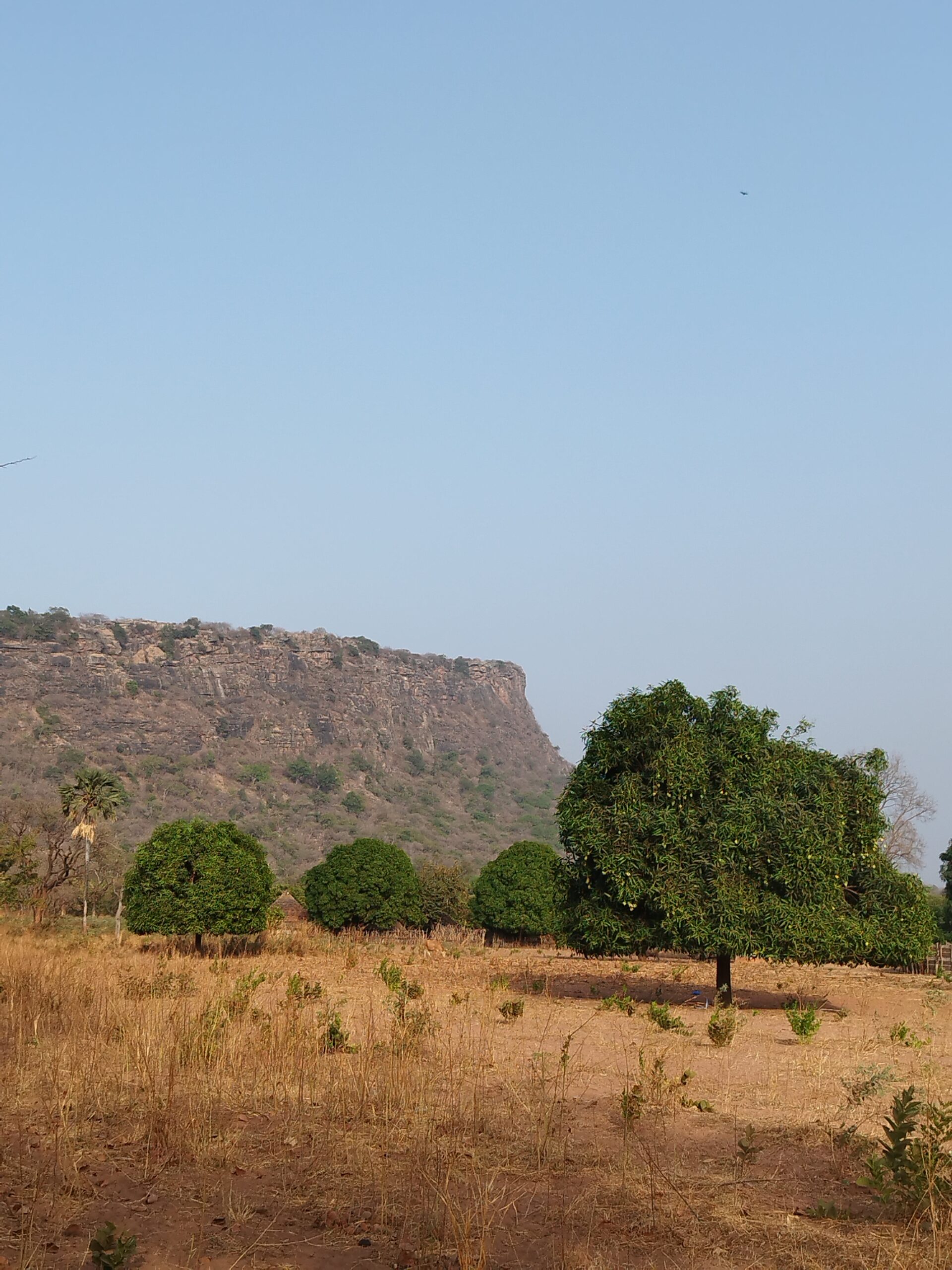
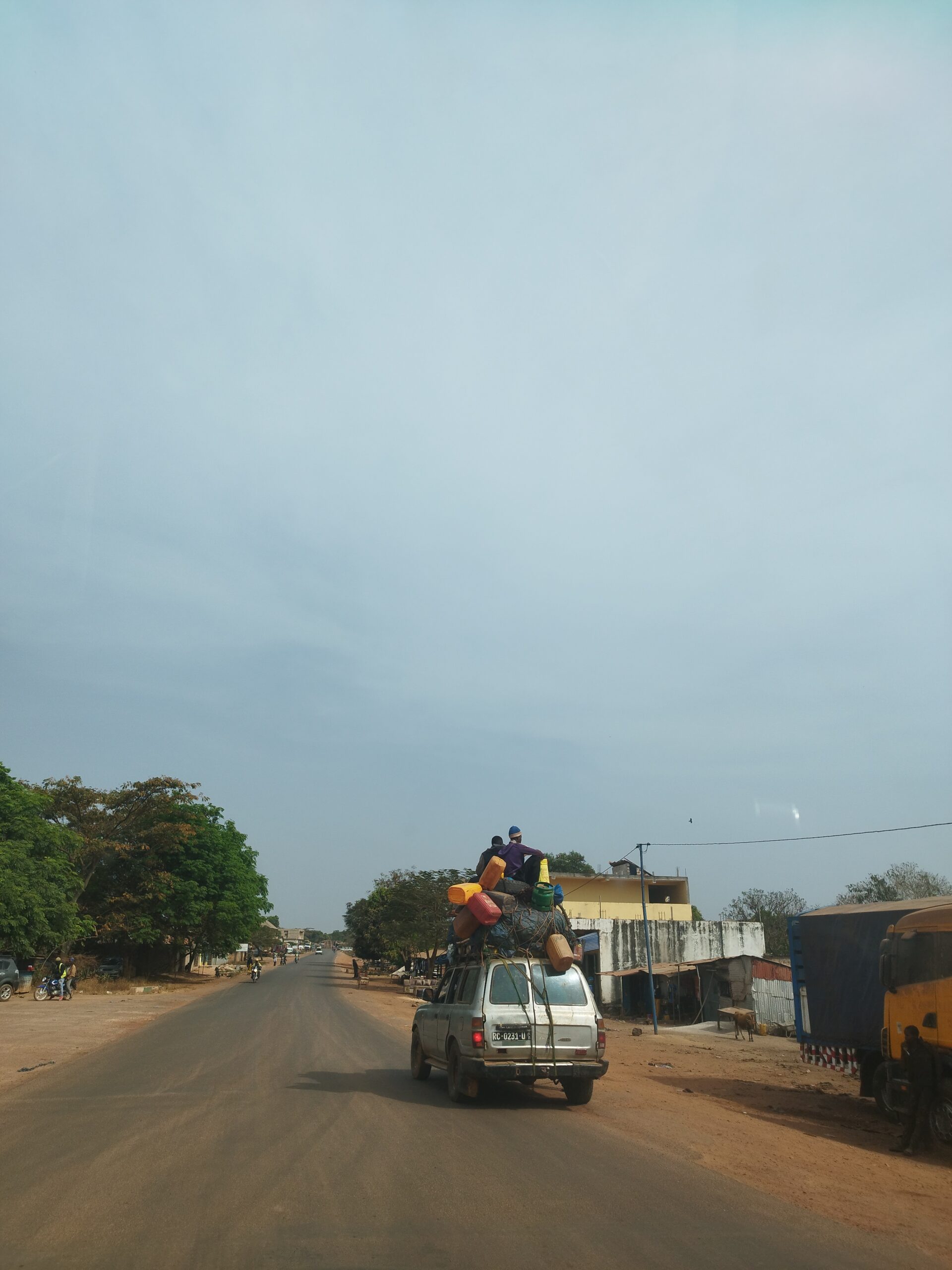
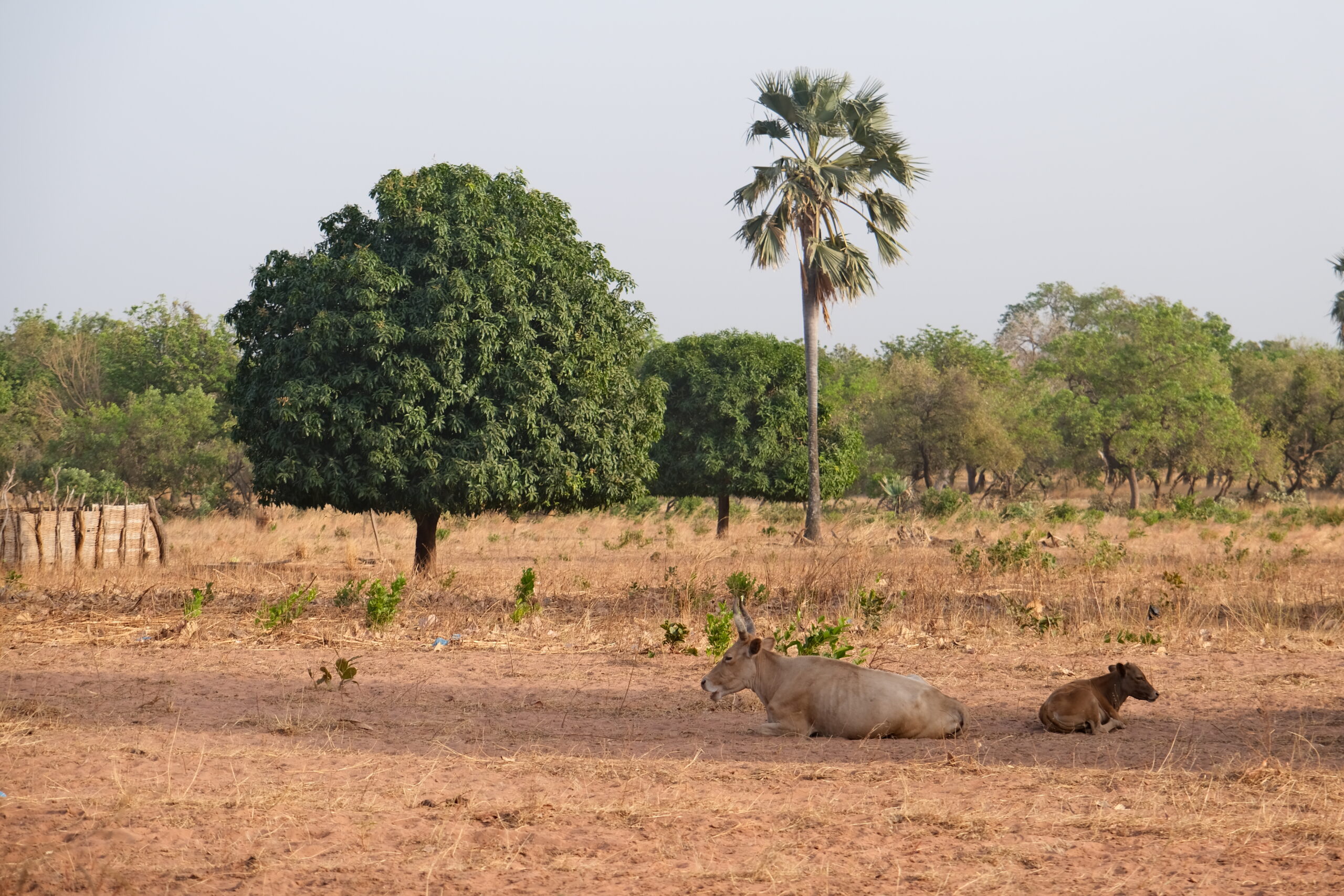
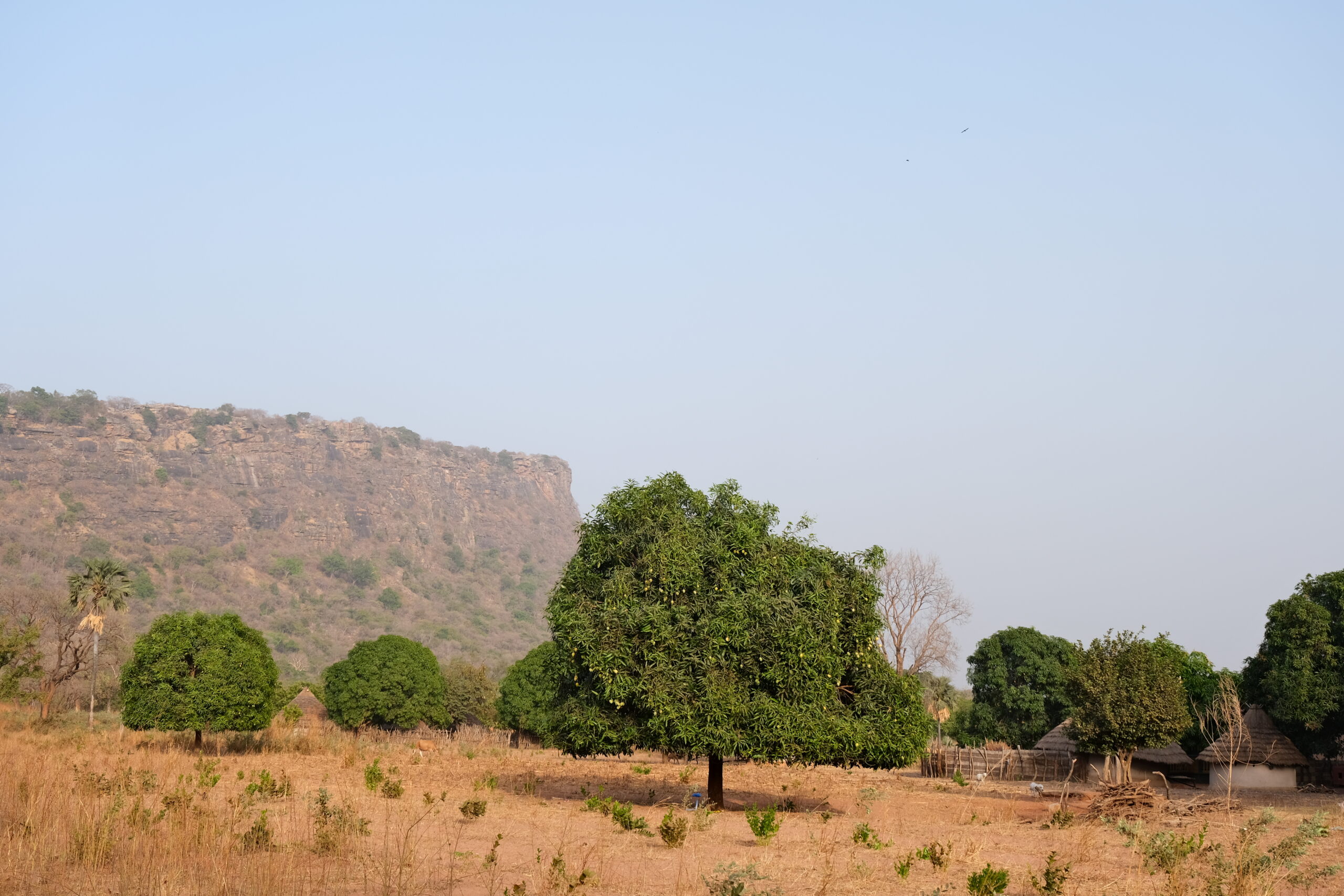
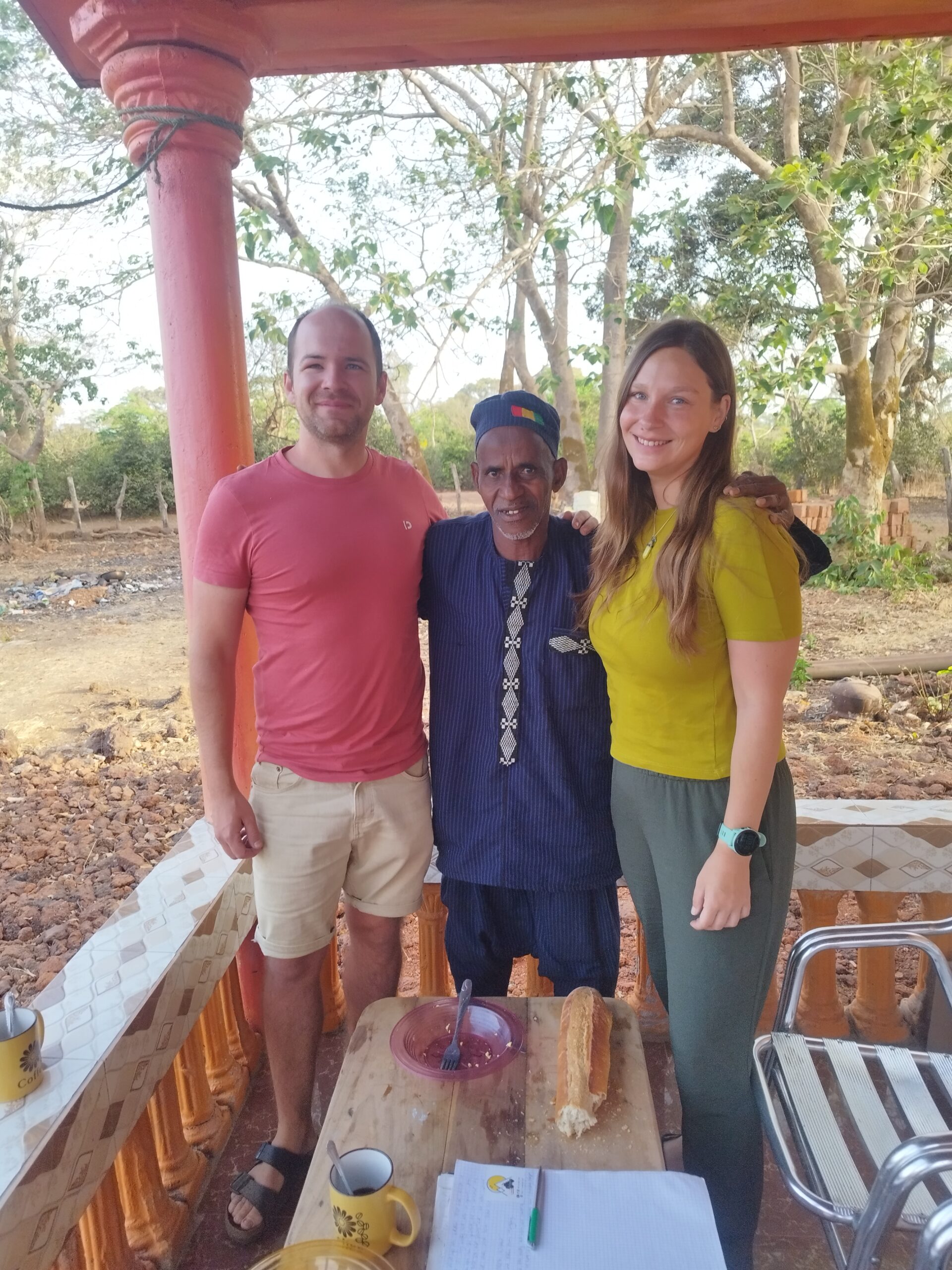
Our goal in northern Guinea was to visit the Fouta Djallon mountain range, one of the most beautiful regions in West Africa. We had read about a famous guide, Hassan Bah, who has been leading tours and hosting guests in his village for almost 30 years. After a day and a half of driving, we arrived at Hassan’s place, where he warmly welcomed us. However, he informed us that he already had three other guests for the days we planned to stay, so his son would be guiding us during the day.
Hassan has a simple rule: you pay him a fixed amount per night, which includes accommodation and three meals a day, and from the moment you arrive, you have to go hiking. The hikes are not only beautiful but also incredibly fun.
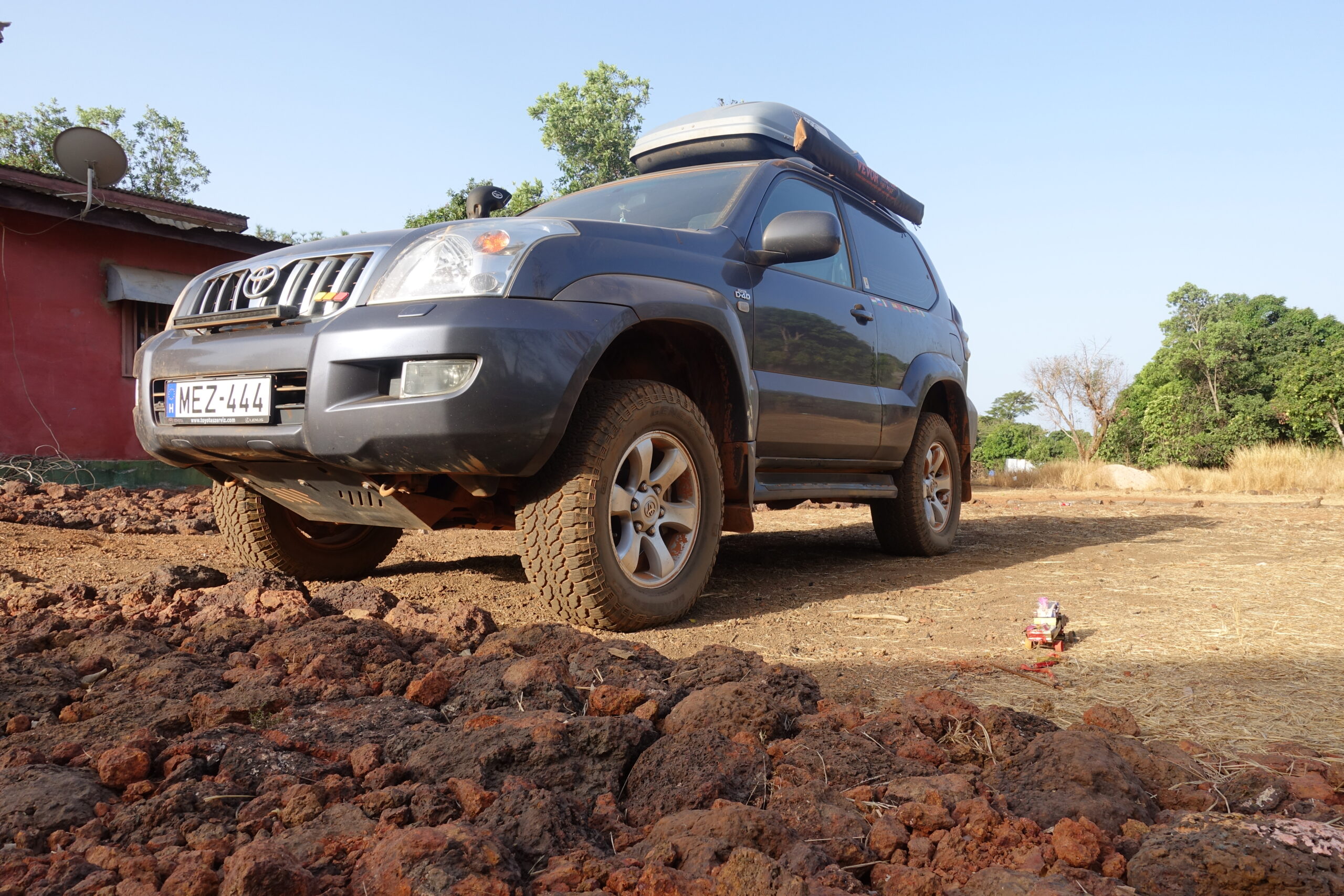
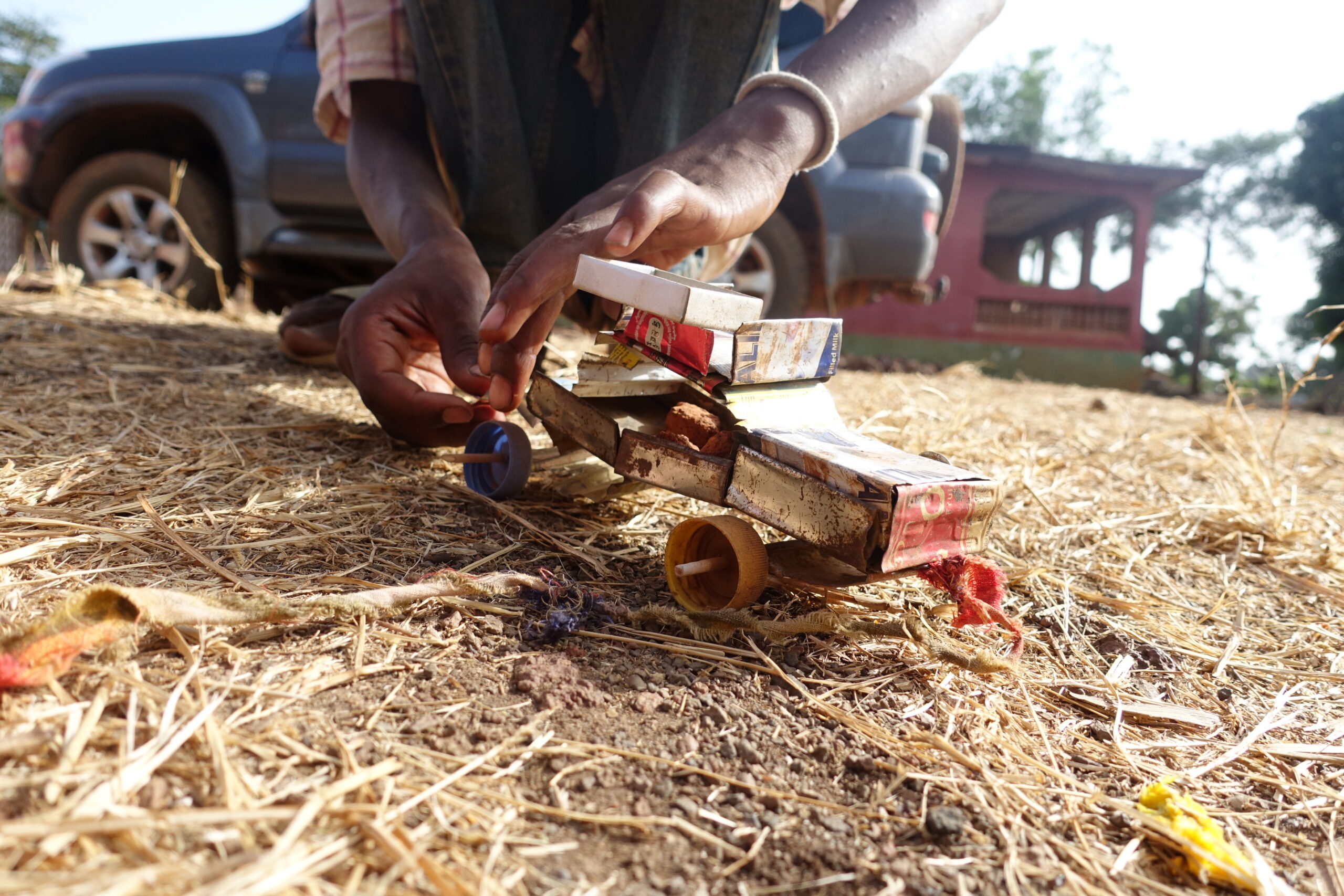
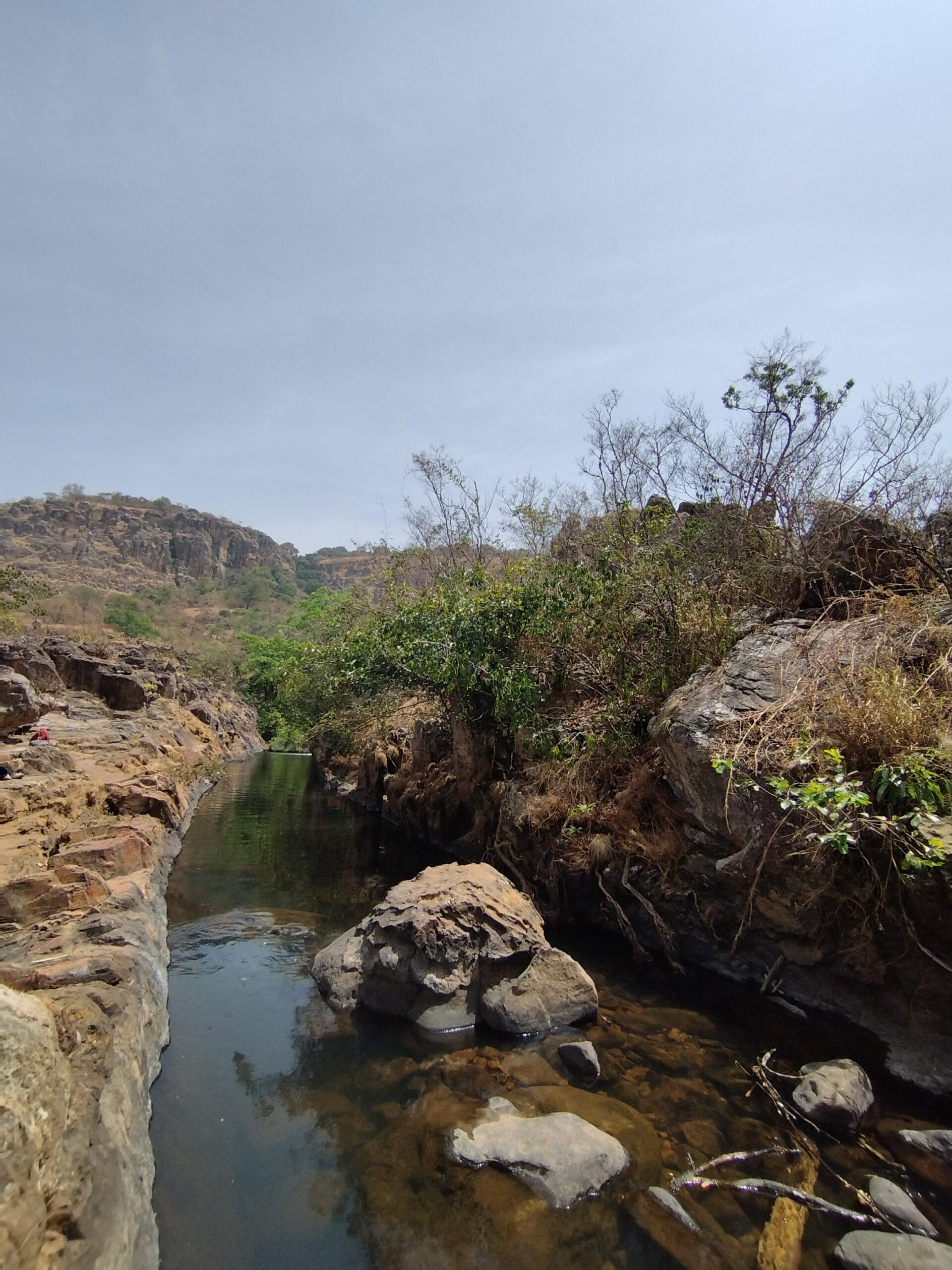
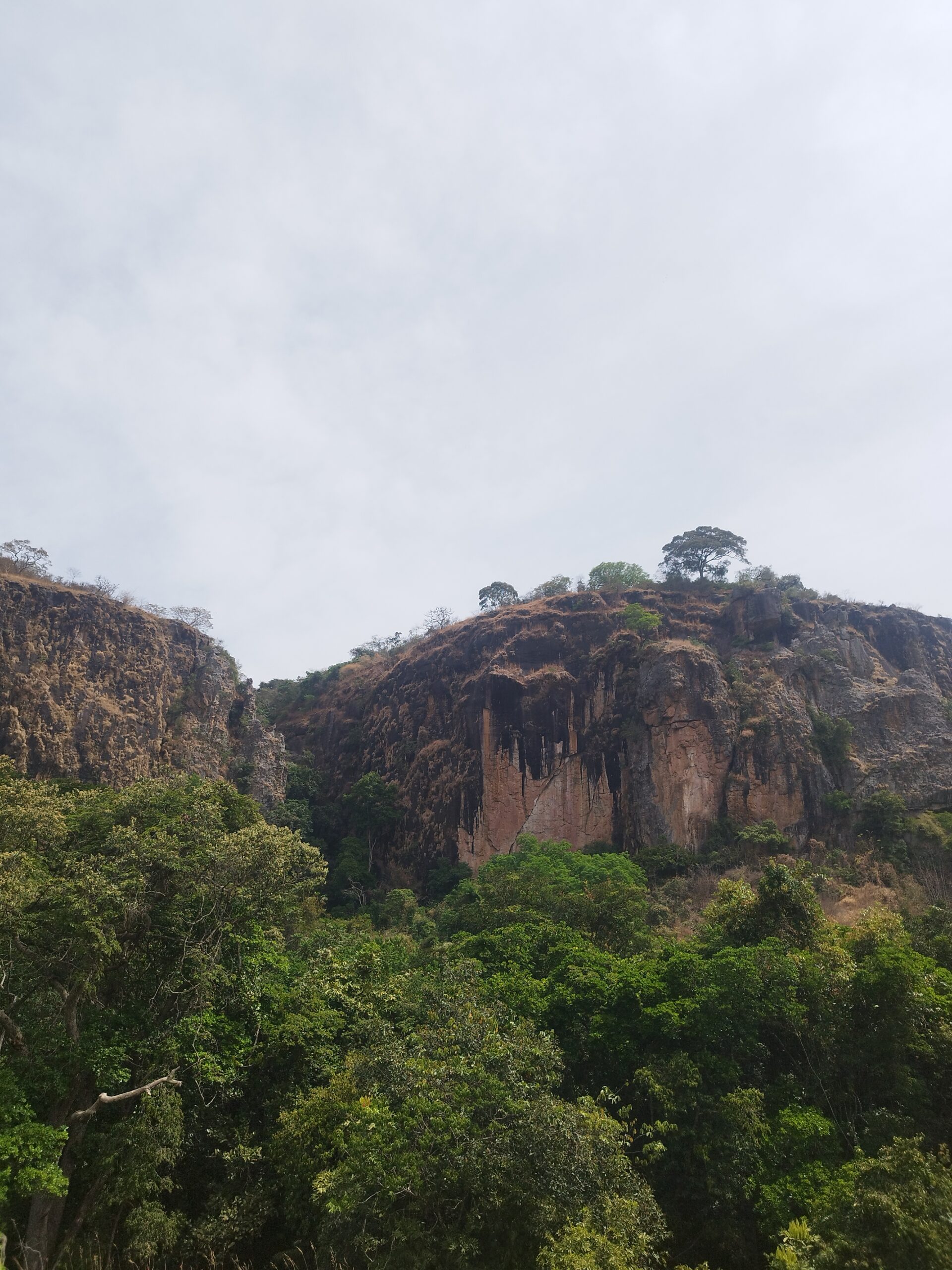
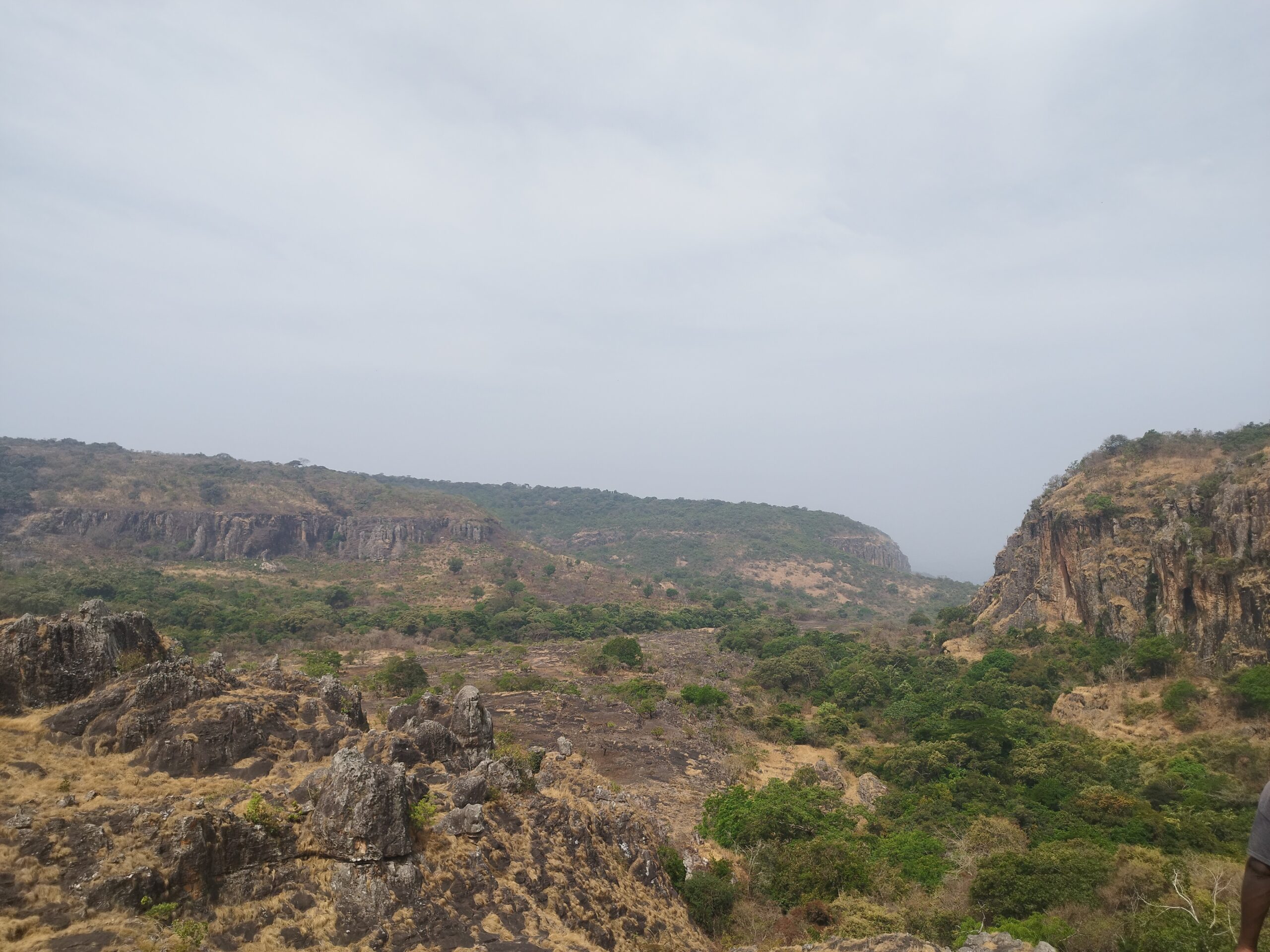
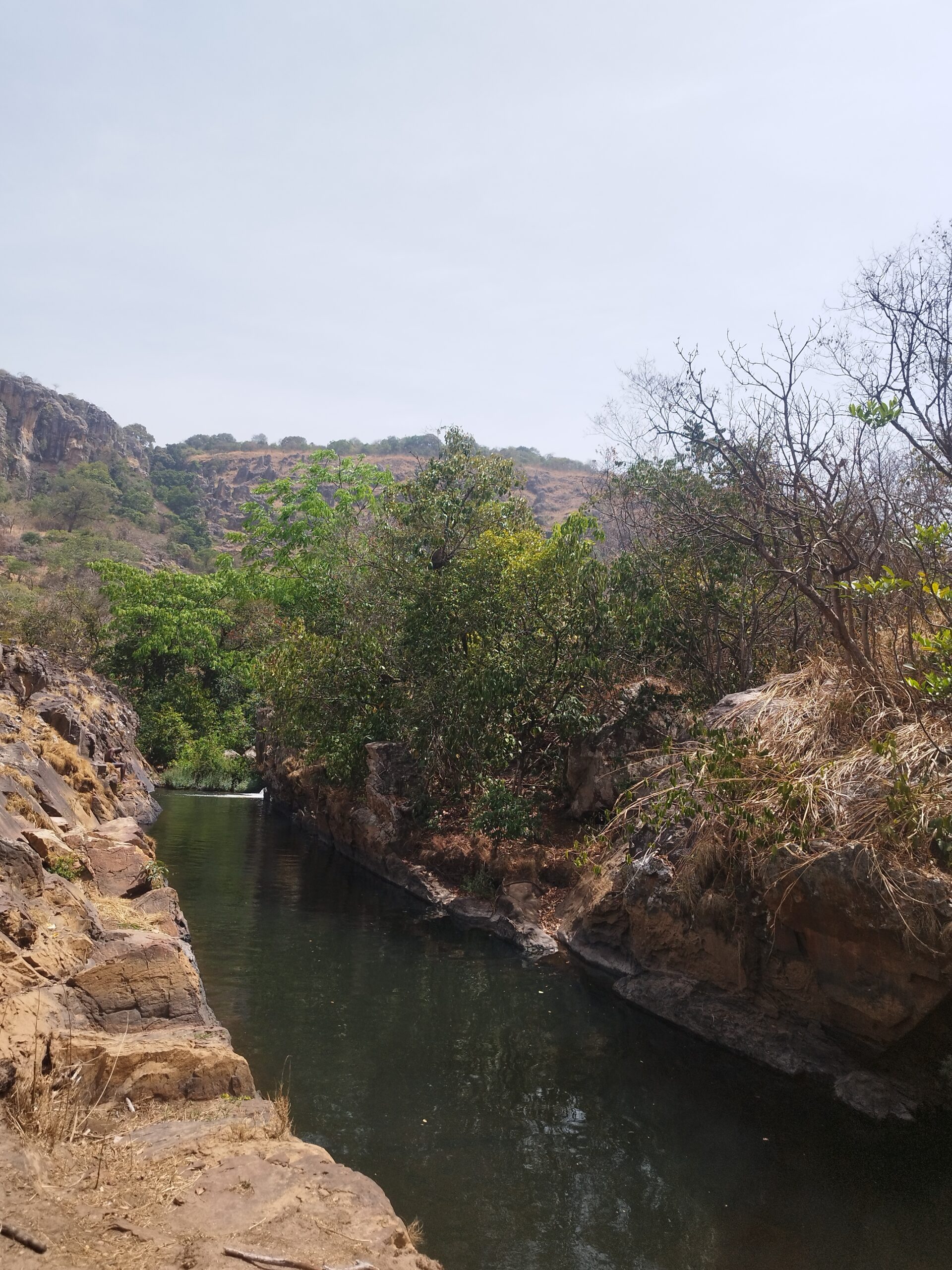
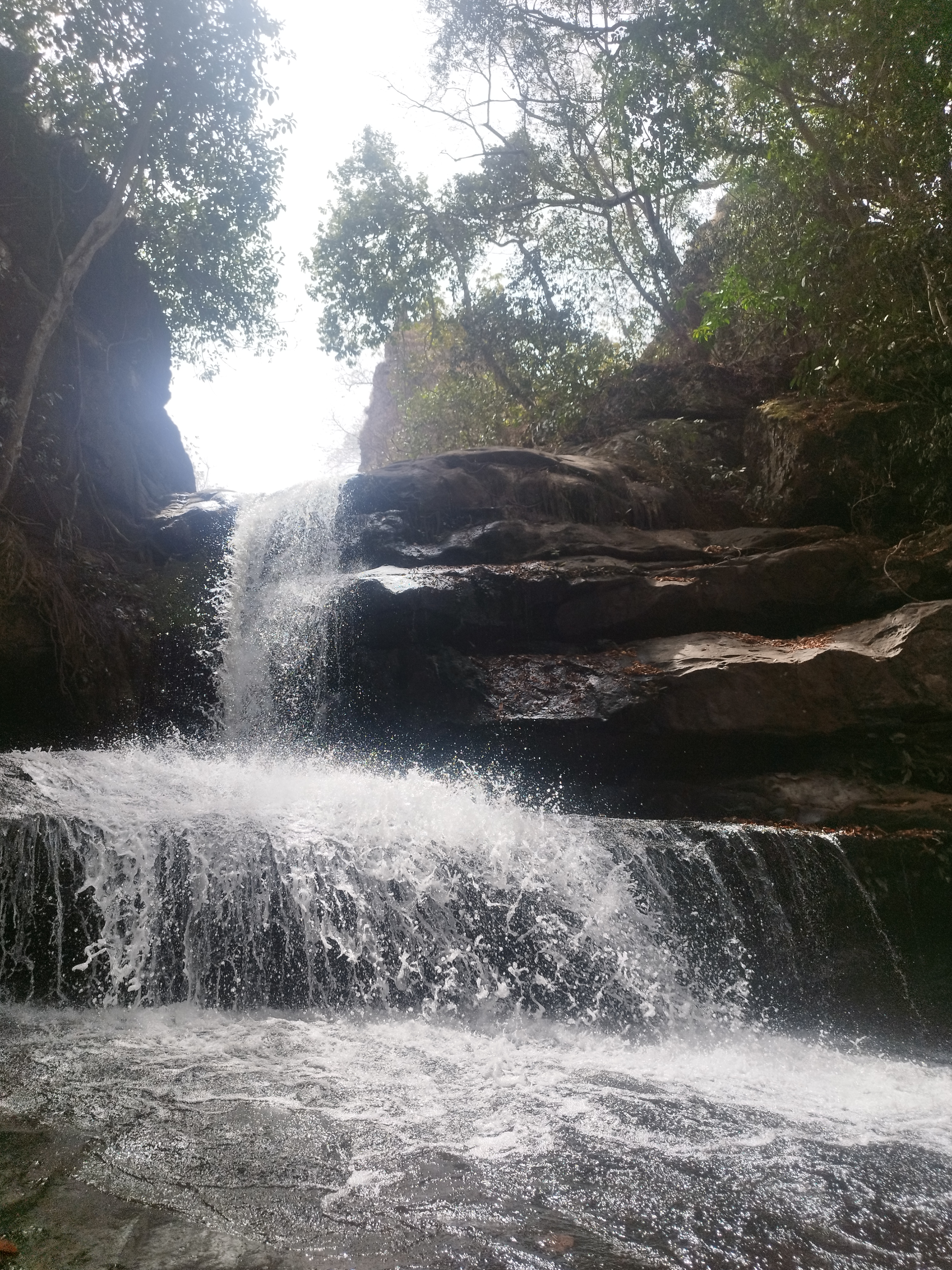
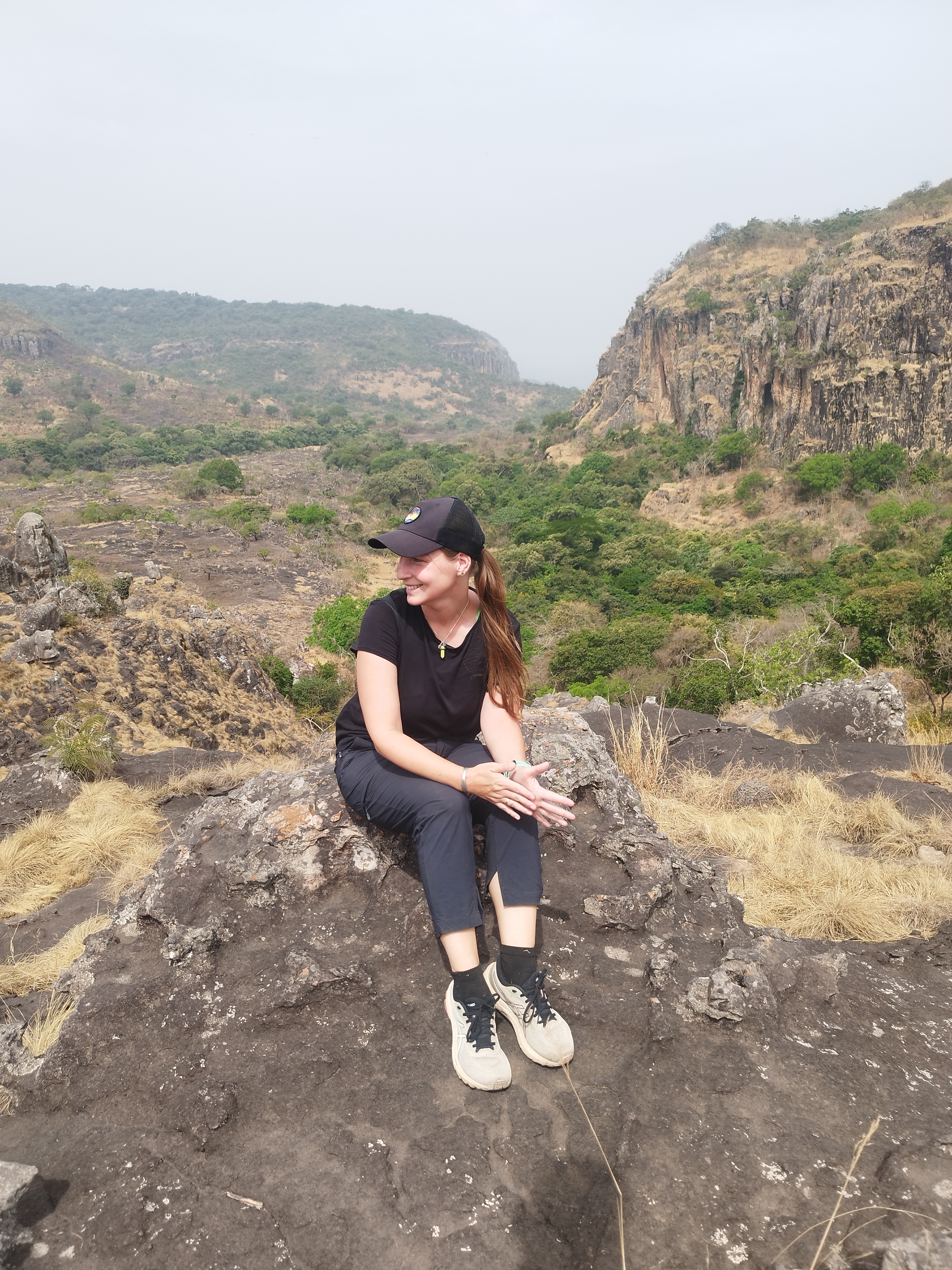
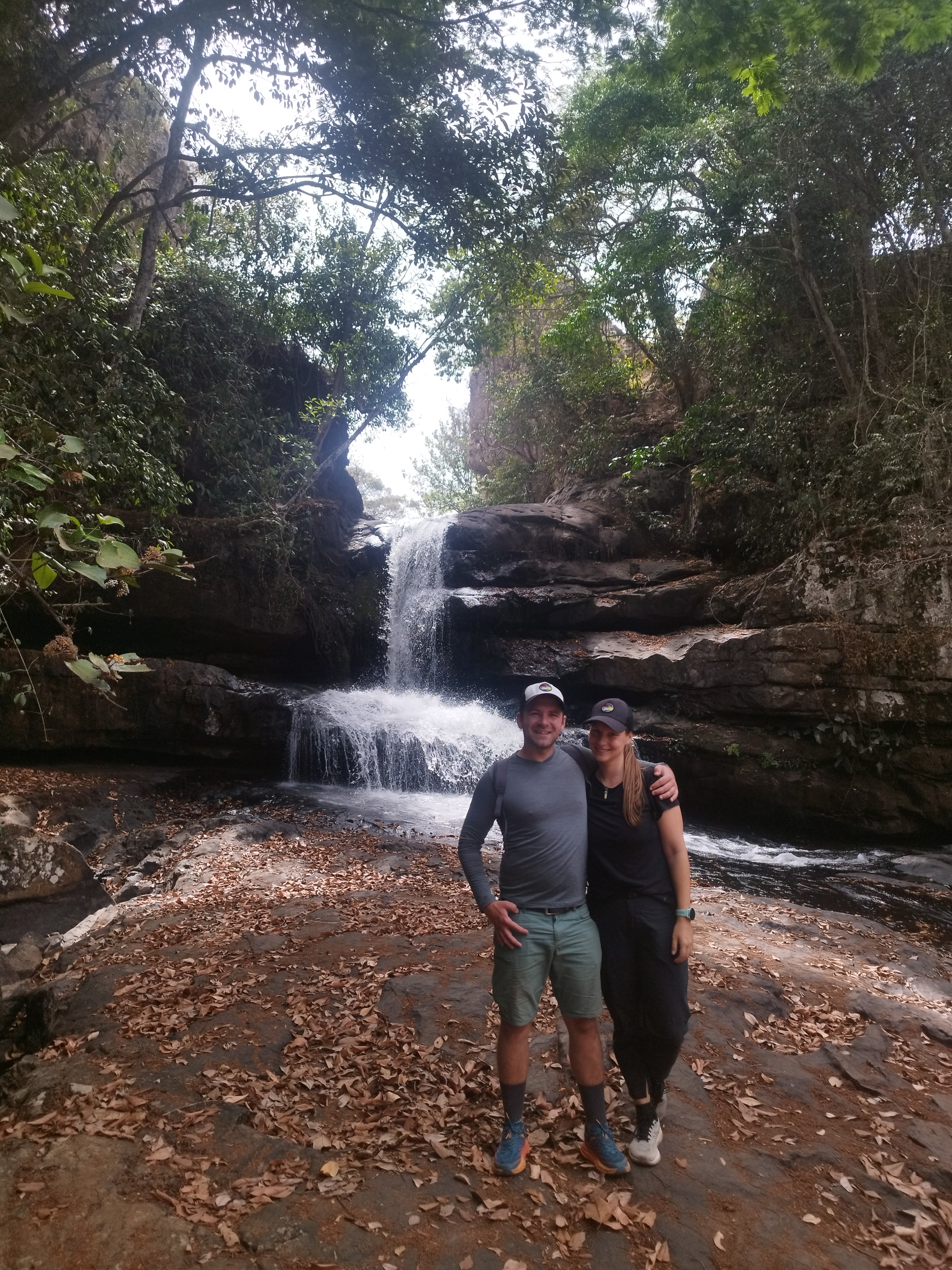
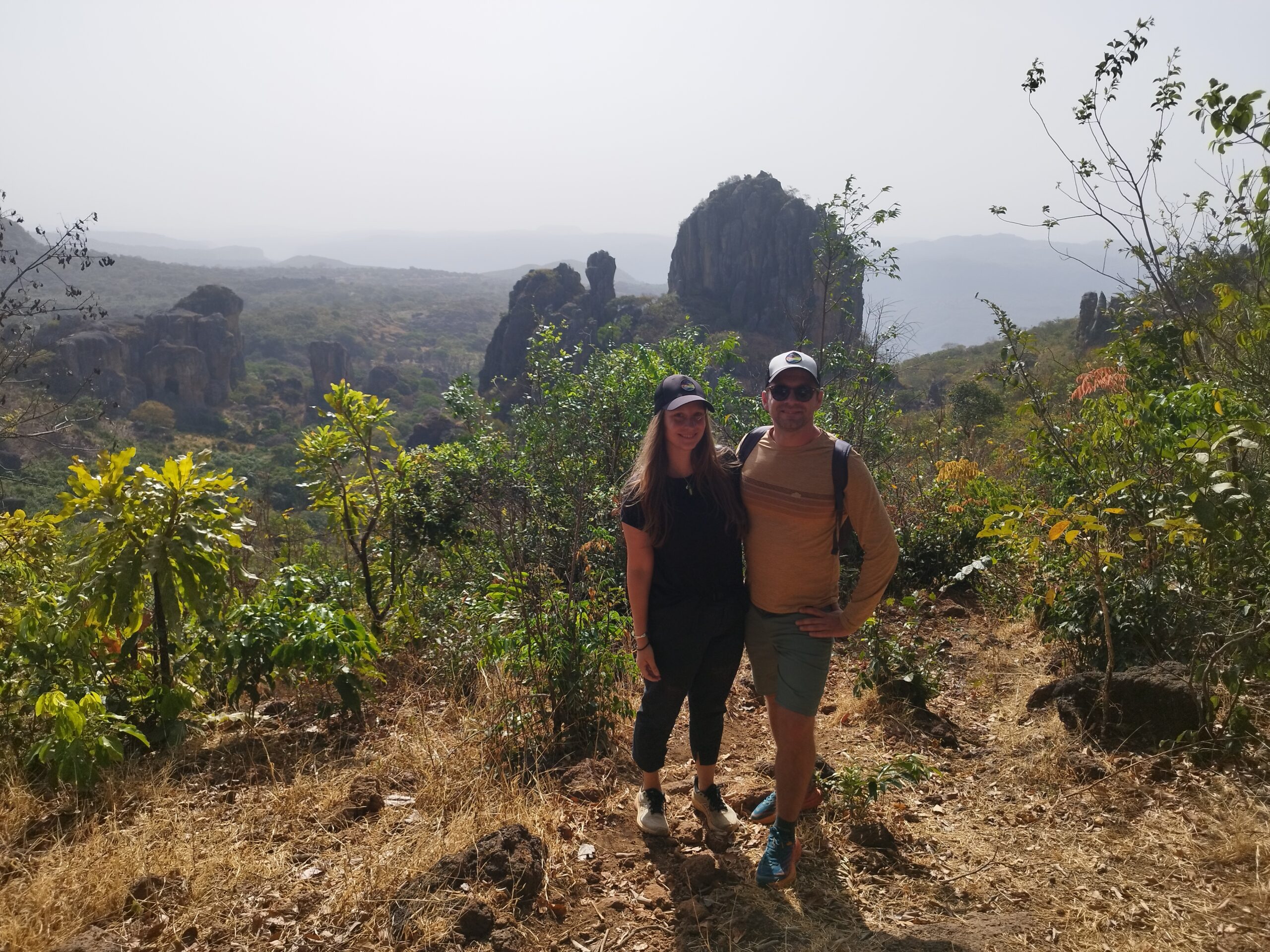
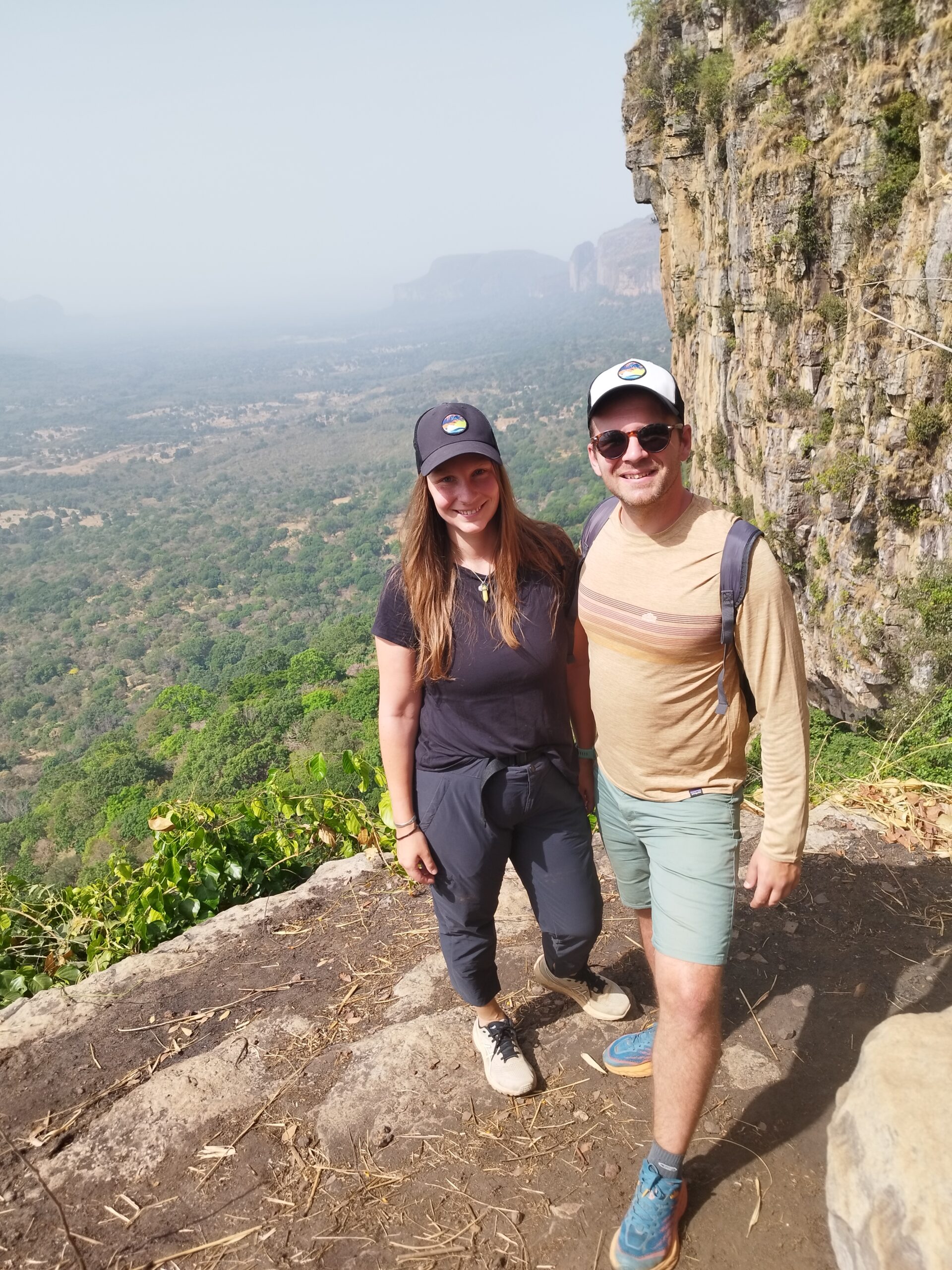
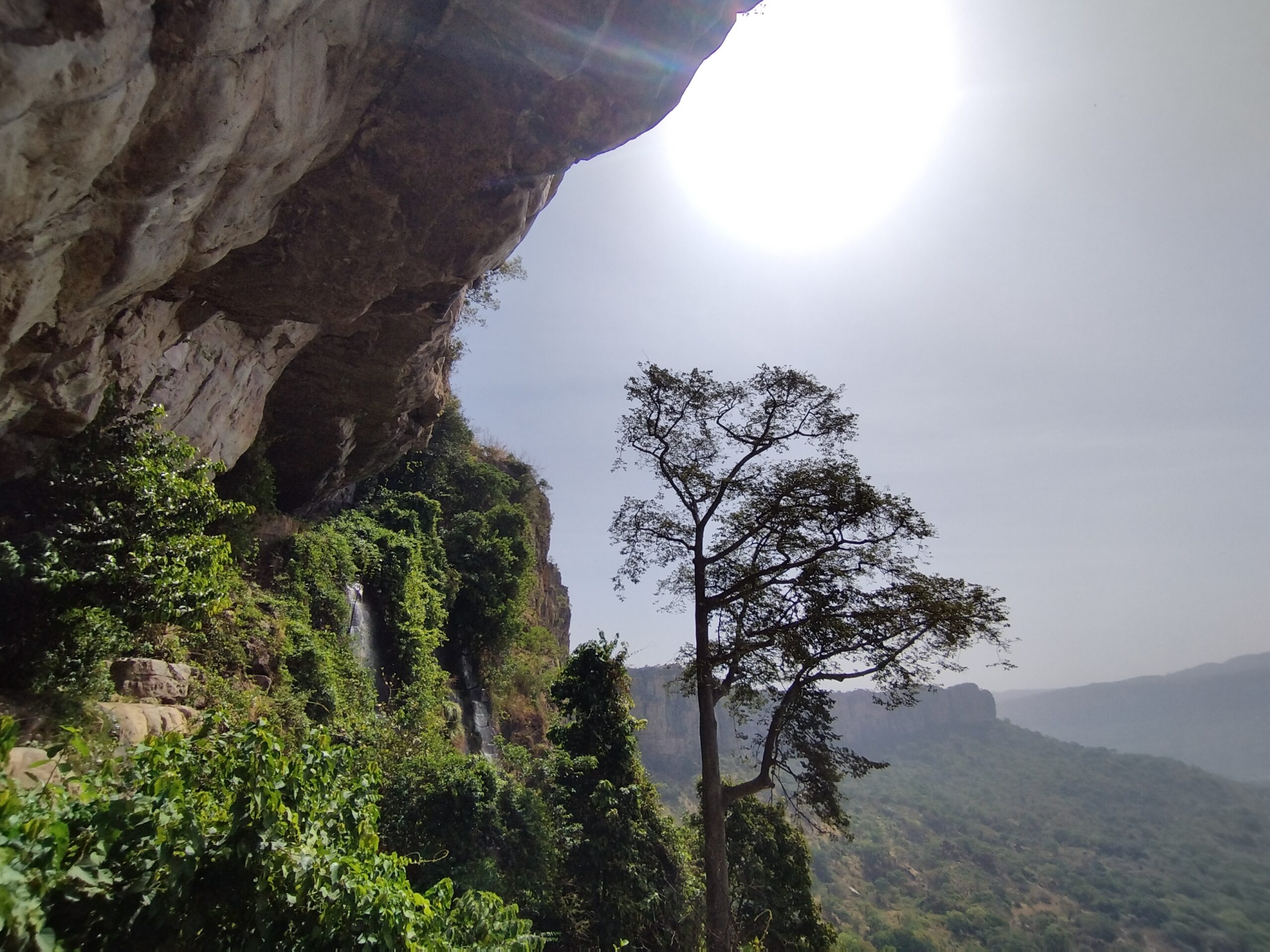
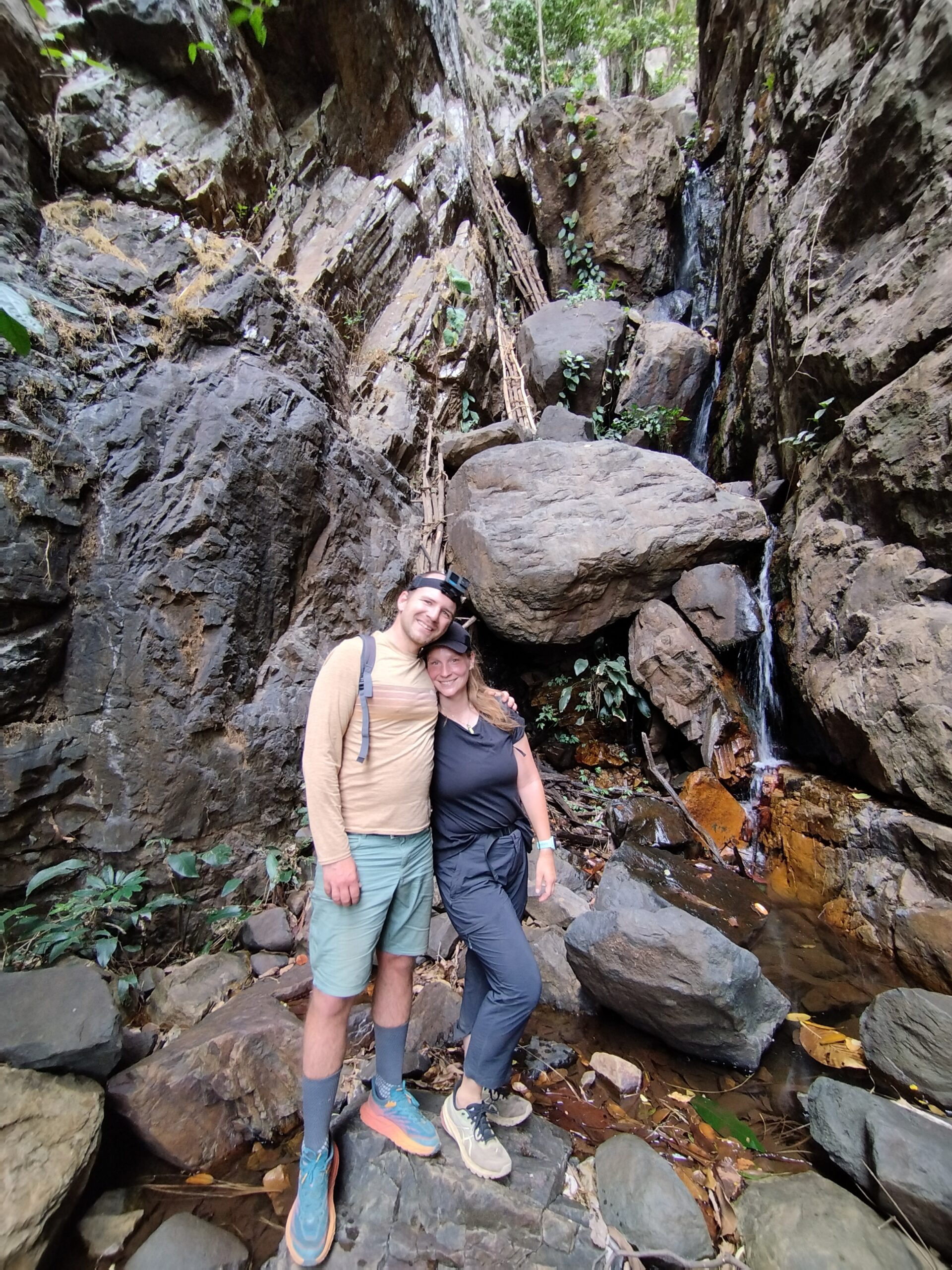
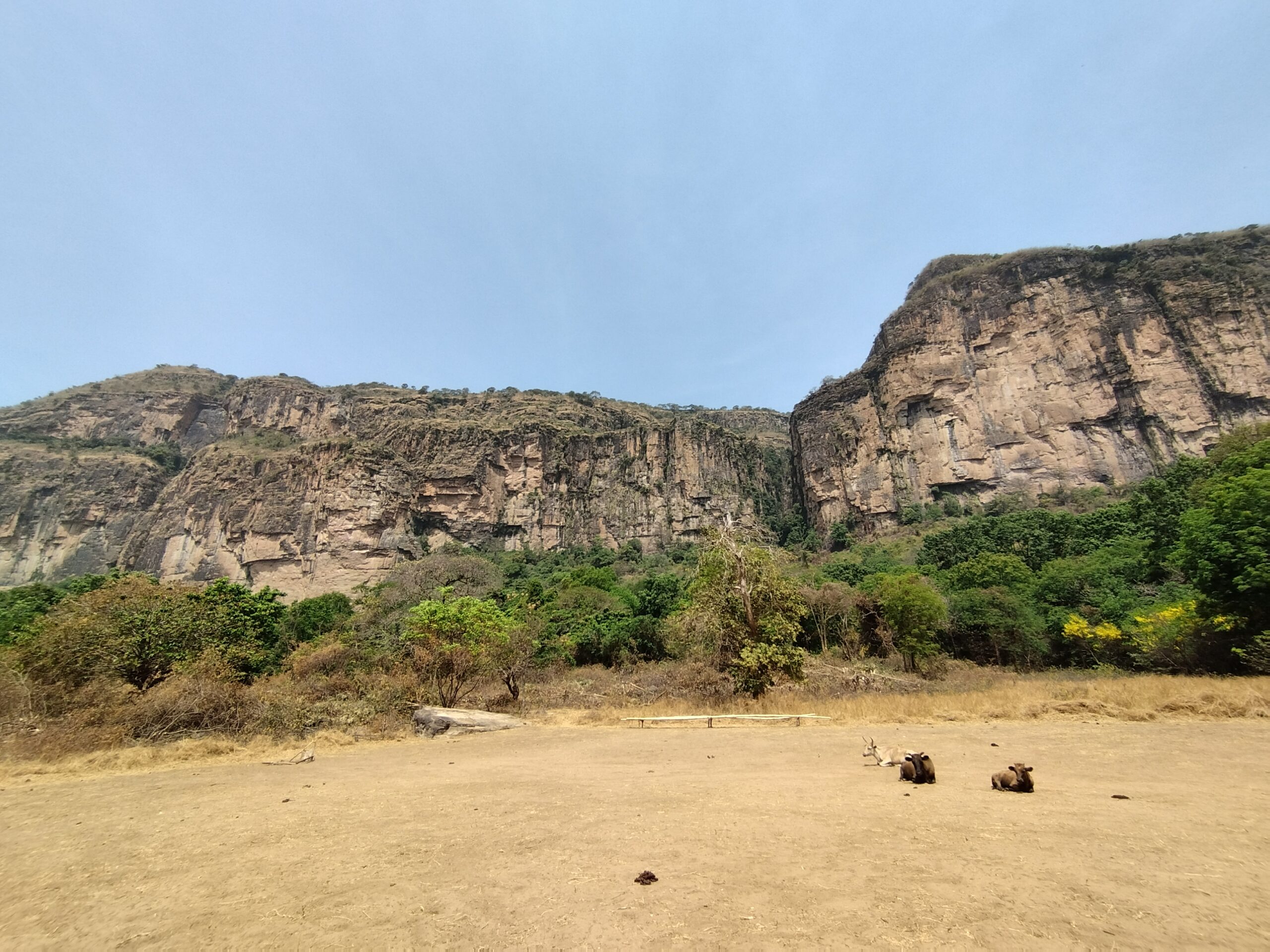
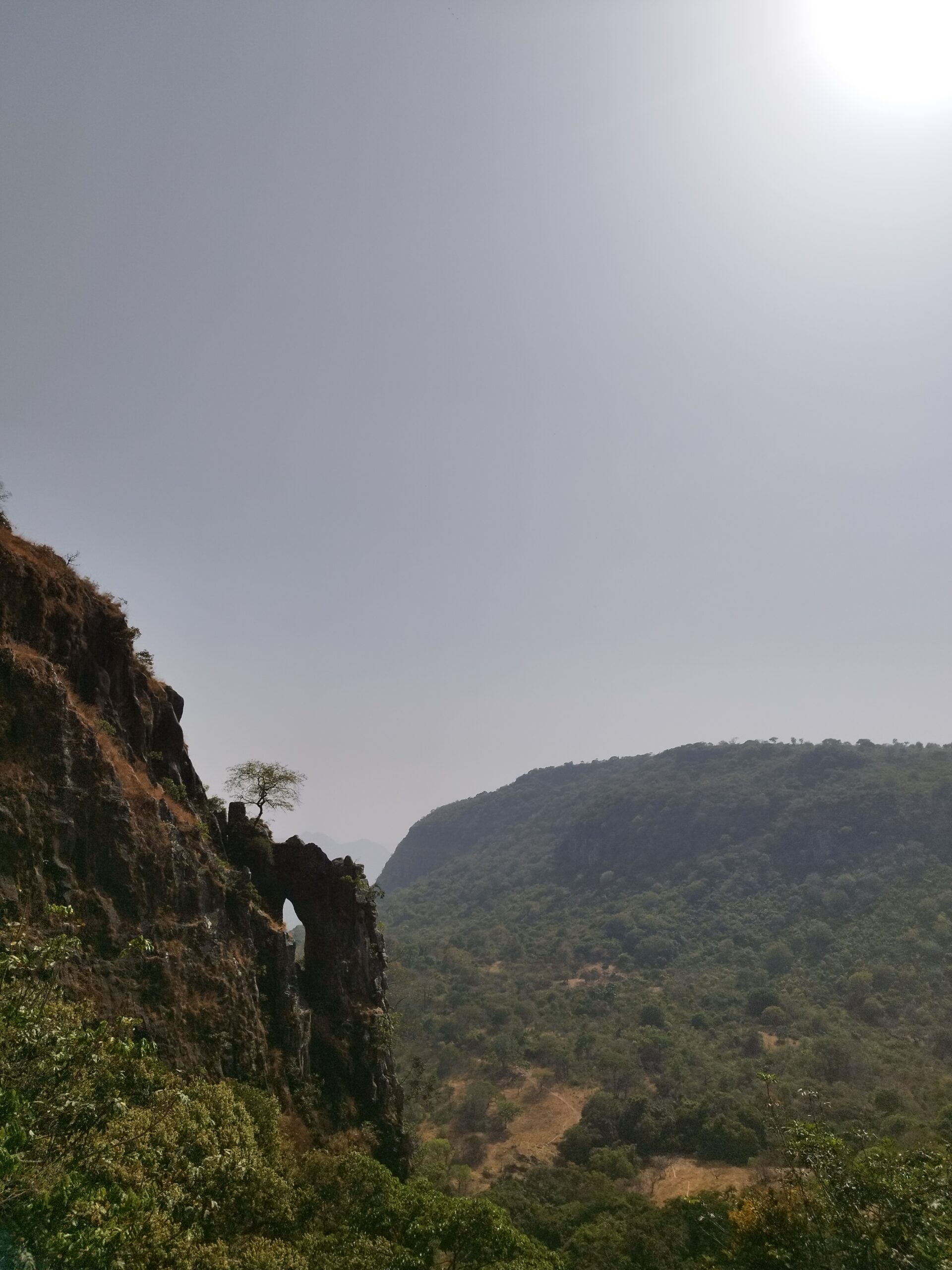
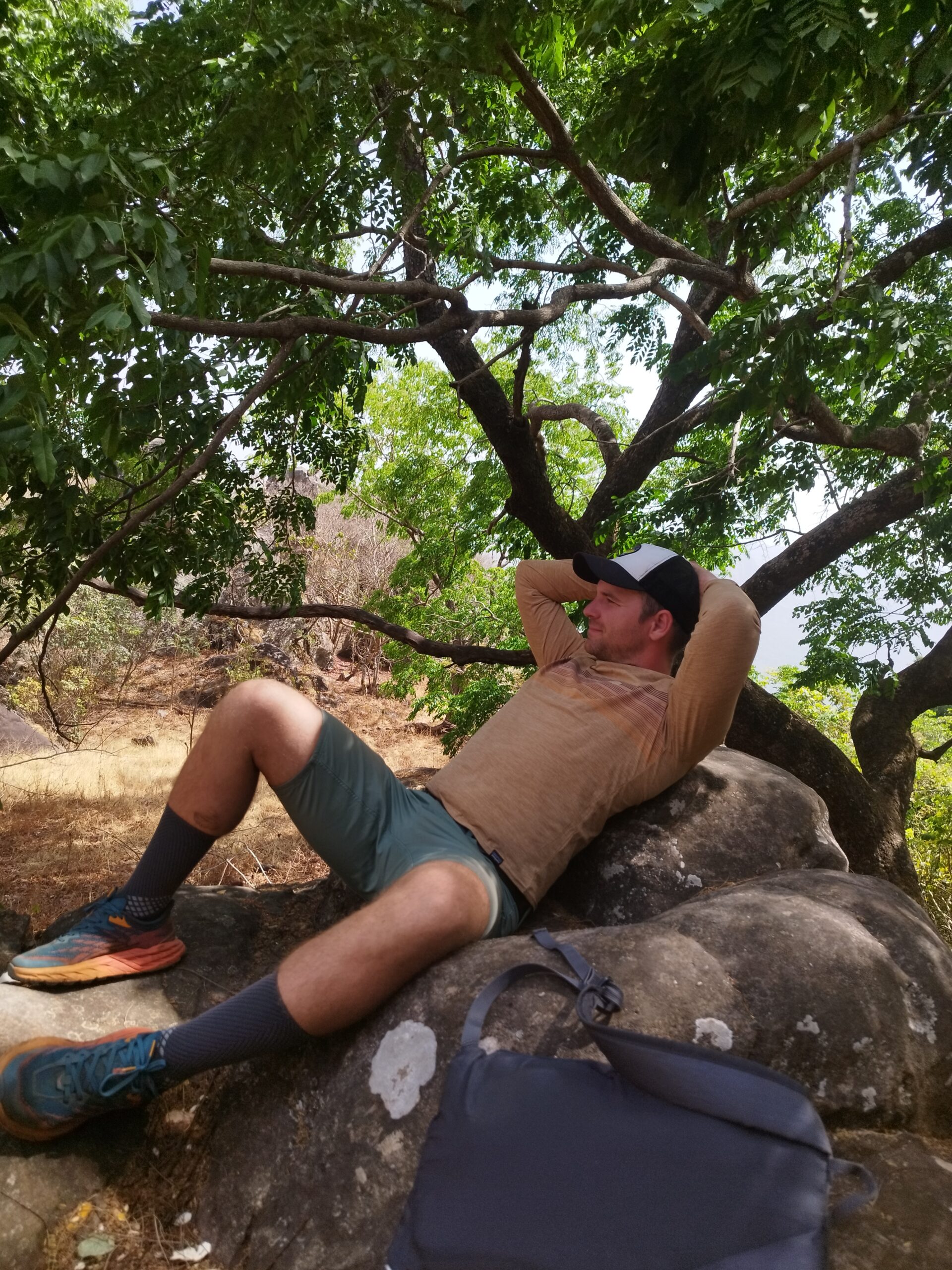
On the first day, we chose the “Indiana Jones and Hyena Rock” hike. We first walked to admire the breathtaking view of Guinea’s “Grand Canyon,” then climbed across streams, rocks, and vines before finally swimming in natural pools formed by waterfalls.
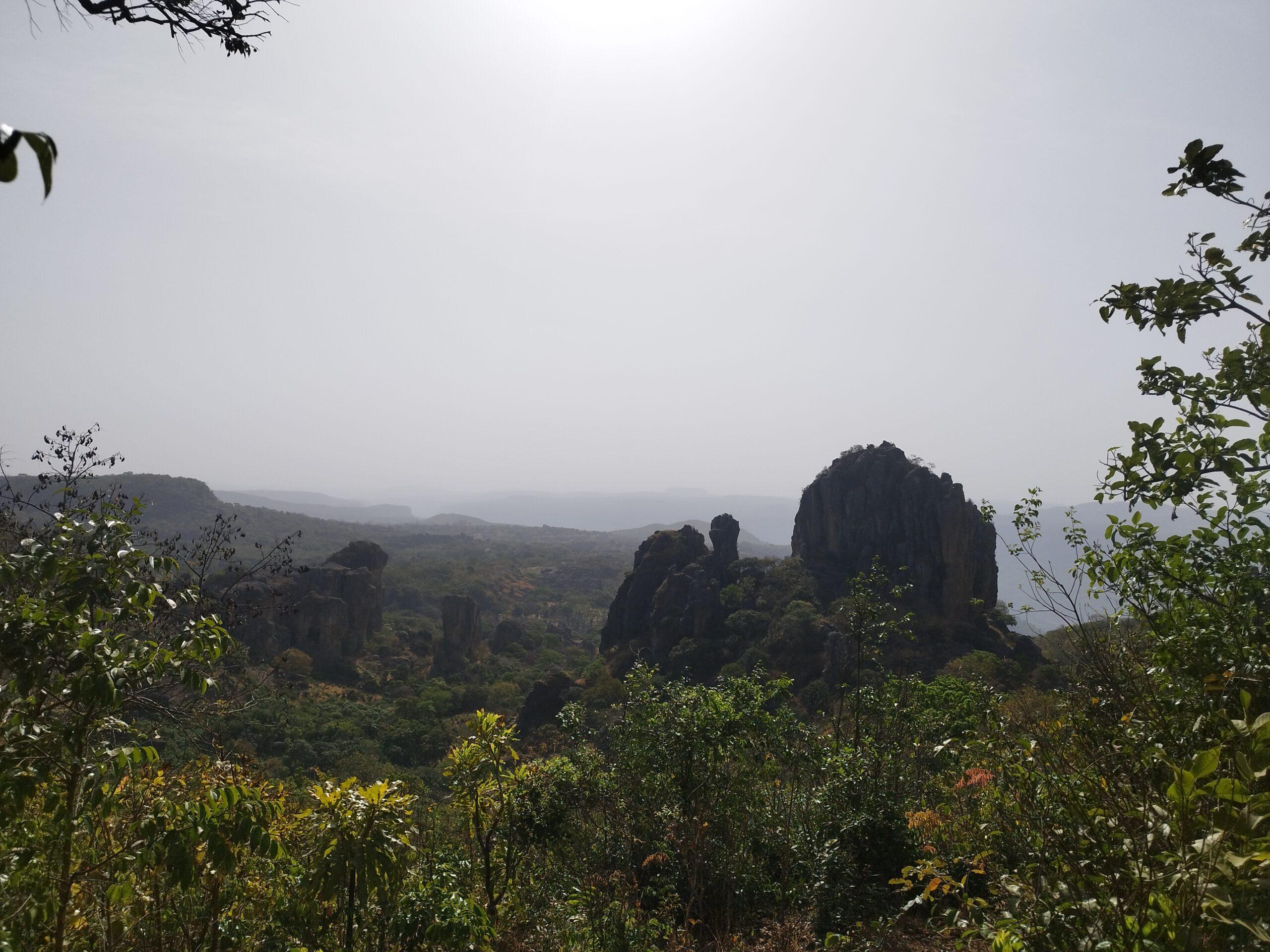
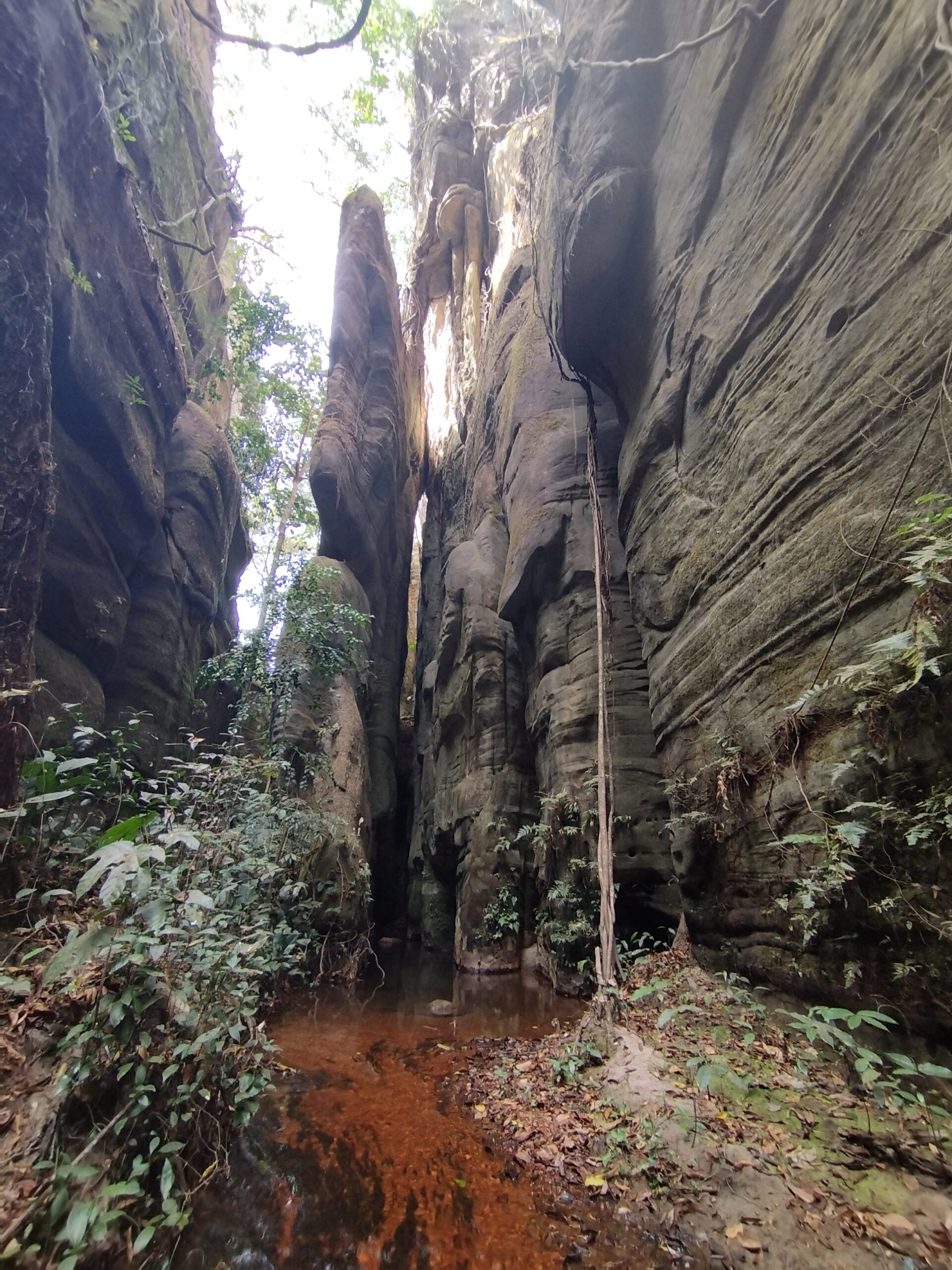
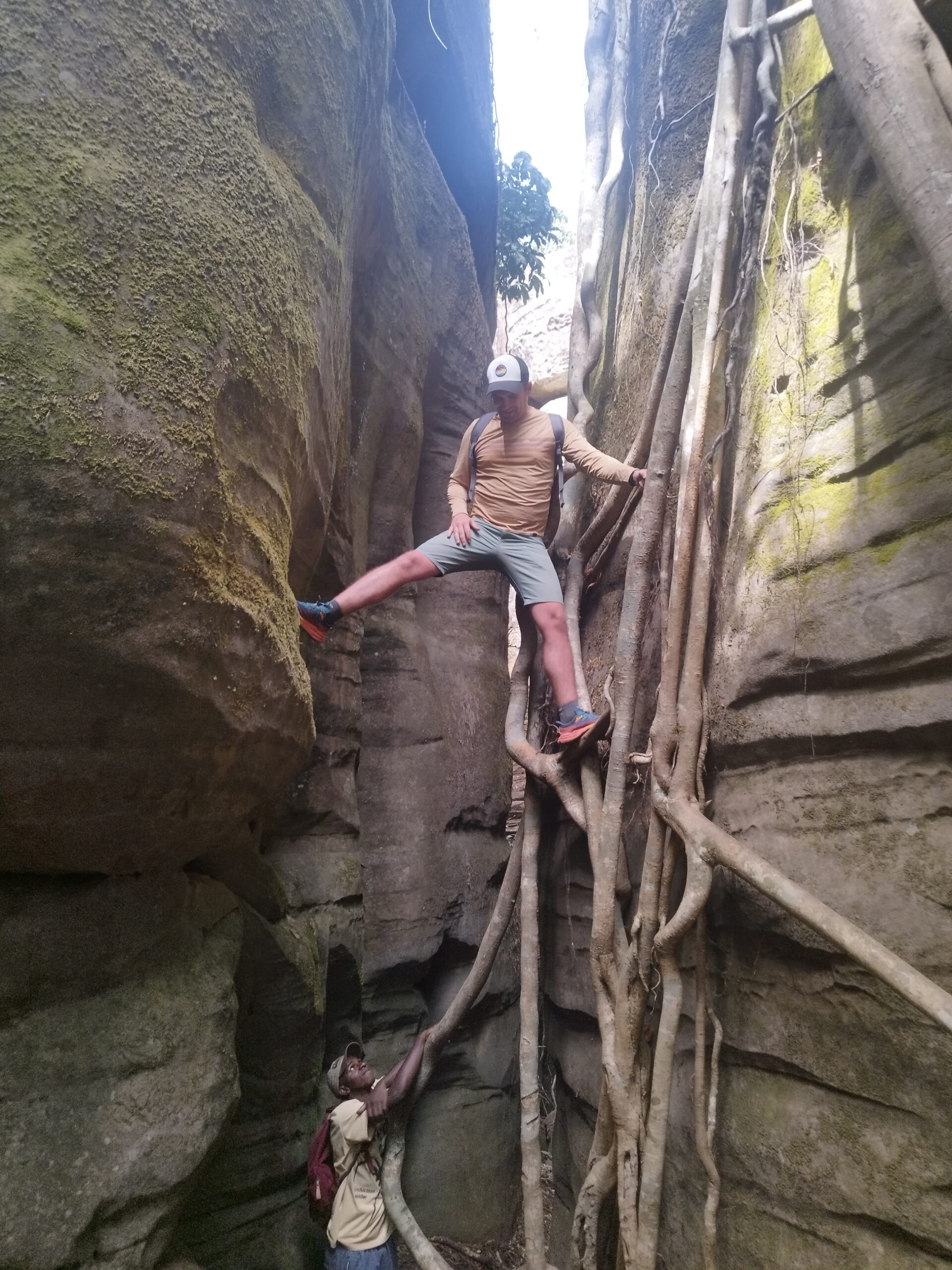
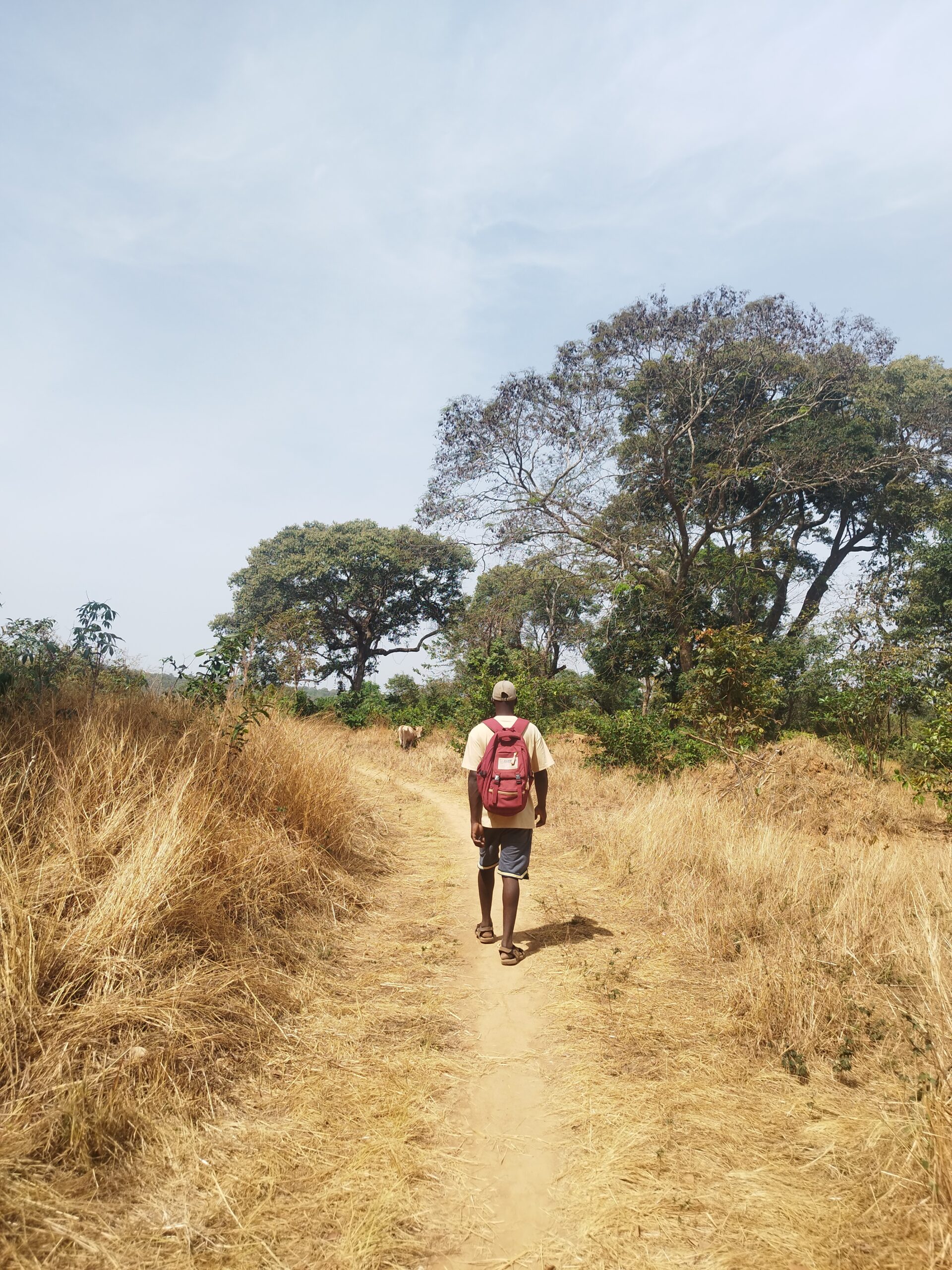
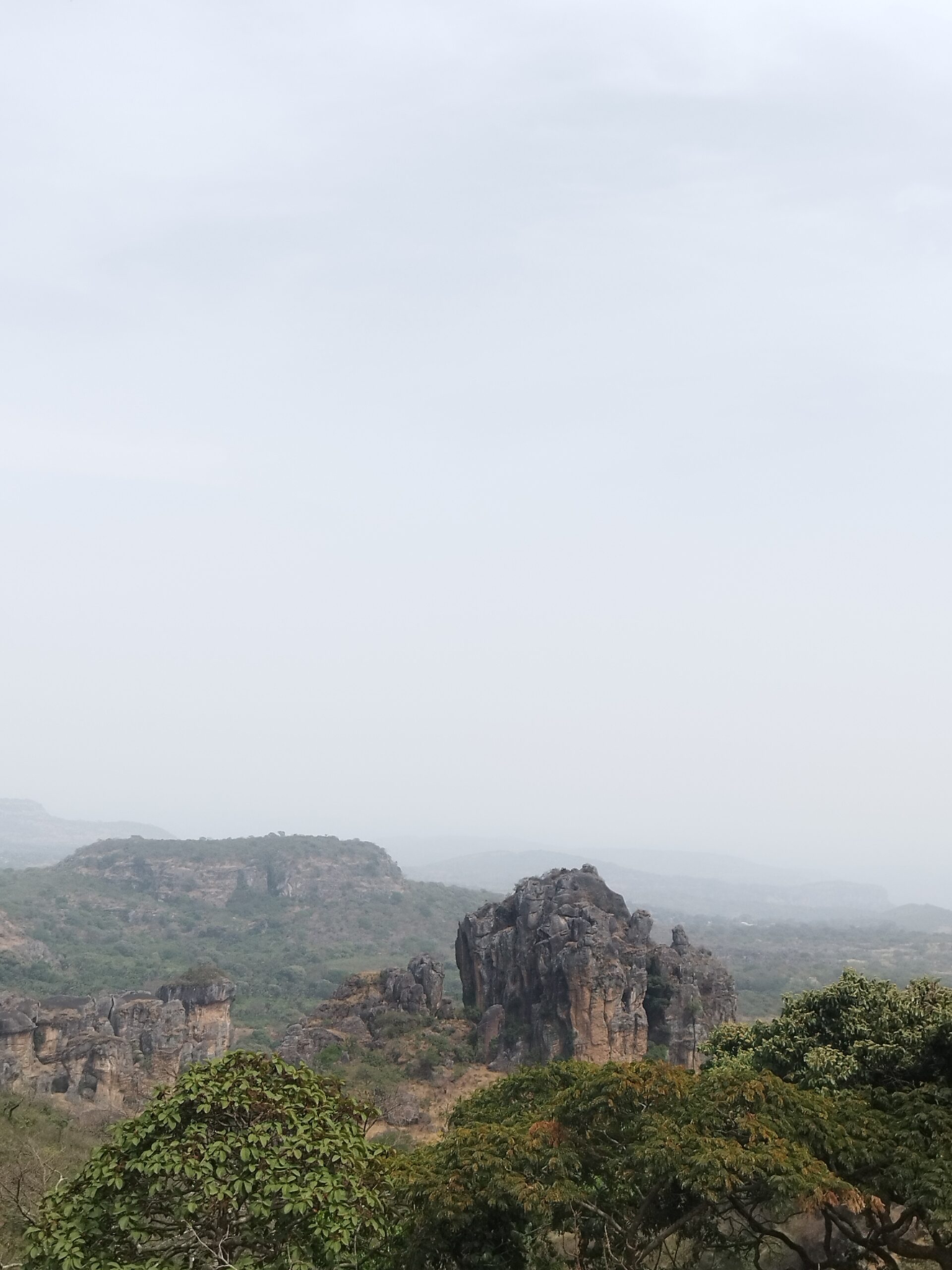
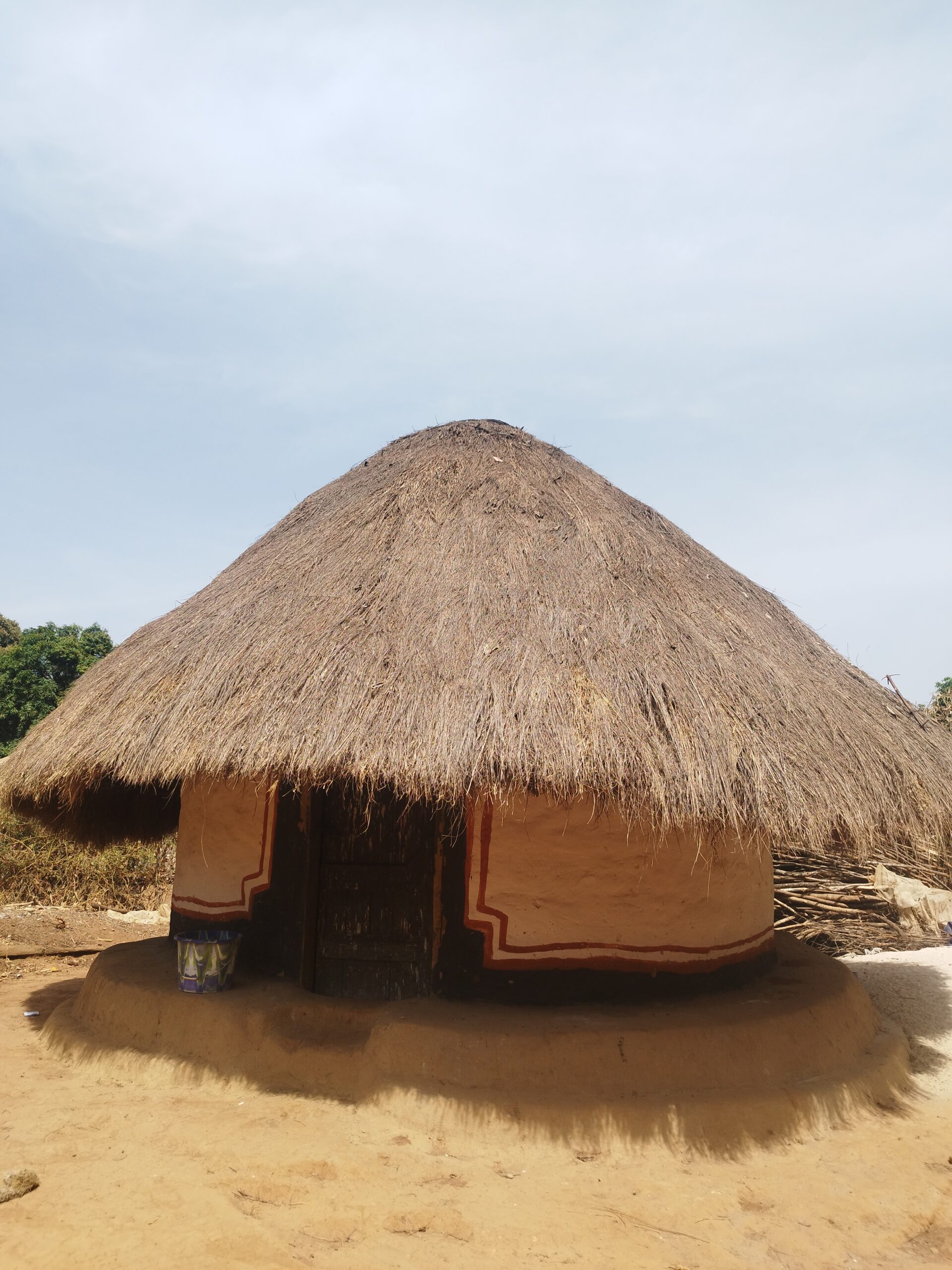
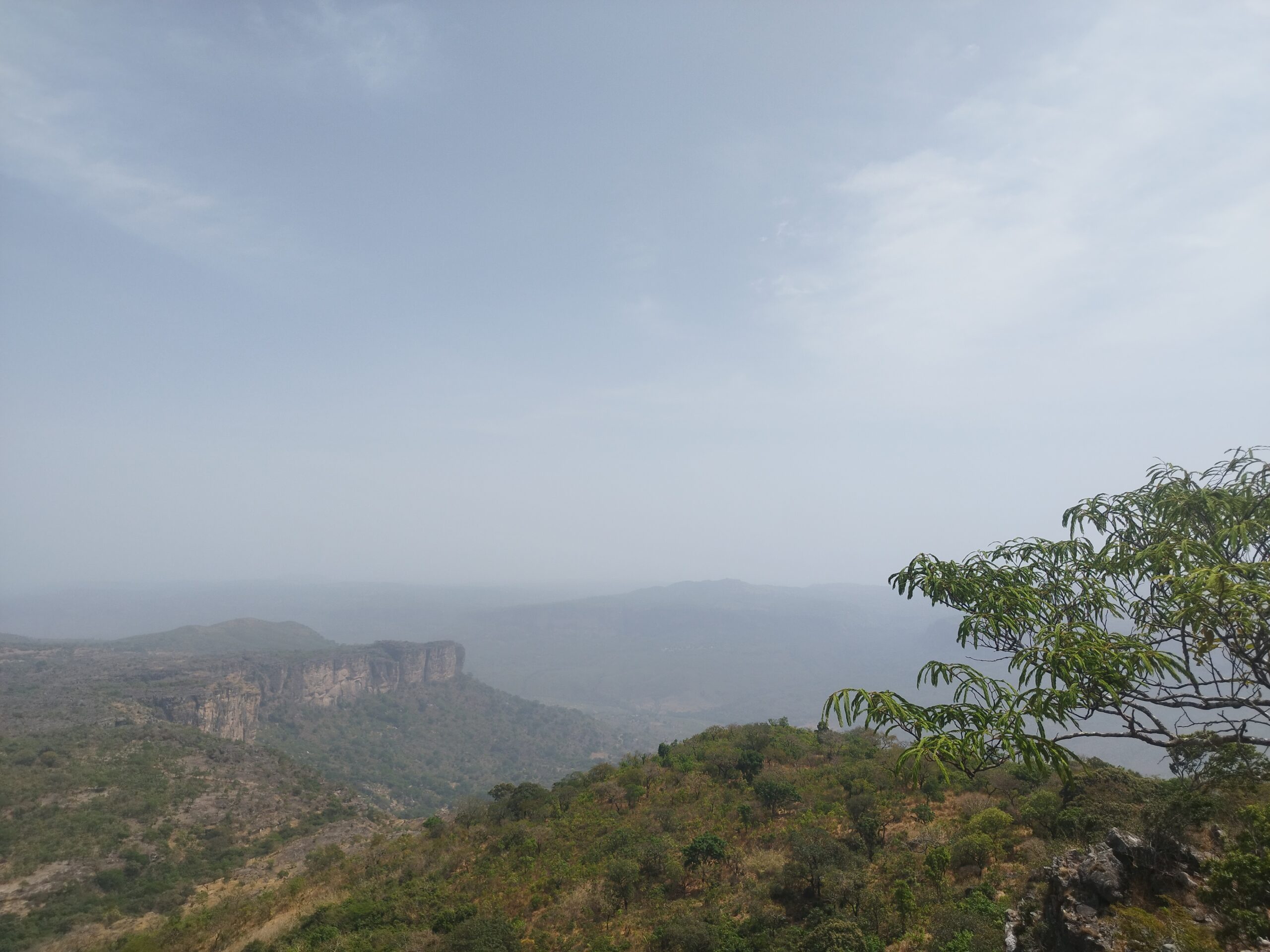
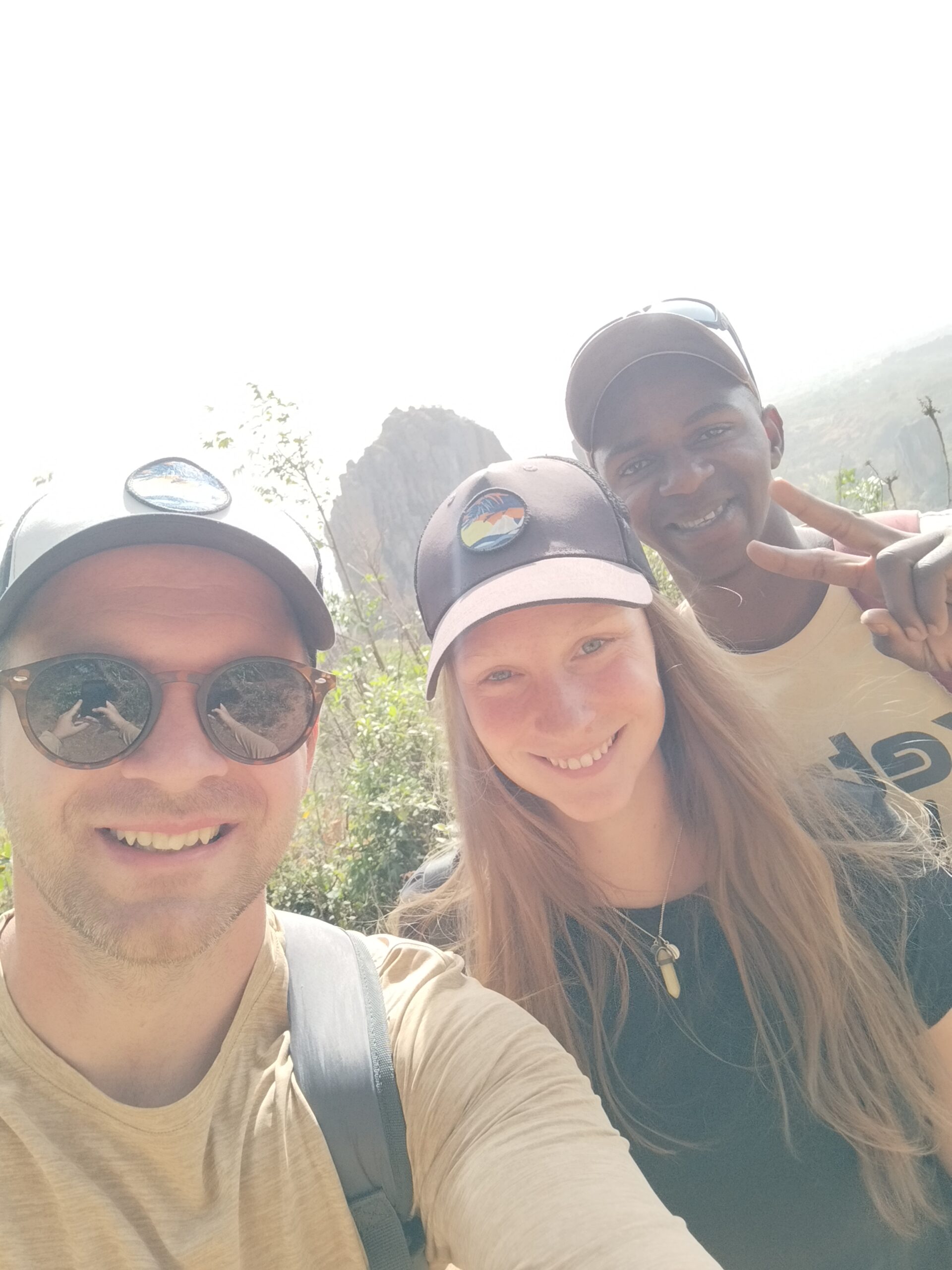
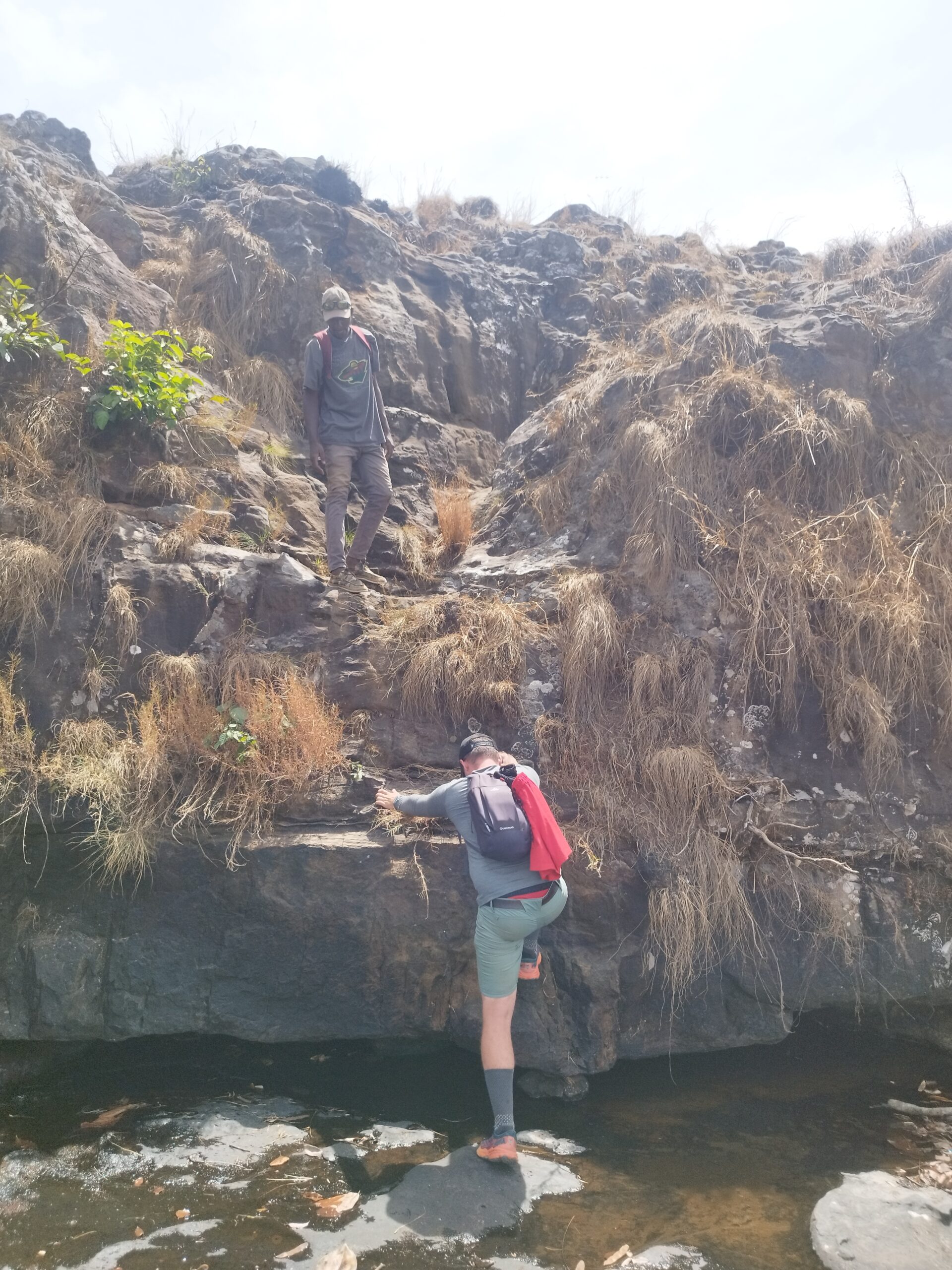
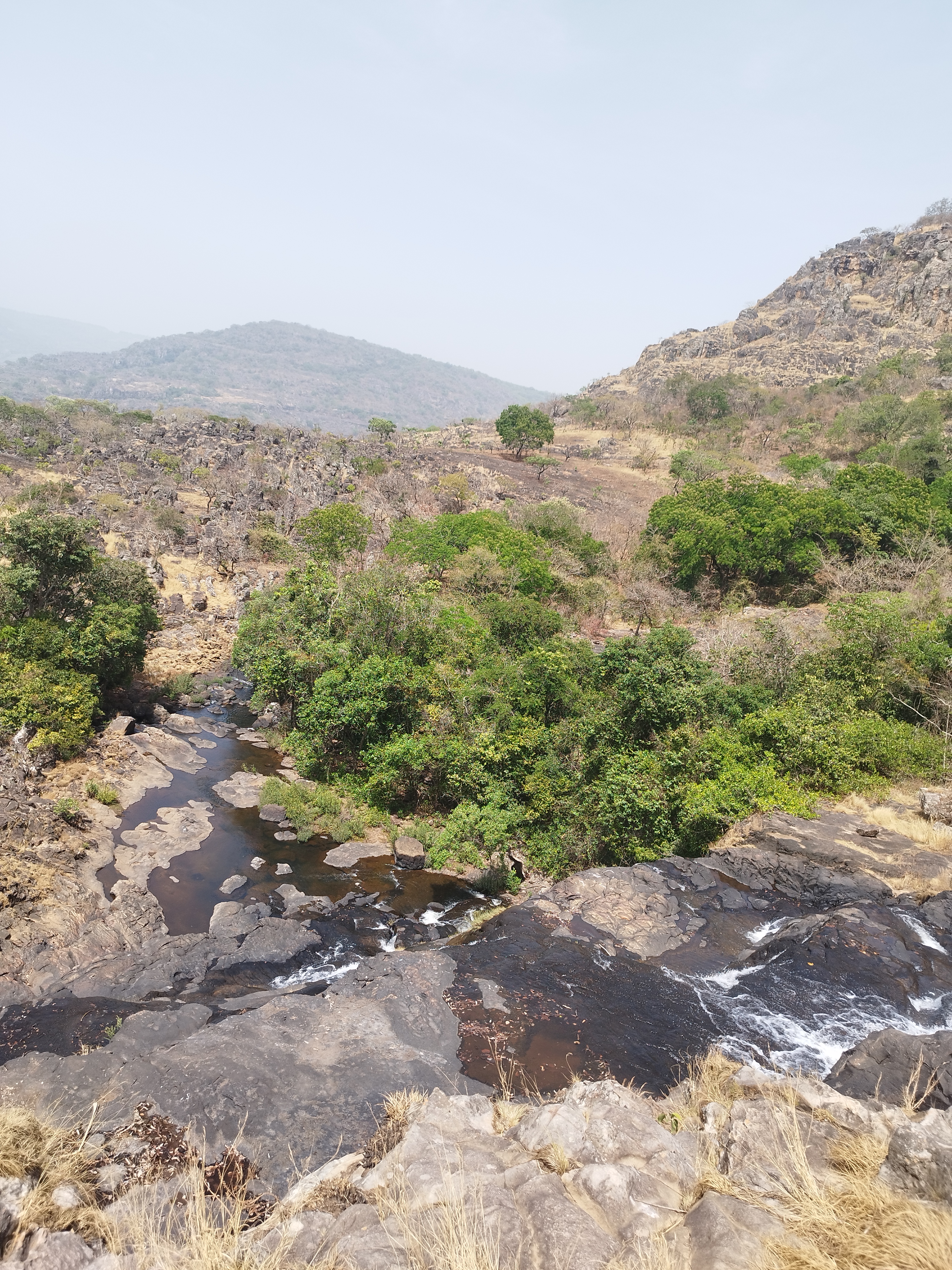
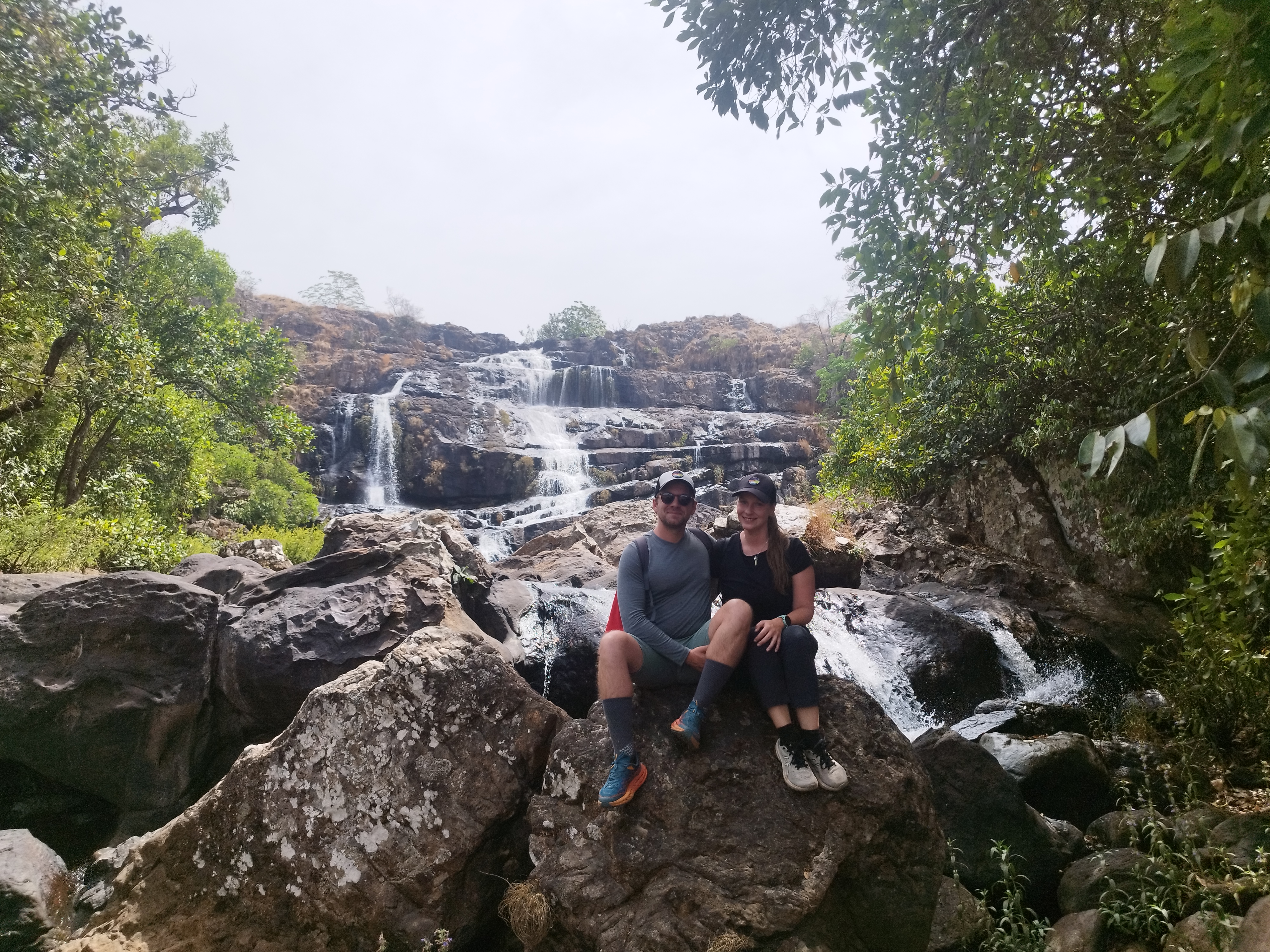
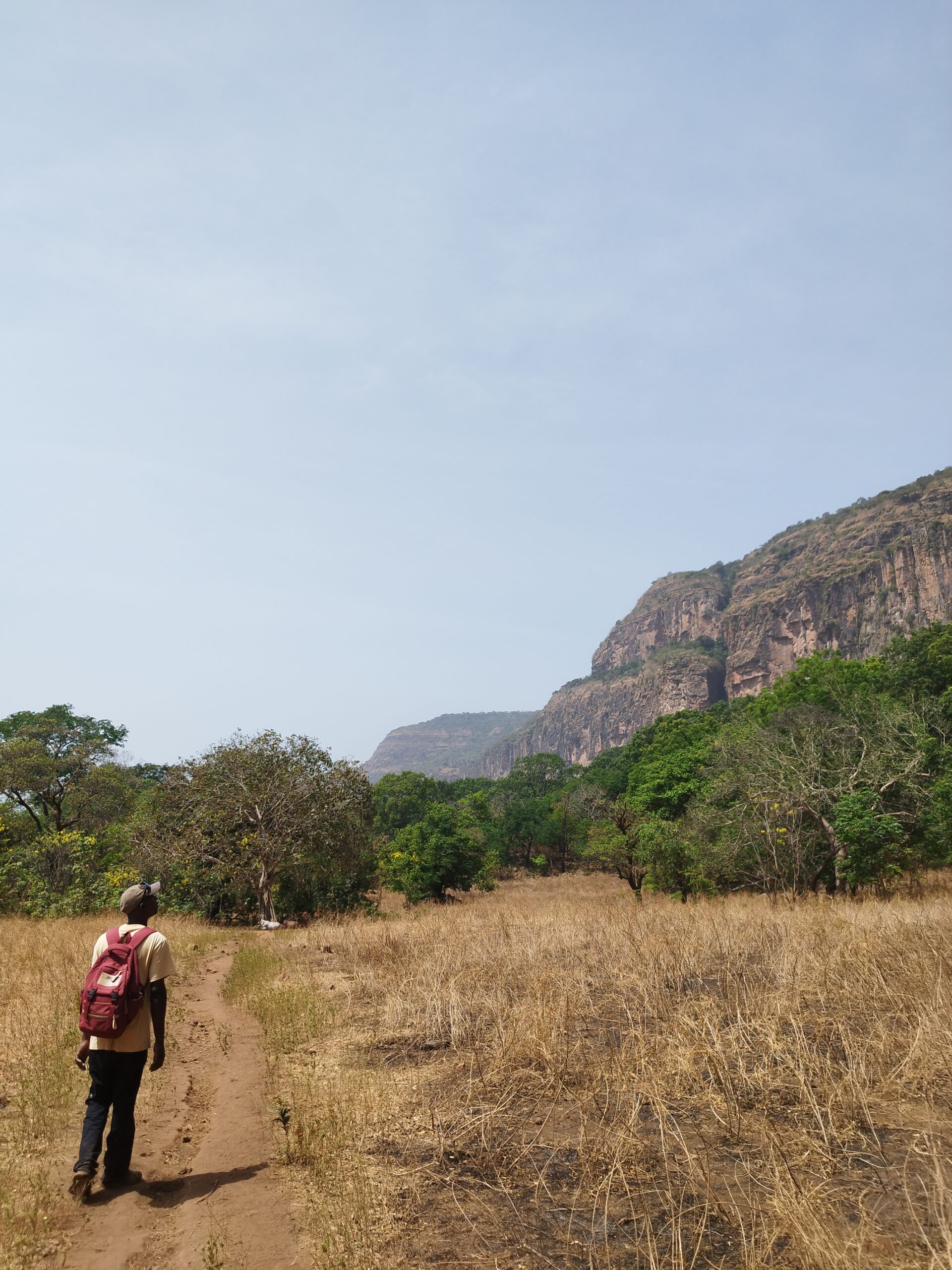
The next day, we embarked on the most popular hike, which started with a descent into the valley. This was already an adventure in itself, as we had to climb down small streams and waterfalls, getting completely soaked in the process. Along the way, we met goat herders and local women heading uphill—carrying goods on their heads and children on their backs—on their way to the weekly market, all in sandals or flip-flops, unlike us.
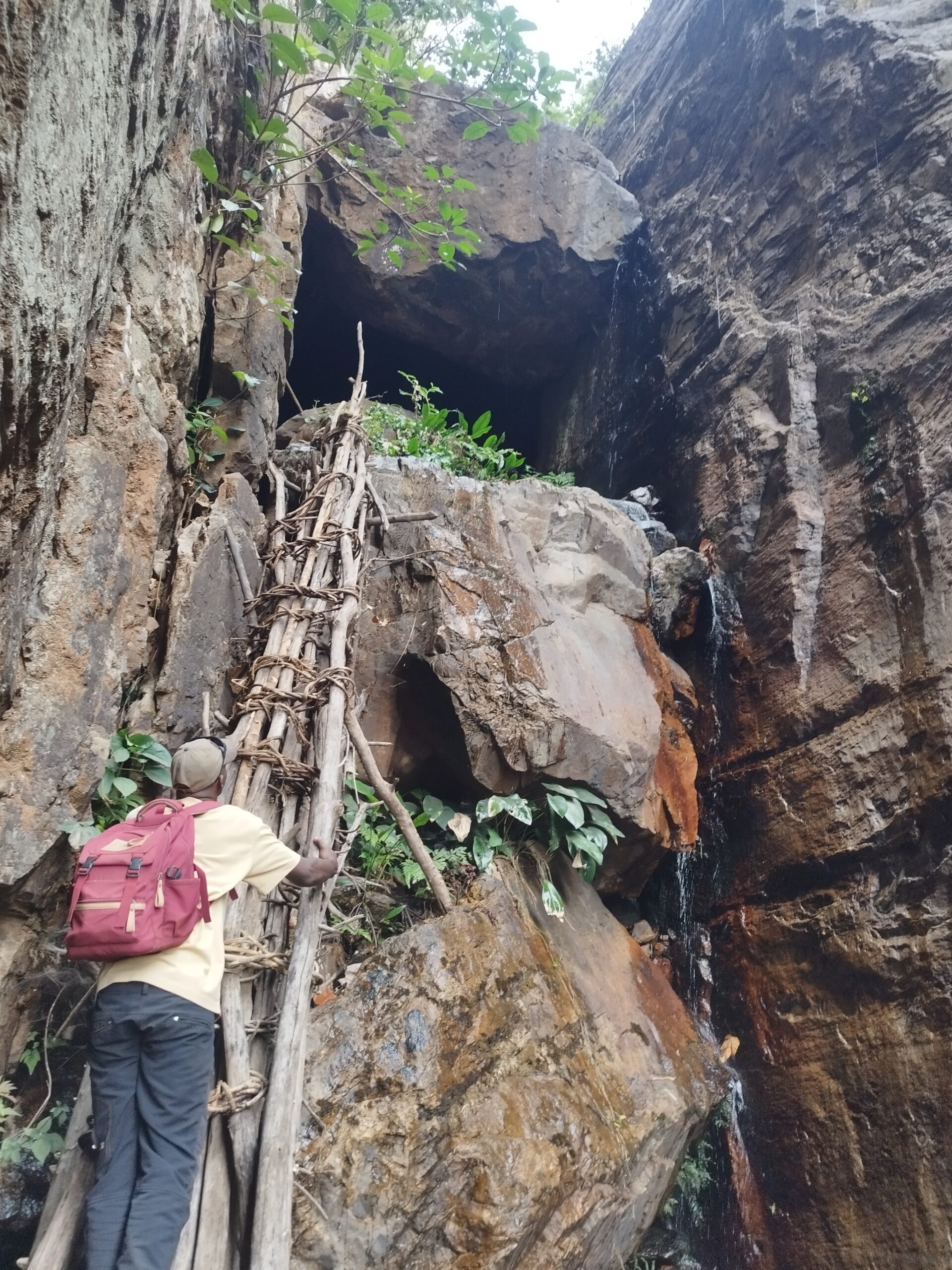
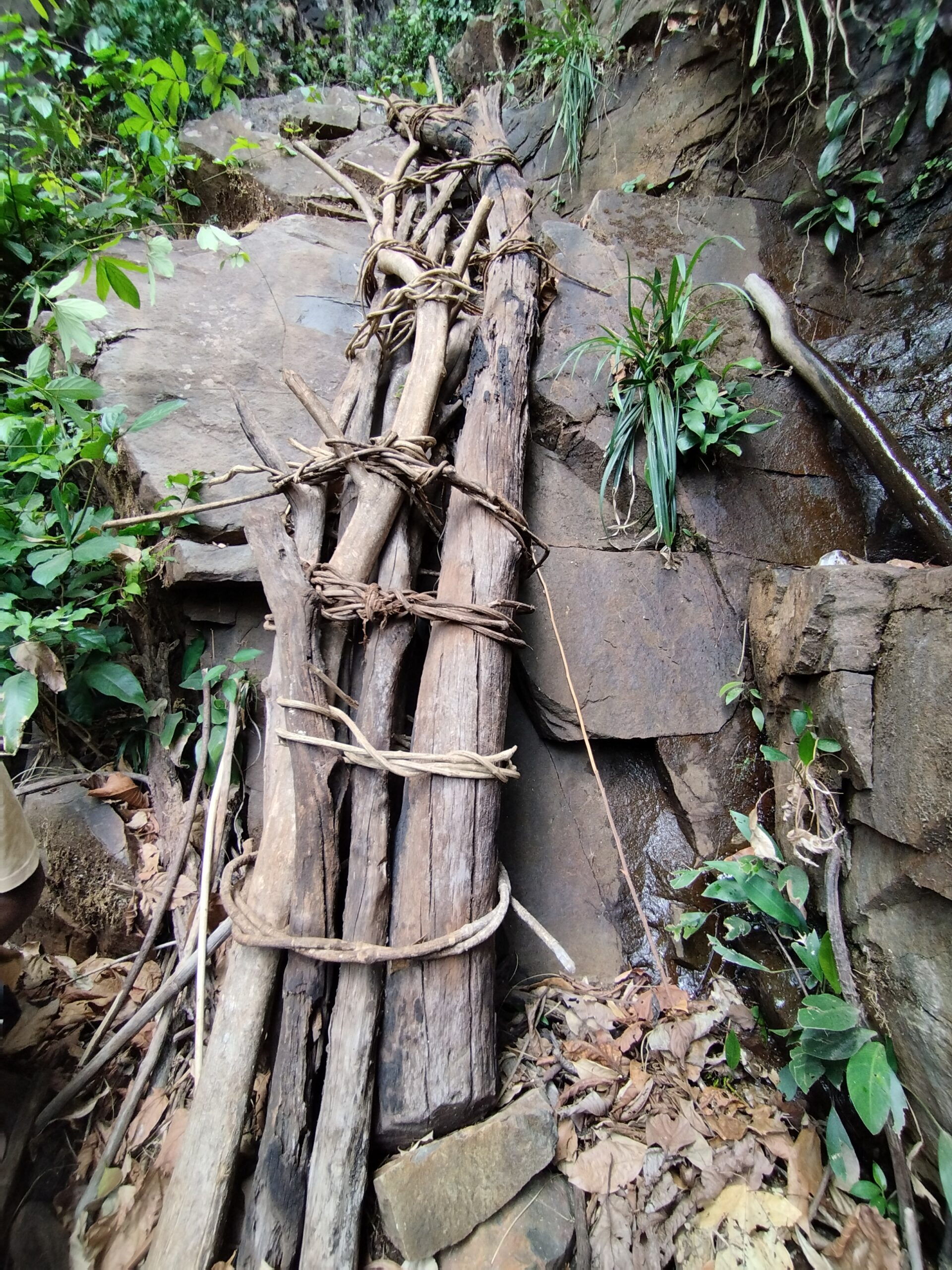
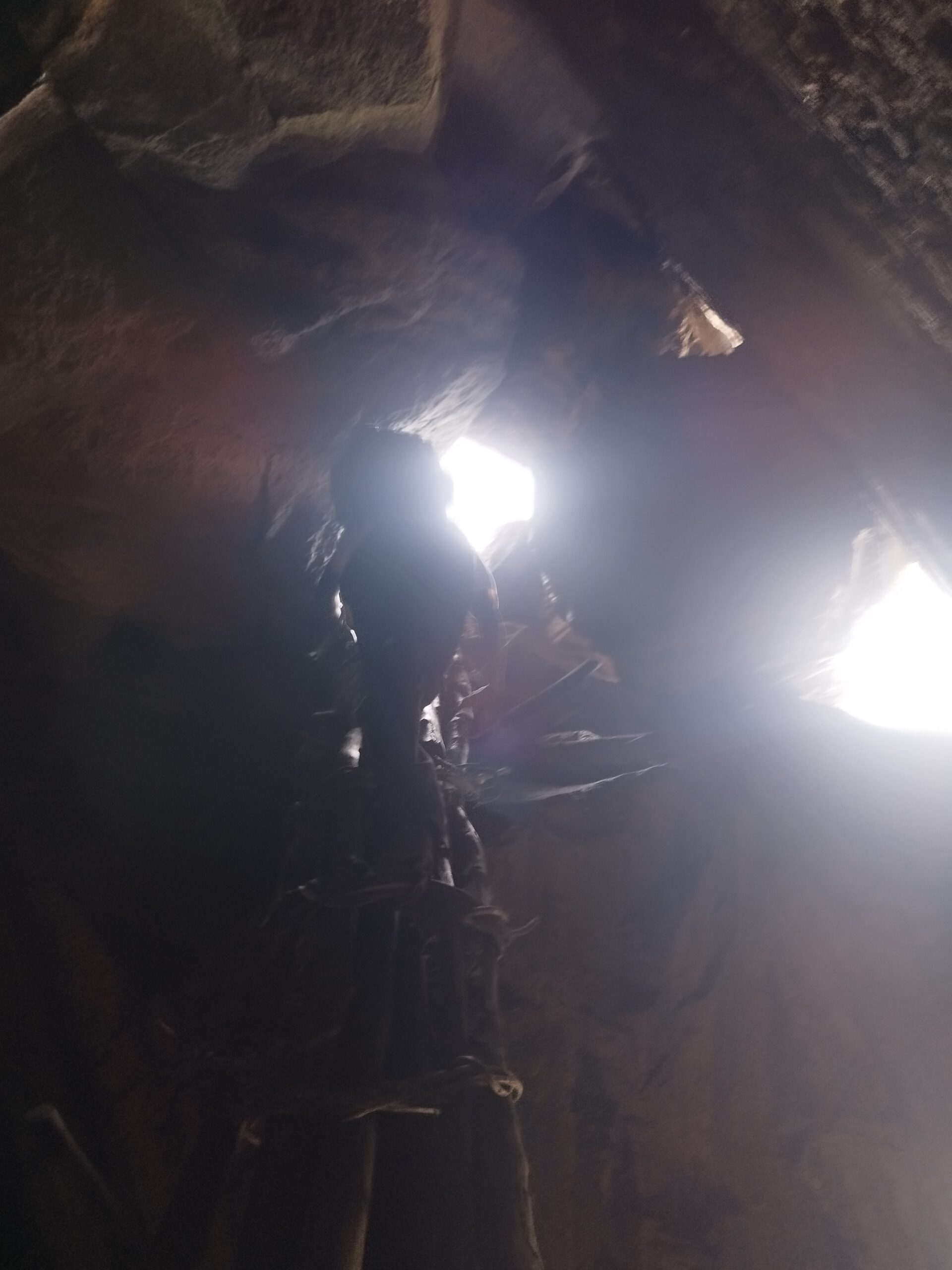
Once at the bottom, we were met with a stunning view. After a walk through the valley and a lunch by a waterfall, we reached our biggest challenge. There was a shorter route back up, which required climbing nine ladders made by locals from vines and thick branches to reach the top of the canyon. From below, it looked more intimidating than expected, but as we climbed ladder by ladder, we started enjoying it more. After 18 kilometers and 1,000 meters of elevation gain, we arrived back in Doucki.
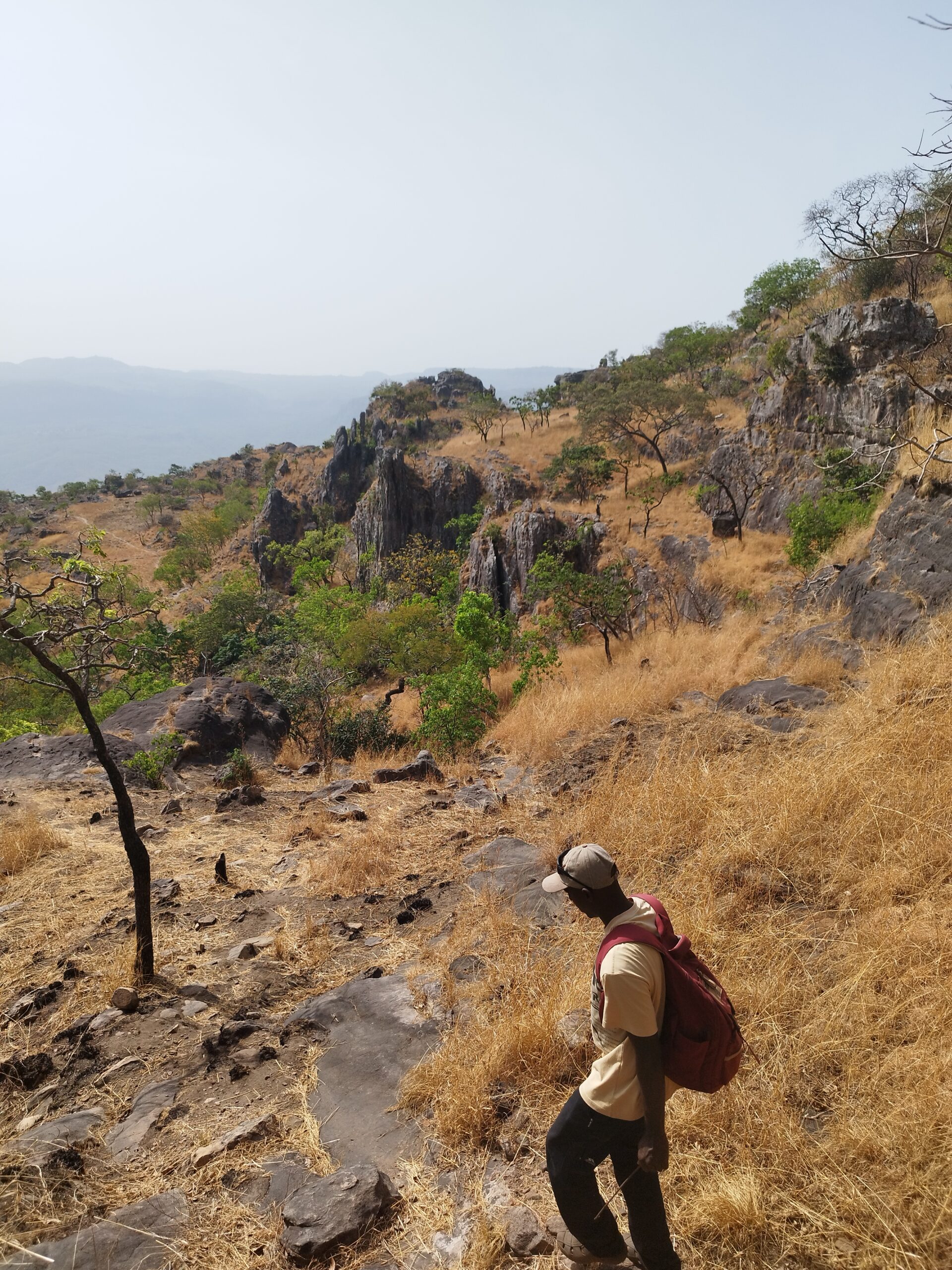
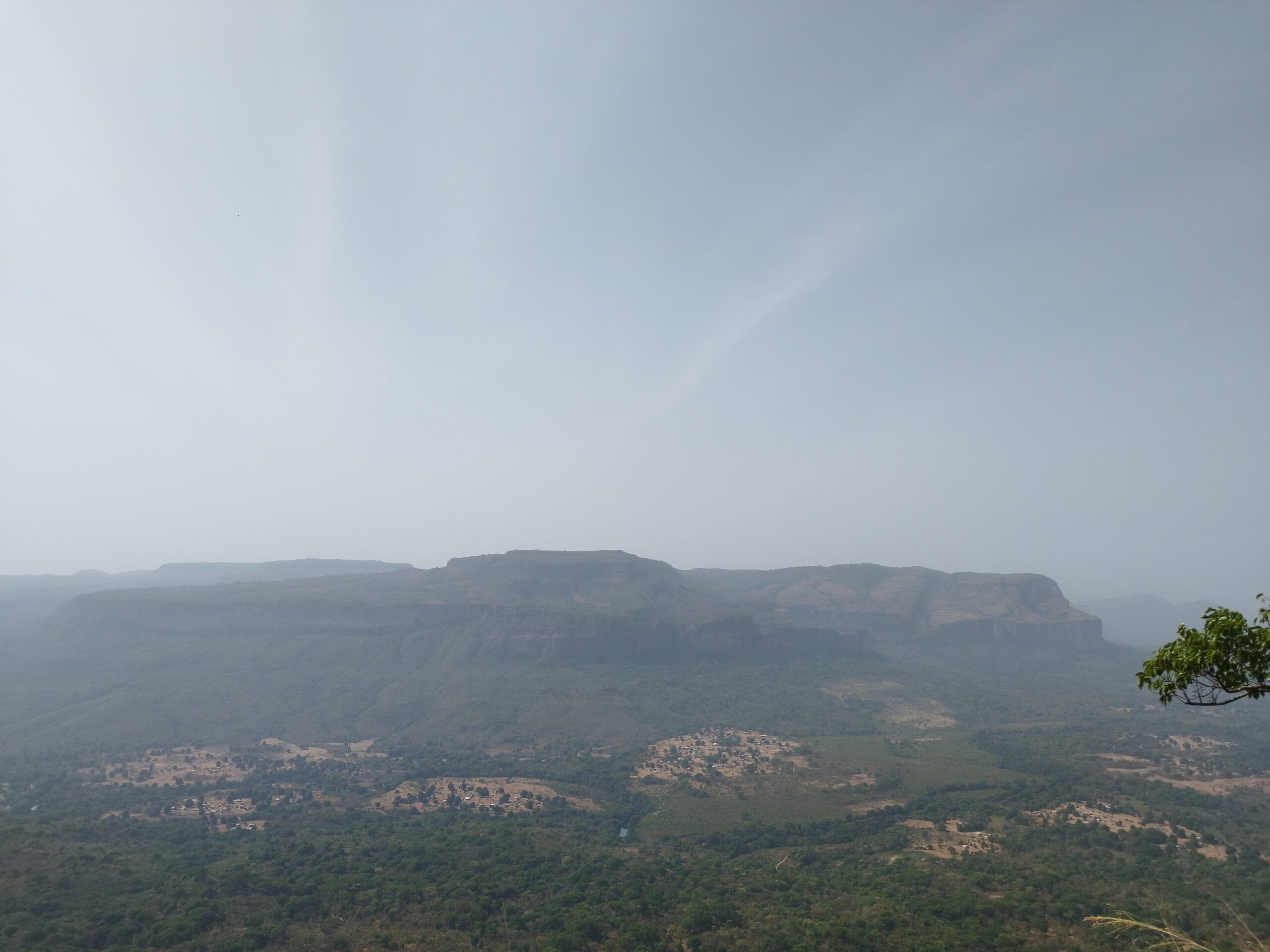
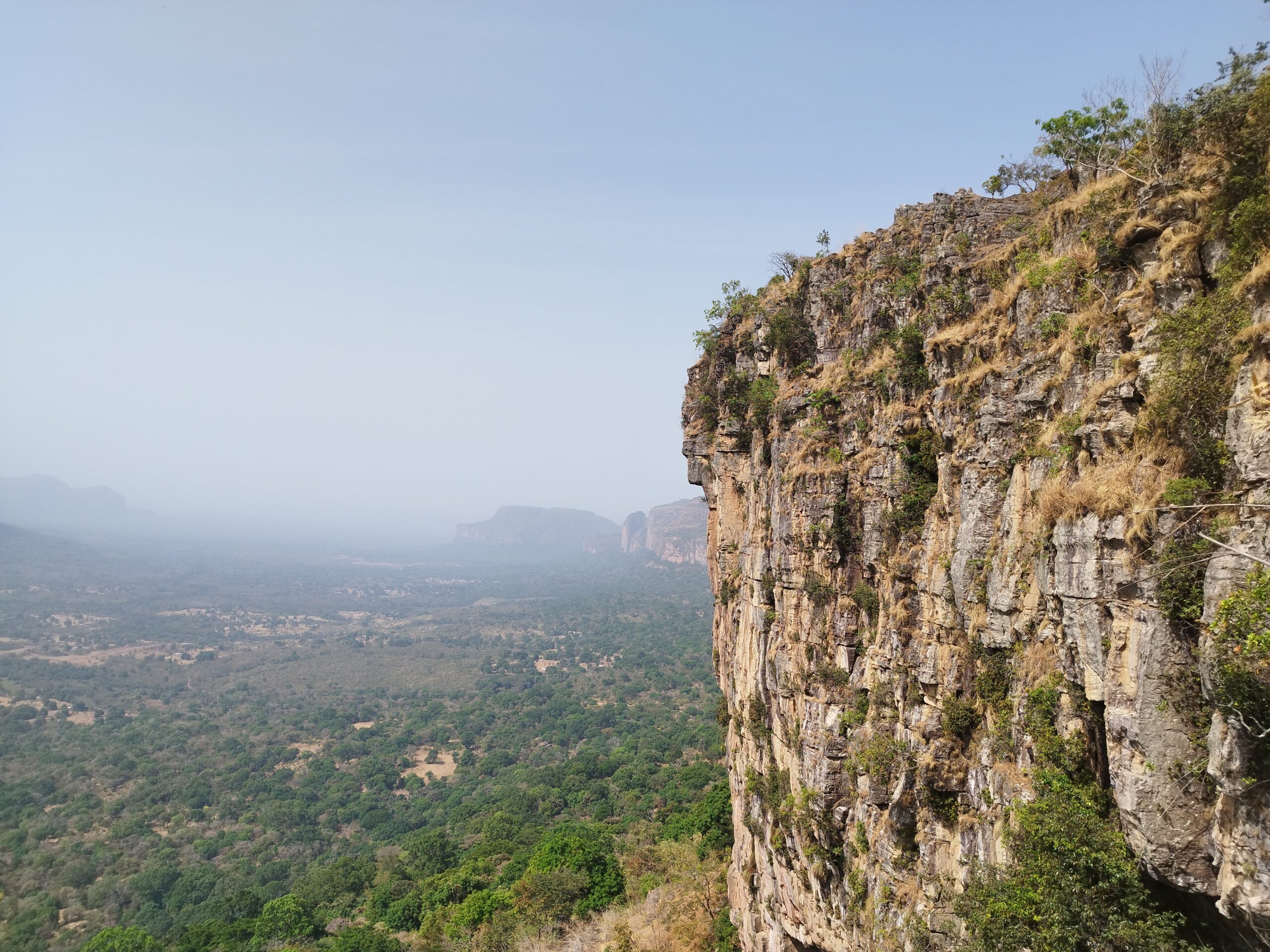
That evening, in addition to the usual sweet potato leaf sauce (served with small fish and rice), we were treated to a surprise: Hassan’s wife made beef soup. We hadn’t eaten soup anywhere in West Africa, and the familiar taste of home was a comforting treat after the hike.
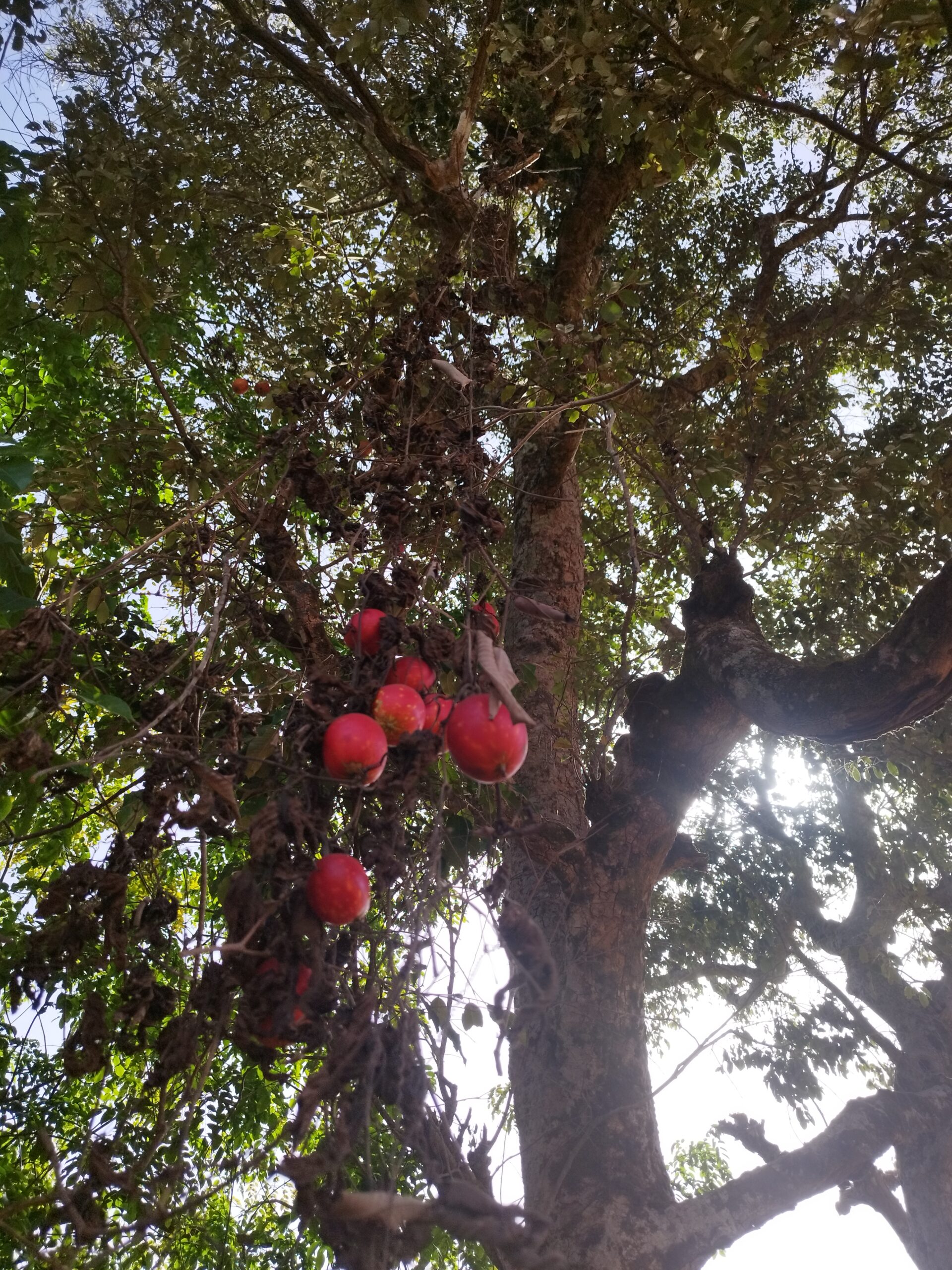
Guinean (and West African) cuisine is characterized by heavy use of palm oil and chili. By this point, our stomachs were starting to struggle—although everything was delicious, it was vastly different from what we were used to, and it took a few weeks to adapt. Hassan showed us that they also grow Sichuan pepper—just a few days earlier, we had felt its numbing effect in one of the dishes. They also have a variety of colorful chili peppers that are not only extremely spicy but also add a unique flavor to the food.
Chili is either added whole to dishes, chopped into salads, or made into spicy sauces. One thing is certain—there’s no meal without at least a little (or a lot of) spice. For example, the sweet potato leaf sauce contained a whole red habanero pepper, which Eszti mistook for a tomato and ate in one bite. The result? Her mouth went numb for 10 minutes! The next day, Hassan showed us that only a tiny cut should be used from that pepper.
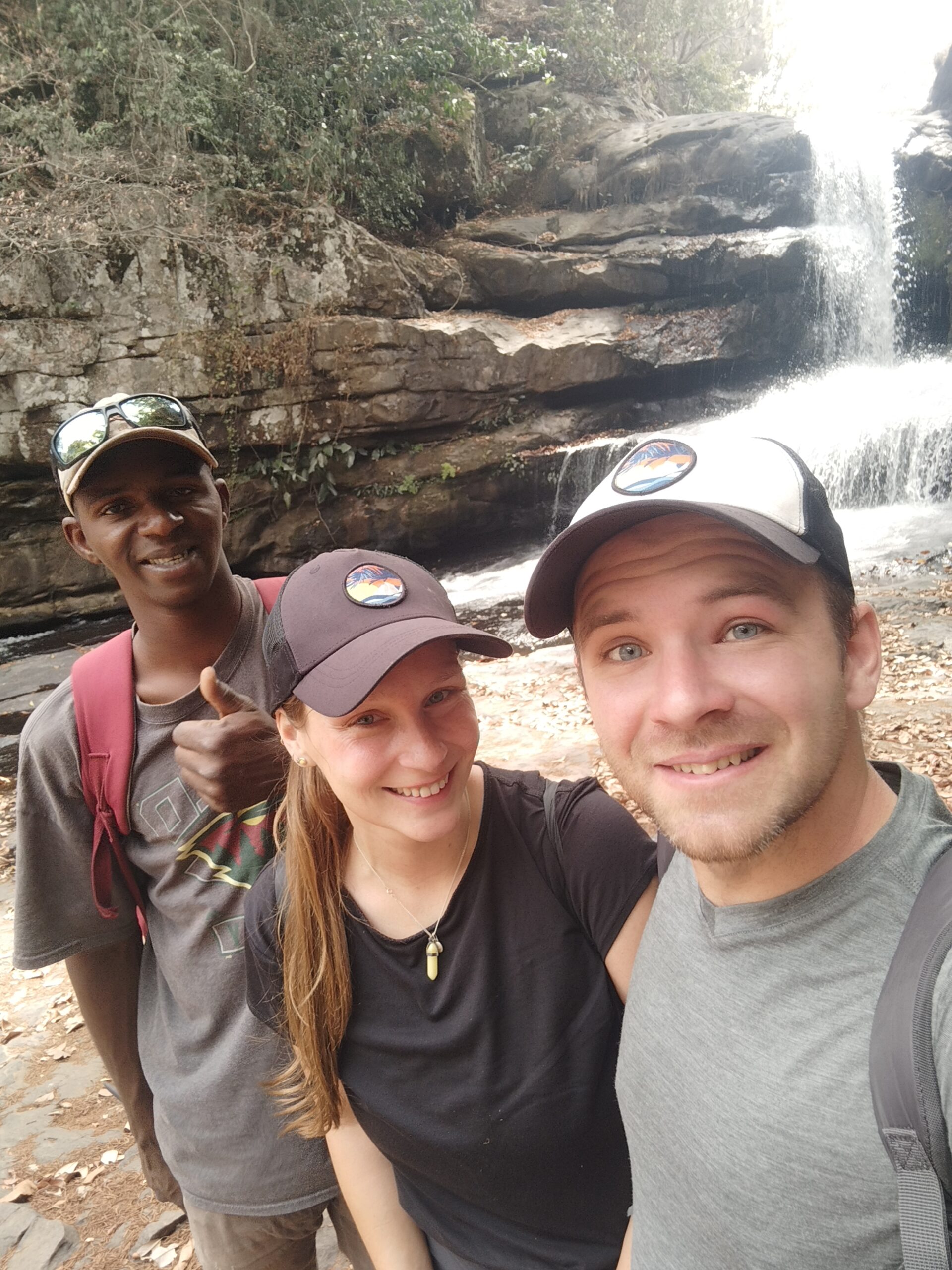
Since we were enjoying the hikes so much, we decided to stay an extra day and join the “Wet and Wild” hike. This took us to three waterfalls, and we swam in a natural pool formed by a river. After that, we said our goodbyes and set off for the capital, Conakry, where we had to arrange visas for the next legs of our journey.