February 5-7: As we were driving out of our wild camping spot on the sandy road, we started to feel that something was wrong with Mezi (that’s what we call our car because of its license plate). We hoped to make it to the capital, still about 500 kilometers away, but the car was shaking more and more and was losing power completely. In the last 25 kilometers, we had to stop frequently, but we managed to reach a small town called Boutlimit, about 165 kilometers from Nouakchott. To our great surprise, a tiny roadside mechanic’s shed immediately pulled out a tablet, ran an engine diagnostic, and within 15 minutes, very cheaply, they fixed the issue so that we could safely make it to Nouakchott. There, we looked for a larger garage (repair shop).
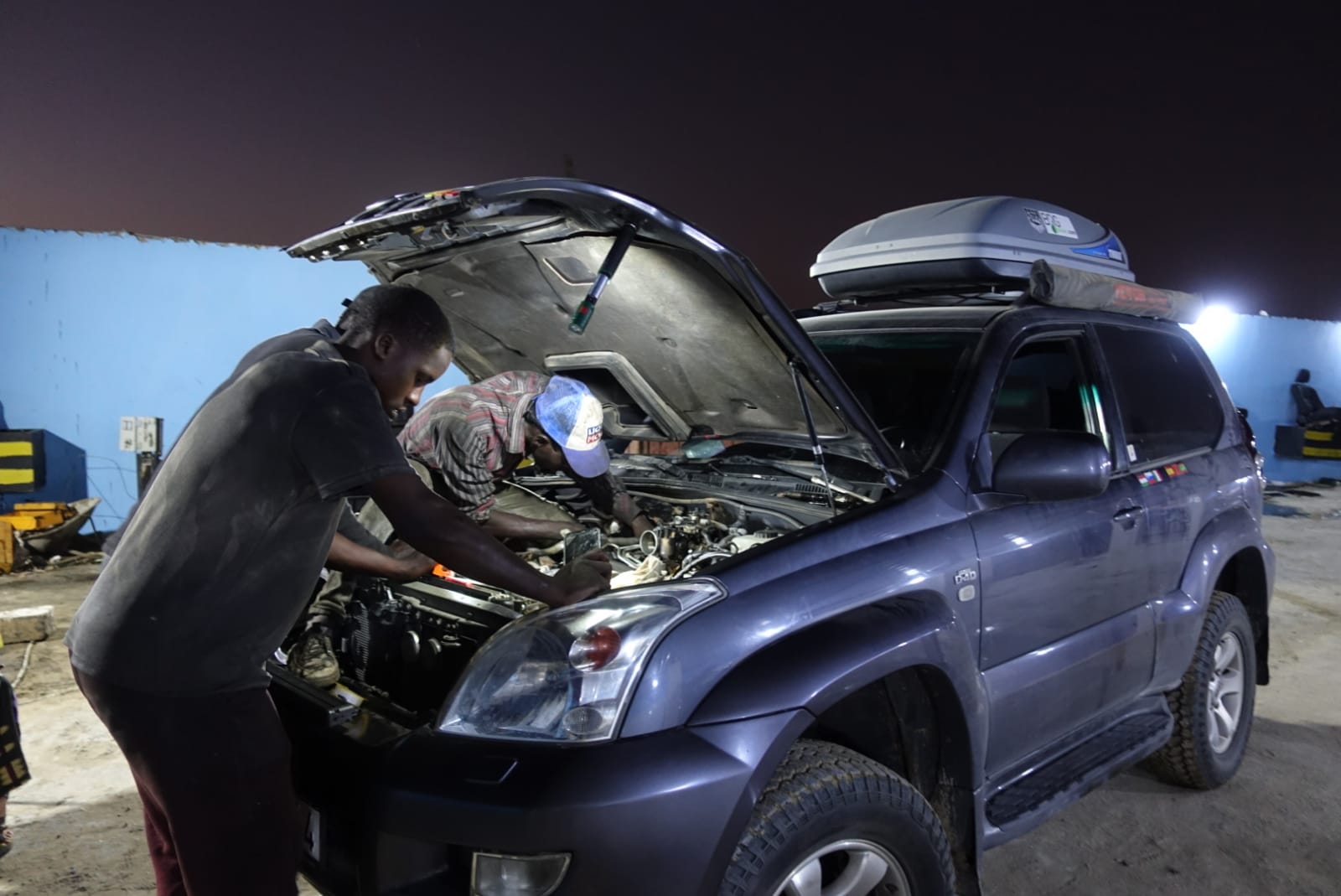
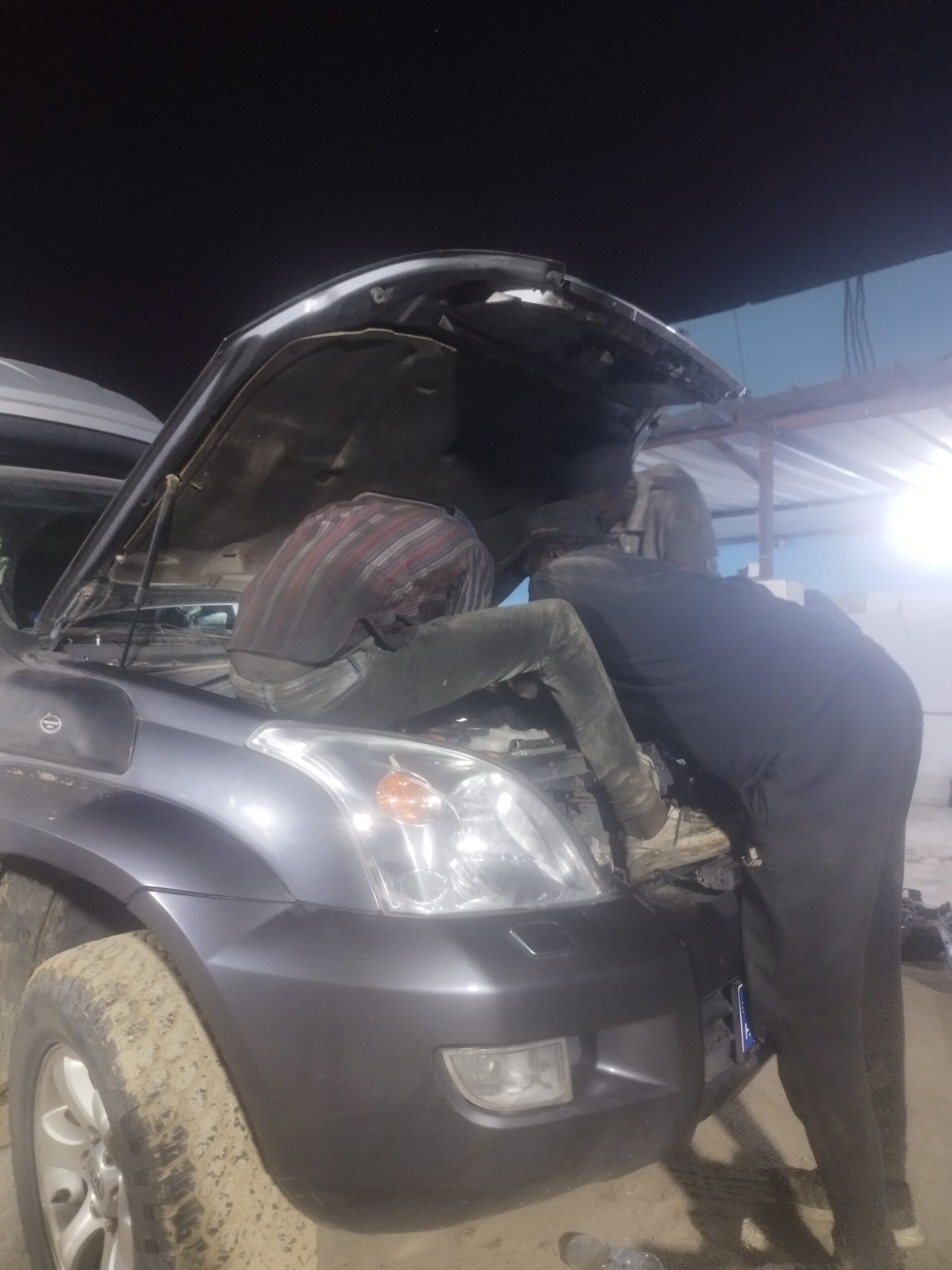
We were lucky because we already knew of a garage where we had asked for a quote for an oil change a week earlier, so we knew where to go. We arrived around five in the afternoon, and they worked on the problem until ten at night and then the entire next day – incredibly kindly, keeping us informed at all times. It turned out that choosing a Toyota really was a great decision in Africa, as everyone knows how to repair them, and they can get any spare parts needed!
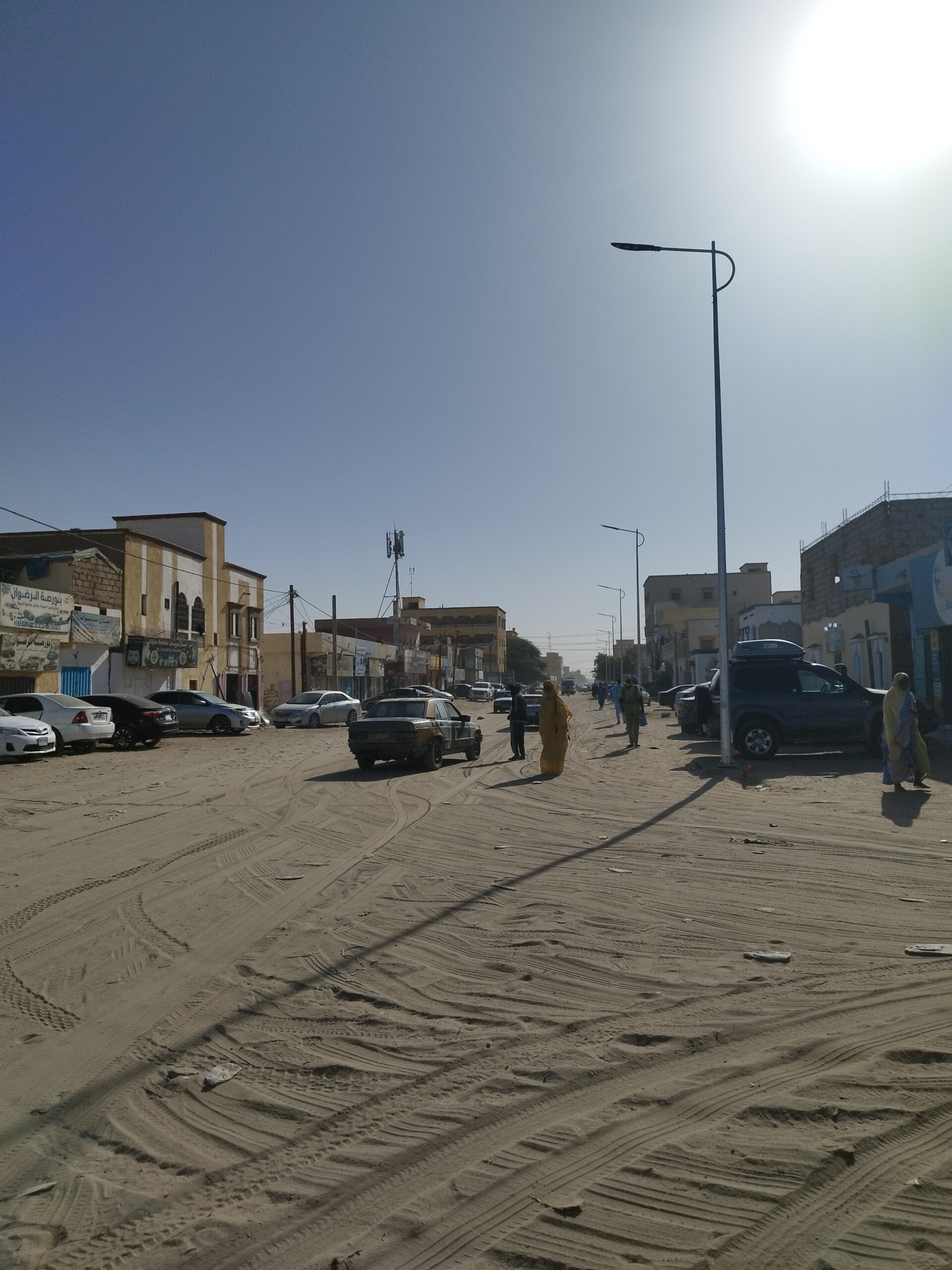
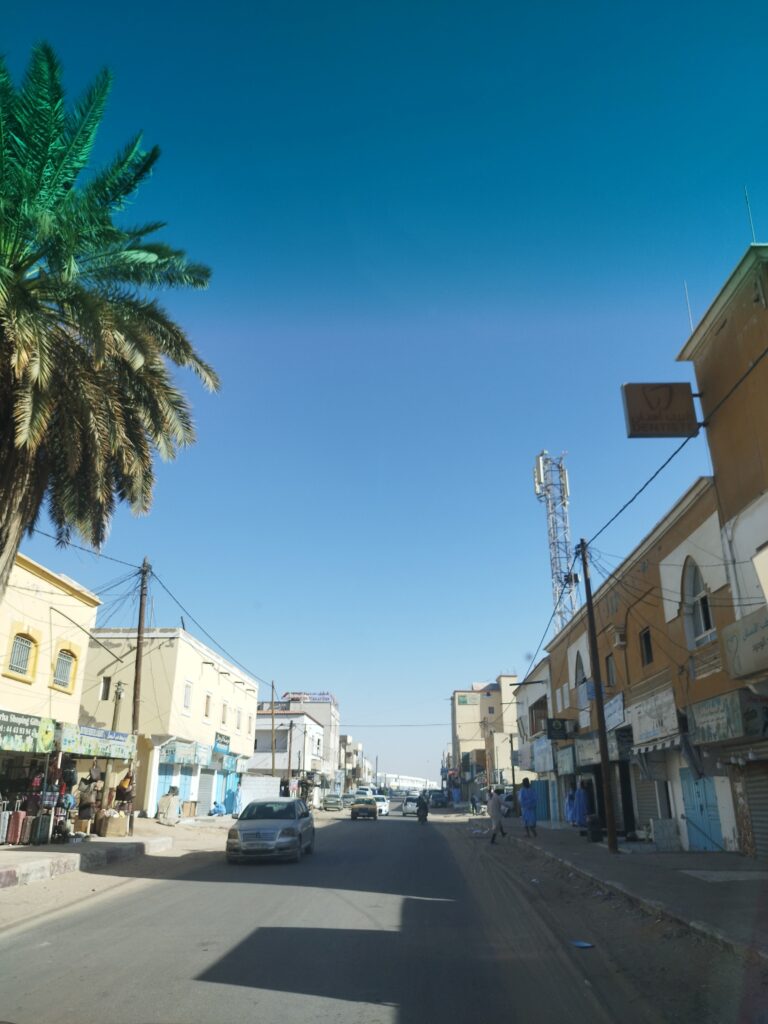
While our car was being repaired, we explored Nouakchott. The city has almost 1.5 million inhabitants, but it feels more like a large village. Its history supports this feeling: it was chosen as the capital in 1958 when it was still just a small fishing village, but due to droughts and increasing desertification, more and more people moved here.
After breakfast – we had breakfast three times at the same street vendor lady, who makes incredibly delicious onion-salad-egg sandwiches – we first wanted to go to the fish market and the fishing port  , which was about 10 kilometers from our accommodation. Since Samba, our host – who was an excellent host, by the way – wasn’t responding on WhatsApp, we decided to venture out on our own, even though we knew nothing about public transportation in Mauritania, as we had been driving everywhere so far. In Nouakchott, shared taxis and tuk-tuks are the main modes of transportation (we saw a few buses, but shared taxis are more popular). These taxis operate between two stops and pick up passengers along the way for a fixed fee. The taxis are old, five-seater Mercedes cars, but here, they carry seven people.
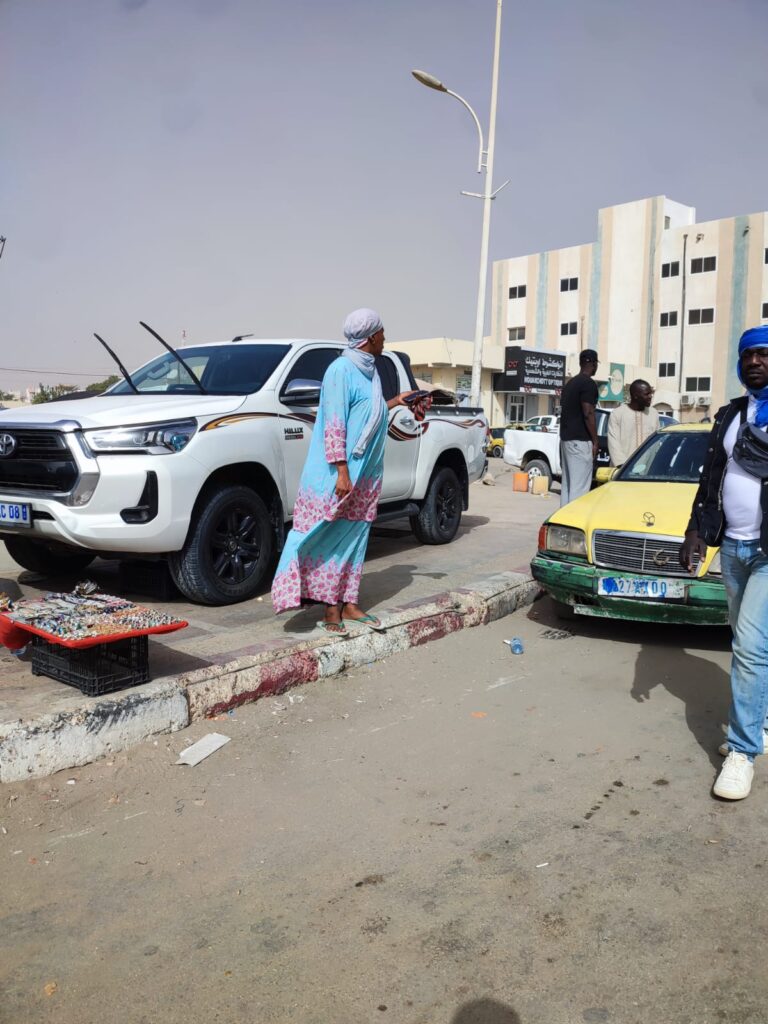
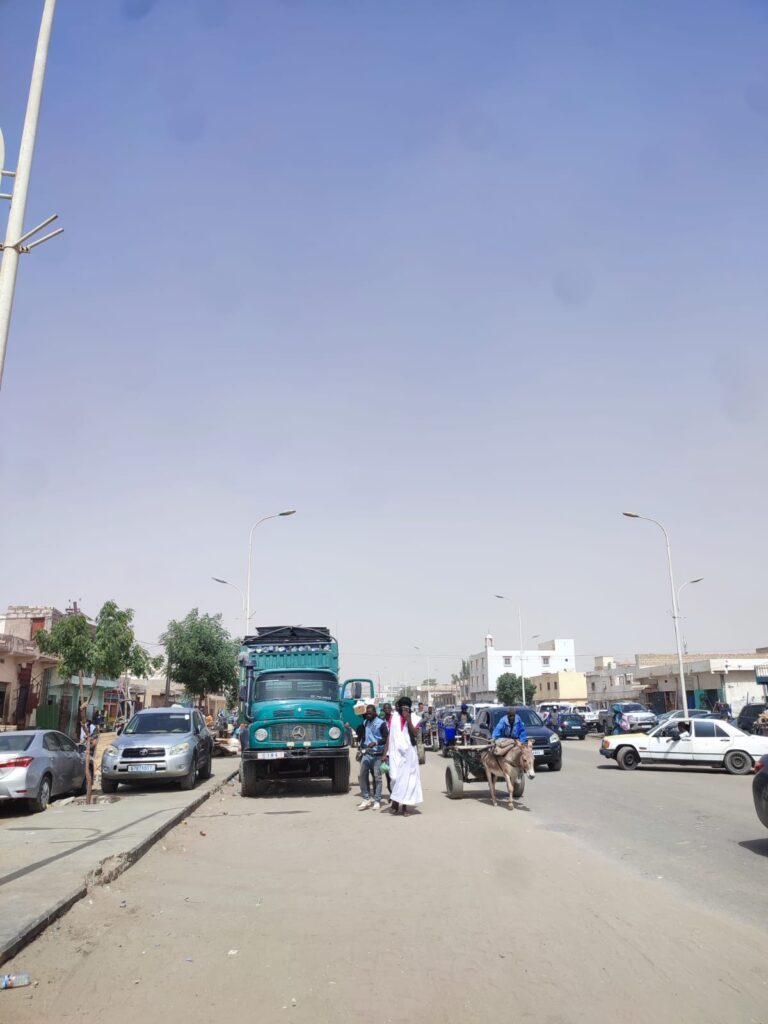
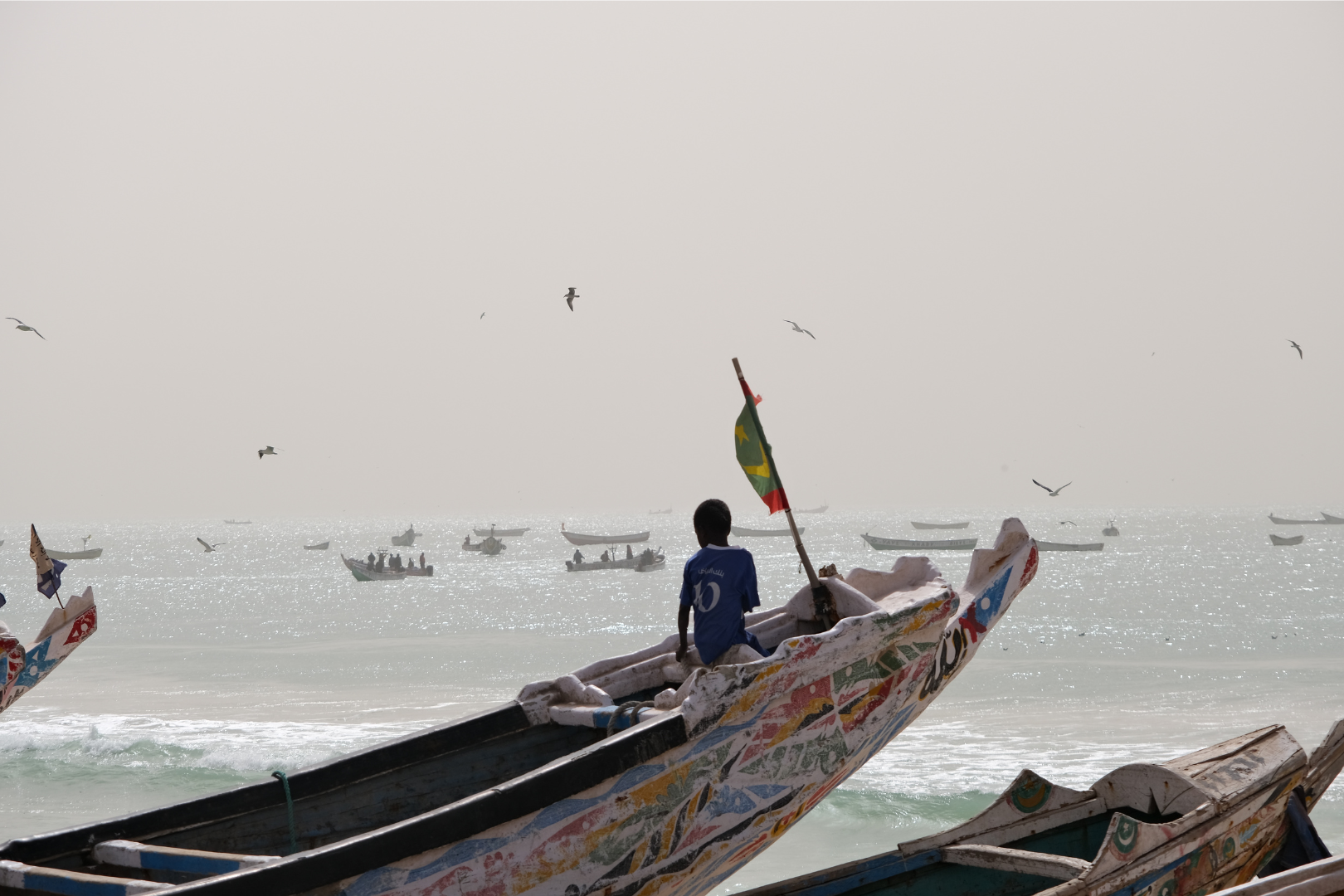
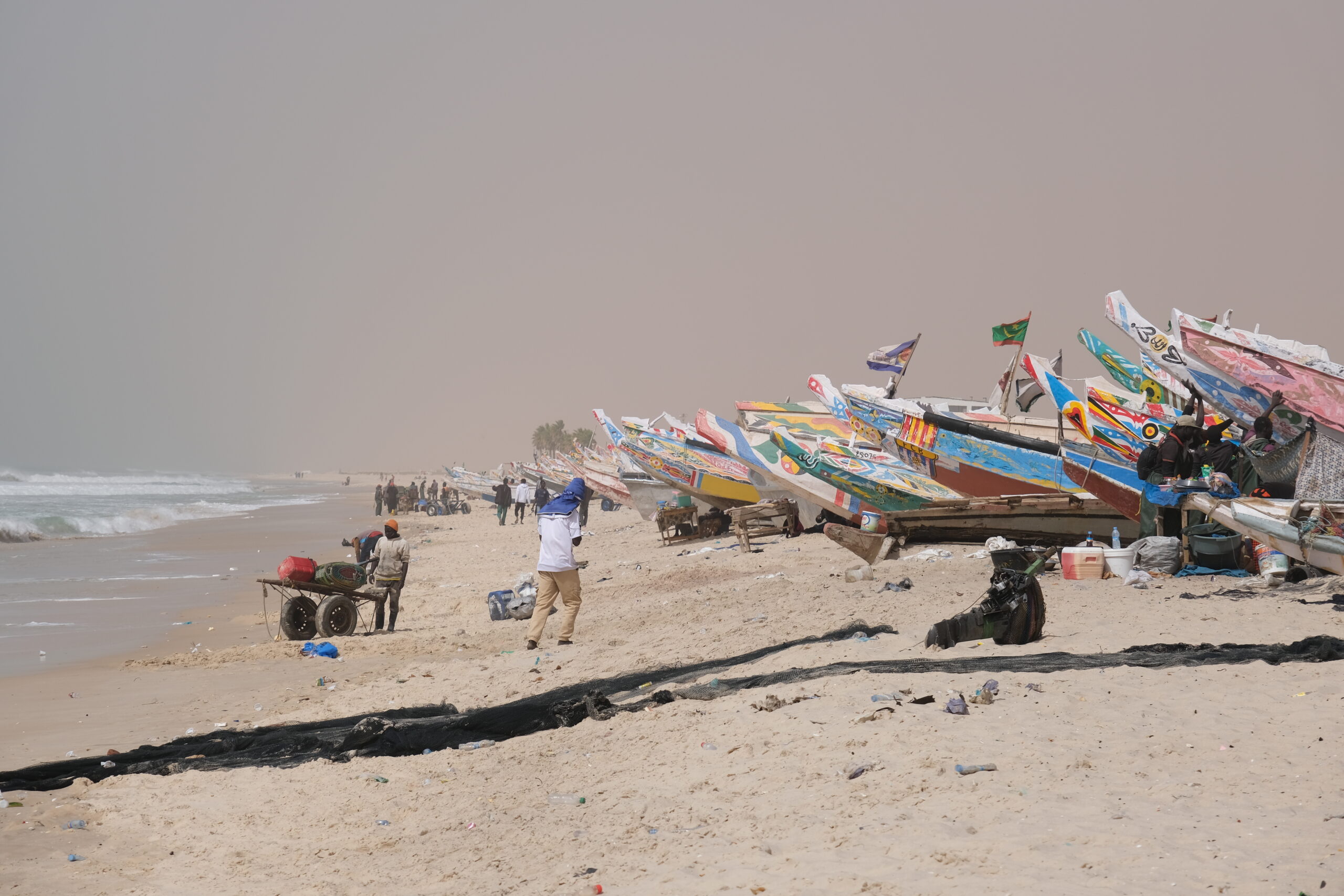
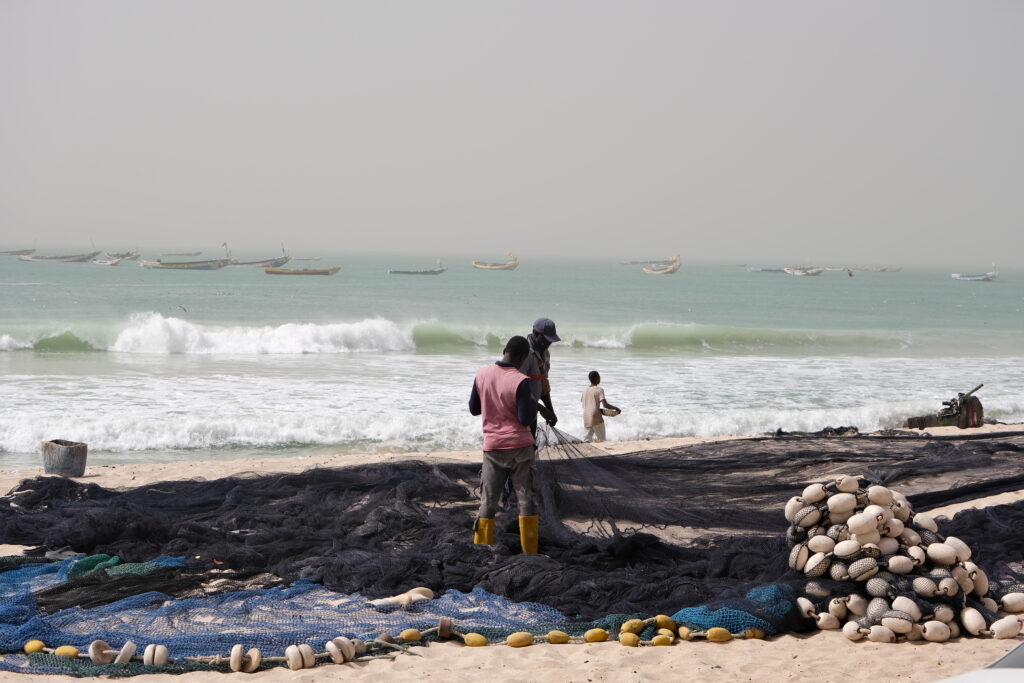
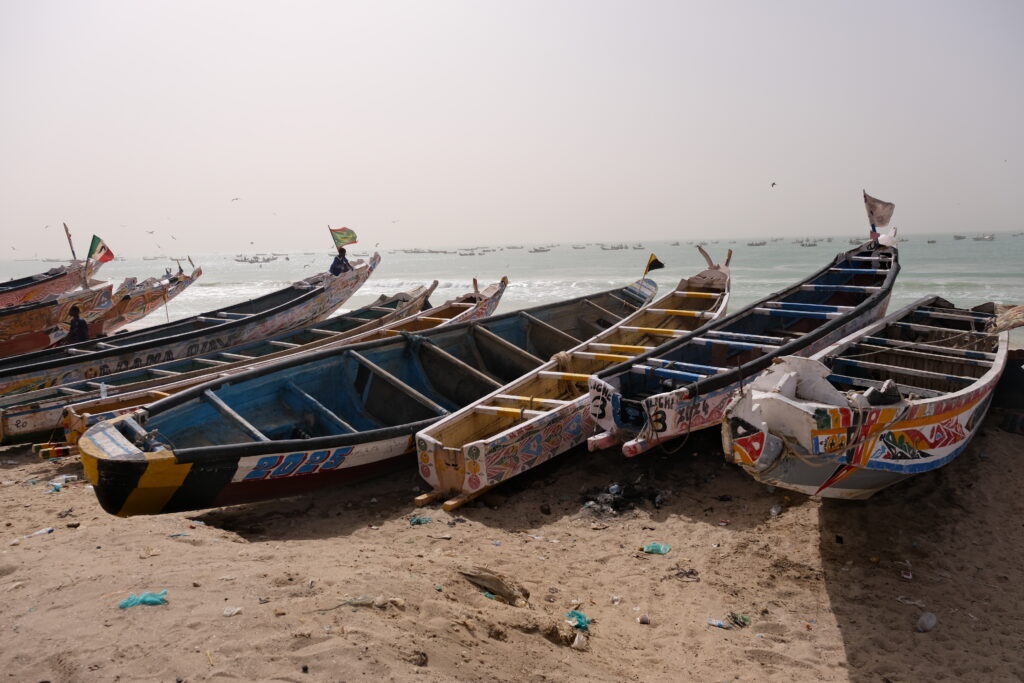
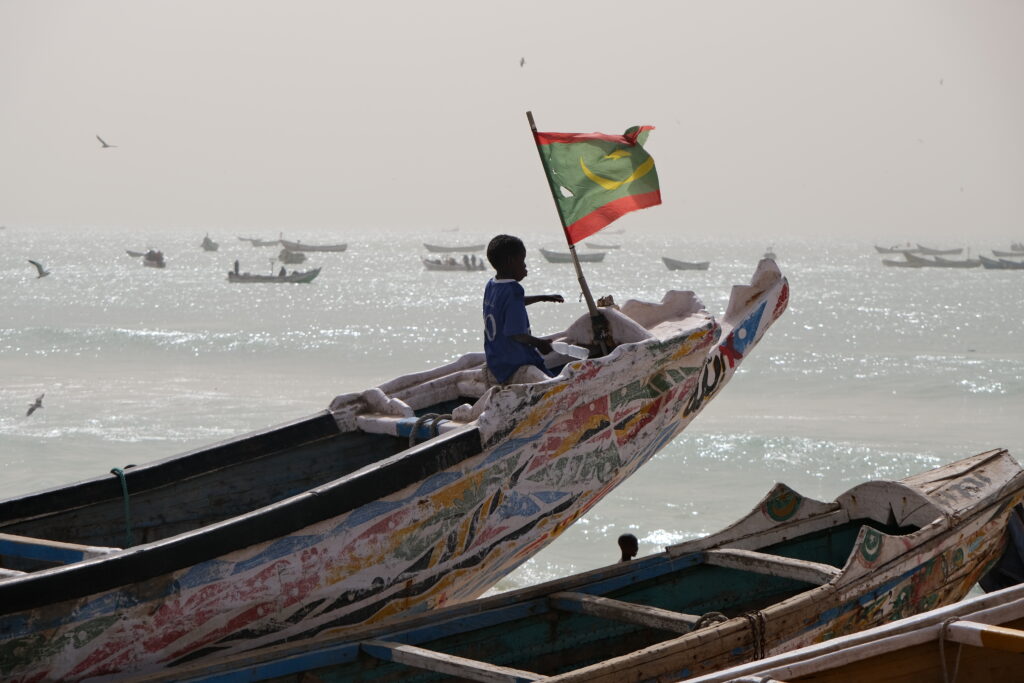
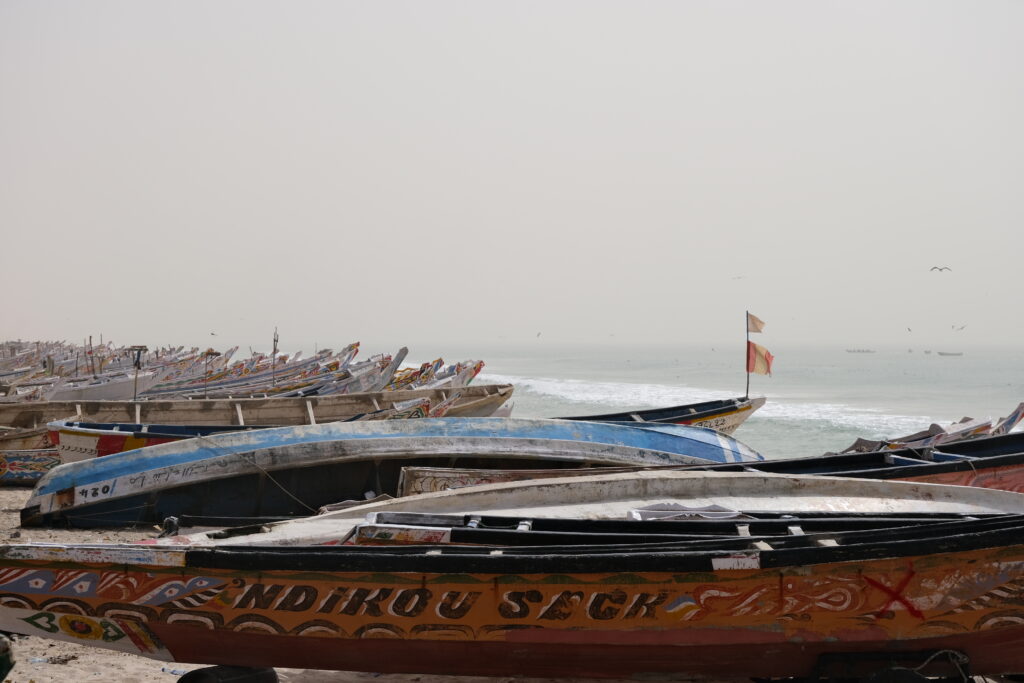
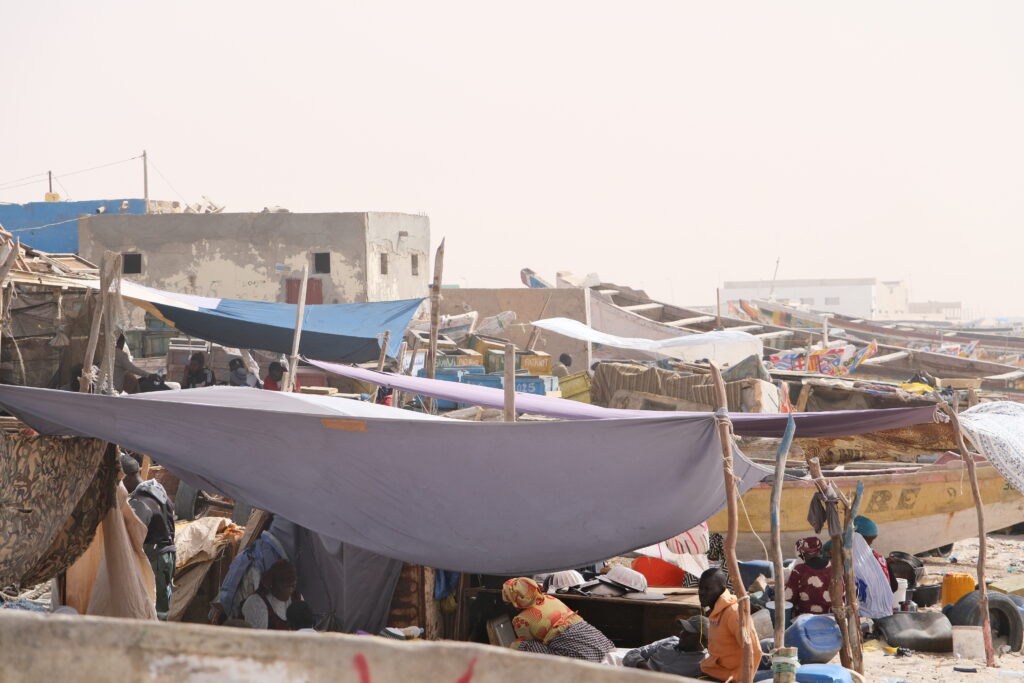
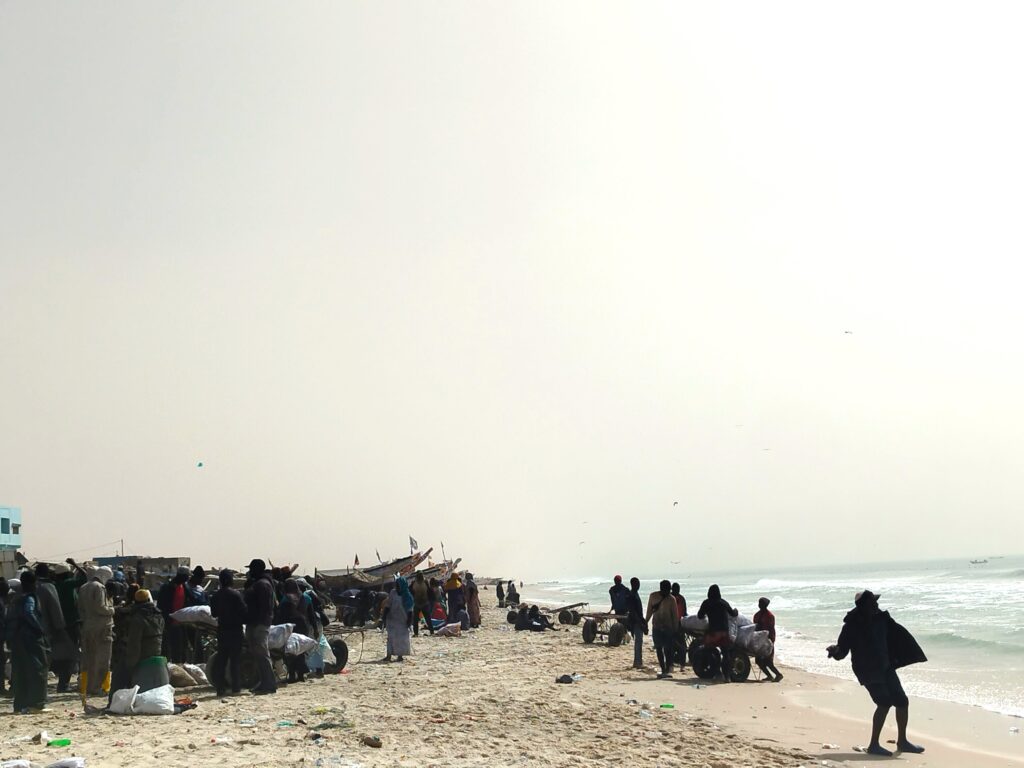
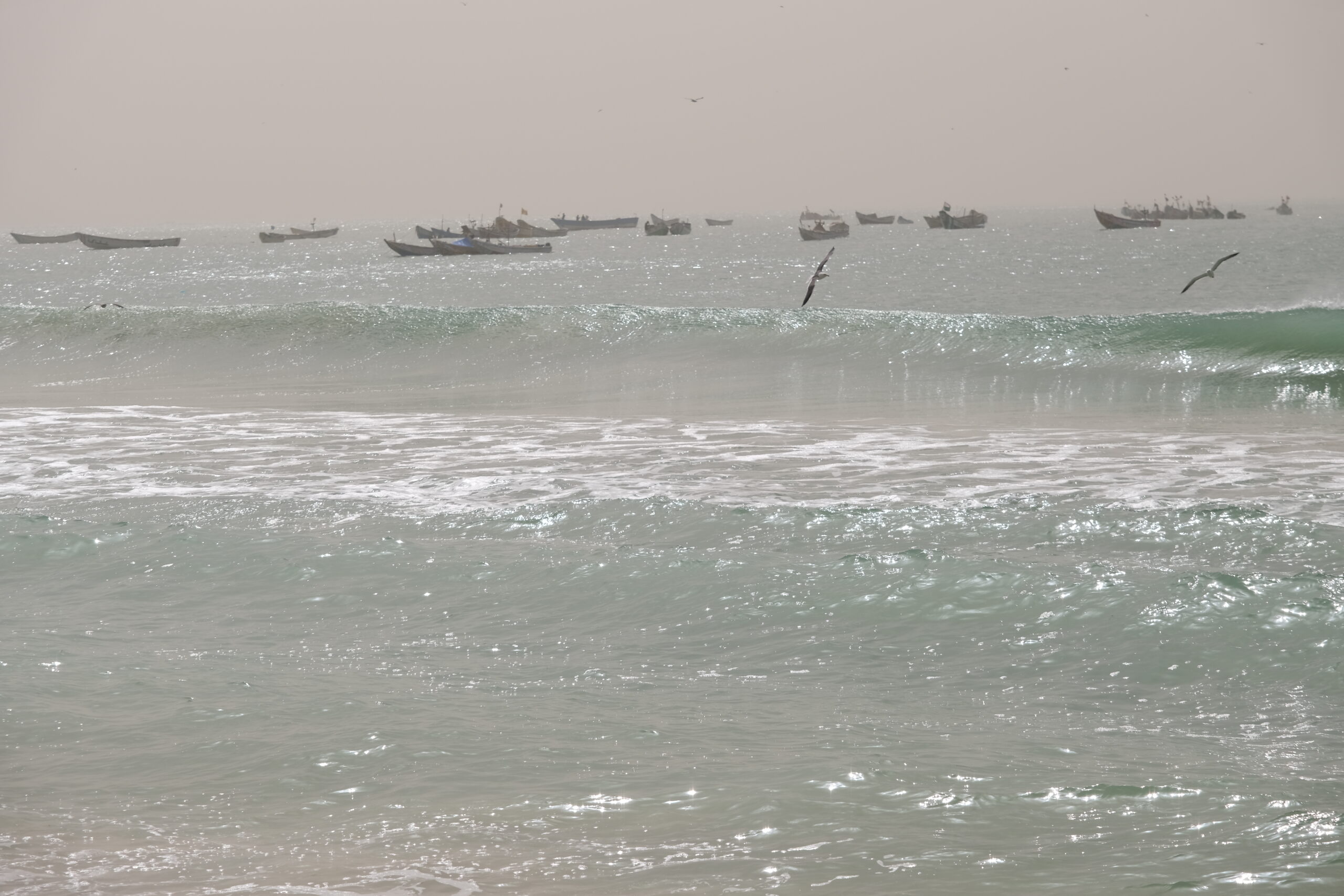
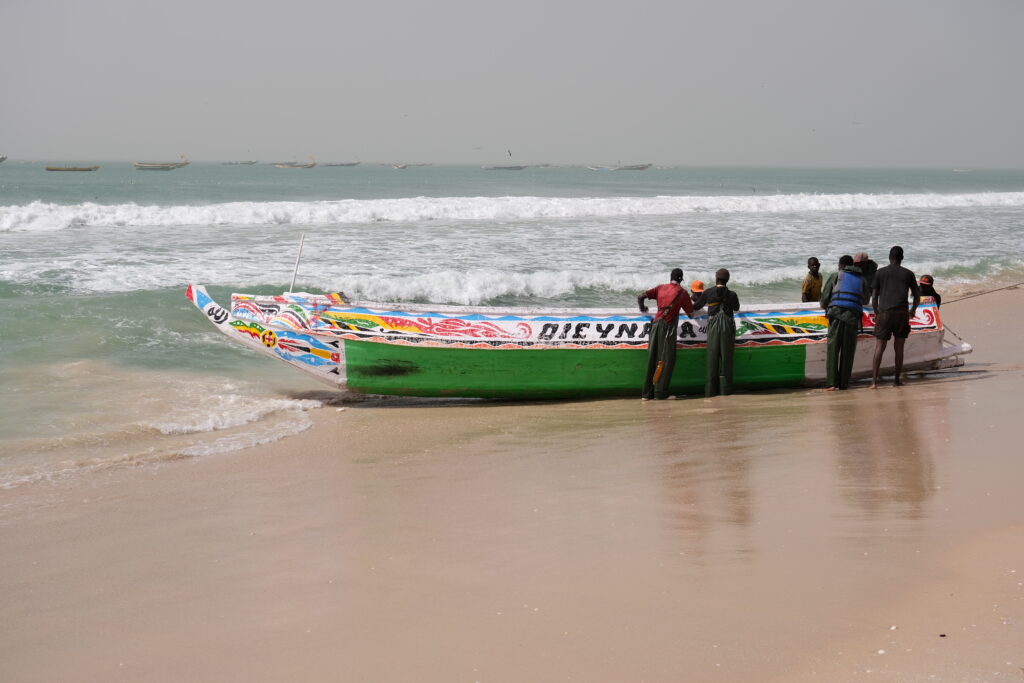
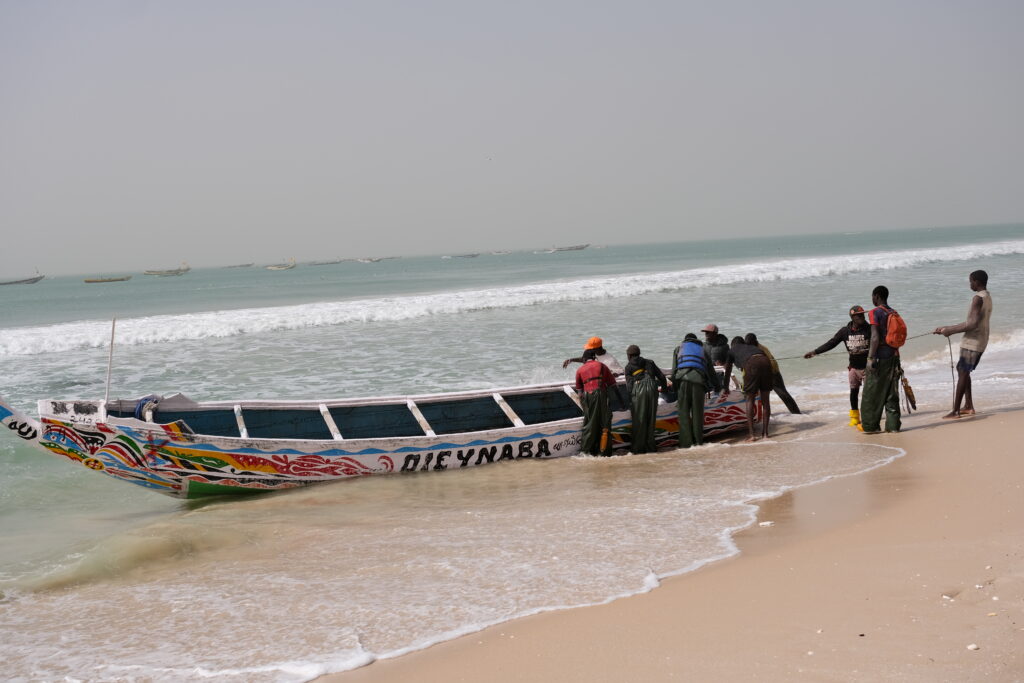
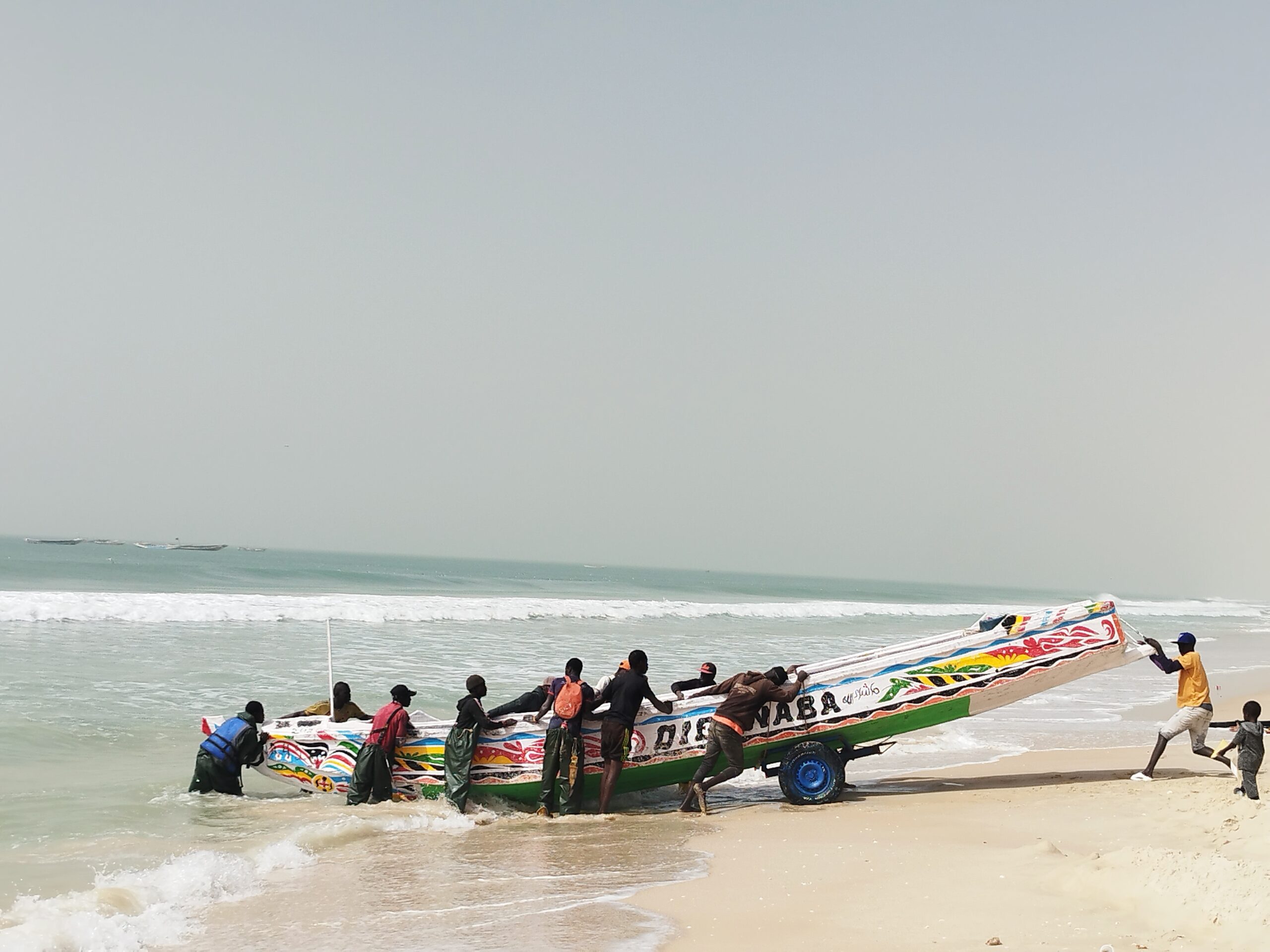
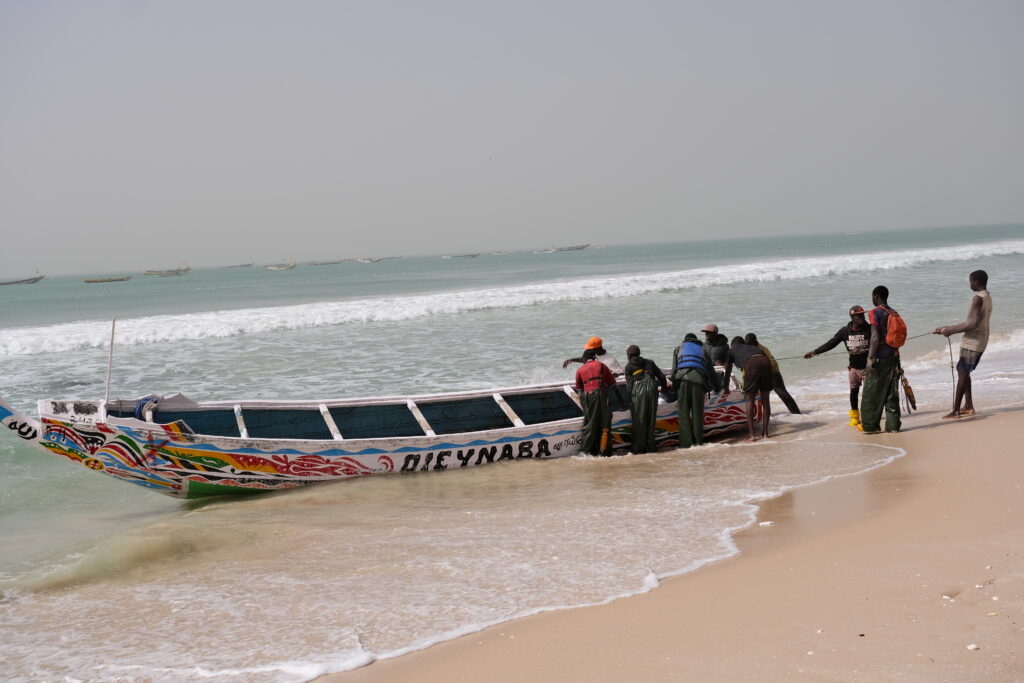
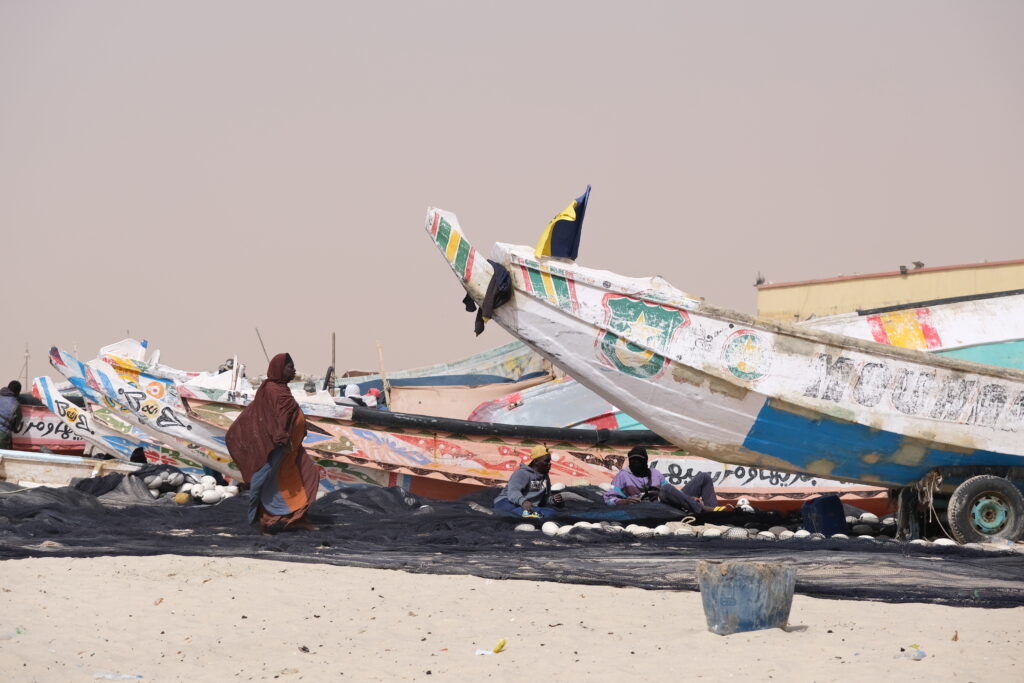
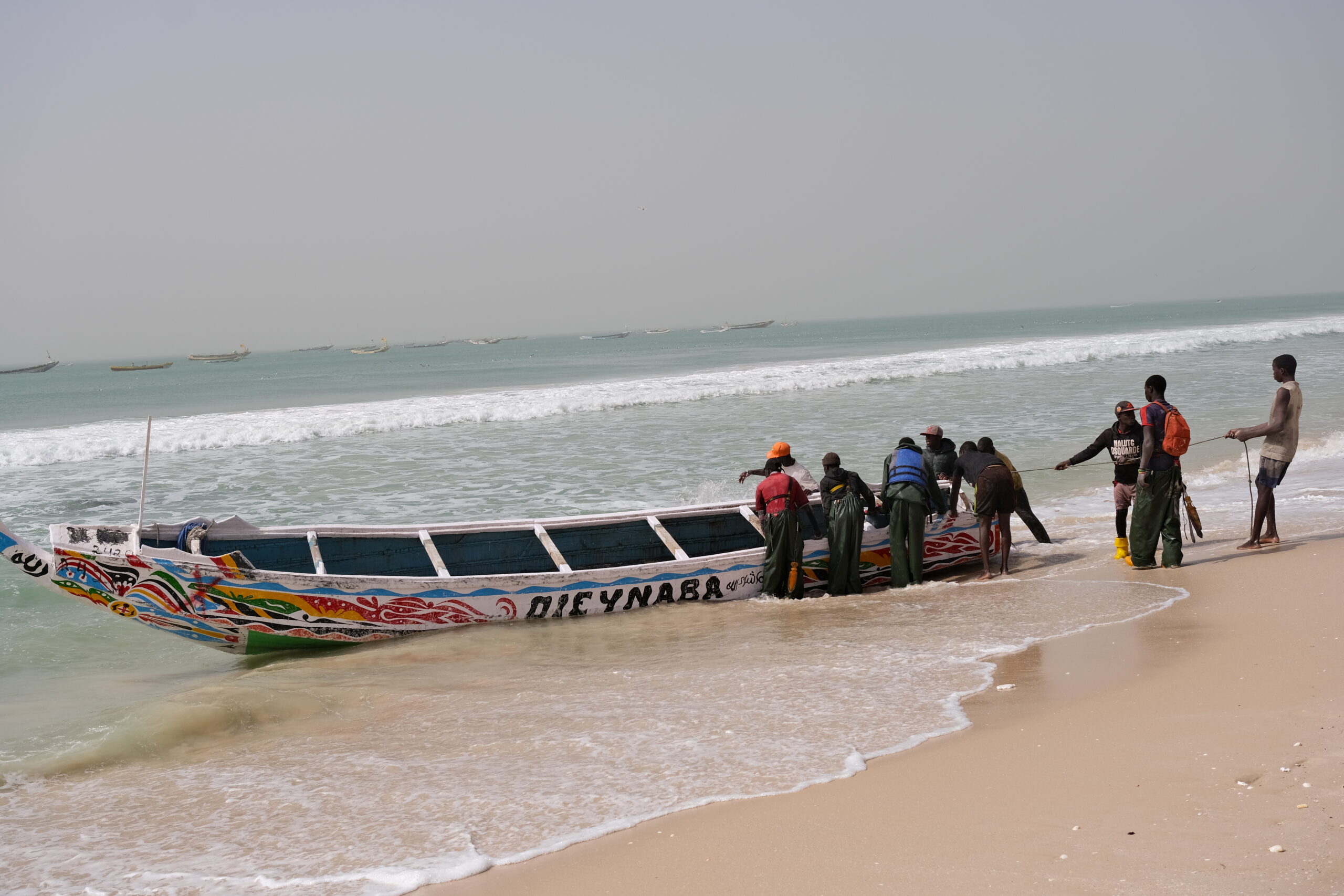
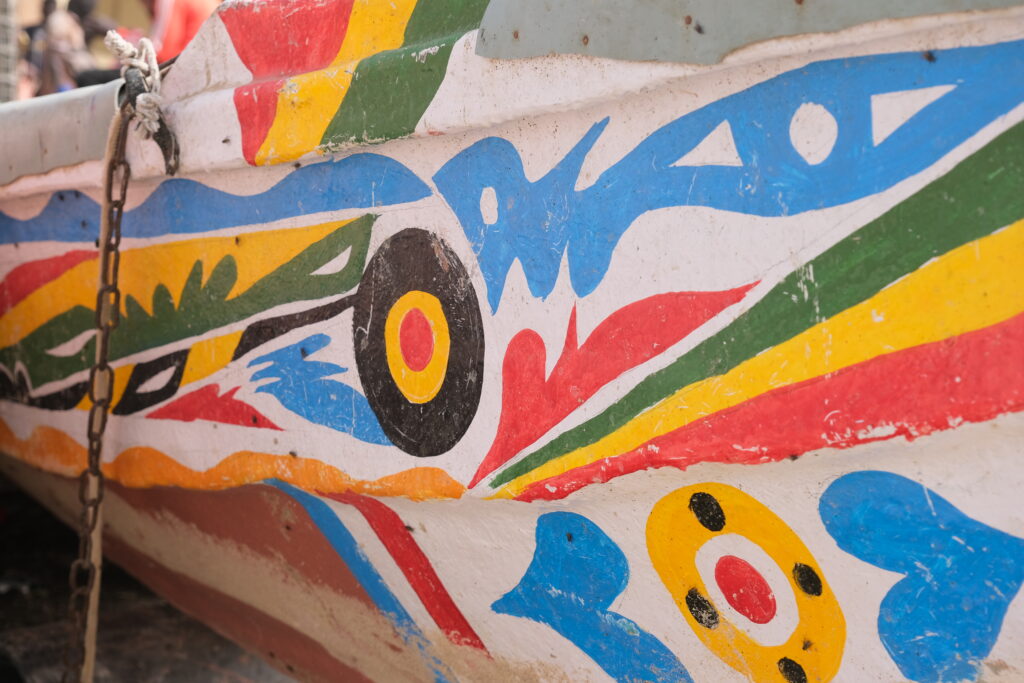
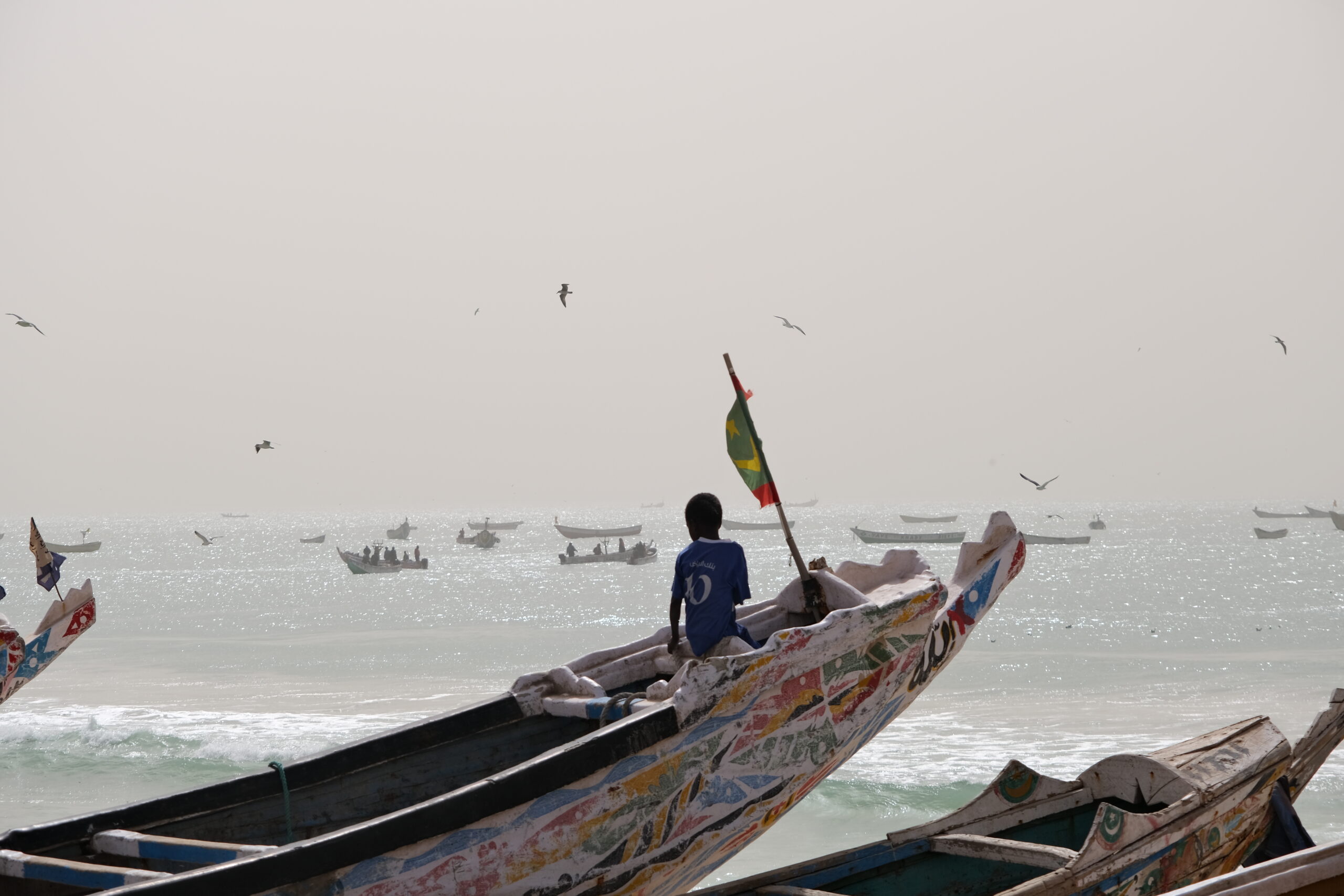
We had no idea which station to go to or which stop to get off at, and since our French is very basic, it took us almost three hours to reach the port. At first, we were taken to a fish market in the city center, where we walked around, talked to people, and finally found someone who spoke English. We were mesmerized by the bustling markets before finally reaching the fishing port. The sight was breathtaking: brightly painted pirogues and boats being pulled ashore by teams of ten to twenty men. The freshly caught fish were immediately sold to the market or small vendors.
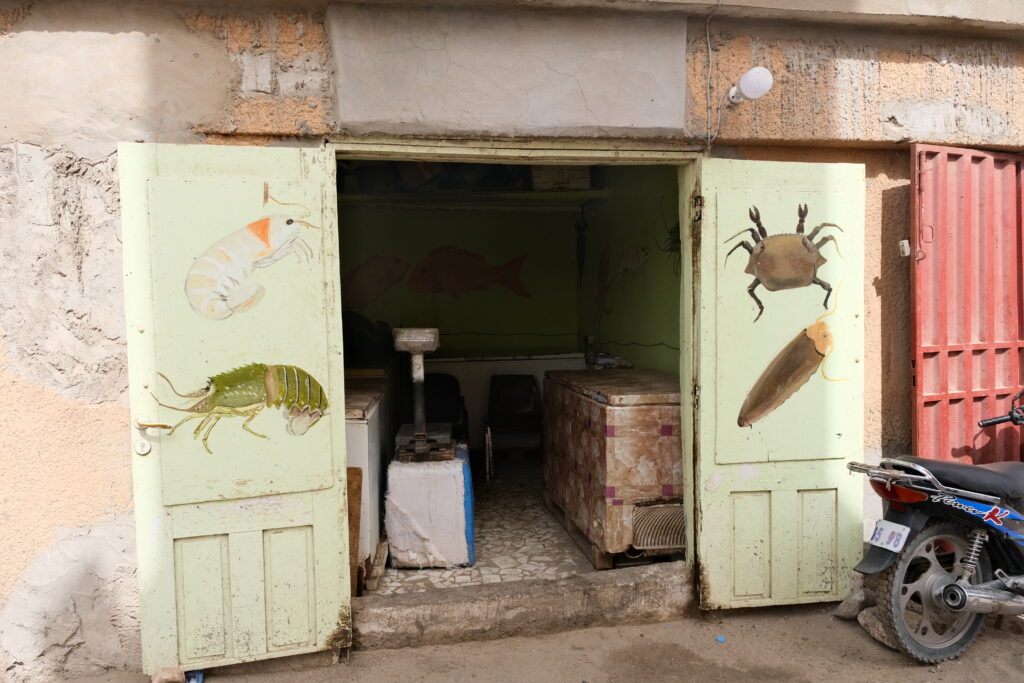
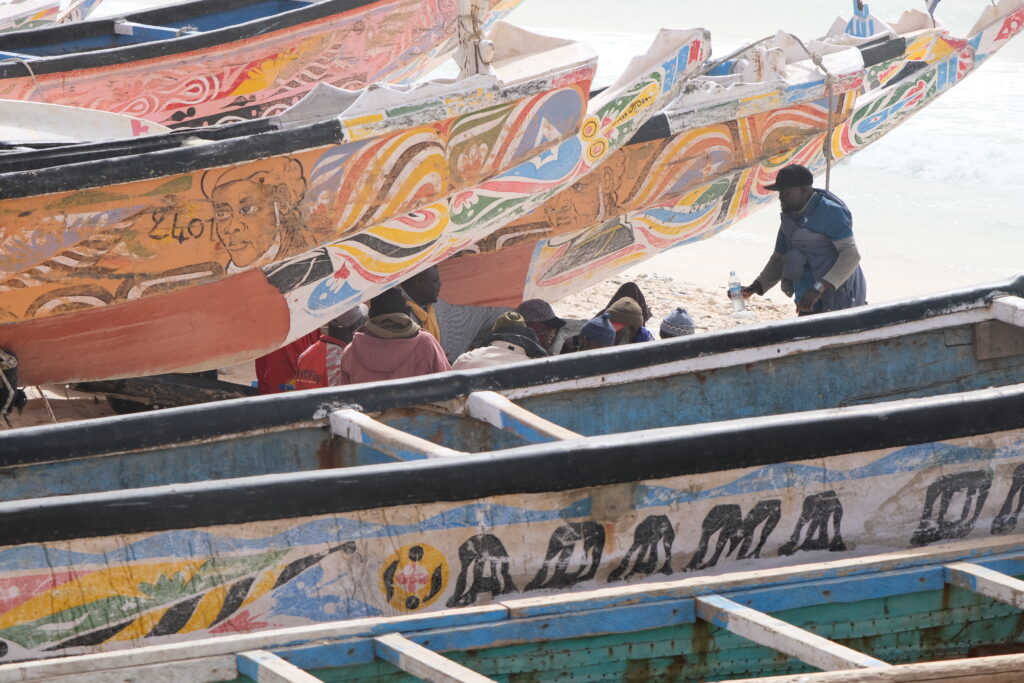
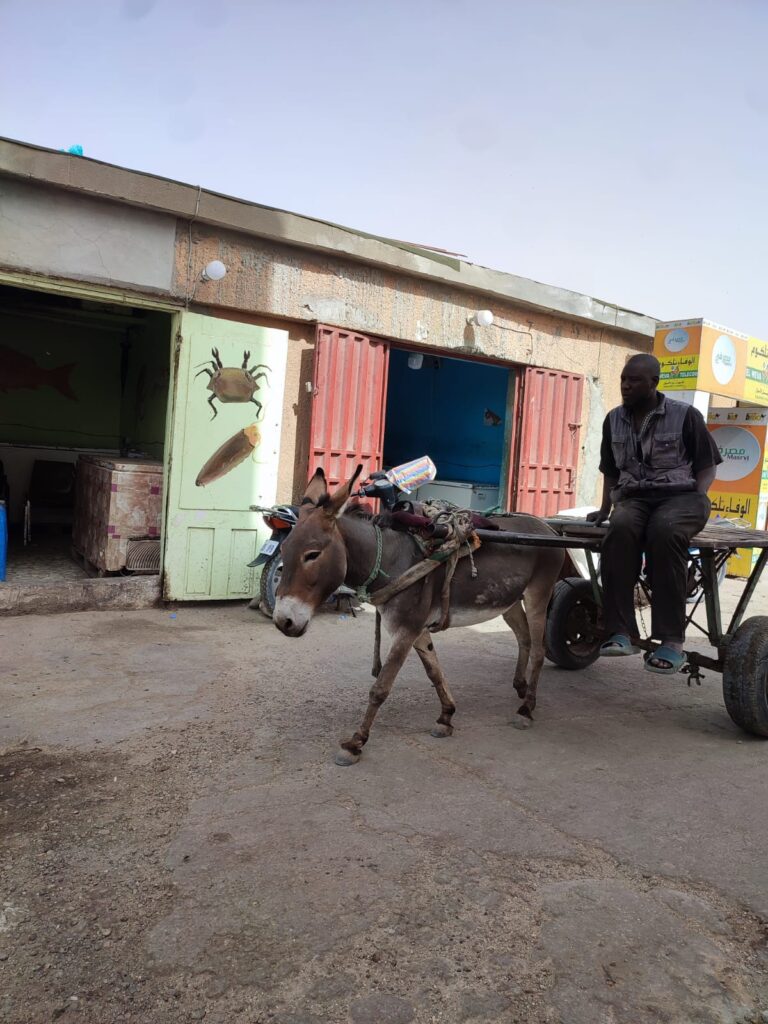
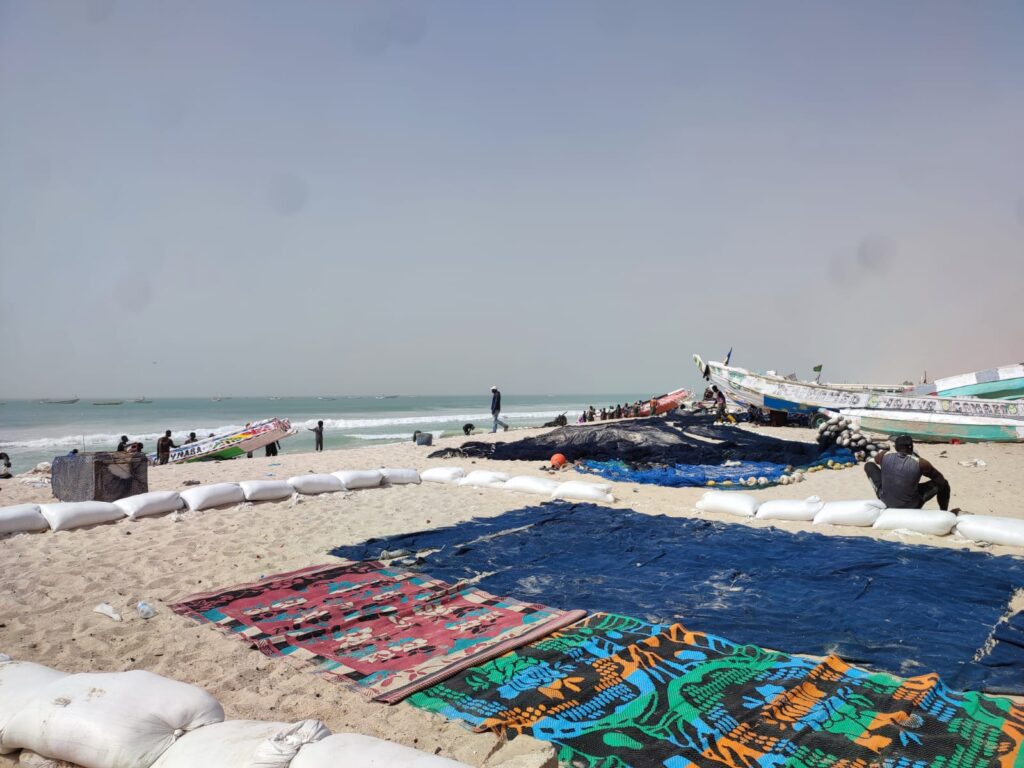
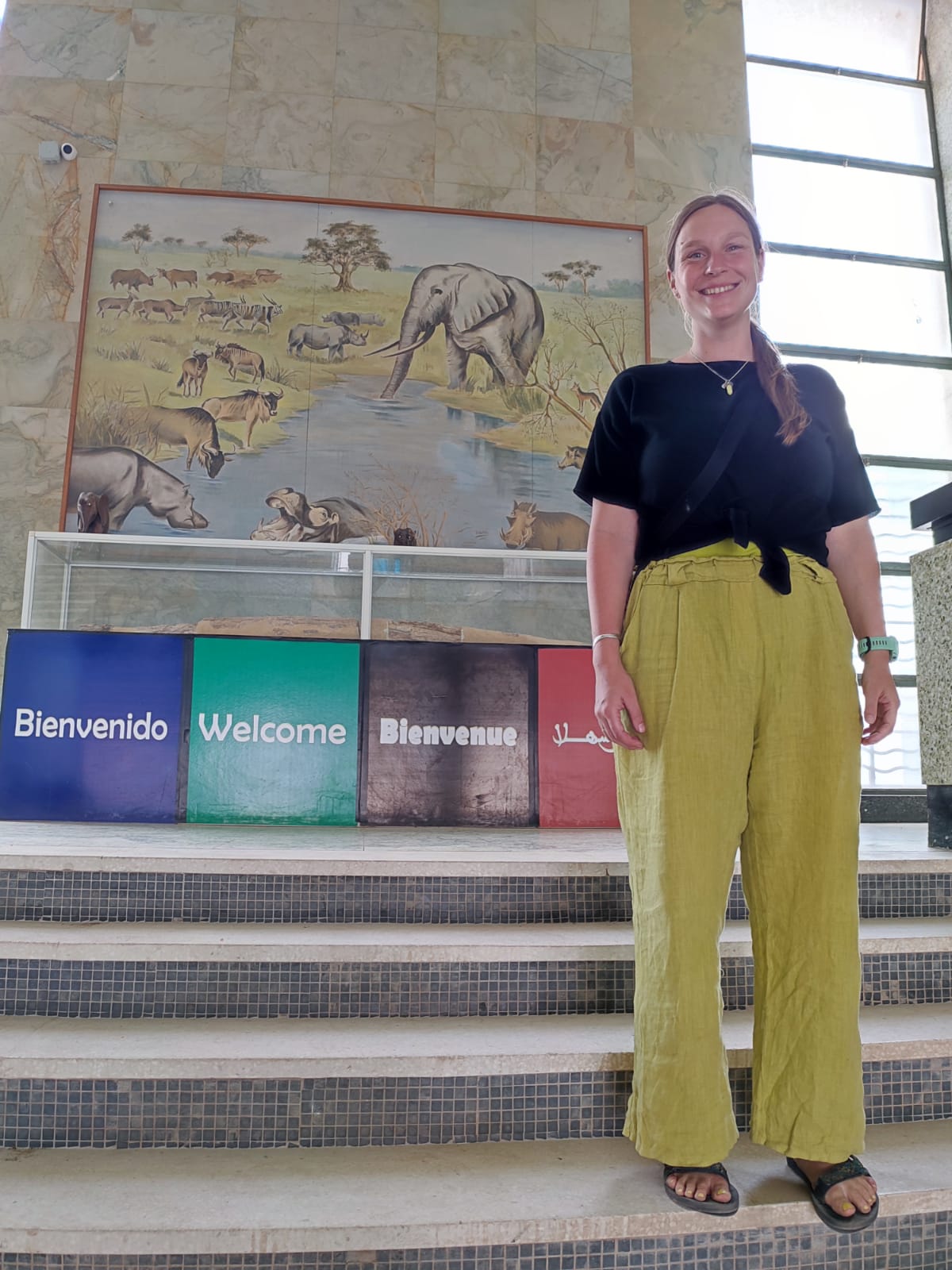
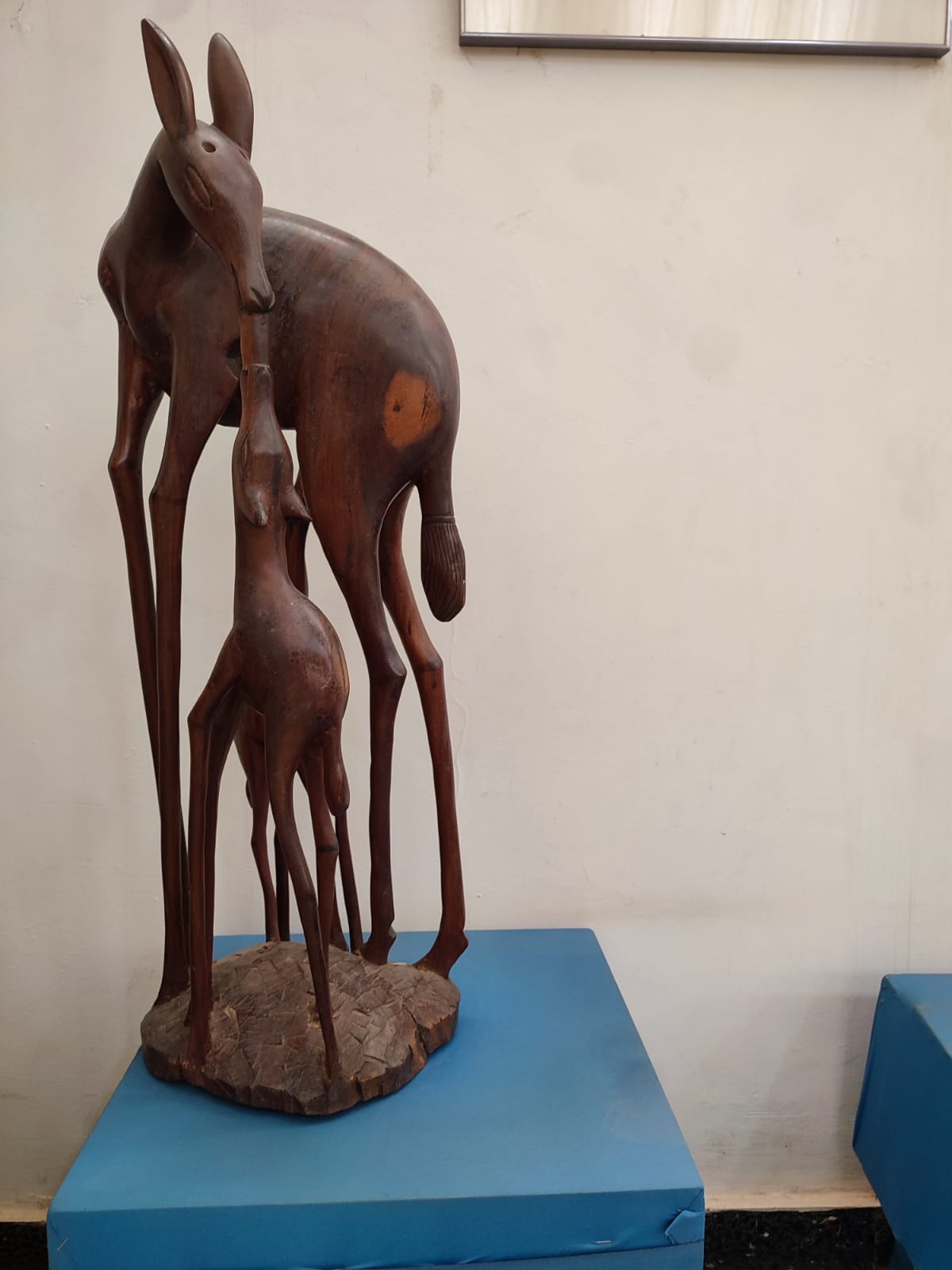
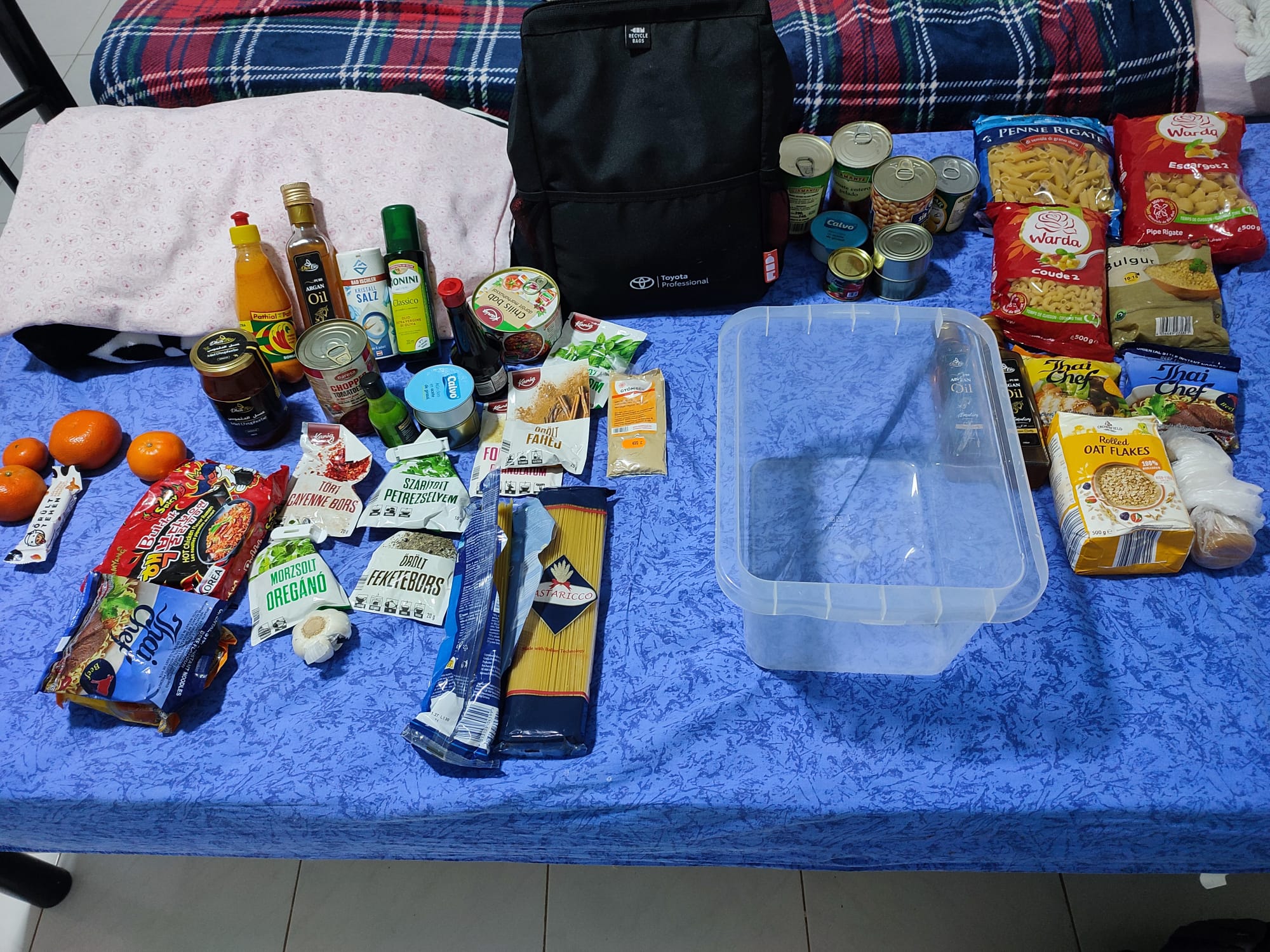
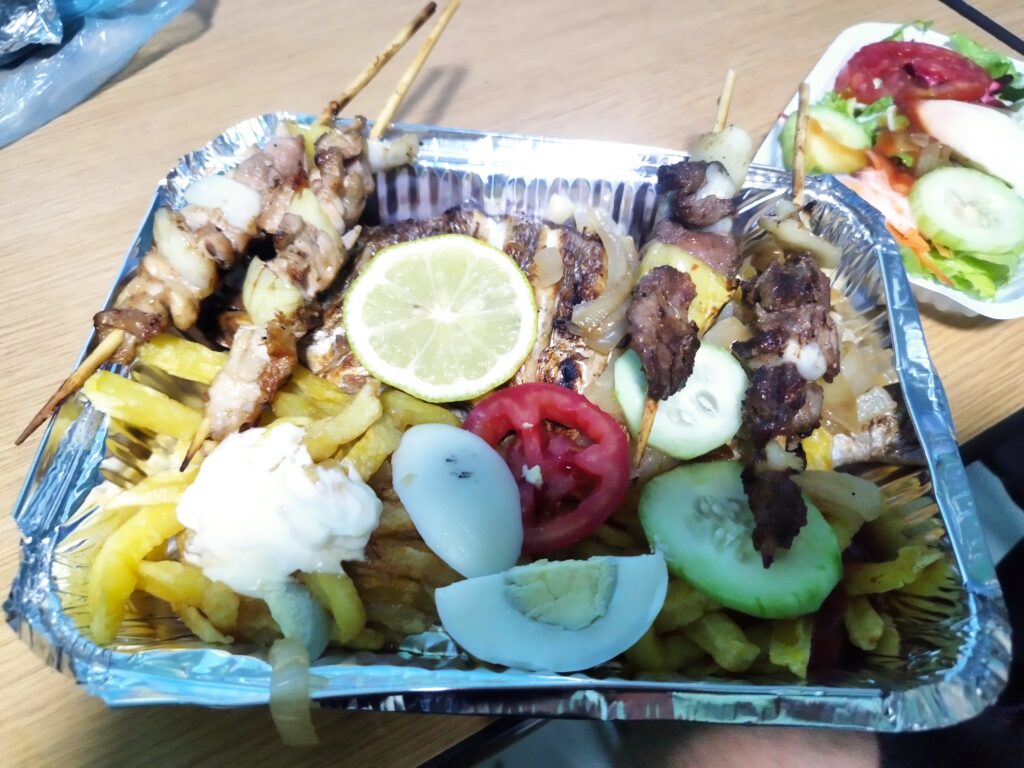
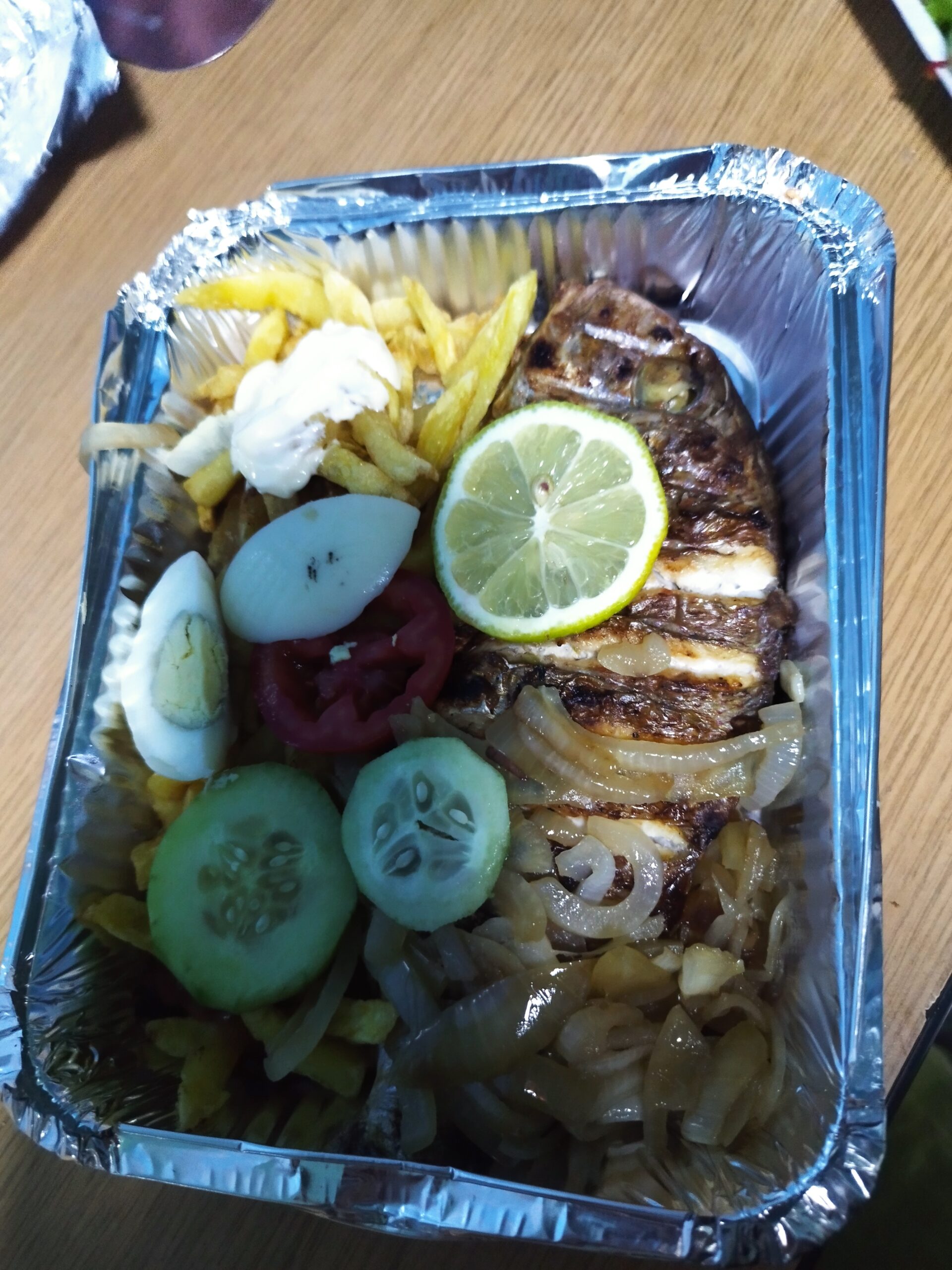
Back in the city, we visited the museum, did some major grocery shopping (stocking up on pasta and canned tomatoes for wild camping), and for dinner, we had charcoal-grilled fish and amazingly delicious goat skewers. By the time we got home, Mezi had already been delivered back to us washed and cleaned, ready for the next adventure!