Our plan was to drive north along Mozambique’s main road, the N1, all the way to Ilha de Moçambique. However, it was still more than 1,500 kilometers away, and the N1 is notorious for its bad sections — with incredibly deep potholes and recklessly fast-driving buses.
As an alternative route, the owner of our hostel in Vilanculos suggested we visit should Zinave National Park. He thought we would like it because the surroundings are beautifully green, there are more and more animals (including the Big Five), and unlike Mozambique’s other famous park, Gorongosa, here self-driving is allowed. He also mentioned that the entrance fees were very affordable.
We looked it up, and indeed, for three days and two nights for two people, it would have cost us less than 45 euros. We messaged them on WhatsApp, but the reply was that unfortunately the park was currently closed because the campsite was under renovation.
We accepted the answer, but the next day we told the story to one of the owner’s friends, who couldn’t believe his ears: “Why would they close a national park in the middle of the dry season?” he asked, and gave us a direct phone number to the campsite so we could double-check.
We called the number and were told we could visit the park — but only if we were completely self-sufficient. We quickly went shopping and then set off towards Zinave.
The N1 was indeed in terrible shape; we were constantly dodging potholes, so it was a real relief to turn onto the dirt road. We received clear directions about where to go, and we managed to reach the gate before sunset. The staff welcomed us warmly and said we could pay the next day — or whenever we wanted. (We laughed a lot about this in Mozambique: in previous countries, we always had to pay everything in advance, but here the answer was almost always “later,” so we often had to hunt down the owners just to give them our money.)
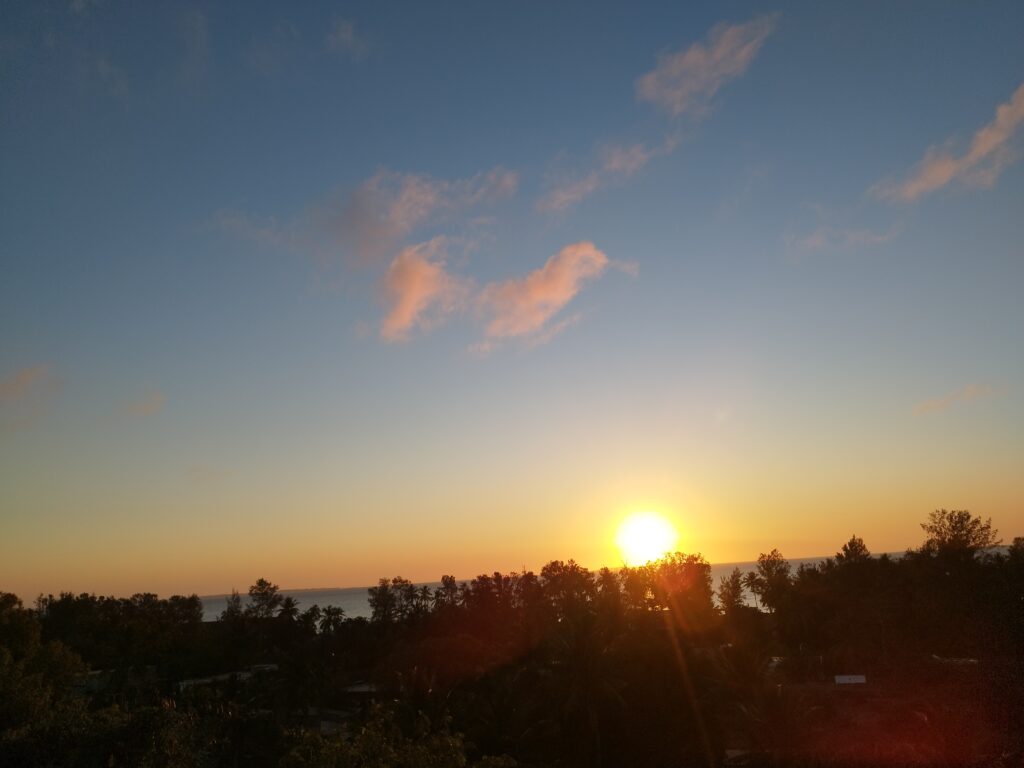
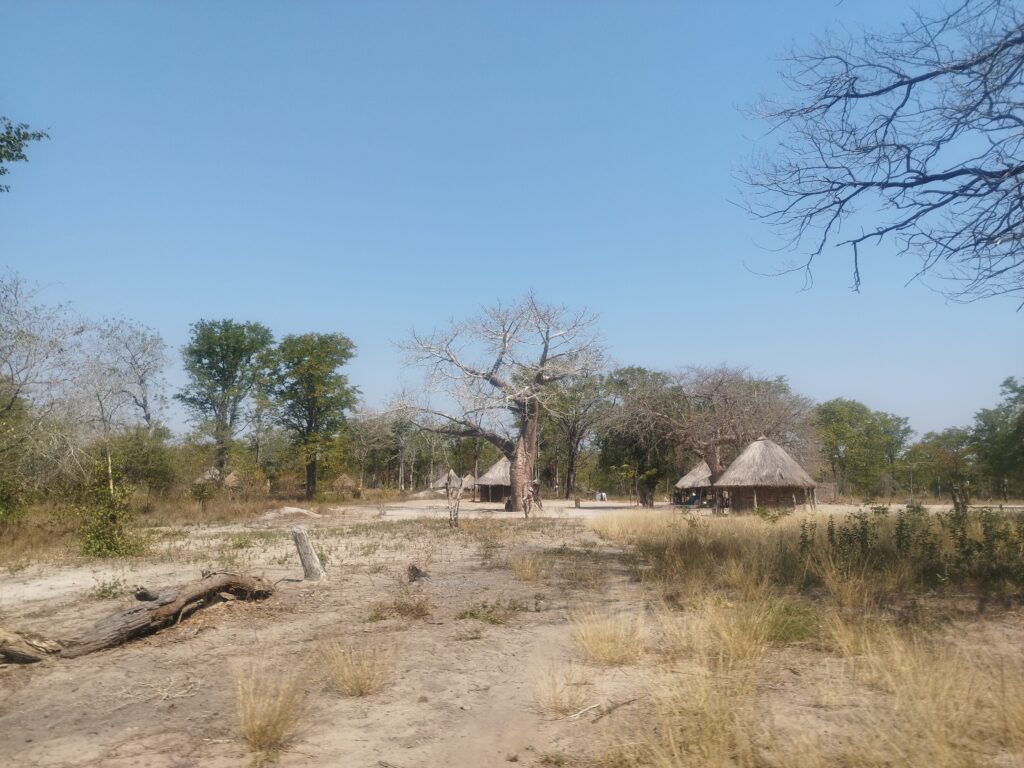
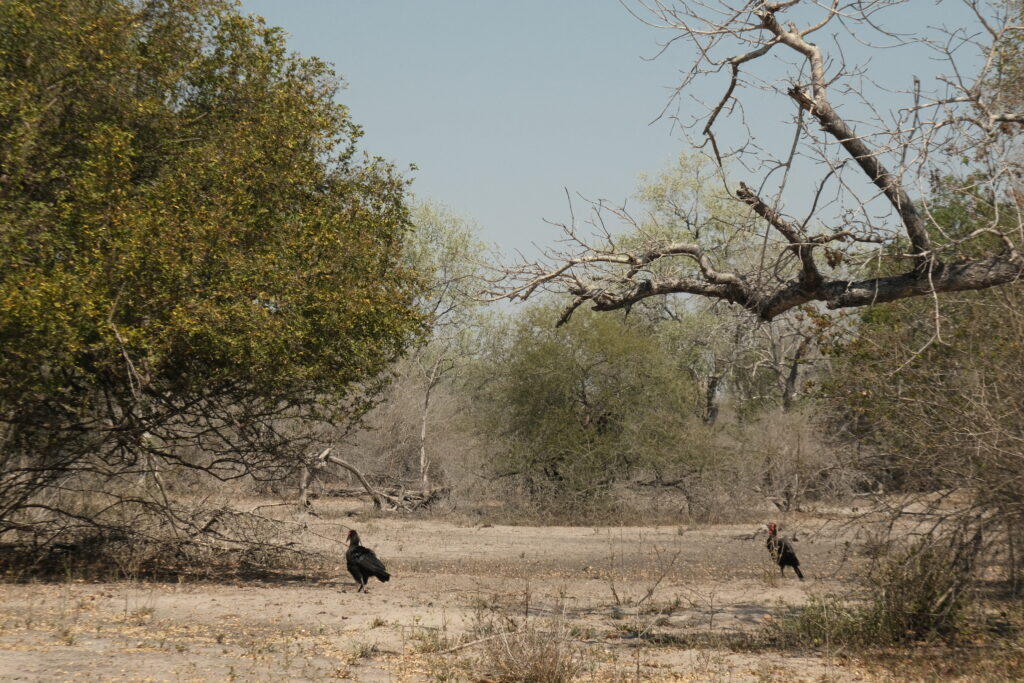
Already inside the park, we saw an elephant and a large herd of buffalo. The landscape was a refreshing change from the overgrazed vegetation of South African parks — everything was lush and green.
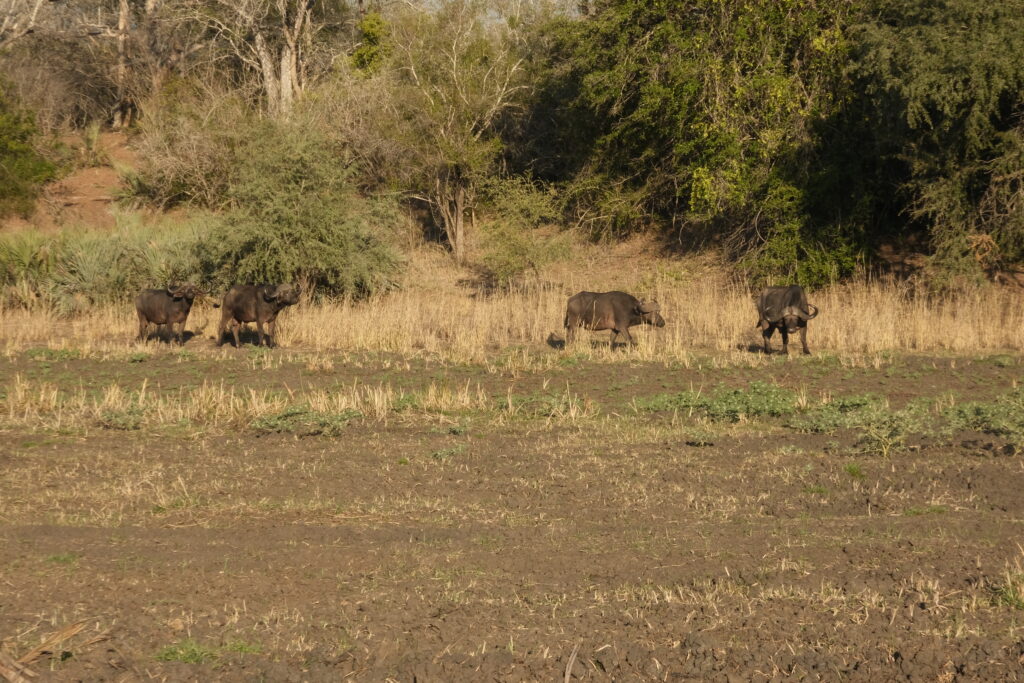
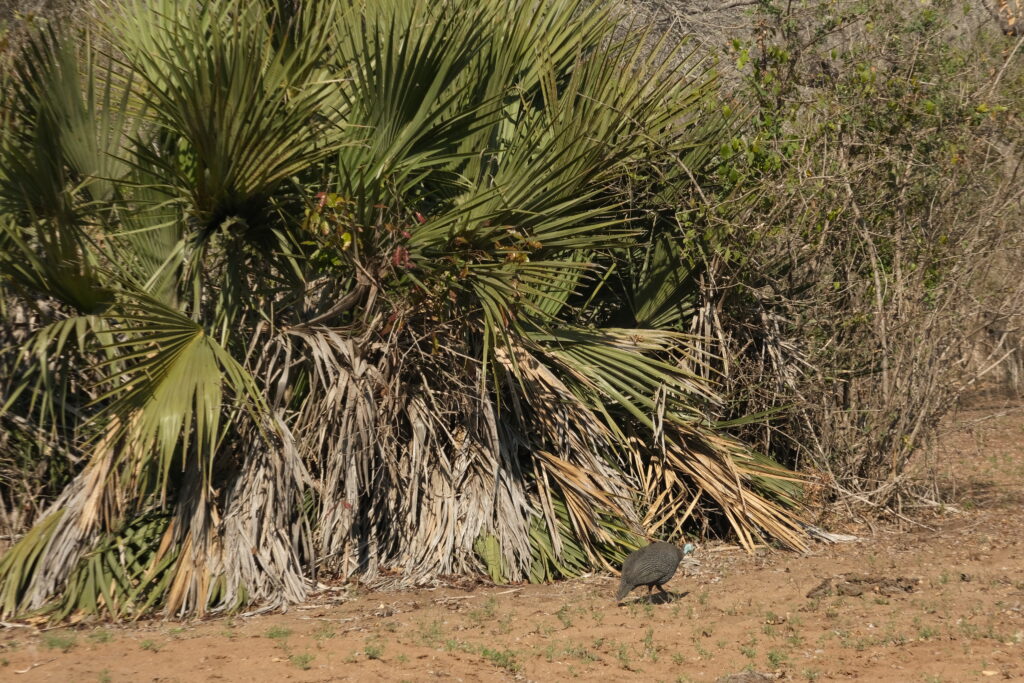
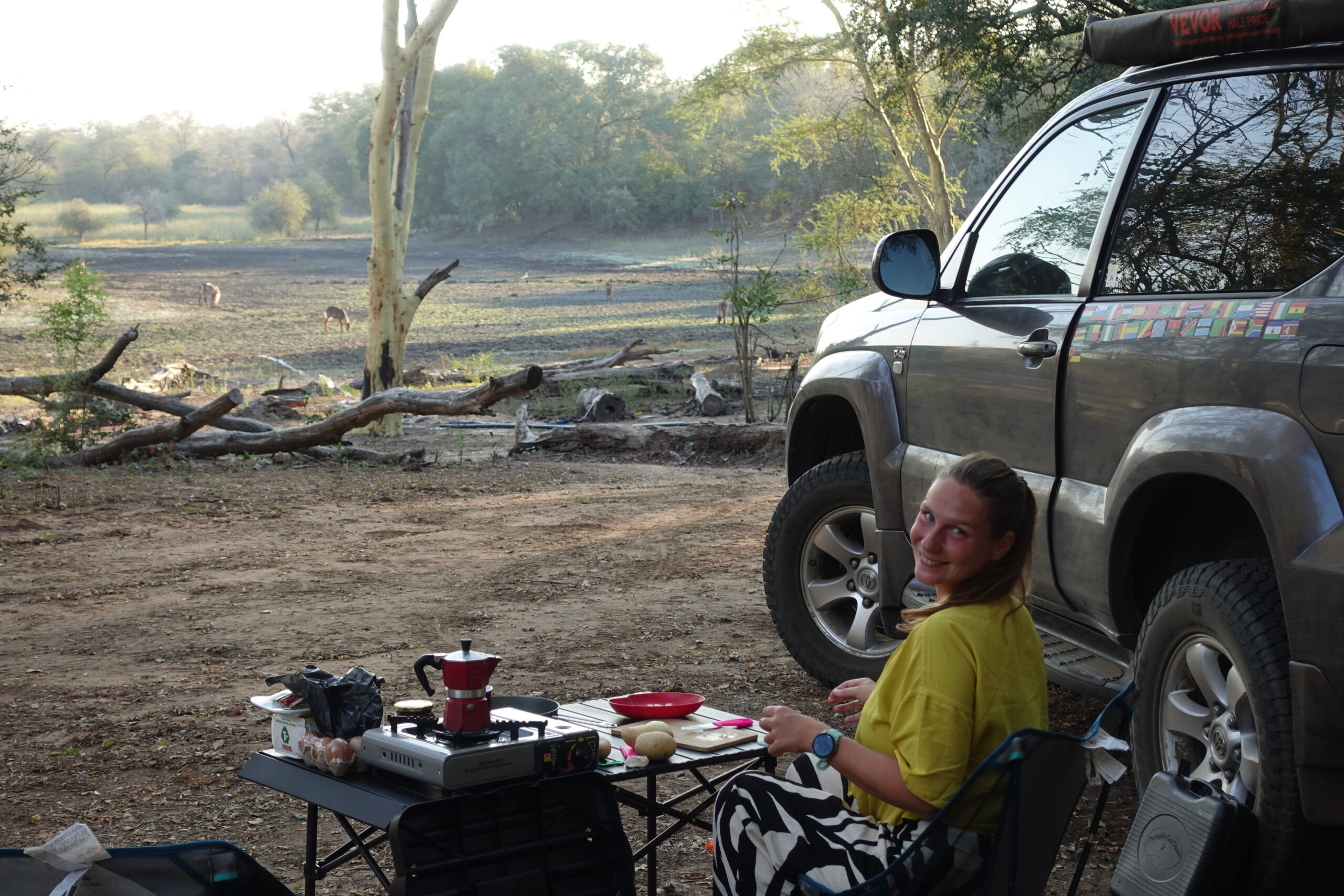
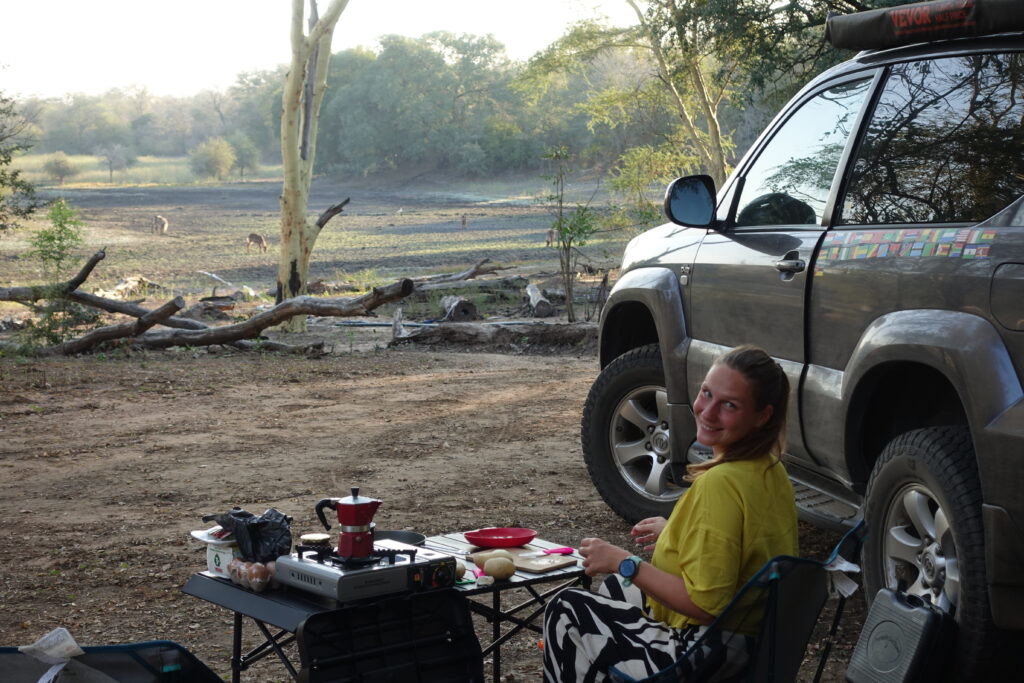
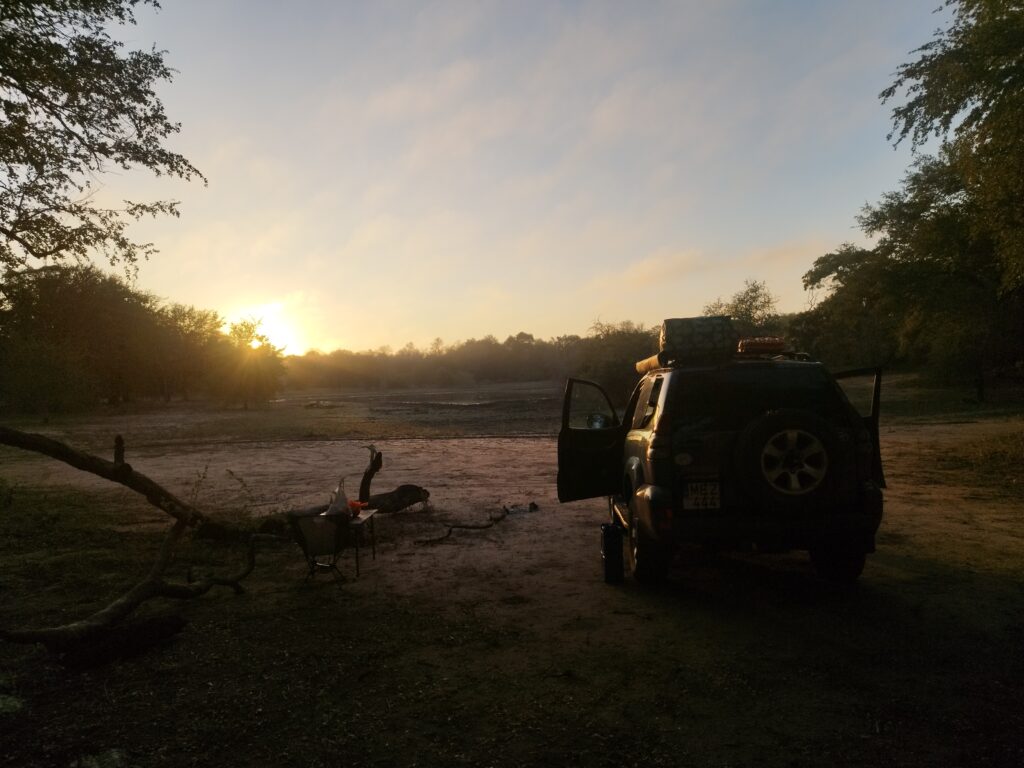
When we reached the campsite, we were surprised to see a group of people there (the staff claimed they weren’t visitors), while we were told to go wild camping near a nearby lake. Since the sun was already down, we quickly made some eggs (we were starving) and crawled into the car, as we had heard that elephants and lions visit the waterhole at night.
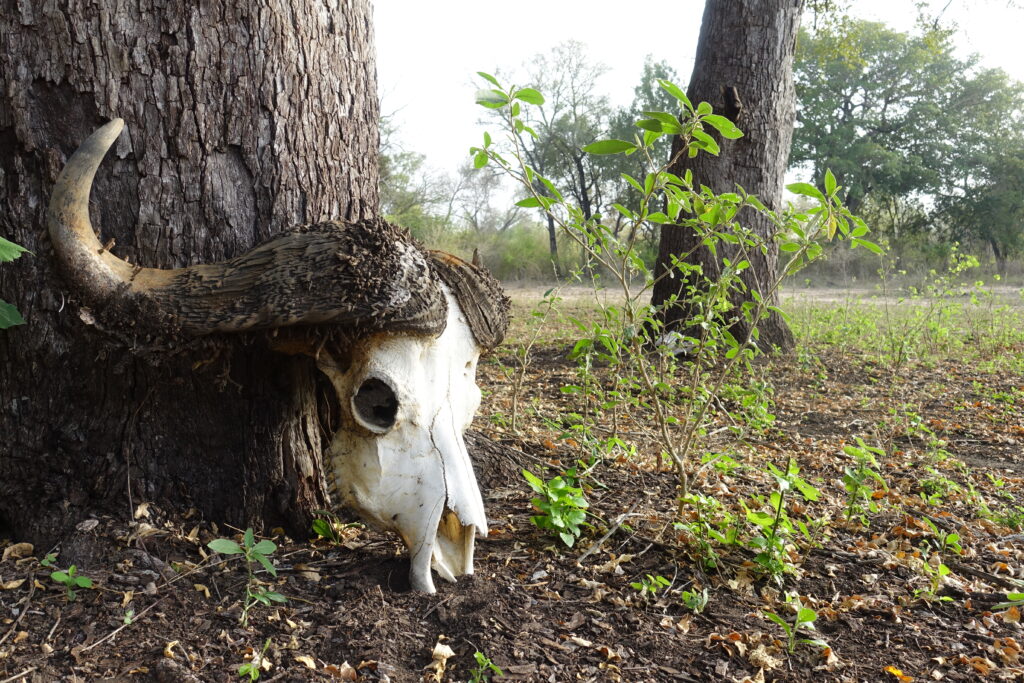
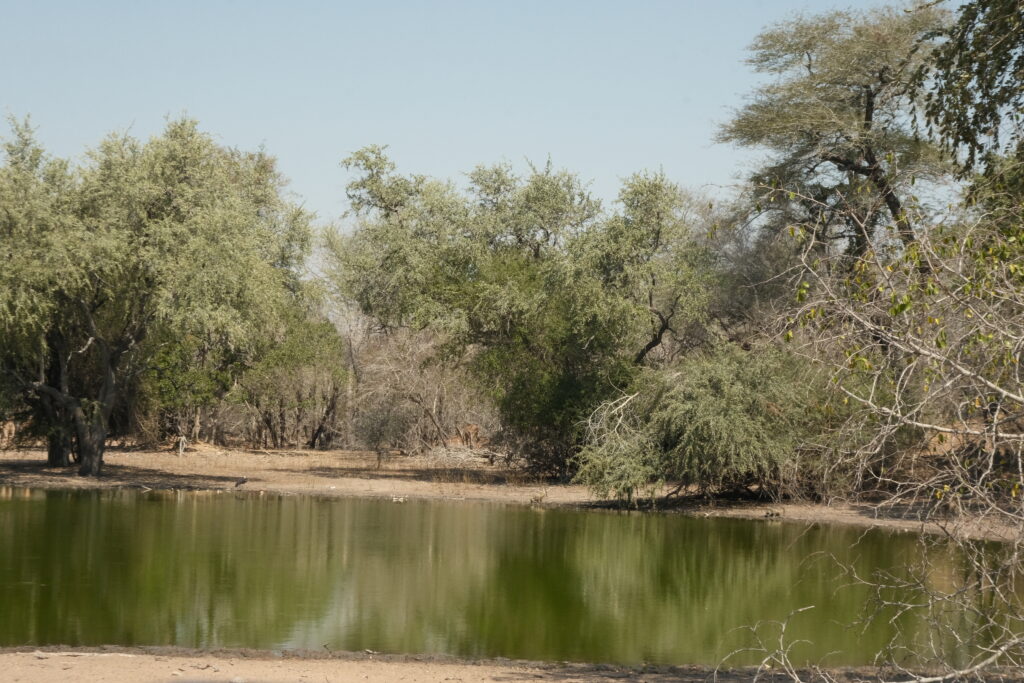
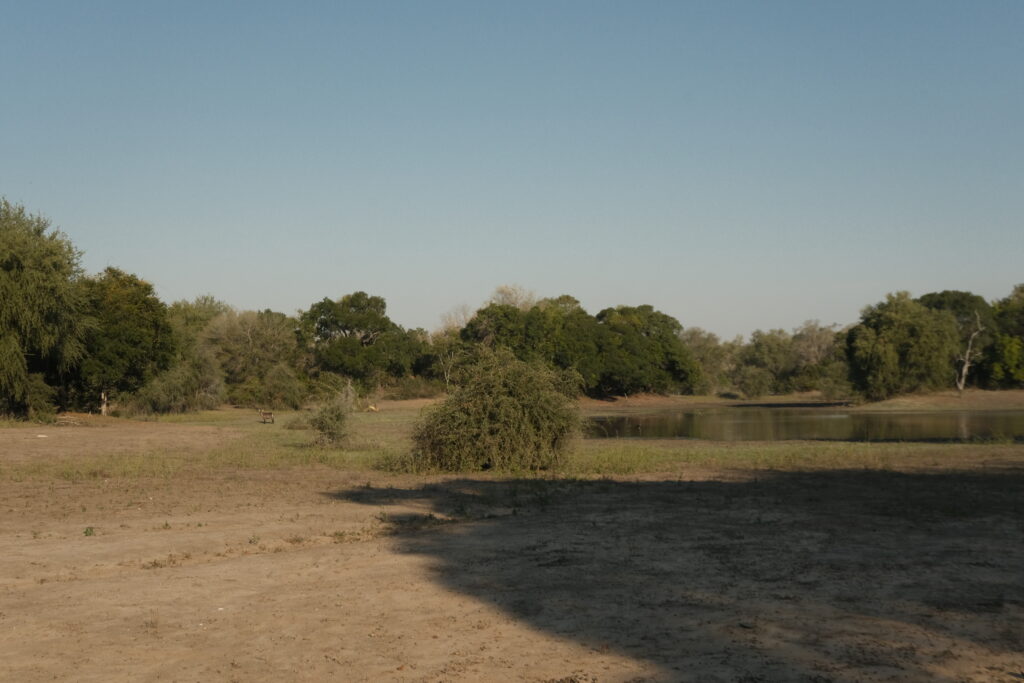
In the morning, we drove back to the campsite, where we could take a shower (the facilities were in great condition — nothing suggested ongoing renovation). Then we went to the gate to pay and asked for a map — which, surprisingly, was one of the best we had seen so far.
We started exploring the park and within the first hour saw rhinos and many kinds of antelopes. Just as we returned to the gate, our check engine light came on again (as it had in Lesotho), and the car went into limp mode — meaning it would only run at idle speed.
Fortunately, the park had a mechanic who maintained the staff vehicles. He checked our car, saw that there was no mechanical issue, just a loose battery terminal — he removed and reattached it, and the error code disappeared for the time being.
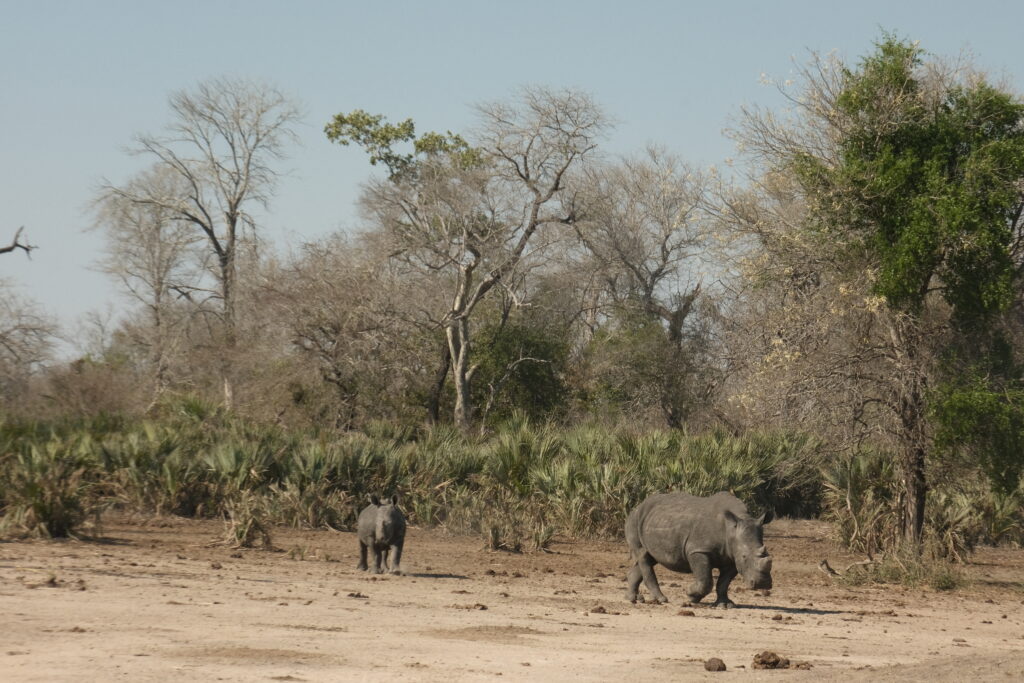
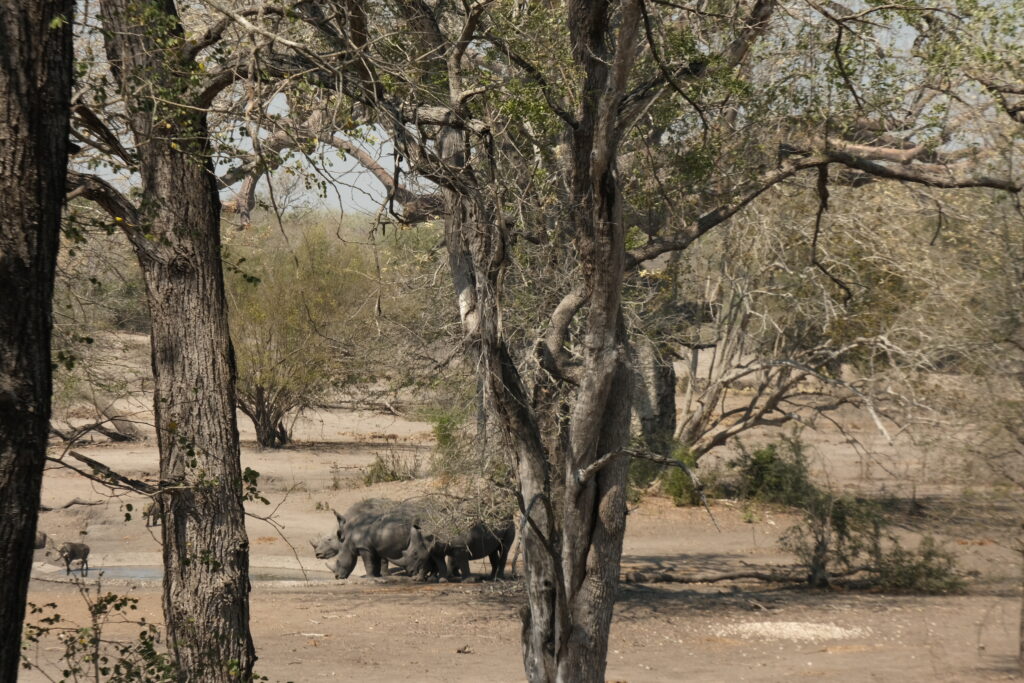
In the afternoon, we continued driving around, spotting beautiful waterholes, more buffalo, elephants, and rhinos — and for the first time, we saw the largest antelope species, the eland (a giant eland can reach 180 cm in height and weigh up to 900 kg).
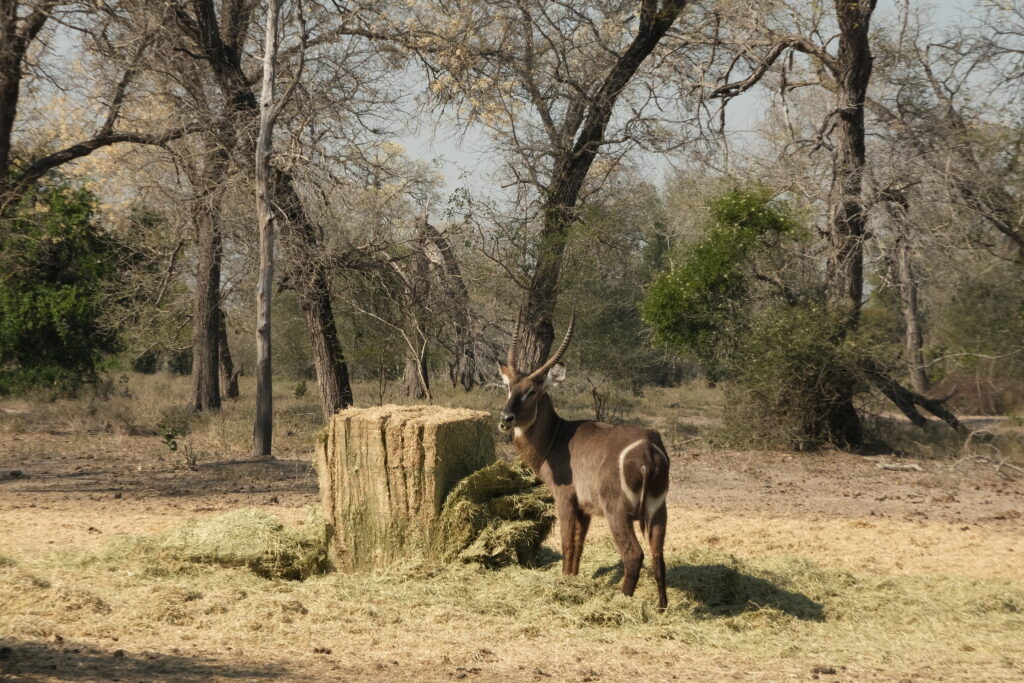
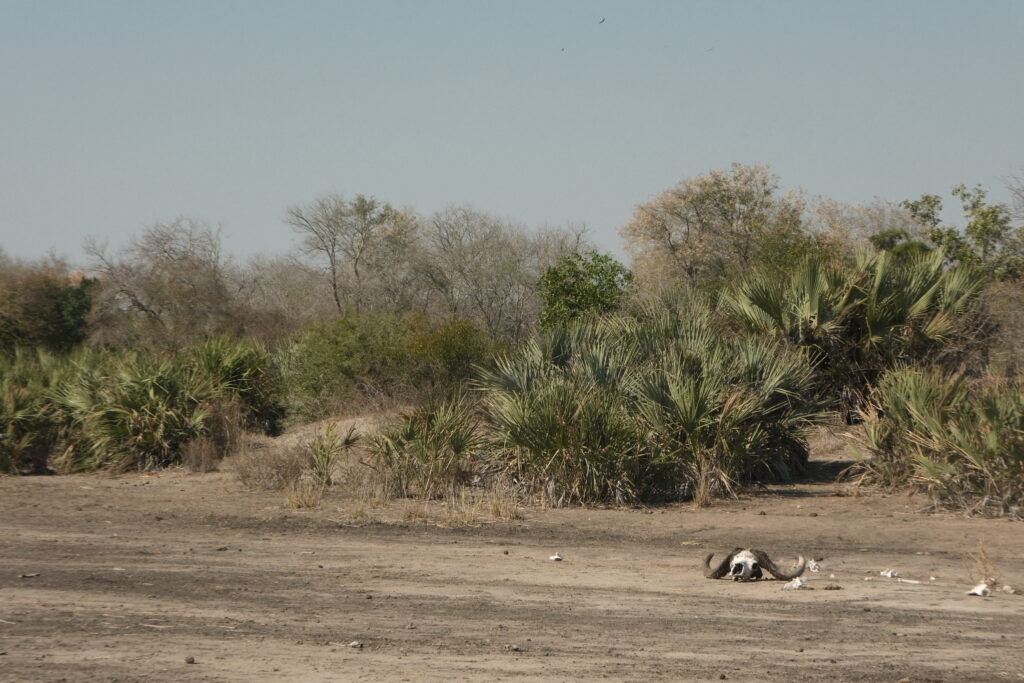
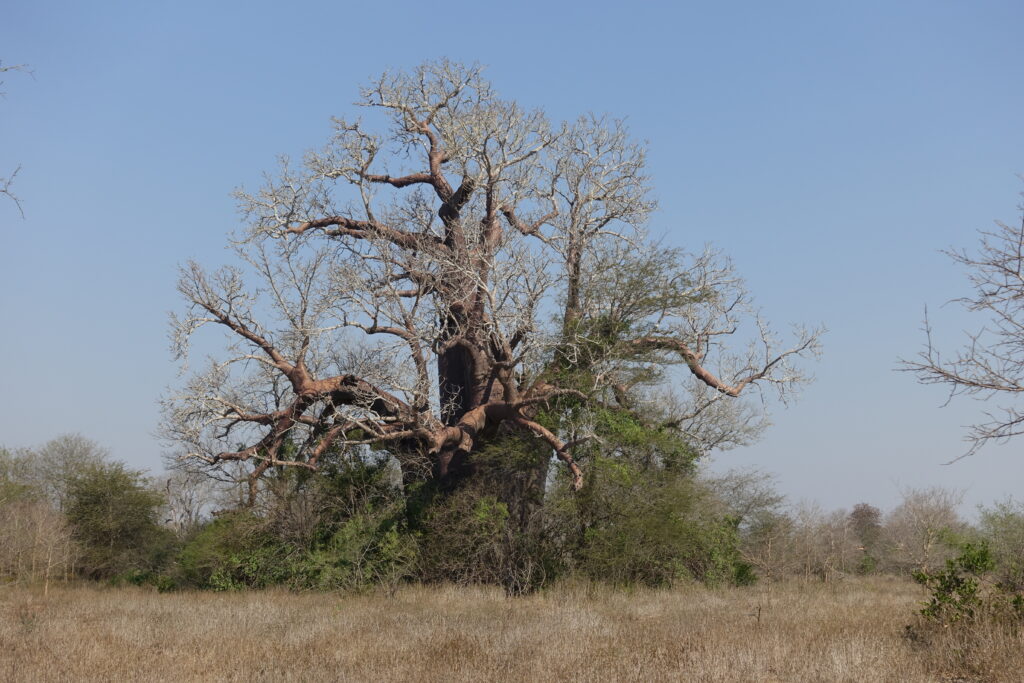
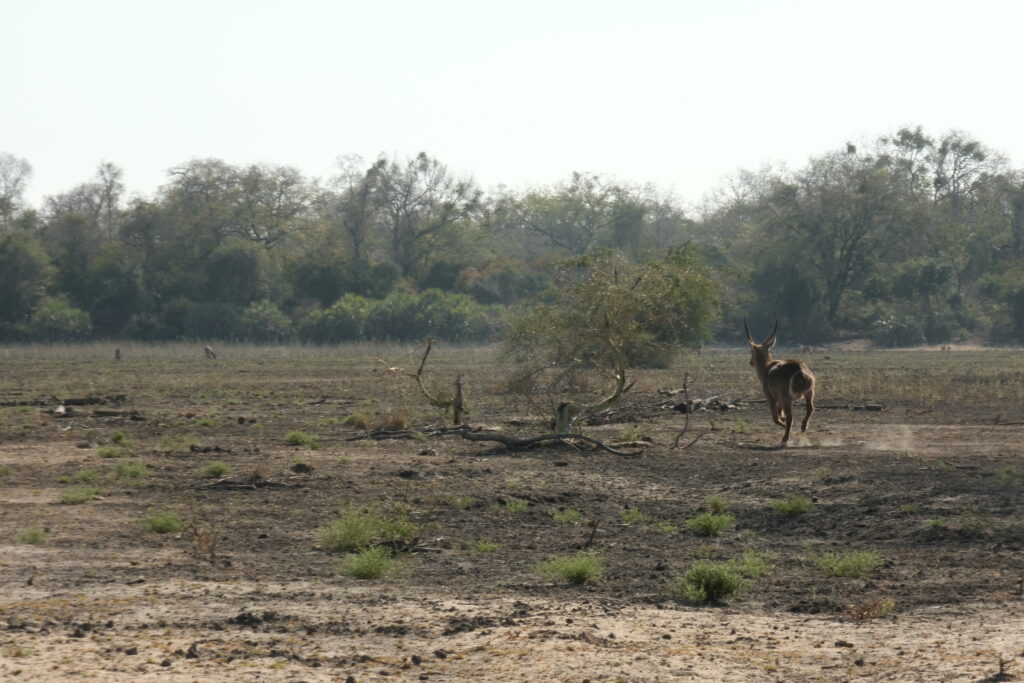
In the evening, they finally allowed us to stay in the campsite, where we met a young Zimbabwean–French couple, who gave great advice for our route up North, how to drive through beautiful scenery and avoid the N1 as much as we could. We chatted by the campfire and learned that they had managed to get in the same way: they showed up at the gate, were told to leave, but eventually convinced the staff to let them stay (they were even allowed to use the kitchen). The whole situation felt strange: everything was in place for tourism to thrive — it was one of the most beautiful campsites we had ever stayed at. The campfire spot was on a terrace overlooking a river full of crocodiles and hippos. Yet somehow, the place remains closed off to most travelers, and only the most persistent ones make it inside.
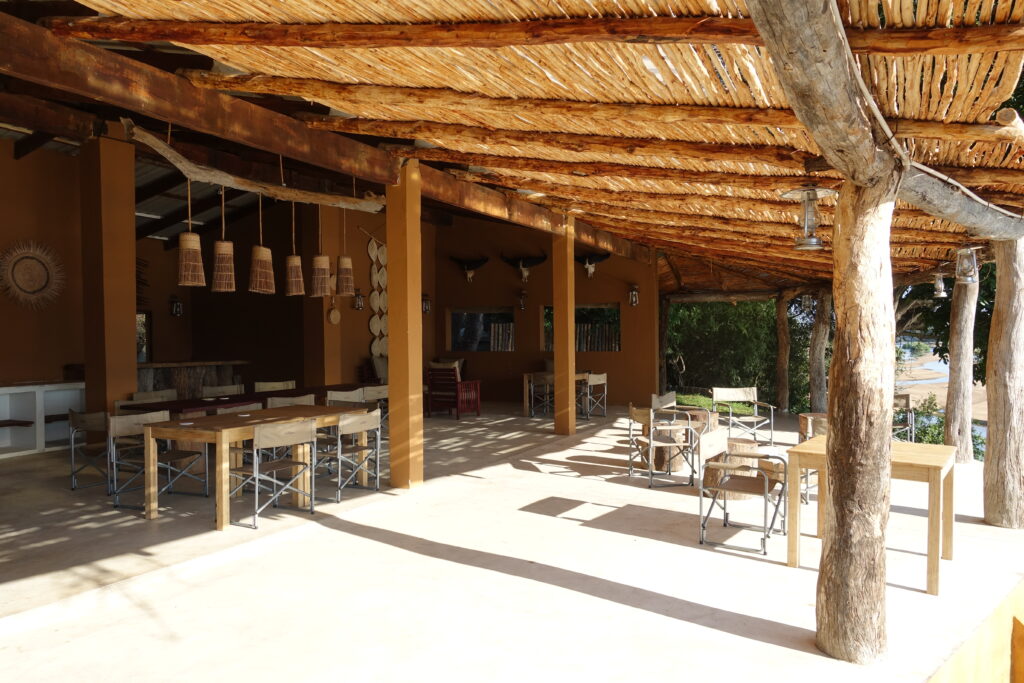
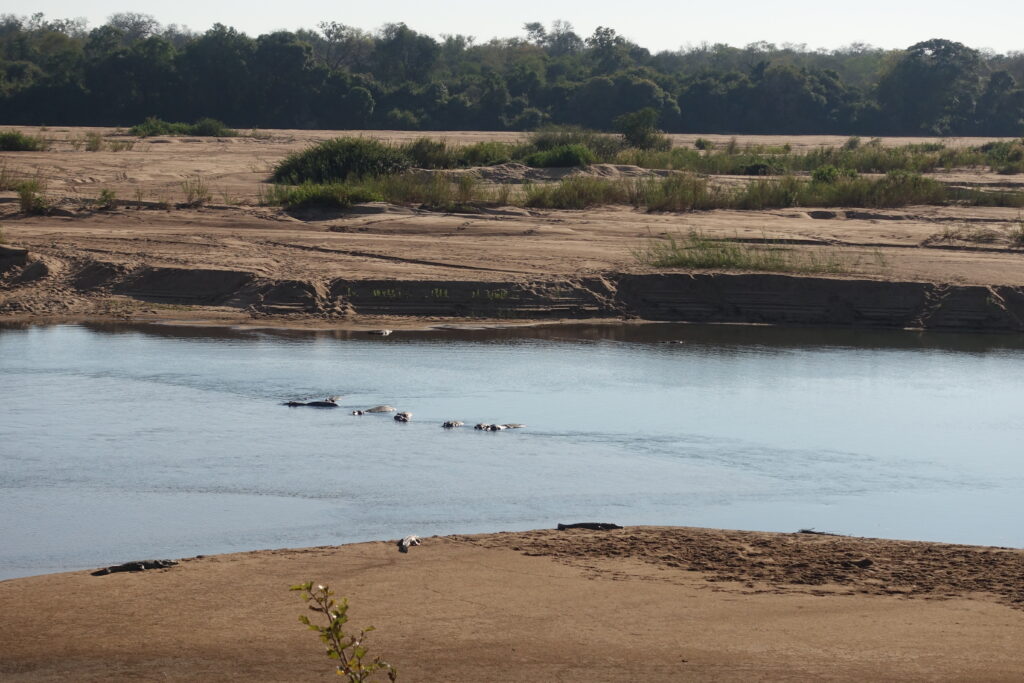
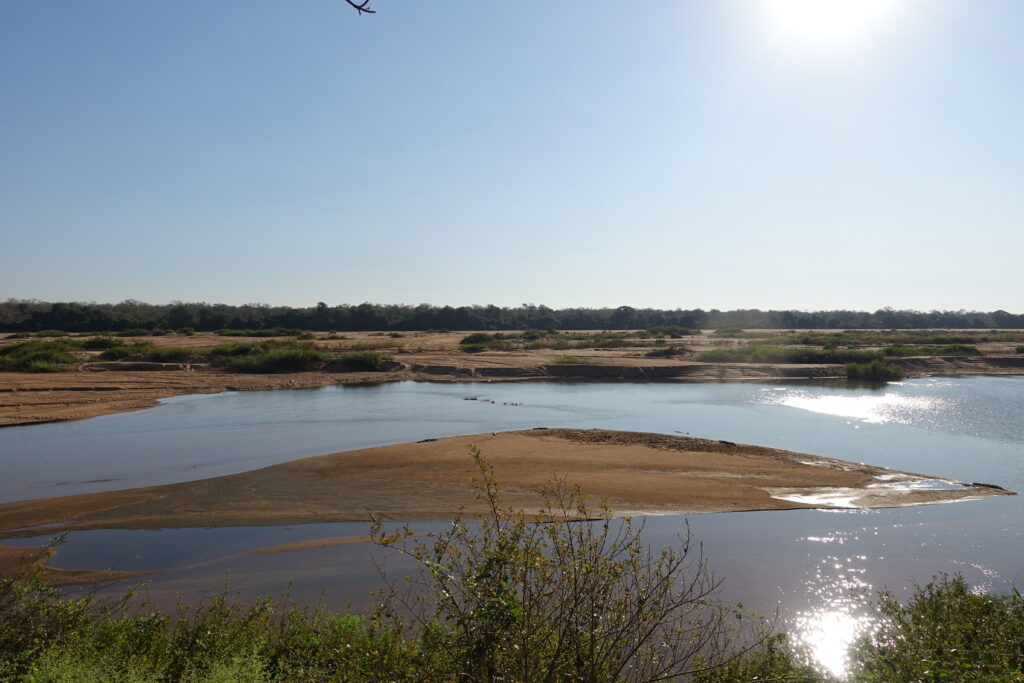
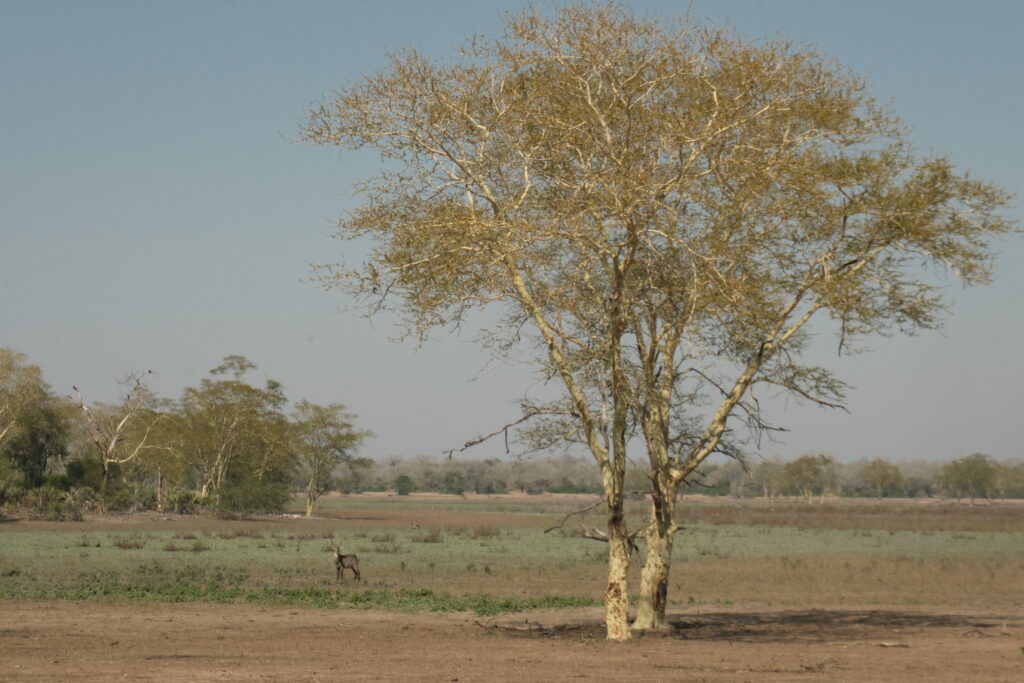
The park itself was established in 1973 and employs around a hundred people. It has been restocking its wildlife after most species were wiped out by poaching before the park’s creation. Rhinos were reintroduced in 2022, making Zinave Mozambique’s first Big Five park. With its lush forests and riverine landscapes, it’s a truly special place — one of our absolute favorites. The infrastructure is already in place, so we can’t understand why tourism hasn’t been properly launched yet.