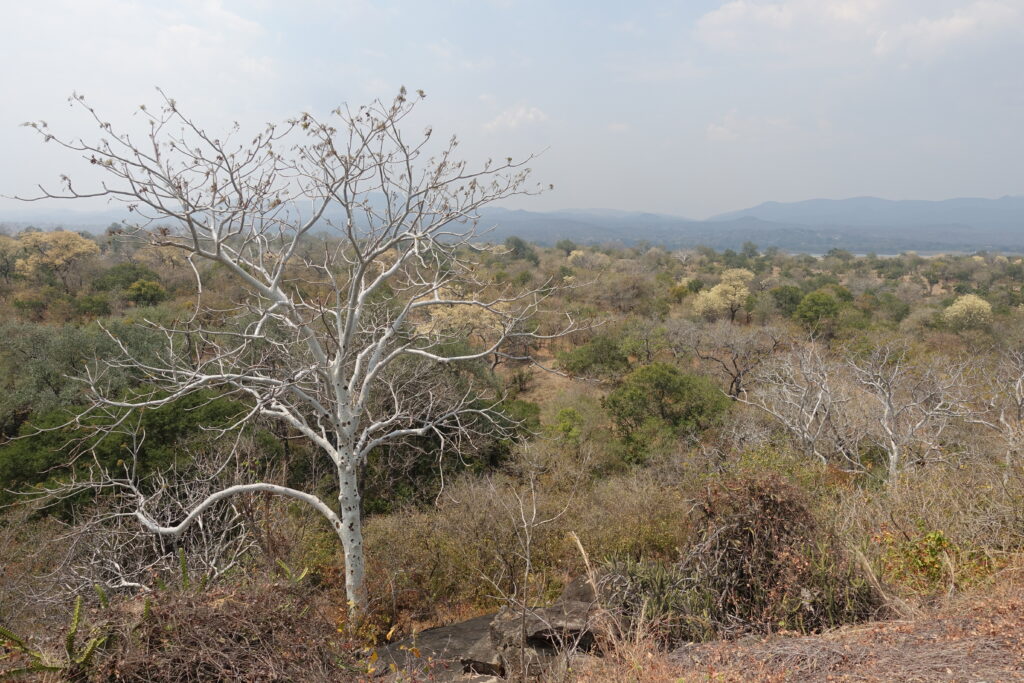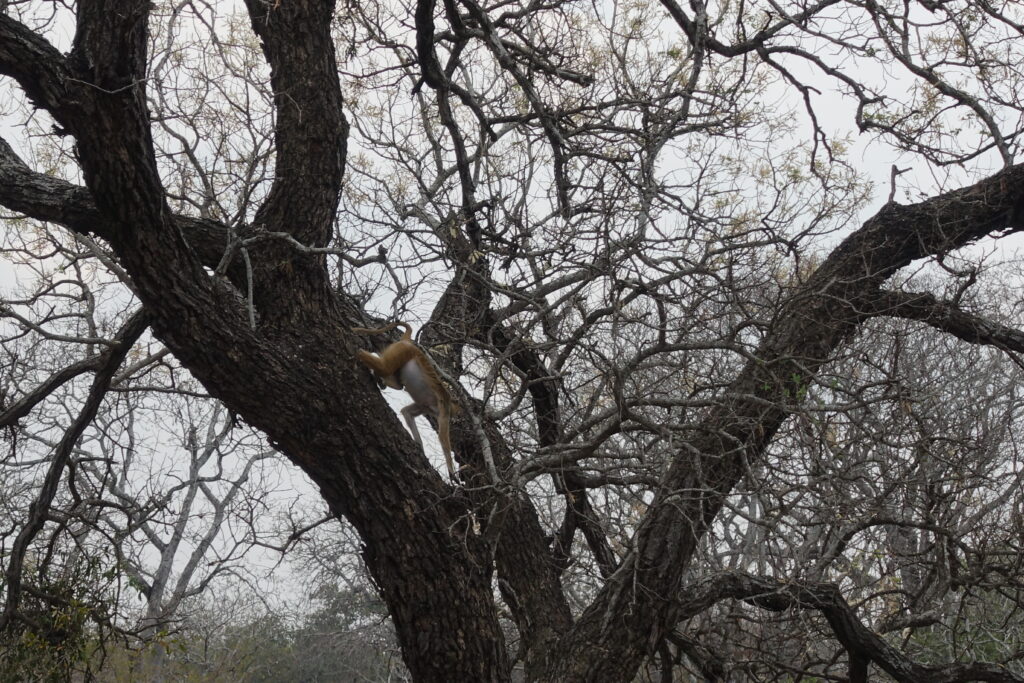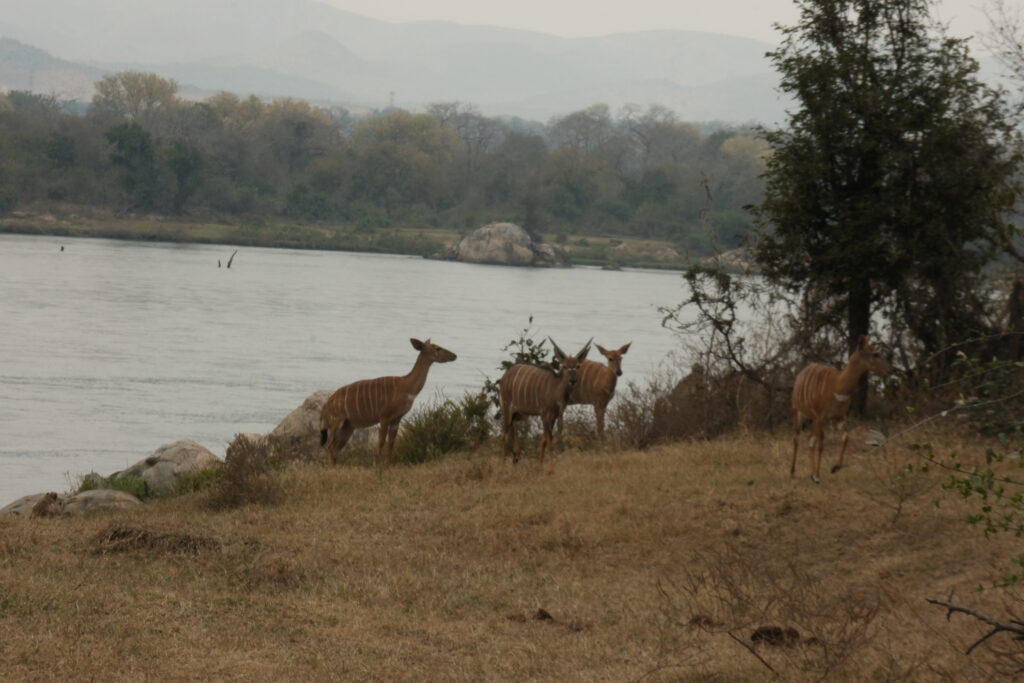
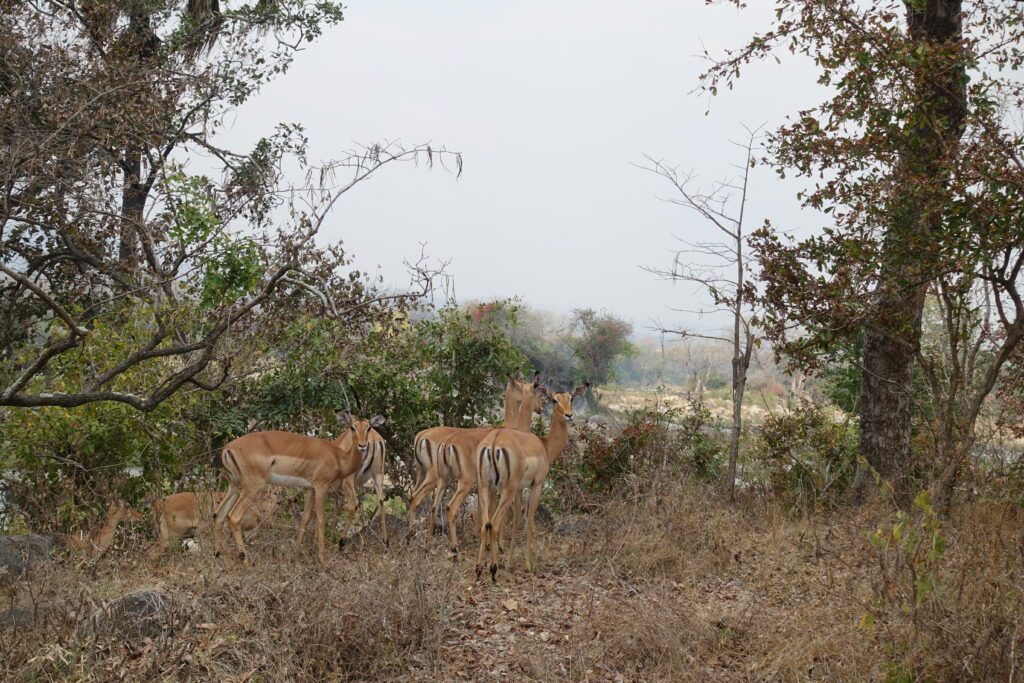
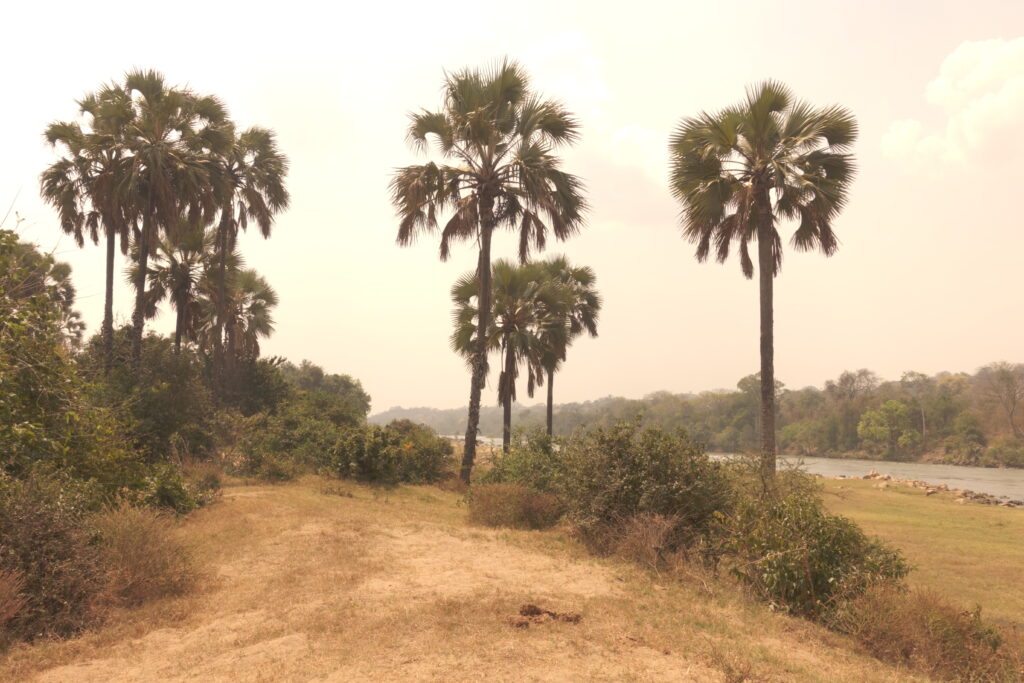
Szeptember 9-11.: We drove from Blantyre to Majete National Park. We managed to get a discounted entry ticket, so we paid about 17,500 HUF in total for both of us and the car for two nights and three days. Majete is not a very large park, but like Zinave in Mozambique, it’s a true success story: the wildlife population has been successfully restored, so all five of the Big Five can now be found here, along with several unique antelope species. In Malawi, Liwonde National Park is the more famous one, as the open savannas make wildlife spotting easier there. However, Majete’s lush, forested landscapes – especially along the river – are stunning, and we really loved the greenery.
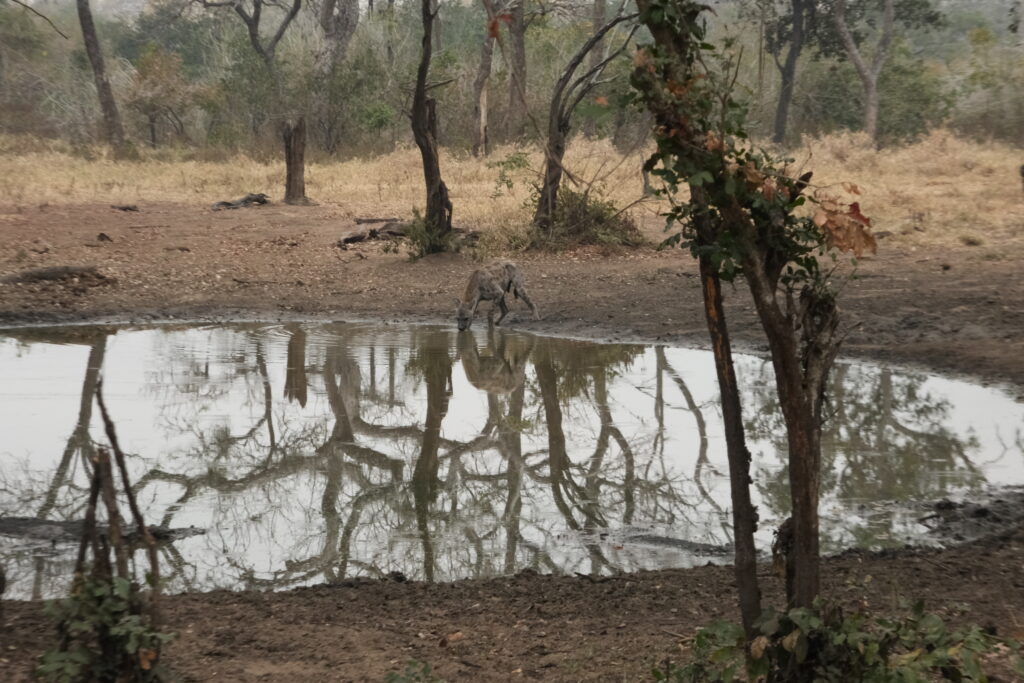
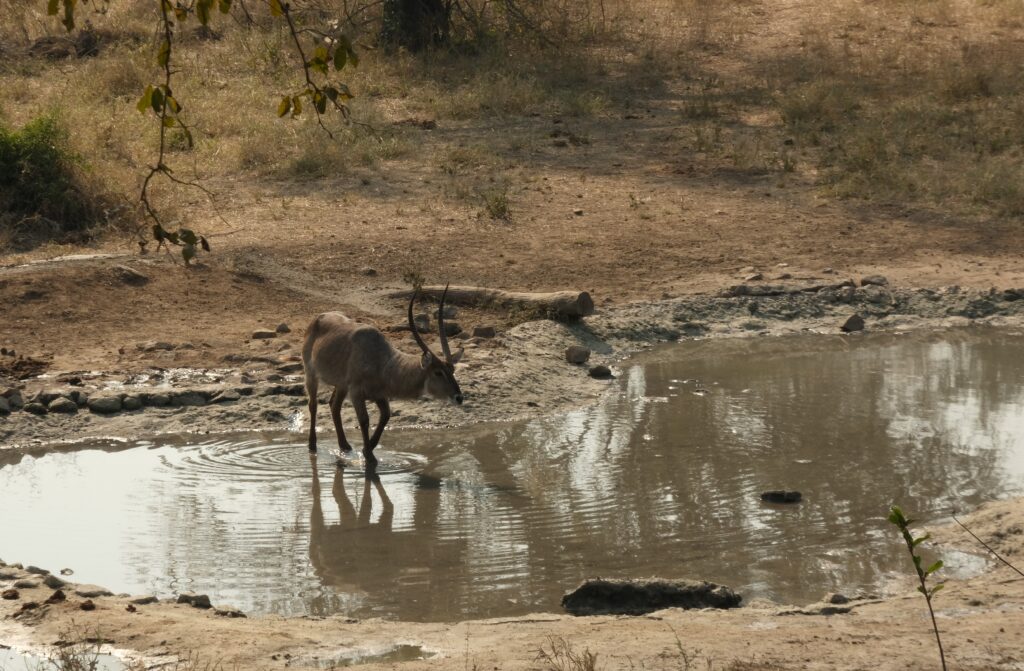
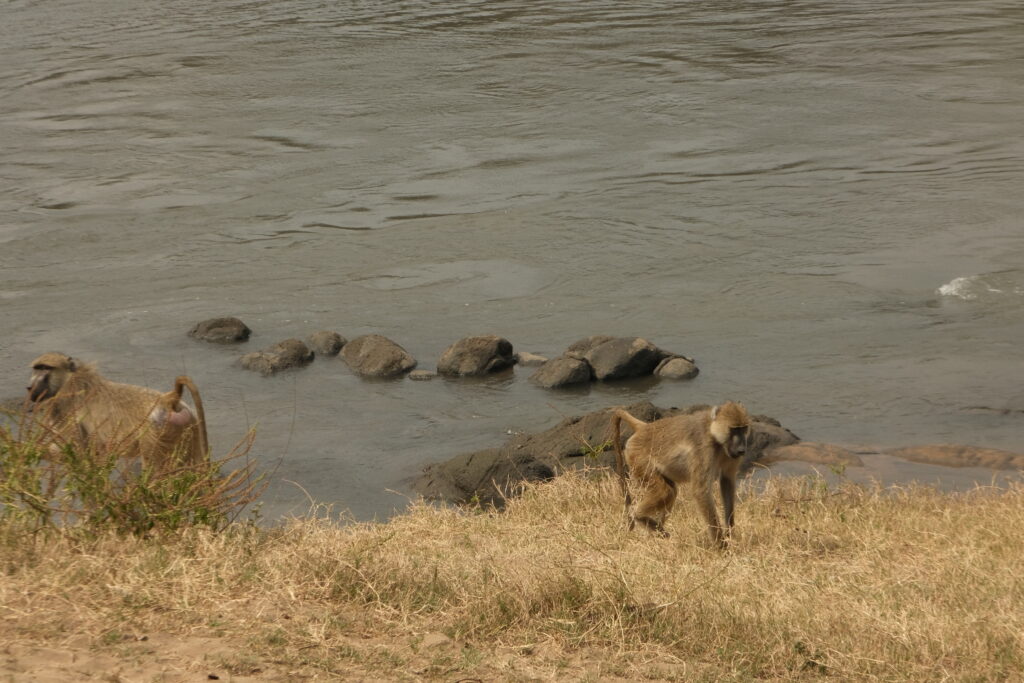
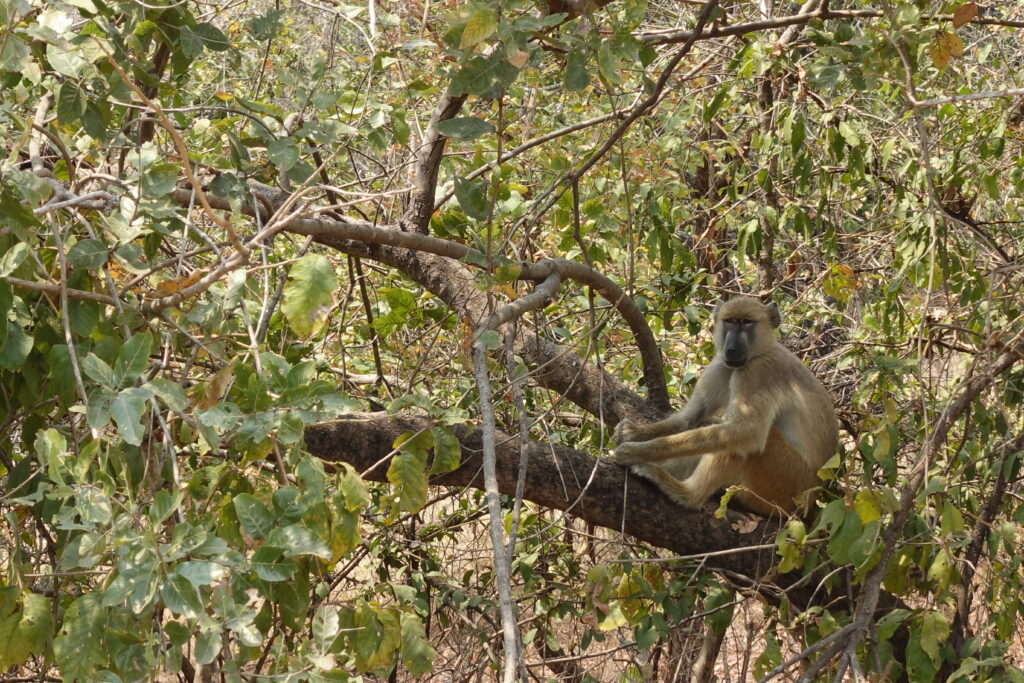
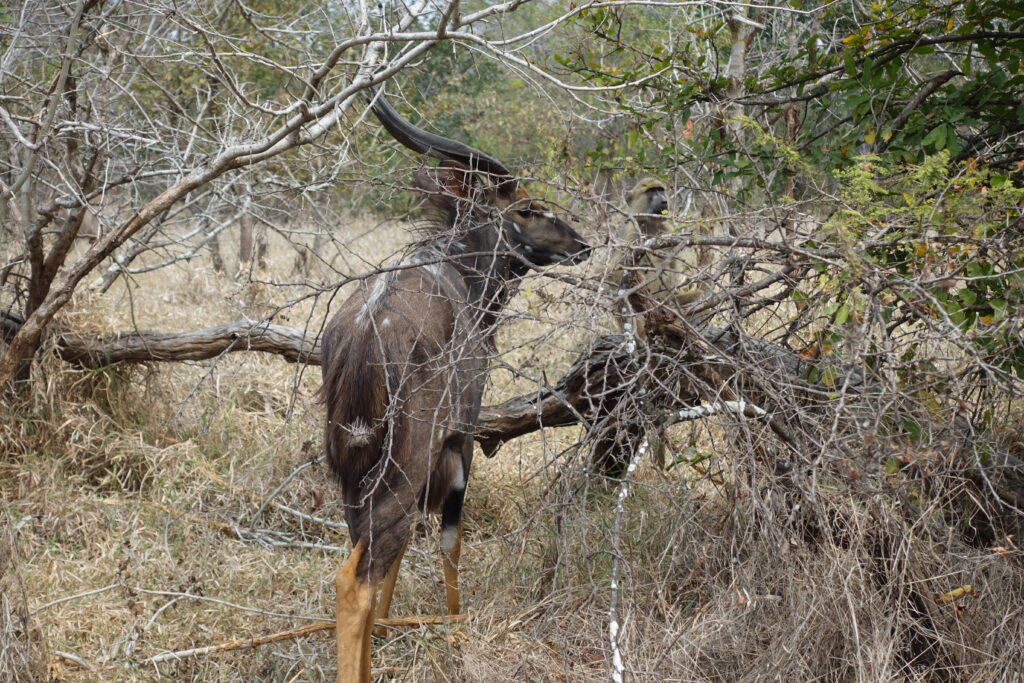
There’s also a community campsite in the park (meaning that a significant portion of the income goes directly to the local community rather than to the park itself). It quickly became our favorite campsite so far. The camp has a well-equipped kitchen and a beautiful common lounge area. Just outside the fence, there’s a waterhole you can overlook – frequently visited by monkeys, antelopes, elephants, and sometimes even leopards. (So the campsite isn’t entirely safe, as animals can jump over the fence.)
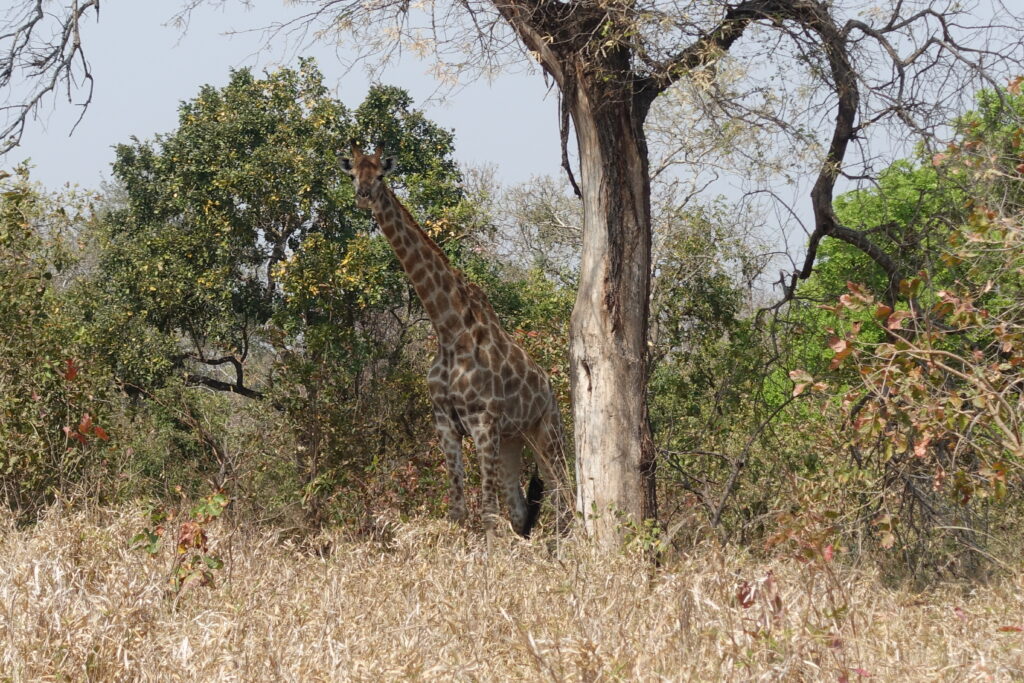
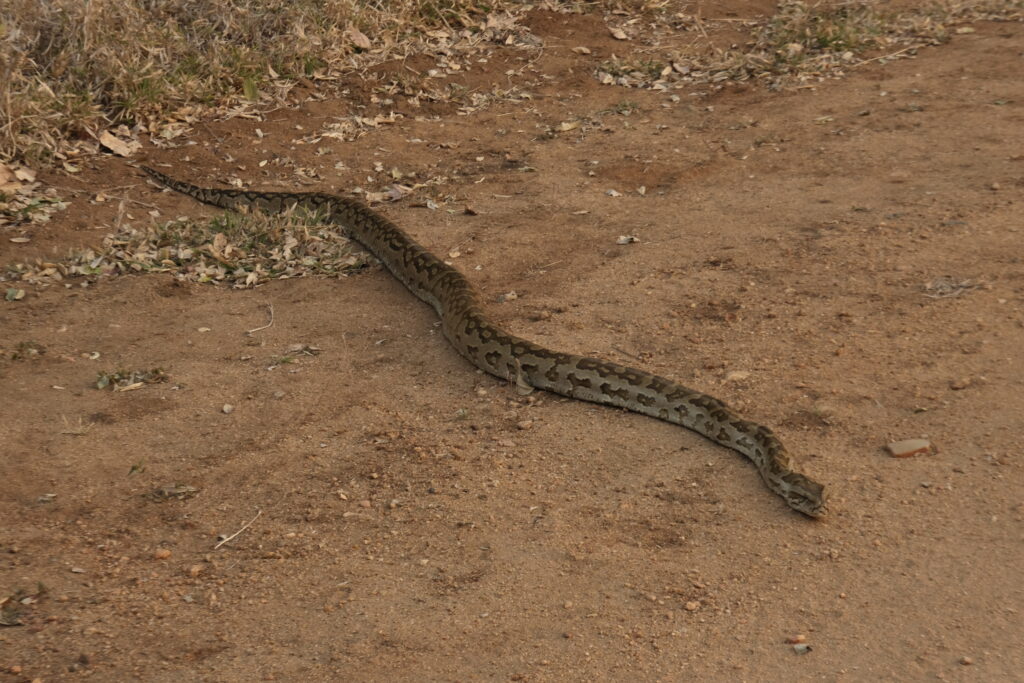
We especially loved that we spent the whole evening chatting with the campsite caretaker. He told us a lot about Malawi and also taught us how to play Bawo, a traditional game that everyone plays in Malawi – it requires a lot of concentration and calculation but is really fun.
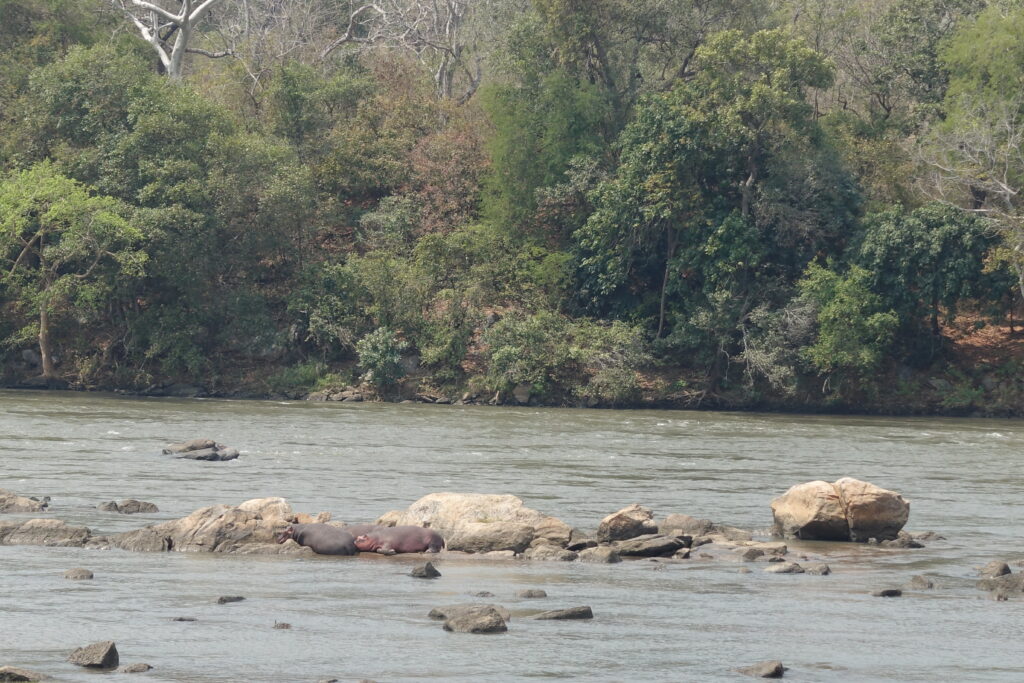
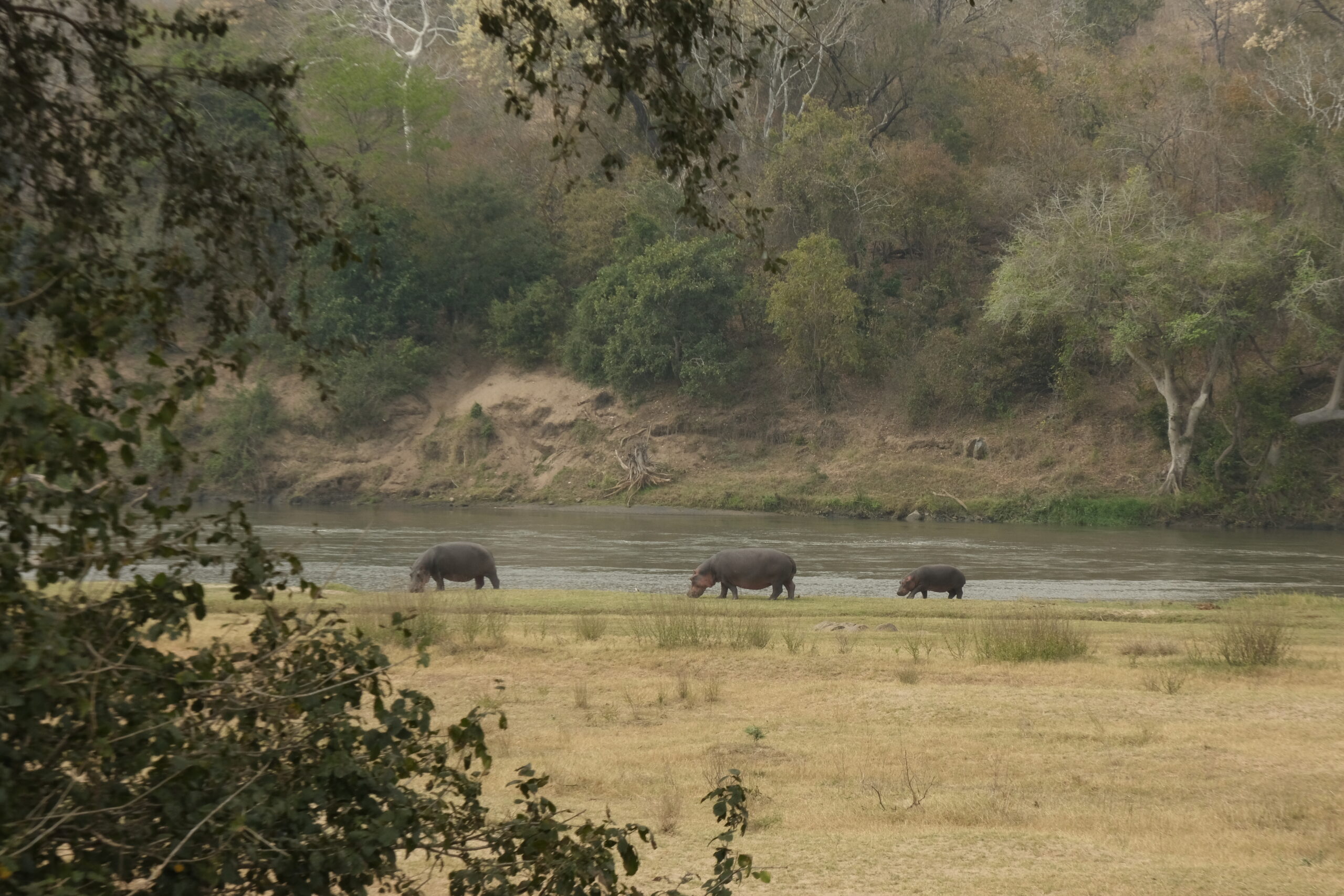
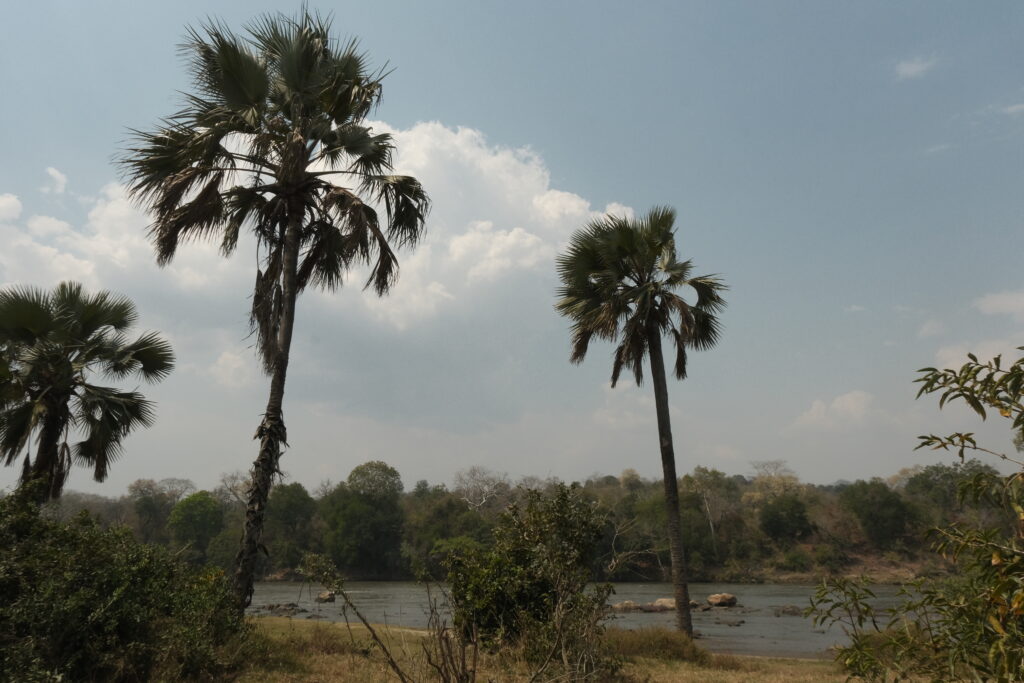
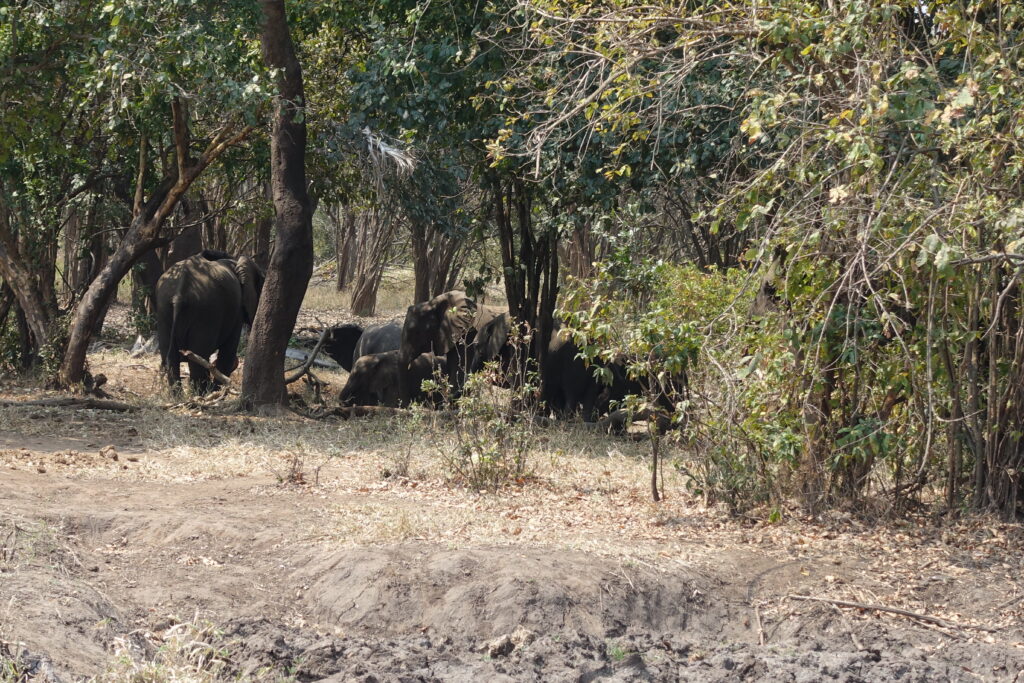
In the park, we first looked for lions near the airstrip, as it was full of tracks. Otherwise, it’s worth driving along the river, where you can do several smaller loops, and then head inland toward the waterholes, where there’s a really cool viewpoint and a wild camping spot. We drove two loops along the river and saw plenty of elephants – on the second one, we eventually turned back because a herd blocked the road, and with calves among them, we didn’t dare to pass. We also saw many crocodiles and hippos in the river, including a tiny, adorable baby hippo.

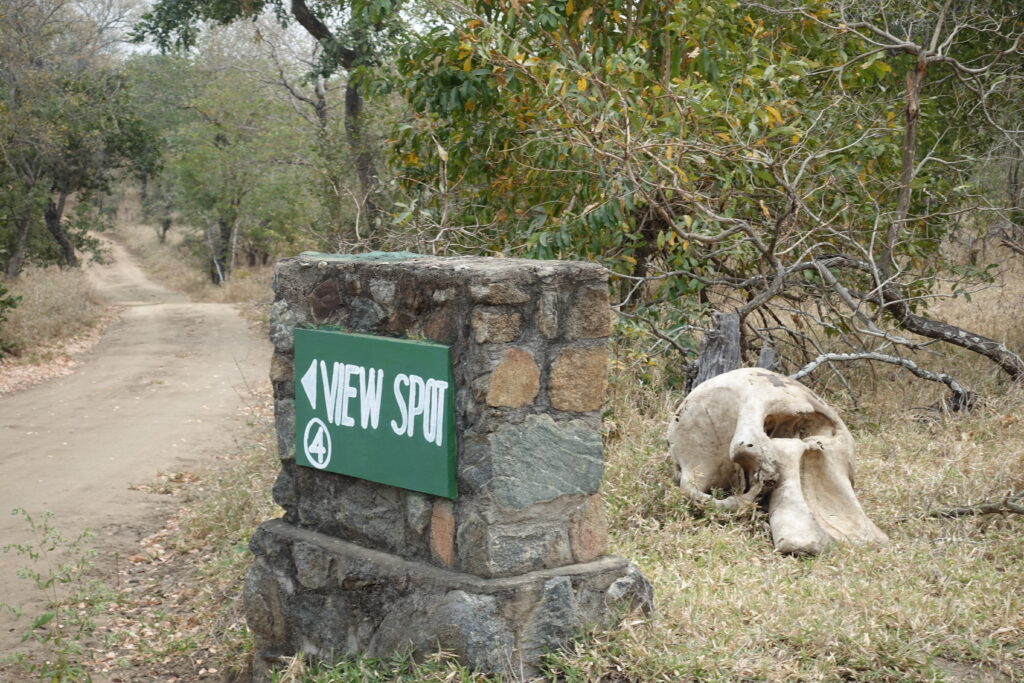
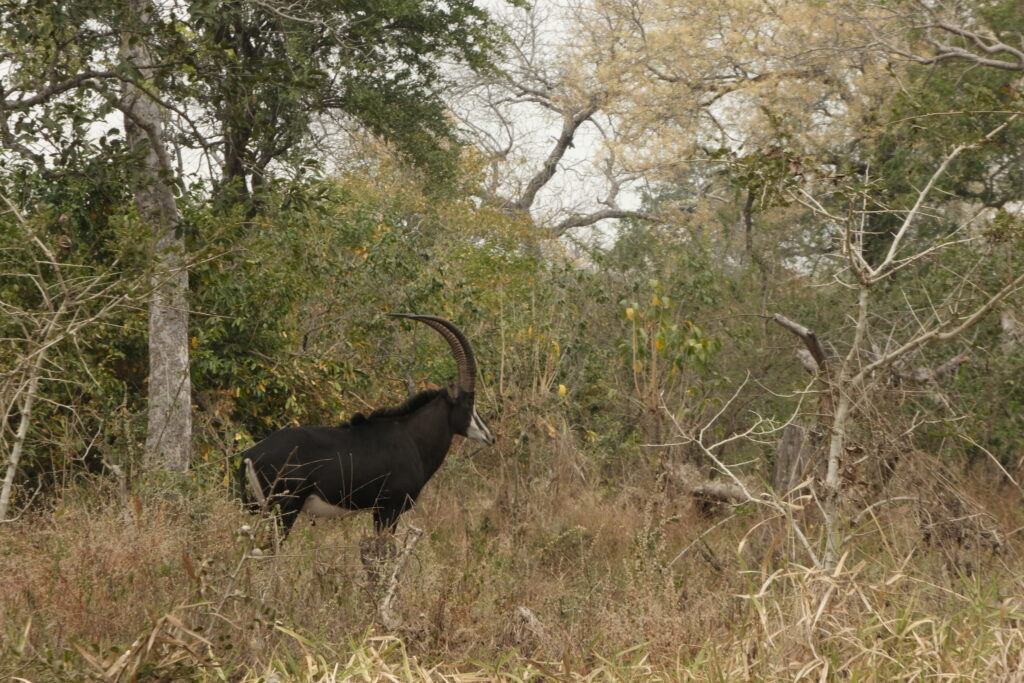
The next day, we requested permission to drive to the more remote parts of the park. The roads there are rougher, and you have to register before going so they know your whereabouts – in case you don’t return, they can look for you, since there’s no phone signal. Even in these remote areas, the park was beautifully maintained, with clear directional signs everywhere. We only got lost once – an elephant had broken off a large branch that blocked the track, but we quickly found another route. We spotted beautiful sable antelopes in both black and brown coats, and lots of Cape buffaloes, which always make us a bit nervous – they move in herds of hundreds and stare at you intimidatingly.
On the third morning, we woke up early to go for a sunrise drive before breakfast. As soon as we turned out of the campsite, we saw a hyena and continued toward the river. Suddenly, however, the check engine light came on again, and the car kept switching into idle mode. We decided to head back to Blantyre as soon as possible – unfortunately, we didn’t even get a chance to say goodbye. On the way, we stopped in a small village to eat some fried potatoes, but we were quite nervous because we knew we had a long, winding uphill drive ahead. After many restarts, we finally made it to the top of the mountain and rolled into Blantyre, heading straight to the Toyota service center.
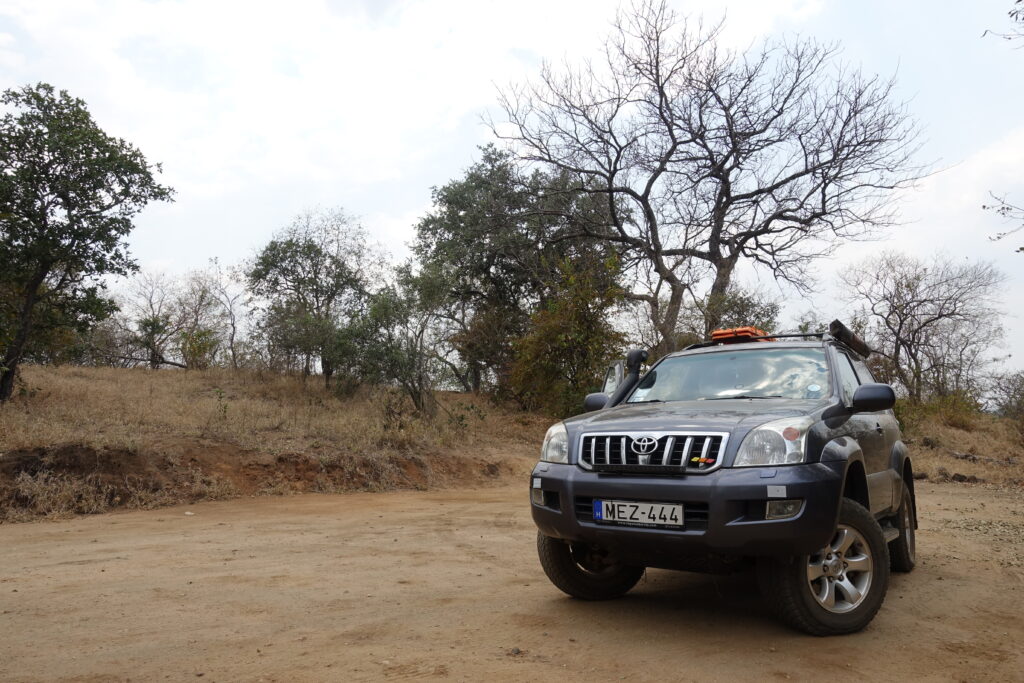
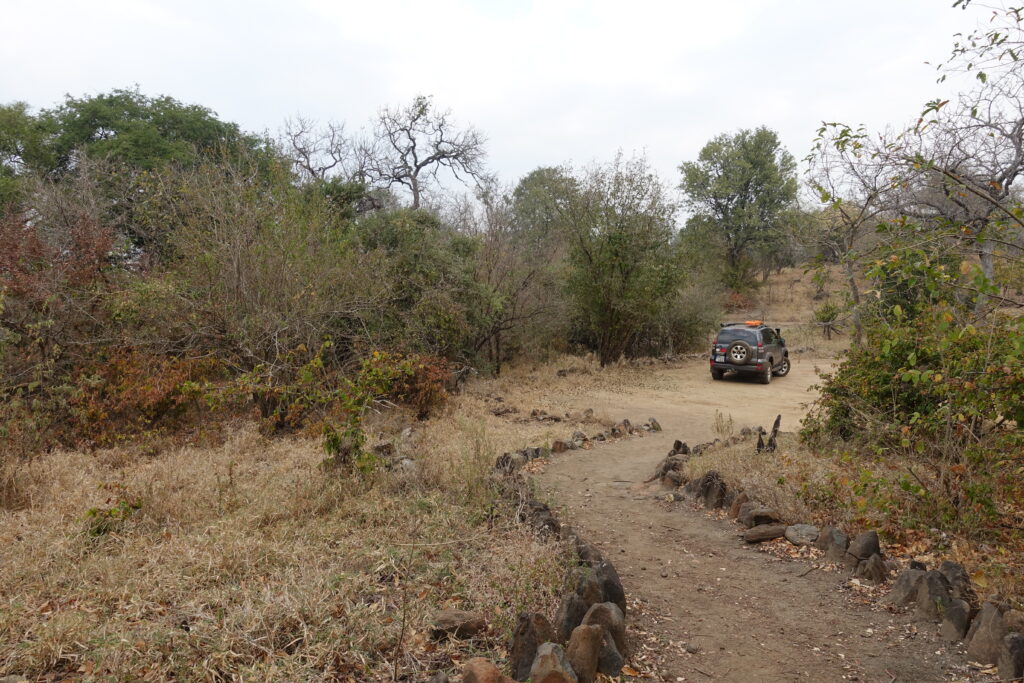
They sent us to another Toyota branch, and then a third one, where they finally managed to help. After three to four hours of thorough inspection, they found the problem: the connector before the common rail pipe was cracked or had a broken wire (or something like that  ). It wasn’t a major issue – just very hard to find – but this tiny connector had caused us trouble for almost 5,000 kilometers and constant anxiety about when the check engine light would come on again.
By that point, we were so desperate that we didn’t even ask for the price in advance – in the end, we paid around 20,000 HUF. It turned out that, unlike in most African or European countries, Malawi uses the Toyota CFAO network for servicing, which is highly professional and surprisingly affordable. They were also incredibly kind to us: they fixed the car immediately and didn’t charge any emergency fee.
Since then, the check engine light has come on again only once, but that was due to a completely different, easily identifiable issue – and since we’ve driven about 5,000 kilometers without any trouble since then, it seems the real problem has finally been solved. 🙂