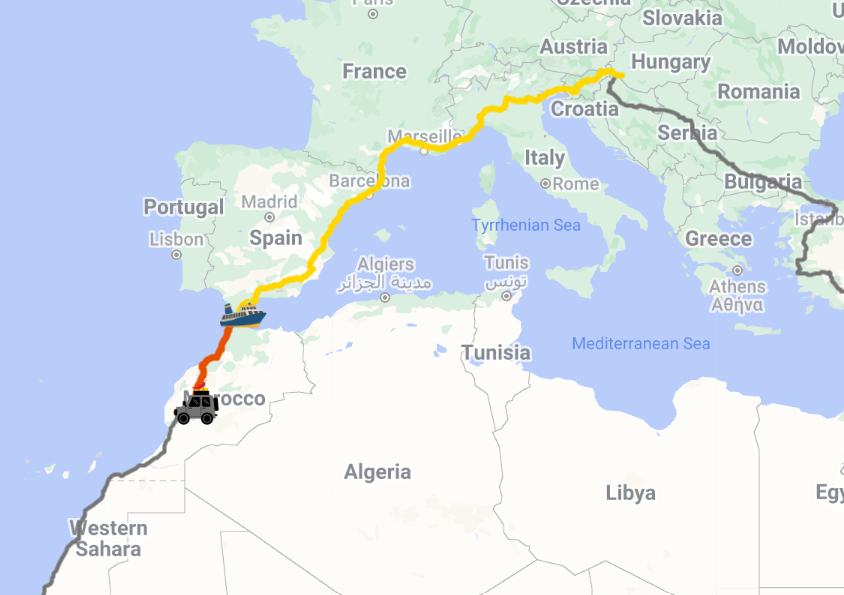
January 24–26: We reached Marrakesh in just five days. There were two reasons for our rush: first, we needed to obtain our Nigerian visa in advance, which gives us 90 days to cross Nigeria (and the rainy season is approaching in the region). That’s why we decided to only stop in places that were directly along our route through Morocco. It’s such an interesting and diverse country that it’s definitely worth coming back for a longer trip to explore it more thoroughly.
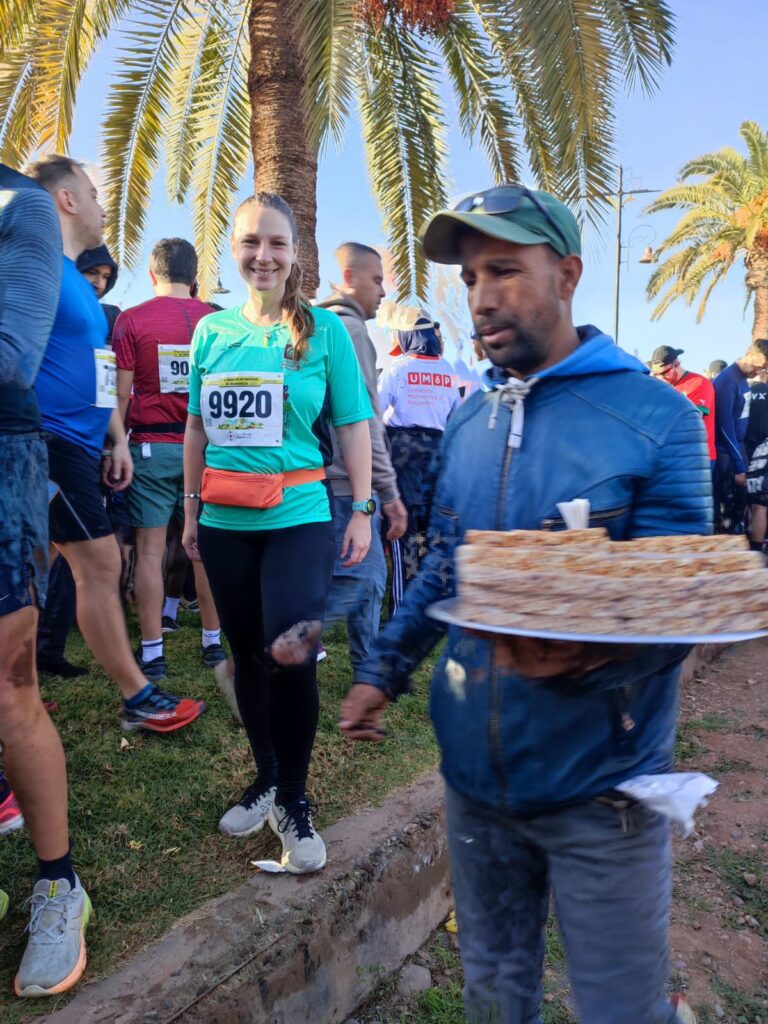
The other reason was that we had a bit of a delayed start, and I (Eszti) wanted to run a marathon in Marrakesh on January 26. Unfortunately, due to an injury, I couldn’t run the full marathon this time, but I decided to run the half marathon anyway. The race had a great atmosphere — we ran through beautiful areas, and local residents stood along the roadside cheering everyone on. At times, Moroccan drummers played music for us along the route.
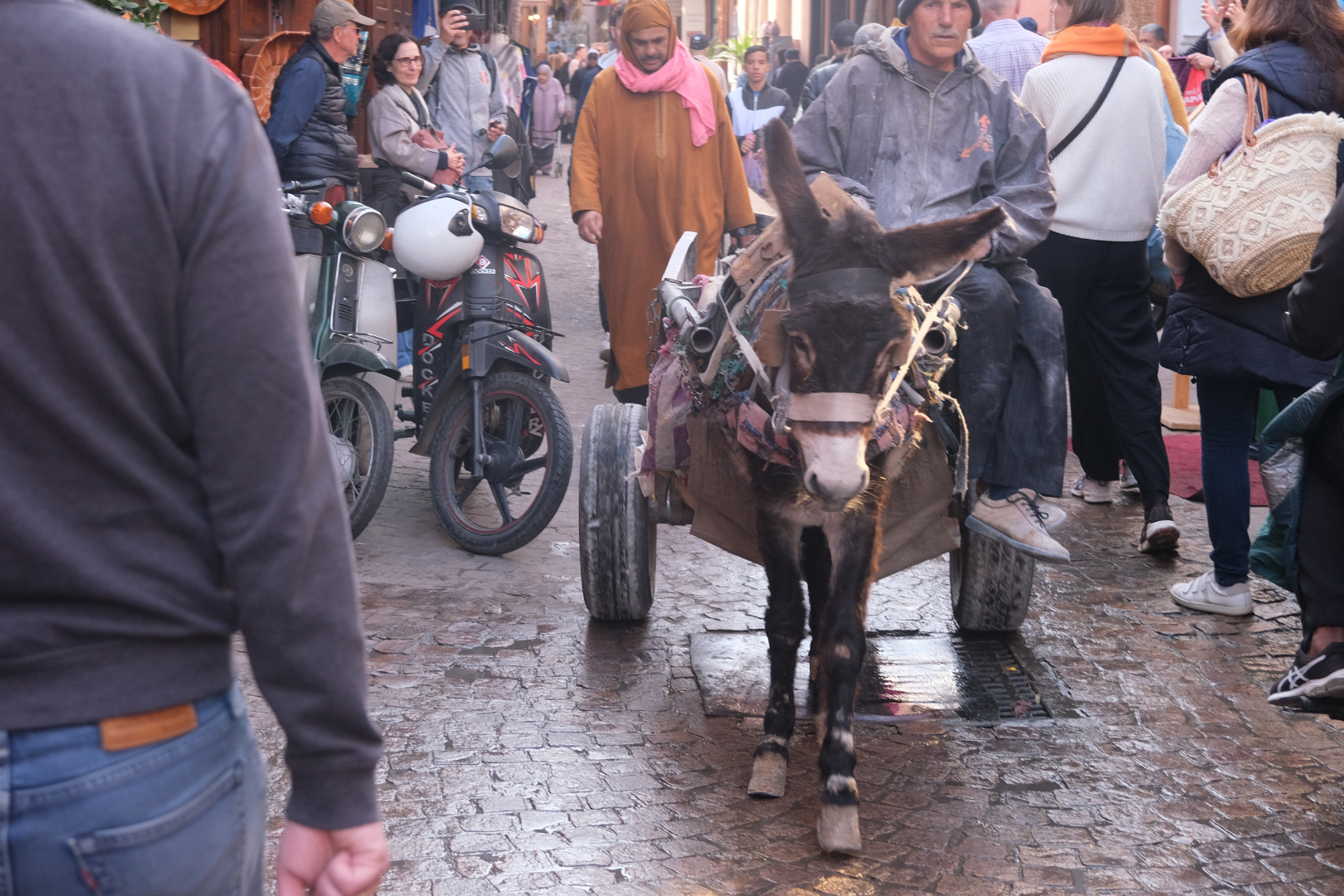
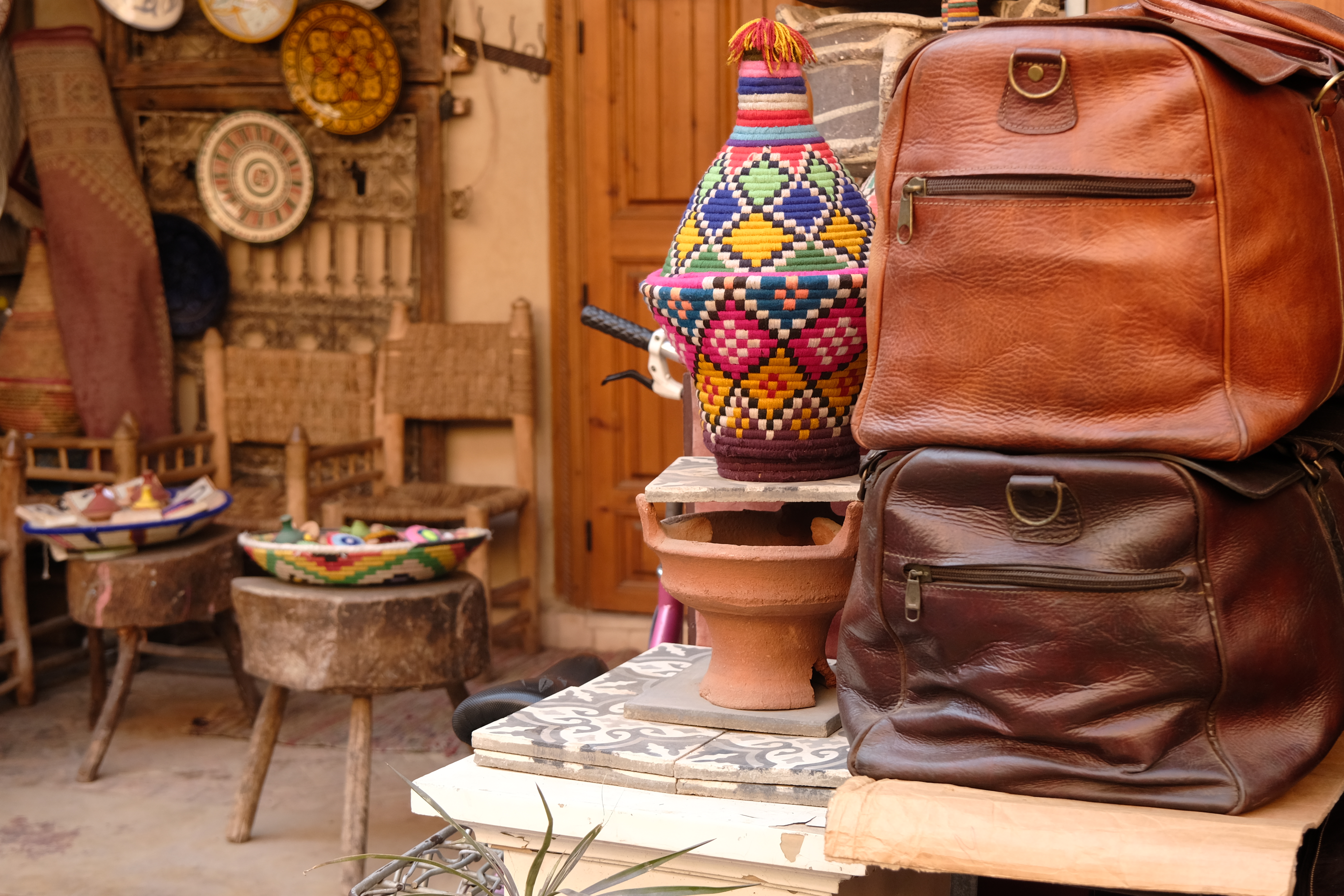
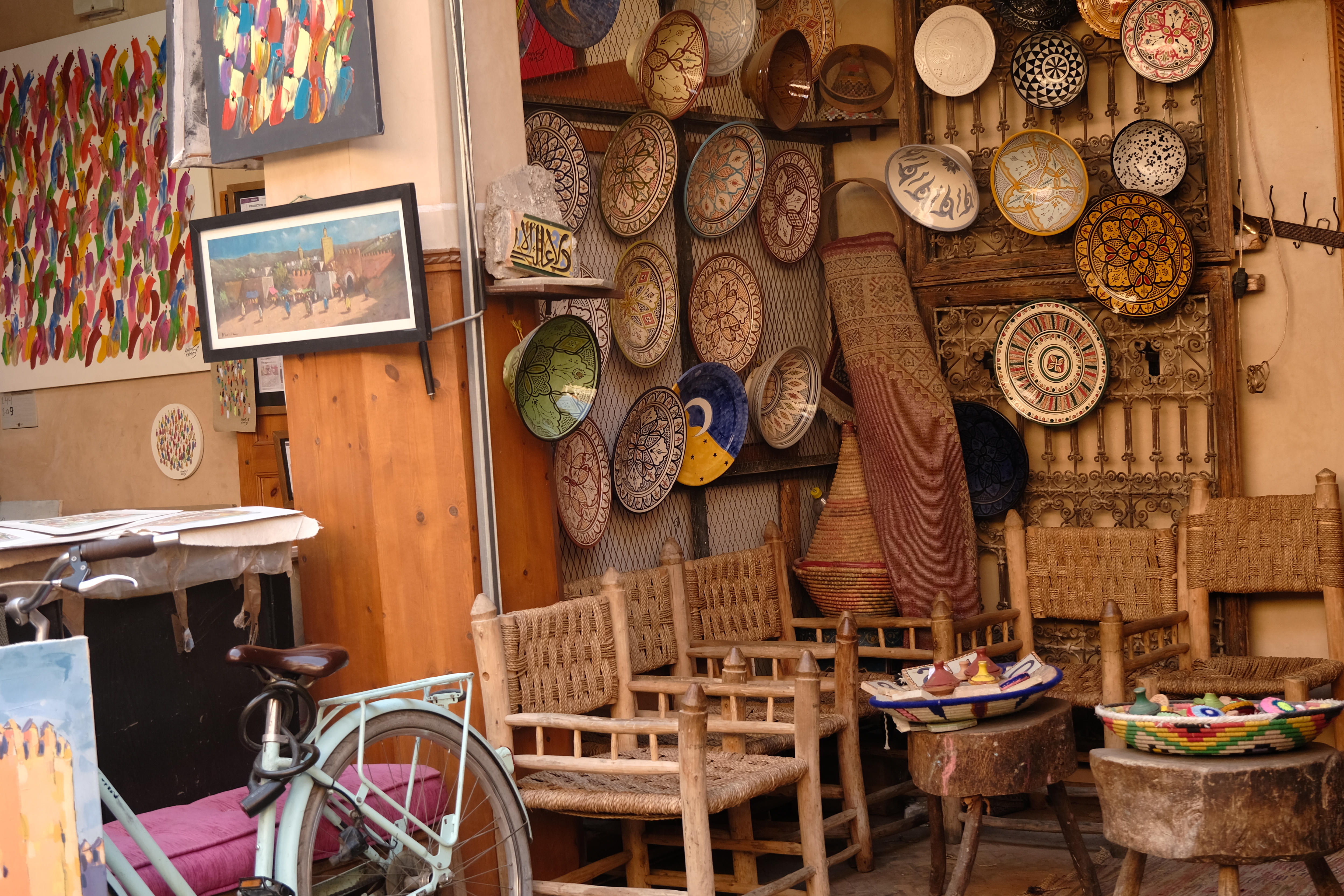
Marrakesh was actually a very pleasant surprise for us. You often read that the vendors are overly pushy, but we had a really positive experience while wandering through the endless souqs (bazaars). Most people greeted us kindly, asked if we were interested in buying something, and had a short chat with us. The goods sold in the souqs are beautiful — we joked that we might as well spend all our money on carpets and handicrafts and furnish an apartment back home.
The lack of pushiness definitely didn’t apply to the street food vendors on Jemaa el-Fnaa square. Around 100 numbered stalls set up every evening, and the market is divided into thematic sections (like goat vendors, snail sellers, cinnamon tea stands), although most of them try to sell the same menu to both tourists and locals.
We had meat skewers, but our favorite was the tajine kefta – meatballs cooked in a traditional clay pot (tajine) with a tomato-based, spiced sauce and egg – and the harira soup, a flavorful chickpea and lentil soup that costs around 200 forints (about half a euro). During the day, we also tried mechoui for my birthday lunch – slow-roasted lamb cooked in an underground oven, tender on the inside and crispy on the outside.
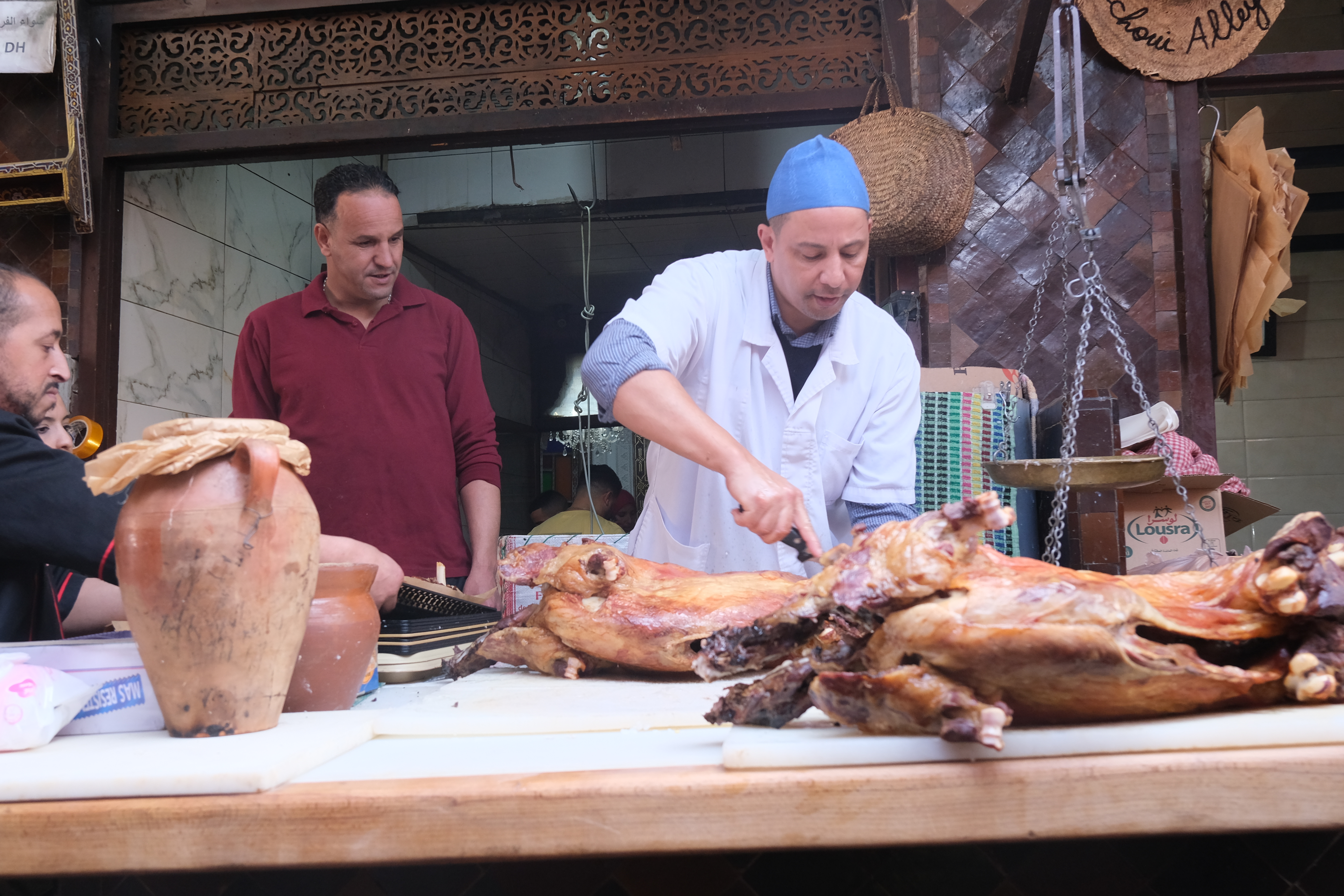
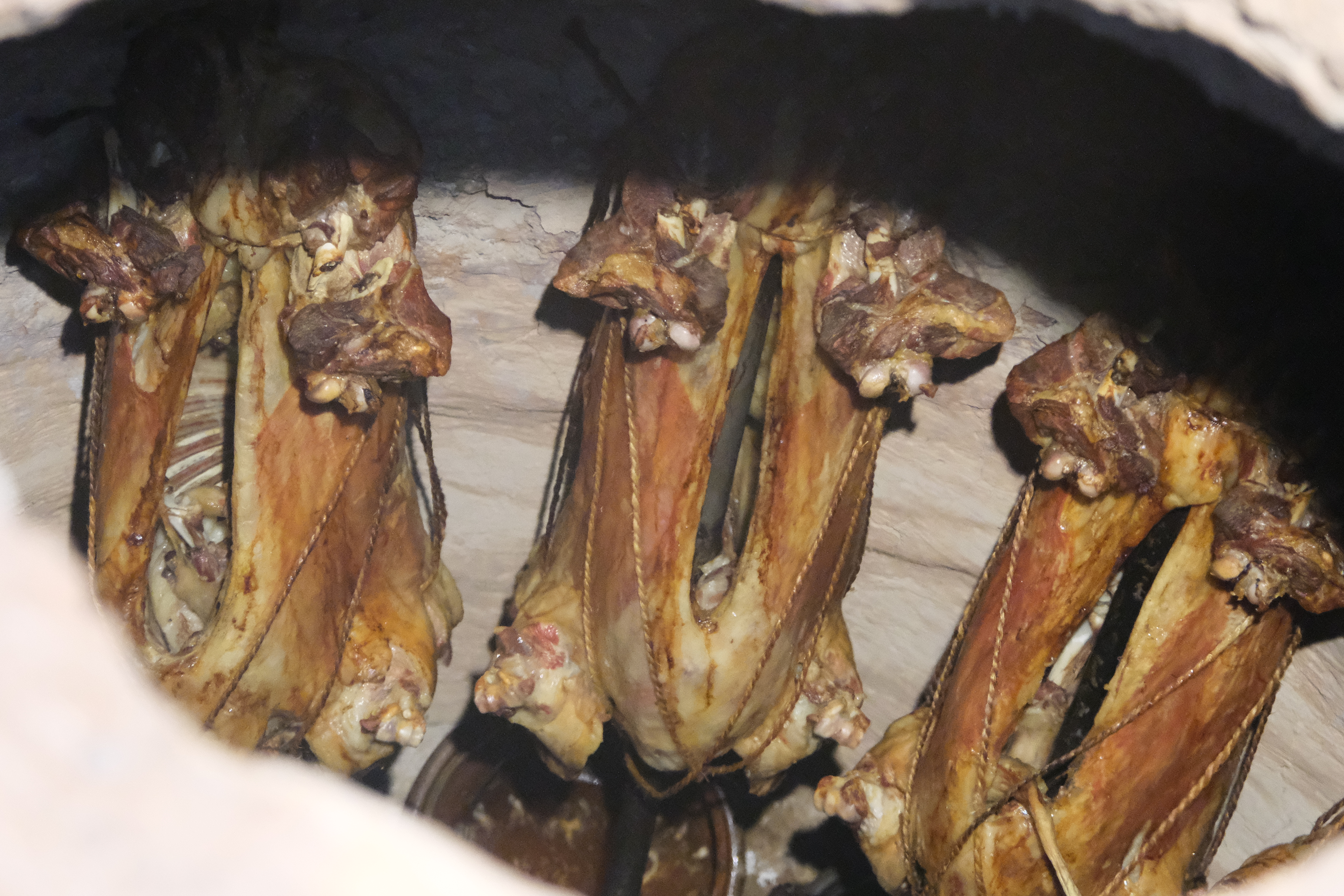
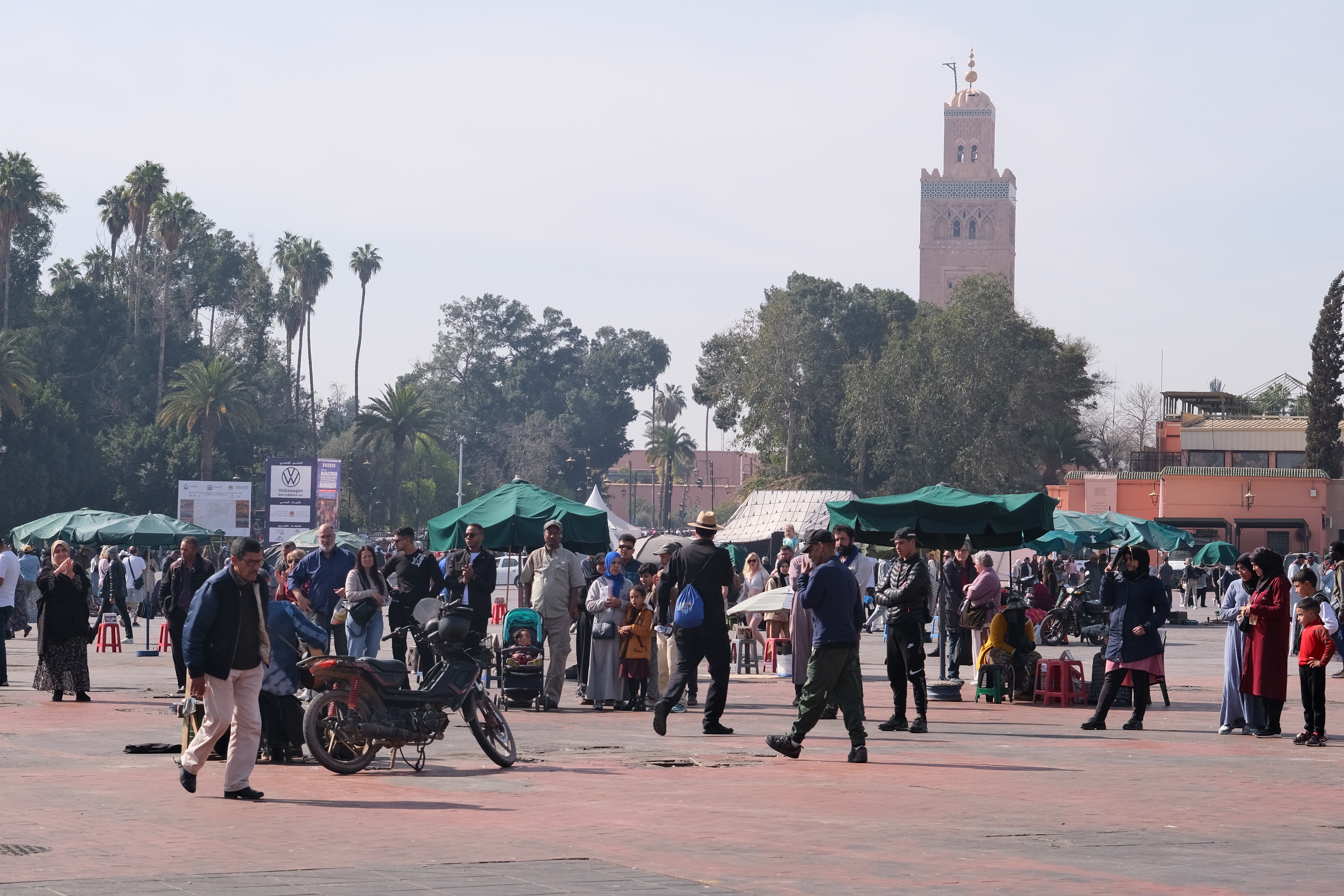
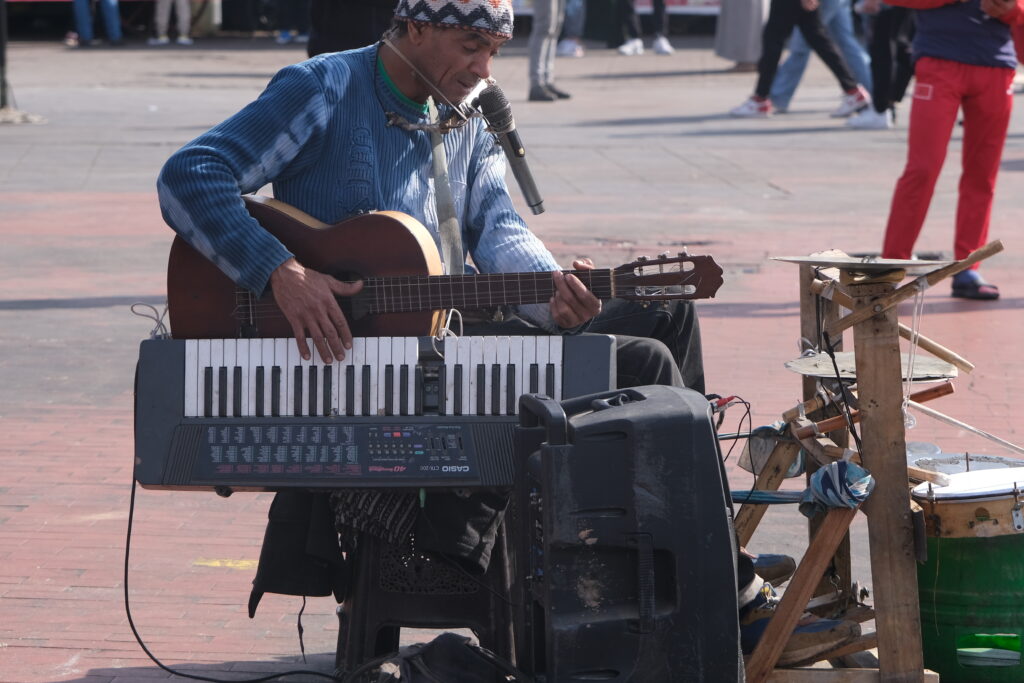
Jemaa el-Fnaa square has actually been on the UNESCO World Heritage list since 2001. It was established in the 11th century and has long been a center of trade, traditions, and the arts. In the evenings, the street food section is mostly visited by tourists, while the other side of the square is more popular with locals. You can find everything here: snake charmers, countless musicians and drummers, storytellers, and handmade games of skill and luck (like untying a complicated knot).
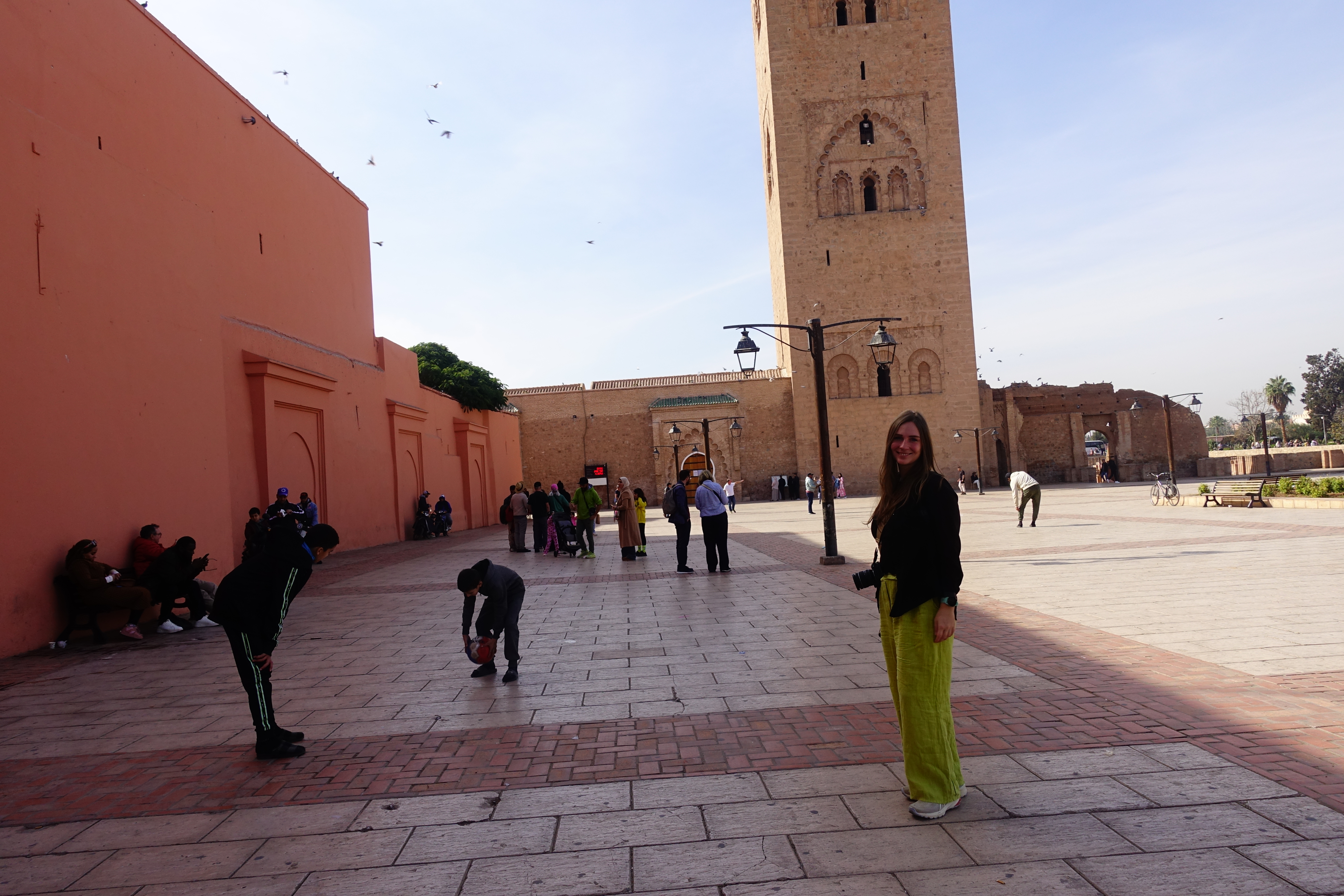
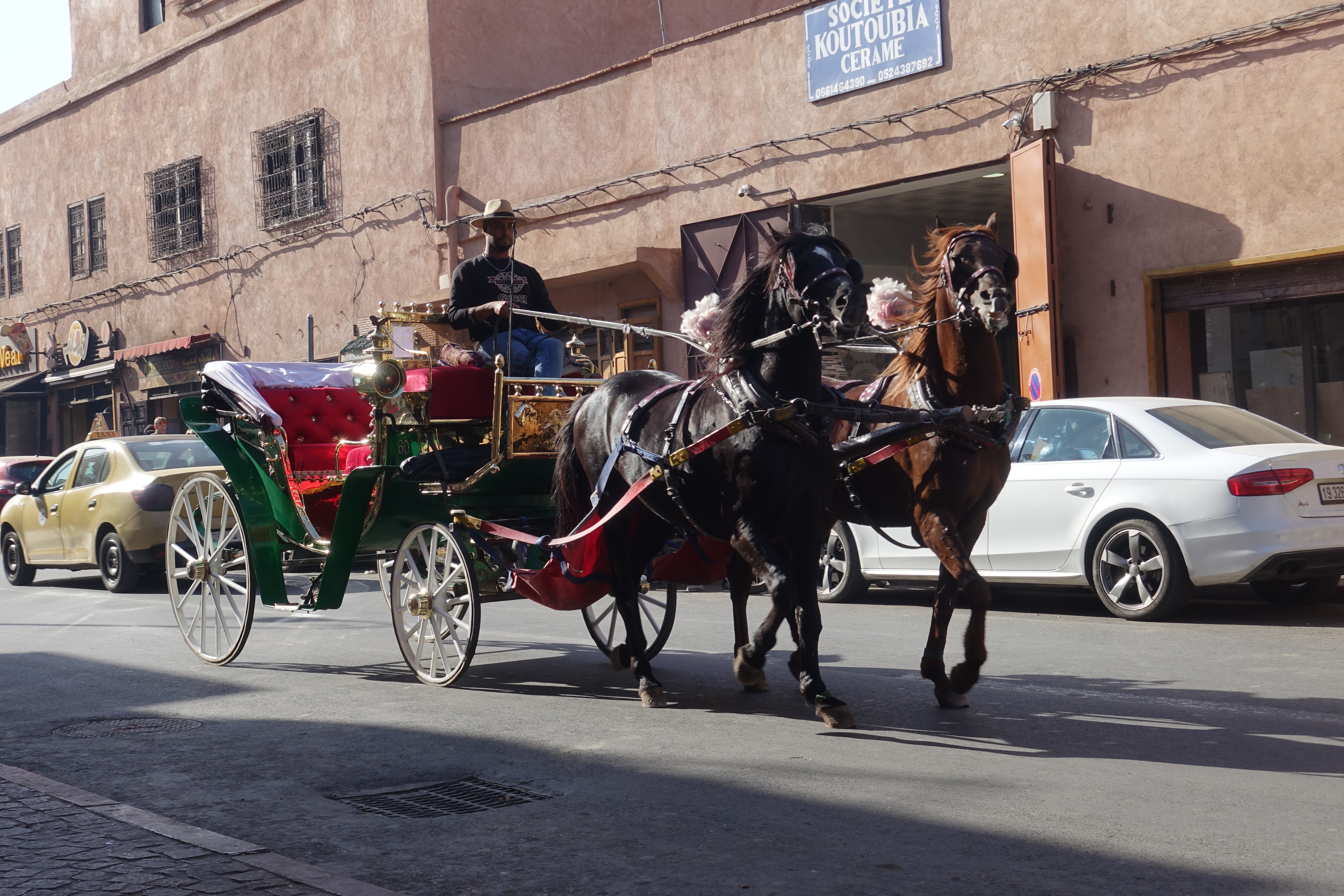
We’ve grown more and more fond of Morocco and the Moroccan people — and although we had just one more stop after Marrakesh, we promised ourselves we would definitely come back!