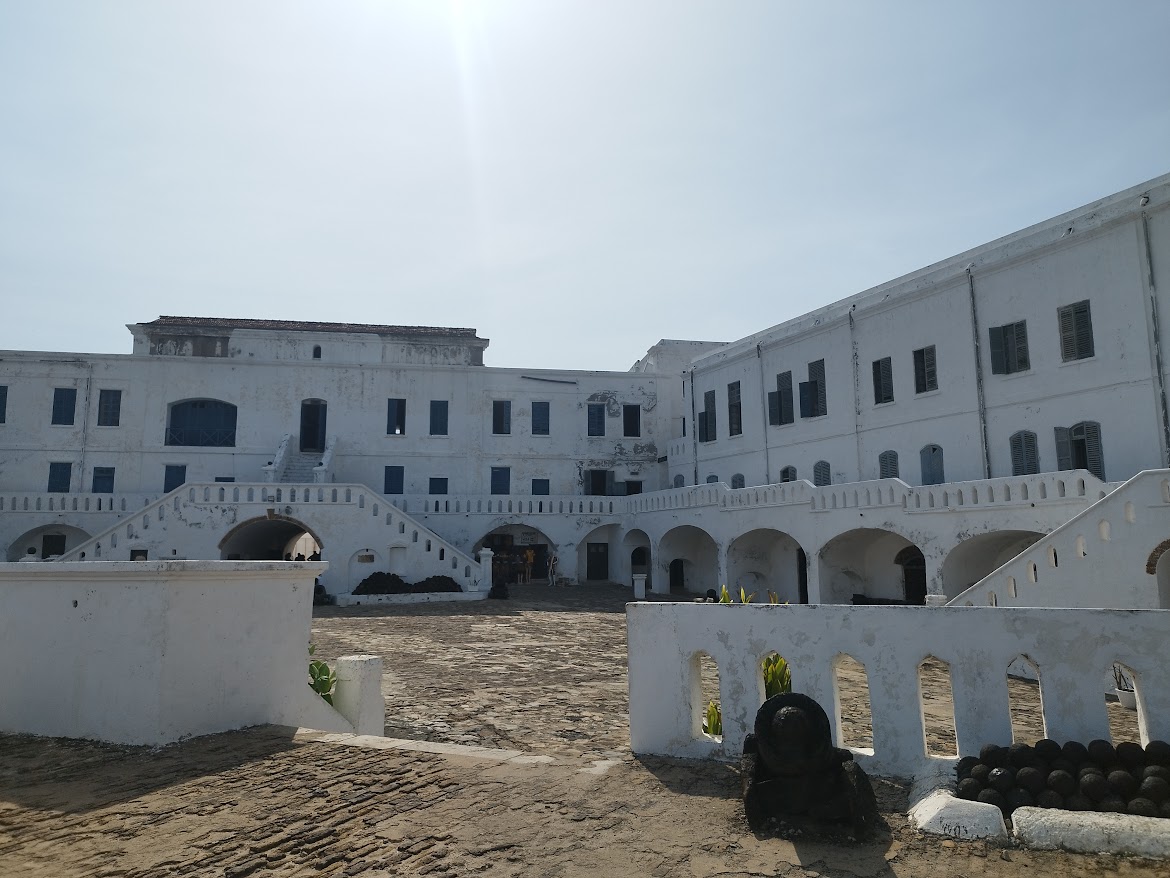
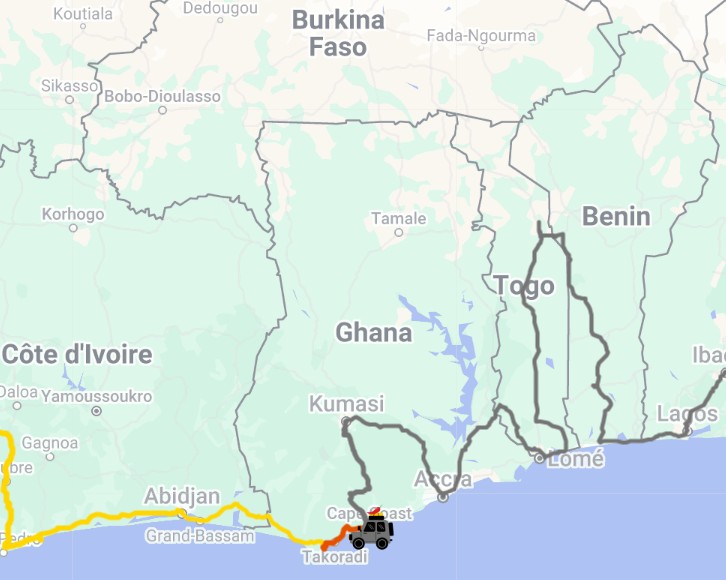
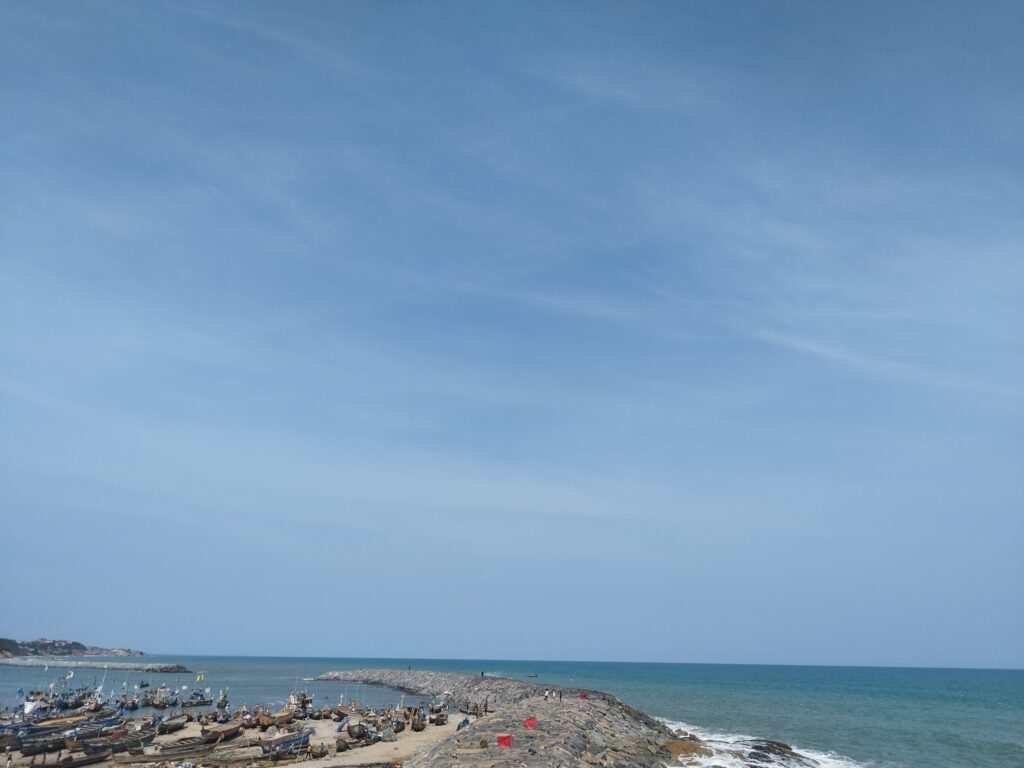
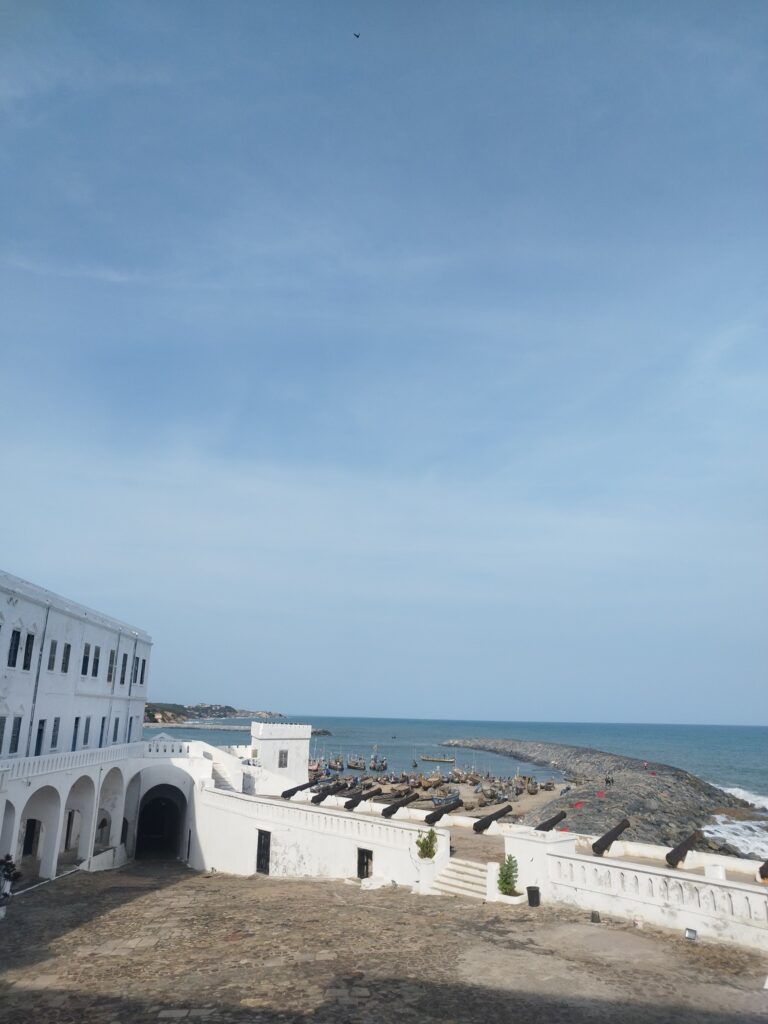
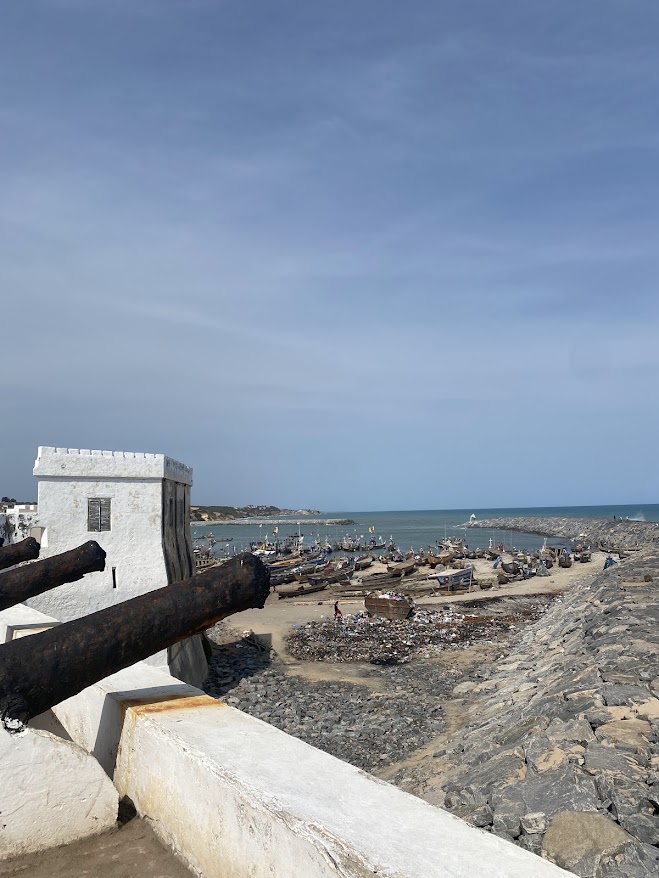
March 15.: After Busua, we set out to spend the night in Kakum National Park, but first we stopped at Cape Coast. Cape Coast is a coastal town in the southern part of Ghana, the UNESCO World Heritage Site Cape Coast Castle can be found here.
We paid for a guided tour, which turned out to be a deeply impactful experience. Our guide began by welcoming us to the Cape Coast Dungeon, a place that contributed to one of humanity’s most horrific crimes: slavery.
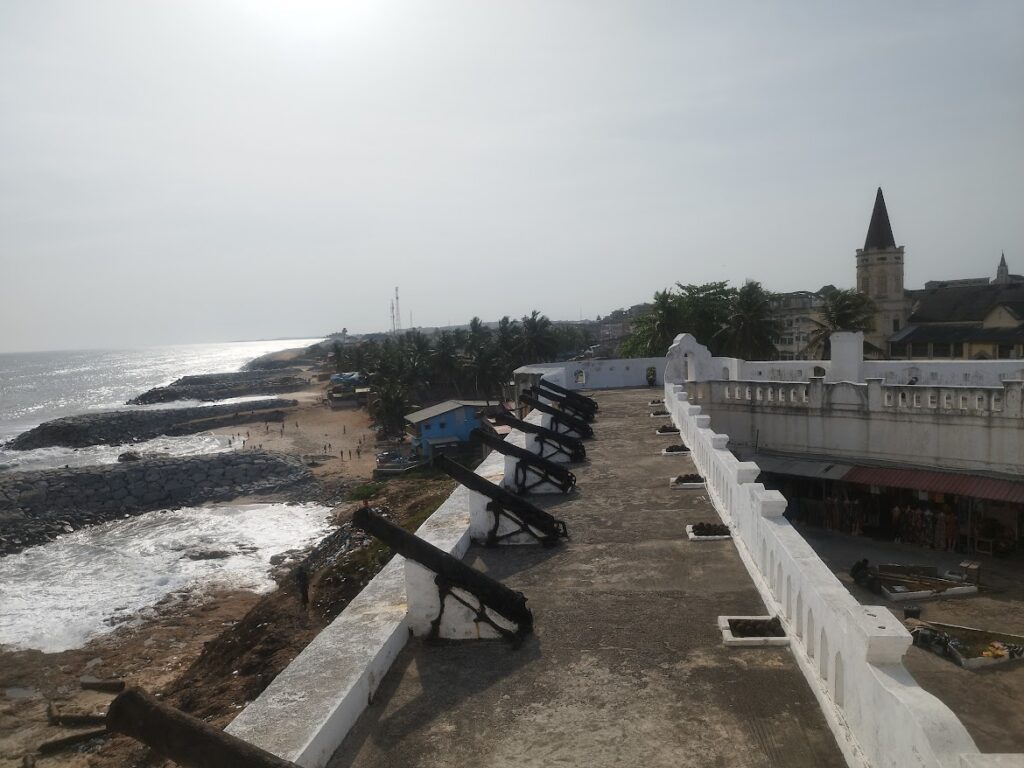
Ghana’s coastline was once known as the “Gold Coast,” and around 40 forts can be found here that served as hubs for the transatlantic slave trade. The most famous of these is Cape Coast Castle, originally built by Swedish traders in the 17th century, later taken over by the Dutch, and finally the British. The castle functioned as a military fortress, a trade center, and a slave dungeon.
A hivatalos becslések szerint körülbelül 15 millió embert hurcoltak el Nyugat-Afrikából Amerikába a transzatlanti rabszolgakereskedelem során – többségüket Brazíliába. A vezetőnk azonban megjegyezte, hogy a „transzatlanti” elnevezés nem pontos, hiszen nem az Atlanti-óceán volt a felelős, hanem különböző európai országok. Szerinte helyesebb lenne „európai rabszolgakereskedelemnek” nevezni. Azt is hozzátette, hogy a valódi áldozatok száma ennek akár négyszerese is lehet – szerinte elérheti a 60 milliót.
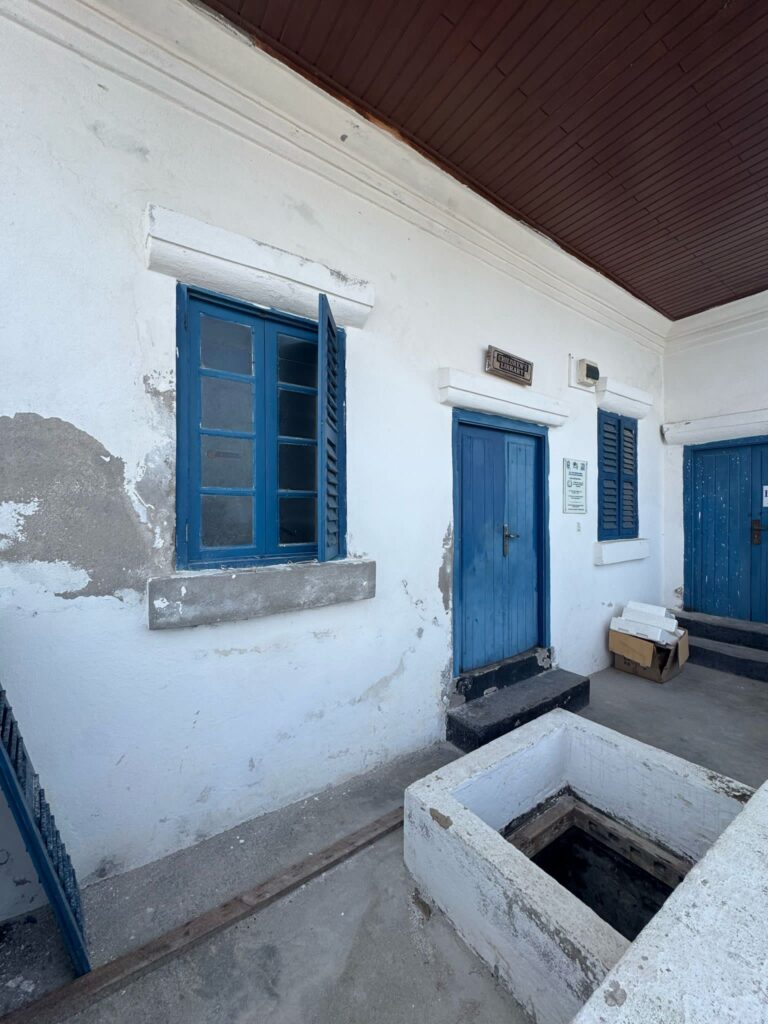
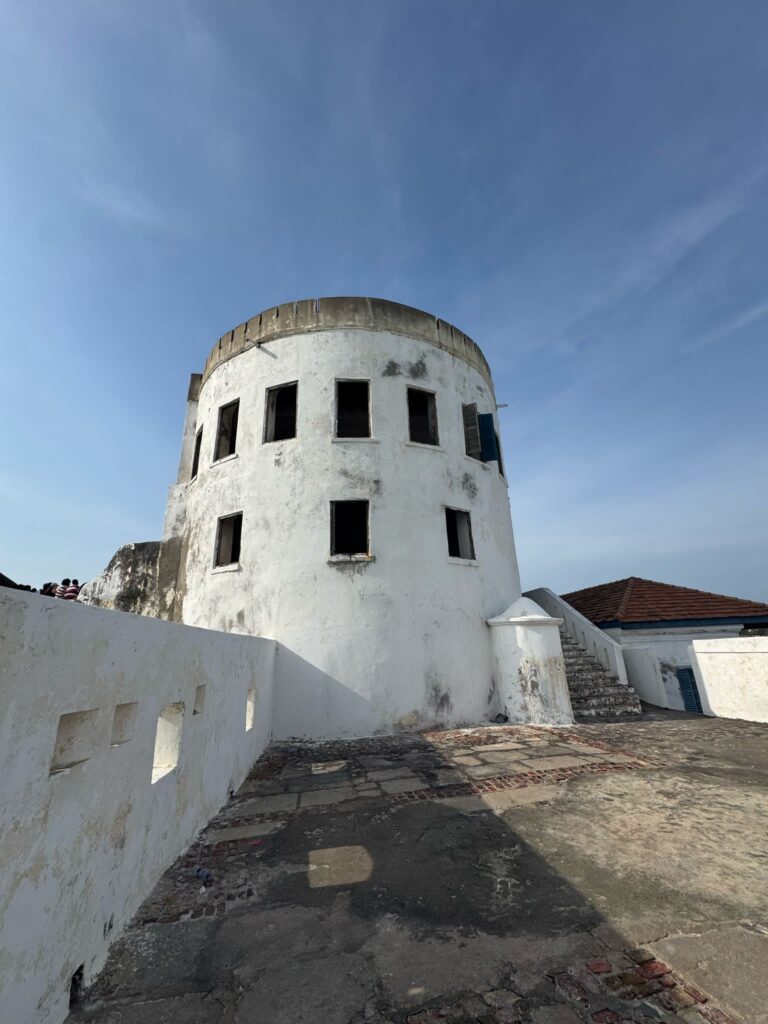
There were two ways someone could become a slave: either they were captured directly by Europeans (mainly the British in Ghana) – kidnapped from their lands or tricked into entering the fort with promises of a better life – or they were prisoners of local tribal wars, sold into slavery by the victorious leaders, primarily among the Asante and Fante ethnic groups in Ghana.
The most harrowing part of the tour was when we entered the underground prison cells. In some rooms, up to 300 people were crammed together for months. They were fed through a narrow whole, but otherwise had to live in their own urine, feces, and blood. Women were regularly raped by soldiers (many of whom were convicted criminals from England given a new life as prison guards in Ghana). Many died during the long, exhausting journey to the fort or in these inhumane conditions. Those who survived faced an even longer and more dangerous sea voyage – many perished during this stage as well. This is how the number of victims might rise beyond the 15 million enslaved people who arrived, to potentially 60 million when including those who died en route.
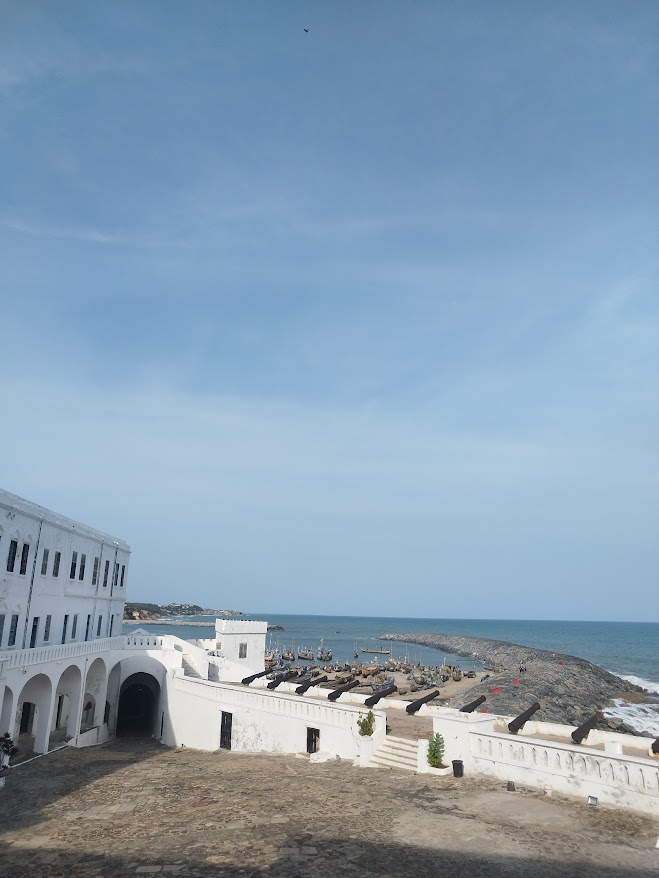
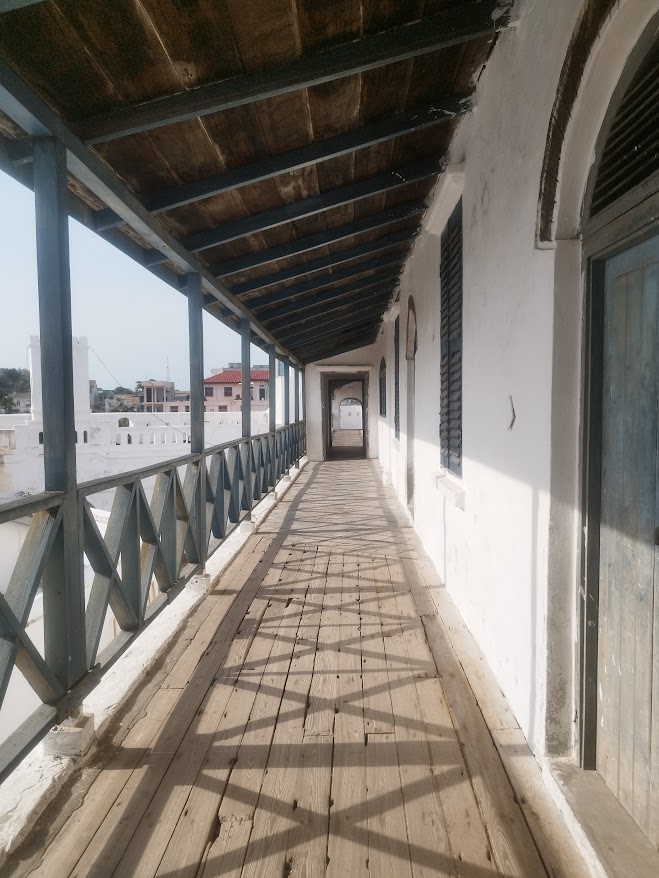
The most shocking detail was that the castle’s church was built directly above the largest dungeon cell. While Europeans prayed above, people suffered in the most inhumane conditions below. This contrast left a deep impression on all of us.
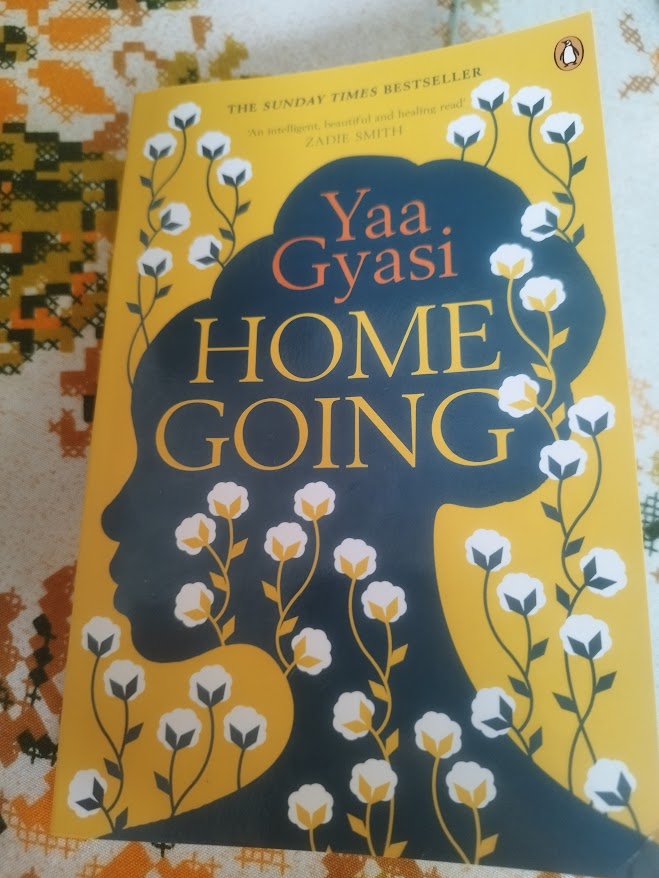
Our guide also recommended a very interesting Ghanaian-American novel that follows the fate of two Ghanaian sisters over generations: one was taken to the USA as a slave, while the other was married off to a British trader. The title of the book is Yaa Gyasi – Homegoing, and it offers a moving insight into the consequences of slavery.
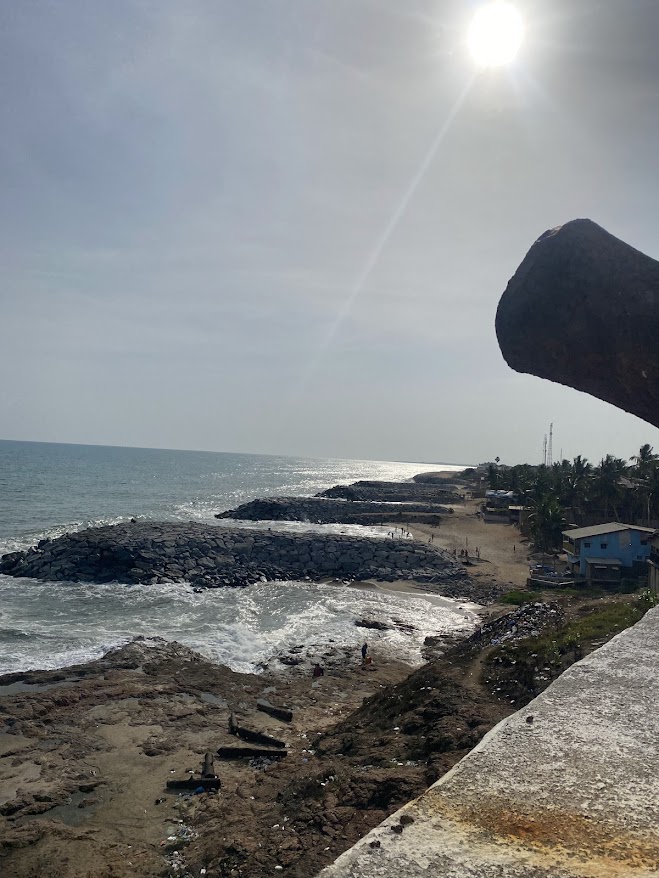
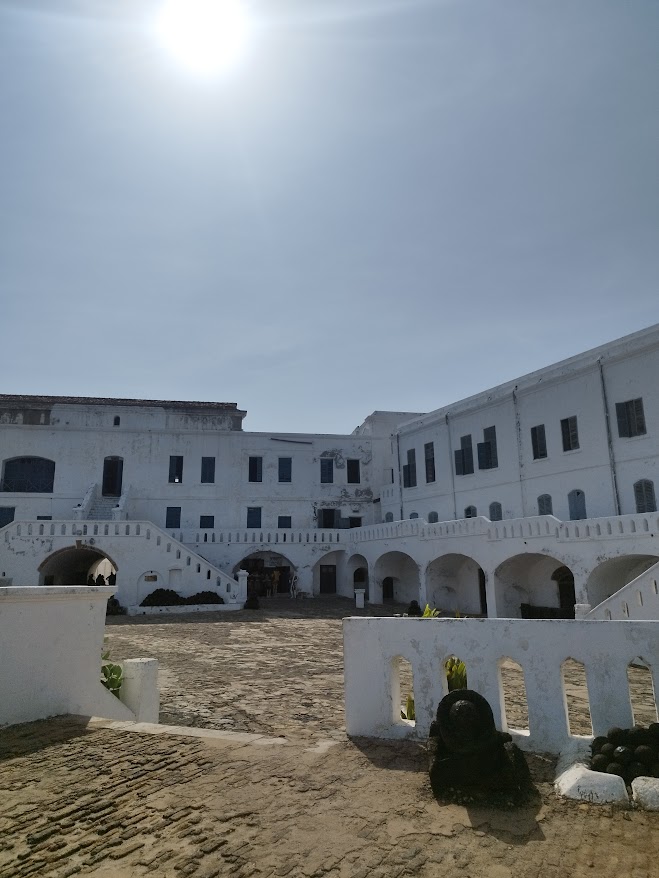
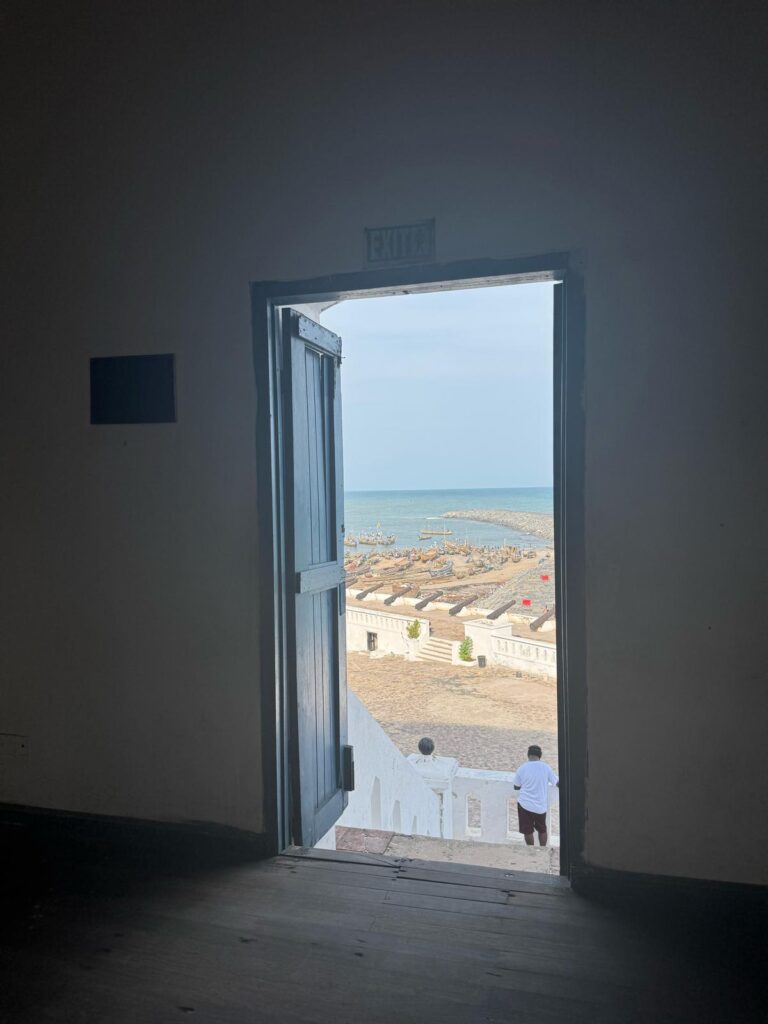
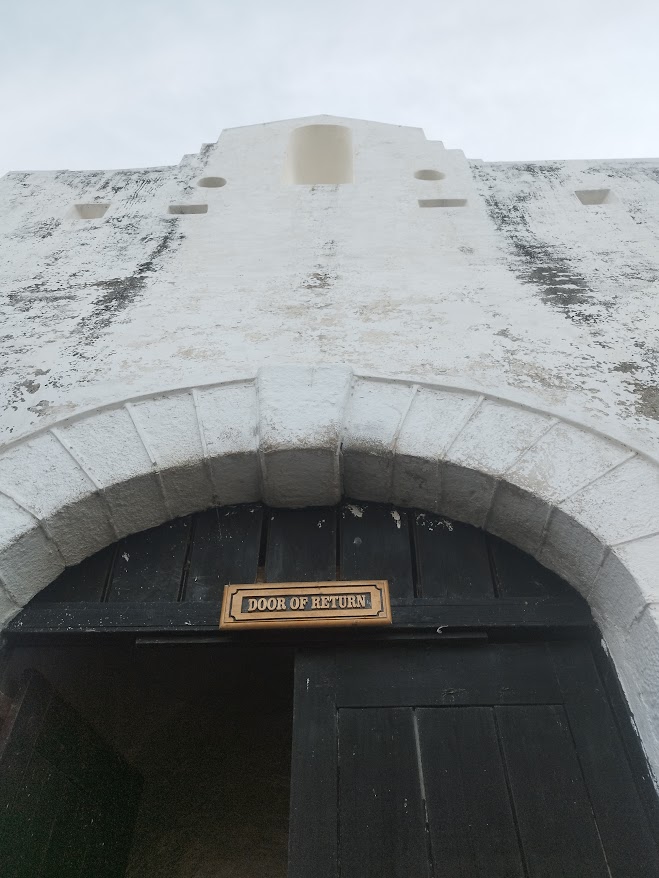
At the end of the tour, we passed through the door where the slave ships departed. It was known as the “Door of No Return” because those who passed through it never returned to their homeland. In recent years, however, a new inscription has been added on the harbor side: “Door of Return” – a tribute to the African Americans who return to the land of their ancestors, even if only for a visit. Perhaps that’s why, when the guide mentioned that most slaves were taken to Brazil, the yellow crystal I had around my neck – which I bought in Brazil last spring – suddenly broke. In Ghana, people still believe that the spirits of their ancestors live among us. I felt that maybe someone “wanted to return home,” so I left the crystal at the castle.

Leave a Reply