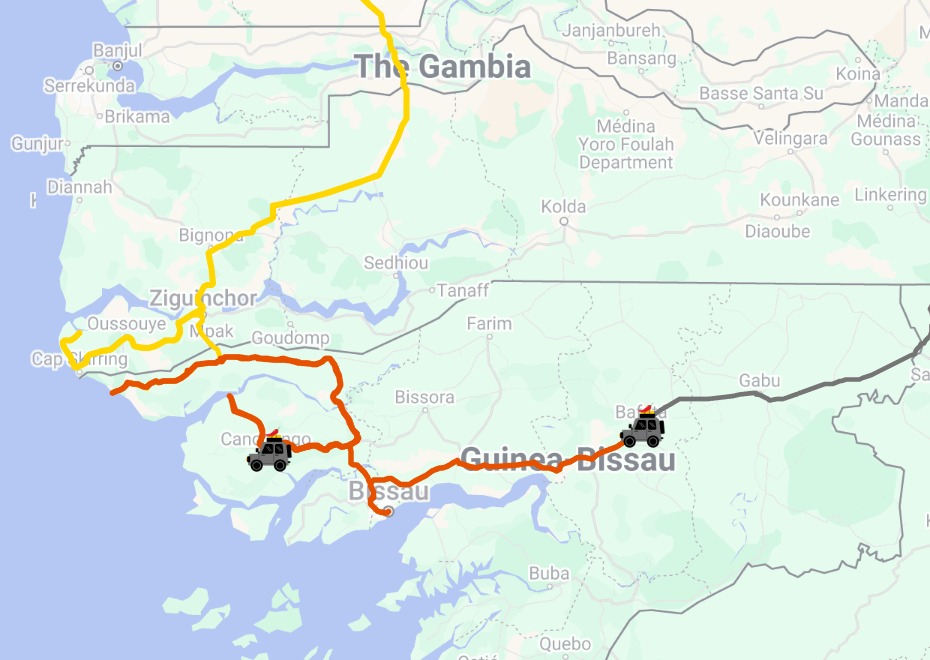
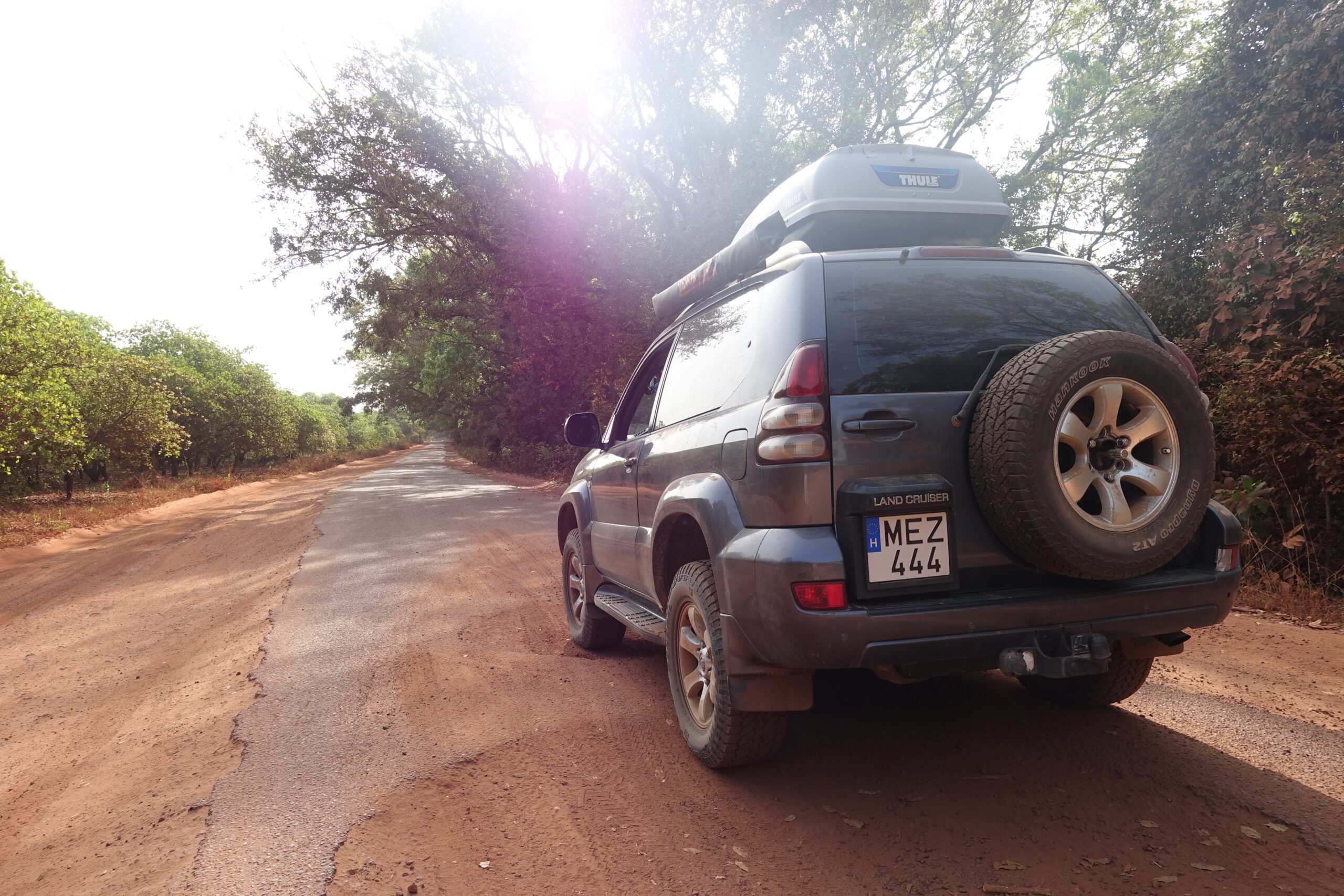
February 15–17: After Varela, we drove to Cachungo. Our original plan was to drive 200 kilometers to a small historic town called Cacheu, where we would do some wild camping, and then continue exploring the country the next day. However, we quickly realized that traveling in Guinea-Bissau was extremely slow: from 10 AM to 6 PM, we only managed to reach Cachungo, which was 177 kilometers away, because the average speed in the entire country was only around 25 km/h. We didn’t shift into third gear for days because the roads were covered with deep potholes.
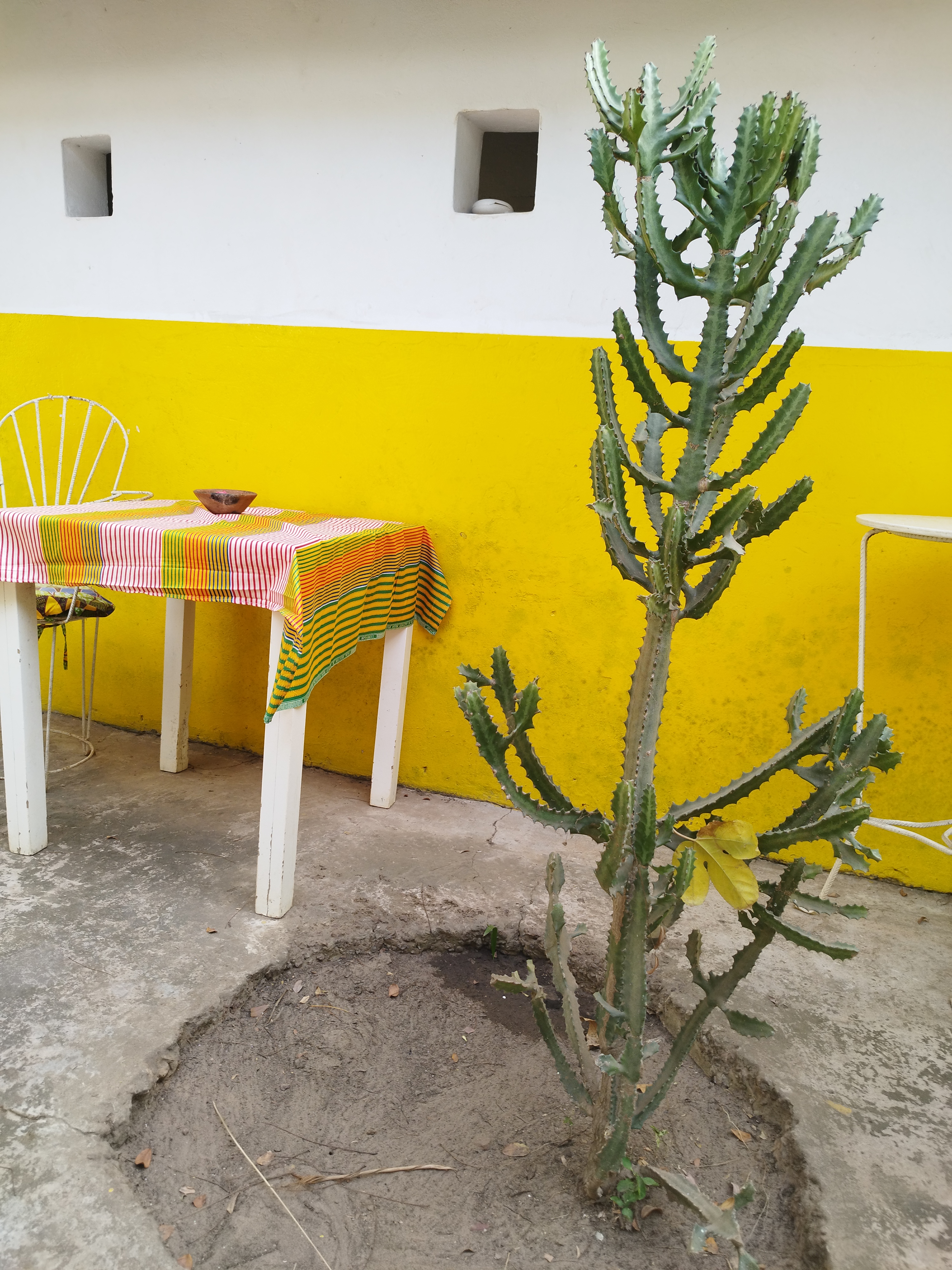
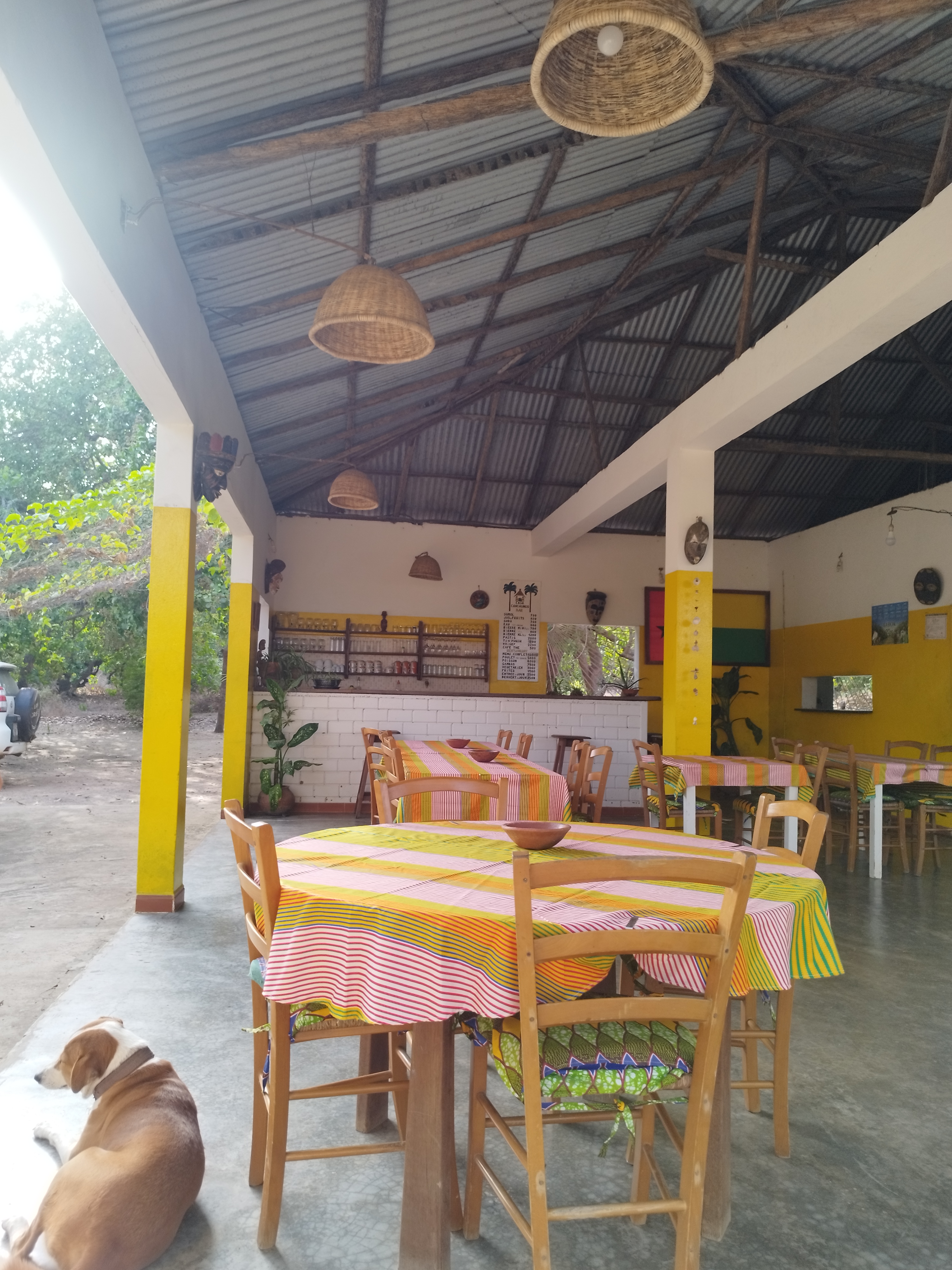
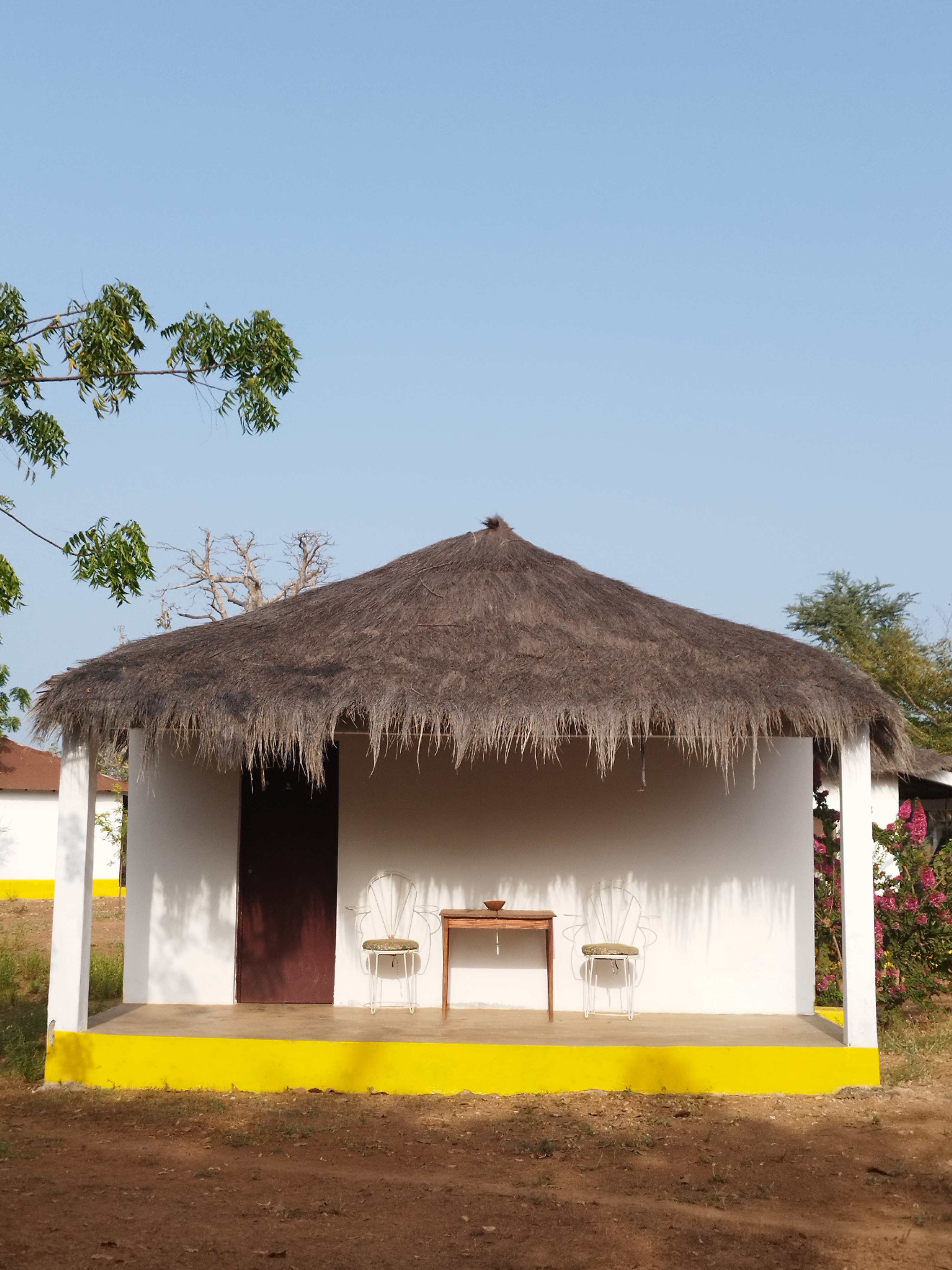
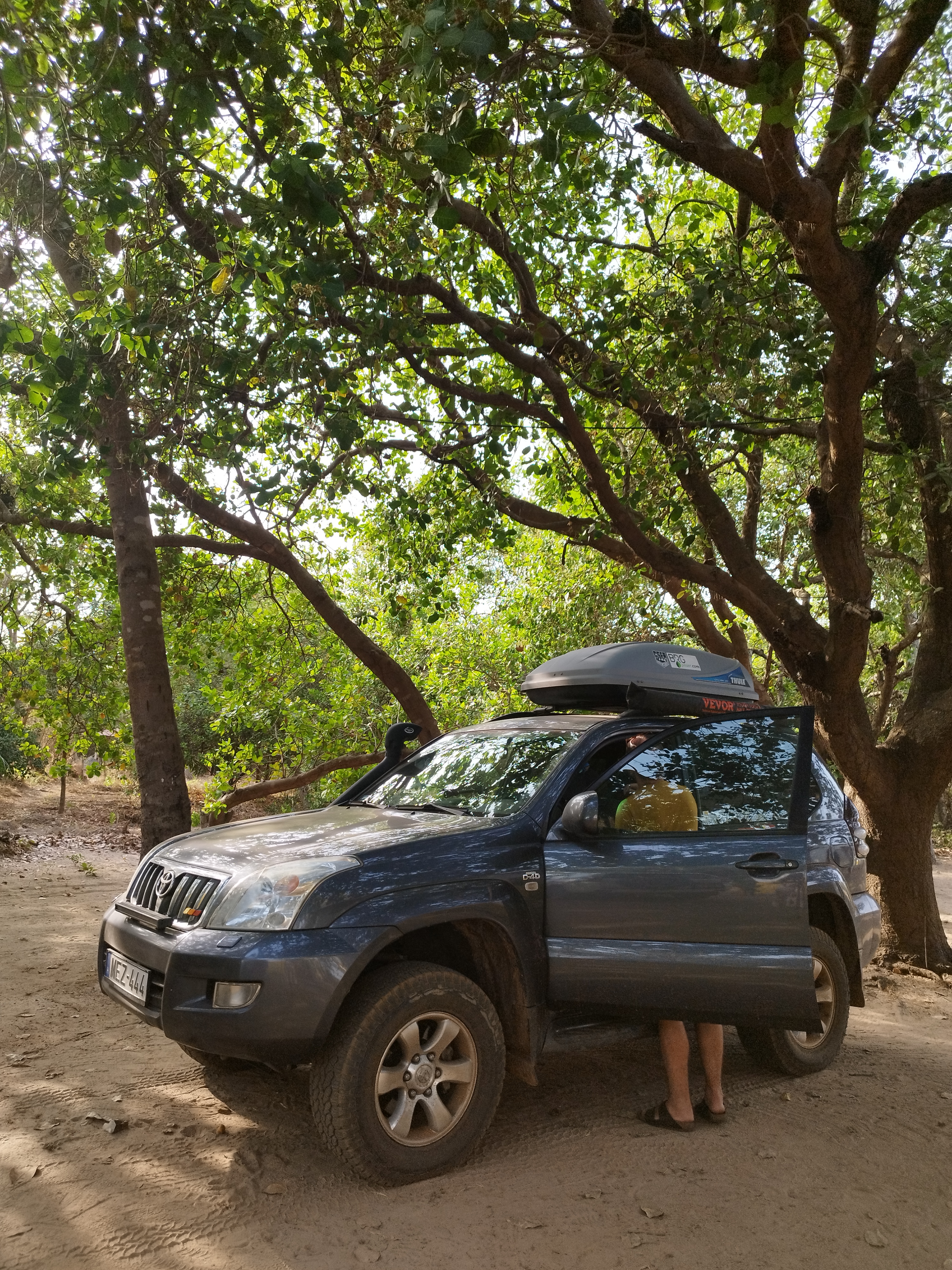
In the end, we were very happy that we ended up in Cachungo because we grew fond of the small town and our accommodation. We paid a small fee (around 10 euros for both of us and the car) to stay in the courtyard of a very nice (but too expensive for us) guesthouse, where we could sleep in our car under the trees and use their restroom. The guesthouse was located on the riverbank (Cachungo, like most of Guinea-Bissau, is a delta full of channels and mangrove forests), and the hosts had kayaks that we could use during the day. It was interesting to see that when we arrived in the evening, the river was completely dry, but by noon the next day, it was full of water and reached the edge of our accommodation, turning the area into a kind of beach.
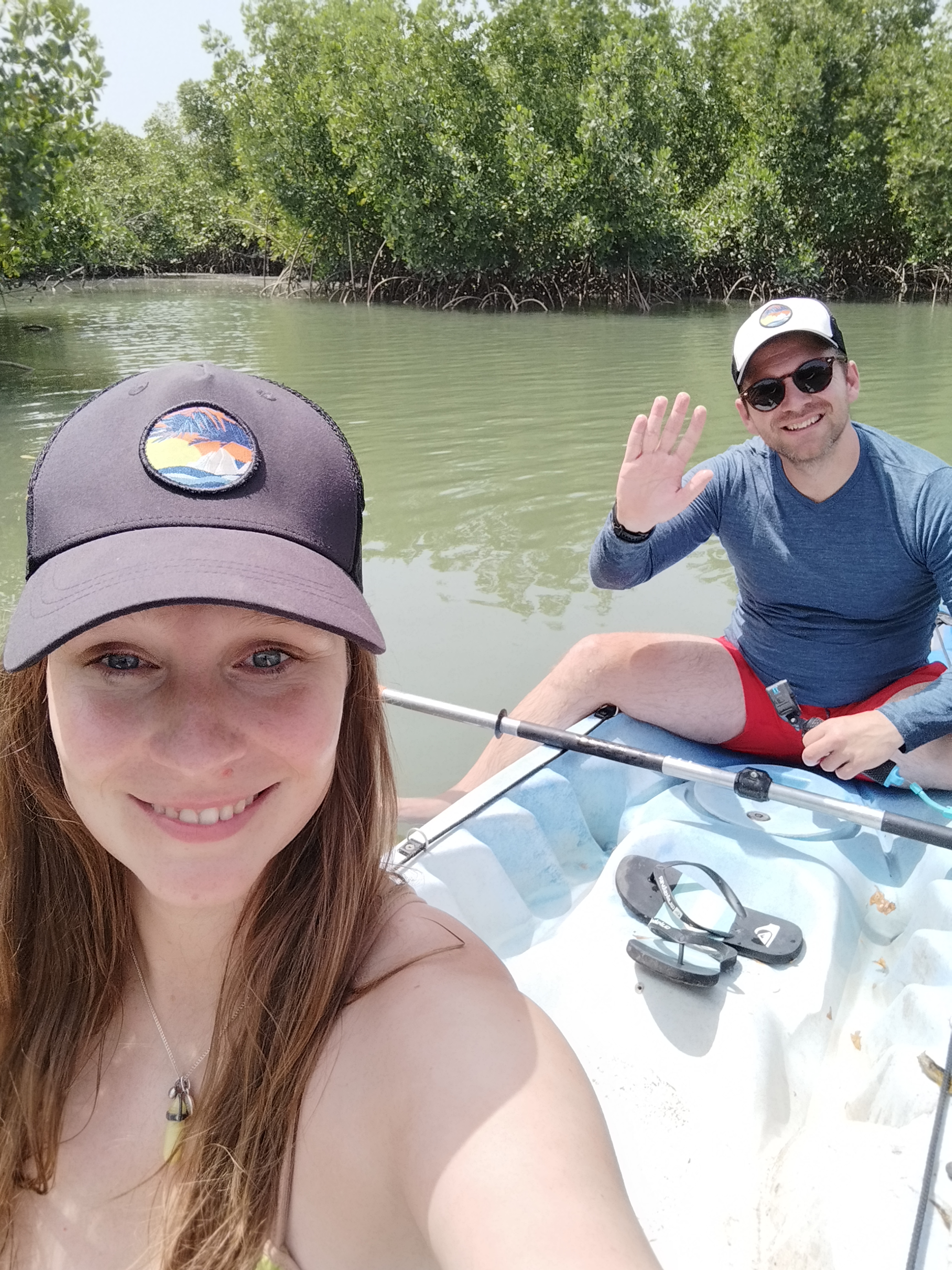
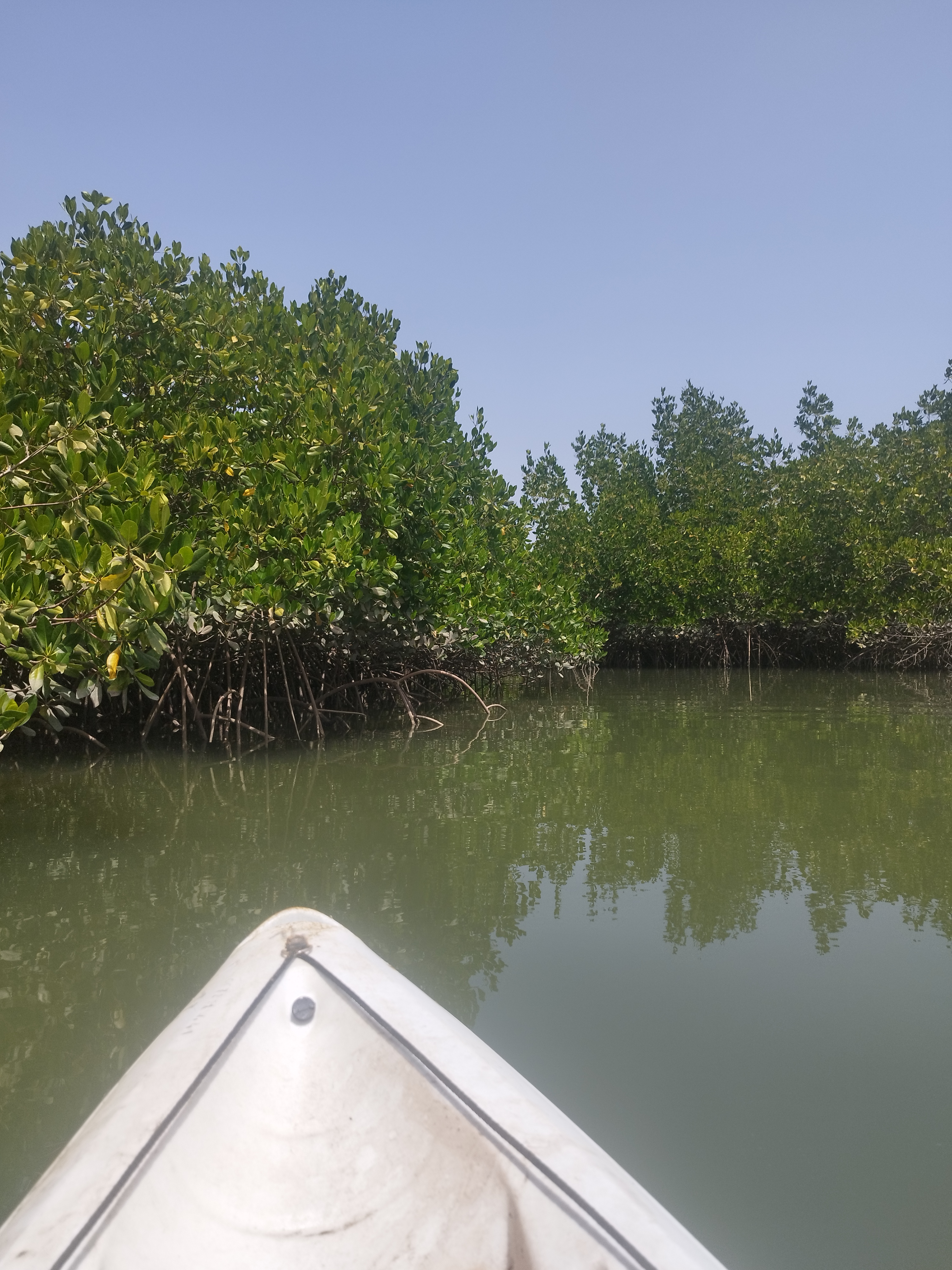
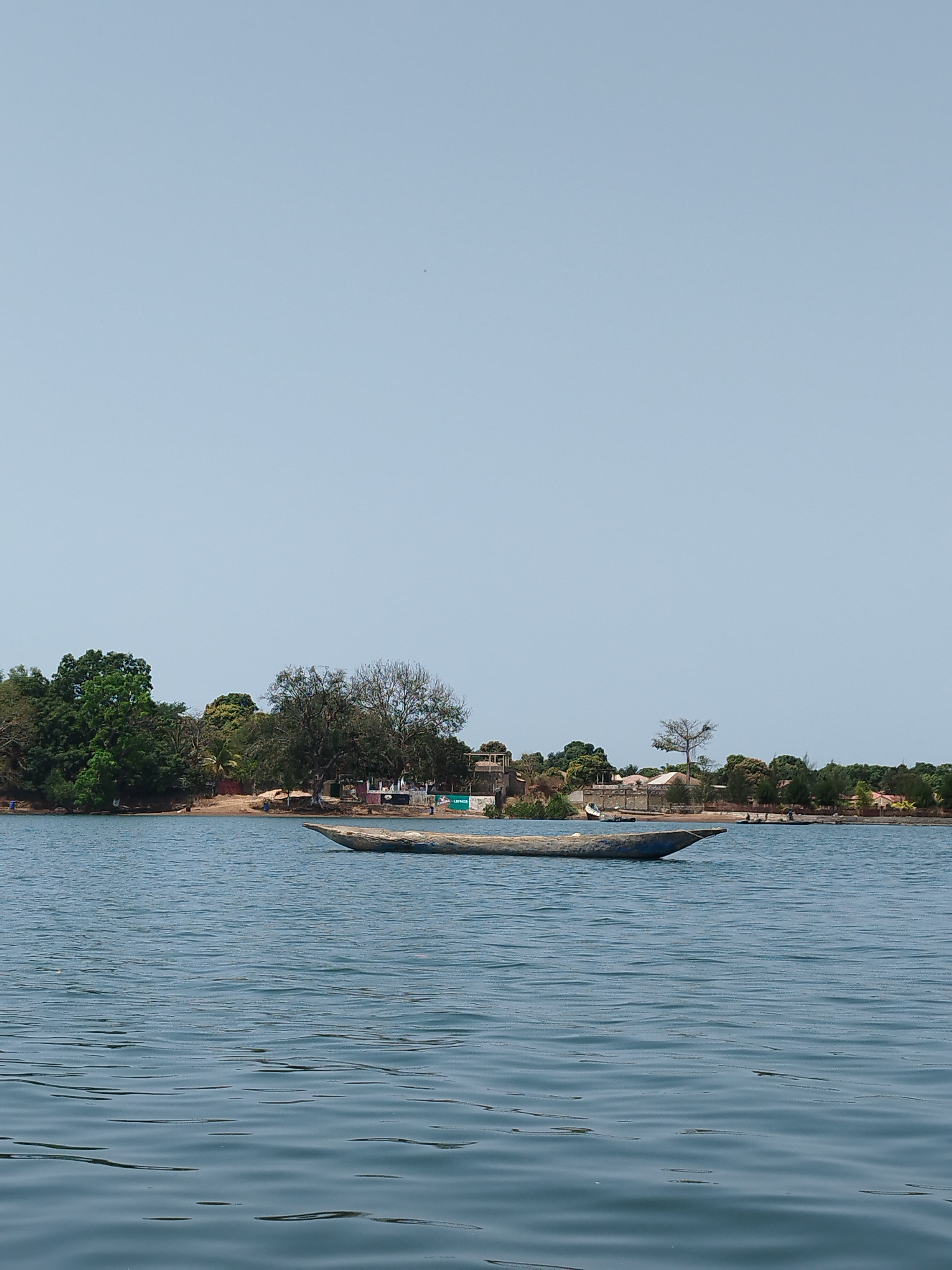
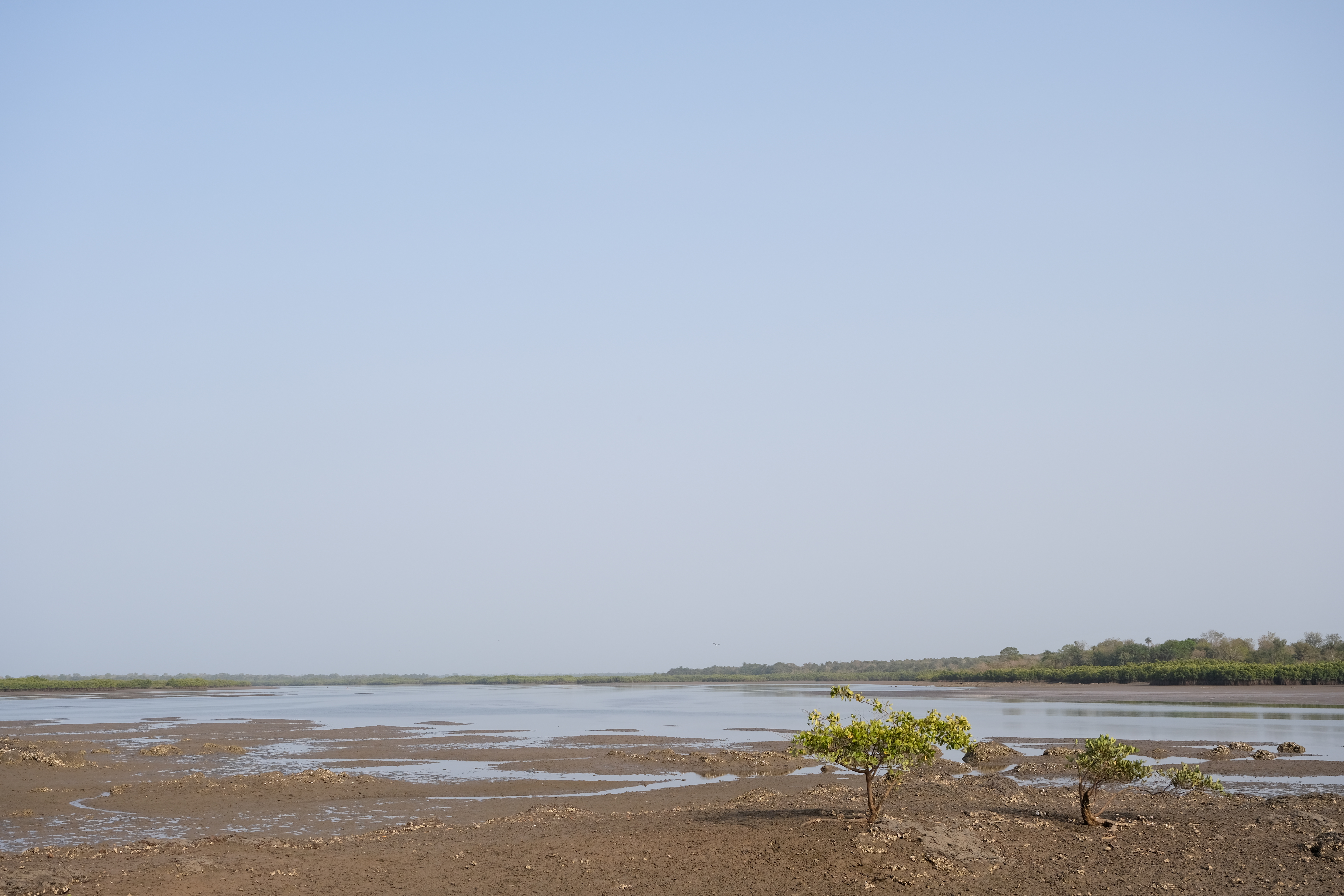
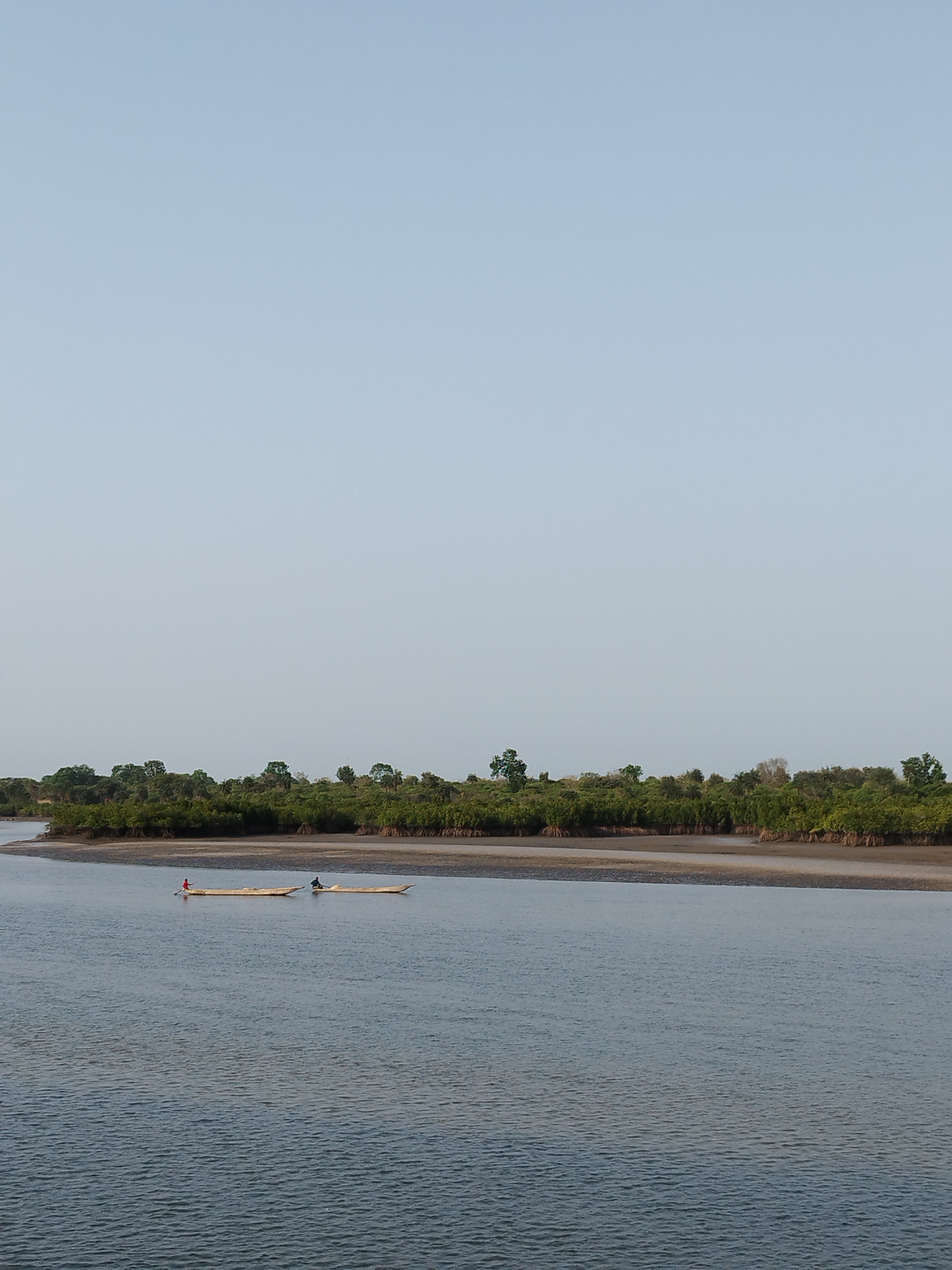
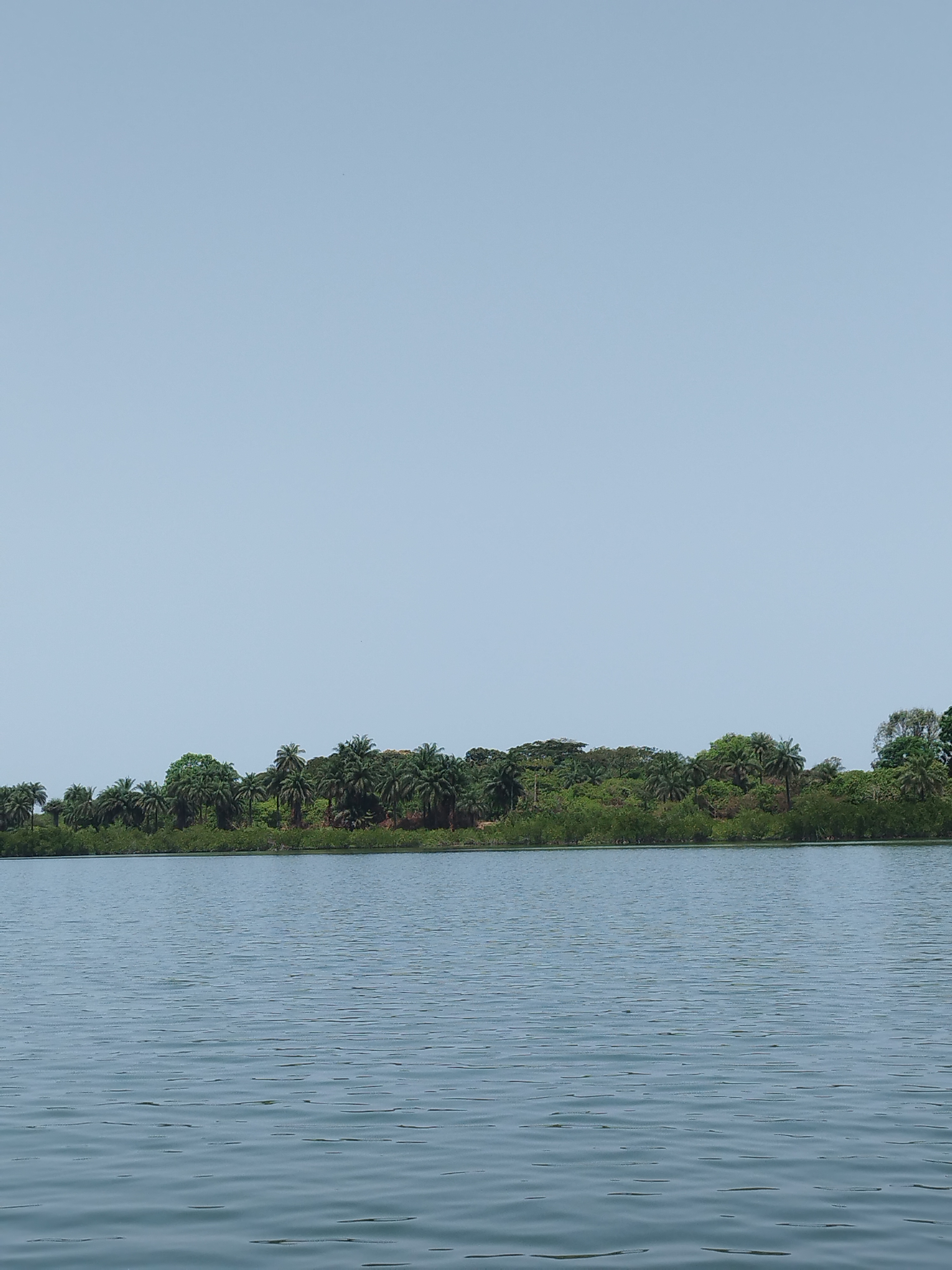
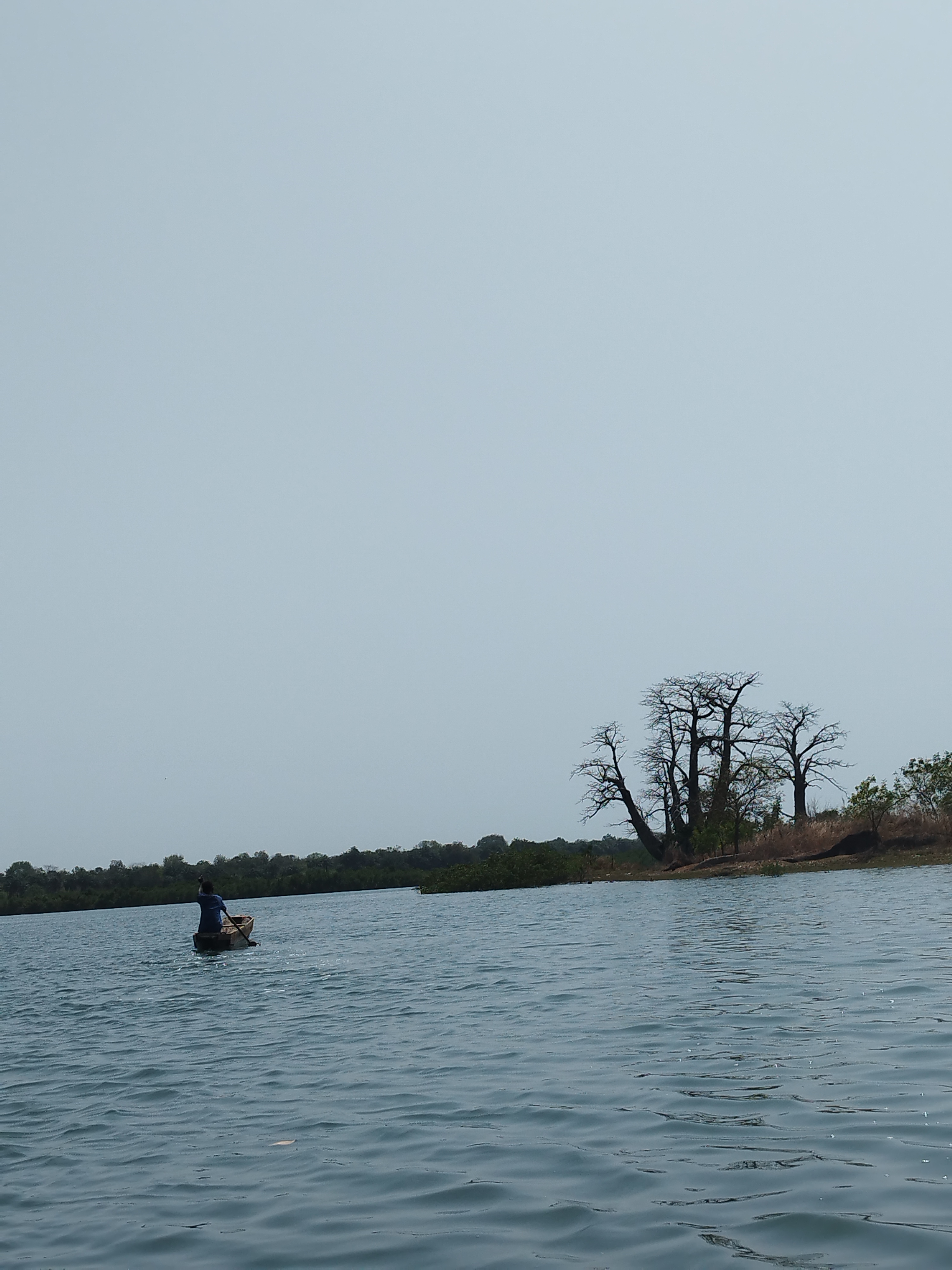
During the day, we paddled through the mangrove forest channels and observed how the locals lived on and around the river—children and adults bathed in the water, and people even used boats to navigate the market. In the afternoon, we drove to Cacheu, where we had originally planned to sleep.
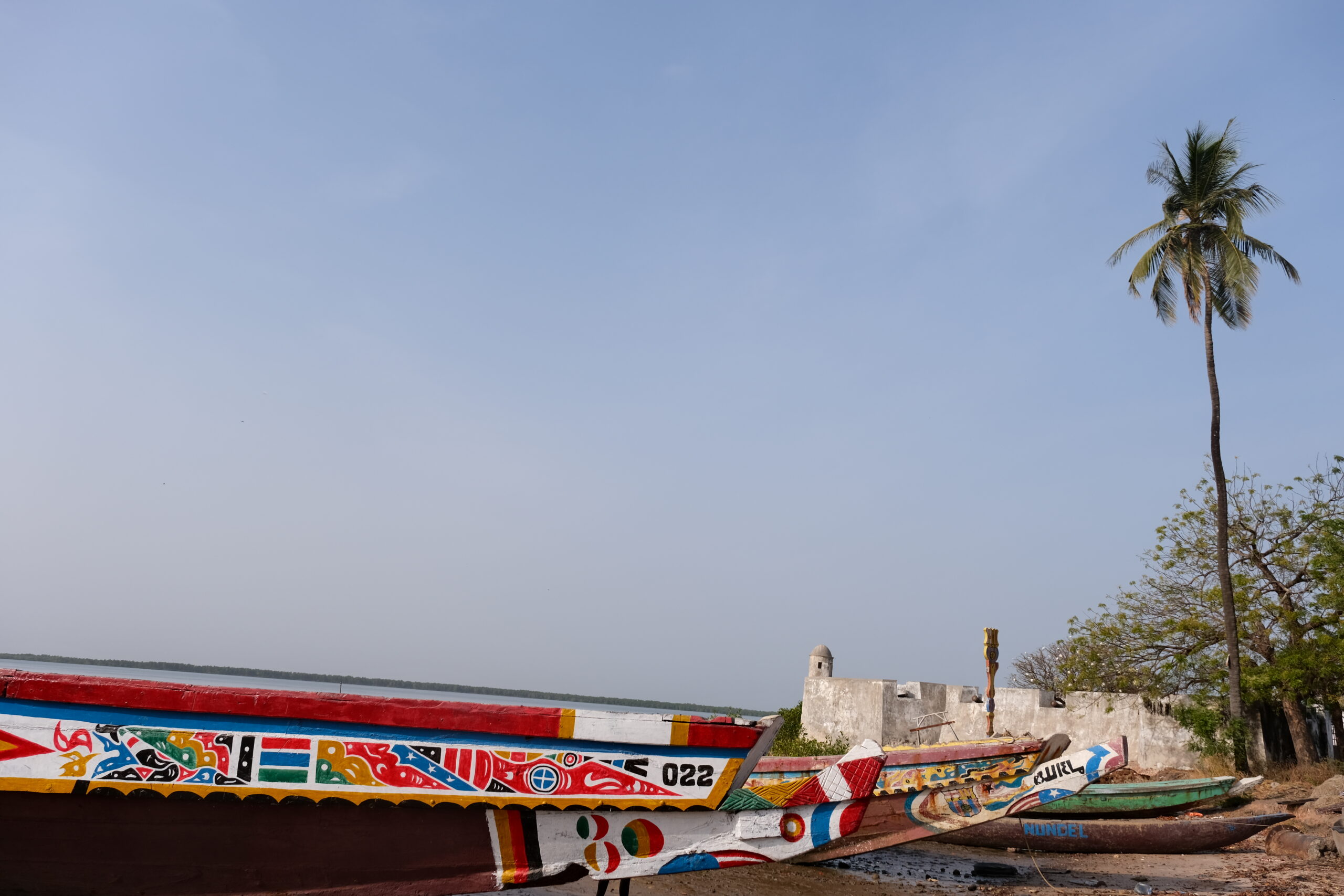
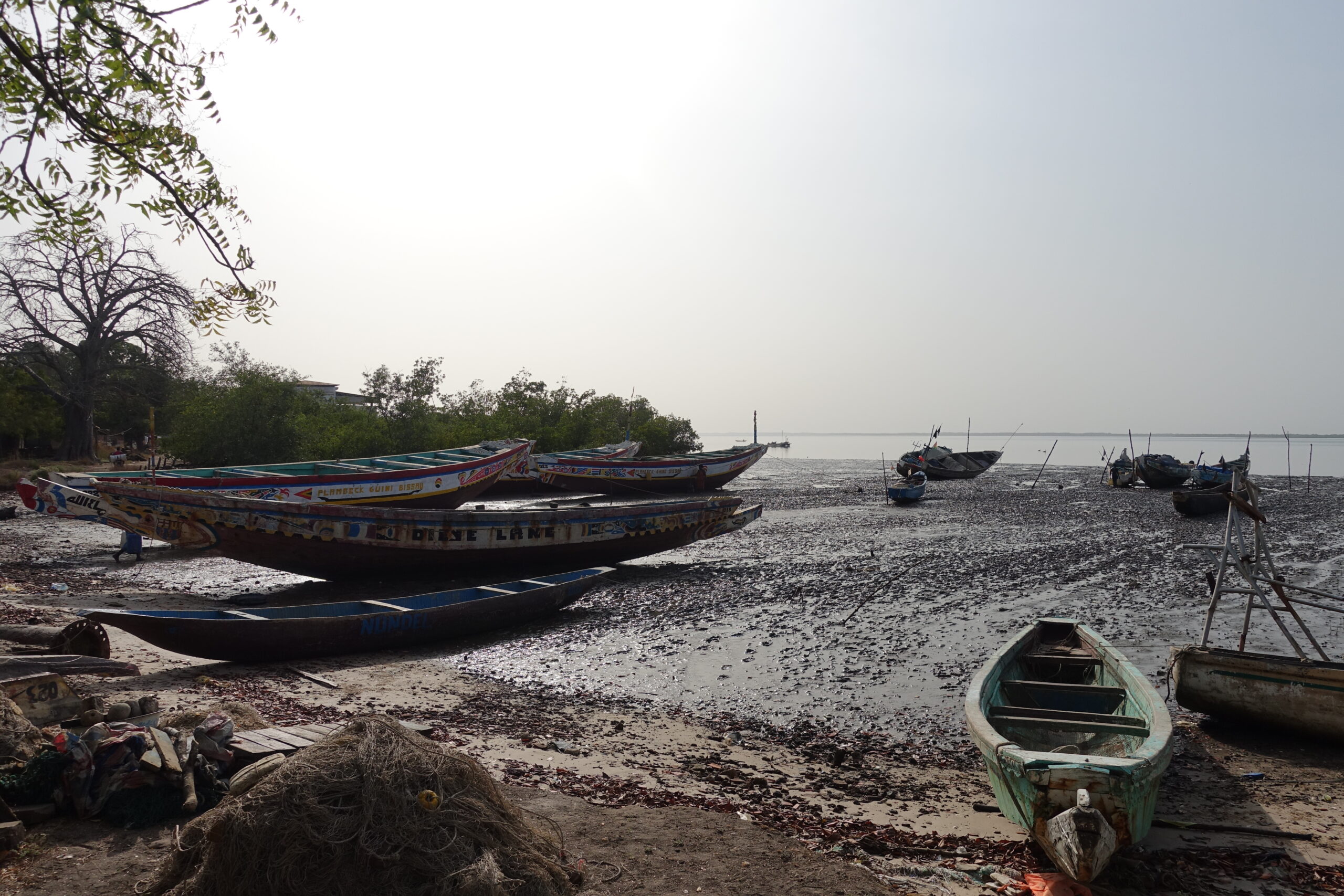
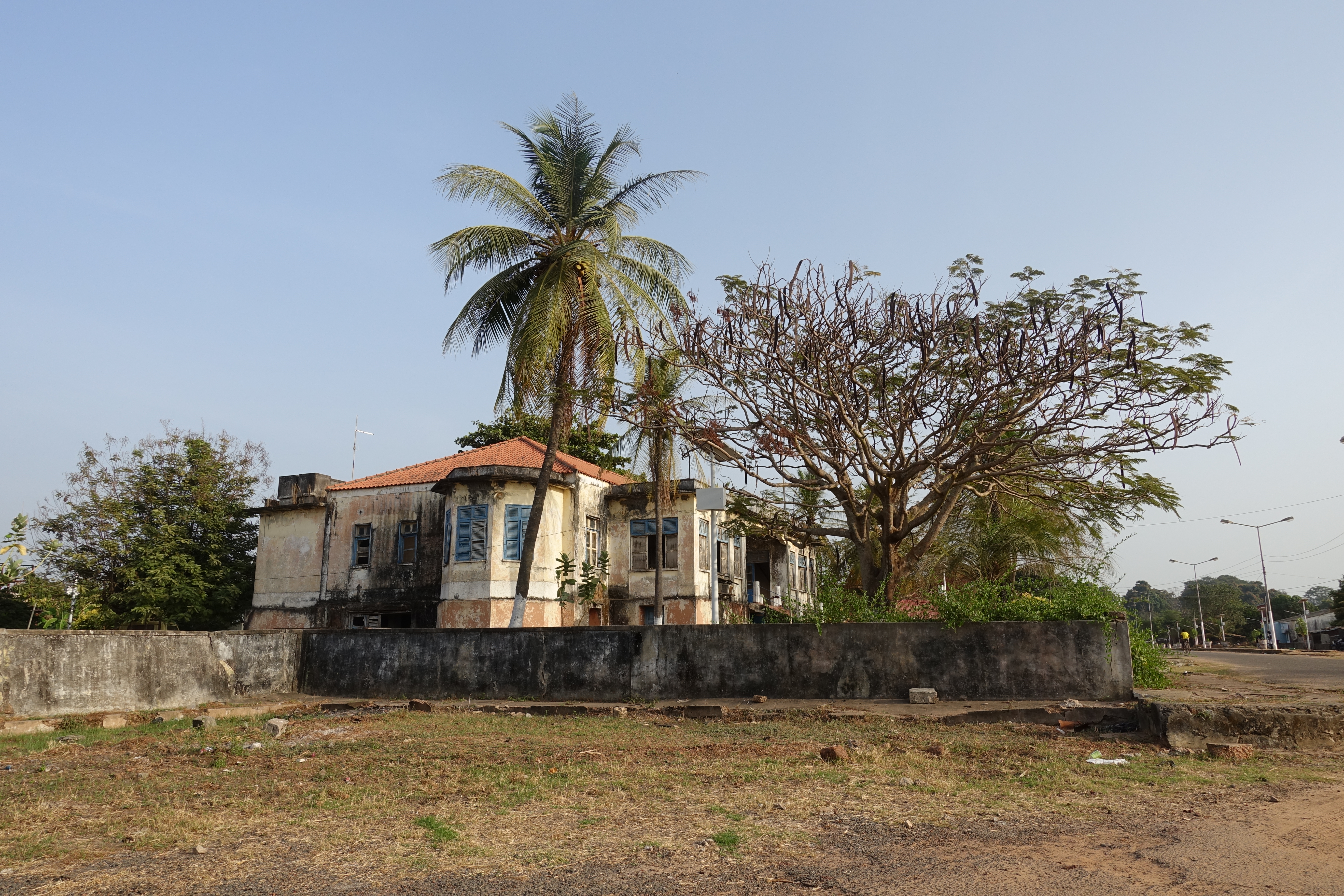
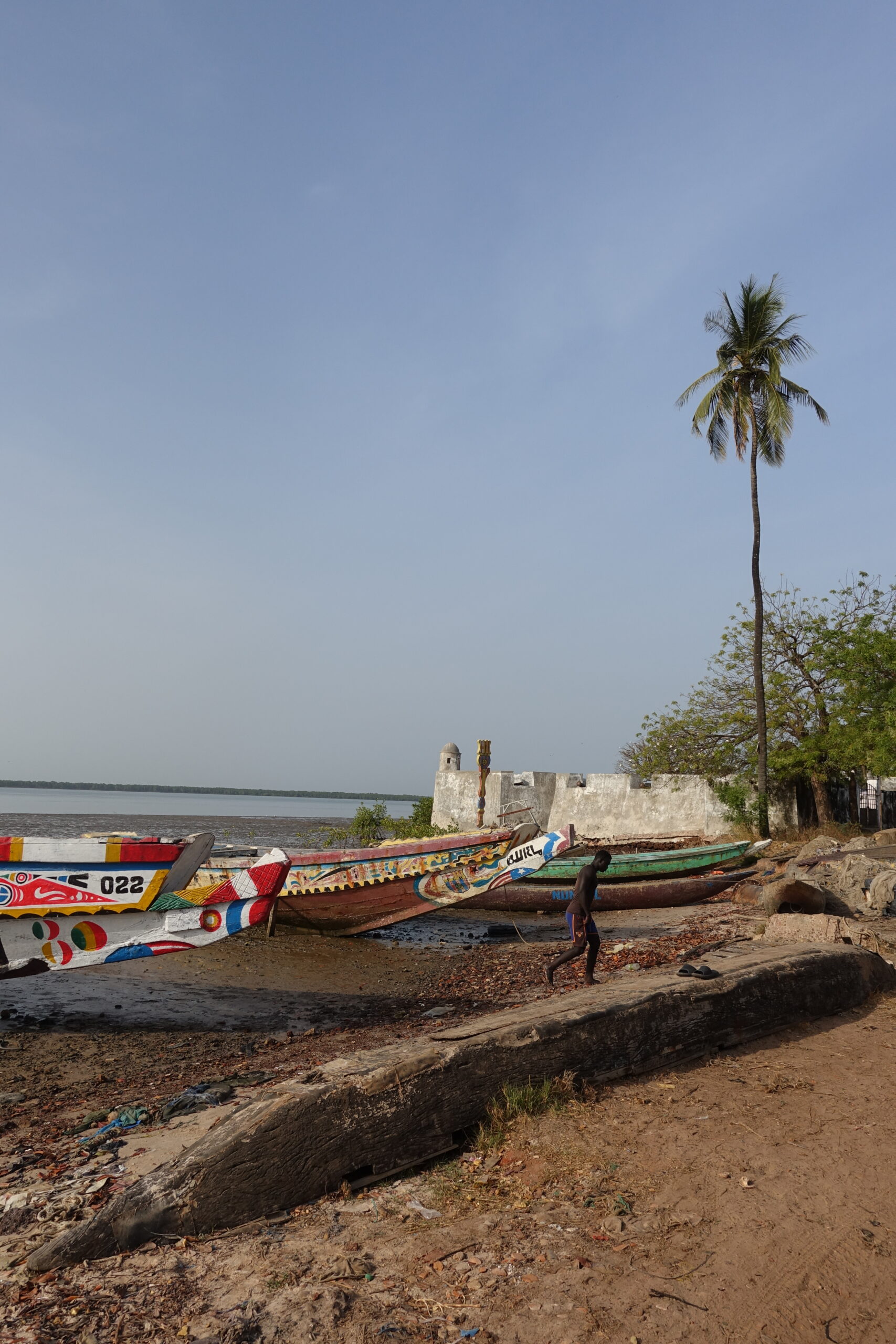
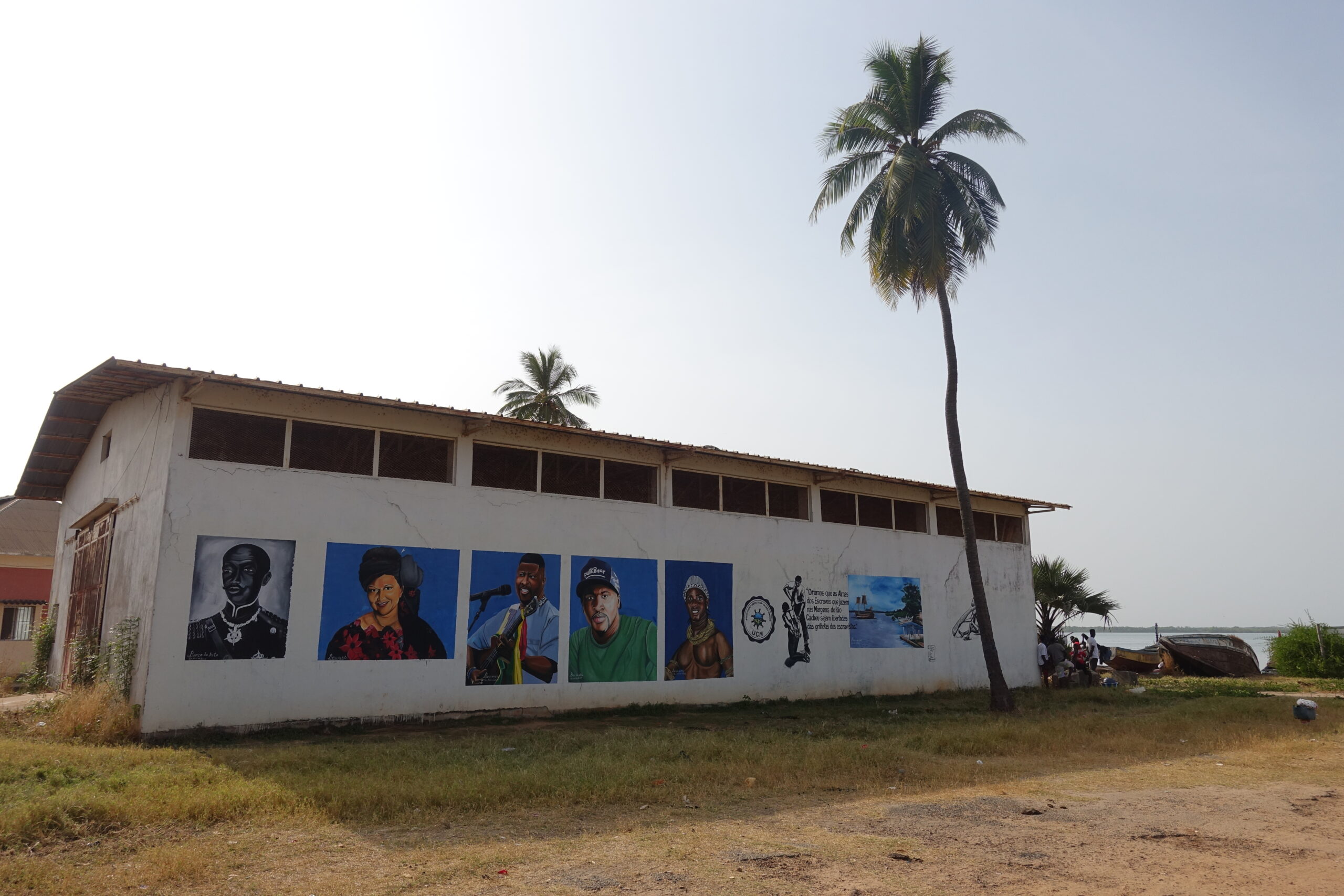
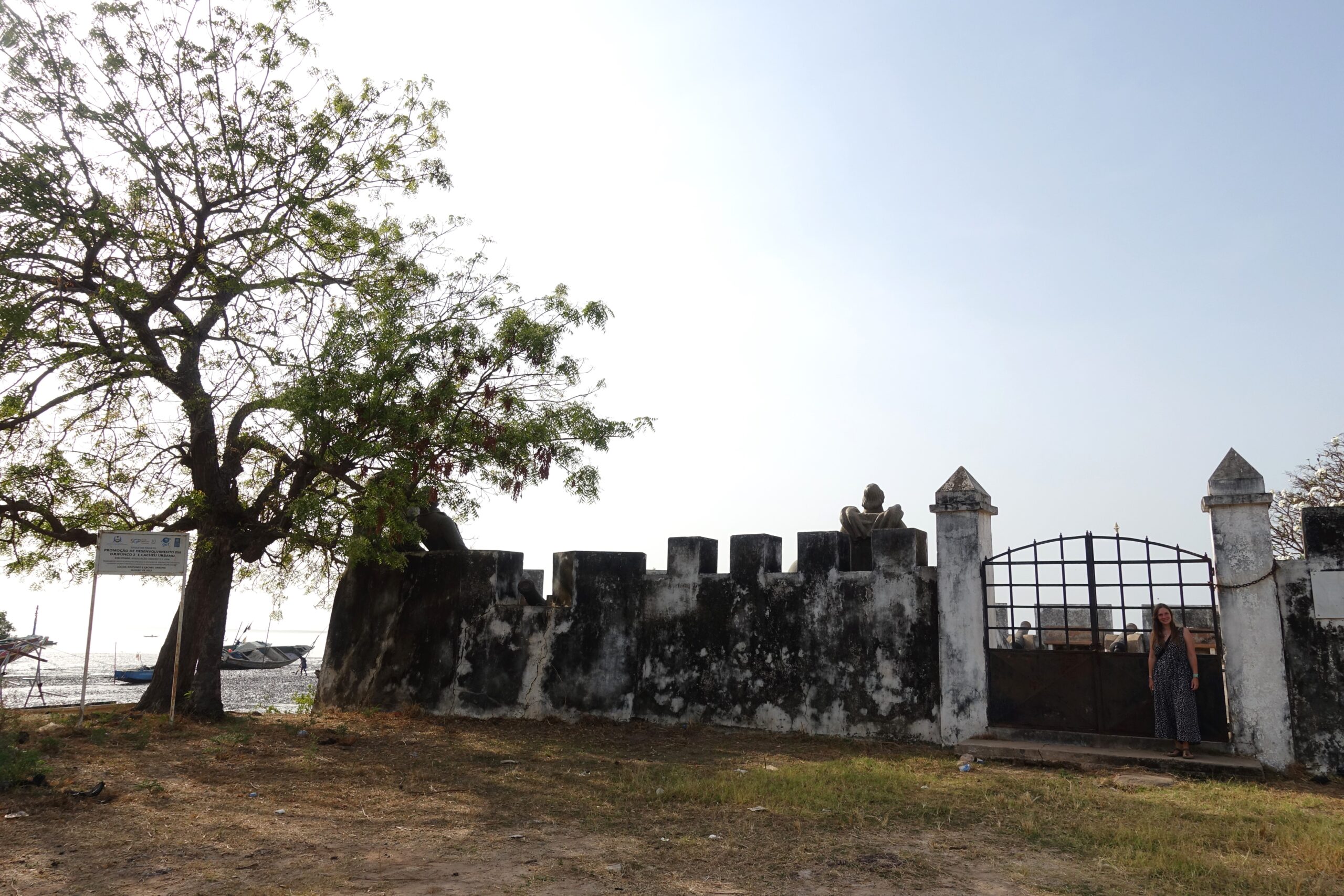
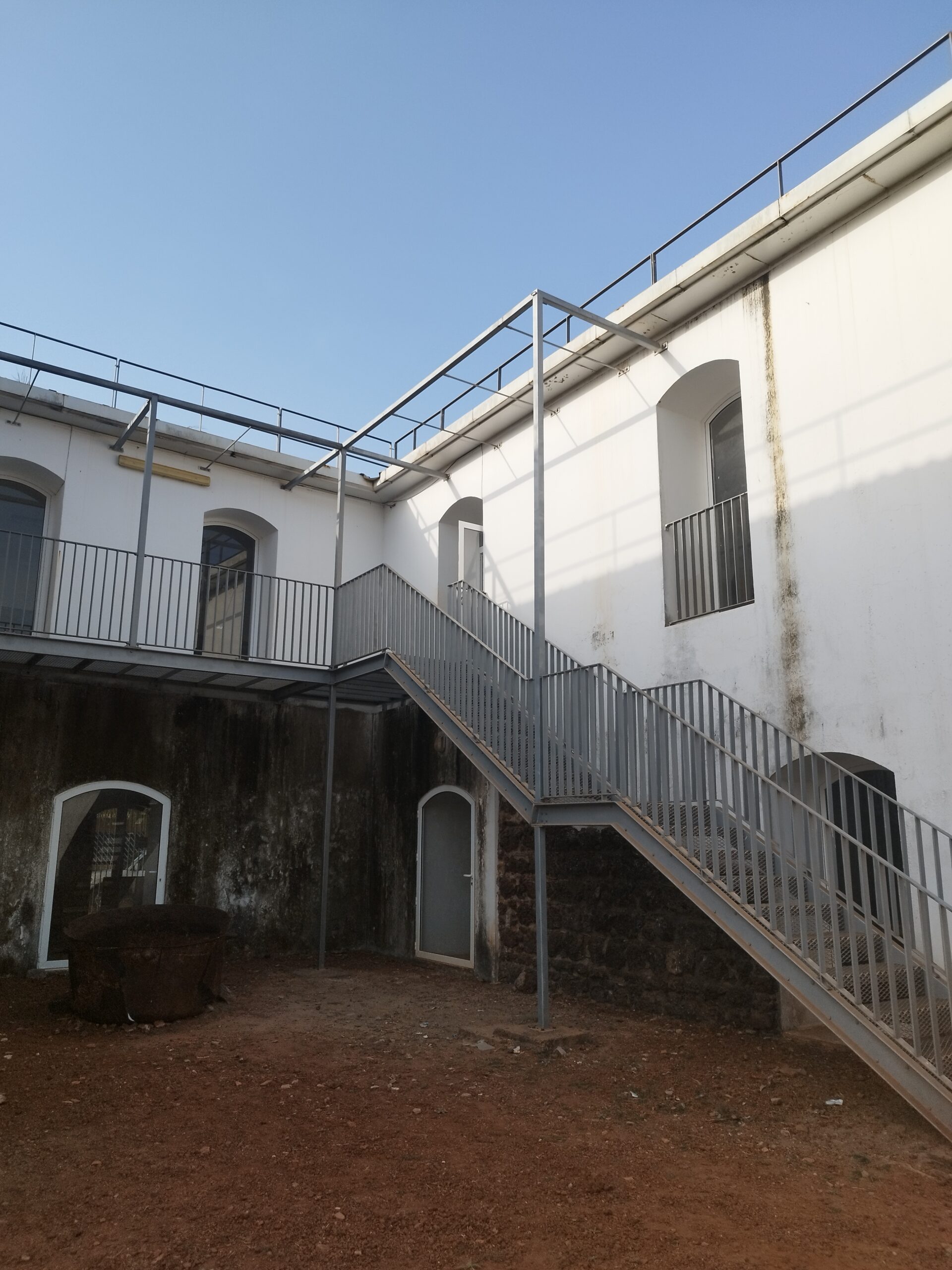
Cacheu is a small port town with a tiny fort and a museum. The town was one of the centers of the transatlantic slave trade in the Upper Guinea region. We had the museum opened for us, and although everything was in Portuguese, so we didn’t get much information, we still got a glimpse into one of humanity’s cruelest and saddest histories—the slave trade.
One of the biggest challenges in this area was finding food. The first evening, we were already hungry by 6 PM since we hadn’t had lunch (we had filled up on a local breakfast, futi, in the morning), but we couldn’t find anything open. In a bar, they told us to come back around 8 PM. In the meantime, we sat in a small square near the roundabout when we noticed that the whole town was rushing in the same direction. We asked what was happening, and it turned out there was a football match.
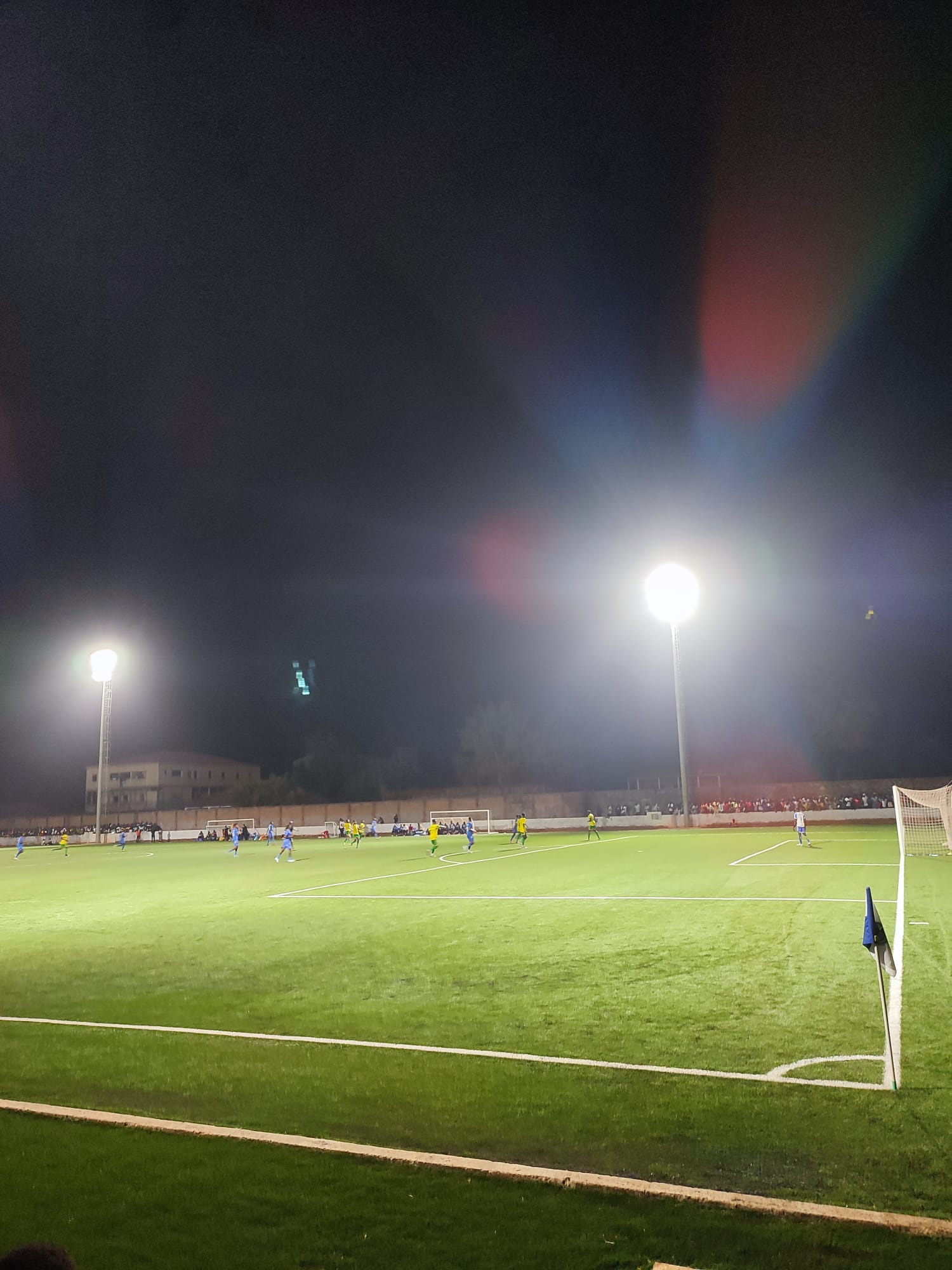
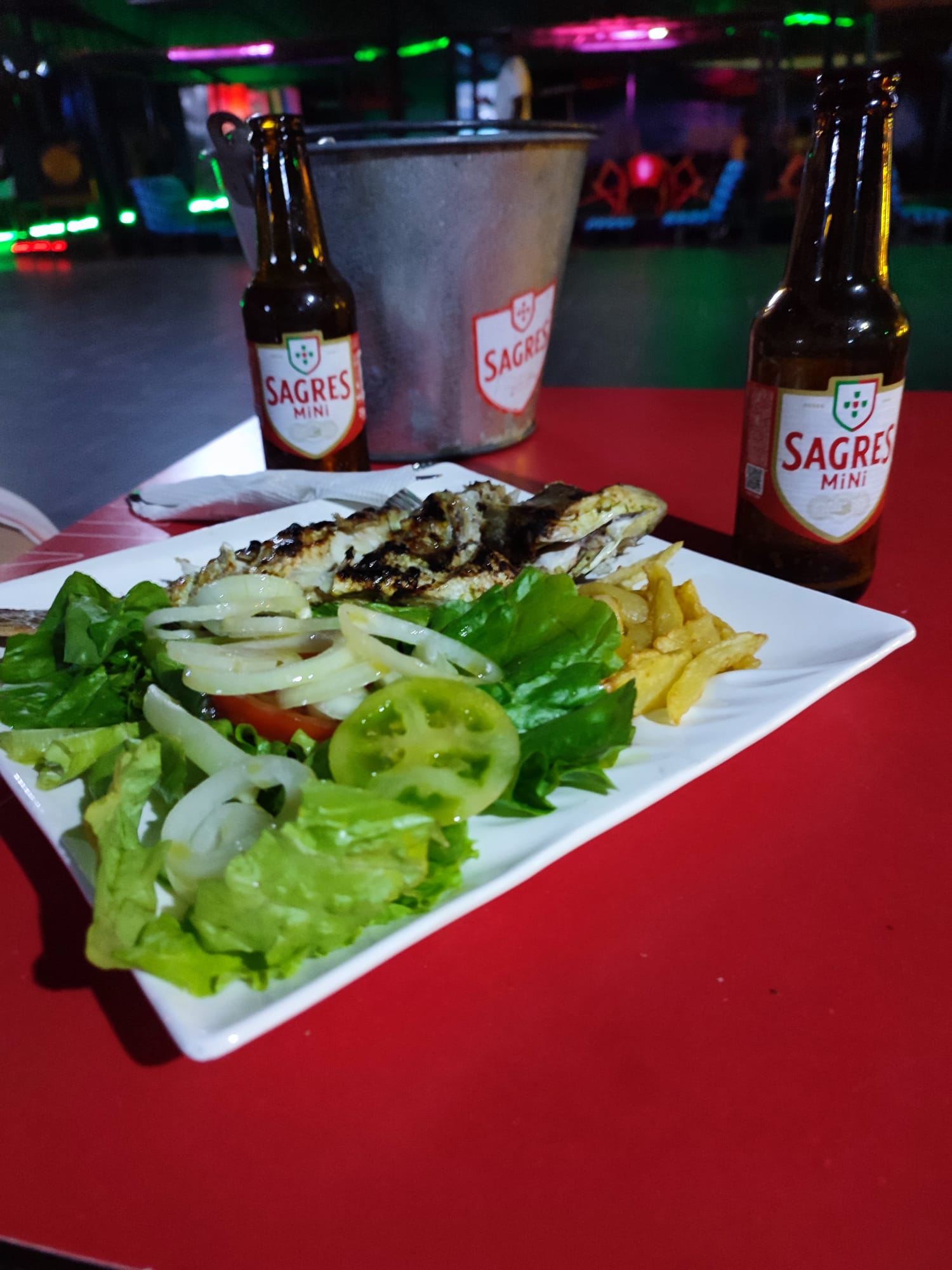
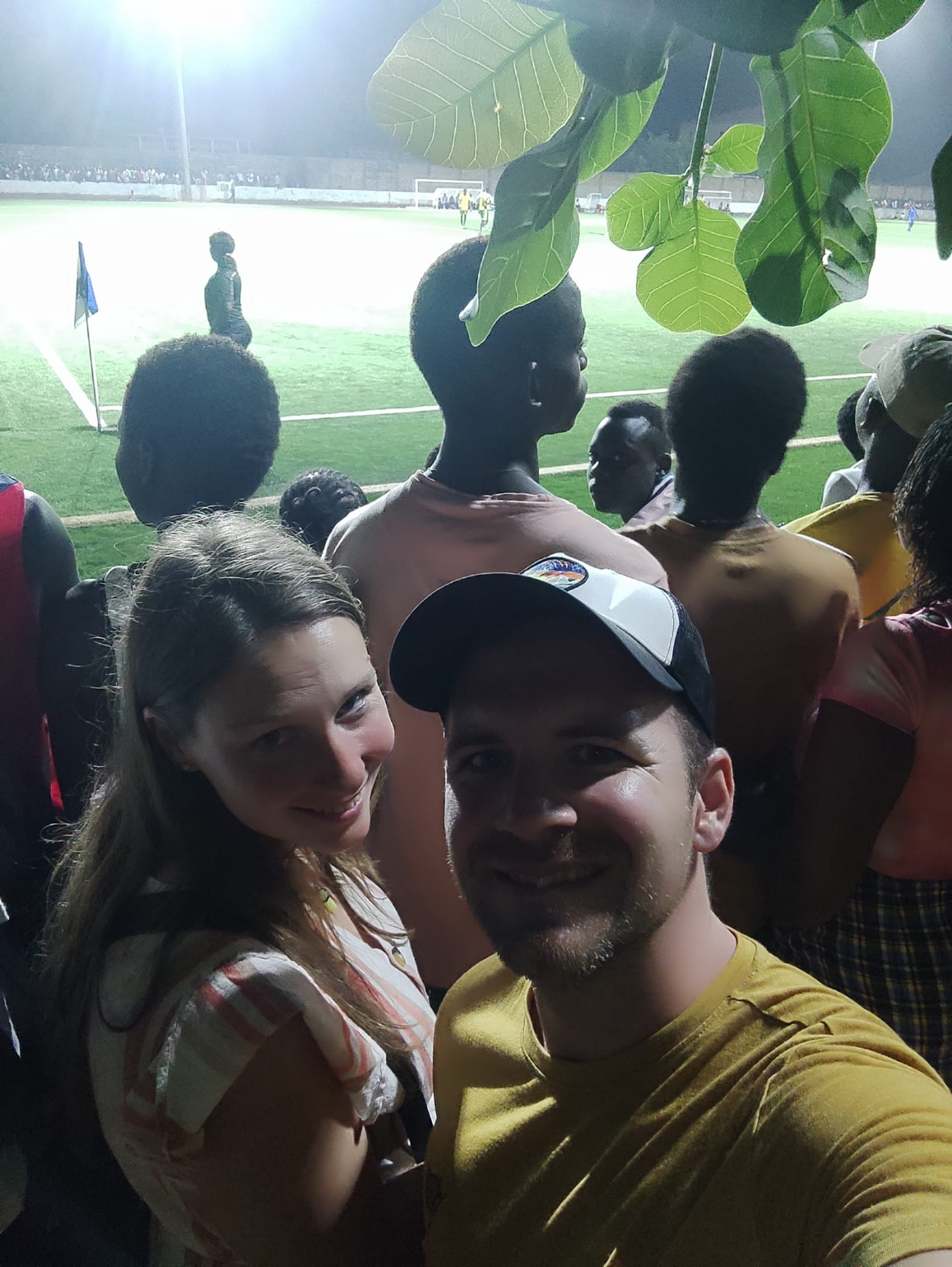
Earlier in the afternoon, we had already watched a match between school teams, but we were curious to see what a professional game in the stadium would be like. Cachungo’s team was playing against a team from another larger town in the region, in a huge, floodlit stadium where the entire town could afford the entrance fee. Although most of the seating was standing-only, making it harder to see the match, we loved how all age groups were present. There were a few passionate supporters, but overall, the game was more of a community event, with many people attending just to chat and have fun. After the match, around 9 PM, we finally had a well-prepared grilled fish—always deliciously cooked over charcoal, this time served with a garlic-lemon sauce and salad.
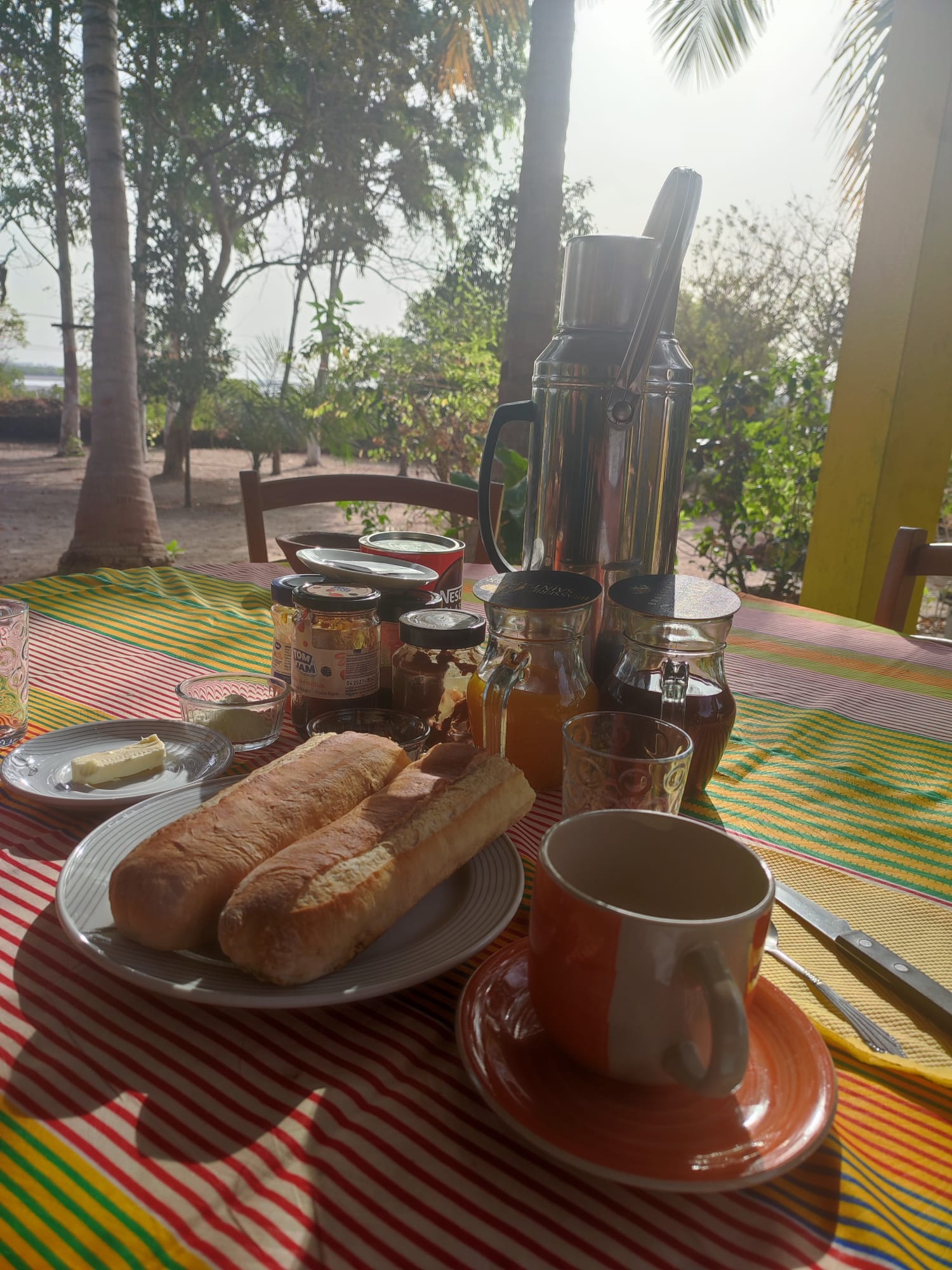
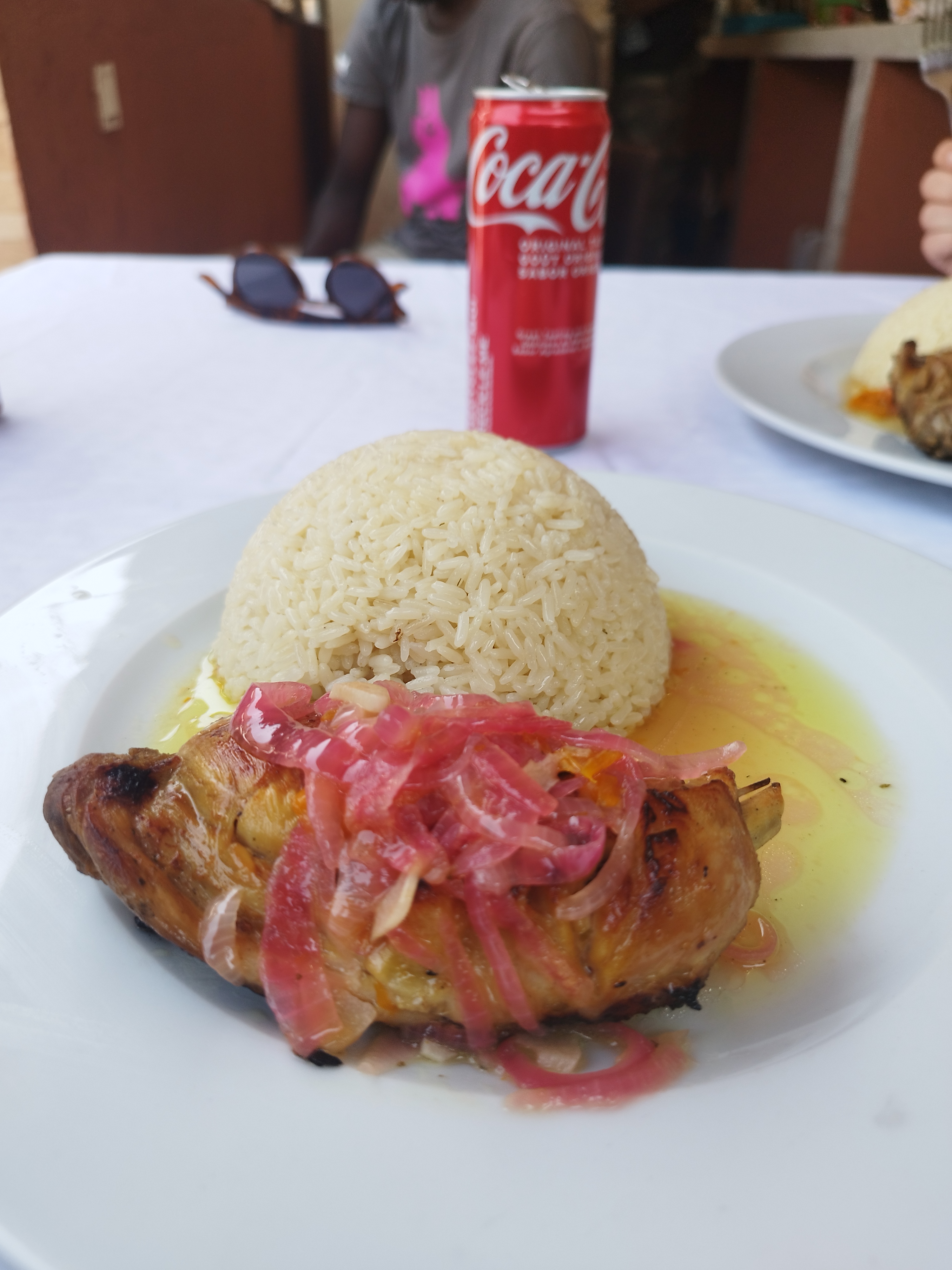
The next day, when we went to Cacheu, we made the same mistake of skipping lunch. (It was extremely hot during the day, and the breakfasts were very filling—the guesthouse served local honey, mango and other jams, and fresh fruit juices.) So, once again, we started looking for dinner around 5–6 PM, but we couldn’t find anything in Cacheu or back in Cachungo. A local guy even walked around with us to check the food stalls, but at that time of day, it was impossible to find food. In some West African countries, like Mauritania, we had already gotten used to the fact that since refrigerators are rare, food is only available at specific meal times, or you have to order it 2–3 hours in advance so that ingredients can be sourced. At the food stalls, you could get a filling fish-and-rice meal for less than €1.50, whereas eating at bars or guesthouses (for example, grilled fish or chicken) in the evening cost around €8–15.
After Cachungo, we headed to Bissau, the capital of Guinea-Bissau, to seek help from the embassy regarding our Guinea visa. We had already been waiting for the visa for a month since there is no Guinean embassy in Hungary, and we didn’t know which European embassy was processing our application. The ambassador ended up calling several embassies, and they finally found our documents in Madrid—within an hour, we had our visa. It was an enormous relief because we had feared this issue might prevent us from completing our journey.
To our surprise, we met some Hungarians outside the embassy (which was remarkable because in 10 West African countries, we had encountered only about 20 tourists in total, and in Guinea-Bissau, only one other person besides them). Interestingly, the Guinean ambassador was so helpful because his best friend was Hungarian—he had lived in Bissau since childhood for over 20 years.
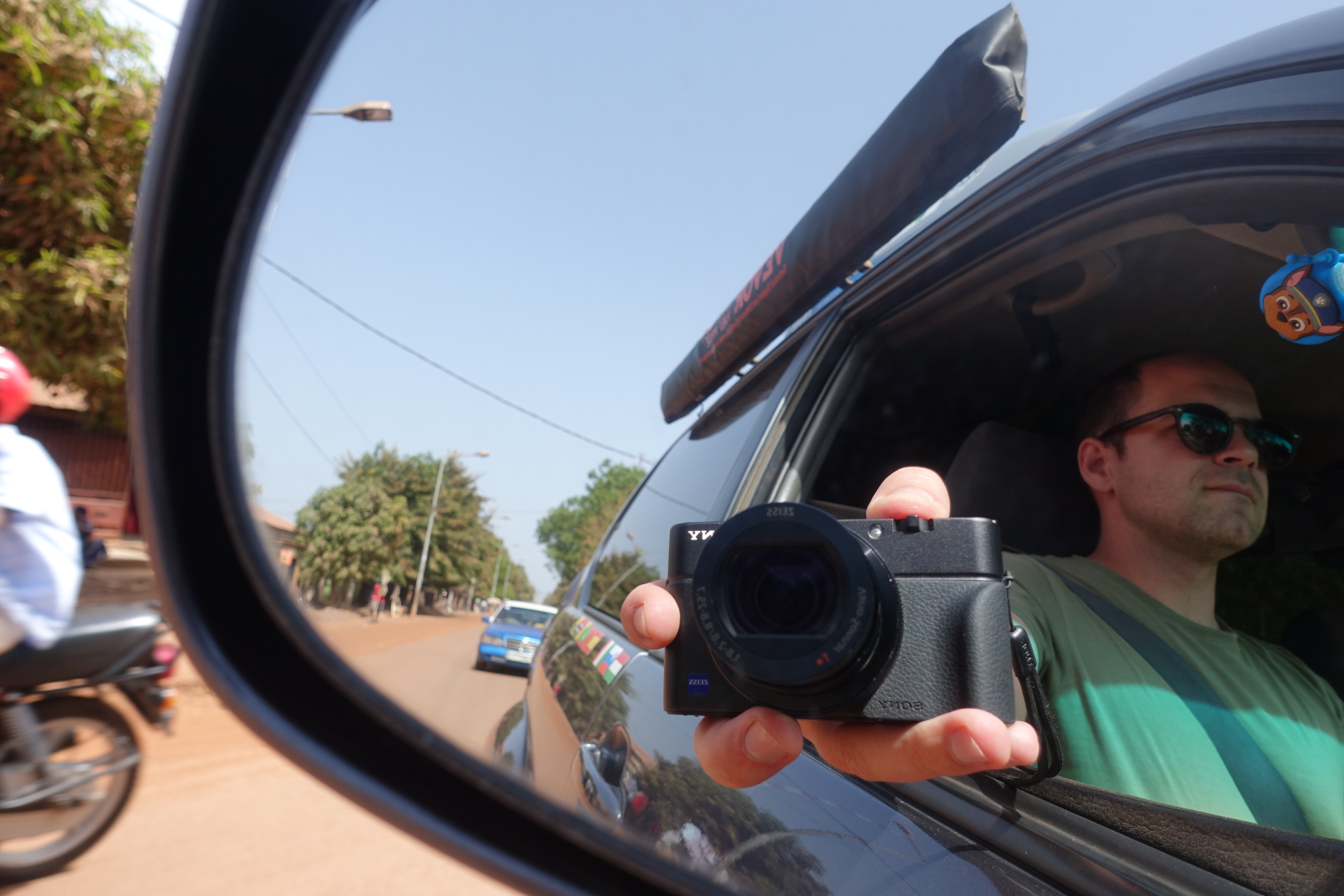
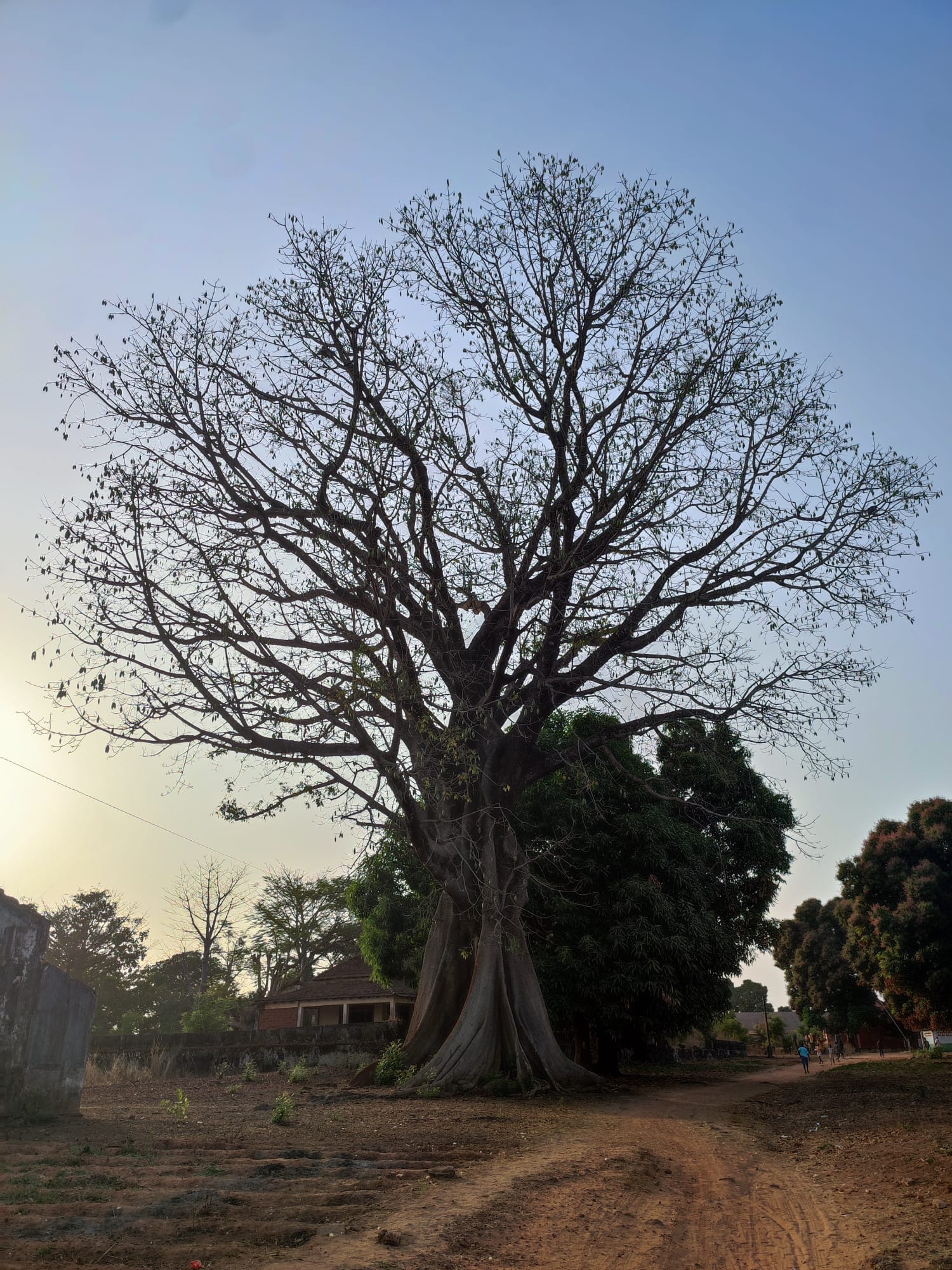
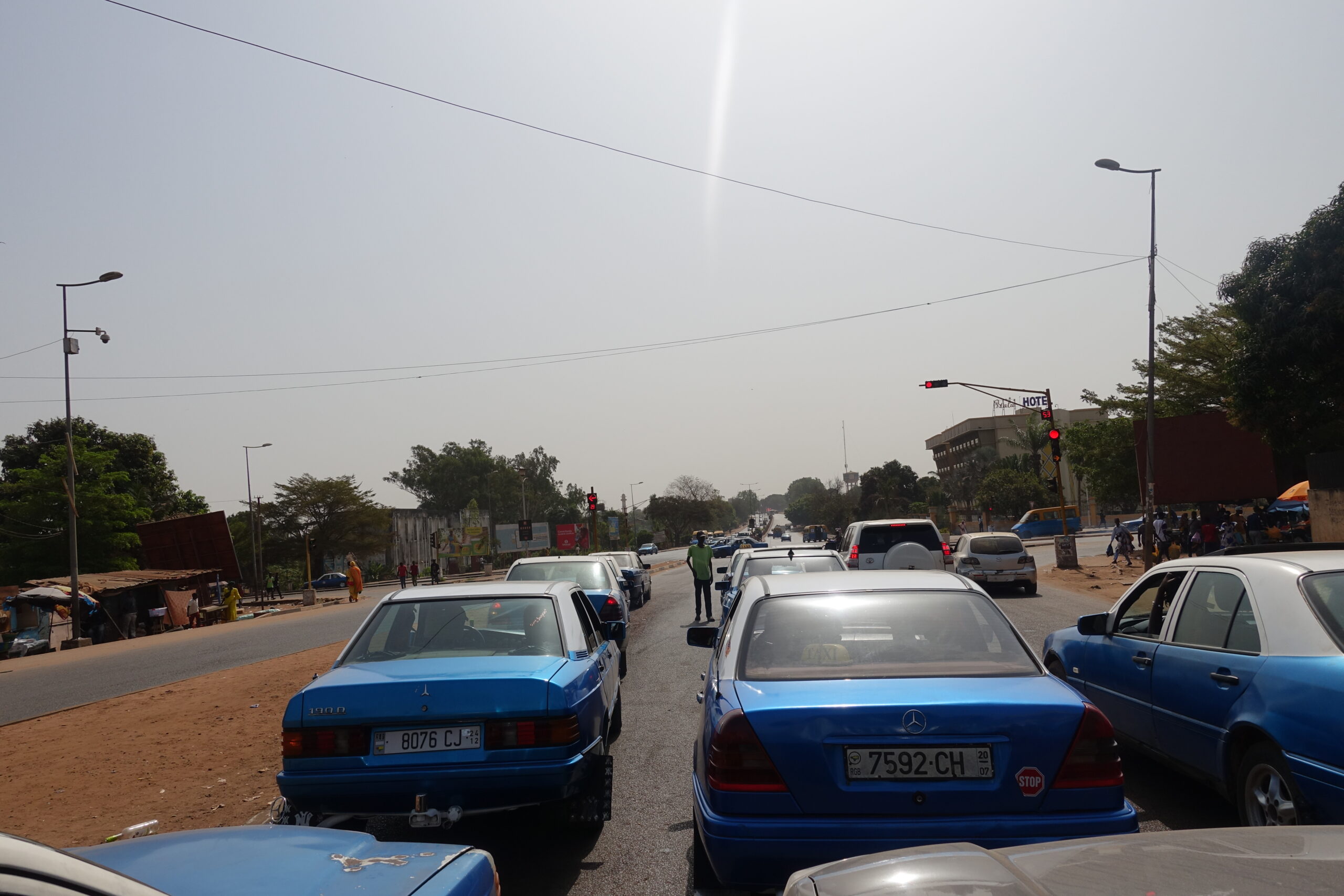
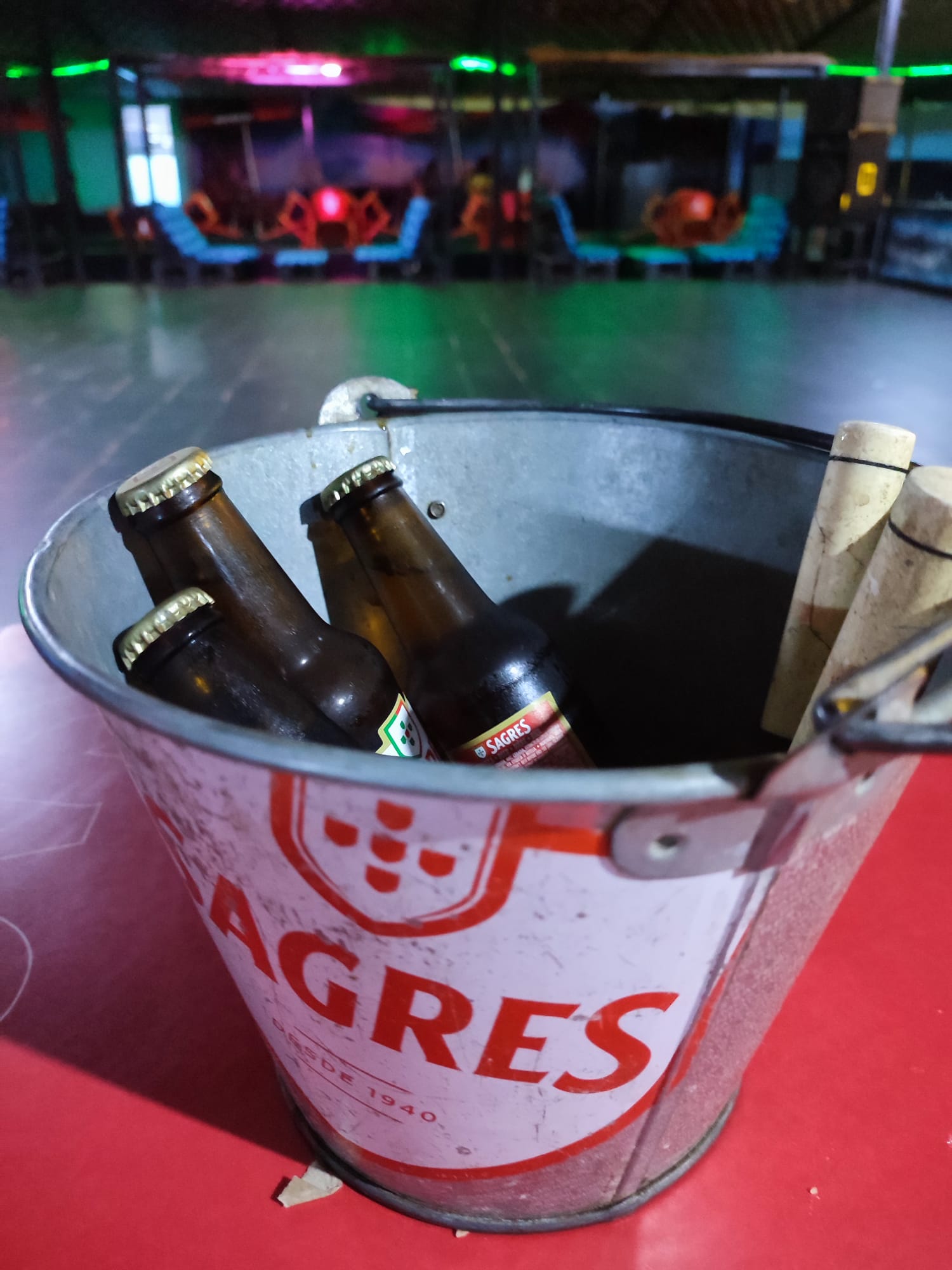
Bissau is a very small capital, with only about 400,000 residents, and it felt more like a large village than a city. We didn’t stay long—once we got our visa, we continued to Bafatá, the country’s second-largest city, with a population of just 20,000. The city has two parts: the newer section, where the nightlife and the market are, and where people gather in the main square for a beer in the evening; and the old Portuguese part, located by the river, with churches and colonial buildings.
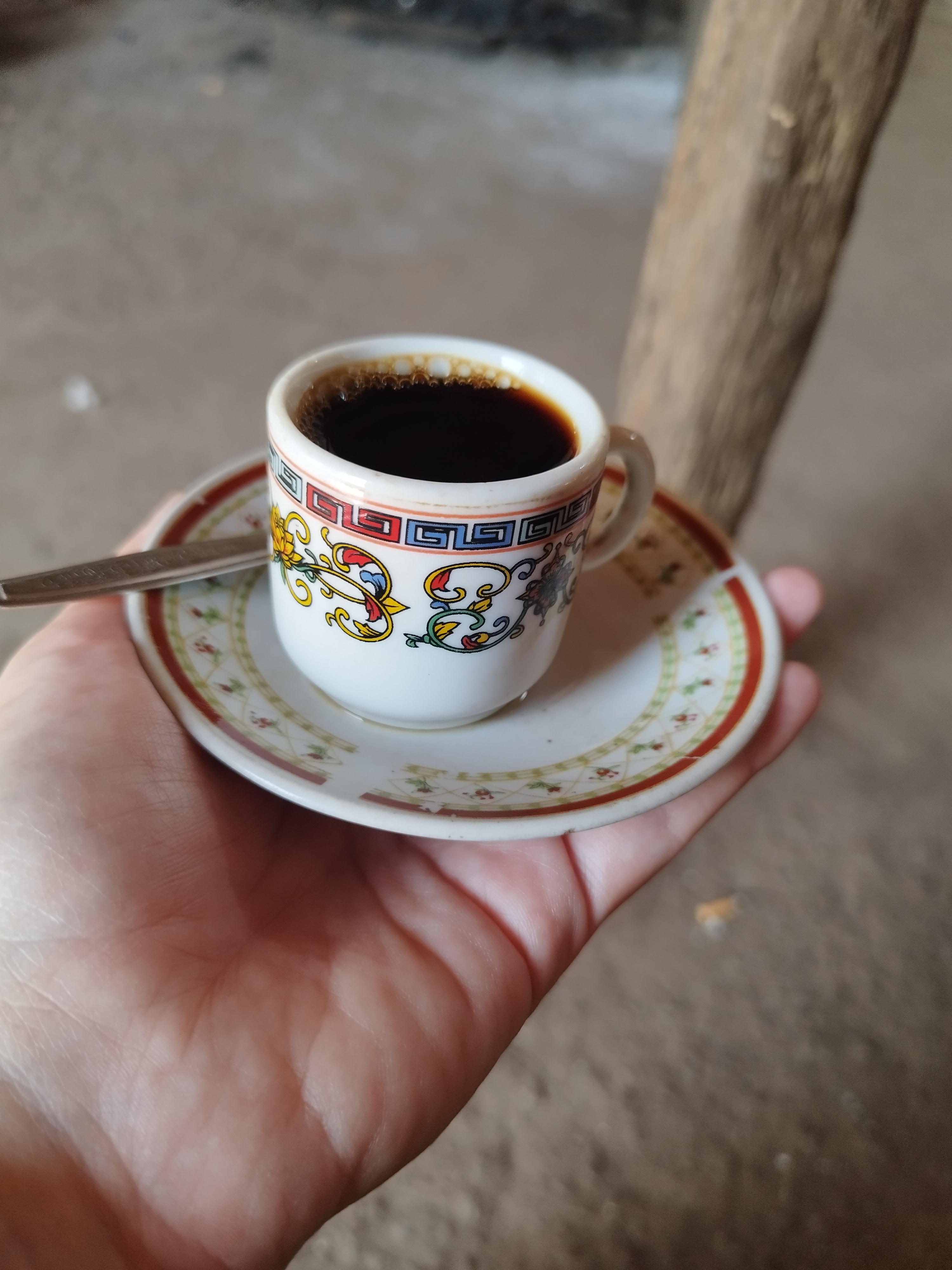
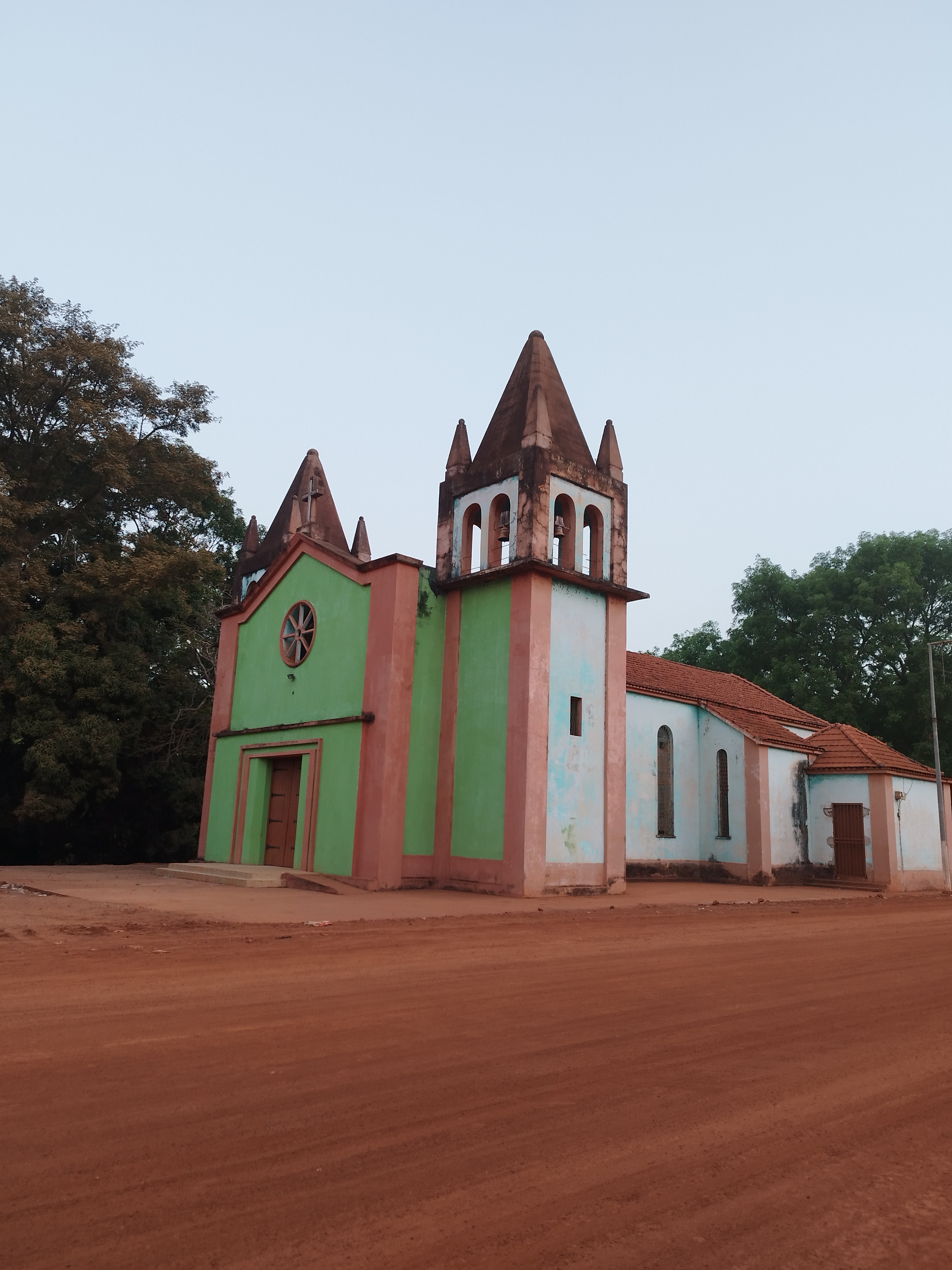
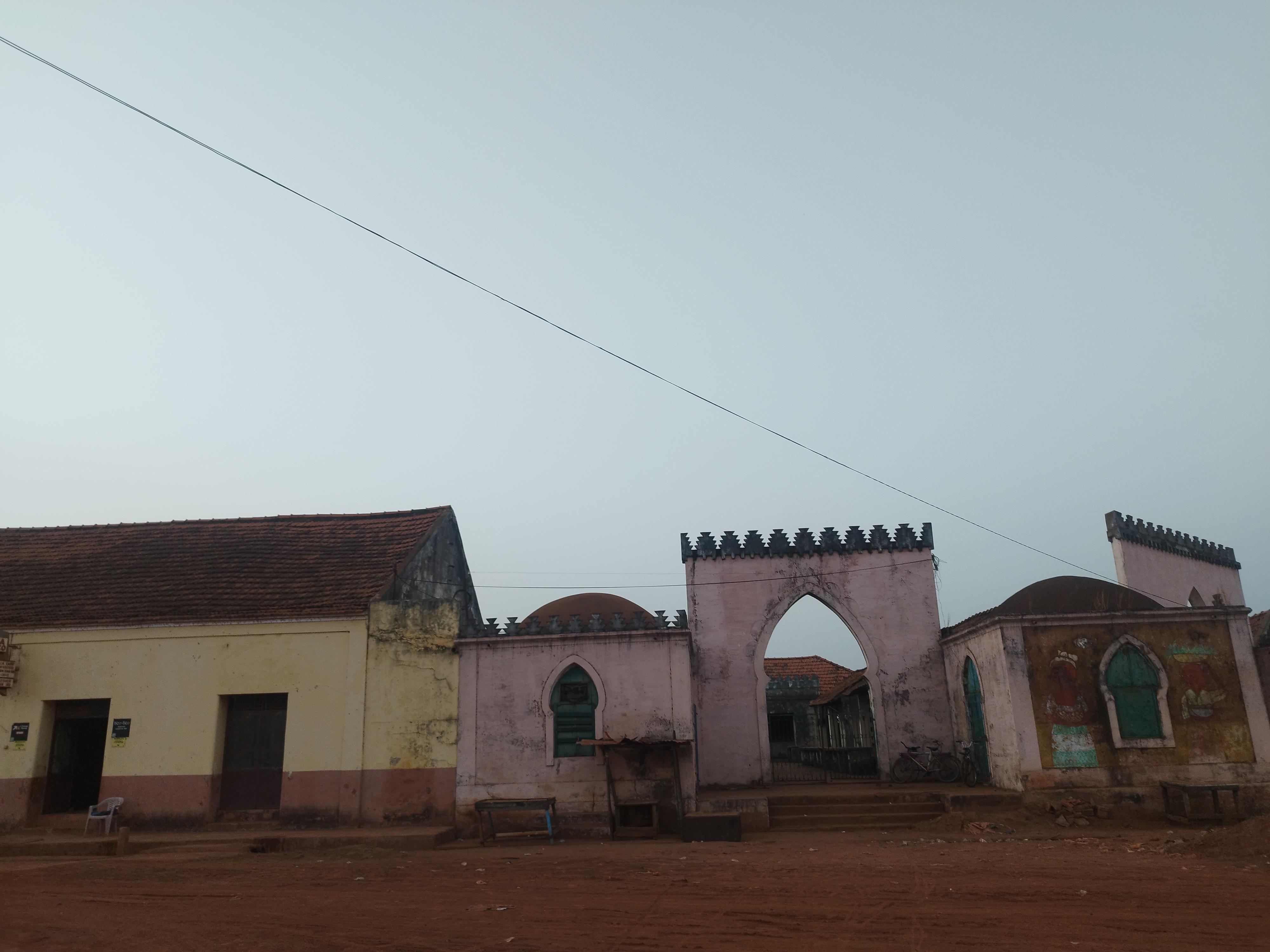
Overall, Guinea-Bissau is a small, little-visited, yet beautiful country with kind but sometimes reserved people (mainly due to language barriers). We didn’t visit some of its most stunning areas, like the Bijagós Islands—you either have to go for just one day or stay for a whole week because of how the ferries operate. But if we get the chance, we will definitely return one day.